
Category: Blog

  • Why Gold is a Hedge Against Inflation: What You Need to Know

    Why Gold is a Hedge Against Inflation: What You Need to Know

    I remember staring at my grocery receipt and feeling a quiet panic as prices climbed. That moment pushed me to study how assets protect buying power over time. This piece walks through the evidence without hype.

    Historical data is mixed: gold posted huge gains in the 1970s but lagged in early-1980s episodes. During the March 2020 market shock, stocks plunged far more than bullion, and research shows commodities often outpaced equities in major inflationary bursts tied to supply shocks.

    We’ll examine what really moves the metal’s price: real interest rates, central bank buying, and geopolitics. You’ll learn when it helped investors cut portfolio drawdowns and when it failed to track retail price changes.

    This article focuses on the U.S. context and compares the metal with TIPS, REITs, and broad commodities. Expect an evidence-led view to help you decide how much exposure, if any, fits your plan.

    Key Takeaways

    • Gold can protect value in some inflationary shocks but is not a guaranteed shield.
    • Performance varies by the type of shock: supply-driven spikes often favor commodities.
    • Real rates, central bank demand, and geopolitics are key price drivers.
    • Think of a hedge as lower portfolio drawdowns, not perfect CPI tracking.
    • Diversification and sizing matter given gold’s low long-run correlation with inflation.

    The present inflation landscape in the United States and what investors are really asking

    Today’s U.S. inflation picture blends sticky price worries with shifting policy bets that shape investor choices.

    Rising prices, shifting rates: where inflation stands now

    Persistent concerns about consumer costs keep inflation top of mind for investors. Markets react fast when data surprise, and that often forces quick repricing of interest rates and growth expectations.

    Commodities have historically outperformed during inflation surprises and demand-driven bursts. Goldman Sachs Research finds broad commodities beat equities and bonds across five inflation episodes in the past 50 years, with energy and agriculture leading real returns while industrial metals rotated later in cycles.

    Search intent decoded: informational signals behind “hedge inflation” queries

    When search volume for hedge inflation rises, most queries seek practical, data-backed ways to limit purchasing-power erosion without guessing cycle tops or bottoms. Investors want analysis of past outcomes and clear signals to watch.

    • Inflation regimes differ: supply shocks, demand surges, and credibility risks produce varied asset responses.
    • Markets reprice quickly when rates move, so tracking interest rates and policy expectations matters for timing.
    • Protecting against inflation is risk management across the market, not chasing a single recent winner.

    For more on recent market flows and policy expectations, see this short note on investor positioning and sticky price risks: market and policy update.

    Why do some people say gold is a hedge against inflation?

    The case rests on three simple ideas: limited supply, steady global demand, and defensive flows when markets wobble.

    Scarcity and intrinsic value

    Gold has a finite supply, which supports its perceived value versus other metals. Mining output grows slowly, so scarcity underpins long-term appeal.

    Currency weakness and purchasing power

    When currencies lose purchasing power, holders often seek assets outside the banking system. Central banks cannot print bullion, and reserve purchases by emerging market central banks and Asian households provide tangible support.

    A shimmering golden hedge stands tall, its leaves glistening in the warm sunlight. The hedge's intricate foliage forms a lush, vibrant canopy, casting gentle shadows on the well-manicured grass below. In the foreground, a few fallen golden leaves rest upon the ground, hinting at the hedge's resilience and timelessness. The scene is captured with a wide-angle lens, emphasizing the hedge's grandeur and its place within a serene, picturesque landscape. The overall mood is one of tranquility and stability, conveying the idea of gold as a reliable hedge against the fluctuations of the economy.

    Safe-haven behavior during stress

    During the early 2020 market rout, bullion fell much less than equities, showing how it can dampen portfolio drawdowns in times of policy uncertainty or geopolitical shocks.

    • Global demand—from jewelry to reserves—helps smooth price swings across cycles.
    • Flows into metals respond to real yields, currency moves, and risk sentiment.
    • “Gold hedge” usually means partial protection, not a one-to-one CPI link.

    Bottom line: Bullion can protect buying power in specific scenarios, but its effectiveness shifts with the cause of rising prices. Treat it as one tool within a diversified strategy.

    What the data shows: gold’s performance across inflationary periods

    Different inflation regimes produced distinct outcomes for bullion returns and portfolio impact.

    When bullion shines

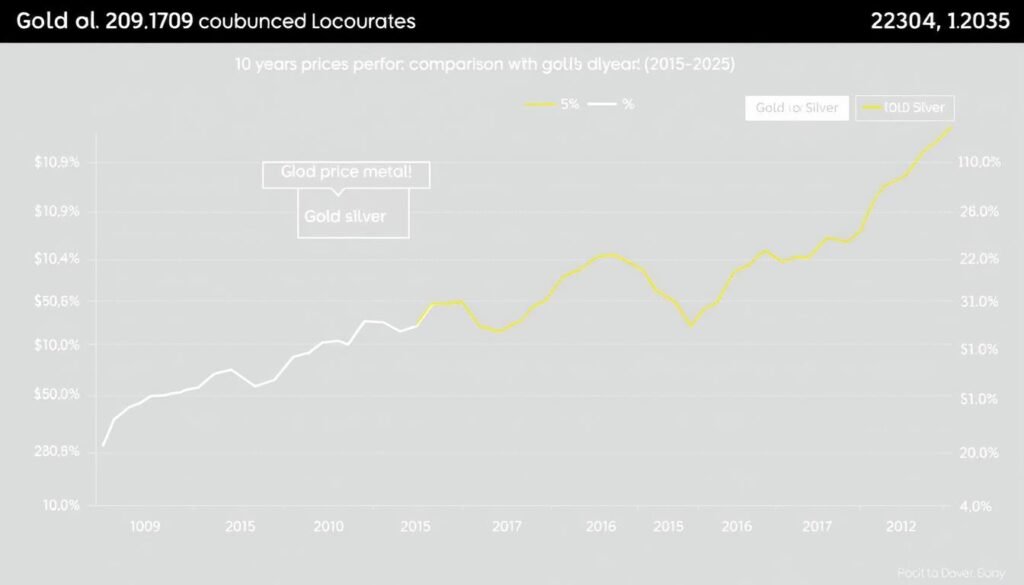
    1970s oil shocks and credibility strains created large, unexpected price jumps. From 1973–79 inflation averaged about 8.8% and bullion returned roughly 35% over that period. Research shows that when policy credibility falters or geopolitical supply shocks hit, bullion often protects real wealth.

    When bullion lags

    By contrast, the early 1980s and the 1988–91 period featured moderate inflation and aggressive rate hikes. Bullion averaged about -10% from 1980–84 and about -7.6% from 1988–91 while inflation ran lower. Rapid interest rate tightening reduced bullion’s appeal versus income-bearing assets.

    Mixed record in U.S. history

    Morningstar’s Amy Arnott reports a low long-term relationship between bullion and inflation: correlation near 0.16 over roughly 50 years. That weak link means bullion is not a universal solution for inflation risks.

    Trend takeaway

    In short, bullion tends to help most during very high inflation and big surprises. It underperforms during demand-led expansions when central banks hike quickly. Treat historical analysis and current drivers together when sizing any allocation.

    A dramatic landscape depicting the impact of gold inflation. In the foreground, a gleaming gold bar stands tall, its surface shimmering under a warm, golden light. Behind it, a towering mountain range rises, its jagged peaks and rocky outcroppings cast in shadows that accentuate the harsh, unforgiving terrain. In the distance, the sky is ablaze with fiery hues, reflecting the turbulent economic conditions that have driven up the value of gold. The scene conveys a sense of power, wealth, and the precariousness of financial markets, all against the backdrop of a landscape that is both beautiful and unyielding.

    Period Average CPI Bullion Returns (approx.) Key driver
    1973–1979 ~8.8% +35% Oil shocks, credibility risks
    1980–1984 ~6.5% -10% Sharp rate hikes, demand cooling
    1988–1991 ~4.6% -7.6% Moderate inflation, policy tightening
    Long-term (~50 yrs) N/A Variable; low correlation (~0.16) Mixed drivers; credibility & shocks matter

    For deeper research on bullion’s strategic role and comparisons with other real assets, see this strategic analysis and a practical primer on inflation-proof investments for investors.

    Gold versus other inflation hedges: commodities, TIPS, REITs, and stocks

    Different assets react to rising prices in distinct ways, so blending them matters. Positioning bullion alongside broad commodities, TIPS, REITs, and stock holdings helps manage drawdowns when inflation accelerates.

    A serene landscape depicting a commodities inflation hedge. In the foreground, a gleaming gold bar stands prominently, symbolizing the timeless value of precious metals. Behind it, a diverse array of commodities - wheat, crude oil, copper, and agricultural produce - are arranged in a visually striking composition. The middle ground features a rolling hillside, bathed in warm, golden light, creating a sense of tranquility and stability. In the distance, a clear blue sky stretches out, hinting at the long-term resilience of these tangible assets. The overall scene conveys the idea of a well-diversified portfolio of inflation hedges, with gold as the central pillar, surrounded by a tapestry of complementary commodities.

    Commodities spectrum: energy, agriculture, and industrial metals

    Energy often leads. Goldman Sachs research shows commodities beat equities and bonds across five inflation episodes, with oil and energy delivering the strongest real returns on upside surprises.

    Agriculture and livestock can protect purchasing power when supply chains and fuel costs widen. Industrial metals tend to rally later in cycles but fall faster when central banks tighten.

    Portfolio roles: TIPS for direct linkage, REITs and equities for growth

    TIPS link directly to CPI and smooth bond-side volatility; allocating roughly 25% of fixed income to TIPS is a common inflation-aware tilt.

    REITs and stocks can benefit from nominal growth but carry earnings and market risk during policy tightening. Historical returns illustrate this: REITs posted solid gains in past episodes while commodities rotated with shock types.

    “Blend assets rather than rely on any single hedge to reduce reliance and limit drawdowns.”

    For practical comparisons and further reading on inflation-proof options, see this primer on top protection assets and a practical guide to inflation-proof investments: top assets for protection and inflation-proof investment guide.

    Drivers of gold’s inflation-hedge behavior: rates, central banks, and geopolitics

    Macro forces set the stage for how bullion reacts when prices speed up. Movements in real yields, steady reserve buying, and sudden shocks together shape flows and short-term returns.

    Real interest rates and opportunity cost

    Higher real interest reduces appeal for non-yielding assets by raising the opportunity cost. When real interest falls, demand for bullion often rises as the metal competes better with income assets.

    Policy shifts and rate paths

    Fast rate hikes can punish bullion, while policy easing or weaker real interest rates supports it. Track central-bank guidance and short-term interest expectations to time exposures.

    Central-bank demand and credibility

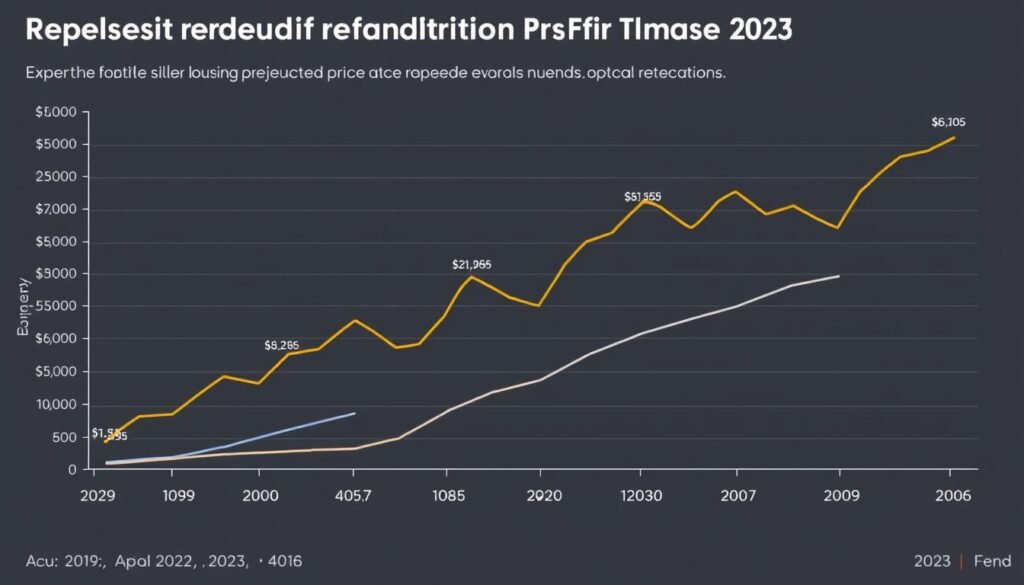
    Emerging market central banks have been steady buyers, underwriting structural demand. Goldman Sachs projects a base case near $2,700/oz on strong reserve flows and household buying in Asia.

    Geopolitics, supply shocks, and election-year risks

    Trade tensions, sanctions, and oil disruptions push volatility higher. Supply interruptions lift commodity-linked prices and can amplify flight-to-safety flows into bullion.

    “Market reaction to geopolitical shocks is the biggest swing factor; oil often transmits those shocks fast.”

    Driver Typical effect Investor signal
    Falling real interest Stronger bullion flows, higher returns Increase tactical exposure
    Central-bank buying Structural support for prices Consider longer-term allocation
    Geopolitical / supply shock Sharp volatility, defensive demand Use size limits and rebalancing

    Bottom line: Monitor rates, policy language, and reserve buying. Combine scenario analysis with disciplined sizing to capture upside while managing inflation risks and market volatility.

    Applying the analysis: building a U.S.-focused, inflation-aware portfolio today

    Designing an allocation starts with clear roles for each sleeve: core growth, income, and targeted protection. That framing keeps decisions tidy and repeatable during market moves.

    Position sizing and diversification: where gold fits among assets and time horizons

    Begin with a diversified core and then layer targeted inflation hedging. CNBC and Morningstar suggest shifting 5%–15% of the equity sleeve into REITs and broad commodities, while allocating ~25% of the fixed-income sleeve to TIPS inside bonds.

    Use gold as a complementary sleeve sized to your risk tolerance and time frame. In the COVID-19 drawdown, SPDR Gold Shares fell roughly 3.6% while the S&P 500 dropped 34%, showing how noncorrelated holdings can limit drawdowns.

    Element Example allocation Primary role Expected behavior in inflation
    Equity sleeve (incl. REITs) 35%–55% (5%–15% shift to REITs/commodities) Growth Mixed; REITs can track inflation
    Fixed income (with TIPS) 25%–40% (≈25% of bonds to TIPS) Income & CPI link Direct CPI protection
    Gold & commodities 2%–8% gold, 3%–10% commodities Inflation hedging Buffers shock-led price spikes

    Practical rules: set rebalancing bands, stress-test allocations for demand-led and supply shocks, and track rates and policy signals. Measure success by preserved purchasing power and reduced drawdowns, not just nominal returns. Keep costs, liquidity, and taxes front of mind when choosing vehicles.

    Conclusion

    When prices leap from supply shocks or geopolitical stress, bullion can act as a meaningful portfolio buffer.

    Evidence shows the metal performed well in very high, surprise episodes (1970s) and served as a safe haven in crises (early 2020). Its long-term relationship with consumer prices is low (~0.16), and returns were negative in some periods (1980–84; 1988–91).

    For practical protection, combine bullion with broad commodities, TIPS, and REITs to cover varied inflationary periods and drivers. Size exposures to fit your goals, risk tolerance, and time horizon, and monitor market, policy, and price signals ongoingly.

    Bottom line: Treat bullion as one piece of an inflation-aware toolkit, focused on preserving purchasing value and limiting drawdowns rather than as a blanket solution. For tactical steps and items to avoid during rising prices, see this short guide on smart actions during inflationary times: inflation action checklist.

    FAQ

    What makes gold act like an inflation hedge?

    Gold holds value when currencies lose purchasing power because it has limited supply, wide global demand, and intrinsic appeal as a store of wealth. During periods when central banks expand money supply or real interest rates fall, investors often shift into metals to preserve buying power.

    How does the current U.S. inflation picture influence metal prices?

    When consumer prices rise and inflation expectations climb, gold can gain as a protection against currency erosion. At the same time, if the Federal Reserve hikes real rates sharply to cool prices, that can raise the opportunity cost of holding non-yielding assets and weigh on metal prices.

    Can gold protect purchasing power better than cash or short-term bonds?

    Over long stretches of high inflation, gold has preserved real value more often than cash, which loses purchasing power. Short-term bonds can underperform when inflation surprises occur, though Treasury Inflation-Protected Securities (TIPS) offer direct inflation linkage that cash lacks.

    In which historical episodes did gold perform best?

    Gold did well in the 1970s during oil shocks and weak central bank credibility, and in periods of deep geopolitical or financial stress. Those episodes combined high inflation with low or negative real interest rates and strong demand for safe assets.

    When does gold underperform during inflationary times?

    Gold can lag when price rises stem from strong demand for goods and wages while policymakers respond with rapid rate hikes. In such scenarios, higher real yields boost interest-bearing assets and reduce metal appeal, producing weaker returns for bullion.

    How does gold compare to commodities, real estate, and stocks as hedges?

    Commodities like oil and agricultural goods often track consumer prices directly. Real estate and REITs can offer income and inflation linkage but carry leverage and local risks. Equities may outpace inflation over the long run but face volatility. TIPS provide explicit inflation protection for bond investors.

    What role do real interest rates play in gold’s outlook?

    Real rates (nominal rates minus inflation) drive the opportunity cost of holding non-yielding assets. Falling or negative real rates tend to support higher metal prices. Rising real rates usually pressure gold as investors prefer yielding instruments.

    How do central bank policies affect demand for bullion?

    Central banks that add gold to reserves raise global demand and signal confidence in diversification away from fiat currencies. Policy shifts that erode trust in monetary management can boost metal demand, while credible anti-inflation actions can reduce it.

    Should U.S. investors hold gold in an inflation-aware portfolio?

    Many investors use gold as a tactical hedge and portfolio diversifier rather than a core inflation solution. Small to moderate allocations can reduce tail risks tied to currency shocks and geopolitical crises, while preserving liquidity for rebalancing.

    How large should a position in gold be for inflation protection?

    Typical allocations range from 2% to 10% of a diversified portfolio depending on risk tolerance, time horizon, and confidence in monetary policy. The goal is to balance potential upside in stress scenarios against opportunity cost during periods of rising real yields.

    What risks come with relying on gold for inflation hedging?

    Gold can deliver negative real returns in some periods, sees high price volatility, and pays no income. Market demand, speculative flows, and changes in interest-rate expectations create unpredictable short-term moves, so it’s not a guaranteed hedge.

    Are gold mining stocks the same as holding bullion for inflation protection?

    Mining equities offer leverage to metal prices and potential dividends but introduce operational, management, and geopolitical risks. Bullion provides purer exposure to price movements without company-specific risk, though it lacks yield.

    How should investors monitor whether gold is working as an inflation hedge?

    Track real interest rates, CPI trends, central bank statements, and safe-haven flows. Compare bullion returns to inflation measures over relevant horizons and evaluate portfolio correlations to decide if allocations meet protection goals.


  • Inflation-Proof Your IRA: Smart Investments to Consider

    Inflation-Proof Your IRA: Smart Investments to Consider

    I remember the sinking feeling in 2020 when the market seemed to vanish overnight. Many people felt the same panic watching charts and headlines, worrying about retirement buying power as prices climbed.

    What can I put in my IRA that won’t just disappear if prices keep rising? This guide answers that question with clear options and a calm tone. No single holding is flawless, but a resilient mix of equities, bonds, real assets, and cash buffers helps protect long-term retirement savings.

    History shows quick recoveries after sharp drops. The stock market’s rebound after March 2020 reminds us that staying invested and diversifying a portfolio matters more than timing every move.

    Read on for practical steps: account type, tax approach, asset mix, low-cost funds, and habits like automatic contributions and regular rebalancing that keep money working through cycles.

    Key Takeaways

    • Diversify across stocks, bonds, real assets, and cash to manage risk.
    • History favors patient investors who stay invested through market turbulence.
    • Automate contributions and rebalance to keep a durable portfolio.
    • Choose low-cost funds and tax-smart accounts to boost retirement savings.
    • Tailor your strategy to your timeline and comfort with risk.

    Understand inflation risk and market volatility before you invest

    Inflation quietly shrinks your buying power unless returns keep pace. In plain terms, when general prices rise faster than your portfolio returns, your retirement income buys less over time.

    How inflation erodes purchasing power in retirement

    Plan for returns that outpace inflation. If earnings lag, future retirement cash will cover fewer essentials. Different sectors of the economy and shifts in demand push prices up or down, so build expectations around ongoing inflation when you set allocation.

    Volatility vs. crashes: why staying invested matters

    Market corrections of 10% or more crop up every few years, while true crashes are rarer but deeper. The 2020 downturn and rapid rebound is a clear example—investors who exited then locked in losses and missed later gains.

    • Returns are lumpy: some years beat expectations, some fall short.
    • Diversifying across stocks, bonds, and cash reduces single-event risk.
    • Time in the market usually beats timing the stock market.

    Next, learn how to match account type and allocation to these realities so choices feel intentional rather than reactive.

    Clarify your IRA type and tax strategy for resilient returns

    Choose an account type that matches your tax outlook and long-term goals.

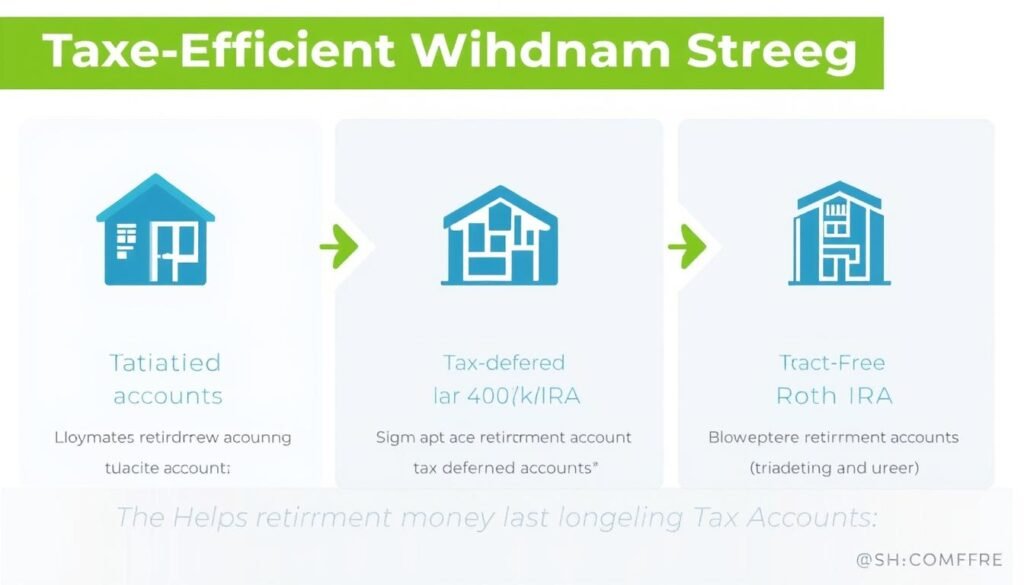
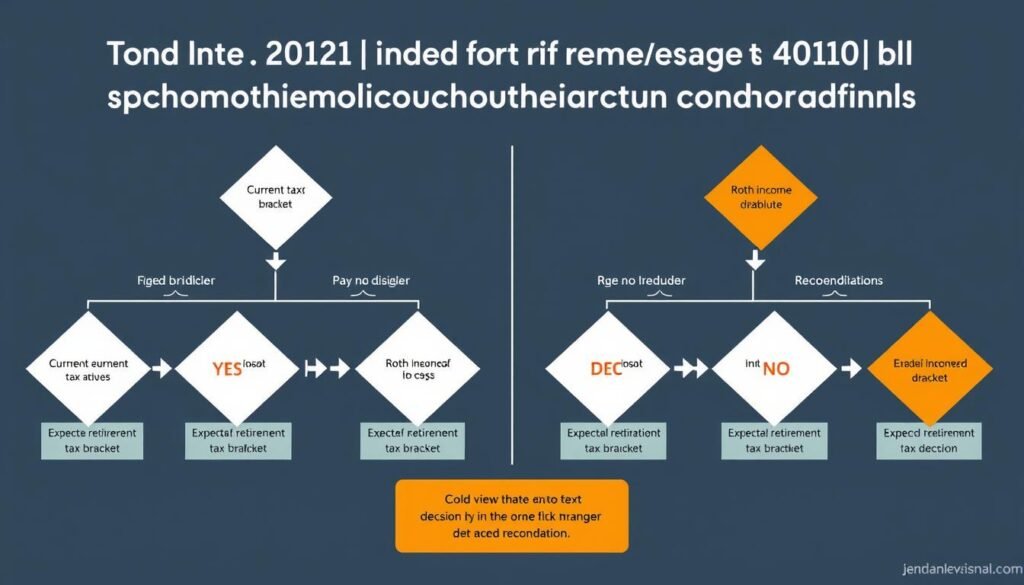
    Traditional vs. Roth at a glance: A Traditional account often gives a current tax deduction and taxes withdrawals in retirement. A Roth uses after-tax dollars so growth and qualified withdrawals are tax-free.

    For 2024, Roth contribution limits are $7,000, plus a $1,000 catch-up if you are 50 or older. Eligibility phases out based on MAGI: singles see full access under $146,000 and no direct contributions at $161,000 or more. Married filers phase out between $230,000 and $240,000.

    Backdoor Roth basics

    The backdoor route uses a non-deductible Traditional contribution followed by a conversion to a Roth. Beware the pro-rata rule: having other pre-tax IRA balances can make part of the conversion taxable.

    “Contribute early in the year to capture more compounding time.”

    — Christine Benz, Morningstar

    Timing and contribution strategy

    Don’t wait until tax day. Early or monthly contributions increase compounding time and reduce timing risk in a volatile market.

    Feature Traditional Roth
    Immediate tax benefit Possible deduction No
    Withdrawals in retirement Taxable Tax-free if rules met
    Good if you expect Lower tax bracket later Higher tax bracket later
    High-income option Available Use backdoor conversion

    Coordinate contributions with your overall retirement plan and talk with a financial advisor or tax professional to tailor choices to your income and long-term savings goals.
    What can I put in my IRA that won’t just disappear if prices keep rising?

    A durable retirement plan mixes engines for growth with ballast that soothes volatility.

    Diversification and a clear asset allocation set the stage. Broad stocks act as growth engines to outpace inflation over long time frames. Short-duration bonds and cash supply ballast to reduce swings near retirement.

    Include inflation hedges such as REITs or commodities and a modest allocation to precious metals. These assets may hold value when overall prices climb, but they also carry unique risks. No single holding is a magic shield.

    Keep your allocation aligned with time and risk tolerance. The more time you have, the heavier you can weight growth assets. Nearer-term plans call for more stability and cash reserves.

    • Rebalance on a schedule to prevent any asset from dominating.
    • Use low-cost, diversified funds to capture broad market exposure without high fees.
    • Document a target allocation and stick to it through market cycles.

    “Diversify across growth, protection, and inflation hedges for resilient returns.”

    Next, we’ll show sample building blocks—equities, bonds, real assets, and cash—and how to blend them into a working strategy.

    Build an asset allocation that matches your risk tolerance and time to retirement

    Start your allocation by matching stock exposure to how many years remain until retirement.

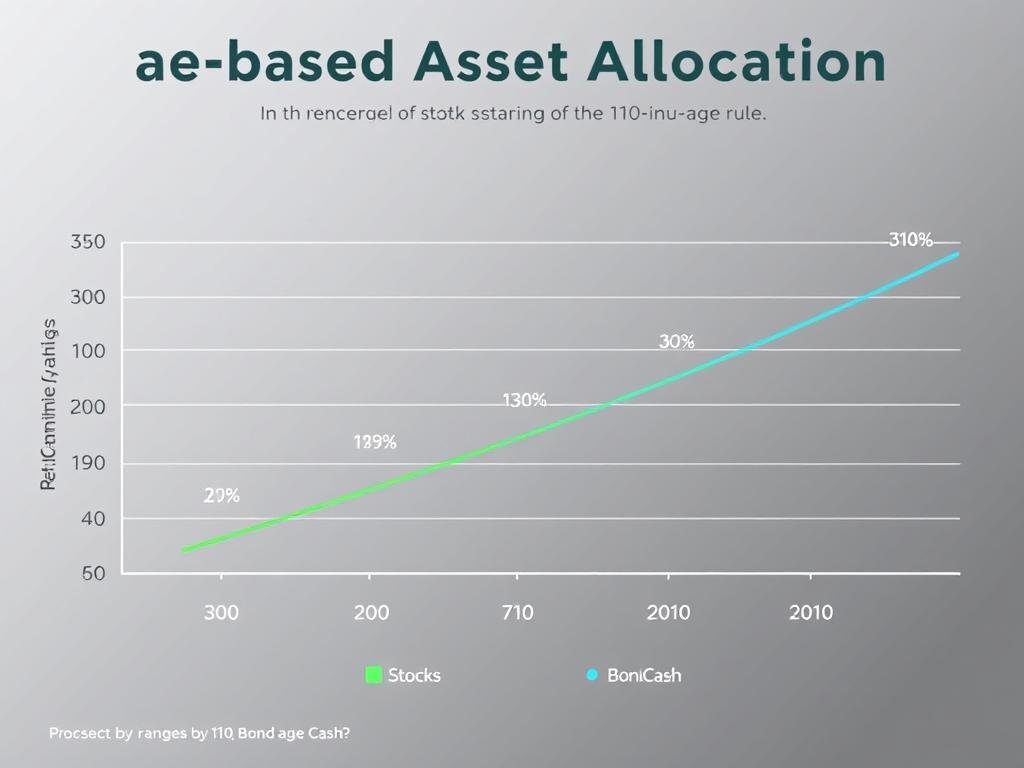
    Rules of thumb offer a quick baseline: try 110 minus your age for stocks. Risk-tolerant investors might use 120 minus age. Conservative savers can use 100 minus age.

    A well-balanced financial portfolio arranged on a minimalist desk, illuminated by soft, natural lighting. A diverse mix of investment options, including stocks, bonds, real estate, and alternative assets, is displayed in an intuitive, visual layout. The composition conveys a sense of stability, thoughtfulness, and control, reflecting the careful planning required to build an asset allocation aligned with one's risk tolerance and retirement timeline. The overall aesthetic is clean, modern, and visually engaging, inviting the viewer to consider their own investment strategy.

    Rule-of-thumb ranges vs. customized allocation

    Simple formulas are handy, but a customized plan fits income needs, other assets, and true risk tolerance.

    Write down your target allocation so the portfolio stays steady when the market gets noisy.

    Younger investors, near-retirees, and the glide toward lower risk

    Investors with many years can hold more stocks to chase growth. Near-retirees shift gradually toward bonds and cash to reduce sequence risk.

    Glide paths slowly dial down stock exposure over time. Target-date funds do this automatically and rebalance for you.

    • Rebalance at least annually; consider quarterly if you prefer tighter control.
    • Coordinate this IRA allocation with 401(k), HSA, and taxable accounts.

    “A thoughtful allocation is the backbone of an inflation-aware retirement strategy.”

    Use equities that can hold up when prices rise

    Choose equities that mix steady income with long-term growth to help shield buying power as costs climb. High-quality dividend stocks and defensive sectors often fare better when markets get choppy.

    Dividend stocks and dividend aristocrats for income and stability

    Dividend payers supply income and can smooth volatility. Companies that lift payouts for 25+ years—dividend aristocrats—often have durable business models.

    Focus on total returns: dividends plus price appreciation matter more than yield alone. Check balance sheets and debt levels to ensure firms can sustain payouts as costs rise.

    Defensive sectors: healthcare, utilities, and consumer staples

    People still need medicine, power, and basic goods in every economy. These sectors tend to be less cyclical and can protect a portfolio when the market weakens.

    Blend broad market index funds with targeted dividend or sector funds to capture diversification without heavy stock picking.

    • Dividend names can support steady income and stability.
    • Defensive sectors often hold up better during downturns.
    • Use low-cost funds to access these themes efficiently.

    “Over the long run, stock returns have outpaced inflation, making equities a core growth engine for retirement savings.”

    Add bond strategies designed for changing interest rates

    A steady bond sleeve can smooth portfolio swings when rate cycles shift.

    Short-duration bonds and bond funds reduce sensitivity to rising interest rates. They cut price volatility and let you reinvest sooner into higher-yielding issues as rates move.

    Short-duration bonds and bond funds to manage rate risk

    Use high-quality core funds for stability and short-term funds for flexibility. Short-duration funds typically fall less when rates climb and recover faster when new yields rise.

    How rising rates affect bond prices and future income

    When rates increase, existing bond prices generally fall because new bonds offer higher yields. That creates an opportunity: rolling maturing bonds into fresh issues raises future interest income.

    • Build a bond sleeve with core investment-grade funds plus short-term funds to limit volatility while earning steady interest.
    • Consider a ladder or short-term ETFs for predictable cash flows near retirement.
    • Avoid concentrated credit risk; diversify across issuers and term lengths.
    Objective Approach Benefit
    Limit rate risk Short-duration funds / ladder Lower price sensitivity to rates
    Boost future income Roll into higher-yielding bonds Higher coupon on new purchases
    Stable withdrawals Short-term ETFs or laddered maturities Predictable cash flow for 1–5 years
    Cost efficiency Low-expense bond funds Preserve net returns

    Remember: inside an IRA, interest compounds tax-deferred (or tax-free in a Roth), which can improve after-tax outcomes compared with taxable accounts.

    “Treat bonds as ballast: they won’t outpace stocks long term, but they smooth the journey through changing rate and market regimes.”

    Review duration and credit quality periodically and align the bond sleeve with your overall portfolio risk. For more on living from fixed income, check a practical guide to living off interest.

    Consider real assets to counter inflation

    Tangible investments often move on separate drivers than stocks and bonds, offering useful diversification.

    Real estate and REITs for income and inflation linkage

    Real estate investment trusts (REITs) can provide steady income through dividends and some linkage to rising prices via rents and property values.

    REITs give exposure to commercial, residential, or industrial property without owning a single building. Low-cost REIT ETFs spread that exposure and help manage concentrated-asset risk.

    Commodities and precious metals as diversifiers

    Commodities and metals diversify traditional investments and sometimes outperform when inflation or stress pushes prices higher.

    For example, after March 2023 banking stress and a Fed rate move, gold rose 1.54% and silver jumped 2.79% in a day, showing how demand can shift toward hedges.

    • Use broad commodities ETFs and low-cost metal funds to avoid single-asset concentration.
    • Keep real asset position sizes aligned with your risk tolerance and overall strategy.
    • Trim winners after sharp run-ups and rebalance back to targets to maintain balance in the portfolio.

    “Real assets may zig when other parts of the portfolio zag, which is the point of diversification.”

    Remember: while these assets may help when prices climb, they are not guaranteed hedges in every market. Document a clear role and range for real assets so they support long-term returns without overwhelming core holdings.

    Create a cash and money market buffer to manage sequence risk

    Holding short-term savings gives you time and calm when markets wobble near retirement.

    Sequence-of-returns risk happens when withdrawals follow a market drop. Taking money out after a decline can permanently harm future income and the long-term sustainability of your nest egg.

    A well-lit, photorealistic image of a money market fund, with a clear focus on the financial instruments and investments that comprise it. The foreground features a stack of US dollar bills, coins, and a digital display showing current interest rates and yields. The middle ground showcases various short-term fixed-income securities like Treasury bills, commercial paper, and certificates of deposit. The background depicts a modern financial district skyline, with skyscrapers and infrastructure conveying a sense of stability and security. The overall mood is one of prudent financial management, emphasizing the importance of maintaining a diversified, low-risk cash buffer as part of a comprehensive investment strategy.

    Cash reserves for one to five years of living expenses

    Many professionals advise keeping three to five years of essential spending in cash or equivalents. A smaller buffer (one to three years) works if you have a pension or steady other income.

    Money market funds inside an IRA: when they make sense

    Money market funds are useful as a temporary parking spot during allocation changes or when near-term withdrawals loom. They let you earn competitive yields today while you avoid selling stocks at lows.

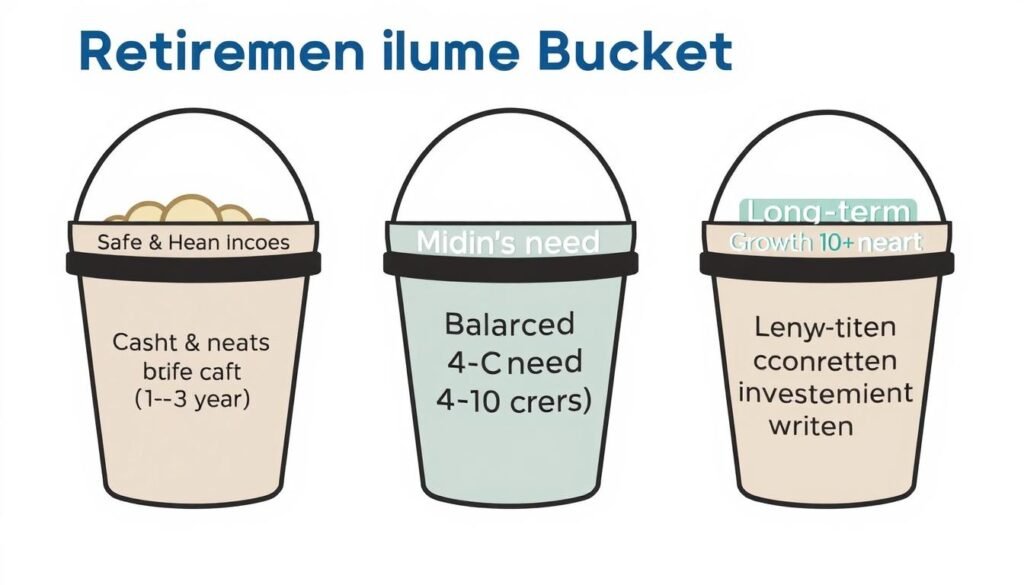
    • Bucket strategy: cash for 1–3 years, bonds for the medium term, stocks for long-term growth.
    • Cash cushions help people stick with a written spending plan during drawdowns.
    • Trade-off: excess savings reduce long-run return, so size the cash bucket to your comfort and spending needs.

    “Treat cash as part of your portfolio and rebalance it into income or growth assets on a set schedule.”

    Automate contributions and dollar-cost averaging for steadier results

    A simple habit—automatic deposits—turns intentions into progress every pay period.

    Set up monthly contributions so your account grows regardless of how the market feels. Automation removes emotion and keeps a steady flow of savings into your plan.

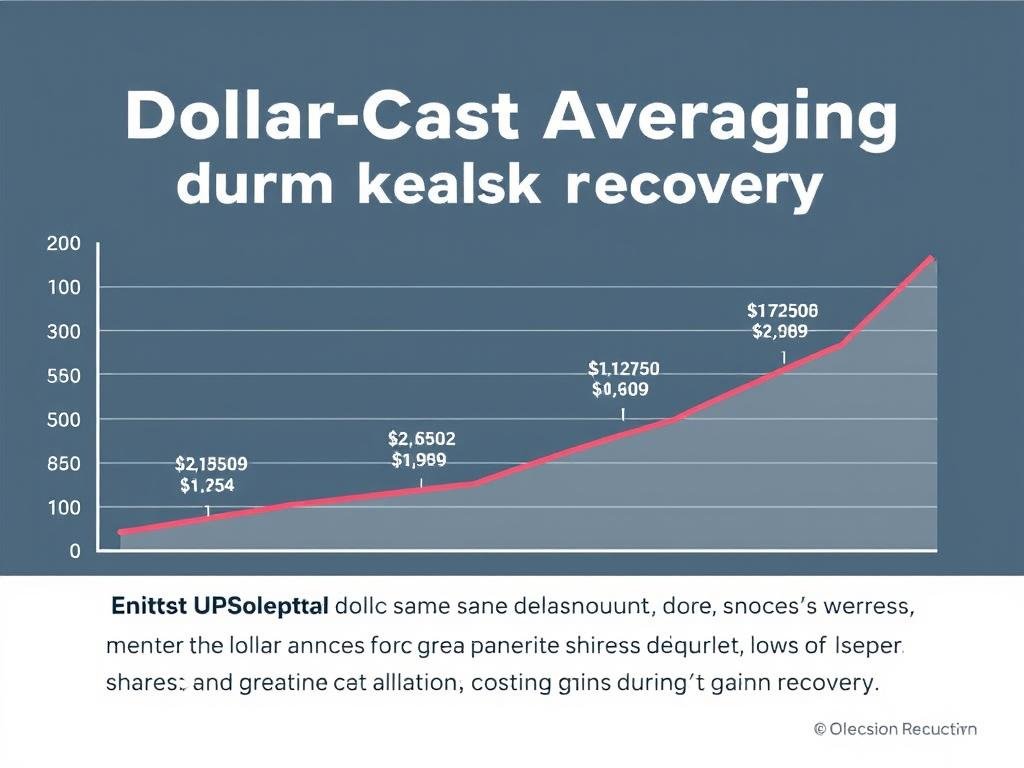
    Dollar-cost averaging means investing the same dollar amount on a schedule. Over time, this buys more shares when prices fall and fewer when they rise.

    Keep contributions running through downturns. Buying at lower prices can boost long-term outcomes. Likewise, don’t slow deposits in strong markets—consistency helps hit your annual goal.

    • Align deposits with paychecks to spread the yearly max across months.
    • Use provider tools to schedule transfers and track progress.
    • Review contribution levels once a year to match cash flow and taxes.
    Action Why it helps How to start
    Auto monthly deposits Removes timing decisions Set up with your IRA provider
    Dollar-cost averaging Manages price risk Invest fixed amounts regularly
    Annual review Keeps plan aligned with goals Adjust amounts as needed

    “Automate the routine and focus on the long game; it’s a practical way to make steady progress.”

    Rebalance regularly to keep risk in check

    Rebalancing is the simple habit that preserves intended exposure across market cycles. It trims outperformers and adds to laggards so your portfolio stays true to its target allocation.

    A well-balanced portfolio of diverse financial assets, including stocks, bonds, and alternative investments, floats above a serene background. Soft, diffused lighting illuminates the scene, conveying a sense of stability and thoughtful planning. The arrangement of the assets, represented by simple geometric shapes, suggests a carefully orchestrated rebalancing process, optimizing risk and return. The overall mood is one of financial prudence and long-term sustainability, reflecting the need to regularly review and adjust one's investment strategy to maintain a secure financial future.

    Annual or quarterly checks without tax headaches

    Inside an IRA you can rebalance freely without triggering current-year taxes. That is a big advantage when you want to adjust weights after strong moves in the market.

    Many investors pick annual reviews; some advisors prefer quarterly. Another option is to set tolerance bands (for example, 5%) so rebalancing happens only when drift matters.

    Target-date funds: set it and let the glide path work

    Target-date funds embed an automatic shift toward safer assets as your retirement term nears. They handle ongoing rebalancing and keep a clear mix of funds for growth and stability.

    For slightly more control, pair a target-date fund with a small sleeve of real assets or short-term bonds. That gives customization while preserving the core strategy.

    • Define rebalancing rules and document them to avoid emotional trades.
    • Use tolerance bands to limit unnecessary turnover.
    • Let an advisor help monitor drift if your mix is complex.

    “A disciplined rebalance forces you to buy low and sell high, keeping long-term growth on track.”

    Cut costs to protect long-term returns

    Small fee differences add up over decades and can reshape retirement outcomes. Keeping fees low is one of the clearest, most reliable moves to boost net savings and improve long-term returns.

    Expense ratios, transaction fees, and advisory costs to watch

    Check mutual fund and ETF expense ratios first. Even a few basis points lower can leave more money invested each year.

    Watch account or transaction fees, and compare any advisor or robo fees to the value you receive. Ask whether planning, tax help, or behavioral coaching justifies the cost.

    How a simple cost audit can add years of income

    Run a quick audit: list holdings, note each expense ratio, and compare to broad, low-cost alternatives. Consolidate redundant funds and replace expensive options where sensible.

    • Key fees: expense ratios, account/transaction fees, advisor/robo fees.
    • Avoid frequent trading to reduce transaction costs and keep your plan simple.
    • Review costs annually—small savings compound and improve the odds your portfolio outpaces inflation.
    Action Why it helps Benefit
    Replace high-cost funds Lower expense drag More money compounding
    Consolidate accounts Fewer duplicate fees Simpler monitoring
    Annual cost review Capture new low-cost options Keeps savings growing

    “A 1% fee over decades can shave hundreds of thousands off a balance—so check costs and act.”

    Coordinate your plan with taxes, beneficiaries, and professional guidance

    The years after you stop working but before required withdrawals start are ideal for tax planning moves.

    Roth conversions in this window can be powerful. Converting modest amounts may use lower tax brackets and lock in future tax-free income.

    Manage conversions carefully so you do not jump into a higher bracket in any single year. Work with a tax-savvy advisor to model scenarios and choose which assets to convert based on current market levels and long-term growth prospects.

    Keep beneficiary designations current. Under recent rules many heirs must empty inherited accounts within 10 years, so a clear beneficiary choice helps simplify estate steps and aligns after-tax results with your goals.

    • Plan conversions annually to smooth tax impact.
    • Update beneficiaries after major life events.
    • Coordinate contribution, asset location, and withdrawal sequencing to improve net retirement outcomes.

    “Consider conversions after retirement but before RMDs to take advantage of typically lower taxable income.”

    — Christine Benz
    Decision Why it matters When to consult an advisor
    Roth conversion sizing Controls tax bracket impact When modeling multi-year taxes
    Beneficiary updates Simplifies estate and tax outcomes After marriages, births, or deaths
    Asset selection for conversion Choose loss-packed or high-growth holdings When market swings change valuations

    When plans are complex, a trusted financial advisor adds value by coordinating accounts, running tax projections, and offering behavioral coaching. Annual check-ins keep the strategy aligned with law changes, income shifts, and market movement so people preserve more retirement income.

    Conclusion

    Long-term gains come from a clear mix of growth assets, stabilizers, and routine actions, not from timing short-term swings.

    Recap the playbook: blend growth-oriented equities with short-term bonds and cash, plus a measured sleeve of real assets to help protect purchasing power. Automate contributions, rebalance on a schedule, and keep fees low to shield retirement savings and improve long-run outcomes.

    Align account type and tax moves with your broader plan. Staying invested through the stock market’s ups and downs has helped many investors compound wealth. If you prefer a simple path, consider a target-date fund; otherwise, get a quick cost and allocation audit or talk with a pro to tailor a portfolio to your timeline and risk comfort.

    FAQ

    How does inflation hurt retirement savings?

    Inflation reduces buying power over time, so a fixed-dollar portfolio can buy less in the future. Stocks, certain real assets, and inflation-linked bonds tend to preserve purchasing power better than cash or long-term fixed-rate bonds during sustained price rises.

    Should I change my IRA type to protect against inflation?

    Choosing between a Traditional or Roth IRA depends on tax expectations. A Roth can be useful if you expect higher future tax rates, since withdrawals are tax-free. Some high earners use backdoor Roth conversions to get that benefit. Tax strategy should align with long-term goals and expected income in retirement.

    What core principles protect an IRA from rising prices?

    Diversification, thoughtful asset allocation, and a time horizon that matches your goals. Mix growth equities, inflation hedges like real estate or TIPS, and short-duration bonds or cash buffers to smooth returns and reduce sequence-of-returns risk.

    Which equities hold up best when prices rise?

    Dividend-paying stocks and dividend aristocrats often provide income and relative stability. Defensive sectors—healthcare, utilities, and consumer staples—can also perform better during uncertain times while offering steady cash flow.

    How should I use bonds when interest rates are climbing?

    Short-duration bonds and bond funds reduce sensitivity to rising rates, limiting price declines. Floating-rate funds and TIPS can offer protection by adjusting income with changes in interest or inflation.

    Are real assets like REITs a good hedge against inflation?

    Real estate and REITs can provide income that often rises with inflation, making them useful diversifiers. Commodities and precious metals also diversify portfolios, though they can be volatile and should be sized appropriately.

    How much cash should I keep inside an IRA?

    Keep a short-term cash buffer equal to one to five years of living expenses, depending on your risk tolerance and time to retirement. Money market funds inside an IRA are a practical place for that cash, reducing the need to sell investments during downturns.

    Does dollar-cost averaging help with rising prices?

    Yes. Automating contributions spreads purchases over time, which can lower average cost per share and reduce the emotional impact of market swings. This disciplined approach suits long-term retirement saving.

    How often should I rebalance an IRA?

    Rebalance annually or quarterly to keep your target allocation intact. Rebalancing inside IRAs doesn’t trigger taxes, so it’s an effective way to manage risk. Target-date funds offer an automated rebalancing and glide-path solution.

    What costs should I watch to protect returns?

    Expense ratios, trading fees, and advisory costs can erode long-term performance. Low-cost index funds and ETFs often deliver comparable returns at lower fees. A regular cost audit can meaningfully boost retirement income over decades.

    When should I consult a financial advisor about inflation protection?

    Consider professional guidance when you need help with tax-sensitive moves like Roth conversions, beneficiary decisions, or creating a customized allocation. An advisor can align investments with your risk tolerance, time horizon, and retirement income needs.

  • Safeguarding Your 401(k) in a Declining Dollar

    Safeguarding Your 401(k) in a Declining Dollar

    I remember the panic in my inbox during the crash of 2020. Friends worried about their nest egg and whether a single bad month would ruin long-term dreams.

    Short-term drops are normal in any market. Corrections over 10% happen every few years and can last months, while severe crashes are rarer but sharp. That history shows recovery can come fast, and panicked exits often lock in losses.

    A clear, calm plan helps. Diversified allocations across stocks, bonds, and cash, steady contributions, and periodic rebalancing form a defense. Avoid tapping accounts early — taxes and a 10% penalty can set back future goals.

    This guide will walk through practical moves on allocation, rebalancing, sector tilts, and cash buffers so your money can work toward retirement despite currency shifts. For more on how bear markets affect plans, see this guide on 401(k) behavior in bear.


    Key Takeaways

    • Short-term volatility is expected; long-term focus matters.
    • Diversification and automatic contributions reduce risk.
    • Rebalancing and target-date funds smooth recovery paths.
    • Market timing often backfires; staying invested catches rebounds.
    • Early withdrawals carry taxes and penalties that harm future savings.

    Why a weaker currency matters for your retirement plan right now

    Rising prices over time change how far retirement savings will stretch. Inflation reduces purchasing power, so each withdrawal buys less than it did years ago.

    Inflation, purchasing power, and future withdrawals

    Consumer prices track inflation. The CPI measures changes in a broad basket of goods and services. For example, a gallon of milk averaged about $2.70 in January 2000 and just over $4.00 in early 2025.

    That rise means planners should model withdrawals for higher costs over time. Review contribution rates and expected spending so retirement income keeps pace with inflation.

    Market volatility vs. economic recessions: key differences

    Market moves can be fast; recessions are slower and deeper. Volatility reflects the speed of price swings and comes from politics, inflation data, GDP reports, sector shocks, and big-company news.

    Feature Market volatility Recession
    Duration Days to months Months to years
    Main drivers News, earnings, policy Declines in production, trade, jobs
    Impact on investments Sharp price swings; recovery possible Wider economic damage; slower recovery

    Volatile periods don’t always mean a recession, and stock market dips can happen inside healthy economies. Investors should check their mix and time horizon rather than react to every downturn.

    Is my 401(k) safe if the dollar keeps losing value?

    A weaker currency can pinch purchasing power, but portfolio structure usually matters more than short-term price moves.

    Short-term price swings vs. long-term market growth

    Stocks face routine corrections and occasional crashes, yet broad markets have recovered over time. For example, the 2020 plunge gave way to a fast rebound. That history shows long-term returns depend on staying invested and keeping a plan.

    Currency devaluation risk and the role of diversified assets

    Diversification across stocks, bonds, and cash via mutual funds or ETFs helps limit how much one falling asset drags a portfolio down. Different assets react to rising prices and inflation in varied ways.

    • Acknowledge pressure on purchasing power, but note that diversified exposure and a long-term approach reduce risk.
    • Avoid concentration in a single stock; many advisers cap employer stock near 10%.
    • Use rebalancing and dollar-cost averaging to keep risk aligned with goals and add shares during market dips.
    Action Benefit When to use
    Diversify (stocks/bonds/cash) Lower single-asset impact Always
    Limit employer stock Reduce concentration risk Ongoing
    Rebalance Maintain target risk Annual or when allocation drifts

    A serene, professionally designed retirement portfolio rendered in a elegant, minimalist style. In the foreground, a stack of financial documents, reports, and investment statements neatly organized. The middle ground features a desktop computer monitor displaying a balanced investment dashboard, casting a warm, soft glow. In the background, a bookshelf lined with financial literature, creating an atmosphere of financial security and stability. The lighting is natural, with a gentle, diffused quality, suggesting a well-appointed home office. The overall scene conveys a sense of control, confidence and careful planning for one's golden years.

    No investment is risk-free, but a balanced asset mix and patience across the term of a retirement plan have historically supported better outcomes. Document a personal risk range and set guardrails so actions during bear markets match long-term goals.

    Start with a plan: goals, time horizon, and risk tolerance

    A practical roadmap starts with clear goals, a timeline, and an honest view of risk.

    Begin by listing retirement targets in dollars and your expected monthly living expenses. That helps set contribution rates and an asset allocation that fits how many years remain before withdrawals begin.

    Advisors often point to a simple rule such as stock percentage = 110 minus age (120 for aggressive, 100 for conservative). Use that rule only as a baseline. Tailor the percentage to personal goals, other assets, and appetite for volatility.

    A clean and minimal financial planning concept. A wooden desk with a pen, calculator, and a folder labeled "Plan" in the foreground. In the middle ground, a wall calendar and a cup of coffee. The background is softly blurred, suggesting a cozy, focused home office environment. Natural, warm lighting illuminates the scene, creating a sense of clarity and purpose. The overall atmosphere conveys a thoughtful, organized approach to personal financial management.

    Setting targets and cash needs

    Map out a realistic budget for retirement years and test scenarios for inflation. Stress-test withdrawals across down markets to see how long assets last.

    Sequence-of-returns risk near retirement

    Bad returns early in retirement can hurt long-term outcomes. Build a cash buffer and plan flexible withdrawals so you avoid selling equities at low prices. Rebalance annually or quarterly to keep allocations on track.

    Action When Why
    Set dollar targets Now Align contributions to needs
    Choose allocation After targets Match growth and safety
    Create withdrawal plan Pre-retirement Reduce sequence risk
    Rebalance policy Annual/Quarterly Maintain target assets mix

    Build resilient asset allocation for bull and bear markets

    A smart mix of equities, fixed income, and cash keeps retirement plans on track through market turns.

    Stocks supply long-term growth, while bonds add income and dampen swings. Cash covers near-term needs and gives dry powder to buy during selloffs.

    A vibrant and balanced investment portfolio against a backdrop of global financial markets. In the foreground, a diverse arrangement of coins, stocks, and bonds in varying sizes and materials, meticulously positioned to create a sense of harmony and stability. The middle ground features a sleek, minimalist infographic displaying key asset allocation metrics, rendered in a cool, high-contrast color scheme. In the background, a sweeping panorama of stock charts, currency exchange rates, and economic indicators, bathed in a warm, golden glow from strategically placed lighting, conveying a mood of cautious optimism and prudent financial planning. The entire scene is captured with a wide-angle lens, emphasizing the interconnected nature of modern asset management.

    Stocks, bonds, and cash: balancing growth and stability

    Young savers often tilt toward stocks for growth. Those close to retirement shift toward bonds and cash to protect assets.

    Target-date funds automate this glide path, easing allocation changes over time.

    Diversification across asset classes, sectors, and funds

    Use broad-market index funds and diversified active funds to spread exposure across sectors, styles, and regions.

    Mutual funds and ETFs reduce single-stock swings and lower portfolio volatility across market cycles.

    Limiting employer stock to reduce concentration risk

    Keep employer holdings near a 10% cap to avoid heavy exposure to one company. This lowers one-source risk and helps preserve a retirement portfolio during company-specific shocks.

    Role Purpose When to emphasize
    Stocks Long-term growth When time horizon is long
    Bonds Income and ballast Near retirement or after large rallies
    Cash Short-term needs, rebalancing ammo For living expenses and opportunistic buys
    Funds (ETFs/Mutual) Diversification across assets Always as core building blocks

    Rebalance periodically to keep allocation targets intact. A disciplined policy prevents emotion-driven trades during rapid market moves.

    Practical portfolio defenses: rebalancing, contributions, and DCA

    A few disciplined habits help portfolios survive bouts of heavy market volatility and recover faster.

    Rebalancing cadence and automated options

    Set a regular rebalancing schedule. Rebalance at least annually; some advisers suggest quarterly. Target-date funds automate shifts and reduce risk as the target year nears.

    Define drift thresholds—for example, 5%–10%—so you act on numbers, not emotion. Trades inside a retirement plan do not create a current tax bill, which makes routine adjustments easier.

    Keep investing through downturns with dollar-cost averaging

    Continue steady contributions during dips. Dollar-cost averaging helps you buy more shares when prices fall and avoids trying to time the bottom.

    “Staying consistent during selloffs is often the single best way to improve long-term returns.”

    Capture the employer match and tweak contributions as needed

    Prioritize the full employer match. That match is reliable free savings and offsets rough market periods.

    If cash is tight, trim contributions modestly but keep at least the match. That approach protects savings while preserving opportunity when markets recover.

    • Set annual or quarterly rebalance cadence and use target-date funds if you prefer automation.
    • Trigger rebalances at defined drift points to remove guesswork during volatility.
    • Keep investing with DCA so you add shares in down markets.
    • Confirm contribution level, capture full employer match, then review allocation drift and act.

    Cash reserves and the bucket strategy for retirees

    A deliberate cash reserve gives retirees breathing room when markets wobble.

    How much cash on hand for living expenses

    Keep one to three years of living expenses in liquid, short-term accounts. Some choose up to three to five years when income is uncertain or risk tolerance is low.

    That buffer avoids selling long-term assets during a sharp market downturn. Use money market funds or short-term CDs for easy access and low volatility.

    Three-bucket approach to avoid selling low

    Bucket one holds cash or equivalent for immediate spending. Bucket two holds high-quality bonds to replenish cash over medium terms. Bucket three keeps stocks or growth assets for long-term gains.

    This structure cuts sequence-of-returns risk: draw from cash when prices drop, then refill lower buckets after market recovery.

    • Bucket 1: one–three years of living expenses in liquid funds.
    • Bucket 2: short- to intermediate-term bonds for stability.
    • Bucket 3: equities for growth and inflation protection.

    Review this plan periodically and top up buckets after strong market periods. The right mix depends on retirement timing, pensions, and personal comfort with risk.

    Smart moves during market stress without panic selling

    When markets wobble, small tactical shifts can reduce downside without derailing plans.

    Sector tilts that help in recessions

    Consider modest tilts toward healthcare, utilities, and consumer staples. Demand in those areas tends to stay steadier during slow cycles. That can soften losses while you keep broad exposure.

    Dividend payers and strong balance sheets

    Favor quality stock with durable cash flow and low leverage. Firms that raise payouts for decades—like Dividend Aristocrats—can add income and stability in bear markets.

    Also weigh small allocations to diversifiers such as gold or silver; these assets sometimes rise when risk aversion spikes (for example, metals moved higher in March 2023). Real estate can offer chances when prices fall, but only when cash flow and debt service remain solid.

    • Keep any tilt modest so core allocation and long-term strategy stay intact.
    • Avoid panic selling; rebalance into undervalued assets when it matches your plan.
    • Use dividend and quality focus to help stabilize total returns.

    Avoid costly mistakes: penalties, taxes, and timing errors

    Quick reactions during a selloff can turn recoverable losses into permanent setbacks.

    Before touching savings, remember early withdrawals often trigger a 10% IRS penalty plus income tax on traditional accounts. That erases compounding and reduces how much money you have over time.

    Selling during a crash usually locks in losses and misses rebounds. Market timing based on short-term prices is risky; many who left after the 2020 plunge missed much of the recovery.

    • Don’t cash out during a slide; penalties and taxes can erode savings and compound loss.
    • Review employer stock exposure and trim toward a safe percentage to lower single-company risk.
    • Most plan menus lack complex hedges; use diversified funds, bonds, or money market options for stability.
    • Check expense ratios and fund overlap to avoid hidden concentration that hurts long-run returns.

    Write a clear plan to guide actions during market volatility and consult a fiduciary advisor when tax rules or withdrawal choices feel unclear. For help on steps during big drops, see this guide on what to do when retirement accounts.

    Conclusion

    Small, consistent choices made today compound into a more secure retirement over years.

    Rising prices and market volatility are real challenges, yet history shows invested stocks and a steady plan recover across bull and bear cycles.

    Keep investing through cycles. Capture employer contributions, rebalance annually or quarterly, and hold diversified funds and assets to maintain allocation and risk.

    Use bonds and money market options for near-term needs, while growth assets drive long-term returns. Keep a cash buffer or bucket plan to reduce sequence risk when nearing retirement.

    Quarterly checklist: confirm contributions, review portfolio drift, rebalance if needed, and revisit withdrawal timing. For a short retirement planning checklist see retirement planning checklist.

    Stay the course, follow your strategy, and focus on what you control today so money can compound toward a better future.

    FAQ

    How does a weaker dollar affect purchasing power for future withdrawals?

    A declining greenback reduces what each retirement dollar buys. That raises the need to plan for higher living costs in retirement, by aiming for larger savings, targeting investments that historically outpace inflation, and reviewing withdrawal strategies to preserve real spending power.

    What’s the difference between market volatility and a recession for retirement accounts?

    Volatility means short-term ups and downs in prices. A recession is a broader, often longer economic slowdown with job losses and lower corporate profits. Volatility can be weathered with time and diversification; recessions can pressure income and returns, so having cash reserves and a clear allocation helps manage both.

    Should I worry about currency devaluation risk inside my retirement portfolio?

    Currency risk matters most for holdings tied to the dollar’s purchasing power. You can limit exposure by diversifying into asset classes that historically hedge inflation—like equities, Treasury Inflation-Protected Securities (TIPS), real assets, and certain commodities.

    How do short-term price swings compare with long-term market growth for retirees?

    Short-term swings can be dramatic but rarely alter long-term compound returns for well-diversified portfolios. If your time horizon is long, staying invested usually benefits growth. If you are near or in retirement, shifting some assets to stable buckets reduces the chance of selling at a loss.

    What retirement planning steps should I take given inflation and currency concerns?

    Start with clear goals and a realistic timeframe. Calculate expected living expenses, factor inflation into projections, set a target replacement rate, and align your risk tolerance with a diversified allocation. Review annually and adjust contributions or asset mix as needed.

    How can sequence-of-returns risk hurt those nearing retirement?

    If big market losses occur just before or during early retirement, withdrawals from a shrinking portfolio can permanently reduce lifetime income. Mitigate this by holding cash for near-term needs, using conservative bond allocations, and delaying large withdrawals if feasible.

    What mix of stocks, bonds, and cash balances growth and stability?

    There’s no one-size-fits-all answer. Younger investors may favor a higher equity percentage for growth. Near-retirees typically increase bonds and cash to protect capital. Target-date funds, customized glide paths, or a three-bucket plan can formalize that balance.

    How does diversification across sectors and funds protect against dollar weakness?

    Diversifying into different industries, international equities, and inflation-linked securities spreads risk. Some sectors—energy, materials, real estate—tend to perform better during inflationary periods. Global exposure can also reduce reliance on any single currency.

    Should I limit employer stock within a retirement plan?

    Yes. Heavy holdings in employer stock concentrate company and market risk. Selling or gradually diversifying large employer positions lowers the chance that a single employer’s troubles will derail retirement savings.

    How often should I rebalance my portfolio during uncertain times?

    Rebalancing annually is a simple, effective cadence for many. More active investors may rebalance quarterly or when allocations drift beyond set thresholds. Target-date funds automate rebalancing for hands-off investors.

    Is dollar-cost averaging (DCA) still useful in volatile markets?

    Yes. Regular contributions through DCA reduce timing risk and can lower average purchase prices during dips. Continuing to invest, especially to capture employer matches, remains an important discipline in choppy markets.

    How much cash should I keep for living expenses in retirement?

    A common rule is to hold one to three years of living expenses in cash or short-term bonds, depending on risk tolerance and market conditions. That buffer helps avoid selling investments during market lows.

    What is the three-bucket strategy and how does it help retirees?

    The three-bucket approach separates short-term cash needs, intermediate income assets, and long-term growth investments. It reduces the chance of selling growth assets at a loss and smooths income while preserving upside potential.

    Which sectors tend to be resilient during recessions?

    Defensive sectors—healthcare, utilities, and consumer staples—often hold up better because demand for their goods and services remains steady. Allocating a portion of equities to these sectors can add stability.

    Are dividend-paying stocks helpful when markets are rough?

    Dividend payers with strong balance sheets can provide income and downside cushion. Focus on quality companies with sustainable payouts rather than chasing high yields from risky firms.

    How can I avoid costly mistakes like tax penalties and bad timing?

    Avoid early withdrawals from tax-advantaged accounts, understand RMD rules, and consult a tax advisor before large moves. Maintain a plan to prevent panic selling during downturns and use dollar-cost averaging to reduce timing risk.

    Should I change contributions during volatile markets?

    Don’t stop contributions if you can afford them. Continue to capture employer matches and consider modest increases if pay allows. If cash flow is tight, temporarily reducing contributions is better than dipping into retirement savings early.

    How do I monitor and adjust a portfolio as inflation and markets evolve?

    Review allocations annually, stress-test goals against higher inflation scenarios, and rebalance when allocations drift. Work with a financial planner if your situation or goals change significantly.

  • How to Safeguard Your Retirement Savings from Inflation

    How to Safeguard Your Retirement Savings from Inflation

    You’ve spent decades building your retirement nest egg, carefully saving and investing for your future. But there’s a silent threat that could significantly diminish the purchasing power of those hard-earned dollars: inflation. When a gallon of milk that cost $3.50 five years ago now costs $5.25, or when your healthcare premiums increase by 8% annually, that’s inflation at work—steadily eroding what your money can buy. For retirees on fixed incomes, this presents a serious challenge that requires strategic planning and proactive measures.

    Understanding Inflation’s Impact on Retirement

    Inflation represents the general increase in prices and the corresponding decrease in purchasing power over time. Historically, U.S. inflation has averaged around 3% annually, though it fluctuates significantly during different economic periods. For retirees, this presents a unique challenge—while your retirement savings might remain numerically the same, what those dollars can actually buy diminishes year after year.

    Consider this sobering example: At a modest 3% inflation rate, the purchasing power of your savings will be cut in half in just 24 years. If you retire at 65, by age 89, each dollar will effectively be worth only 50 cents compared to when you retired. For many retirees who are living longer than previous generations, this means potentially facing 25-30 years of steadily declining purchasing power.

    Inflation Reality Check: If you need $50,000 annually to maintain your lifestyle today, you’ll need approximately $67,196 in 10 years and $90,305 in 20 years just to maintain the same standard of living (assuming 3% annual inflation).

    Healthcare costs present an even greater concern, as they typically rise at rates exceeding general inflation—often 5-7% annually. A 65-year-old couple retiring today can expect to spend approximately $315,000 on healthcare expenses throughout retirement, according to Fidelity’s 2024 analysis. This figure doesn’t account for long-term care, which can add significant additional costs.

    Inflation-Proof Investment Strategies

    Protecting your retirement from inflation requires a multi-faceted approach to investing. The following strategies can help ensure your savings maintain their purchasing power throughout your retirement years:

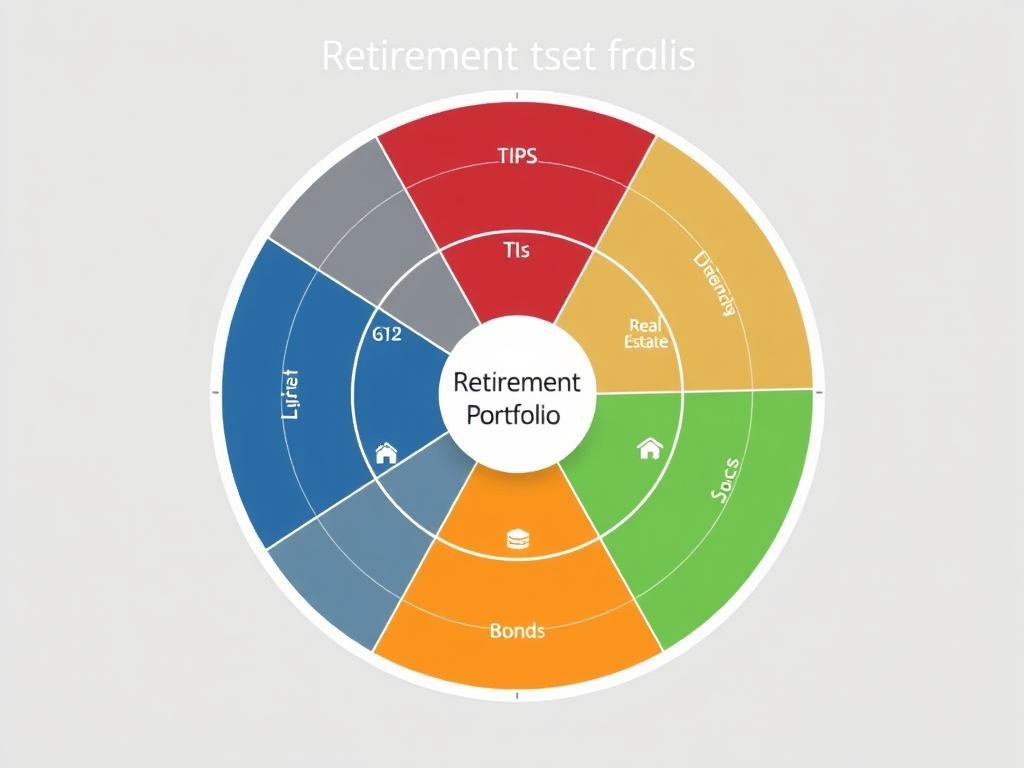
    Diverse investment portfolio showing assets that protect retirement from inflation including TIPS, stocks, and real estate

    Treasury Inflation-Protected Securities (TIPS)

    TIPS are government bonds specifically designed to protect against inflation. Unlike conventional bonds, both the principal and interest payments of TIPS adjust based on changes in the Consumer Price Index (CPI), ensuring your investment maintains its purchasing power even as prices rise.

    “TIPS offer a direct hedge against inflation by design. While their yields may be lower than conventional bonds during periods of low inflation, they provide essential protection when inflation accelerates.”

    — David Peterson, Head of Wealth Planning at Fidelity Investments

    When purchasing TIPS, you can either buy them directly from the U.S. Treasury through TreasuryDirect.gov or invest in TIPS mutual funds and ETFs, which offer greater liquidity and convenience.

    Dividend-Paying Stocks

    Companies with a history of consistently increasing their dividends often make excellent inflation hedges. These businesses typically have strong pricing power, allowing them to pass increased costs to consumers while maintaining profitability. Look for companies with:

    • A history of dividend increases spanning 10+ years
    • Reasonable payout ratios (typically 40-60% of earnings)
    • Strong balance sheets with manageable debt levels
    • Consistent revenue and earnings growth that outpaces inflation
    • Competitive advantages that allow for pricing power
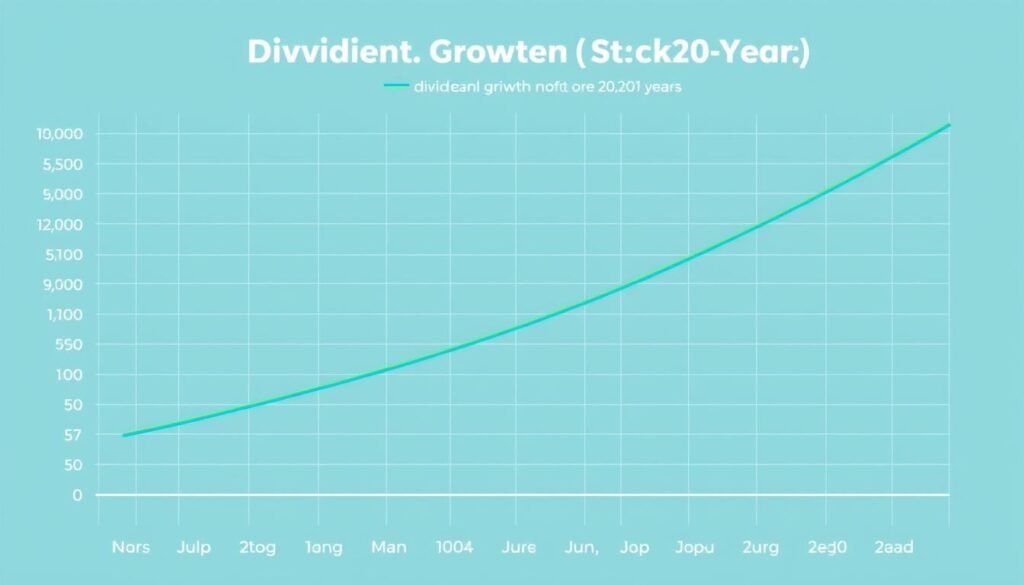
    Chart showing how dividend growth stocks have outperformed inflation to protect retirement from inflation

    Real Estate Investments

    Real estate has historically served as an effective inflation hedge, as property values and rental income tend to increase alongside rising prices. For retirees, real estate investments can provide both appreciation potential and income:

    Direct Property Ownership

    Owning rental properties can provide inflation-adjusted income, as rents typically increase with inflation. However, this approach requires active management and dealing with tenant issues.

    Real Estate Investment Trusts (REITs)

    REITs offer exposure to real estate markets without the hassles of direct ownership. Many REITs focus on sectors with strong inflation protection, such as apartments, healthcare facilities, and warehouses.

    Commodities and Precious Metals

    Commodities like gold, silver, and broad-based commodity funds can serve as inflation hedges in your portfolio. During inflationary periods, hard assets often retain their value better than paper currency. Consider allocating 5-10% of your portfolio to these inflation-resistant assets.

    Gold and silver coins representing commodities that protect retirement from inflation

    Diversification Strategy

    Perhaps the most important strategy is maintaining a well-diversified portfolio across multiple asset classes. Different assets respond differently to inflation, so diversification helps ensure that at least portions of your portfolio will thrive regardless of economic conditions.

    Asset Class Inflation Protection Level Income Potential Recommended Allocation
    TIPS High Moderate 10-20%
    Dividend Stocks Moderate to High High 20-30%
    Real Estate/REITs High High 10-15%
    Commodities Very High Low 5-10%
    Short-Term Bonds Low Moderate 15-25%
    Cash Very Low Low 5-10%

    Remember that these allocations should be adjusted based on your personal risk tolerance, time horizon, and specific financial situation. Working with a financial advisor can help you create a customized allocation strategy.

    Beyond Investments: Additional Tactics

    While investment strategies form the foundation of inflation protection, several other tactics can further strengthen your retirement security:

    Senior couple reviewing retirement budget to protect from inflation

    Delay Social Security Benefits

    One of the most powerful inflation-fighting tools is delaying your Social Security benefits. For each year you postpone claiming beyond your full retirement age (up to age 70), your benefits increase by approximately 8%. This results in a substantially larger lifetime benefit that includes annual cost-of-living adjustments (COLAs).

    Social Security Strategy: If your full retirement age is 67 and you delay claiming until 70, your monthly benefit will be 24% higher than if you had claimed at full retirement age, and approximately 77% higher than if you had claimed at 62.

    Consider Inflation-Protected Annuities

    Annuities with inflation protection features can provide guaranteed income that increases annually to offset rising prices. While these products typically have higher fees or lower initial payouts compared to standard annuities, they offer valuable protection against the long-term effects of inflation.

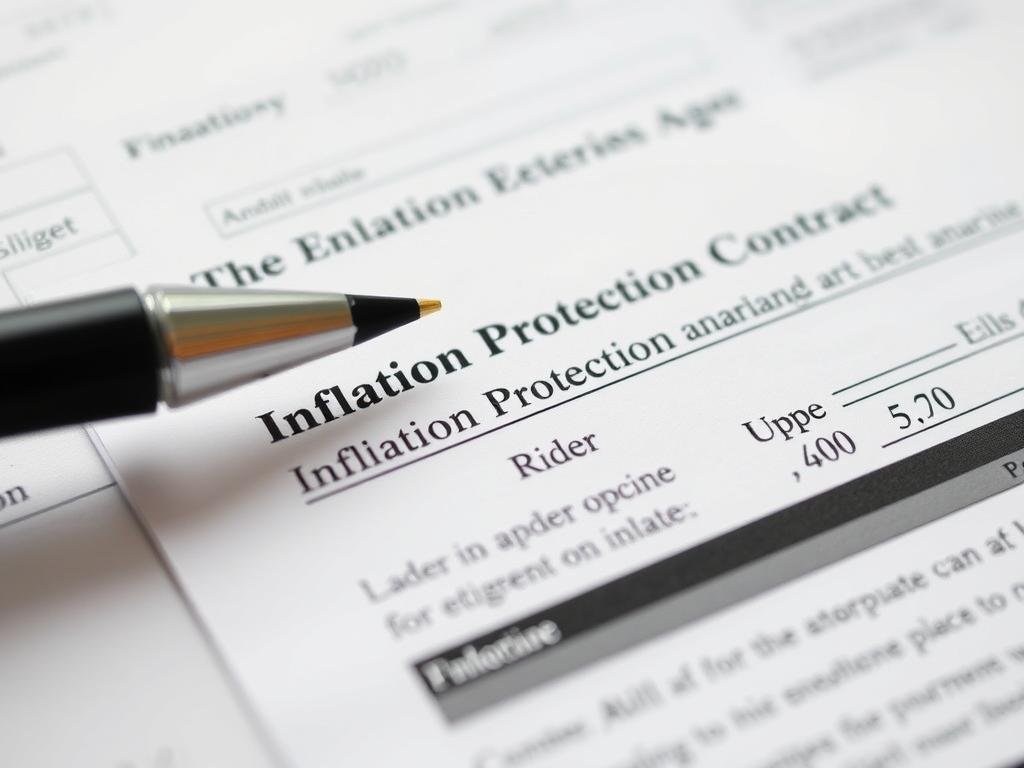
    Inflation-protected annuity contract showing how it can protect retirement from inflation

    When evaluating inflation-protected annuities, compare options from multiple providers and pay close attention to:

    • The specific inflation adjustment method (fixed percentage vs. CPI-linked)
    • Fees and expenses associated with the inflation protection feature
    • The financial strength and stability of the insurance company
    • Surrender charges and liquidity provisions

    Implement a Dynamic Withdrawal Strategy

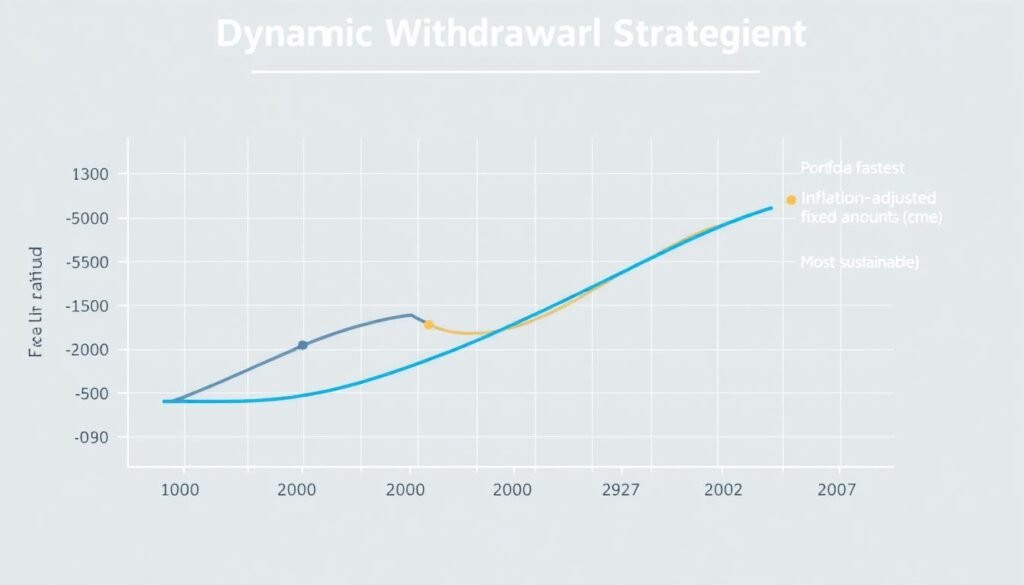
    Rather than withdrawing a fixed dollar amount from your retirement accounts each year, consider using a percentage-based approach that adjusts based on your portfolio’s performance and inflation rates. This helps ensure your withdrawals remain sustainable throughout retirement.

    Popular approaches include:

    The 4% Rule with Inflation Adjustments

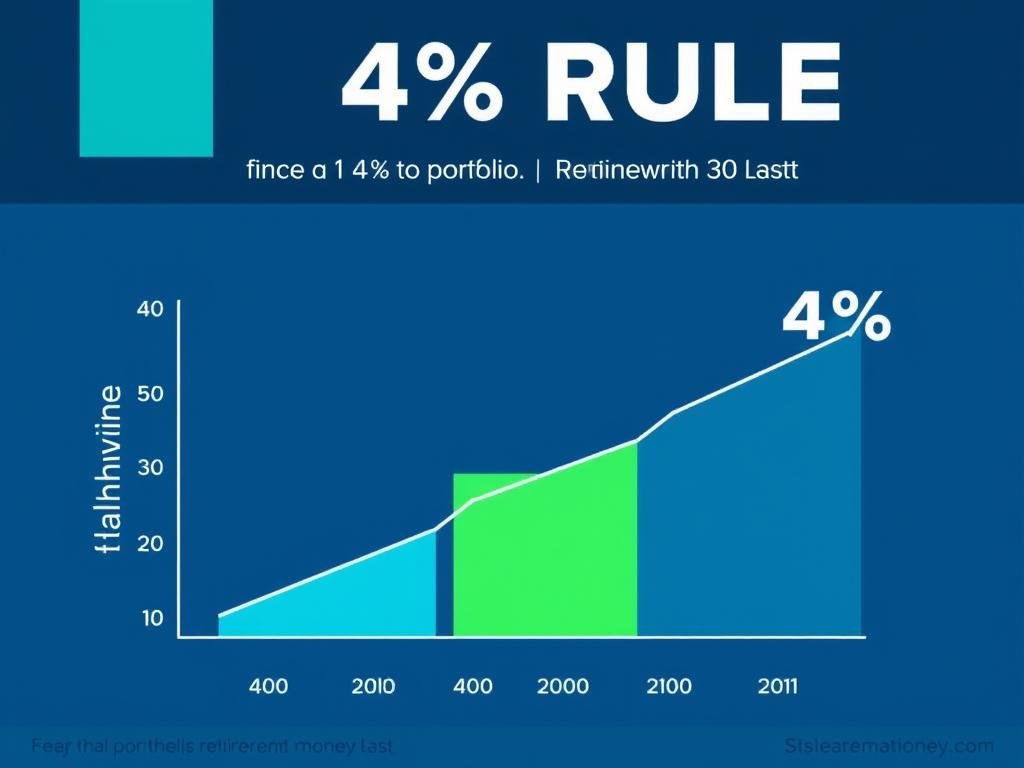
    Withdraw 4% of your portfolio in the first year of retirement, then adjust that amount annually for inflation. This approach provides increasing income to match rising prices while maintaining a high probability of portfolio longevity.

    The Guardrails Method

    Start with a percentage-based withdrawal but establish upper and lower “guardrails.” If your portfolio performs exceptionally well, you can increase withdrawals (up to a ceiling). If it performs poorly, you reduce withdrawals (to a floor) to preserve capital.

    Dynamic withdrawal strategy chart showing how to protect retirement from inflation

    Budget Strategically for Healthcare Costs

    Healthcare expenses typically rise faster than general inflation and represent a significant portion of retirement spending. Consider these approaches to manage these costs:

    • Maximize Health Savings Account (HSA) contributions during your working years
    • Purchase Medicare Supplement (Medigap) insurance to limit out-of-pocket expenses
    • Explore long-term care insurance options before retirement
    • Budget for healthcare costs separately from other expenses, with higher inflation assumptions

    Maintain Flexible Spending Habits

    Developing adaptable spending habits can help you navigate inflationary periods more effectively. Consider categorizing your retirement expenses into:

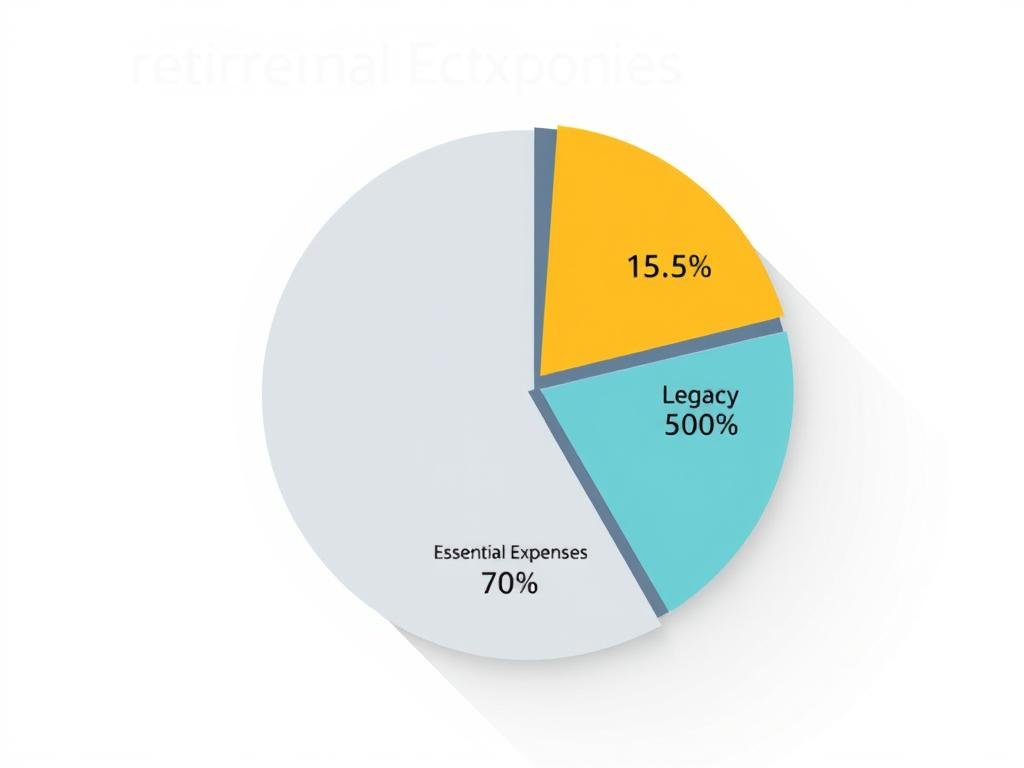
    Essential Expenses

    Housing, food, healthcare, utilities, and transportation. These should be covered by guaranteed income sources when possible.

    Lifestyle Expenses

    Travel, entertainment, dining out, and hobbies. These can be adjusted during high inflation periods.

    Legacy Expenses

    Gifts, charitable donations, and inheritance plans. These are typically the most flexible during challenging economic times.

    Retirement expense categories showing how to budget to protect from inflation

    Regular Portfolio Review and Adjustment

    Inflation protection isn’t a set-it-and-forget-it strategy. Regular review and adjustment of your retirement plan is essential as economic conditions change and you progress through retirement.

    Financial advisor and client reviewing retirement portfolio to protect from inflation

    Consider conducting a comprehensive review of your inflation protection strategy at least annually, focusing on:

    • Portfolio performance relative to inflation rates
    • Changes in your spending needs and patterns
    • Shifts in economic conditions and inflation expectations
    • New investment opportunities that may offer better inflation protection
    • Adjustments to your withdrawal strategy based on portfolio performance

    Many retirees find it valuable to work with a financial advisor who specializes in retirement income planning. These professionals can provide objective analysis and recommendations tailored to your specific situation.

    Conclusion: Taking Control of Your Inflation-Protected Retirement

    Inflation represents a significant challenge for retirees, but with proper planning and strategic action, you can effectively protect your retirement savings from its erosive effects. By implementing a diversified investment approach that includes inflation-resistant assets, optimizing your Social Security claiming strategy, maintaining flexible spending habits, and regularly reviewing your financial plan, you can help ensure your retirement savings maintain their purchasing power throughout your golden years.

    Remember that inflation protection isn’t about making dramatic changes to your portfolio or taking excessive risks. Instead, it’s about thoughtful planning, strategic diversification, and consistent monitoring to ensure your retirement remains secure regardless of economic conditions.

    Get Your Personalized Inflation Protection Plan

    Concerned about inflation’s impact on your retirement? Our experienced financial advisors can help you develop a customized strategy to protect your savings and ensure financial security throughout retirement.

    Schedule Your Free Consultation

    Frequently Asked Questions

    Can I rely solely on Social Security to keep up with inflation?

    While Social Security benefits do include annual cost-of-living adjustments (COLAs), these adjustments may not fully keep pace with the inflation you personally experience, especially for healthcare costs. The Social Security COLA is based on the Consumer Price Index for Urban Wage Earners and Clerical Workers (CPI-W), which may not accurately reflect the spending patterns of retirees. Additionally, Social Security is typically designed to replace only about 40% of pre-retirement income for average earners, making it important to have additional inflation-protected savings.

    How much of my retirement portfolio should be allocated to inflation-protected investments?

    The ideal allocation varies based on your age, risk tolerance, and overall financial situation. However, many financial advisors suggest that retirees consider allocating 25-40% of their portfolio to investments with strong inflation-protection characteristics. This might include a mix of TIPS, dividend-growing stocks, REITs, and commodities. The specific allocation should be part of a comprehensive financial plan tailored to your individual needs and goals.
    Are there any tax considerations when investing for inflation protection?

    Yes, tax efficiency is an important consideration. For example, TIPS can be tax-inefficient when held in taxable accounts because you pay taxes on the inflation adjustments to principal each year, even though you don’t receive that money until maturity. Consider holding TIPS in tax-advantaged accounts like IRAs or 401(k)s. Similarly, investments that generate significant income, such as dividend stocks or REITs, may be more tax-efficient in retirement accounts. Work with a tax professional to optimize the tax aspects of your inflation protection strategy.

    How often should I adjust my retirement withdrawal rate for inflation?

    Most financial planners recommend adjusting your withdrawal amount annually based on the previous year’s inflation rate. However, during periods of unusually high inflation, you might consider making more frequent adjustments (semi-annually) to ensure your income keeps pace with rising costs. Remember that maintaining flexibility in your spending—being willing to reduce discretionary expenses during market downturns or high inflation—can significantly improve your portfolio’s longevity.

    Should I pay off my mortgage before retirement to protect against housing inflation?

    Paying off a fixed-rate mortgage before retirement can provide protection against housing inflation, as your housing costs become more stable and predictable. However, this decision should be evaluated in the context of your overall financial situation. If your mortgage interest rate is low and you have the opportunity to invest those funds at a higher return, maintaining the mortgage might make financial sense. Consider factors such as your tax situation, investment opportunities, emergency fund adequacy, and personal comfort with debt when making this decision.

    Retired couple enjoying financial security after implementing strategies to protect retirement from inflation
  • What Happens to Retirement Savings During a Stock Market Crash? A Practical Guide

    What Happens to Retirement Savings During a Stock Market Crash? A Practical Guide

    When the stock market takes a sudden plunge, many retirement savers experience that sinking feeling watching their 401(k) and IRA balances drop. Market crashes are inevitable parts of the economic cycle, but they don’t have to derail your retirement plans. This guide explains what actually happens to your retirement savings during market downturns and provides practical strategies to protect your nest egg before, during, and after a crash.

    The Immediate Impact of Market Crashes on Retirement Accounts

    When the stock market crashes, retirement accounts experience immediate changes based on their asset allocation. Understanding these impacts can help you respond appropriately rather than panic.

    How Different Retirement Accounts React

    401(k) and IRA Accounts

    These self-directed retirement accounts directly reflect market performance. During a crash, the stock portion of your portfolio will decline in value, sometimes significantly. For example, during the 2008 financial crisis, the average 401(k) balance fell by about 24% according to Fidelity Investments data.

    The impact varies based on your asset allocation. A portfolio with 80% stocks might drop 20-30% during a severe crash, while one with only 40% stocks might fall just 10-15%.

    Pension Plans

    Traditional pension plans are typically managed by professional investors and have diversified portfolios designed to weather market volatility. While they’re not immune to market crashes, the impact on your benefits is usually minimal if you’re already receiving payments.

    However, employers with underfunded pension plans might face challenges during prolonged market downturns, potentially affecting future benefits for current workers.

    The Crucial Role of Asset Allocation

    Your retirement account’s reaction to a market crash depends heavily on how your assets are allocated between stocks, bonds, and cash equivalents:

    Asset Type Typical Behavior During Crash Recovery Pattern
    Stocks High volatility, potential for significant losses (20-40%) Strong rebounds possible, historically recover over 1-5 years
    Bonds Lower volatility, may gain value as investors seek safety Stable, predictable returns even during market stress
    Cash/Money Market Stable value, unaffected by market movements No recovery needed, but may lose purchasing power to inflation

    The good news? Market crashes affect your retirement savings only on paper until you actually sell investments at depressed prices. This is why maintaining a long-term perspective is crucial.

    Long-Term Risks: Why Panic Decisions Worsen Losses

    Investor looking concerned at retirement portfolio during market crash

    The biggest threat to your retirement savings during a market crash isn’t the crash itself—it’s how you respond to it. Emotional reactions can transform temporary paper losses into permanent ones.

    The Real Danger: Panic Selling

    When markets plummet, our instinct is often to protect what remains by selling investments and moving to cash. This instinct, while understandable, typically leads to the worst possible outcome.

    “The biggest mistake investors make during market downturns is selling at the bottom and missing the recovery. Those who stayed invested through the 2008 crisis and 2020 pandemic crash not only recovered their losses but saw substantial gains in the following years.”

    — Janet Levaux, Investment Advisor and Financial Planning Expert

    Historical Perspective: Past Crashes and Recoveries

    2008 Financial Crisis

    The S&P 500 fell approximately 57% from its October 2007 peak to its March 2009 bottom. However, those who remained invested saw their portfolios recover completely by 2013, and by 2020, the market had more than tripled from its 2009 low.

    According to Fidelity, 401(k) investors who maintained contributions and stayed invested through the 2008 crash had account balances 50% higher by 2011 than those who sold stocks and stopped contributing.

    2020 Pandemic Crash

    The COVID-19 pandemic triggered a 34% drop in the S&P 500 between February and March 2020. Yet the market fully recovered by August 2020—just five months later—and continued to new highs.

    Investors who panicked and sold in March 2020 locked in losses and missed one of the fastest recoveries in market history, with many still sitting in cash as the market reached new record highs.

    Graph showing market recovery after 2008 and 2020 crashes

    Sequence of Returns Risk

    For those near or in retirement, market crashes pose a special risk called “sequence of returns risk.” This occurs when you need to withdraw money during a market downturn, forcing you to sell more shares to generate the same amount of income.

    For example, if you need $40,000 annually from a $1 million portfolio, you’d need to sell 4% of your investments in normal times. But if your portfolio drops to $700,000 during a crash, you’d need to sell nearly 6% to get the same $40,000—leaving fewer shares to benefit from the eventual recovery.

    Protection Strategies: Safeguarding Your Retirement Before and During a Crash

    Diverse retirement portfolio with protective strategies

    While you can’t prevent market crashes, you can implement strategies to minimize their impact on your retirement savings. These approaches work best when implemented before a crash occurs, but many can still help even during market turbulence.

    Diversification: Your First Line of Defense

    Proper diversification remains one of the most effective ways to protect your retirement savings from market volatility. This means spreading your investments across different asset classes, sectors, and geographies.

  • Asset Class Diversification: Maintain a mix of stocks, bonds, and cash appropriate for your age and risk tolerance.
  • Sector Diversification: Avoid concentrating investments in a single industry. During the 2000 tech bubble, investors with all their savings in technology stocks suffered far greater losses than those with diversified portfolios.
  • Geographic Diversification: International investments can provide stability when U.S. markets struggle, as different economies often move in different cycles.
  • The Age-Based Rule for Asset Allocation

    A common guideline for determining your stock allocation is to subtract your age from 110 or 120. For example, if you’re 40, you might aim for 70-80% in stocks and 20-30% in bonds and cash. If you’re 60, perhaps 50-60% in stocks and 40-50% in bonds and cash.

    Age-based asset allocation chart for retirement savings

    Regular Portfolio Rebalancing

    Market movements naturally change your asset allocation over time. Rebalancing—returning your portfolio to its target allocation—helps maintain your desired risk level and can actually improve returns.

    For example, if your target is 60% stocks and 40% bonds, but after a bull market your allocation has shifted to 70% stocks and 30% bonds, rebalancing would involve selling some stocks and buying bonds. This naturally enforces a “buy low, sell high” discipline.

    Need Help Creating a Crash-Resistant Portfolio?

    A financial advisor can help you develop a personalized strategy based on your age, goals, and risk tolerance. Get matched with qualified advisors in your area.

    Find a Financial Advisor

    Maintain an Emergency Fund

    Having 3-6 months of expenses in a cash emergency fund serves two crucial purposes during market crashes:

    Prevents Forced Withdrawals

    With cash reserves available, you won’t need to sell investments at depressed prices to cover unexpected expenses during a market downturn.

    Provides Peace of Mind

    Knowing you have cash available reduces anxiety during market volatility, making it easier to avoid panic selling your long-term investments.

    Consider Bucket Strategies for Near-Retirees

    If you’re approaching retirement, consider a “bucket strategy” that divides your savings into three categories:

    Short-Term Bucket (1-2 years)

    Cash and cash equivalents to cover immediate living expenses, allowing you to avoid selling stocks during downturns.

    Mid-Term Bucket (3-10 years)

    Conservative investments like bonds and CDs that provide income with moderate growth and stability.

    Long-Term Bucket (10+ years)

    Growth-oriented investments like stocks that can recover from market crashes and outpace inflation over time.

    The Recovery Phase: How Markets Rebound and Rebuilding Strategies

    Market recovery chart showing historical rebounds after crashes

    Market crashes, while painful, have always been temporary. Understanding how markets typically recover can help you maintain perspective and implement effective rebuilding strategies.

    Historical Recovery Patterns

    According to market research firm CFRA, since World War II, the S&P 500 has experienced:

    Decline Type Average Frequency Average Recovery Time
    Pullbacks (5-9.9% drops) About 3 times per year 1.5 months
    Corrections (10-19.9% drops) Once per year 4 months
    Bear Markets (20-40% drops) Every 3-5 years 14 months
    Major Bear Markets (40%+ drops) Every 8-10 years 24-58 months

    This historical perspective shows that while recoveries from severe crashes can take time, markets have always eventually rebounded to new highs.

    Effective Rebuilding Strategies

    Dollar-Cost Averaging

    Continuing regular contributions to your retirement accounts during market downturns is one of the most powerful recovery strategies. This approach, known as dollar-cost averaging, means you automatically buy more shares when prices are low.

    Dollar-cost averaging illustration during market recovery

    For example, a monthly $500 contribution might buy 5 shares when a fund costs $100 per share, but 10 shares when it drops to $50 per share. When the market recovers, you’ll own more shares than if you had stopped contributing during the downturn.

    Adjusting Contributions

    If possible, consider increasing your retirement contributions during market downturns. This allows you to “buy the dip” and potentially accelerate your recovery when markets rebound.

    “Market crashes have historically been the best long-term buying opportunities. Investors who can increase their contributions during downturns often see significantly better long-term results than those who maintain steady contributions.”

    — Michael Rodriguez, Certified Financial Planner

    Roth Conversion Opportunities

    Market downturns can present opportunities for Roth IRA conversions. When your traditional IRA or 401(k) value is temporarily depressed, converting to a Roth means paying taxes on a lower amount, while all future recovery and growth becomes tax-free.

    Rebalancing During Recovery

    As markets begin to recover, different asset classes often rebound at different rates. Regular rebalancing ensures you maintain your target asset allocation and risk level throughout the recovery phase.

    Age-Specific Advice: Tailoring Your Approach Based on Your Life Stage

    Different retirement strategies by age group during market volatility

    Your age and proximity to retirement should significantly influence how you prepare for, respond to, and recover from market crashes. Here’s tailored advice for different life stages:

    For Investors in Their 20s-30s (Early Career)

    Recommended Approach

    • Maintain a growth-oriented portfolio (80-90% stocks)
    • View market crashes as buying opportunities
    • Maximize contributions during downturns if possible
    • Focus on long-term growth rather than short-term volatility
    • Consider increasing international exposure for diversification

    Approaches to Avoid

    • Moving to conservative investments out of fear
    • Stopping contributions during market downturns
    • Checking account balances frequently during volatility
    • Making emotional investment decisions
    • Attempting to time the market

    With 30+ years until retirement, younger investors have time as their greatest asset. Market crashes actually benefit long-term savers who continue investing through downturns, as they accumulate more shares at lower prices.

    For Investors in Their 40s-50s (Mid-Career)

    Recommended Approach

    • Maintain a balanced portfolio (60-70% stocks)
    • Begin gradually increasing bond allocation
    • Ensure emergency fund is fully funded
    • Consider defensive stock sectors (utilities, consumer staples)
    • Rebalance portfolio at least annually

    Approaches to Avoid

    • Taking on excessive risk to “catch up” on savings
    • Neglecting to adjust asset allocation as retirement approaches
    • Making early withdrawals during downturns
    • Overreacting to market volatility
    • Failing to diversify across multiple asset classes

    Mid-career investors need to balance growth with increasing protection. While still having 10-25 years until retirement, they should begin moderating risk while maintaining enough growth potential to build adequate savings.

    For Investors in Their 60s+ (Near or In Retirement)

    Recommended Approach

    • Adopt a more conservative portfolio (40-50% stocks)
    • Implement a bucket strategy for income needs
    • Keep 1-2 years of expenses in cash equivalents
    • Focus on dividend-paying stocks for income
    • Consider bond ladders for predictable income

    Approaches to Avoid

    • Panic-selling during market downturns
    • Being too conservative (all cash/bonds)
    • Withdrawing too much during early retirement years
    • Failing to plan for longevity (20+ years in retirement)
    • Ignoring inflation’s impact on purchasing power

    Near-retirees and retirees face the greatest risk from market crashes due to sequence of returns risk. However, even at this stage, maintaining some stock exposure is important for long-term growth that can sustain a 20-30 year retirement.

    Get Personalized Retirement Protection Strategies

    Your retirement plan should be tailored to your specific age, goals, and risk tolerance. Speak with a financial advisor who can help you create a personalized strategy to protect your savings through market volatility.

    Schedule a Free Consultation

    Frequently Asked Questions About Retirement Savings and Market Crashes

    Person researching retirement savings protection during market volatility

    Should I stop contributing to my 401(k) during a market crash?

    No, you should continue—or even increase—your contributions during a market crash. When prices are lower, your contributions purchase more shares, potentially increasing your returns when the market recovers. Stopping contributions during downturns is one of the most common and costly mistakes retirement savers make.

    How long do market crashes typically last?

    The duration varies, but since 1945, the average bear market has lasted about 13 months, with an average decline of 33%. By comparison, bull markets have averaged 67 months with gains of 279%. The 2020 pandemic-induced bear market was unusually brief, lasting just 33 days before beginning its recovery.

    Should I move my retirement savings to cash during a crash?

    Generally, no. Moving to cash during a crash locks in your losses and positions you to miss the recovery. Historically, some of the market’s best days occur shortly after its worst days. If you had missed just the 10 best market days between 2000 and 2020, your overall returns would have been cut in half compared to staying fully invested.

    How can I tell if my retirement portfolio is properly diversified?

    A properly diversified portfolio should include a mix of different asset classes (stocks, bonds, cash), sectors (technology, healthcare, utilities, etc.), and geographies (U.S., international developed markets, emerging markets). Your asset allocation should align with your age and risk tolerance. Many 401(k) plans offer free portfolio reviews that can help assess your diversification.

    What if I’m already retired when a crash happens?

    If you’re already retired during a market crash, try to reduce withdrawals from stock investments temporarily. Draw from cash reserves or bond allocations instead. Consider reducing discretionary spending temporarily to minimize the need to sell stocks at depressed prices. This approach helps preserve your portfolio’s recovery potential.

    How often should I rebalance my retirement portfolio?

    Most financial advisors recommend rebalancing at least annually or when your asset allocation drifts more than 5% from your targets. During periods of high volatility, you might consider checking quarterly. Many 401(k) plans offer automatic rebalancing features that maintain your desired allocation without requiring manual adjustments.

    Conclusion: Building Resilience in Your Retirement Strategy

    Confident retirement planning during market volatility

    Market crashes are inevitable parts of the investing landscape, but they don’t have to derail your retirement plans. By understanding how crashes affect retirement savings, avoiding panic-driven decisions, and implementing protective strategies appropriate for your age, you can weather market volatility with confidence.

    Remember these key principles:

  • Market crashes are temporary. Every crash in history has eventually been followed by a recovery and new market highs.
  • Your response matters more than the crash itself. Avoiding panic selling and maintaining your investment strategy is crucial to long-term success.
  • Age-appropriate diversification provides protection. Your asset allocation should become more conservative as you approach retirement.
  • Regular contributions during downturns accelerate recovery. Dollar-cost averaging into lower-priced shares can significantly boost long-term returns.
  • Professional guidance can help. A financial advisor can provide personalized strategies and help you avoid emotional decisions during volatile times.
  • By implementing these strategies, you can transform market crashes from threats into potential opportunities for your retirement savings. The most successful retirement investors aren’t those who avoid market volatility—they’re those who prepare for it and respond strategically when it occurs.

    Ready to Protect Your Retirement Savings?

    Get personalized guidance on how to safeguard your retirement accounts against market volatility. Our network of qualified financial advisors can help you create a resilient retirement strategy tailored to your specific needs.

    Connect With a Financial Advisor Today

  • How to Ensure Your Retirement Money Lasts Throughout Your Golden Years

    How to Ensure Your Retirement Money Lasts Throughout Your Golden Years

    After decades of hard work and disciplined saving, you’ve finally reached retirement. But now comes a new challenge: making sure your nest egg lasts as long as you do. With increasing lifespans and rising healthcare costs, ensuring your retirement money lasts requires careful planning and smart strategies. This guide will walk you through proven approaches to stretch your retirement savings, helping you enjoy financial security throughout your golden years.

    Planning carefully helps ensure your retirement money lasts through your golden years

    The Retirement Longevity Challenge

    The fundamental question every retiree faces is straightforward yet daunting: “Will my money last as long as I do?” According to recent studies, nearly 45% of Americans fear outliving their savings. This concern is valid, as retirement can span 20-30 years or more.

    Think of your retirement savings like a reservoir that must supply water through an extended drought. Without proper management, even a substantial reservoir can run dry. The key is establishing a sustainable withdrawal system that balances your current needs with future security.

    “Retirement planning isn’t about accumulating a specific number. It’s about creating a sustainable income stream that lasts as long as you do.”

    Strategy #1: Implement a Sustainable Withdrawal Rate

    Visual representation of the 4% rule for making retirement money last with graph showing withdrawal patterns

    The most widely cited approach to making your retirement money last is the 4% rule. This guideline suggests withdrawing 4% of your retirement savings in your first year of retirement, then adjusting that amount annually for inflation.

    For example, with a $1 million portfolio, your first-year withdrawal would be $40,000. If inflation runs at 2% the following year, you’d withdraw $40,800, and so on. Research suggests this approach gives you a high probability of your money lasting for a 30-year retirement.

    However, the 4% rule isn’t perfect. It assumes a rigid withdrawal schedule and doesn’t account for market fluctuations or changing personal circumstances. Many financial advisors now recommend a more flexible approach, with withdrawal rates ranging from 3-5% depending on your situation.

    Portfolio Size 3% Withdrawal 4% Withdrawal 5% Withdrawal
    $500,000 $15,000 $20,000 $25,000
    $750,000 $22,500 $30,000 $37,500
    $1,000,000 $30,000 $40,000 $50,000
    $1,500,000 $45,000 $60,000 $75,000

    Consider your withdrawal strategy like a drip irrigation system rather than a garden hose. The steady, controlled release ensures your financial garden stays nourished throughout your retirement years.

    Try our retirement withdrawal calculator

    Strategy #2: Create Multiple Income Buckets

    Illustration of retirement income buckets strategy showing how retirement money lasts through diversification

    Diversifying your income sources is crucial to ensuring your retirement money lasts. Think of this approach as creating different “buckets” of money for different time horizons and purposes.

    Immediate Needs Bucket

    Cash and cash equivalents to cover 1-3 years of expenses. This provides security and prevents having to sell investments during market downturns.

    • High-yield savings accounts
    • Money market funds
    • Short-term CDs
    • Treasury bills

    Mid-Term Bucket

    Investments with moderate growth and income potential to cover years 4-10 of retirement. This bucket balances growth with stability.

    • Dividend-paying stocks
    • Bond funds
    • Balanced mutual funds
    • Some annuities

    Long-Term Bucket

    Growth-oriented investments for expenses beyond 10 years. This bucket can afford to be more aggressive since you won’t need the money immediately.

    • Stock funds
    • Real estate investments
    • Growth-oriented ETFs
    • Alternative investments

    This bucket strategy helps ensure your retirement money lasts by giving your longer-term investments time to grow while your immediate needs are covered by safer assets. It’s like having separate accounts for your daily expenses, upcoming vacations, and your children’s future education.

    Strategy #3: Optimize Social Security Benefits

    Chart showing how delaying Social Security benefits increases monthly payments and helps retirement money last longer

    Social Security benefits represent a critical income stream that can help your retirement money last. The timing of when you claim these benefits can significantly impact your lifetime income.

    While you can start collecting Social Security at age 62, your benefits increase approximately 8% for each year you delay claiming until age 70. This guaranteed return is hard to beat in today’s investment environment.

    Real-life scenario: Consider a retiree eligible for a $1,500 monthly benefit at full retirement age (66). If they claim at 62, they’ll receive only $1,125 per month. But if they wait until 70, their monthly benefit grows to $1,980 – a 76% increase over the age 62 amount. Over a 25-year retirement, this difference adds up to more than $250,000 in additional benefits!

    For married couples, coordinating Social Security claiming strategies becomes even more important. The higher-earning spouse might delay benefits until 70, while the lower-earning spouse claims earlier. This approach maximizes the survivor benefit, which is based on the higher earner’s benefit amount.

    Think of Social Security as the foundation of your retirement income house. The stronger this foundation, the more secure your overall financial structure will be, helping your retirement money last throughout your lifetime.

    Strategy #4: Implement Tax-Efficient Withdrawal Strategies

    Diagram showing tax-efficient withdrawal strategy to make retirement money last longer through tax optimization

    The order in which you withdraw from different retirement accounts can significantly impact how long your retirement money lasts. A tax-efficient withdrawal strategy can save you thousands in unnecessary taxes.

    Generally, financial experts recommend this withdrawal sequence:

    1. Required Minimum Distributions (RMDs) from retirement accounts (mandatory after age 72)
    2. Taxable accounts (individual or joint brokerage accounts)
    3. Tax-deferred accounts (traditional IRAs, 401(k)s)
    4. Tax-free accounts (Roth IRAs, Roth 401(k)s)

    This sequence isn’t rigid. In years when your income is lower, you might consider Roth conversions to move money from tax-deferred to tax-free accounts, paying taxes at a lower rate now to avoid higher taxes later.

    “It’s not just what you earn that matters, but what you keep after taxes. Tax-efficient withdrawal strategies can add years to how long your retirement money lasts.”

    Think of tax planning like navigating a river with varying currents. Sometimes you need to paddle harder (pay more taxes) in certain spots to ensure a smoother journey overall. The goal is to minimize your lifetime tax burden, not just your taxes in any given year.

    Strategy #5: Plan for Healthcare Costs

    Senior couple discussing healthcare planning with financial advisor to ensure retirement money lasts through medical expenses

    Healthcare expenses represent one of the biggest threats to making your retirement money last. According to Fidelity, the average 65-year-old couple retiring today will need approximately $300,000 for healthcare expenses throughout retirement, not including long-term care.

    Medicare Planning

    While Medicare provides valuable coverage, it doesn’t cover everything. Understanding the different parts of Medicare is essential:

    • Medicare Part A (hospital insurance) – Usually premium-free
    • Medicare Part B (medical insurance) – Monthly premium required
    • Medicare Part D (prescription drug coverage) – Monthly premium required
    • Medicare Supplement (Medigap) or Medicare Advantage – Additional coverage options

    Long-Term Care Strategy

    About 70% of people over 65 will need some form of long-term care. Options to cover these costs include:

    • Long-term care insurance
    • Hybrid life insurance/long-term care policies
    • Health Savings Accounts (HSAs)
    • Self-funding through dedicated savings

    Pro Tip: Health Savings Accounts (HSAs) offer triple tax advantages: tax-deductible contributions, tax-free growth, and tax-free withdrawals for qualified medical expenses. If you’re eligible, maximize these contributions before retirement.

    Think of healthcare planning as an umbrella policy for your retirement finances. Just as you wouldn’t go without homeowner’s insurance, you shouldn’t enter retirement without a comprehensive healthcare funding strategy to ensure your retirement money lasts through medical challenges.

    Strategy #6: Inflation-Proof Your Retirement Income

    Illustration showing inflation impact on retirement savings and strategies to ensure retirement money lasts despite rising costs

    Inflation acts like a silent thief, gradually eroding your purchasing power over time. Even modest inflation of 3% annually will cut your purchasing power in half over 24 years – well within a typical retirement timespan.

    To ensure your retirement money lasts despite rising costs, incorporate these inflation-fighting elements into your portfolio:

    Treasury Inflation-Protected Securities (TIPS)

    These government bonds automatically adjust with inflation, providing direct protection against rising prices. The principal increases with inflation and decreases with deflation.

    Dividend-Growing Stocks

    Companies with a history of increasing their dividends can provide income that grows faster than inflation. Focus on companies with strong balance sheets and consistent dividend growth records.

    Real Estate Investments

    Property values and rental income tend to increase with inflation. Real estate investment trusts (REITs) offer an accessible way to add real estate to your portfolio without directly owning property.

    “Inflation is like termites in your financial house – silent but destructive over time. Building with inflation-resistant materials is essential for making your retirement money last.”

    Social Security provides another inflation hedge, as benefits receive cost-of-living adjustments (COLAs). This is another reason why maximizing your Social Security benefit can help your retirement money last throughout your lifetime.

    Strategy #7: Create a Flexible Spending Plan

    Retiree working on flexible budget plan to ensure retirement money lasts through different spending phases

    Rather than following a rigid spending rule, creating a flexible spending plan can help your retirement money last while adapting to changing circumstances. This approach recognizes that retirement spending typically follows a “smile” pattern – higher in early active retirement years, lower in middle retirement, and potentially higher again in later years due to healthcare costs.

    Essential vs. Discretionary Spending

    Categorize your expenses as either essential (housing, food, healthcare, utilities) or discretionary (travel, hobbies, gifts). In challenging market years, you can temporarily reduce discretionary spending to preserve capital.

    Expense Category Classification Flexibility
    Housing Essential Low
    Healthcare Essential Low
    Food Essential Medium
    Travel Discretionary High
    Entertainment Discretionary High

    Dynamic Spending Rules

    Consider these flexible spending approaches:

    • Floor-and-ceiling approach: Increase spending by inflation when markets perform well, but reduce spending during market downturns (never below a “floor” or above a “ceiling”)
    • Guardrail strategy: Adjust spending up or down when your withdrawal rate moves outside predetermined boundaries
    • RMD method: Base withdrawals on IRS Required Minimum Distribution tables, which naturally adjust based on your age and account balance

    Think of your retirement spending like sailing a boat. Sometimes you’ll have favorable winds (bull markets) allowing you to make more progress (spend more). Other times, you’ll face headwinds (bear markets) requiring you to reduce sail (cut spending). This flexibility helps ensure your retirement money lasts through various conditions.

    Download our retirement budget template

    Strategy #8: Consider Additional Income Sources

    Retiree working part-time from home to generate additional income and help retirement money last longer

    Generating even modest additional income during retirement can significantly extend how long your retirement money lasts. Working part-time or developing passive income streams reduces the pressure on your investment portfolio.

    Part-Time Work

    Many retirees find that part-time work in a field they enjoy provides both financial and psychological benefits. Consider:

    • Consulting in your former profession
    • Teaching or tutoring
    • Retail or hospitality roles
    • Remote customer service positions

    Passive Income

    Developing income streams that require minimal ongoing effort can provide sustainable cash flow:

    • Rental property income
    • Royalties from books or creative works
    • Affiliate marketing websites
    • Peer-to-peer lending

    Monetize Hobbies

    Turn activities you enjoy into income sources:

    • Selling crafts or artwork
    • Teaching classes in your area of expertise
    • Writing articles or blogs
    • Photography services

    Important: If you’re collecting Social Security before your full retirement age, be aware of earnings limits. In 2023, if you’re under full retirement age, $1 in benefits will be deducted for each $2 you earn above $19,560. This restriction ends once you reach full retirement age.

    Think of additional income as tributaries flowing into your retirement river. These extra streams help maintain your financial flow even during drought periods, ensuring your retirement money lasts throughout your journey.

    5 Steps to Audit Your Retirement Plan Today

    Person completing retirement plan audit checklist to ensure retirement money lasts through proper planning

    To ensure your retirement money lasts, conduct this five-step audit annually or whenever significant life events occur:

    1. Calculate your current withdrawal rate

      Divide your annual withdrawals by your total portfolio value. If this exceeds 4-5%, consider adjusting your spending or exploring additional income sources.

    2. Review your asset allocation

      Ensure your investment mix aligns with your time horizon and risk tolerance. As you age, gradually shift toward more conservative allocations while maintaining some growth investments.

    3. Assess your healthcare coverage

      Review Medicare coverage, supplemental policies, and long-term care planning. Identify any gaps and explore options to address them.

    4. Optimize tax efficiency

      Review your withdrawal strategy and identify opportunities for tax-saving strategies like Roth conversions, tax-loss harvesting, or charitable giving.

    5. Update your estate plan

      Ensure your will, powers of attorney, and beneficiary designations reflect your current wishes. Consider how your plan affects both your financial security and legacy goals.

    Get Your Personalized Retirement Sustainability Plan

    Join thousands of retirees who’ve secured their financial future with a customized plan to make their retirement money last. Our retirement specialists will analyze your unique situation and provide actionable strategies.

    Schedule Your Free Consultation

    Ensuring Your Retirement Money Lasts: The Bottom Line

    Happy retired couple enjoying sunset representing successful retirement planning where money lasts throughout golden years

    Making your retirement money last isn’t about following a single rule or strategy. It requires a comprehensive approach that combines smart withdrawal strategies, tax planning, healthcare preparation, and flexibility to adapt to changing circumstances.

    Remember that retirement planning isn’t a one-time event but an ongoing process. Regularly review your plan, adjust as needed, and don’t hesitate to seek professional guidance when facing complex decisions. With thoughtful planning and disciplined execution, you can enjoy financial security throughout your golden years.

    The peace of mind that comes from knowing your retirement money will last is invaluable. It allows you to focus on what truly matters – enjoying the retirement lifestyle you’ve worked so hard to achieve.

    “The goal isn’t to be the richest person in the cemetery. It’s to go to bed each night knowing your money will last as long as you do.”

    Take our retirement readiness quiz

  • How to Leave a Lasting Legacy for Your Children: 7 Practical Steps to Pass On What Truly Matters

    How to Leave a Lasting Legacy for Your Children: 7 Practical Steps to Pass On What Truly Matters

    As parents, we all want to leave something meaningful behind for our children. But what does a true legacy look like? Is it just about financial assets, or is there something deeper and more lasting we can pass on? The truth is, leaving a legacy for kids involves much more than money—it’s about transmitting your values, wisdom, and love in ways that will echo through generations.

    Whether you’re just starting your family journey or watching your children raise their own kids, it’s never too early or too late to think about the imprint you’ll leave on future generations. This guide will walk you through practical steps to create a legacy that truly matters.

    Defining What “Value” Really Means in Your Legacy

    When we talk about leaving a legacy for kids, many people immediately think about financial inheritance. While financial security is important, true legacy planning encompasses three distinct dimensions:

    Financial Legacy

    This includes tangible assets like money, property, investments, and family heirlooms. While important, financial assets are just one piece of your legacy puzzle.

    Emotional Legacy

    The relationships, memories, and emotional connections you build with your children form the foundation of how they’ll remember you and shape their own approach to relationships.

    Ethical Legacy

    Your values, beliefs, life lessons, and the example you set daily contribute to the character your children develop and the principles they’ll live by.

    Dr. Susan Madsen, family psychologist, notes: “Children inherit your actual words and actions far more than your intentions. The legacy you leave is built in everyday moments, not grand gestures.”

    Before diving into specific strategies, take time to reflect on what values matter most to you. Is it education? Faith? Compassion for others? Financial responsibility? Your clarity about what matters will shape every other aspect of your legacy planning.

    Step 1: Document Your Values and Life Lessons

    Person writing in a legacy journal with family photos nearby

    The wisdom you’ve gained through life experiences is invaluable to your children. Unfortunately, many of these lessons are lost because they’re never properly documented. Here’s how to preserve your insights:

    • Create an “ethical will” or legacy letter that expresses your values, hopes, and life lessons
    • Record video messages sharing stories about important moments in your life and what you learned
    • Start a legacy journal where you regularly write entries addressed to your children
    • Create a family values statement that articulates what your family stands for

    “The greatest legacy one can pass on to one’s children and grandchildren is not money or material things accumulated in one’s life, but rather a legacy of character and faith.”

    — Billy Graham

    Start Your Legacy Journal Today

    Download our free Legacy Journal Template with 52 prompts to help you document your values, stories, and wisdom for your children.

    Download Free Template

    Step 2: Create a Comprehensive Estate Plan

    Family meeting with estate planner discussing legacy documents

    While your legacy is more than money, responsible financial planning ensures your children benefit from your hard work and aren’t burdened with confusion or conflict after you’re gone.

    Essential Estate Planning Documents

    • Will: Specifies how your assets will be distributed and names guardians for minor children
    • Trust: Provides more control over how and when assets are distributed to beneficiaries
    • Power of Attorney: Designates someone to make financial decisions if you’re unable
    • Healthcare Directive: Outlines your medical care preferences if you can’t communicate
    • Beneficiary Designations: Ensures retirement accounts and insurance policies transfer correctly
    • Digital Asset Plan: Provides access to your online accounts and digital properties

    Estate planning attorney Maria Rodriguez explains: “Many parents put off creating a will because it feels overwhelming or morbid. But having these documents in place is one of the greatest acts of love you can show your children—it protects them from unnecessary stress during an already difficult time.”

    Did you know? Nearly 68% of Americans don’t have a will. Without one, state laws determine who raises your children and how your assets are distributed—often not according to your wishes.

    Step 3: Share Your Family History and Stories

    Grandparent sharing family stories with grandchildren while looking at old photos

    Research shows that children who know their family history develop stronger identities and greater resilience. Your family stories provide context for who they are and where they come from.

    Creative Ways to Preserve Family History:

    • Create a family tree together and discuss the people on it
    • Record interviews with older family members about their lives
    • Compile a family cookbook with recipes and the stories behind them
    • Make a digital archive of family photos with descriptions
    • Visit places that are significant to your family history
    • Start family traditions that connect to your heritage

    Dr. Marshall Duke, psychologist at Emory University, found that children who know more about their family narratives show higher levels of emotional well-being. He recommends sharing three types of family stories:

    Ascending Narratives

    “We started with nothing and worked hard to build what we have.”

    Descending Narratives

    “We had everything but lost it through challenges or mistakes.”

    Oscillating Narratives

    “Our family has had ups and downs but we’ve stuck together through it all.”

    Step 4: Teach Financial Literacy and Responsibility

    Parent teaching child about money management with piggy bank and coins

    Financial wisdom is a crucial part of your legacy. Children who understand money management are better equipped for independence and can preserve the financial legacy you leave them.

    Age-Appropriate Financial Education:

    Age Group Concepts to Teach Activities
    Ages 3-5 Basic counting, saving, waiting Piggy bank, counting games, simple choices
    Ages 6-10 Earning, saving for goals, giving Allowance system, savings jar, charity jar
    Ages 11-14 Budgeting, comparison shopping, compound interest Budget for small purchases, savings account, research projects
    Ages 15-18 Working, banking, credit, investing basics Part-time job, checking account, stock market game
    College/Young Adult Debt management, investing, insurance, taxes Student loan planning, Roth IRA, tax return assistance

    Financial advisor James Chen recommends: “Beyond teaching the mechanics of money, share your money values and mistakes. Did you learn hard lessons about debt? Did saving early make a difference in your life? These personal stories make financial concepts meaningful.”

    Resource Tip: Many banks offer free financial literacy programs for children. Check with your local branch about kid-friendly savings accounts and educational materials.
    Step 5: Create Meaningful Family Traditions

    Family engaged in a special tradition or ritual together

    Family traditions create a sense of belonging and continuity. They become touchstones that children carry into adulthood and often pass on to their own families.

    Types of Traditions to Consider:

    Daily Traditions

    • Family meals
    • Bedtime rituals
    • Morning routines
    • Gratitude practices

    Special Occasion Traditions

    • Birthday celebrations
    • Holiday customs
    • Anniversary rituals
    • Achievement recognitions

    Annual Traditions

    • Family vacations
    • Seasonal activities
    • Family reunions
    • Year-end reflections

    Child psychologist Dr. Lisa Damour explains: “Traditions don’t have to be elaborate or expensive. What matters is consistency and meaning. Even simple rituals like Sunday pancakes or summer camping trips create a family identity that children internalize.”

    “Traditions are the stories that families write together.”

    When creating new traditions, involve your children in the planning. Traditions that incorporate their interests and ideas are more likely to be embraced and continued.

    Step 6: Model the Values You Want to Pass On

    Parent and child volunteering together at a community service event

    Children learn more from what you do than what you say. Living your values consistently is the most powerful way to ensure they become part of your legacy.

    Key Areas Where Modeling Matters:

    • Relationships: How you treat your spouse, family members, and friends
    • Work Ethic: Your approach to responsibilities and challenges
    • Compassion: How you respond to others’ needs and suffering
    • Integrity: Keeping your word and standing for what’s right
    • Learning: Your curiosity and commitment to growth
    • Resilience: How you handle setbacks and disappointments

    Michelle Mitchell, parenting expert, observes: “When parents take responsibility for their own growth and healing, they introduce their children to courage. We help them understand that parenting is about leaving a legacy, and our decisions can be made with the future in mind.”

    What if I didn’t have good models growing up?

    Many parents worry about repeating negative patterns they experienced. The good news is that awareness is the first step to change. You can consciously choose different paths, seek support through books, therapy, or mentors, and be open with your children about your journey of growth.

    Remember that modeling also includes how you handle mistakes. Admitting when you’re wrong and making amends teaches children accountability and growth mindset—valuable legacy traits.

    Step 7: Manage Your Digital Legacy

    Person organizing digital photos and memories on computer for future generations

    In today’s digital world, much of our lives—photos, videos, social media, emails—exists online. Planning for your digital legacy ensures these memories and assets aren’t lost.

    Digital Legacy Planning Essentials:

    Digital Assets to Inventory

    • Photos and videos
    • Email accounts
    • Social media profiles
    • Digital subscriptions
    • Online financial accounts
    • Digital currencies
    • Websites and domains
    • Digital creative works

    Digital Legacy Steps

    • Create a digital asset inventory
    • Document access information securely
    • Appoint a digital executor
    • Set up legacy contacts where available
    • Back up important memories offline
    • Specify wishes for each account
    • Update your plan regularly

    Tech journalist and digital legacy expert Evan Carroll advises: “Most people have thousands of digital photos but no plan for preserving them. Consider creating annual photo books, regularly backing up to external drives, and teaching family members how to access your cloud storage.”

    Important: Digital assets with financial value (cryptocurrency, online businesses, valuable domains) should be included in your formal estate plan with clear instructions for access and transfer.

    Your 10-Point Legacy-Building Checklist

    Person checking off items on a legacy planning checklist

    Use this checklist to track your progress in building a meaningful legacy for your children:

    10 Legacy-Building Actions to Complete This Year

    • Create or update your will and estate plan
    • Write a legacy letter expressing your values and hopes
    • Record or document at least three significant family stories
    • Establish a new meaningful family tradition
    • Set up a system for organizing and preserving family photos
    • Have an age-appropriate money conversation with your children
    • Create a secure record of passwords and digital account information
    • Schedule regular one-on-one time with each child
    • Make a family values statement together
    • Start a legacy journal or video series for your children

    Creating Your Family Values Statement

    Family working together to create a values statement

    A family values statement articulates what your family stands for and provides a north star for decision-making. Creating one together can be a powerful legacy-building activity.

    Template for Your Family Values Statement

    Our Family Name: _________________

    Our Purpose: What do we believe is our family’s purpose? What difference do we want to make?

    Our Core Values: List 5-7 principles that are most important to your family (e.g., honesty, kindness, education, faith, hard work)

    How We Treat Each Other: What standards of behavior do we commit to within our family?

    How We Treat Others: What principles guide our interactions with people outside our family?

    Our Approach to Challenges: How do we handle difficulties and setbacks?

    Our Traditions: What regular practices help us live our values?

    Our Signature: Have all family members sign and date

    Family therapist Jennifer Miller suggests: “Revisit your values statement annually, perhaps on New Year’s Day or a family anniversary. As children grow and family circumstances change, your values statement can evolve while maintaining core principles.”

    Resources for Your Legacy Journey

    Collection of legacy planning resources including books and digital tools

    Free and Affordable Estate Planning Tools

    • FreeWill: Online will creation tool with basic estate planning
    • Cake: End-of-life planning platform including digital legacy
    • Tomorrow: Mobile app for creating legal wills and trusts
    • Willing: Simple will creation with state-specific guidance
    • Legal Aid Societies: Many offer free estate planning for eligible individuals

    Books on Legacy Planning

    Ethical Wills

    “Ethical Wills: Putting Your Values on Paper” by Barry K. Baines

    Family History

    “The Book of Myself: A Do-It-Yourself Autobiography” by Carl and David Marshall

    Financial Legacy

    “Family Money: 5 Steps to Teach Your Kids About Money and Create a Lasting Legacy” by Chad Willardson

    Start Your Legacy Planning Today

    Join our community of intentional parents creating meaningful legacies. Get weekly tips, templates, and resources delivered to your inbox.


    Your Legacy Journey Starts Now

    Parent and child walking hand in hand on a path symbolizing the legacy journey

    Leaving a legacy for kids isn’t a one-time task but a lifelong journey of intentional living and loving. The steps you take today—whether writing down family stories, teaching values through your actions, or planning for your children’s financial future—create ripples that extend far beyond your lifetime.

    Remember that legacy building isn’t about perfection. It’s about authenticity, growth, and connection. Your willingness to share both your successes and failures, your wisdom and your questions, creates a rich inheritance that money alone could never provide.

    As you implement the strategies in this guide, be patient with yourself and celebrate small steps. Each intentional choice you make contributes to the beautiful, complex legacy you’re creating for generations to come.

    “The greatest legacy anyone can leave behind is to be remembered for the positive difference they made in the lives of others.”

    Ready to Take the Next Step?

    Download our comprehensive Legacy Planning Worksheet to start documenting your values, stories, and wishes for your children.

    Download Your Free Legacy Worksheet

  • What Happens to Retirement Accounts If Banks Collapse?

    What Happens to Retirement Accounts If Banks Collapse?

    Recent bank failures have left many Americans wondering about the safety of their retirement savings. The collapses of Silicon Valley Bank and Signature Bank in 2023 raised legitimate concerns: Are your 401(k)s, IRAs, and other retirement accounts protected if financial institutions fail? This comprehensive guide explains the protections in place, real-world examples, and practical steps to safeguard your retirement nest egg during financial instability.

    Types of Retirement Accounts and Their Vulnerability

    Different retirement accounts have varying levels of protection during a bank collapse. Understanding what you have is the first step toward assessing your risk.

    Different types of retirement accounts shown as folders labeled 401(k), IRA, and pension plans with varying protection levels during bank collapse

    Employer-Sponsored Plans (401(k), 403(b), 457)

    Employer-sponsored retirement plans like 401(k)s are generally well-protected during bank failures. These accounts are held in trust separate from your employer’s assets and the financial institution managing them. The Employee Retirement Income Security Act (ERISA) requires that retirement plans adequately fund promised benefits and keep retirement assets separate from company business assets.

    Individual Retirement Accounts (Traditional and Roth IRAs)

    IRAs are typically held at financial institutions like banks, brokerages, or mutual fund companies. The level of protection depends on where your IRA is held and what investments it contains. Cash portions may have FDIC protection, while securities have different safeguards through the Securities Investor Protection Corporation (SIPC).

    Pension Plans

    Traditional pension plans (defined benefit plans) are insured by the Pension Benefit Guaranty Corporation (PBGC), a federal agency created under ERISA. If your employer’s pension plan fails, the PBGC provides basic benefits up to a legal limit.

    Account Type Primary Protection Coverage Limits Vulnerability Level
    401(k)/403(b) ERISA separation requirements No specific dollar limit Low
    Traditional/Roth IRA (Cash) FDIC insurance $250,000 per depositor per bank Low
    Traditional/Roth IRA (Securities) SIPC coverage $500,000 per customer ($250,000 cash) Low-Medium
    Pension Plans PBGC insurance Varies by plan type and age Low

    Concerned About Your Retirement Security?

    Our retirement security specialists can review your accounts and ensure they have maximum protection against financial institution failures. Get personalized advice tailored to your specific retirement portfolio.

    Schedule a Free Consultation

    Real-World Examples: Bank Collapses and Retirement Accounts

    Examining past bank failures provides valuable insights into how retirement accounts fare during financial crises. These historical examples demonstrate the effectiveness of existing protections.

    Timeline showing major bank collapses including 2008 financial crisis and 2023 Silicon Valley Bank failure impact on retirement accounts

    2008 Financial Crisis

    The 2008 financial crisis saw the collapse of major institutions like Lehman Brothers and Washington Mutual. Despite the severity of the crisis:

    • No retirement account holders lost their funds due to institutional failures
    • SIPC successfully transferred securities from failing brokerages to solvent firms
    • Market losses affected account values, but legal protections preserved account ownership
    • Washington Mutual’s failure (the largest in U.S. history) resulted in a smooth transition of accounts to JPMorgan Chase with no loss of customer funds

    “The 2008 financial crisis demonstrated that while market values may fluctuate dramatically, the regulatory framework protecting retirement account ownership remained robust.”

    Financial Industry Regulatory Authority

    2023 Silicon Valley Bank and Signature Bank Failures

    The recent failures of Silicon Valley Bank (SVB) and Signature Bank in 2023 raised fresh concerns about financial stability. Here’s what happened to retirement accounts:

    • No retirement account holders lost access to their funds
    • The Federal Reserve, Treasury Department, and FDIC acted quickly to ensure all depositors had access to their money
    • 401(k) plans administered by these banks were transferred to new custodians
    • Market volatility temporarily affected account values but not ownership rights
    Silicon Valley Bank headquarters with retirement account protection graphics overlaid, illustrating safeguards during bank collapse

    Steps to Safeguard Your Retirement Accounts

    While legal protections are robust, there are proactive steps you can take to further protect your retirement savings against bank instability and market volatility.

    Person reviewing retirement account documents with protection checklist during potential bank collapse

    Diversification Strategies

    Diversification remains one of the most effective ways to protect retirement savings:

    • Spread investments across different asset classes (stocks, bonds, cash, etc.)
    • Consider using multiple financial institutions for larger retirement portfolios
    • Avoid overconcentration in any single company or sector
    • Include some stable value or fixed income investments for balance

    Understanding Insurance Limits

    Knowing the limits of FDIC and SIPC protection can help you structure accounts appropriately:

    • FDIC insurance: $250,000 per depositor per bank for each account ownership category
    • SIPC coverage: $500,000 per customer (including up to $250,000 in cash)
    • For larger balances, consider using multiple institutions to stay within insurance limits
    • Remember that different account types (individual, joint, retirement) may have separate coverage
    Diagram showing FDIC and SIPC insurance limits for different retirement account types during bank collapse

    Regular Monitoring and Rebalancing

    Active management of your retirement portfolio is essential:

    • Review your retirement account statements regularly
    • Rebalance your portfolio periodically to maintain your desired asset allocation
    • Stay informed about the financial health of institutions holding your accounts
    • Consider working with a financial advisor for personalized guidance

    Warning: Don’t make hasty decisions during market volatility. Panic selling during downturns often leads to locking in losses rather than protecting assets.

    Actionable Advice for Worried Retirement Savers

    If you’re concerned about bank stability and its impact on your retirement accounts, consider these practical steps:

    Financial advisor discussing retirement account protection strategies with client during bank collapse concerns

    Immediate Actions

    • Verify your current account protections (FDIC, SIPC, ERISA)
    • Check if your balances exceed insurance limits at any institution
    • Review your asset allocation for appropriate diversification
    • Ensure your contact information is current with all financial institutions

    Long-Term Strategy

    • Consider consulting with a financial advisor for personalized guidance
    • Develop a crisis action plan for market volatility
    • Maintain an emergency fund separate from retirement savings
    • Stay informed about regulatory changes affecting retirement protections

    Emergency financial plan document with retirement account protection checklist during bank collapse

    Frequently Asked Questions About Retirement Accounts During Bank Collapse

    Will I lose my 401(k) if my bank collapses?

    No, you will not lose your 401(k) if a bank collapses. Your 401(k) assets are held in trust separate from the bank’s assets. ERISA laws protect these funds from creditors, and your account would typically be transferred to a new custodian if your current one fails.
    Are IRAs protected if a brokerage firm fails?

    Yes, IRAs held at brokerage firms are protected by SIPC insurance up to 0,000 per customer (including up to 0,000 in cash). This protects against the brokerage firm’s failure, not market losses. Many brokerages also carry additional private insurance beyond SIPC limits.
    What happens to my pension if my employer goes bankrupt?

    If your employer goes bankrupt, your pension is protected by the Pension Benefit Guaranty Corporation (PBGC), which guarantees basic benefits up to legal limits. The PBGC will either continue paying benefits or transfer the pension to a new administrator.

    Should I withdraw my retirement funds during banking instability?

    Generally, no. Withdrawing retirement funds during banking instability is usually unnecessary due to existing protections and potentially harmful due to tax penalties, lost growth opportunity, and potential market timing mistakes. Consult with a financial advisor before making any significant changes to your retirement strategy.

    Protecting Your Retirement Future

    While bank collapses can be concerning, the U.S. financial system has robust protections in place specifically for retirement accounts. The combination of FDIC insurance, SIPC coverage, and ERISA protections creates multiple layers of security for your retirement savings. By understanding these protections, diversifying your investments, staying within insurance limits, and monitoring your accounts regularly, you can significantly reduce the risk to your retirement security even during financial instability.

    Retired couple reviewing protected retirement accounts with financial advisor, showing security during bank collapse concerns

    Remember that while market volatility may temporarily affect account values, the ownership and legal protections of your retirement accounts remain secure during bank failures. With proper planning and informed decision-making, you can navigate financial uncertainty while keeping your retirement plans on track.

    Stay Informed About Retirement Account Protection

    Subscribe to our newsletter for the latest updates on retirement account protections, regulatory changes, and strategies to secure your financial future.

    Subscribe to Our Newsletter

  • Gold vs Silver IRA: Which Offers Better Long-Term Retirement Protection?

    Gold vs Silver IRA: Which Offers Better Long-Term Retirement Protection?

    When planning for retirement, diversifying your portfolio beyond traditional stocks and bonds has become increasingly important. Precious metals IRAs—particularly gold and silver—have emerged as popular options for investors seeking protection against inflation, market volatility, and economic uncertainty. But which metal offers superior long-term protection for your retirement savings? This comprehensive comparison explores the unique benefits and considerations of both gold vs silver IRA options to help you make an informed decision for your financial future.

    Understanding Precious Metals IRAs as Retirement Vehicles

    A precious metals IRA is a self-directed individual retirement account that allows you to hold physical gold, silver, platinum, and palladium as part of your retirement portfolio. Unlike conventional IRAs that typically consist of paper assets like stocks and bonds, precious metals IRAs give you the ability to own tangible assets with intrinsic value.

    How Precious Metals IRAs Work

    These specialized retirement accounts function similarly to traditional IRAs but with some key differences. The metals in your IRA must meet specific purity requirements established by the IRS and must be stored in an approved depository—not in your home. You can establish a precious metals IRA as either a Traditional IRA (tax-deductible contributions with taxed withdrawals) or a Roth IRA (after-tax contributions with tax-free withdrawals).

    Key Takeaway: Precious metals IRAs allow you to diversify your retirement portfolio with physical assets that have historically served as hedges against inflation and economic uncertainty.

    IRS Requirements for Eligible Precious Metals

    Not all gold and silver products qualify for inclusion in an IRA. The IRS mandates that gold must be 99.5% pure, while silver must be 99.9% pure. Eligible products typically include:

    Eligible Gold Products

    • American Gold Eagle coins
    • Canadian Gold Maple Leaf coins
    • Australian Gold Kangaroo coins
    • American Gold Buffalo coins
    • Gold bars and rounds from approved refiners

    Eligible Silver Products

    • American Silver Eagle coins
    • Canadian Silver Maple Leaf coins
    • Australian Silver Kookaburra coins
    • America the Beautiful silver coins
    • Silver bars and rounds from approved refiners

    Get Your Free Precious Metals IRA Guide

    Discover how to properly diversify your retirement portfolio with our comprehensive guide to precious metals investing.

    Download Free Guide

    Gold IRAs: Stability and Historical Performance

    Gold has been valued for thousands of years as a store of wealth and has maintained its purchasing power over long periods. This historical performance makes gold IRAs particularly attractive for retirement planning.

    Gold coins and bars with a rising price chart in the background showing gold's performance

    Advantages of Gold IRAs

    • Stability: Gold typically maintains value during economic downturns when paper assets often decline
    • Inflation hedge: Historically preserves purchasing power when inflation erodes the value of currency
    • Global recognition: Universally accepted and liquid in virtually any market
    • Limited supply: Cannot be printed like currency, maintaining scarcity value
    • Portfolio diversification: Often moves inversely to stock markets, providing balance

    Disadvantages of Gold IRAs

    • Higher entry cost: Requires more capital to begin investing compared to silver
    • Storage costs: Higher value means potentially higher insurance and storage fees
    • No passive income: Doesn’t generate interest, dividends, or yields
    • Limited industrial demand: Less practical application than silver, affecting price drivers
    • Potential volatility: Can experience significant price swings, though typically less than silver

    Historical Performance of Gold

    Over the past decade, gold has demonstrated remarkable resilience during economic crises. During the 2008 financial crisis, gold prices surged while stock markets plummeted. Similarly, gold saw significant gains during the COVID-19 pandemic when markets experienced extreme volatility. This counter-cyclical performance makes gold particularly valuable for retirement portfolios seeking stability during uncertain times.

    “Gold has maintained its value over centuries, serving as a reliable store of wealth when paper currencies have failed. Its performance during recent economic crises reinforces its role as a safe-haven asset.”

    — Financial Analyst and Precious Metals Expert

    Key Takeaway: Gold IRAs excel in providing stability and protection during economic downturns, making them ideal for conservative investors prioritizing wealth preservation over aggressive growth.

    Silver IRAs: Industrial Demand and Growth Potential

    While gold is primarily valued for its monetary properties, silver offers a unique dual role as both a precious metal and an industrial commodity. This characteristic gives silver IRAs distinct advantages and considerations for retirement investors.

    Silver coins and bars with industrial applications of silver shown in the background

    Advantages of Silver IRAs

    • Affordability: Lower entry point allows for easier portfolio diversification
    • Growth potential: Historically outperforms gold during bull markets
    • Industrial demand: Used in electronics, solar panels, medical applications, creating additional price drivers
    • Limited above-ground supply: Much silver is consumed in industrial processes and not recovered
    • Higher potential returns: Greater volatility can mean larger gains during favorable markets

    Disadvantages of Silver IRAs

    • Higher volatility: Price fluctuations can be more extreme than gold
    • Storage considerations: Requires more physical space due to lower value-to-volume ratio
    • Industrial sensitivity: Price can be affected by economic slowdowns that reduce manufacturing
    • Less historical precedent: Doesn’t have gold’s long-standing reputation as a monetary metal
    • Market manipulation concerns: Smaller market size makes it potentially more vulnerable to price manipulation

    Silver’s Industrial Applications

    Silver’s value is significantly influenced by its industrial applications. It’s used in electronics, photovoltaic cells for solar energy, medical devices, water purification, and numerous other technologies. As these industries grow—particularly renewable energy and healthcare—demand for silver is expected to increase, potentially driving prices higher over the long term.

    Key Takeaway: Silver IRAs offer greater growth potential and lower entry costs than gold, making them attractive for investors with longer time horizons who can tolerate higher volatility.

    Speak With a Precious Metals IRA Specialist

    Get personalized advice on whether gold or silver better aligns with your retirement goals and risk tolerance.

    Schedule Free Consultation

    Gold vs Silver IRA: Direct Comparison

    When evaluating gold vs silver IRA options for your retirement portfolio, several key factors should be considered. This direct comparison examines performance metrics, inflation hedging capabilities, and practical considerations to help you determine which precious metal better aligns with your retirement goals.

    10-Year Price Performance Comparison

    Chart comparing 10-year price performance of gold vs silver showing relative growth and volatility

    The chart above illustrates the price performance of gold and silver over the past decade. While both metals have shown overall growth, several patterns emerge:

    • Gold has demonstrated more consistent, steady growth with lower volatility
    • Silver has experienced more dramatic price swings, both up and down
    • During economic crises, both metals typically rise, but gold often rises more consistently
    • During strong economic growth periods, silver frequently outperforms gold

    Inflation Hedge Effectiveness

    Factor Gold IRA Silver IRA
    Historical inflation protection Excellent – Consistent performance during inflationary periods Good – Generally rises with inflation but with more volatility
    Performance during hyperinflation Superior – Traditional safe haven during currency crises Strong – Typically performs well but with more price swings
    Purchasing power preservation Excellent – Maintained value over centuries Good – Generally maintains value but with more fluctuation
    Performance during stagflation Very strong – Historically excels in high-inflation, low-growth environments Strong – Performs well but industrial demand may be affected by economic slowdown

    Storage and Management Costs

    The costs associated with maintaining a precious metals IRA can impact your overall returns. Here’s how gold and silver compare:

    Cost Factor Gold IRA Silver IRA
    Storage fees Higher per dollar invested (typically 0.5-1% annually) Lower per dollar invested but higher per ounce due to volume
    Insurance costs Higher due to greater value concentration Lower per dollar value but higher relative to metal value
    Physical storage requirements Less space needed (higher value-to-volume ratio) More space required (lower value-to-volume ratio)
    Custodian fees Similar (typically $200-300 annually) Similar (typically $200-300 annually)

    Key Takeaway: Gold offers superior stability and consistent inflation protection, while silver provides greater growth potential at a lower entry point but with increased volatility.

    5 Key Factors for Choosing Between Gold and Silver IRAs

    Your personal financial situation, retirement timeline, and risk tolerance should guide your decision between gold and silver IRAs. Consider these five critical factors when making your choice:

    Investor reviewing retirement portfolio documents with gold and silver investment options

      1. Risk Tolerance

    • Conservative investors: Gold’s stability makes it preferable for those with lower risk tolerance
    • Moderate risk-takers: A mix of gold and silver balances stability with growth potential
    • Aggressive investors: Silver’s higher volatility and growth potential may be more appealing

      2. Investment Timeline

    • Short-term (1-5 years): Gold typically offers more predictable short-term performance
    • Mid-term (5-15 years): A balanced approach with both metals may be optimal
    • Long-term (15+ years): Silver’s growth potential may outweigh its volatility over longer periods

      3. Portfolio Diversification

    • Already stock-heavy: Gold provides better counterbalance to equity-focused portfolios
    • Seeking growth: Silver complements a conservative portfolio needing growth potential
    • Optimal diversification: Consider allocating to both metals in proportions matching your goals

      4. Economic Outlook

    • Recession concerns: Gold typically outperforms during economic contractions
    • Inflation expectations: Both metals perform well, but gold has more consistent results
    • Growth optimism: Silver often outperforms during periods of economic expansion

      5. Investment Capital

    • Limited funds: Silver allows more substantial position building with less capital
    • Substantial capital: Gold’s value density makes it easier to manage larger investments
    • Regular contributions: Dollar-cost averaging into both metals can be an effective strategy

      Balanced Approach

    • 70/30 Gold-Silver split: Conservative allocation favoring stability
    • 50/50 Gold-Silver split: Balanced approach for moderate investors
    • 30/70 Gold-Silver split: Growth-oriented approach accepting higher volatility

    Key Takeaway: The ideal precious metals IRA allocation depends on your personal financial situation, risk tolerance, and retirement timeline. Many investors benefit from including both gold and silver in their portfolios.

    Tax Implications for Gold and Silver IRAs

    Understanding the tax treatment of precious metals IRAs is crucial for maximizing your retirement benefits. Both gold and silver IRAs follow the same tax rules, but there are important considerations to keep in mind.

    Tax Treatment by IRA Type

    Traditional Precious Metals IRA

    • Contributions may be tax-deductible in the year made
    • Metals grow tax-deferred until withdrawal
    • Withdrawals after age 59½ are taxed as ordinary income
    • Required Minimum Distributions (RMDs) begin at age 72
    • Early withdrawals before 59½ incur 10% penalty plus taxes

    Roth Precious Metals IRA

    • Contributions made with after-tax dollars (no deduction)
    • Metals grow tax-free
    • Qualified withdrawals after age 59½ are completely tax-free
    • No Required Minimum Distributions during owner’s lifetime
    • Contributions (but not gains) can be withdrawn penalty-free

    Special Tax Considerations

    When dealing with precious metals IRAs, be aware of these specific tax implications:

    • Collectibles classification: The IRS generally considers precious metals as collectibles, which typically incur a higher 28% capital gains tax rate. However, IRA-approved precious metals held in approved depositories avoid this classification.
    • Taking physical possession: If you take physical possession of your IRA-held precious metals, it’s considered a distribution and subject to taxes and potential penalties.
    • In-kind distributions: You can take distributions from your precious metals IRA in the form of the physical metals themselves, but their fair market value will be taxed accordingly.

    “The tax advantages of precious metals IRAs are identical whether you choose gold or silver. The key difference lies in how the metals themselves perform, not in their tax treatment.”

    — Tax Specialist in Retirement Planning

    Key Takeaway: Both gold and silver IRAs offer the same tax advantages. Your choice between Traditional and Roth IRA structure will have a greater impact on your tax situation than your choice of metal.

    Step-by-Step Guide to Setting Up a Gold or Silver IRA

    The process for establishing a precious metals IRA is identical whether you choose gold, silver, or a combination of both. Follow these steps to set up your account properly:

    Step-by-step process diagram for setting up a precious metals IRA

  • Choose a self-directed IRA custodian

    Select a reputable custodian that specializes in precious metals IRAs. Look for experience, reasonable fees, and positive customer reviews. The custodian will handle the administrative aspects of your account and ensure IRS compliance.

  • Complete account setup paperwork

    Fill out the necessary forms to establish your self-directed IRA. You’ll need to decide between a Traditional or Roth IRA structure based on your tax situation and retirement goals.

  • Fund your precious metals IRA

    You can fund your new IRA through a direct contribution (subject to annual limits), a transfer from an existing IRA, or a rollover from a qualified retirement plan like a 401(k). Each method has specific rules and potential tax implications.

  • Select a precious metals dealer

    Choose a reputable dealer that offers IRS-approved precious metals products. Many custodians have relationships with trusted dealers, or you can select your own. Ensure they have a strong reputation and competitive pricing.

  • Purchase your precious metals

    Work with your dealer to select the specific gold or silver products for your IRA. Remember that all metals must meet IRS purity requirements (99.5% for gold, 99.9% for silver) and be on the approved list of products.

  • Arrange secure storage

    Your precious metals must be stored in an IRS-approved depository. Your custodian will typically handle this arrangement. You’ll need to choose between segregated storage (your metals kept separate) or commingled storage (mixed with others but tracked).

  • Maintain and monitor your investment

    Review your precious metals IRA regularly, just as you would any investment. Consider rebalancing periodically based on market conditions and your changing retirement needs.

  • Key Takeaway: The setup process is identical for both gold and silver IRAs. The key differences lie in your specific metal selection and the amount you can purchase with your available funds.

    Ready to Start Your Precious Metals IRA?

    Our step-by-step guide walks you through the entire process with expert tips to avoid common mistakes.

    Get Your Free Setup Guide

    Real Investor Case Studies: Gold vs Silver IRA Strategies

    Examining how real investors have implemented gold and silver IRA strategies can provide valuable insights for your own retirement planning. Here are three case studies showcasing different approaches and outcomes.

    Portrait of retired couple who invested primarily in gold IRAs

    Case Study 1: Conservative Approach with Gold

    Investors: Robert and Susan, 62 and 60

    Strategy: Allocated 20% of retirement portfolio to a gold IRA as a hedge against market volatility

    Implementation: Rolled over $100,000 from a traditional IRA into physical gold coins and bars in 2015

    Results: During the 2020 market crash, their gold holdings appreciated 25% while their stock portfolio dropped 30%, providing crucial stability

    Key Lesson: Gold’s counter-cyclical performance protected their overall retirement savings during a critical pre-retirement period

    Portrait of middle-aged investor who focused on silver IRAs for growth

    Case Study 2: Growth Focus with Silver

    Investor: Michael, 45

    Strategy: Allocated 15% of retirement assets to silver IRA for growth potential

    Implementation: Invested $50,000 in silver coins and bars in 2018, adding $10,000 annually

    Results: Silver position grew 78% over five years, outperforming his stock portfolio’s 45% growth during the same period

    Key Lesson: Silver’s industrial demand and lower entry point allowed for significant accumulation and growth during a technology boom period

    Portrait of retired teacher who used a balanced approach with both metals

    Case Study 3: Balanced Approach

    Investor: Jennifer, 55

    Strategy: Created a balanced precious metals IRA with 60% gold and 40% silver

    Implementation: Converted $75,000 from an underperforming 401(k) in 2017, maintaining the 60/40 ratio through rebalancing

    Results: Portfolio grew 52% over six years with significantly lower volatility than either metal alone

    Key Lesson: Combining both metals provided growth from silver during bull markets while gold offered stability during corrections

    Key Takeaway: These case studies demonstrate that successful precious metals IRA strategies often align with the investor’s age, risk tolerance, and overall financial goals. Many investors find that a combination of both metals provides optimal results.

    Expert Predictions for Precious Metals Markets (2025-2040)

    Understanding potential future trends can help inform your precious metals IRA strategy. While no one can predict markets with certainty, here’s what leading experts are forecasting for gold and silver over the next 15-20 years.

    Chart showing expert predictions for gold and silver price trends from 2025-2040

    Gold Market Outlook (2025-2040)

    • Central bank purchasing: Experts predict continued and potentially increased gold acquisition by central banks seeking to reduce dollar dependency
    • Digital currency impact: The rise of central bank digital currencies (CBDCs) may drive investors toward gold as a privacy-preserving alternative
    • Supply constraints: Peak gold production may have already occurred, with new discoveries becoming rarer and more expensive to develop
    • Price projections: Conservative estimates suggest gold could reach $3,000-5,000 per ounce by 2030, with potential for $7,000-10,000 by 2040 depending on monetary policy

    Silver Market Outlook (2025-2040)

    • Industrial demand growth: Green energy transition (solar panels, electric vehicles) expected to significantly increase silver demand
    • Supply-demand imbalance: Above-ground silver supplies are diminishing while industrial consumption continues to rise
    • Gold-silver ratio: Many analysts predict the gold-silver ratio (currently around 80:1) could compress to historical norms of 40:1 or lower
    • Price projections: Estimates suggest silver could reach $50-75 per ounce by 2030, with potential for $100-150 by 2040 if industrial demand accelerates

    “The next two decades may represent a perfect storm for precious metals, particularly silver. The combination of monetary debasement, industrial demand growth, and supply constraints could create unprecedented price appreciation.”

    — Commodities Research Analyst

    Key Takeaway: Both gold and silver have strong long-term outlooks, with silver potentially offering higher percentage gains due to its dual role as both a precious and industrial metal. However, gold is expected to maintain its status as the premier safe-haven asset.

    Frequently Asked Questions About Gold vs Silver IRAs

    Can I hold both gold and silver in one IRA?

    Yes, you can absolutely hold both gold and silver (and even platinum and palladium) within a single precious metals IRA. Many investors choose this approach to maximize diversification benefits. You can determine your own allocation percentages based on your investment goals and market outlook. Your IRA custodian will track the specific metals you own and their respective values within your account.

    How does silver’s industrial use affect its retirement value?

    Silver’s industrial applications create a dual demand dynamic that can significantly impact its retirement value. On one hand, industrial demand provides a price floor and growth catalyst that gold doesn’t have, potentially leading to stronger long-term appreciation. On the other hand, economic downturns that reduce manufacturing can temporarily depress silver prices when industrial demand falls. For retirement investors with longer time horizons, this industrial component often enhances silver’s growth potential, particularly as technologies like solar energy, electric vehicles, and medical applications increase demand for silver’s unique properties.

    What are the minimum investment requirements for gold vs silver IRAs?

    Minimum investment requirements vary by custodian, but typically range from ,000 to ,000 for precious metals IRAs. Because silver is less expensive per ounce than gold, you can acquire more physical metal with the same investment amount. For example, a ,000 investment might purchase about 4-5 ounces of gold versus 300-400 ounces of silver at current prices. Some custodians offer lower minimums for silver IRAs specifically because of this price difference, making silver potentially more accessible for investors starting with limited capital.

    How liquid are gold and silver IRAs if I need to take distributions?

    Both gold and silver IRAs offer good liquidity when it comes time to take distributions. Gold generally has slightly better liquidity due to its higher value density and universal recognition. However, silver’s lower price point can sometimes make it easier to sell in smaller increments for partial distributions. When taking distributions, you typically have three options: 1) The metals can be sold and the cash distributed to you, 2) The physical metals can be shipped to you (counted as a distribution), or 3) You can take in-kind distributions of specific coins or bars. Most custodians can process distribution requests within 1-3 business days.

    What percentage of my retirement portfolio should be in precious metals?

    Financial advisors typically recommend allocating between 5-15% of your retirement portfolio to precious metals, though this can vary based on your age, risk tolerance, and economic outlook. Investors closer to retirement or those particularly concerned about economic instability might allocate toward the higher end of this range. Younger investors with longer time horizons might start with a smaller allocation. Within your precious metals allocation, the gold-to-silver ratio should reflect your goals: more gold for stability and wealth preservation, more silver for growth potential. Many experts suggest starting with a 70/30 gold-to-silver ratio for conservative investors, or 50/50 for a balanced approach.

    Conclusion: Making the Right Choice for Your Retirement

    When deciding between gold vs silver IRA options for long-term retirement protection, there is no one-size-fits-all answer. Both precious metals offer valuable benefits that can strengthen your retirement portfolio, but in different ways.

    Gold provides superior stability, consistent inflation protection, and a proven track record as a safe-haven asset during economic turmoil. Its higher value density makes it easier to store and transport, though it comes with a higher entry cost and potentially lower growth ceiling.

    Silver offers greater affordability, potentially higher growth due to industrial demand, and a lower entry point for investors with limited capital. However, it comes with increased volatility and less historical precedent as a monetary metal.

    For many investors, the optimal strategy involves holding both metals in proportions that align with their specific retirement timeline, risk tolerance, and financial goals. This balanced approach captures the stability benefits of gold while also participating in silver’s growth potential.

    Whichever direction you choose, precious metals IRAs represent a powerful tool for diversifying beyond traditional paper assets and protecting your retirement savings from inflation, currency devaluation, and market volatility.

    Take the Next Step in Securing Your Retirement

    Download our comprehensive guide to learn everything you need to know about protecting your retirement with precious metals.

    Get Your Free Gold vs Silver IRA Guide

    Or speak with a precious metals specialist: 1-800-123-4567

  • Gold IRA vs Silver IRA: Which Is Better for Retirees?

    Gold IRA vs Silver IRA: Which Is Better for Retirees?

    As economic uncertainty continues to challenge traditional retirement plans, many retirees are turning to precious metals IRAs as a way to protect their hard-earned savings. Both gold and silver offer unique advantages as retirement investments, but choosing between a gold IRA vs silver IRA for retirees requires careful consideration of several factors. This comprehensive guide will help you understand the key differences, evaluate which option aligns with your retirement goals, and provide actionable criteria to make an informed decision.

    Understanding Precious Metals IRAs

    A precious metals IRA is a self-directed individual retirement account that allows you to hold physical gold, silver, platinum, or palladium instead of traditional paper assets like stocks and bonds. These specialized retirement accounts provide tax advantages similar to conventional IRAs while offering protection against inflation and economic volatility.

    What Makes Precious Metals IRAs Different?

    Unlike standard retirement accounts, precious metals IRAs hold physical assets stored in IRS-approved depositories. The metals must meet specific purity requirements: gold must be 99.5% pure, silver 99.9% pure, and platinum and palladium 99.95% pure. These accounts require a custodian to manage the administrative aspects and a depository for secure storage of your precious metals.

    Free Gold & Silver IRA Comparison Guide

    Discover how to protect your retirement with the right precious metals strategy. Our comprehensive guide breaks down everything you need to know about gold and silver IRAs.

    Download Free Guide

    Gold IRA: Benefits and Considerations

    Gold has been valued for thousands of years as a store of wealth and continues to be sought after during times of economic uncertainty. A gold IRA allows retirees to hold physical gold in a tax-advantaged retirement account.

    Senior couple reviewing gold IRA investment documents with gold coins displayed, showing gold IRA vs silver IRA for retirees consideration

    Gold IRA Advantages

    • Strong historical performance as a store of value
    • Lower volatility compared to silver
    • Effective hedge against inflation and currency devaluation
    • Global recognition and liquidity
    • Limited supply with steady demand from central banks
    • Better performance during economic crises

    Gold IRA Limitations

    • Higher entry cost than silver
    • Potentially lower growth potential during economic expansion
    • Higher storage fees due to greater value density
    • Less industrial utility than silver
    • May underperform during strong economic growth periods
    • Limited quantity for the same investment amount

    Who Should Consider a Gold IRA?

    Gold IRAs are particularly well-suited for retirees who prioritize wealth preservation over growth potential. If you’re concerned about economic instability, currency devaluation, or stock market volatility, gold’s historical stability makes it an attractive option. Retirees with larger portfolios who can afford the higher minimum investment may find gold’s lower volatility preferable for retirement planning.

    Silver IRA: Benefits and Considerations

    Silver offers a more affordable entry point into precious metals IRAs while providing both investment and industrial value. A silver IRA allows retirees to hold physical silver that meets IRS purity standards in a tax-advantaged retirement account.

    Silver coins and bars with retirement planning documents, illustrating silver IRA investment options for retirees comparing gold IRA vs silver IRA

    Silver IRA Advantages

    • Lower entry cost than gold
    • Higher growth potential during economic expansion
    • Dual demand: investment and industrial applications
    • Greater quantity of metal for the same investment
    • Growing industrial demand in technology and green energy
    • Historically outperforms gold during bull markets

    Silver IRA Limitations

    • Higher volatility than gold
    • More susceptible to industrial demand fluctuations
    • Requires more storage space
    • Less historical precedent as a monetary metal
    • May underperform during severe economic downturns
    • More vulnerable to market manipulation

    Who Should Consider a Silver IRA?

    Silver IRAs are ideal for retirees with smaller investment budgets who still want exposure to precious metals. If you’re seeking higher growth potential and are comfortable with greater price volatility, silver offers an attractive option. Retirees who believe in the expanding industrial applications of silver, particularly in technology and renewable energy, may benefit from silver’s dual demand drivers.

    Gold IRA vs Silver IRA: Side-by-Side Comparison

    To help you make an informed decision between gold and silver IRAs, we’ve created this comprehensive comparison table highlighting the key differences in investment requirements, costs, and potential returns.

    Feature Gold IRA Silver IRA
    Minimum Investment $10,000-$25,000 typical $5,000-$10,000 typical
    Storage Fees (Annual) $100-$300 $100-$300 (may be higher due to volume)
    Custodian Fees (Annual) $75-$300 $75-$300
    Historical Volatility Lower Higher
    Growth Potential Moderate Higher
    Performance During Economic Crisis Strong Moderate
    Performance During Economic Growth Moderate Strong
    Gold-to-Silver Ratio (Historical) 1:60-1:80 N/A
    Industrial Demand Limited Significant
    Storage Space Required Less More
    Chart comparing historical performance of gold vs silver IRAs for retirees, showing price trends and volatility

    Real-World Scenarios: Which Metal Fits Your Retirement Strategy?

    Understanding how different retirement situations might benefit from gold or silver IRAs can help you identify which option better aligns with your personal circumstances. Here are three common scenarios to consider:

    Scenario 1: Conservative Retiree with Substantial Savings

    Senior man reviewing gold IRA investment portfolio with financial advisor, illustrating gold IRA vs silver IRA for retirees with substantial savings

    Profile: John, 68, retired executive with $750,000 in retirement savings

    Concerns: Preserving wealth, protecting against inflation, minimal volatility

    Recommendation: Gold IRA (70-80% of precious metals allocation) with smaller silver position (20-30%). John’s substantial savings allow him to absorb the higher entry cost of gold, while his conservative approach benefits from gold’s lower volatility and stronger performance during economic uncertainty.

    Scenario 2: Middle-Stage Retiree with Moderate Savings

    Middle-aged couple comparing gold and silver IRA options with charts showing balanced approach for moderate retirement savings

    Profile: Maria and Robert, early 60s, with $350,000 in retirement savings

    Concerns: Balancing growth and security, moderate risk tolerance, 10+ year horizon

    Recommendation: Balanced approach (50% gold, 50% silver). This couple benefits from silver’s growth potential while maintaining gold’s stability. Their moderate savings and longer time horizon allow them to weather silver’s volatility while capitalizing on potential higher returns.

    Scenario 3: New Retiree with Limited Savings

    Younger retiree examining silver coins and IRA documents, representing silver IRA advantages for those with limited retirement savings

    Profile: David, 58, early retiree with $120,000 in retirement savings

    Concerns: Growth potential, limited initial investment, longer retirement horizon

    Recommendation: Silver IRA (70-80% of precious metals allocation) with smaller gold position (20-30%). David’s limited savings benefit from silver’s lower entry point, allowing him to acquire more metal. His longer retirement horizon can withstand silver’s volatility while potentially benefiting from its higher growth trajectory.

    Personalized Retirement Strategy Session

    Not sure which scenario fits your situation? Our precious metals specialists can help you develop a customized strategy based on your unique retirement goals.

    Schedule Your Free Consultation

    5 Critical Questions Retirees Must Ask Before Choosing Between Gold and Silver IRAs

    Before making your decision between a gold IRA vs silver IRA for retirees, ask yourself these five essential questions to determine which option better aligns with your retirement goals:

    Retiree with checklist considering gold IRA vs silver IRA options with financial documents and calculator

    1. What is your primary investment goal: wealth preservation or growth potential?

    If your primary concern is protecting your existing wealth against inflation and economic uncertainty, gold’s historical stability makes it the preferred choice. If you’re seeking higher growth potential and can tolerate more volatility, silver offers greater upside, particularly during periods of economic expansion and increasing industrial demand.

    2. What is your investment budget for precious metals?

    Your available investment capital significantly impacts your decision. Gold requires a higher minimum investment to acquire meaningful quantities. With a limited budget, silver allows you to purchase more ounces of metal, potentially benefiting from greater diversification and liquidity. Consider how much of your retirement portfolio you’re comfortable allocating to precious metals.

    3. What is your risk tolerance and time horizon?

    Silver experiences greater price volatility than gold, which can be advantageous during bull markets but may cause steeper declines during market corrections. If you have a longer time horizon and higher risk tolerance, silver’s volatility may be acceptable. For those nearer to or in retirement with lower risk tolerance, gold’s stability may be preferable.

    4. What is your outlook on the economy and industrial demand?

    Silver has significant industrial applications in electronics, solar panels, medical devices, and other growing sectors. If you believe these industries will expand, silver may offer additional growth drivers beyond its investment value. Gold, with limited industrial use, is less affected by economic cycles but more influenced by investment demand and central bank policies.

    5. How important is liquidity and ease of transactions?

    Both metals offer good liquidity, but gold’s higher value-to-volume ratio makes it easier to store and transport. Silver’s lower price point allows for more flexible partial liquidations when smaller amounts of cash are needed. Consider how and when you might need to access your investment during retirement.

    Gold and silver bars on a scale, symbolizing the balance between gold IRA vs silver IRA for retirees

    The Balanced Approach: Diversifying with Both Metals

    While comparing gold IRA vs silver IRA for retirees is important, many financial advisors recommend a balanced approach that incorporates both metals. This strategy allows you to benefit from gold’s stability and silver’s growth potential while mitigating the risks associated with each.

    Recommended Allocation Strategies Based on Retirement Stage

    Retirement Stage Gold Allocation Silver Allocation Rationale
    Early Retirement (50-60) 40-50% 50-60% Longer horizon allows for higher silver allocation to capture growth potential
    Mid Retirement (60-70) 50-60% 40-50% Balanced approach with slight preference for stability
    Late Retirement (70+) 60-80% 20-40% Emphasis on wealth preservation with smaller allocation to silver for growth
    Retirement portfolio pie chart showing diversification with gold and silver IRAs alongside traditional investments

    A diversified approach allows retirees to adjust their precious metals allocation based on changing economic conditions and personal circumstances. During periods of economic uncertainty, you might increase your gold allocation, while during economic expansion, you might favor silver for its growth potential.

    Expert Tip: The Gold-to-Silver Ratio

    Many precious metals investors monitor the gold-to-silver ratio (the number of ounces of silver it takes to purchase one ounce of gold) to optimize their allocation. When the ratio is historically high (above 80:1), silver may be undervalued relative to gold, suggesting a potential opportunity to increase silver holdings. When the ratio is low (below 50:1), gold may offer better value.

    Getting Started with Precious Metals IRAs

    Whether you choose a gold IRA, silver IRA, or a combination of both, the process for setting up your precious metals IRA follows these essential steps:

    Step-by-step process diagram for setting up a precious metals IRA, comparing gold IRA vs silver IRA for retirees
    1. Choose a reputable custodian that specializes in precious metals IRAs and offers competitive fees, secure storage options, and excellent customer service.
    2. Fund your account through a direct transfer from an existing IRA, a rollover from a 401(k) or other qualified retirement plan, or a new contribution (subject to annual limits).
    3. Select your precious metals based on your investment strategy, ensuring they meet IRS purity requirements (99.5% for gold, 99.9% for silver).
    4. Complete the purchase through your custodian, who will arrange for secure storage in an IRS-approved depository.
    5. Monitor your investment regularly and adjust your allocation as needed based on market conditions and your changing retirement needs.

    Ready to Protect Your Retirement with Precious Metals?

    Our team of retirement specialists can help you navigate the process of setting up a gold or silver IRA that aligns with your financial goals.

    or

    Request Your Free Consultation

    Conclusion: Making the Right Choice for Your Retirement

    When evaluating gold IRA vs silver IRA for retirees, there’s no one-size-fits-all answer. The right choice depends on your specific retirement goals, financial situation, risk tolerance, and economic outlook.

    The ideal precious metals strategy for most retirees is not choosing between gold and silver, but rather determining the optimal allocation of both metals to achieve a balance of stability and growth potential.

    Gold offers superior stability, wealth preservation, and protection during economic crises, making it ideal for conservative retirees prioritizing capital preservation. Silver provides greater affordability, growth potential, and exposure to industrial demand, making it suitable for retirees with longer time horizons seeking higher returns.

    By carefully considering the factors outlined in this guide and potentially consulting with a financial advisor specializing in precious metals, you can develop a retirement strategy that effectively incorporates these valuable assets to help secure your financial future.

    Retired couple enjoying financial security with documents showing gold IRA vs silver IRA investments on table

    Take the Next Step in Securing Your Retirement

    Download our comprehensive guide to learn more about how precious metals can protect and enhance your retirement savings.

    Get Your Free Gold & Silver IRA Guide

  • Roth 401(k) vs. Traditional 401(k): Which Is Better for High-Income Earners?

    Roth 401(k) vs. Traditional 401(k): Which Is Better for High-Income Earners?

    For high-income earners, choosing between a Roth 401(k) and a traditional 401(k) can significantly impact your retirement savings and tax situation. While both plans offer valuable tax advantages, they work in fundamentally different ways—and the best choice depends on your specific financial circumstances, current tax bracket, and retirement expectations.

    This comprehensive guide will help you understand the key differences between these retirement plans and provide strategies to optimize your retirement savings as a high-income earner. We’ll explore tax implications, contribution limits, and practical scenarios to help you make an informed decision.

    Key Differences Between Roth 401(k) and Traditional 401(k)

    Tax Treatment: Pre-Tax vs. After-Tax Contributions

    The fundamental difference between these retirement plans lies in when you pay taxes:

    Traditional 401(k)

    Contributions are made with pre-tax dollars, reducing your current taxable income. For example, if you earn $200,000 and contribute $23,500, you’ll only be taxed on $176,500 of income for that year.

    However, you’ll pay ordinary income tax on both your contributions and earnings when you withdraw funds in retirement.

    Roth 401(k)

    Contributions are made with after-tax dollars, meaning you pay taxes on that money now. Your $23,500 contribution comes from income that’s already been taxed.

    The significant advantage is that qualified withdrawals in retirement—including all earnings—are completely tax-free.

    2025 Contribution Limits

    Feature Traditional 401(k) Roth 401(k)
    Basic Contribution Limit $23,500 $23,500
    Catch-up Contribution (Age 50-59) $7,500 $7,500
    Super Catch-up Contribution (Age 60-63) $11,250 $11,250
    Total Annual Limit (including employer contributions) $70,000 $70,000

    Both plans share the same contribution limits, allowing high-income earners to save substantial amounts for retirement regardless of which option they choose.

    Income Limits for Eligibility

    Unlike Roth IRAs, which have income limits that prevent high earners from contributing directly, Roth 401(k) plans have no income restrictions. This makes them particularly valuable for high-income professionals who want the benefits of tax-free growth but are ineligible for Roth IRAs.

    High-income professional reviewing Roth 401k vs 401k options with financial documents

    Required Minimum Distributions (RMDs)

    As of 2024, a significant change benefits Roth 401(k) holders:

    • Traditional 401(k): You must begin taking RMDs at age 73 (or age 75 starting in 2033), regardless of whether you need the money.
    • Roth 401(k): No RMDs are required during your lifetime, giving you greater flexibility in retirement planning and potential for continued tax-free growth.

    This RMD difference can be particularly advantageous for high-income earners who may not need to draw from retirement accounts immediately and wish to maximize tax-free growth or leave tax-advantaged assets to heirs.

    Special Considerations for High-Income Earners

    Tax bracket comparison showing current vs retirement tax rates for high income earners

    Current vs. Future Tax Brackets

    The central question for high-income earners is whether your tax rate will be higher or lower in retirement compared to your working years.

    When Traditional 401(k) May Be Better

    • You expect to be in a lower tax bracket during retirement
    • You’re currently in one of the highest tax brackets (35% or 37%)
    • You need to reduce your current taxable income
    • You want to maximize current tax deductions

    When Roth 401(k) May Be Better

    • You expect to be in a higher tax bracket during retirement
    • You believe overall tax rates will increase in the future
    • You want to maximize tax-free income in retirement
    • You want to leave tax-free assets to heirs

    For many high-income earners, current tax rates are at historic lows, and there’s concern that rates may increase in the future due to growing national debt and changing fiscal policies. This uncertainty makes Roth contributions appealing despite the higher current tax cost.

    Employer Match Considerations

    An important note for high-income earners: employer matching contributions always go into a traditional pre-tax account, even if you make Roth contributions. This creates automatic tax diversification in your retirement portfolio.

    Example: If you contribute $20,000 to your Roth 401(k) and receive a $10,000 employer match, your retirement account will contain $20,000 in Roth funds and $10,000 in traditional pre-tax funds.

    Backdoor Roth Strategies for Ultra-High Earners

    For ultra-high-income earners who want to maximize tax-advantaged retirement savings, combining a Roth 401(k) with backdoor Roth IRA contributions can be powerful:

    Diagram showing backdoor Roth IRA strategy for high income earners
    1. Contribute the maximum to your Roth 401(k) ($23,500 in 2025, plus catch-up contributions if eligible)
    2. Make a non-deductible contribution to a traditional IRA ($7,000 in 2025, plus $1,000 catch-up if over 50)
    3. Convert the traditional IRA to a Roth IRA (the “backdoor” method)
    4. Result: Up to $31,500 in Roth contributions annually ($42,750 if age 60-63), plus employer match

    This strategy works best for those without existing pre-tax IRA balances due to the pro-rata rule for conversions. Consult with a tax professional before implementing this approach.

    Case Studies: Roth vs. Traditional for High-Income Scenarios

    Case Study 1: $250,000 Earner in California

    Profile: Sarah, 45, earns $250,000 as a technology executive in California. She’s in the 35% federal tax bracket plus 9.3% state tax.

    Chart comparing retirement outcomes for a $250,000 earner in California choosing between Roth 401k vs traditional 401k

    Analysis:

    • Traditional 401(k): Saves approximately $10,400 in taxes this year on a $23,500 contribution
    • Roth 401(k): Costs $10,400 more in taxes this year but provides tax-free withdrawals in retirement

    Recommendation:

    A hybrid approach makes sense for Sarah. She should contribute enough to the traditional 401(k) to reduce her taxable income below the 35% federal bracket threshold, then direct remaining contributions to the Roth 401(k). This balances current tax savings with future tax-free growth.

    Case Study 2: $500,000 Earner with Variable Income

    Profile: Michael, 52, earns $500,000 annually as an investment banker, with significant variability in his bonus income. He’s in the 37% federal tax bracket.

    Financial projection showing retirement strategies for high income earner with variable income comparing Roth 401k vs traditional 401k

    Analysis:

    • Traditional 401(k): Provides substantial current tax savings at the 37% bracket
    • Roth 401(k): Higher current tax cost but creates tax diversification

    Recommendation:

    Michael should use a strategic timing approach. In years with exceptionally high bonuses, maximize traditional 401(k) contributions to reduce taxable income. In lower-income years, prioritize Roth 401(k) contributions when the tax impact is less severe. At age 52, he should also take advantage of the $7,500 catch-up contribution.

    Strategic Recommendations for High-Income Earners

    When to Prioritize Roth 401(k) Contributions

    Decision flowchart for high income earners choosing between Roth 401k vs traditional 401k

    Consider prioritizing Roth 401(k) contributions when:

    • You’re early in your career with expectations of significantly higher future earnings
    • You have substantial taxable investment accounts and want to increase tax-free assets
    • You don’t need the current tax deduction to meet other financial goals
    • You want to hedge against future tax rate increases
    • You want to eliminate RMDs from your retirement planning concerns
    • You’re interested in estate planning and want to leave tax-free assets to heirs

    When to Stick with Traditional 401(k) Contributions

    Traditional 401(k) contributions may be more advantageous when:

    • You’re at your peak earning years and in the highest tax brackets
    • You need to reduce current taxable income to qualify for other tax benefits
    • You anticipate being in a significantly lower tax bracket in retirement
    • You’re nearing retirement with limited time for tax-free growth to offset the upfront tax cost
    • You plan to retire in a state with no income tax (from a high-tax state)

    Hybrid Approaches for Tax Diversification

    Pie chart showing optimal tax diversification strategy for retirement accounts

    For many high-income earners, the optimal strategy involves tax diversification:

    “Tax diversification is like investment diversification—it reduces risk by giving you options. Having retirement funds in different tax buckets allows you to optimize withdrawals based on your tax situation each year in retirement.”

    Consider these hybrid approaches:

    1. Split contributions: Divide your annual contributions between traditional and Roth accounts
    2. Strategic timing: Use traditional contributions in high-income years and Roth in lower-income years
    3. Bracket management: Use traditional contributions to reduce income to a lower tax bracket, then switch to Roth
    4. Age-based shifting: Start with traditional early in your career, then gradually shift toward more Roth contributions as retirement approaches

    Frequently Asked Questions

    Can I contribute to both a Roth 401(k) and a traditional 401(k)?

    Yes, you can split your contributions between both types of accounts as long as your total contributions don’t exceed the annual limit ($23,500 in 2025, plus catch-up contributions if eligible). This strategy creates tax diversification in your retirement portfolio.

    What if I exceed IRS income limits for retirement contributions?

    Unlike Roth IRAs, Roth 401(k) plans have no income limits, making them accessible to high-income earners regardless of compensation level. However, all 401(k) plans are subject to annual contribution limits and potential restrictions for highly compensated employees depending on your company’s plan structure.

    How are employer matches treated in a Roth 401(k)?

    Employer matching contributions always go into a traditional pre-tax account, even if you make Roth contributions. This means employer matches will be taxable upon withdrawal in retirement. This creates automatic tax diversification in your retirement savings.

    Can I convert my existing traditional 401(k) to a Roth 401(k)?

    Some employer plans allow in-plan Roth conversions, but this varies by plan. If permitted, you’ll pay ordinary income tax on the converted amount in the year of conversion. For high-income earners, this can result in a substantial tax bill, so careful planning is essential.

    How does the Secure 2.0 Act affect Roth 401(k) planning?

    The Secure 2.0 Act eliminated RMDs for Roth 401(k) accounts starting in 2024, making them even more attractive for high-income earners. The legislation also introduced higher catch-up contribution limits for those aged 60-63 beginning in 2025, allowing for increased Roth savings during pre-retirement years.

    Conclusion: Making the Right Choice for Your Situation

    Retired couple enjoying financial freedom after optimal retirement planning comparing Roth 401k vs 401k strategies

    The choice between a Roth 401(k) and a traditional 401(k) for high-income earners isn’t simply about math—it’s about creating flexibility and security in your retirement planning. While traditional 401(k)s offer immediate tax benefits, Roth 401(k)s provide tax-free growth and withdrawals that can be invaluable in retirement.

    For most high-income earners, a strategic combination of both account types creates the optimal tax diversification strategy. This approach gives you flexibility to manage your tax situation throughout retirement and adapt to changing tax laws and personal circumstances.

    Remember that retirement planning is highly personal, and the best strategy depends on your unique financial situation, career trajectory, and retirement goals. Consulting with a qualified financial advisor who specializes in retirement planning for high-income professionals can help you develop a customized approach that maximizes your retirement savings while minimizing your lifetime tax burden.

    Get Personalized Retirement Planning Advice

    Uncertain which retirement strategy is optimal for your high-income situation? Our team of financial advisors specializes in tax-efficient retirement planning for professionals earning $150,000+. Schedule a complimentary consultation to develop a customized strategy that maximizes your retirement savings.

    Schedule Your Free Consultation

  • The Complete Guide to Holistic Retirement Planning: Beyond Finances

    The Complete Guide to Holistic Retirement Planning: Beyond Finances

    Are you worried that your retirement plan might be missing crucial elements beyond just saving money? Traditional retirement planning often focuses narrowly on financial aspects, potentially leaving you unprepared for the multidimensional reality of your golden years. Holistic retirement planning offers a more comprehensive approach that integrates your finances, health, lifestyle preferences, emotional well-being, and legacy goals into one cohesive strategy.

    This guide will walk you through the essential components of a truly comprehensive retirement plan, helping you create a roadmap that addresses not just how you’ll pay for retirement, but how you’ll actually live and thrive during this important life stage.

    What Is Holistic Retirement Planning?

    Holistic retirement planning is a comprehensive approach that considers all aspects of your life during retirement, not just your financial situation. While traditional retirement planning primarily focuses on accumulating sufficient wealth, holistic planning recognizes that a truly fulfilling retirement requires attention to multiple interconnected dimensions.

    Traditional Retirement Planning Holistic Retirement Planning
    Focuses primarily on financial assets Integrates finances, health, lifestyle, relationships, and purpose
    Aims for specific savings target Aligns financial resources with personal values and goals
    Often treats retirement as an endpoint Views retirement as a dynamic life stage with evolving needs
    Limited consideration of healthcare costs Comprehensive healthcare and long-term care planning
    Minimal attention to psychological transition Addresses emotional and identity adjustments

    The Five Core Pillars of Holistic Retirement Planning

    Financial Security

    Creating sustainable income streams, tax-efficient withdrawal strategies, and protection against inflation and market volatility.

    Financial security pillar of holistic retirement planning showing investment portfolio

    Physical & Mental Health

    Planning for healthcare costs, insurance coverage, wellness activities, and potential long-term care needs.

    Health pillar of holistic retirement planning showing senior wellness activities

    Lifestyle & Housing

    Determining where and how you’ll live, including housing options, location considerations, and daily activities.

    Lifestyle pillar of holistic retirement planning showing housing options

    Purpose & Social Connection

    Maintaining meaningful relationships, pursuing passions, volunteering, part-time work, or other purposeful activities.

    Purpose pillar of holistic retirement planning showing social connections

    Legacy Planning

    Estate planning, wealth transfer strategies, charitable giving, and documenting your wishes for future generations.

    Legacy pillar of holistic retirement planning showing estate planning

    Emotional Well-being

    Preparing for the psychological transition to retirement, maintaining identity, and finding fulfillment beyond work.

    Emotional well-being aspect of holistic retirement planning

    Ready to Create Your Holistic Retirement Plan?

    Our team of certified financial planners specializes in comprehensive retirement strategies that address all aspects of your future well-being.

    Schedule Your Free Assessment

    Integrating Non-Financial Aspects Into Your Retirement Plan

    While financial planning forms the foundation of retirement preparation, a truly holistic approach requires thoughtful integration of non-financial elements. Here’s how to incorporate these crucial aspects into your comprehensive retirement strategy:

    Healthcare Planning Beyond Medicare

    Healthcare costs represent one of the largest expenses in retirement, yet many traditional plans underestimate their impact. A holistic approach includes:

    • Calculating projected healthcare costs based on your personal health history and family medical background
    • Understanding Medicare coverage options, enrollment periods, and potential supplemental insurance needs
    • Exploring Health Savings Accounts (HSAs) as tax-advantaged vehicles for future medical expenses
    • Developing a long-term care strategy through insurance, self-funding, or hybrid approaches
    • Creating advance healthcare directives and appointing healthcare proxies

    Comprehensive healthcare planning as part of holistic retirement strategy

    Social Connections and Community Engagement

    Research consistently shows that strong social ties correlate with better health outcomes and greater happiness in retirement. Your holistic plan should address:

    Building Your Social Network

    • Maintaining relationships with former colleagues
    • Strengthening family connections across generations
    • Developing new friendships through shared interests
    • Considering proximity to loved ones in housing decisions

    Community Involvement

    • Exploring volunteer opportunities aligned with your values
    • Joining clubs, religious organizations, or interest groups
    • Participating in lifelong learning programs
    • Contributing skills through mentorship or consulting

    Purpose-Driven Activities

    Many retirees experience a sense of loss when leaving their careers behind. A holistic retirement plan helps you identify meaningful activities that provide structure, purpose, and fulfillment:

    Purpose-driven retirement activities showing volunteering and hobbies

    Work Transition

    Consider phased retirement, consulting, mentoring, or starting a small business based on your expertise and interests.

    Learning & Growth

    Pursue educational opportunities, develop new skills, or explore subjects you’ve always been curious about but never had time to study.

    Creative Expression

    Engage in arts, crafts, writing, music, or other creative pursuits that provide personal satisfaction and potential social connections.

    Case Study: The Johnsons’ Holistic Retirement Transformation

    Robert and Susan Johnson, both 62, initially focused solely on reaching their financial “number” for retirement. Their traditional plan had them on track financially, but they hadn’t considered several crucial aspects of their retirement lifestyle.

    Through holistic retirement planning, they discovered that their vision of traveling extensively would require not just financial resources but also:

    • A comprehensive healthcare strategy including international coverage
    • Housing flexibility that wouldn’t require constant maintenance
    • Technology skills to stay connected with family while traveling
    • Physical fitness preparation for active adventures

    By addressing these non-financial elements, the Johnsons created a more realistic and satisfying retirement plan that aligned their resources with their true priorities.

    Creating Your Personalized Holistic Retirement Plan

    Developing a comprehensive retirement strategy requires thoughtful consideration across multiple dimensions. Follow these actionable steps to create a personalized holistic retirement plan:

    Step 1: Define Your Retirement Vision

    • Create a detailed picture of your ideal retirement lifestyle
    • Identify your core values and priorities
    • Determine your preferred retirement timeline
    • Consider potential phases of retirement (active, moderate, limited activity)

    Defining retirement vision with vision board and planning

    Step 2: Assess Your Current Position

    • Inventory all financial assets and liabilities
    • Evaluate your health status and insurance coverage
    • Review your social connections and support network
    • Assess your housing situation and future needs

    Assessing current position for holistic retirement planning

    Step 3: Identify Gaps and Opportunities

    • Calculate your retirement income gap
    • Identify potential health and long-term care needs
    • Evaluate housing options and potential relocations
    • Consider skills or relationships to develop before retirement

    Identifying gaps in holistic retirement planning

    Essential Documents for Your Holistic Retirement Plan

    Financial Documents

    • Retirement income strategy with withdrawal plan
    • Social Security claiming strategy
    • Tax efficiency plan for distributions
    • Investment policy statement
    • Budget projections for different retirement phases

    Legal & Healthcare Documents

    • Will and trust documents
    • Advance healthcare directive
    • Durable power of attorney
    • Long-term care strategy
    • Legacy letter or ethical will

    Need Help Creating Your Comprehensive Plan?

    Our holistic retirement planning experts can help you integrate all aspects of your retirement strategy into one cohesive plan.

    Request Your Complimentary Assessment

    Case Study: Balancing Travel Dreams with Family Care Responsibilities

    Maria, a 58-year-old healthcare professional, dreamed of extensive international travel during retirement. However, she also anticipated caregiving responsibilities for her 85-year-old mother with early-stage dementia.

    Through holistic retirement planning, Maria developed a strategy that balanced these competing priorities:

    • Created a financial plan that included both travel funds and potential caregiving costs
    • Researched respite care options to allow for shorter travel periods
    • Involved siblings in a shared family caregiving plan
    • Explored technology solutions for remote monitoring during absences
    • Adjusted her travel expectations to include more frequent, shorter trips rather than extended journeys

    This integrated approach allowed Maria to honor both her personal aspirations and family responsibilities without sacrificing either completely.

    Common Mistakes in Retirement Planning

    Even well-intentioned retirement planning can fall short when it fails to take a holistic approach. Avoid these common pitfalls that can undermine your retirement security and satisfaction:

    Holistic Planning Approach

    • Integrates financial and non-financial aspects
    • Accounts for inflation in healthcare costs
    • Plans for multiple phases of retirement
    • Considers emotional transition to retirement
    • Prepares for potential long-term care needs
    • Aligns financial decisions with personal values
    • Includes contingency plans for unexpected events

    Common Planning Mistakes

    • Focusing exclusively on accumulating assets
    • Underestimating healthcare and long-term care costs
    • Failing to plan for different retirement phases
    • Neglecting the psychological aspects of retirement
    • Overlooking inflation’s impact on fixed income
    • Making housing decisions without considering aging needs
    • Delaying essential legal and estate planning documents

    Common mistakes in holistic retirement planning to avoid

    Case Study: Recovering from a One-Dimensional Retirement Plan

    David, a 67-year-old former executive, had diligently saved for retirement and accumulated substantial wealth. However, within two years of retiring, he faced unexpected challenges:

    • Loss of identity and purpose after leaving his high-status position
    • Social isolation as work relationships faded
    • Unanticipated healthcare costs not fully covered by Medicare
    • Tension with his spouse over differing expectations about daily routines

    By working with a holistic retirement planner, David was able to address these non-financial aspects. He developed new social connections through volunteering, created a part-time consulting practice to maintain professional engagement, and had important conversations with his spouse about shared retirement expectations.

    This experience taught David that financial security alone couldn’t guarantee retirement satisfaction. The holistic adjustments he made significantly improved his retirement quality of life despite having to make these changes reactively.

    Tools and Resources for Holistic Retirement Planning

    Implementing a comprehensive retirement strategy requires the right tools and resources. Here are some valuable resources to help you develop and maintain your holistic retirement plan:

    Financial Planning Tools

    • Retirement calculators that factor in healthcare costs
    • Social Security optimization tools
    • Tax-efficient withdrawal strategy calculators
    • Long-term care cost estimators
    • Estate planning document generators

    Financial planning tools for holistic retirement planning

    Healthcare Resources

    • Medicare plan comparison tools
    • Healthcare cost projection calculators
    • Long-term care insurance evaluators
    • Advance directive templates
    • Wellness and preventive care guides

    Healthcare resources for retirement planning

    Lifestyle Planning Resources

    • Retirement vision workbooks
    • Relocation comparison tools
    • Volunteer matching services
    • Lifelong learning program directories
    • Retirement coaching services

    Lifestyle planning resources for holistic retirement

    5 Key Takeaways for Successful Holistic Retirement Planning

    1. Integration is essential. Financial, health, lifestyle, and emotional aspects of retirement are interconnected and should be planned together.
    2. Start early but adjust often. Begin holistic planning at least 5-10 years before retirement, but review and revise regularly as circumstances change.
    3. Healthcare deserves special attention. Medical and long-term care costs are often underestimated and can significantly impact retirement security.
    4. Purpose matters as much as finances. Psychological well-being in retirement depends on maintaining meaningful activities and social connections.
    5. Professional guidance adds value. A financial advisor with expertise in holistic retirement planning can help integrate all aspects of your retirement strategy.

    When should I start holistic retirement planning?

    Ideally, holistic retirement planning should begin 10-15 years before your anticipated retirement date. This timeframe allows you to make meaningful adjustments to your financial strategy while also giving you adequate time to prepare for the non-financial aspects of retirement. However, it’s never too late to adopt a more comprehensive approach. Even if you’re already retired, holistic planning can help you optimize your current situation and address any gaps in your existing plan.

    How do I find a financial advisor who specializes in holistic retirement planning?

    Look for advisors with credentials such as Certified Financial Planner (CFP®) or Retirement Income Certified Professional (RICP®) who explicitly mention comprehensive or holistic planning in their service offerings. During initial consultations, ask specific questions about how they address non-financial aspects of retirement, their process for understanding your personal goals and values, and whether they work with other professionals (healthcare consultants, elder law attorneys, etc.) to provide truly comprehensive planning. Most importantly, ensure they’re fiduciaries who are legally obligated to act in your best interest.

    How often should I review my holistic retirement plan?

    Your holistic retirement plan should be reviewed annually at minimum, and more frequently when significant life events occur (health changes, family situations, major market movements). As you approach retirement, quarterly reviews may be appropriate to fine-tune your strategy. Once retired, regular reviews remain important as your needs and circumstances will continue to evolve through different phases of retirement. Each review should address all aspects of your plan—financial, health, housing, activities, and social connections—not just investment performance.

    Embracing the Holistic Retirement Planning Revolution

    Holistic retirement planning represents a paradigm shift from traditional approaches that focus exclusively on financial accumulation. By integrating all dimensions of well-being—financial security, physical and mental health, meaningful activities, social connections, and legacy considerations—you create a retirement strategy that supports true fulfillment and resilience.

    The most successful retirees understand that the quality of their retirement years depends not just on how much they’ve saved, but on how thoughtfully they’ve prepared for all aspects of this significant life transition. By taking a comprehensive approach now, you position yourself for a retirement that aligns with your deepest values and aspirations.

    Remember that holistic retirement planning is not a one-time event but an ongoing process that evolves as your circumstances and priorities change. With the right guidance and resources, you can create a retirement experience that’s not merely financially secure but truly rich in all the ways that matter most to you.

    Ready to Transform Your Retirement Planning Approach?

    Our team specializes in creating personalized, holistic retirement strategies that address every dimension of your future well-being.

    Schedule Your Complimentary Holistic Retirement Assessment

  • Top Gold IRA Scams Targeting Retirees: How to Spot & Avoid Them

    Top Gold IRA Scams Targeting Retirees: How to Spot & Avoid Them

    As economic uncertainty grows, many retirees are turning to gold IRAs to diversify their retirement portfolios. Unfortunately, this trend has attracted numerous scammers targeting seniors with deceptive practices. Understanding these gold IRA scams is crucial for protecting your hard-earned retirement savings. This guide will help you identify common schemes, recognize warning signs, and implement practical strategies to avoid becoming a victim.

    Understanding Legitimate Gold IRAs vs. Scams

    Gold IRAs are legitimate investment vehicles that allow you to hold physical precious metals in a tax-advantaged retirement account. When managed properly through reputable gold IRA companies, they can serve as a hedge against inflation and market volatility.

    However, the growing popularity of gold IRAs has created opportunities for scammers to exploit uninformed investors, particularly retirees. These scams often prey on fears about economic instability and use high-pressure tactics to push unnecessary or overpriced products.

    Before we dive into specific scams, it’s important to understand that legitimate gold IRA investments require working with three separate entities: a custodian (approved by the IRS), a precious metals dealer, and a secure depository. Any company claiming to handle all aspects without these distinctions should raise immediate concerns.

    7 Common Gold IRA Scams Targeting Retirees

    The following scams represent the most prevalent deceptive practices in the gold IRA industry. Understanding these tactics is your first line of defense against potential fraud.

    1. Bait-and-Switch Fee Structures

    Hidden fees document with magnifying glass highlighting fine print in a gold IRA contract

    This common gold IRA scam begins with promises of “zero fees” or “fee-free” accounts that sound too good to be true—because they are. Scammers advertise no setup fees, no annual maintenance fees, or “free storage for life,” but these costs are simply hidden elsewhere.

    Real-world example: In 2022, several investors reported that a Southern California gold dealer promised “zero fees for life” on their gold IRAs. After investing, they discovered they had paid 30-40% markups on their precious metals purchases, effectively covering those “free” services many times over.

    To avoid this scam, always request a complete fee schedule in writing. Legitimate companies will transparently disclose all costs, including setup fees, annual maintenance fees, storage fees, and buy/sell spreads.

    2. High-Pressure Sales Tactics

    Aggressive salesperson pressuring elderly investor on phone about gold IRA

    Scammers frequently use aggressive sales tactics to rush retirees into making immediate decisions without proper research. They create artificial urgency with claims about “limited-time offers” or impending economic collapse.

    Real-world example: In May 2023, the Securities and Exchange Commission (SEC) charged Red Rock Secured for pressuring investors to liquidate their existing retirement accounts and buy gold, claiming it was the only way to protect their savings. The company representatives would call repeatedly, insisting decisions needed to be made immediately.

    Legitimate gold IRA companies will never pressure you to make immediate decisions. They provide educational resources and give you time to research your options. If someone is rushing you, it’s a major red flag.

    Protect Your Retirement Savings

    Download our free “Gold IRA Red Flag Checklist” to help you identify and avoid common scams before they happen. This comprehensive guide includes warning signs, verification steps, and questions to ask potential gold IRA providers.

    Download Free Checklist

    3. Inflated Pricing and Hidden Markups

    Comparison of fair market gold prices versus inflated scam prices

    One of the most financially damaging gold IRA scams involves charging excessive markups on precious metals. While all dealers charge some premium over the spot price of gold, fraudulent companies often charge markups of 30% to over 100%.

    Real-world example: The same SEC case against Red Rock Secured revealed the company was marking up gold products by as much as 130%. A study by Fisher Investments found that industry markups could go as high as 35% in most cases, though ethical dealers typically charge between 5-10%.

    To protect yourself, always check the current spot price of gold before making any purchase. Request the specific premium or markup percentage in writing, and compare offers from multiple dealers.

    4. “Exclusive” or “Premium” Coin Scams

    Comparison between standard gold bullion coins and so-called 'exclusive' collector coins

    Many gold IRA scams involve pushing “exclusive,” “limited edition,” or “premium” coins at vastly inflated prices. These coins are often marketed as rare collectibles with special investment potential, but they typically have little to no additional value over standard bullion coins.

    Real-world example: One retiree reported purchasing what was described as “exclusive premium silver coins” for $85 each from a heavily advertised gold IRA company, only to discover later that their actual market value was approximately $30-35 per coin.

    Remember that the IRS has specific requirements for gold and other precious metals held in IRAs. They must meet minimum fineness requirements, and most collectible coins are actually prohibited from IRAs. Stick with well-known bullion products like American Eagles, Canadian Maple Leafs, and standard gold bars.

    5. Home Storage IRA Deception

    IRS document showing requirements for gold IRA storage with home safe crossed out

    Some companies promote “home storage” gold IRAs, claiming you can store IRA gold in your personal safe or safety deposit box. This is a dangerous misrepresentation of IRS regulations that can lead to severe tax penalties.

    Real-world example: In a notable case, a couple followed advice to store their IRA gold at home and was later forced to pay over $300,000 in taxes and penalties when the IRS determined this violated regulations requiring IRA assets to be held by qualified custodians.

    IRS rules clearly require that gold and other precious metals in an IRA must be held by an approved custodian in an IRS-approved depository. Any company suggesting otherwise is either uninformed or deliberately misleading you.

    6. Fake Review and Affiliate Marketing Schemes

    Computer screen showing fake gold IRA review websites with paid affiliate disclaimers highlighted

    The internet is filled with seemingly independent “review” websites ranking the “best gold IRA companies.” However, many of these sites are actually paid affiliate marketers earning substantial commissions (sometimes 6% or more of your investment) for directing you to specific companies.

    Real-world example: Investigation into several “top 10 gold IRA companies” websites revealed that rankings were based entirely on commission structures rather than actual company performance or customer satisfaction. Some of the highest-ranked companies had numerous complaints and even pending lawsuits.

    Be skeptical of review sites, especially those with “best” rankings. Look for small disclosures about affiliate relationships, and conduct your own research through the Better Business Bureau, Business Consumer Alliance, and trusted financial publications.

    7. Celebrity Endorsement Misdirection

    Celebrity on television promoting gold IRA with fine print disclaimer about paid endorsement

    Many gold IRA scams leverage conservative celebrities, former politicians, and media personalities to build trust with retirees. These endorsements come with hefty price tags that are ultimately paid by investors through higher fees and markups.

    Real-world example: Several gold dealers with prominent conservative media personality endorsements have faced legal action from city attorneys and regulators for deceptive business practices, despite their “trusted” endorsers.

    Remember that celebrities are paid for their endorsements and rarely have any actual expertise in precious metals or retirement planning. Their presence should never substitute for your own due diligence.

    Red Flags: How to Spot Potential Gold IRA Scams

    Senior investor reviewing gold IRA documents with red flags highlighted

    Marketing and Sales Red Flags

    • Unsolicited phone calls, emails, or text messages
    • Promises of “guaranteed” returns or no risk
    • High-pressure tactics urging immediate decisions
    • Claims about “secret” strategies or “exclusive” products
    • Excessive focus on fear (economic collapse, government confiscation)
    • Reluctance to provide written information
    • Offers that seem too good to be true (zero fees, free storage)

    Company and Product Red Flags

    • No physical address or only a P.O. box listed
    • Recently established company with limited history
    • Unclear fee structures or resistance to discussing fees
    • Pushing “collectible” or “premium” coins at high markups
    • Suggestions about home storage of IRA assets
    • No clear separation between dealer, custodian, and depository
    • Poor ratings with BBB or Business Consumer Alliance

    5 Essential Steps to Avoid Gold IRA Scams

    Retiree researching gold IRA companies on computer with checklist nearby

    1. Verify All Three Required Entities

    A legitimate gold IRA requires three separate entities working together:

    • Custodian: Verify they’re on the IRS-approved list of non-bank trustees and custodians
    • Dealer: Check their reputation through BBB, Business Consumer Alliance, and customer reviews
    • Depository: Confirm they’re a recognized, insured facility like Brink’s, Delaware Depository, or International Depository Services

    2. Get Everything in Writing

    Before making any commitment:

    • Request a complete written disclosure of all fees and costs
    • Get the specific markup percentage over spot price in writing
    • Obtain detailed product specifications for any metals you’re purchasing
    • Review the contract carefully, especially regarding buyback policies

    3. Research Independently

    Don’t rely solely on the company’s claims:

    • Check current spot prices through independent sources like Kitco or APMEX
    • Verify company reputation through regulatory agencies and consumer protection organizations
    • Consult with an independent financial advisor who doesn’t sell gold products
    • Research typical fees and costs across multiple providers

    Stay One Step Ahead of Scammers

    Our comprehensive “Gold IRA Red Flag Checklist” contains verification steps, questions to ask, and resources to check before investing. Don’t make decisions without this essential tool.

    Get Your Free Checklist

    4. Start Small and Test the Relationship

    Protect yourself by limiting initial exposure:

    • Begin with a smaller investment to test the company’s service and transparency
    • Verify that your metals arrive at the depository within a reasonable timeframe (30 days maximum)
    • Request verification from the depository that your specific assets have been received
    • Test the company’s responsiveness to questions and concerns

    5. Maintain Control of Your Account

    Never surrender control of your investments:

    • Do not grant power of attorney or “designated representative” status to your gold dealer
    • Ensure all transactions require your explicit written approval
    • Regularly review statements from your custodian
    • Periodically verify your holdings directly with the depository

    Frequently Asked Questions About Gold IRA Scams

    Are Gold IRAs safe investments?

    Gold IRAs can be safe when established through reputable companies that follow IRS regulations. The physical gold is stored in secure, insured depositories, and the accounts have the same tax advantages as traditional IRAs. However, like any investment, they carry market risk as gold prices fluctuate. The primary dangers come from fraudulent companies and scams rather than from the investment vehicle itself.

    How do I report a gold IRA scam?

    If you believe you’ve been victimized by a gold IRA scam, report it to multiple authorities:

    What is a reasonable markup for gold IRA products?

    Ethical dealers typically charge markups of 5-10% over the spot price for common gold bullion products like American Eagles or Canadian Maple Leafs. Anything significantly higher should raise concerns. Some specialty products may carry slightly higher premiums, but markups exceeding 15-20% are generally excessive and indicate potential predatory pricing.

    Are free gold IRA kits legitimate?

    Many gold IRA companies offer free information kits as marketing tools. These kits themselves aren’t scams, but they’re designed to generate leads and initiate sales contact. The information provided may be educational but is typically biased toward the company’s offerings. Use these kits as just one of many research sources, and be prepared for follow-up sales calls if you request one.

    Can I store my gold IRA at home?

    No. Despite what some companies claim, IRS regulations require that gold and other precious metals in an IRA must be held by an approved custodian in an IRS-approved depository. Attempting to store IRA gold at home constitutes a prohibited transaction that can result in your entire IRA being deemed distributed, triggering taxes and penalties. Companies promoting “home storage” gold IRAs are misrepresenting IRS rules.

    Protecting Your Retirement from Gold IRA Scams

    Secure gold IRA investment with proper documentation and secure storage

    Gold IRAs can be valuable components of a diversified retirement strategy when approached with proper knowledge and caution. The key to avoiding gold IRA scams lies in thorough research, healthy skepticism, and a willingness to walk away from any opportunity that raises red flags.

    Remember that legitimate gold IRA companies prioritize education over high-pressure sales, maintain transparent fee structures, and follow all IRS regulations. They work with established custodians and depositories, and they sell IRS-approved bullion products at reasonable markups.

    By understanding common scams, recognizing warning signs, and implementing preventive measures, you can confidently explore gold IRA options while protecting your hard-earned retirement savings from fraudulent schemes.

    Safeguard Your Gold IRA Investment

    Download our comprehensive “Gold IRA Red Flag Checklist” to protect yourself from common scams and ensure you’re working with reputable companies. This free resource includes verification steps, questions to ask, and resources to check before investing.

    Download Your Free Checklist Now

  • Can You Hold Silver in a 401(k)? A Complete Guide to Precious Metals Investing

    Can You Hold Silver in a 401(k)? A Complete Guide to Precious Metals Investing

    Securing your financial future means exploring all available investment options. While traditional 401(k) plans typically focus on stocks, bonds, and mutual funds, many investors are asking whether they can add silver to their retirement portfolios. This comprehensive guide explains the rules, methods, and considerations for investing in silver through retirement accounts.

    With economic uncertainty and inflation concerns on the rise, precious metals like silver have gained attention as potential hedges against market volatility. Understanding how to properly incorporate silver into your retirement strategy could provide valuable portfolio diversification and protection against economic downturns.

    Can You Directly Hold Silver in a Standard 401(k)?

    Physical silver and retirement planning documents

    The short answer is no—most standard employer-sponsored 401(k) plans don’t allow for direct investment in physical silver or other precious metals. Traditional 401(k) plans typically limit investment options to a pre-selected menu of mutual funds, target-date funds, and sometimes company stock.

    However, this doesn’t mean silver is completely off-limits for retirement investing. There are several legitimate ways to gain exposure to silver within retirement accounts, which we’ll explore throughout this guide.

    Important: While direct physical silver ownership isn’t possible in most standard 401(k) plans, there are alternative methods to incorporate silver into your retirement strategy through rollovers, self-directed IRAs, and silver-related securities.

    Silver Investment Options for Retirement Accounts

    When it comes to adding silver exposure to retirement savings, investors have several options that vary in directness, complexity, and tax treatment.

    Silver-Related Securities in 401(k)s

    While physical silver isn’t typically available in standard 401(k) plans, some plans may offer these silver-related securities:

    • Silver ETFs (Exchange-Traded Funds)
    • Silver mining company stocks
    • Precious metals mutual funds
    • Silver futures-based funds

    These options provide indirect exposure to silver prices while remaining within the confines of traditional 401(k) investment options.

    Chart showing different silver investment options for retirement accounts

    Self-Directed IRAs for Physical Silver

    For investors wanting to hold physical silver in a retirement account, a Self-Directed IRA (SDIRA) is the primary vehicle. Unlike standard IRAs or 401(k)s, SDIRAs allow alternative investments including precious metals that meet specific purity requirements.

    Self-directed IRA structure showing silver storage in depository

    The IRS requires that silver held in an SDIRA must be:

    • At least 99.9% pure silver
    • Stored in an IRS-approved depository (not at home)
    • In the form of approved coins or bullion

    Approved silver products typically include:

    American Silver Eagles

    American Silver Eagle coin for IRA investment

    U.S. Mint-produced coins with 99.9% purity

    Canadian Silver Maple Leafs

    Canadian Silver Maple Leaf coin for IRA investment

    Royal Canadian Mint coins with 99.99% purity

    Silver Bars from Approved Refiners

    Silver bars from approved refiners for IRA investment

    Bars from COMEX or NYMEX-approved refiners

    How to Roll Over a 401(k) to a Silver IRA: Step-by-Step Process

    If you’re interested in holding physical silver in a retirement account, you’ll need to roll over funds from your 401(k) to a Self-Directed IRA. Here’s how to do it properly:

    Step-by-step process of rolling over 401k to Silver IRA
    1. Check eligibility: Verify that your 401(k) plan allows rollovers. Most plans permit rollovers when you leave an employer, while some allow in-service rollovers.
    2. Select a reputable silver IRA company: Choose a company with experience in precious metals IRAs, transparent fee structures, and positive customer reviews.
    3. Open a Self-Directed IRA: Complete the paperwork to establish your new account with an IRS-approved custodian that specializes in precious metals.
    4. Initiate the rollover: Request a direct rollover from your 401(k) administrator to avoid tax withholding. The funds will transfer directly to your new SDIRA custodian.
    5. Select your silver products: Choose IRS-approved silver coins or bars that meet purity requirements (99.9% pure).
    6. Complete the purchase: Your custodian will use the funds to purchase the selected silver products.
    7. Arrange secure storage: The silver will be stored in an IRS-approved depository under your account’s name.

    Need Help With Your Silver IRA Rollover?

    Our team of precious metals specialists can guide you through the entire process, ensuring compliance with all IRS regulations while maximizing your investment potential.

    Download Our Free Silver IRA Guide

    Pros and Cons of Silver in Retirement Accounts

    Before deciding to add silver to your retirement portfolio, it’s important to understand both the potential benefits and drawbacks.

    Investor weighing pros and cons of silver in retirement accounts

    Advantages of Silver in Retirement Accounts

    • Portfolio Diversification: Silver often moves independently of stocks and bonds, potentially reducing overall portfolio volatility.
    • Inflation Hedge: Historically, silver has maintained purchasing power during inflationary periods.
    • Industrial Demand: Unlike gold, silver has significant industrial applications, creating additional demand beyond investment.
    • Tangible Asset: Physical silver provides a tangible store of value not dependent on any company’s performance.
    • Tax-Advantaged Growth: Gains from silver in an IRA grow tax-deferred or tax-free (in Roth accounts).

    Disadvantages of Silver in Retirement Accounts

    • Higher Fees: Silver IRAs typically have higher fees than standard retirement accounts due to storage and insurance costs.
    • No Income Generation: Unlike dividend stocks or bonds, physical silver doesn’t produce income.
    • Price Volatility: Silver prices can be more volatile than gold or traditional investments.
    • Storage Requirements: IRS rules require approved depository storage, adding costs and preventing personal possession.
    • Liquidity Concerns: Converting physical silver to cash can take longer than selling traditional securities.

    Tax Implications and IRS Regulations

    Understanding the tax rules for silver in retirement accounts is crucial to avoid penalties and maximize benefits.

    IRS regulations and tax documents for precious metals IRAs

    Key IRS Rules for Silver IRAs

    • Contribution Limits: Silver IRAs follow the same annual contribution limits as traditional IRAs ($6,500 for 2023, $7,500 if over 50).
    • Required Minimum Distributions (RMDs): Traditional Silver IRAs require distributions beginning at age 73 (as of 2023 rules).
    • Prohibited Transactions: You cannot use your IRA to purchase silver for personal use or storage.
    • Purity Requirements: Silver must be at least 99.9% pure to qualify for IRA investment.

    “The IRS is very specific about what types of silver can be held in an IRA and how it must be stored. Failing to follow these regulations can result in significant tax penalties.”

    – Tax Professional specializing in alternative investments

    Tax Considerations for Different Account Types

    Account Type Contributions Growth Withdrawals
    Traditional Silver IRA Tax-deductible Tax-deferred Taxed as ordinary income
    Roth Silver IRA After-tax Tax-free Tax-free (if qualified)
    SEP Silver IRA Tax-deductible Tax-deferred Taxed as ordinary income

    Warning: Taking physical possession of silver from your IRA is considered a distribution and may trigger taxes and penalties. Always consult with a tax professional before making decisions about your retirement accounts.

    Real-World Silver Allocation Strategies

    Different investors approach silver allocation in retirement accounts based on their age, risk tolerance, and financial goals. Here are some example strategies:

    Investor reviewing silver allocation strategy with financial advisor

    Conservative Approach

    Pie chart showing conservative silver allocation of 5-10% in retirement portfolio

    Allocation: 5-10% in silver

    Investor Profile: Near-retirement, lower risk tolerance

    Strategy: Small silver position as insurance against economic uncertainty while maintaining focus on income-producing assets.

    Balanced Approach

    Pie chart showing balanced silver allocation of 10-20% in retirement portfolio

    Allocation: 10-20% in silver

    Investor Profile: Mid-career, moderate risk tolerance

    Strategy: Meaningful silver position to balance traditional investments and provide hedge against inflation.

    Aggressive Approach

    Pie chart showing aggressive silver allocation of 20-30% in retirement portfolio

    Allocation: 20-30% in silver

    Investor Profile: Early career, higher risk tolerance

    Strategy: Substantial silver position based on belief in long-term precious metals appreciation and concern about fiat currency stability.

    “The ideal silver allocation depends on your overall financial situation, time horizon, and economic outlook. Most financial advisors recommend keeping precious metals to no more than 5-20% of your total retirement portfolio.”

    Discover Your Ideal Silver Allocation Strategy

    Our comprehensive guide includes allocation models for different investor profiles and detailed analysis of silver market trends.

    Get Your Free Silver Investment Guide

    Alternatives If Direct Silver Investment Isn’t Allowed

    If your current 401(k) doesn’t allow for silver investments or you’re not ready to roll over to a Self-Directed IRA, consider these alternatives:

    Alternative silver investment options for retirement planning

    Silver ETFs

    Exchange-traded funds that track silver prices offer exposure without physical ownership. Many 401(k) plans allow ETF investments.

    Examples: iShares Silver Trust (SLV), Aberdeen Standard Physical Silver Shares ETF (SIVR)

    Silver Mining Stocks

    Investing in companies that mine silver provides indirect exposure and potential dividend income.

    Considerations: Company performance factors beyond silver prices affect returns

    Precious Metals Mutual Funds

    Funds that invest in a basket of precious metals companies offer diversified exposure.

    Benefit: Professional management and broader diversification

    Using a Brokerage Window

    Some 401(k) plans offer a “brokerage window” or “self-directed option” that allows access to a wider range of investments, potentially including silver-related securities. Check if your plan offers this feature.

    Tip: If your employer’s 401(k) plan doesn’t offer silver-related investment options, consider contributing enough to get the full employer match, then directing additional retirement savings to a self-directed IRA where you have more investment flexibility.

    Risks of Precious Metals Investing in Retirement Accounts

    While silver can be a valuable addition to retirement portfolios, investors should be aware of specific risks:

    Silver price volatility chart showing market risks

    Market and Economic Risks

    • Price Volatility: Silver prices can experience significant short-term fluctuations.
    • Industrial Demand Fluctuations: Unlike gold, silver has substantial industrial uses, making it vulnerable to economic slowdowns.
    • Currency Strength: A strong U.S. dollar typically puts downward pressure on silver prices.

    Practical and Administrative Risks

    • Higher Fees: Silver IRAs typically charge annual storage, insurance, and administrative fees that can erode returns.
    • Liquidity Challenges: Converting physical silver to cash can take longer than selling traditional securities.
    • Custodian Risk: The quality and reliability of your IRA custodian and storage facility matter.

    Important Consideration: Required Minimum Distributions (RMDs) from traditional IRAs begin at age 73. With physical silver, you may need to sell some holdings to satisfy RMD requirements, potentially during unfavorable market conditions.

    Conclusion: Is Silver Right for Your Retirement Portfolio?

    Silver can serve as a valuable component in a diversified retirement strategy, particularly for investors concerned about inflation, currency devaluation, or economic instability. However, it’s not suitable as a primary retirement vehicle due to its volatility and lack of income generation.

    Investor reviewing diversified retirement portfolio with silver component

    The decision to include silver in your retirement accounts should be based on your:

    • Overall financial situation and goals
    • Time horizon until retirement
    • Risk tolerance
    • Existing portfolio diversification
    • Economic outlook

    “Silver should be viewed as one component of a well-rounded retirement strategy, not as a standalone solution. Most financial professionals recommend limiting precious metals exposure to 5-20% of your total portfolio.”

    Before making any decisions about adding silver to your retirement accounts, consult with a financial advisor who has experience with alternative investments and understands your complete financial picture.

    Ready to Learn More About Silver in Retirement Accounts?

    Our comprehensive guide covers everything you need to know about investing in silver through retirement accounts, including tax strategies, approved products, and step-by-step instructions.

    Download Your Free Silver IRA Guide

    Frequently Asked Questions About Silver in Retirement Accounts

    Can I add silver to my existing 401(k)?

    Most standard 401(k) plans don’t allow direct investment in physical silver. However, some plans may offer silver ETFs or precious metals mutual funds. To hold physical silver, you typically need to roll over funds to a Self-Directed IRA.

    What types of silver can I hold in a retirement account?

    The IRS requires silver in an IRA to be at least 99.9% pure. Approved products typically include American Silver Eagles, Canadian Silver Maple Leafs, and silver bars from approved refiners. Collectible coins and jewelry are not permitted.

    Can I store IRA silver at home?

    No. IRS regulations require that precious metals in an IRA must be stored in an approved depository. Taking physical possession of the silver would be considered a distribution, potentially triggering taxes and penalties.

    What are the fees associated with a Silver IRA?

    Silver IRAs typically involve several fees: one-time setup fees (-250), annual custodian fees (-300), storage and insurance fees (0-300 annually), and transaction fees when buying or selling silver. These are in addition to the premium over spot price when purchasing silver products.

    How do I take distributions from a Silver IRA?

    You have two options: 1) Take physical possession of the silver (counted as a distribution and subject to taxes), or 2) Have the custodian sell the silver and distribute the cash value. Required Minimum Distributions (RMDs) apply to traditional Silver IRAs starting at age 73.

  • Is a Gold IRA Safe During a Recession? A Comprehensive Guide

    Is a Gold IRA Safe During a Recession? A Comprehensive Guide

    Economic uncertainty has become a constant concern for retirement investors. Market volatility, inflation fears, and recession warnings have many Americans searching for safe havens to protect their hard-earned savings. Precious metals, particularly gold, have historically served as a refuge during economic downturns. But is a gold IRA truly safe during a recession?

    This comprehensive guide examines how gold IRAs perform during economic turbulence, their advantages and limitations, and practical steps to determine if this investment strategy aligns with your retirement goals. Whether you’re concerned about the next recession or simply looking to diversify your retirement portfolio, understanding gold’s role as a potential safety net is essential in today’s uncertain economic landscape.

    What Is a Gold IRA and How Does It Work?

    A Gold IRA is a self-directed individual retirement account that allows you to hold physical precious metals like gold, silver, platinum, and palladium instead of traditional paper assets. Unlike conventional IRAs that typically invest in stocks, bonds, and mutual funds, a Gold IRA gives you the ability to own physical gold coins and bars within a tax-advantaged retirement account.

    These specialized retirement accounts function under the same basic tax rules as traditional or Roth IRAs. The key difference is that instead of holding paper assets, your retirement funds are used to purchase IRS-approved precious metals that are then stored in a secure, IRS-compliant depository.

    How Gold IRAs Work

    Setting up a Gold IRA involves working with three key parties: a custodian, a precious metals dealer, and a depository. The custodian is an IRS-approved financial institution that administers your account. The dealer provides the actual gold products, and the depository securely stores your precious metals.

    Most Gold IRAs are established through a rollover or transfer from an existing retirement account such as a 401(k), 403(b), or traditional IRA. This process allows you to move funds without triggering tax penalties when done correctly.

    Protect Your Retirement From Economic Uncertainty

    Learn how a Gold IRA can safeguard your savings during market volatility and recession.

    Download Free Gold IRA Guide

    Historical Performance of Gold During Past Recessions

    Gold’s reputation as a safe haven during economic downturns is supported by its historical performance during past recessions. Understanding how gold has behaved during previous economic crises provides valuable insight into its potential as a protective asset during future downturns.

    Chart showing gold price performance during the 2008 and 2020 recessions compared to stock market indices

    The 2008 Great Recession

    During the 2008 financial crisis, when markets lost over 50% of their value, gold demonstrated its resilience by gaining approximately 25%. As stock markets plummeted and housing prices collapsed, gold prices climbed from around $800 per ounce in 2008 to over $1,900 by 2011, representing one of the most significant bull runs in gold’s modern history.

    This performance illustrated gold’s negative correlation with traditional markets during severe economic stress. While banks failed and retirement accounts suffered devastating losses, gold investors saw their holdings increase in value, providing a crucial buffer against the broader market collapse.

    The COVID-19 Recession (2020)

    The pandemic-induced recession of 2020 again highlighted gold’s role as a crisis hedge. As global markets experienced unprecedented volatility in March 2020, gold initially dipped along with other assets but quickly recovered. From March to August 2020, gold prices surged from approximately $1,500 to a record high of over $2,000 per ounce – a 33% increase while many businesses were still struggling to recover.

    This rapid price appreciation occurred while interest rates were slashed to near-zero and trillions in stimulus money entered the economy, conditions that historically benefit precious metals as inflation hedges.

    Recession Period S&P 500 Performance Gold Performance Bonds (10-Year Treasury) Performance
    2001 Dot-com Bubble -11.9% +5.6% +7.9%
    2008 Great Recession -56.8% +25.5% +20.1%
    2020 COVID-19 -33.9% (initial drop) +33.1% (March-August) +9.3%

    These historical patterns suggest that gold often moves independently of traditional financial markets during economic crises, potentially offering portfolio protection when it’s most needed. However, past performance doesn’t guarantee future results, and gold’s behavior can vary based on the specific nature of each economic downturn.

    Key Safety Advantages of Gold IRAs During Market Downturns

    Investor reviewing gold IRA portfolio during market volatility, showing gold's stability during recession

    Gold IRAs offer several distinct advantages that can help protect retirement savings during economic downturns. Understanding these benefits is crucial when evaluating whether a Gold IRA might be appropriate for your retirement strategy.

    Advantages of Gold IRAs During Recessions

    • Portfolio Diversification – Gold typically has a low or negative correlation with stocks and bonds, potentially reducing overall portfolio volatility.
    • Inflation Protection – Gold has historically maintained purchasing power during inflationary periods that often accompany or follow recessions.
    • Currency Devaluation Hedge – When governments print money during economic crises, gold often appreciates as currency values decline.
    • Tangible Asset Ownership – Physical gold provides a real asset that exists outside the financial system, reducing counterparty risk.
    • Global Recognition – Gold maintains universal value regardless of any single country’s economic conditions.

    Potential Drawbacks to Consider

    • Storage Fees – Required secure storage adds ongoing costs not present with paper assets.
    • No Income Generation – Unlike dividend stocks or bonds, gold doesn’t produce income or interest.
    • Price Volatility – While generally stable during crises, gold can experience short-term price fluctuations.
    • Premium Costs – Purchasing physical gold involves dealer premiums above spot price.
    • Liquidity Considerations – Converting physical gold to cash can take longer than selling stocks or bonds.

    Protection Against Market Correlation

    According to a study by the World Gold Council, gold has maintained a long-term correlation of just 0.01 with the S&P 500 index (where 1.0 would indicate perfect correlation). This statistical independence means that when stock markets plummet during recessions, gold often moves in the opposite direction or remains stable.

    As J.P. Morgan Asset Management noted in their 2022 report: “Gold has proven its effectiveness as a portfolio diversifier during periods of financial stress, typically performing well when confidence in the financial system and paper currencies is declining.”

    Discover How Gold Can Protect Your Retirement

    Learn the strategies successful investors use to safeguard their savings with precious metals.

    Get Your Free Gold IRA Guide

    Potential Risks and Limitations to Consider

    Investor weighing gold coins against financial documents, symbolizing the risks and rewards of Gold IRAs during recession

    While Gold IRAs offer significant benefits during economic downturns, they also come with certain risks and limitations that investors should carefully consider before committing their retirement funds.

    Price Volatility Despite Safe Haven Status

    Although gold often performs well during recessions, it can experience significant short-term price fluctuations. During the initial shock of the COVID-19 pandemic in March 2020, gold prices temporarily dropped alongside stocks before rebounding strongly. This demonstrates that gold isn’t immune to market panic, particularly when investors need to liquidate assets quickly to cover losses elsewhere.

    Costs Associated with Gold IRAs

    Gold IRAs typically involve higher fees than traditional retirement accounts. These can include setup fees, annual administrative costs, storage fees for the physical gold, and insurance expenses. Additionally, when purchasing physical gold, investors pay a premium above the spot price, which can range from 5-10% depending on the product and dealer.

    These costs can impact your overall returns, especially during periods when gold prices remain relatively stable. It’s important to calculate the total expense ratio of a Gold IRA and compare it to alternatives before investing.

    Regulatory and Storage Requirements

    The IRS has strict requirements regarding the types of gold that can be held in an IRA and how it must be stored. Not all gold products qualify for IRA investment, and those that do must be stored in an approved depository—not in your home or personal safe deposit box. Violating these rules can result in significant tax penalties and disqualification of your IRA status.

    As with any investment strategy, diversification remains crucial. Financial advisors typically recommend limiting precious metals exposure to 5-15% of your overall retirement portfolio, depending on your age, risk tolerance, and financial goals.

    Gold IRAs vs. Other Retirement Options During Recessions

    Comparison of different retirement investments during recession showing gold, stocks, bonds, and real estate performance

    Understanding how different retirement investment options perform during economic downturns can help you make more informed decisions about portfolio allocation. Here’s how Gold IRAs compare to other common retirement vehicles during recessions:

    Feature Gold IRA Traditional IRA (Stocks/Bonds) Roth IRA
    Typical Recession Performance Often appreciates or remains stable Usually experiences significant losses Depends on underlying investments
    Inflation Protection Strong historical protection Limited unless holding TIPS Tax-free withdrawals provide some protection
    Income Generation None Dividends and interest possible Dividends and interest possible
    Tax Treatment Traditional or Roth options available Tax-deferred growth, taxable withdrawals Tax-free growth and qualified withdrawals
    Liquidity During Crisis Moderate (requires physical sale) High for most securities High for most securities

    Real Estate vs. Gold During Recessions

    Real estate investments, including REITs (Real Estate Investment Trusts), often suffer during recessions as property values decline and rental income becomes less reliable. During the 2008 financial crisis, the real estate market collapsed, with the Case-Shiller Home Price Index dropping nearly 33% nationwide.

    In contrast, gold appreciated significantly during this same period. However, real estate typically provides ongoing income through rents, while gold does not generate income. Both assets are tangible but have different liquidity profiles and capital requirements.

    Cash and Treasury Bonds During Downturns

    Cash and high-quality government bonds typically provide stability during recessions but may lose purchasing power to inflation. During the 2020 COVID-19 recession, the Federal Reserve cut interest rates to near zero, resulting in minimal returns for cash holdings while inflation began to rise.

    Treasury Inflation-Protected Securities (TIPS) offer some inflation protection but generally provide lower returns than gold during high-inflation periods. During the 1970s stagflation era, gold vastly outperformed inflation-indexed bonds.

    Expert Opinions on Gold IRAs During Economic Uncertainty

    Financial experts discussing gold investment strategies during recession at a conference panel

    Financial experts offer varying perspectives on the role of gold in retirement portfolios during economic uncertainty. Understanding these expert viewpoints can provide valuable context for your own investment decisions.

    “Gold should be viewed as an insurance policy rather than a growth investment. During periods of severe market stress, a 5-10% allocation to gold has historically improved portfolio resilience while reducing overall volatility.”

    — Ray Dalio, Founder of Bridgewater Associates

    Ray Dalio, founder of the world’s largest hedge fund, has long advocated for gold as part of a well-balanced portfolio. He suggests that a modest allocation to gold can provide crucial diversification during economic crises when traditional assets become highly correlated.

    “While gold has served as a store of value for thousands of years, investors should be cautious about overallocating to any single asset class. Gold IRAs can play a defensive role in retirement planning, but they should complement rather than replace traditional retirement vehicles.”

    — Suze Orman, Personal Finance Expert

    Personal finance expert Suze Orman recommends considering gold as part of a diversified retirement strategy, particularly for those concerned about economic instability. However, she cautions against emotional decision-making during market panics and emphasizes the importance of maintaining a long-term perspective.

    According to a 2022 survey by the World Gold Council, 67% of professional investment advisors believe that gold is an effective portfolio diversifier during economic downturns, while 55% specifically recommend it as a hedge against inflation—a common concern during and after recessions.

    Expert Insights at Your Fingertips

    Get professional advice on how to incorporate gold into your retirement strategy.

    Download Free Gold IRA Guide

    Step-by-Step Guide to Setting Up a Gold IRA

    Step-by-step process of setting up a Gold IRA with documents, gold coins, and a digital application

    If you’ve decided that a Gold IRA might be appropriate for your retirement strategy, particularly as a hedge against recession, here’s a comprehensive guide to establishing your account:

    1. Choose a Reputable Gold IRA Custodian

    The first and most crucial step is selecting a trustworthy custodian that specializes in precious metals IRAs. Look for companies with:

    • A long track record in the industry (preferably 10+ years)
    • Strong ratings from the Better Business Bureau and Trustpilot
    • Transparent fee structures with no hidden costs
    • Educational resources rather than high-pressure sales tactics
    • Established relationships with reputable depositories

    Leading custodians include Equity Trust, Kingdom Trust, and New Direction IRA, though many gold dealers work with preferred custodians and can facilitate the entire process.

    2. Open and Fund Your Self-Directed IRA

    Once you’ve selected a custodian, you’ll need to complete their application process to establish your self-directed IRA. This typically involves:

    • Completing account application forms
    • Choosing between a Traditional or Roth IRA structure
    • Funding your account through a rollover, transfer, or contribution

    If you’re rolling over funds from an existing retirement account like a 401(k) or traditional IRA, your custodian will provide the necessary paperwork to initiate this process. Be careful to follow IRS guidelines for rollovers to avoid potential tax penalties.

    3. Select Your Precious Metals

    After your account is funded, you’ll work with a precious metals dealer to select IRS-approved gold products for your IRA. The IRS has specific requirements for gold held in IRAs:

    • Gold must be 99.5% pure (24 karat) with few exceptions
    • Approved coins include American Gold Eagles, Canadian Gold Maple Leafs, and Australian Gold Kangaroos
    • Gold bars and rounds must be produced by an accredited refiner/manufacturer
    • Rare or collectible coins are generally not permitted

    Your dealer should be able to guide you through the selection process and recommend products that meet IRS requirements while aligning with your investment goals.

    4. Complete the Purchase and Arrange Storage

    Once you’ve selected your precious metals, your custodian will complete the purchase using funds from your IRA. The metals will then be shipped directly to an IRS-approved depository for secure storage. You cannot take personal possession of the gold without triggering a taxable distribution.

    Reputable depositories include Delaware Depository, Brink’s Global Services, and International Depository Services. Your custodian will typically have established relationships with one or more of these facilities.

    Secure gold storage facility showing vault and security measures for Gold IRA assets during recession

    5. Maintain and Monitor Your Account

    After your Gold IRA is established, you’ll receive regular account statements from your custodian. It’s important to:

    • Review statements for accuracy
    • Stay informed about gold market trends
    • Periodically reassess your allocation to ensure it aligns with your retirement goals
    • Understand the rules for required minimum distributions (RMDs) if applicable

    Most custodians provide online account access that allows you to monitor your holdings and make adjustments as needed.

    IRS Regulations and Storage Requirements for Gold IRAs

    IRS regulations document next to properly stored gold coins in an approved depository for Gold IRAs

    Understanding and adhering to IRS regulations is crucial for maintaining the tax-advantaged status of your Gold IRA. Failure to comply with these requirements can result in significant penalties and the disqualification of your retirement account.

    Approved Precious Metals

    The IRS has specific requirements regarding the types and purity of precious metals that can be held in an IRA:

    • Gold: Must be 99.5% pure (24 karat), with exceptions for certain coins like American Gold Eagles
    • Silver: Must be 99.9% pure
    • Platinum: Must be 99.95% pure
    • Palladium: Must be 99.95% pure

    Collectible coins, rare coins, and certain bullion products that don’t meet these purity standards are not permitted in a Gold IRA.

    Storage Requirements

    Perhaps the most stringent IRS requirement concerns the storage of precious metals held in an IRA:

    • Metals must be stored in an IRS-approved depository
    • Personal possession of the metals is prohibited
    • Home storage or personal safe deposit boxes are not permitted
    • The depository must provide regular statements and valuations

    Some companies market “home storage” Gold IRAs, but these arrangements typically violate IRS regulations and can result in the entire account being treated as a distribution, triggering taxes and penalties.

    Contribution Limits and Required Minimum Distributions

    Gold IRAs are subject to the same contribution limits as other IRAs: $6,500 for 2023 ($7,500 if you’re age 50 or older). Additionally, traditional Gold IRAs are subject to required minimum distributions (RMDs) beginning at age 73, which can complicate matters since physical gold must be valued and potentially liquidated to satisfy these requirements.

    Roth Gold IRAs, however, are not subject to RMDs during the owner’s lifetime, which may make them more attractive for those concerned about having to liquidate gold holdings during unfavorable market conditions.

    Important: Always consult with a tax professional before establishing a Gold IRA to ensure you understand all applicable regulations and potential tax implications. The rules governing these specialized retirement accounts can be complex and are subject to change.

    Conclusion: Is a Gold IRA Right for Your Recession Strategy?

    Investor confidently reviewing diversified portfolio with gold investments during economic uncertainty

    The question of whether a Gold IRA is safe during a recession doesn’t have a one-size-fits-all answer. Historical data suggests that gold often performs well during economic downturns, providing a potential hedge against market volatility and inflation. However, like any investment strategy, Gold IRAs come with both advantages and limitations that must be carefully weighed against your personal financial situation and retirement goals.

    Key Takeaways

    • Gold has historically demonstrated value as a portfolio diversifier during economic crises, often moving independently of stocks and bonds.
    • A modest allocation to gold (typically 5-15% of your portfolio) may provide stability during market turbulence without overexposing you to a single asset class.
    • The costs associated with Gold IRAs—including storage fees, insurance, and purchase premiums—should be factored into your expected returns.
    • Strict IRS regulations govern Gold IRAs, particularly regarding approved metals and storage requirements.
    • Gold IRAs work best as part of a diversified retirement strategy rather than as a standalone solution.

    For those concerned about economic uncertainty, inflation risks, or seeking greater portfolio diversification, a Gold IRA may be worth considering. However, it’s essential to approach this decision with a clear understanding of both the potential benefits and limitations.

    Before making any investment decisions, consult with a qualified financial advisor who can help you evaluate how a Gold IRA might fit into your overall retirement strategy based on your age, risk tolerance, and financial goals. Remember that the most resilient retirement portfolios typically include a thoughtful mix of different asset classes designed to weather various economic conditions.

    Protect Your Retirement From the Next Recession

    Learn how to incorporate gold into your retirement strategy with our comprehensive guide.

    Download Your Free Gold IRA Guide

    Or speak with a precious metals specialist: 1-800-123-4567

    Frequently Asked Questions

    Can you lose money with a Gold IRA?

    Yes, it is possible to lose money with a Gold IRA. While gold has historically maintained its value over the long term, it experiences price fluctuations in the short term that could result in losses if you need to sell during a down market. Additionally, the fees associated with Gold IRAs (setup fees, storage costs, insurance, and dealer premiums) can impact your overall returns.

    However, many investors view gold less as a growth vehicle and more as a portfolio stabilizer and inflation hedge. When evaluating potential losses, it’s important to consider gold’s performance relative to other assets during economic downturns. Learn more about managing risk with our free guide.

    How much gold should be in a retirement portfolio?

    Financial experts typically recommend allocating between 5% and 15% of your retirement portfolio to gold and other precious metals. This range provides potential diversification benefits without overexposing your retirement savings to a single asset class.

    The specific percentage that’s right for you depends on several factors:

    • Your age and time horizon until retirement
    • Your overall risk tolerance
    • Your concerns about inflation and currency devaluation
    • The composition of your existing portfolio
    • Your personal economic outlook

    As you approach retirement, some advisors suggest increasing your allocation to gold slightly as a protective measure against market volatility that could affect your retirement timeline.

    What happens to my Gold IRA during a severe recession?

    During severe recessions, Gold IRAs have historically performed relatively well compared to traditional stock and bond investments. For example, during the 2008 financial crisis, gold prices increased by approximately 25% while the S&P 500 declined by more than 50%.

    Your physical gold remains securely stored in an approved depository regardless of economic conditions. Unlike banks or investment firms that may face solvency issues during severe financial crises, depositories simply store your physical metals without taking ownership of them.

    However, it’s important to note that each recession has unique characteristics that can affect gold prices differently. While gold has generally served as a safe haven during economic uncertainty, past performance doesn’t guarantee future results.

    Can I take physical possession of gold in my IRA?

    No, IRS regulations prohibit you from taking physical possession of gold or other precious metals held in your IRA. The metals must be stored in an IRS-approved depository to maintain the tax-advantaged status of your account.

    If you take possession of the gold, the IRS considers it a distribution, which may be subject to income tax and, if you’re under age 59½, an additional 10% early withdrawal penalty.

    If you want to own physical gold that you can personally possess, you would need to purchase it outside of an IRA with after-tax funds.

    How liquid is a Gold IRA during economic crisis?

    Gold IRAs are generally considered moderately liquid investments. During an economic crisis, the physical gold in your IRA can typically be sold relatively quickly, especially common bullion coins and bars from well-known mints and refiners.

    However, the liquidation process involves more steps than selling stocks or bonds in a traditional IRA. Your custodian must coordinate with the depository and a precious metals dealer to complete the sale, which can take several days to a week under normal circumstances.

    During severe market disruptions, this timeline could potentially extend, though gold dealers generally remain active even during financial crises. It’s also worth noting that while gold is globally traded and recognized, you may face slightly wider buy-sell spreads during periods of extreme market volatility.

    Ready to Protect Your Retirement With Gold?

    Get your comprehensive guide to Gold IRAs and learn how to safeguard your savings against economic uncertainty.

    Download Your FREE Gold IRA Guide Now

    Our guide includes expert insights, tax considerations, and step-by-step instructions for setting up your Gold IRA.

  • How to Use Safe Haven Assets for IRA Retirement Diversification: A Strategic Guide

    How to Use Safe Haven Assets for IRA Retirement Diversification: A Strategic Guide

    When market volatility strikes, your retirement savings shouldn’t be left exposed to the full force of economic uncertainty. That’s where strategic IRA diversification with safe haven assets comes into play. These protective investment vehicles can act as financial shock absorbers during turbulent times, preserving your hard-earned retirement funds when traditional investments falter.

    In today’s unpredictable economic landscape, incorporating safe haven assets for IRA retirement diversification isn’t just prudent—it’s essential. This guide will walk you through the strategic implementation of these protective assets, helping you build a more resilient retirement portfolio designed to weather various market conditions.

    What Are Safe Haven Assets?

    Safe haven assets are investments that typically maintain or increase their value during periods of market turbulence and economic uncertainty. Unlike conventional investments that may experience significant volatility during downturns, these assets provide a measure of stability and protection when markets become chaotic.

    These protective investments have historically demonstrated resilience during economic downturns, often moving independently or even inversely to broader market trends. This counter-cyclical behavior makes them valuable components in a diversified retirement strategy.

    Key Characteristics of Safe Haven Assets

    • Tend to retain value during market downturns
    • Often have intrinsic value beyond market pricing
    • Generally less correlated with traditional stock markets
    • Provide portfolio stability during economic uncertainty
    • Act as a hedge against inflation in many cases

    Historical Performance

    During the 2008 financial crisis, gold prices surged nearly 25% while the S&P 500 plummeted by over 38%. Similarly, during the COVID-19 market crash of March 2020, U.S. Treasury bonds rallied as investors sought safety, demonstrating how these assets can provide crucial protection when traditional markets falter.

    This historical pattern of performance during crises underscores why safe haven assets for IRA retirement diversification deserve serious consideration in your long-term planning strategy.

    Chart showing performance of safe haven assets during market downturns compared to S&P 500

    Why Include Safe Haven Assets in an IRA?

    Individual Retirement Accounts (IRAs) offer significant tax advantages that make them ideal vehicles for holding safe haven assets. When combined with the stability these assets provide, IRAs create a powerful foundation for long-term retirement security.

    Tax Advantages

    IRAs provide tax-deferred or tax-free growth, allowing your safe haven assets to compound more efficiently over time. Traditional IRAs offer tax-deductible contributions, while Roth IRAs provide tax-free withdrawals in retirement—both enhancing the protective benefits of safe haven assets.

    Inflation Protection

    Many safe haven assets, particularly precious metals and TIPS, have historically served as effective hedges against inflation. This protection is crucial for retirement accounts, where preserving purchasing power over decades is essential to maintaining your standard of living.

    Geopolitical Risk Buffer

    Global tensions, trade disputes, and political instability can wreak havoc on traditional markets. Safe haven assets often strengthen during these periods of uncertainty, providing a buffer against geopolitical risks that might otherwise damage your retirement savings.

    Protect Your Retirement from Market Uncertainty

    Uncertain about how to properly diversify your IRA with safe haven assets? Our retirement specialists can help you create a personalized protection strategy tailored to your risk tolerance and retirement timeline.

    Speak with a Retirement Specialist Today

    Top Safe Haven Assets for IRA Portfolios

    Not all safe haven assets perform equally in different economic scenarios. Understanding the unique characteristics of each can help you build a more resilient IRA portfolio tailored to your specific retirement needs and risk tolerance.

    Gold & Precious Metals

    Gold has been a traditional store of value for thousands of years, often appreciating during periods of market stress, currency devaluation, and geopolitical tension. Within an IRA, investors can gain exposure to gold through specialized ETFs like IAU (iShares Gold Trust) or through a self-directed IRA that allows physical gold holdings.

    Silver and other precious metals also provide similar protective benefits, though typically with more industrial demand influence and potentially higher volatility than gold.

    Advantages

    • Strong historical performance during market crises
    • Effective hedge against currency devaluation
    • No counterparty risk with physical holdings
    • Limited supply enhances long-term value preservation

    Limitations

    • No income generation (dividends or interest)
    • Storage costs for physical holdings
    • Can experience short-term volatility
    • May underperform during strong economic growth

    Gold coins and bars as safe haven assets for IRA retirement diversification

    Treasury Inflation-Protected Securities (TIPS)

    TIPS are government bonds specifically designed to protect against inflation—a significant concern for retirement planning. Unlike standard Treasury bonds, TIPS adjust their principal value based on changes in the Consumer Price Index, ensuring that your investment maintains its purchasing power over time.

    For IRA investors concerned about inflation eroding their retirement savings, TIPS provide a government-backed solution that combines safety with inflation protection.

    4.2
    Overall Protection Rating
    Inflation Protection
    4.5
    Market Crash Protection
    4.0
    Liquidity
    4.3

    Defensive Stocks

    Not all stocks are created equal when it comes to market downturns. Defensive stocks—typically found in sectors like consumer staples, utilities, and healthcare—provide essential products and services that remain in demand regardless of economic conditions.

    Defensive Sector Key Characteristics Example Stocks/ETFs for IRAs Historical Stability
    Consumer Staples Essential household products with consistent demand XLP, PG, KO, PEP High
    Healthcare Medical services and products with inelastic demand XLV, JNJ, PFE, UNH High
    Utilities Essential services with regulated returns XLU, NEE, DUK, SO Very High

    Healthcare and utilities defensive stocks as safe haven assets for IRA retirement diversification

    Real Estate Investment Trusts (REITs)

    Certain types of REITs, particularly those focused on essential properties like healthcare facilities, data centers, and storage units, can provide both stability and income during market turbulence. These specialized REITs often maintain steady cash flows and dividends even when broader markets decline.

    Within an IRA, REITs offer the additional advantage of tax-efficient income, as their typically high dividend yields grow tax-deferred or tax-free depending on your IRA type.

    Medical office building representing healthcare REITs as safe haven assets for IRA retirement diversification

    Cryptocurrency Hedges

    For investors comfortable with higher volatility and emerging asset classes, certain cryptocurrencies like Bitcoin have begun to show some safe haven characteristics, particularly as hedges against currency devaluation and monetary policy concerns.

    Self-directed IRAs now allow for cryptocurrency investments, though these should generally represent a smaller allocation within a diversified safe haven strategy due to their still-evolving market behavior and higher volatility profile.

    “While cryptocurrencies remain controversial as safe havens due to their volatility, Bitcoin’s limited supply and decentralized nature have increasingly attracted investors seeking protection from currency debasement and traditional financial system risks.”

    — Financial Analyst perspective on emerging safe haven assets

    Bitcoin physical coin representing cryptocurrency as an emerging safe haven asset for IRA diversification

    How to Allocate Safe Haven Assets in Your IRA

    Determining the right allocation of safe haven assets for IRA retirement diversification depends largely on your age, risk tolerance, and overall retirement strategy. The following frameworks provide starting points that you can adjust based on your personal circumstances.

    Sample Allocation Frameworks

    Risk Profile Gold & Precious Metals TIPS & Treasury Bonds Defensive Stocks REITs Cash/Money Market Crypto (Optional)
    Conservative 10-15% 30-40% 20-25% 5-10% 15-20% 0-2%
    Moderate 5-10% 20-30% 30-40% 10-15% 5-10% 0-5%
    Aggressive 3-8% 10-20% 40-50% 15-20% 2-5% 0-10%

    Pie chart showing safe haven asset allocation for IRA retirement diversification

    Rebalancing Strategies

    Even the best-designed portfolio will drift from its target allocation over time as different assets perform differently. Implementing a disciplined rebalancing strategy helps maintain your desired risk level and ensures your safe haven assets continue to provide the protection you need.

    Calendar Rebalancing

    Set a regular schedule—typically annually or semi-annually—to review your IRA and adjust holdings back to your target allocation. This approach removes emotion from the process and creates a disciplined framework for maintaining your strategy.

    Threshold Rebalancing

    Establish percentage thresholds (e.g., ±5% from targets) that trigger rebalancing when exceeded. This approach is more responsive to market movements but requires more frequent monitoring of your portfolio.

    Get Your Free Safe Haven Asset Guide

    Understanding proper allocation is crucial for effective IRA protection. Download our comprehensive guide to safe haven asset allocation strategies tailored for different retirement timelines and risk profiles.

    Download Free IRA Safe Haven Guide

    Risks and Limitations of Safe Haven Assets

    While safe haven assets provide valuable protection, they come with their own set of limitations and potential drawbacks that investors should carefully consider before implementation.

    Growth Limitations

    The very stability that makes safe haven assets attractive during downturns can limit their growth potential during bull markets. Overallocation to these protective assets may result in opportunity cost during strong economic expansions when growth-oriented investments typically outperform.

    Liquidity Concerns

    Some safe haven assets, particularly physical precious metals or certain real estate investments, may have reduced liquidity compared to traditional securities. This could potentially impact your ability to quickly adjust your portfolio or access funds in an emergency.

    Timing Challenges

    Attempting to time entry and exit points for safe haven assets based on market predictions often proves unsuccessful. A strategic, consistent allocation approach typically yields better results than reactive moves based on market forecasts.

    Important Consideration: Safe Haven Performance Variability

    Not all safe haven assets perform identically during every type of market stress. For example, during the initial COVID-19 market shock in March 2020, even gold temporarily declined alongside stocks before recovering and demonstrating its safe haven characteristics. Diversification across multiple safe haven asset types provides more comprehensive protection.

    Investor reviewing risks of safe haven assets for IRA retirement diversification

    Conclusion: Building a Resilient Retirement Portfolio

    Incorporating safe haven assets for IRA retirement diversification represents a prudent approach to protecting your financial future against market uncertainty. By strategically allocating a portion of your retirement portfolio to these protective investments, you create a more resilient foundation that can weather various economic conditions.

    Remember that the optimal mix of safe haven assets will vary based on your personal circumstances, including your age, risk tolerance, and overall retirement timeline. As you approach retirement, gradually increasing your allocation to these protective assets can help shield your accumulated wealth from market volatility when you have less time to recover from potential downturns.

    While no investment strategy can eliminate all risk, a thoughtfully diversified IRA that includes appropriate safe haven assets provides both growth potential and crucial protection—giving you greater confidence in your retirement security regardless of what the markets may bring.

    Ensure Your Retirement Portfolio Is Properly Protected

    Our retirement specialists can review your current IRA allocation and help you implement an appropriate safe haven strategy tailored to your specific needs and goals.

    Schedule Your IRA Portfolio Review

    Retired couple enjoying financial security thanks to safe haven assets for IRA retirement diversification

    Frequently Asked Questions About Safe Haven Assets for IRAs

    Can I hold physical gold in my IRA?

    Yes, but only through a self-directed IRA with a custodian that specializes in precious metals. The gold must meet specific purity requirements (typically 99.5% pure) and must be stored in an IRS-approved depository, not personally held. Alternative options include gold ETFs and gold mining stocks, which can be held in conventional IRAs.

    How much of my IRA should be in safe haven assets?

    Financial experts typically recommend between 10-30% of your portfolio be allocated to safe haven assets, depending on your age, risk tolerance, and market conditions. As you approach retirement, this percentage often increases to provide greater protection for your accumulated wealth when you have less time to recover from market downturns.

    Are cryptocurrencies truly safe haven assets for retirement?

    Cryptocurrencies remain controversial as safe haven assets due to their relatively short history and high volatility. While Bitcoin has shown some safe haven characteristics during specific economic scenarios, particularly related to currency devaluation concerns, it generally exhibits more volatility than traditional safe havens. Most financial advisors recommend limiting cryptocurrency exposure to no more than 5-10% of your overall portfolio, particularly for retirement accounts.

  • Gold IRA vs 401(k): Which Is Better for Retirement Planning?

    Gold IRA vs 401(k): Which Is Better for Retirement Planning?

    Planning for retirement is one of the most critical financial decisions you’ll make. With market volatility, inflation concerns, and economic uncertainty becoming increasingly common, many Americans are exploring alternatives to traditional retirement accounts. Two popular options that often come up in this conversation are 401(k) plans and Gold IRAs. But which one is truly better for securing your financial future? This comprehensive guide will help you understand the key differences between Gold IRAs and 401(k)s, their respective benefits and drawbacks, and how to determine which option aligns best with your retirement goals.

    Why Retirement Planning Matters Now More Than Ever

    Effective retirement planning requires understanding all available options to secure your financial future.

    With traditional pension plans becoming increasingly rare, the responsibility of saving for retirement has shifted almost entirely to individuals. Social Security benefits alone are rarely sufficient to maintain your standard of living in retirement, creating a critical need for additional retirement savings vehicles.

    Recent economic events have highlighted the vulnerability of traditional market-based retirement accounts. The 2008 financial crisis and the market volatility during the COVID-19 pandemic demonstrated how quickly retirement savings can be impacted by broader economic forces. This has led many investors to seek diversification beyond stocks and bonds.

    Additionally, with inflation concerns on the rise, protecting the purchasing power of your retirement savings has become a key consideration. This is where the debate between traditional retirement accounts like 401(k)s and alternative options like Gold IRAs becomes particularly relevant.

    Understanding 401(k) Plans: The Traditional Approach

    A 401(k) is an employer-sponsored retirement savings plan that allows employees to contribute a portion of their pre-tax salary to a tax-advantaged investment account. These plans have been the cornerstone of retirement planning for millions of Americans since their introduction in the 1980s.

    Key Features of 401(k) Plans

    Visual representation of 401(k) plan features showing employer matching and investment options

    Tax Advantages

    One of the most significant benefits of a 401(k) plan is its tax treatment. Contributions are made with pre-tax dollars, reducing your taxable income for the year. The funds in your 401(k) grow tax-deferred, meaning you won’t pay taxes on any investment gains until you withdraw the money in retirement, when you may be in a lower tax bracket.

    Employer Matching Contributions

    Many employers offer matching contributions as part of their 401(k) plans. This is essentially free money – your employer contributes an additional amount to your retirement account based on your own contributions, typically up to a certain percentage of your salary. This can significantly accelerate your retirement savings growth.

    Investment Options

    401(k) plans typically offer a selection of investment options, primarily mutual funds that invest in stocks, bonds, and sometimes other securities. While these options provide diversification within traditional financial markets, they are generally limited to the choices pre-selected by the plan administrator.

    Contribution Limits and Withdrawal Rules

    For 2023, the IRS allows employees to contribute up to $22,500 to their 401(k) plans, with an additional $7,500 in catch-up contributions for those aged 50 and older. However, early withdrawals (before age 59½) typically incur a 10% penalty in addition to regular income taxes, though there are some exceptions for hardship withdrawals.

    401(k) Advantages

    • Employer matching contributions boost savings
    • Higher contribution limits than IRAs
    • Automatic payroll deductions simplify saving
    • Tax-deferred growth potential
    • Loan provisions available in many plans
    • Protection from creditors under federal law

    401(k) Limitations

    • Limited investment options
    • Vulnerable to stock market volatility
    • Required Minimum Distributions (RMDs) at age 73
    • Early withdrawal penalties
    • No protection against inflation
    • Management fees can reduce returns

    Gold IRA: An Alternative Retirement Strategy

    A Gold IRA is a self-directed individual retirement account that allows you to invest in physical precious metals like gold, silver, platinum, and palladium. Unlike traditional IRAs that typically hold paper assets, a Gold IRA holds physical bullion or coins that meet specific purity standards set by the IRS.

    Physical gold coins and bars suitable for Gold IRA investments with IRS approval stamps

    IRS-approved gold coins and bars that meet purity standards for Gold IRA investments.

    How Gold IRAs Work

    A Gold IRA functions similarly to traditional IRAs in terms of contribution limits, tax advantages, and withdrawal rules. However, it differs in the types of assets held and the requirements for storage and management. To establish a Gold IRA, you’ll need to work with a specialized custodian who handles the account administration and ensures compliance with IRS regulations.

    Tax Benefits of Gold IRAs

    Gold IRAs offer similar tax advantages to traditional IRAs. Depending on the type of Gold IRA you choose, contributions may be tax-deductible (Traditional Gold IRA) or withdrawals may be tax-free (Roth Gold IRA). In both cases, the growth of your investment is either tax-deferred or tax-free, providing significant long-term tax benefits.

    Physical Gold Ownership Requirements

    The IRS has strict requirements regarding the types of precious metals that can be held in a Gold IRA. Gold must be at least 99.5% pure, with the exception of American Gold Eagle coins. Additionally, the gold must be stored in an IRS-approved depository – you cannot take personal possession of the metals while they’re in your IRA.

    Storage and Fees

    Unlike 401(k)s, Gold IRAs involve additional costs for storage and insurance of the physical metals. These fees typically include a one-time setup fee, annual maintenance fees, storage fees, and insurance costs. While these fees are higher than those associated with traditional IRAs, they reflect the added security and specialized handling required for physical precious metals.

    Gold IRA Advantages

    • Portfolio diversification beyond paper assets
    • Potential hedge against inflation
    • Protection during economic uncertainty
    • Tax-advantaged precious metals ownership
    • Tangible assets with intrinsic value
    • Historical store of value over centuries

    Gold IRA Limitations

    • Higher fees than traditional IRAs
    • No income generation (dividends/interest)
    • Storage requirements and restrictions
    • Potential liquidity challenges
    • Price volatility in short-term periods
    • Complex setup process

    Gold IRA vs 401(k): Head-to-Head Comparison

    When deciding between a Gold IRA and a 401(k), it’s important to understand how they compare across various factors. The following table provides a comprehensive comparison to help you evaluate which option might better suit your retirement planning needs.

    Feature Gold IRA 401(k)
    Tax Treatment Traditional (tax-deferred) or Roth (tax-free withdrawals) options available Traditional (tax-deferred) or Roth (tax-free withdrawals) options available
    Investment Assets Physical gold and other precious metals that meet IRS purity standards Primarily stocks, bonds, and mutual funds selected by plan administrator
    Contribution Limits (2023) $6,500 ($7,500 if age 50+) $22,500 ($30,000 if age 50+)
    Employer Matching Not available Often available, varies by employer
    Investment Flexibility High – choice of various precious metals Limited to plan’s pre-selected options
    Risk Exposure Primarily market price of precious metals; historically less correlated with stock market Stock market volatility, interest rate risk, economic cycles
    Liquidity Lower – requires selling physical assets Higher – easily converted to cash
    Fees Higher – includes setup, storage, insurance, and management fees Lower – typically just management and administrative fees
    Inflation Protection Historically strong Variable, depends on investment selection
    Required Minimum Distributions Required at age 73 (Traditional); not required for Roth Required at age 73 (Traditional); not required for Roth
    Chart comparing historical performance of Gold IRA vs 401k investments during market volatility

    Historical performance comparison of gold versus traditional market investments during periods of economic uncertainty.

    Key Factors to Consider When Choosing Between Gold IRA and 401(k)

    Selecting the right retirement vehicle depends on your personal financial situation, goals, and risk tolerance. Here are the critical factors to consider when deciding between a Gold IRA and a 401(k).

    Risk Tolerance and Market Outlook

    Investor analyzing risk profiles of Gold IRA vs 401k with market volatility charts

    Your comfort with investment risk plays a significant role in determining which retirement vehicle is more suitable. 401(k) plans typically invest in stocks and bonds, which can offer higher returns but come with greater market volatility. If you have a higher risk tolerance and a longer time horizon, the growth potential of a 401(k) might align with your goals.

    Conversely, Gold IRAs tend to perform differently than traditional market investments. Gold has historically served as a hedge against inflation and often moves inversely to stock markets during periods of economic uncertainty. If you’re concerned about market volatility or economic instability, allocating a portion of your retirement savings to a Gold IRA might provide valuable diversification.

    Retirement Timeline

    Your proximity to retirement should influence your choice between these options. Younger investors with decades until retirement may benefit from the growth potential of market-based investments in a 401(k), as they have time to weather market fluctuations.

    Those closer to retirement might consider adding a Gold IRA to their portfolio to provide stability and protection against potential market downturns that could significantly impact their retirement timeline. The historical stability of gold can help preserve wealth when you have less time to recover from market losses.

    Diversification Goals

    Portfolio diversification is a fundamental principle of sound investing. If your retirement savings are already heavily concentrated in stocks and bonds through a 401(k) or other accounts, adding a Gold IRA can provide meaningful diversification by including an asset class that often behaves differently than traditional financial markets.

    The ideal approach for many investors is not choosing exclusively between a Gold IRA and a 401(k), but rather incorporating both into a comprehensive retirement strategy. This balanced approach can help mitigate various types of risk while capitalizing on the unique benefits of each investment vehicle.

    Tax Implications

    Both Gold IRAs and 401(k)s offer tax advantages, but they may impact your financial situation differently. If you have access to employer matching in a 401(k), this represents an immediate, guaranteed return on your investment that is difficult to match with any other retirement vehicle.

    However, if you’re concerned about future tax rates or want to diversify your tax treatment in retirement, having both pre-tax (traditional) and post-tax (Roth) accounts across different asset classes can provide valuable flexibility in managing your tax burden during retirement.

    Need Personalized Retirement Planning Guidance?

    Our retirement specialists can help you determine the optimal balance between Gold IRAs and traditional retirement accounts based on your unique financial situation and goals.

    Request Free Consultation

    Rolling Over a 401(k) to a Gold IRA: Is It Right for You?

    If you’re considering diversifying your retirement portfolio with precious metals, you may be wondering about the process of rolling over existing retirement funds into a Gold IRA. This section explores the rollover process, eligibility, and important considerations.

    Process diagram showing steps to rollover a 401k to Gold IRA with IRS compliance

    The step-by-step process of rolling over a 401(k) to a Gold IRA while maintaining IRS compliance.

    Eligibility for Rollover

    You can generally roll over funds from a 401(k) to a Gold IRA if you’ve left your employer, reached age 59½, or if your current employer’s plan allows for in-service distributions. The rollover process must follow IRS guidelines to avoid taxes and penalties. A direct rollover, where funds move directly from one custodian to another, is typically the simplest approach.

    Partial Rollover Considerations

    You don’t need to choose between your 401(k) and a Gold IRA entirely. Many investors opt for a partial rollover, transferring a portion of their 401(k) funds to a Gold IRA while maintaining some assets in their traditional retirement accounts. This approach allows for diversification while preserving any benefits associated with your existing 401(k).

    Steps to Complete a Gold IRA Rollover

    1. Select a reputable Gold IRA custodian with experience in precious metals IRAs
    2. Open a self-directed IRA account with the chosen custodian
    3. Initiate a direct rollover from your 401(k) provider to the new custodian
    4. Choose IRS-approved precious metals for your Gold IRA
    5. Complete the purchase through your custodian
    6. Verify proper storage in an IRS-approved depository

    Important: The IRS has strict rules regarding the types of precious metals that can be held in a Gold IRA and how they must be stored. Working with an experienced custodian is essential to ensure compliance and avoid potential tax penalties.

    Creating a Balanced Retirement Strategy: Combining 401(k)s and Gold IRAs

    Rather than viewing Gold IRAs and 401(k)s as competing options, many financial advisors recommend incorporating both into a comprehensive retirement strategy. This balanced approach can provide the benefits of each while mitigating their respective limitations.

    Balanced retirement portfolio showing allocation between 401k investments and Gold IRA

    A balanced retirement portfolio might include both traditional investments and precious metals allocation.

    Allocation Strategies

    Financial experts often suggest allocating 5-15% of your retirement portfolio to precious metals as a diversification strategy. This allocation provides exposure to gold’s potential benefits while maintaining the growth opportunities of traditional investments. Your specific allocation should be based on your age, risk tolerance, and overall financial goals.

    Maximizing Employer Benefits

    If your employer offers a 401(k) match, consider contributing at least enough to capture the full matching amount before allocating additional retirement funds to a Gold IRA. Employer matching is essentially free money that provides an immediate return on your investment.

    Tax Diversification

    Having retirement assets across different types of accounts can provide valuable tax flexibility in retirement. Consider how traditional (tax-deferred) and Roth (tax-free withdrawal) options within both 401(k)s and Gold IRAs might fit into your overall tax strategy.

    Recommended Portfolio Balance

    4.5/5
    Based on financial expert recommendations

    Traditional 401(k) Investments

    80%

    Gold IRA Allocation

    15%

    Cash/Emergency Reserves

    5%

    Ready to Diversify Your Retirement Portfolio?

    Speak with our retirement specialists to learn how a Gold IRA can complement your existing retirement strategy and help protect your financial future.

    Schedule Your Free Consultation

    Common Mistakes to Avoid When Investing in Gold IRAs and 401(k)s

    Making informed decisions about your retirement investments requires understanding potential pitfalls. Here are some common mistakes to avoid with both Gold IRAs and 401(k) plans.

    Warning signs highlighting common mistakes in retirement planning with Gold IRA vs 401k

    Gold IRA Mistakes

    • Overlooking storage requirements: The IRS requires that precious metals in a Gold IRA be stored in an approved depository. Attempting to take personal possession of these assets can result in significant tax penalties.
    • Ignoring fees: Gold IRAs typically have higher fees than traditional IRAs due to storage, insurance, and custodial requirements. Failing to account for these costs can significantly impact your long-term returns.
    • Choosing the wrong metals: Not all gold and precious metal products meet IRS requirements for inclusion in a Gold IRA. Working with a knowledgeable custodian is essential to ensure compliance.
    • Overallocating to precious metals: While gold can provide valuable diversification, allocating too much of your retirement portfolio to precious metals may limit your overall growth potential.

    401(k) Mistakes

    • Missing out on employer matching: Not contributing enough to receive the full employer match is essentially leaving free money on the table.
    • Neglecting diversification: Many 401(k) participants invest too heavily in a single fund or their employer’s stock, creating unnecessary concentration risk.
    • Frequent trading: Attempting to time the market by frequently changing your 401(k) investments often leads to poorer performance compared to a consistent, long-term strategy.
    • Taking early withdrawals: Withdrawing funds before retirement age can result in significant penalties and tax consequences, as well as derailing your long-term retirement goals.

    Pro Tip: Review your retirement strategy annually or whenever you experience significant life changes. This regular assessment helps ensure your investment approach remains aligned with your evolving financial goals and circumstances.

    Frequently Asked Questions About Gold IRAs and 401(k)s

    Person researching answers to common questions about Gold IRA vs 401k options

    Researching your retirement options thoroughly helps ensure you make informed decisions.

    Can I roll over my 401(k) to a Gold IRA?

    Yes, you can roll over funds from a 401(k) to a Gold IRA through a process called a 401(k) rollover. This is typically possible when you leave your employer, reach age 59½, or if your current employer’s plan allows for in-service distributions. To avoid taxes and penalties, it’s important to execute a direct rollover where the funds move directly from one custodian to another without you taking possession of the money.

    Are Gold IRAs FDIC-insured?

    No, Gold IRAs are not FDIC-insured. The Federal Deposit Insurance Corporation only insures certain bank deposits, not investment accounts or physical assets like gold. However, reputable Gold IRA custodians typically maintain insurance policies to protect against theft or damage to the precious metals held in their depositories. When selecting a Gold IRA custodian, it’s important to verify their insurance coverage and security measures.

    How do fees compare between Gold IRAs and 401(k)s?

    Gold IRAs typically have higher fees than 401(k) plans. Gold IRA fees often include setup fees ($50-$300), annual maintenance fees ($75-$300), storage and insurance fees (0.5%-1% of assets annually), and transaction fees when buying or selling metals. In contrast, 401(k) fees usually consist of plan administration fees and investment fund expense ratios, which combined typically range from 0.5% to 2% of assets annually. Employer-sponsored 401(k)s may have lower fees due to institutional pricing and employer subsidization of administrative costs.

    What types of gold can I hold in a Gold IRA?

    The IRS has specific requirements for precious metals held in a Gold IRA. Gold must be at least 99.5% pure (24 karat), with the exception of American Gold Eagle coins, which are allowed despite being 22 karat. Common IRS-approved gold products include American Gold Eagles, Canadian Gold Maple Leafs, Australian Gold Kangaroos, and gold bars or rounds produced by a NYMEX or COMEX approved refinery or national government mint that meet minimum fineness requirements.

    Can I have both a Gold IRA and a 401(k)?

    Yes, you can maintain both a Gold IRA and a 401(k) simultaneously. In fact, having both can provide valuable diversification across different asset classes. If you’re currently employed and have an active 401(k), you can still open a Gold IRA as a separate retirement account. However, contribution limits apply separately to each type of account, and you’ll need to ensure you meet eligibility requirements for both.

    How does inflation affect Gold IRAs versus 401(k)s?

    Gold has historically been considered a hedge against inflation, often maintaining or increasing its value during periods of rising prices. This makes Gold IRAs potentially valuable during inflationary periods. In contrast, traditional 401(k) investments like stocks and bonds can have mixed responses to inflation. Stocks may eventually adjust upward with inflation but can be volatile in the short term, while bonds typically perform poorly during inflationary periods due to rising interest rates. A balanced approach that includes both types of investments can help manage inflation risk.

    Conclusion: Making the Right Choice for Your Retirement

    Choosing between a Gold IRA and a 401(k) isn’t necessarily an either/or decision. The optimal approach for many investors is to incorporate both into a comprehensive retirement strategy that balances growth potential with risk management.

    Secure retirement concept showing balanced approach to Gold IRA and 401k investments

    A balanced retirement strategy can help secure your financial future and provide peace of mind.

    A 401(k) plan offers significant advantages for long-term retirement saving, particularly if your employer provides matching contributions. The higher contribution limits, automatic payroll deductions, and diverse investment options make it an excellent foundation for retirement planning. For many investors, maximizing employer matching in a 401(k) should be a priority before exploring alternative retirement vehicles.

    A Gold IRA serves as a valuable complement to traditional retirement accounts by providing diversification into an asset class that often behaves differently than stocks and bonds. During periods of economic uncertainty, inflation, or market volatility, gold has historically provided a measure of stability and wealth preservation that can help protect your overall retirement portfolio.

    Your optimal strategy will depend on your individual circumstances, including your age, risk tolerance, retirement timeline, and overall financial goals. Younger investors might lean more heavily toward growth-oriented 401(k) investments, while those approaching retirement might allocate a larger portion to wealth preservation vehicles like Gold IRAs.

    “The purpose of diversification is not to boost performance—it won’t ensure gains or prevent losses. But it may help set the stage for a potentially smoother ride.”

    — Financial industry wisdom

    Whatever approach you choose, the most important step is to start planning and investing for retirement early and consistently. Regular contributions to well-diversified retirement accounts, whether they’re 401(k)s, Gold IRAs, or a combination of both, will help ensure you’re prepared for a financially secure retirement.

    Take the Next Step in Securing Your Retirement

    Our retirement specialists can help you evaluate your options and create a personalized strategy that may include both traditional retirement accounts and precious metals IRAs.

    Get Your Free Retirement Strategy Guide

  • Hedge Retirement Income Against Stagflation with a Gold IRA

    Hedge Retirement Income Against Stagflation with a Gold IRA

    I remember the night I first worried about the future of my savings. Markets were noisy, headlines shouted about slow growth and rising prices, and I felt the urge to act rather than freeze.

    So I started looking into a gold IRA as a practical way to protect my plan during uncertain time. I wanted something that complements my portfolio, not replaces it, and that keeps my money working under tax-advantaged rules.

    I like that a Gold IRA holds physical metals in an IRS-approved depository—no home storage—and offers a tangible buffer when stagflation pressures push inflation higher. I also know there are real trade-offs: setup, custodian, storage, and insurance fees, and no dividends.

    My approach is modest: a small allocation, common guidance suggests 5–10%, to balance growth and safety. This piece is my buyer’s guide to learn how a Gold IRA works, where it fits, and how to open and maintain one without hype.

    Key Takeaways

    • Understand how a Gold IRA stores metals in IRS-approved depositories.
    • Consider a modest allocation (5–10%) to balance growth and protection.
    • Expect ongoing fees for setup, custody, storage, and insurance.
    • Gold can act as a safe-haven during stagflation and low real rates.
    • Use this guide to learn steps to open, fund, and maintain an account.

    Why I’m Considering Gold Right Now: Stagflation Risks to My Retirement Income

    I wake up some mornings worried that slow growth and steady price gains will shrink what my savings can buy. That worry is the reason I began mapping how persistent inflation plus weak growth hits my plan.

    How stagflation erodes purchasing power and cash flow

    Stagflation pairs higher consumer prices, a slowing economy, and rising unemployment. For people living on fixed or semi-fixed payouts, that trifecta reduces my purchasing power and forces larger withdrawals just to keep the same lifestyle.

    The present landscape in the U.S.

    Today I see sticky inflation, uneven growth signals, and market uncertainty that can whipsaw valuations. Tariffs and geopolitical tensions can push costs higher and strain supply chains, making everyday prices—at the pump and grocery—feel heavier on my budget.

    When safe-haven demand tends to rise

    Historically, demand for gold climbs when confidence fades and real rates fall. Central banks buying bullion and low or negative real yields lower the opportunity cost of holding non-yielding assets, so gold often looks more attractive in these times.

    Gold IRA Basics: How a Self-Directed IRA Lets Me Own a Tangible Asset

    I learned that a self-directed IRA lets me swap paper holdings for a tangible asset stored by professionals. A gold ira is a type of self-directed account that lets me hold physical bullion and other approved metals instead of stocks or mutual funds.

    How it differs from a standard IRA

    Unlike traditional brokerage IRAs, this account allows direct ownership of physical metals. My purchases, fees, and sales must flow through the ira so the tax status stays intact.

    Tax treatment: Traditional vs. Roth

    Traditional SDIRA gold holdings are tax-deferred; withdrawals are taxed as ordinary income and face a 10% penalty if taken before age 59½. Roth SDIRA qualified distributions are tax-free, which changes how I plan my withdrawals and long-term tax math. RMDs apply to Traditional accounts starting at age 73.

    Storage and eligible bullion

    The IRS requires storage in an approved depository—no home safes or bank boxes. Eligible gold must meet a 99.5% fineness standard; common choices include the Canadian Maple Leaf and the American Buffalo. Typical costs I budget for are setup ($50–$150), custodian fees ($100–$300/yr), and storage/insurance ($100–$150/yr).

    • Keep all money inside the SDIRA to avoid prohibited transactions.
    • Remember gold and similar assets don’t pay dividends; returns rely on price changes and diversification benefits.

    hedging retirement income against stagflation with gold ira

    I look for assets that behave differently from stocks so my plan doesn’t fall apart when markets turn. Adding a low-correlation holding can reduce the chance that everything falls together during a shock.

    Why low correlation matters

    When equities slide, a differently behaving asset can smooth my portfolio swings. Historical data shows this asset class often moves independently of stocks and bonds. That independence helps keep my balances steadier in turbulent times.

    Preserving value as rates and the dollar shift

    During periods of rising prices and weak growth, safe-haven demand can lift prices—especially when real rates are low. A softer dollar and central-bank buying can add to that support. I view this as a way to preserve value, not chase quick gains.

    • I aim for resilience, not perfect timing.
    • A compliant account provides physical exposure while custodians handle storage and insurance.
    • This complements my core holdings rather than replaces them.

    Who a Gold IRA Fits (And Who It Doesn’t) for Long-Term Wealth Preservation

    I ask whether stability or maximum growth matters more before I change my portfolio. A Gold IRA tends to suit investors who prioritize preservation and diversification over aggressive gains. It acts as a balancing asset that can hold value during market shocks.

    If I prioritize stability over aggressive growth

    Why it fits: I value stability and long-term wealth preservation. For investors seeking lower correlation to stocks, this option can reduce portfolio swings during crises.

    Liquidity needs, income goals, and risk tolerance checks

    Physical transactions take time and fees are higher than standard brokerage accounts. If I need quick cash or steady income, this choice may not suit my near-term goals.

    • I accept that stocks often outpace gold over long horizons, so I use this as a complement, not a replacement.
    • I test my risk tolerance: if a small allocation helps me sleep better during downturns, it can be worth the trade-off.
    • My checklist before I proceed: a cash reserve, clear income needs, allocation limits, and comfort with ongoing storage fees.

    The Balanced View: Advantages and Trade-Offs I Need to Weigh

    I want a clear-eyed view: what helps my plan in bad times and what could hold it back in good ones?

    Advantages I Count On

    Diversification matters. Adding an asset that behaves differently from my stocks and bonds can smooth swings when markets get choppy.

    Value and tangible ownership give me comfort — a physical holding can act as a hedge during high inflation or stagflation. That characteristic often shines in crisis times.

    Trade-offs and Ongoing Costs

    I balance those benefits against clear trade-offs. There are setup, custodian, storage, and insurance costs. There are no dividends, and over the long run stocks often deliver stronger growth.

    “I treat this as insurance for value, not a shortcut to beat equity returns.”

    Rules That Affect My Plan

    I also factor in early withdrawal penalties and required minimum distributions. Taking money before 59½ can trigger a 10% penalty plus taxes, and RMDs at age 73 can affect my liquidation timing.

    • I place this holding inside a wider mix of investments so I don’t crowd out productive growth.
    • I monitor real rates and price action, since those move the opportunity cost of holding non-yielding assets.
    • For deeper detail on fee planning, I review understanding the costs.

    Step-by-Step: How I Open, Fund, and Buy IRS-Approved Gold in My SDIRA

    A detailed step-by-step process of purchasing IRS-approved gold for a self-directed IRA (SDIRA). In the foreground, a person's hands meticulously counting gold coins and bars on a wooden table, illuminated by warm, natural lighting. In the middle ground, neatly organized paperwork, including forms and documentation related to the SDIRA gold purchase. In the background, a serene, neutral-toned office setting, with a bookshelf and a window providing a glimpse of the outside world. The overall mood is one of precision, diligence, and financial responsibility, reflecting the care and attention required to hedge retirement income against stagflation through a gold-backed SDIRA.

    The practical steps—custodian, funding, purchase, and storage—kept my plan focused and compliant.

    I begin by shortlisting custodians that support precious-metal self-directed accounts and publish clear fee schedules. I look for transparent setup and annual custodian charges so I can compare total costs.

    Then I open the ira account and fund it via a direct transfer, rollover, or new contribution. I insist on trustee-to-trustee moves to avoid triggering taxes or holding personal cash in the account.

    I choose IRS-eligible gold that meets the 99.5% fineness rule, such as the Canadian Maple Leaf or American Buffalo. I weigh coins versus bars on premiums, liquidity, and storage fees.

    • I direct the custodian to execute the purchase so title and depository records list the account, not me.
    • I confirm storage at an IRS-approved depository and verify insurance and reporting.
    • I pay setup ($50–$150), custodian ($100–$300/yr), and storage/insurance ($100–$150/yr) from the IRA funds.
    • I keep proceeds and expenses inside the account, never mixing personal cash, and retain all confirmations for tax records.
    • I monitor prices, premiums, and allocation weight and plan liquidity for fees or future RMDs.

    “I treat each transaction as an investment instruction documented and retained for compliance.”

    Choosing a Gold IRA Company: My Due Diligence Checklist

    I start by treating the selection process like due diligence on any serious investment partner. I want clear answers before I let anyone touch my money or move metals into an account.

    Reputation signals

    I scan BBB and Trustpilot reviews to see how companies handle complaints and claims. I read recent customer feedback to judge responsiveness and real problem solving.

    Coordination and buyback clarity

    I confirm the dealer works smoothly with my chosen custodian and an IRS-approved depository. I read buyback policies closely to understand price methodology, timelines, and any fees when I sell or meet RMDs.

    Transparent fees and fair service

    I insist on a written fee schedule so I can compare total costs. I favor teams that educate and offer no-pressure guidance on strategies and allocation.

    Operational controls and support

    I check segregation of duties, online reporting, and how easy the portal is to use. I test customer service with specific questions to see how they perform under uncertainty.

    • I shortlist contenders that balance low fees, strong service, and tight operational controls.
    • I pick the firm that gives clear answers, fair prices, and a documented path for account setup and future sales.

    Costs, Risks, and What They Mean for My Net Returns

    A gleaming stack of gold coins, each reflecting the warm glow of a spotlight overhead. In the foreground, the coins are sharp and detailed, their ridges and surfaces meticulously rendered. The middle ground features a ledger book, its pages open to reveal neatly written calculations, hinting at the financial planning behind this wealth. The background is a muted, sepia-toned office setting, suggesting the serious, professional nature of this financial endeavor. The overall composition conveys a sense of weight, substance, and the tangible, lasting value of this precious metal, underscoring its role in securing a stable retirement income.

    I count every annual fee because small expenses chip away at my net return over time.

    Setup, custodian, storage, and insurance fees to budget for

    I line-item typical expenses so I know the drag on returns. Setup often runs $50–$150, a custodian usually charges $100–$300 per year, and storage plus insurance can add $100–$150 annually.

    I keep spare funds inside the account for those recurring charges so I don’t sell at a bad price or disrupt my plan.

    Market risk, price volatility, and opportunity cost vs. stocks and bonds

    Gold can swing widely; I set expectations for volatility and treat this holding as ballast, not a guaranteed gainer.

    Because metals do not pay dividends, choosing them over dividend-paying stocks or interest-bearing bonds carries an opportunity cost in my income and total-return mix.

    How rates, the dollar, and geopolitical tensions can move gold prices

    Macro levers matter: falling real rates or central-bank purchases tend to lift prices, while a stronger dollar can pressure them.

    Geopolitical shocks often spark safe-haven demand quickly, and stagflation or rising inflation can change correlations between asset classes.

    • I compare net performance to a blended benchmark of my stock and bond mix, not to metals alone.
    • I document an investment thesis and clear risk limits so I can act calmly when the market gets noisy.
    • I revisit costs each year and negotiate or switch providers if service or pricing worsens.

    “Small annual fees compound; controlling them helps protect long-term net returns.”

    Smart Allocation Strategies: Blending Gold with Stocks and Bonds in My Retirement Portfolio

    A simple rule helps me decide how much of my nest egg sits outside stocks. I use a modest target range so diversification enhances resilience without sacrificing long-term growth.

    Position sizing ideas

    I usually size this exposure at about 5–10% of the total portfolio. That range aims to boost diversification while letting stocks drive growth over long periods.

    When to rebalance

    I set clear triggers: either annual reviews or percent bands (for example, ±2–3% from target). Rebalancing trims winners and tops up laggards, keeping my risk profile steady across different market periods.

    • I design a glidepath that leans into stocks early for growth and shifts slowly toward defense as time to drawdown shortens.
    • I blend bonds of varying durations alongside this allocation because changing rates and inflation can favor short or long bonds at different times.
    • I add investing gold exposure gradually to avoid timing risk and to match my comfort and market conditions.

    “I focus on total-portfolio value preservation, not the standalone performance of any single holding.”

    Staying Compliant: IRS Rules, Prohibited Transactions, and RMD Considerations

    I keep compliance at the top of my checklist so tax rules don’t undo a good plan.

    IRS rules ban self-dealing and personal use. Every purchase, fee, and sale must go through my account so personal cash never touches IRA funds.

    Prohibited counterparties and assets to avoid

    Avoid family members, personal companies, and any dealer that would route payment outside the account. Collectibles are disallowed unless bullion meets IRS fineness standards.

    I confirm eligible coins meet the required purity and reject items that could be classified as collectibles.

    Roth vs. Traditional rules, UBIT, and documentation

    Traditional accounts face RMDs starting at age 73; Roth accounts follow different distribution rules that usually avoid RMDs during my lifetime.

    If an investment uses debt or runs an active business, UBIT can apply. I check structure before I buy to prevent surprise taxes.

    Compliance Area What I Do Why It Matters
    Counterparties Use only approved dealers and custodians Prevents prohibited transactions
    Storage IRS-approved depository only Maintains tax-advantaged status
    Documentation Keep trade confirmations and invoices Proof if audited
    Tax Triggers Monitor UBIT and RMD dates Avoid unexpected tax bills

    My checklist is simple: route every instruction through the custodian, store all records, plan RMD liquidity for Traditional accounts at age 73, and review custodian policies and IRS updates periodically.

    “I centralize trade confirmations, statements, and depository records so I can prove compliance quickly.”

    Conclusion

    I choose a measured path that blends protection and growth over many market cycles. I consider a gold ira to defend my purchasing power and to help shield my retirement from stagflation pressures.

    Success comes from discipline, not timing. I focus on simple strategies over time, keep fees visible, and accept trade-offs like lower liquidity and no dividends.

    I emphasize compliance: IRS-approved depository storage, eligible bullion, and clean documentation keep tax benefits intact. That discipline preserves long-term wealth and value.

    I size exposure in the single digits so my portfolio keeps growth engines working. Other investors may choose different mixes based on liquidity needs, risk, and value goals.

    Action list: shortlist providers, compare fees and money flows, confirm storage, and set a rebalancing timetable I will follow as the economy evolves.

    FAQ

    What exactly is a Gold IRA and how does it differ from my current IRA?

    A Gold IRA is a self-directed retirement account that holds physical precious metals that meet IRS standards, rather than stocks, bonds, or mutual funds. I still get the same tax-deferred or tax-free benefits depending on whether I use a Traditional or Roth SDIRA, but custody, storage, and the asset types are different. Unlike a regular brokerage IRA, I cannot hold the metal at home and must use an IRS-approved depository. The account structure lets me add tangible assets to diversify my portfolio and help protect purchasing power during periods of inflation or market stress.

    How does stagflation reduce my purchasing power and cash flow?

    Stagflation combines rising prices with slow economic growth and often weak job markets. That mix erodes what my saved dollars can buy, while investment returns from stocks and bonds can stall. If wages and portfolio growth don’t keep up with inflation, my retirement cash flow can shrink. That’s why I’m considering tangible assets that historically maintain value better when the dollar weakens.

    Can adding physical metal to my IRA stabilize my portfolio during volatile markets?

    Yes. Gold and similar metals often have a low or negative correlation with stocks and bonds, so they can reduce overall portfolio swings. I don’t expect them to outperform equities in long bull markets, but they can preserve value when markets fall or when inflation rises unexpectedly.

    What tax implications should I consider between a Traditional and Roth SDIRA holding metal?

    With a Traditional SDIRA, contributions may be tax-deductible and withdrawals are taxed as ordinary income in retirement. With a Roth SDIRA, I fund the account with after-tax dollars and qualified withdrawals are tax-free. The metal itself doesn’t change tax rules, but I must follow distribution rules, required minimum distributions (for Traditional IRAs), and be careful with prohibited transactions to avoid penalties.

    Are there specific purity standards and types of gold I can buy in an SDIRA?

    Yes. The IRS requires certain minimum fineness—typically 99.5% for gold bullion. Accepted forms include specific coins and bars from approved refiners. I usually compare coins versus bars for liquidity, premiums, and storage implications before directing a purchase.

    Where must the metal be stored and who handles that?

    I cannot store IRA metals at home. The IRS requires storage in an approved depository or vault. The custodian I select coordinates with an approved depository for secure storage, insurance, and recordkeeping. That coordination is part of the fees I should expect.

    What fees should I budget for when using a self-directed IRA for precious metals?

    Typical costs include account setup, annual custodian fees, storage and insurance fees charged by the depository, and dealer premiums on the metal purchase. I also account for potential sale spreads and shipping. These reduce net returns, so I weigh them against the diversification benefits.

    How liquid is metal held inside an IRA compared with stocks or bonds?

    Liquidity tends to be lower. Selling bullion can take longer and may involve dealer bid/ask spreads and shipping logistics. That’s why I think about my short-term cash needs and avoid over-allocating if I expect near-term withdrawals.

    What are the main risks and trade-offs I should know before adding metal to my SDIRA?

    The big trade-offs are fees, no interest or dividends, and potentially lower long-term growth compared with equities. Price volatility and market timing also matter. I balance these against inflation protection, reduced correlation, and the tangible nature of the asset when considering my allocation.

    How much of my portfolio should I consider allocating to precious metals?

    Many financial planners suggest a modest allocation—commonly 5–10%—to gain diversification without sacrificing growth potential. My exact percentage depends on my time horizon, risk tolerance, and income needs. I rebalance periodically to maintain my target exposure.

    How do I choose a reputable custodian, dealer, and depository?

    I vet companies by checking Better Business Bureau ratings, Trustpilot reviews, clear pricing, transparent buyback policies, and their track record with SDIRAs. I prefer firms that explain fees upfront, coordinate smoothly among custodian, dealer, and depository, and offer responsive, no-pressure customer service.

    Can I roll over an existing 401(k) or IRA into a self-directed account to buy metal?

    Yes. I can move funds via direct rollover or trustee-to-trustee transfer into a self-directed IRA that allows precious metals. I avoid indirect rollovers to prevent tax issues and talk with the receiving custodian to ensure the transfer complies with IRS rules and avoids penalties.

    What prohibited transactions and IRS traps should I avoid?

    I avoid buying metal for personal possession, engaging in transactions with disqualified persons (family members or certain service providers), and using IRA assets as collateral. Violating these rules can trigger disqualification of the IRA and immediate taxation plus penalties.

    How do market forces like interest rates and dollar strength affect metal prices?

    Metal prices often move inversely to the dollar and can rise when real interest rates fall. Geopolitical tensions, inflation expectations, and central bank actions also influence demand. I watch macro drivers because they affect timing and potential price swings.

    Will holding metal inside my SDIRA trigger unrelated business income tax (UBIT)?

    Generally, owning physical bullion inside an IRA does not create UBIT. However, if the IRA engages in certain leveraged transactions or uses business operations, UBIT can apply. I consult a tax advisor to confirm for my specific strategy.

    How do I handle ongoing management, like paying fees and reporting gains?

    Fees are typically deducted from the IRA, not from my personal account. When I sell metal inside the SDIRA, gains stay within the account until I take distributions, at which point tax rules for Traditional or Roth accounts apply. I keep accurate records and coordinate with my custodian for reporting.

    Are buyback guarantees important when selecting a dealer?

    Yes. A clear buyback policy gives me confidence I can liquidate metal at a published spread. I compare dealer offers, premiums, and historical buyback behavior to avoid surprise costs when I need to sell.

  • Federal Reserve Rate Cuts: What They Mean for Your Gold IRA

    Federal Reserve Rate Cuts: What They Mean for Your Gold IRA

    I still remember the night I first checked my Gold IRA balance while the market roiled. I felt a knot in my stomach and a strange calm at the same time. Policy moves by the federal reserve and shifting interest rates were not abstract headlines for me—they were decisions that changed my retirement story.

    Today, with policy rates higher than many expected and gold hitting record highs, I watch how inflation signs and balance-sheet moves shape prices. I explain how classic links between higher rates and opportunity cost work, yet why gold can still climb when geopolitics and central bank buying push demand.

    In this short guide I will walk through how rate cuts, policy signals, and uncertainty in the market translate into price action and value for my own portfolio. My aim is practical: help you track signals, weigh risks, and act with a long-term, data-driven mindset.

    Key Takeaways

    • Policy shifts by the federal reserve and changing interest rates affect gold and IRA planning.
    • Higher rates raise opportunity cost, but gold prices can still climb for other reasons.
    • Uncertainty and central bank buying often support defensive assets.
    • Quantitative tightening can pressure price trends, but structural demand may offset that.
    • This guide offers tools I use to monitor policy and respond with a long-term view.

    Present-day Fed policy and why I’m watching it for my Gold IRA

    I’m watching today’s policy path closely because small shifts in guidance can swing my precious metals exposure. The funds rate has sat at 4.25%–4.50% since December 2024 after earlier cuts from 5.25%–5.50%. That level and the expected path for interest rates matter to how I size my gold stake and manage risk across stocks and cash.

    May 2025 FOMC language flagged rising uncertainty and twin risks to unemployment and inflation. Powell’s wait-and-see tone has become a market catalyst. At the same time, QT runoff limits ($25B Treasuries, $35B MBS) keep liquidity withdrawal in place, which affects the dollar and near-term price moves.

    • I treat data dependence and vague guidance as a cue to hedge with gold and miners rather than chase momentum.
    • I monitor money and liquidity indicators alongside inflation to decide whether to add exposure ahead of inflection points.
    • Key calendar items I watch: FOMC meetings, minutes, and the SEP for quick shifts in expectations.

    Powell’s communications now set the tempo; I translate that tone into sizing rules for my IRA.

    The impact of federal reserve rate cuts on gold ira returns

    A dramatic close-up shot of stacks of gleaming gold bars set against a backdrop of financial charts and graphs, illuminated by warm, golden lighting. The bullion dominates the foreground, conveying a sense of solidity and wealth, while the charts in the middle ground suggest the dynamic relationship between gold prices and the broader economic landscape. The background is shrouded in a hazy, atmospheric gloom, creating a sense of depth and emphasizing the centrality of the gold as a safe haven asset in uncertain times.

    When policymakers pivot toward easier settings, my thinking shifts to how that may change precious metals over months, not minutes. I focus on real yields and the trade-off between interest-bearing assets and bullion.

    Real interest rates and the opportunity cost of holding gold in my IRA

    Gold’s correlation with real interest rates is roughly -0.82. That strong inverse relationship means falling real yields often lower the cost of holding gold and lift its value.

    I watch real-time inflation and Treasury breakevens to judge whether a lower nominal rate will actually cut real yields. When that happens, I tend to raise my allocation.

    Dollar moves, inflation expectations, and how rate cuts filter into gold prices

    Soften the dollar and international demand usually rises, pushing up prices. I track inflation signals because they tell me whether cuts will act through real-rate channels or via currency shifts.

    What past cycles suggest: 2008–2012 and 2025’s unique setup

    In 2008 gold fell about 33% to near $692, then surged ~101% into 2012 as QE and inflation worries mounted. By contrast, 2025 saw a 27% YTD gain and a record high at $3,499.88 per ounce, despite high nominal rates.

    Why elevated rates haven’t killed gold’s rally: market psychology and uncertainty

    Structural buying, policy uncertainty, and sentiment can override pure yield math. I also use silver as a higher-beta signal when gold silver trends accelerate.

    • Key signal: falling real yields usually boost bullion value over multi-month horizons.
    • Practical rule: diversify entry points and watch inflation and liquidity to time additions.

    “I aim to capture the multi-month trend after dovish pivots, not guess the exact day a cut arrives.”

    How Fed events and balance-sheet policy move gold: what I track before adjusting my IRA

    A detailed chart depicting the fluctuations of gold prices, rendered in a realistic, high-resolution style. The foreground showcases the gold price graph, with clean lines and clear labeling of key data points. The middle ground features a polished, metallic backdrop evoking the luxurious aesthetic of gold. The background subtly blends modern financial elements, such as stock tickers and charts, to reinforce the subject matter. Warm lighting casts a golden glow, creating a sense of value and stability. The overall composition conveys the importance of closely monitoring gold prices in the context of economic policy changes.

    I treat FOMC releases as speed tests for my thesis — they often reprice yields and set short-term direction. On statement days Treasury yields move about 0.065 percentage points on average, and minutes move roughly 0.05 points. Those swings usually show up in gold prices within hours.

    FOMC statements, minutes, and Powell’s tone: I watch the text and press cues. Quick shifts in language shift market expectations and can jolt price action. I tighten stops or stage entries when tone turns dovish.

    QE versus QT: liquidity swings that shape major cycles

    QE injects money and often supports bullion — QE1 coincided with roughly +50.6% gains. QT, at current $25B Treasuries and $35B MBS runoffs, drains liquidity and can pressure prices unless physical demand or ETF flows offset it.

    Case in point: March 2025 projections

    In March 2025 the Fed held, cut 2025 GDP to 1.7% and raised core PCE to 2.8%. Markets priced higher stagflation odds and gold jumped to $3,051.99 per ounce. I treat that meeting as a template for how mixed growth and sticky inflation can lift bullion even without immediate cuts.

    “Policy tone plus balance-sheet trajectory matter more than a single rate decision.”

    • I track yields, DXY, real-rate proxies, and options skews before acting.
    • I monitor physical demand and gold silver flows to confirm moves.
    • Pre-event planning keeps my IRA risk controls ready for fast reprices.

    Inflation dynamics and central bank demand reshaping the traditional rate-gold relationship

    Persistent price pressure and steady official buying have rewritten the old links between yields and bullion. Headline PCE hovered near 2.1% and core PCE sat around 2.5% in April 2025, above the Fed’s 2% goal. That keeps policy cautious and supports a hedge role for metals.

    Tariff-driven, cost-push inflation and gold’s hedge appeal

    Tariffs raise costs across supply chains and can create persistent inflation that traditional rate moves do not quickly erase. I treat such cost-push pressure as a reason to lift my hedge exposure.

    When core readings stay above target, my allocation tilts toward bullion and silver since they trade as protection against eroding purchasing power.

    Why record central bank buying can amplify future moves

    Central banks have bought over 1,000 tonnes annually through 2024, and China kept adding into April 2025. That steady demand shifts the supply-demand balance.

    • Mental model: Goldman Sachs’ rule—100 tonnes ≈ +2.4%—helps me size upside sensitivity.
    • I watch official purchases because they can set a higher price floor, making market moves after policy pivots stronger.

    I monitor expectations, dollar trends, and flows. When those line up with sticky inflation and continued central-bank demand, I expect precious metals and gold prices to stay supported. For a deeper read on policy signals I follow, see my note on policy and prices.

    My Gold IRA strategy playbook for a rate-cut cycle

    I build a simple playbook that matches my risk appetite to likely policy paths and market signals.

    Position sizing: I use three frameworks. Conservative: 5–7% via low-cost ETFs and a small physical holding. Moderate: 8–12% split between physical, GLD/IAU/GLDM and mining ETFs like GDX/GDXJ. Aggressive: 10–15% overweight with a satellite allocation to miners or leveraged options during uncertain stretches.

    Choosing vehicles

    I match vehicles to objectives. Core stability lives in spot-tracking ETFs or allocated bars. Satellite upside comes from miners for leverage. Physical coins give insurance and tax-sheltered storage within my IRA.

    Timing signals I monitor

    • Real interest rates near zero or negative.
    • Dollar trending below key thresholds (DXY
    • Dovish policy language and rising EPU index.

    Tech-enabled monitoring

    I use policy trackers, AI sentiment parsing of Fed statements, and automated alerts to act faster. Staged entries, pre-set rules, and quarterly rebalances keep my emotions out of trades.

    “Add on supportive dips, trim sharp spikes, and document every decision.”

    Allocation Type Core Vehicles Satellite Vehicles Typical Range
    Conservative GLD, IAU, allocated bars Small physical coins 5–7%
    Moderate GLDM, physical bars GDX, GDXJ 8–12%
    Aggressive Physical + ETFs Miners, options, leveraged products 10–15%

    Forward-looking scenarios I’m planning around as the Fed cuts

    I prepare for three policy outcomes and set concrete triggers that tell me when to add, trim, or hold.

    Base case — measured easing: I expect about 100 bps of cuts by end-2025. I’m modeling gold prices near $3,000–$3,200 per ounce with moderate dollar weakness and real yields still slightly positive.

    In this path I scale exposure modestly. I add on confirmed inflation downtrends and dollar weakness. I keep silver small as an accelerator.

    Aggressive easing: If growth deteriorates and cuts exceed 200 bps, I plan for $3,500–$4,000 gold prices in a 2008-like template with unemployment above 5%.

    I would increase my allocation, use tighter stop rules on miners, and size silver tactically for upside while watching volatility controls.

    Hawkish hold: Persistent tariff-driven inflation or tighter settings push rates higher. I’d expect support near $2,800–$2,900, with central bank buying limiting downside.

    Here I trim exposure, favor core ETFs, and keep a small physical position as insurance.

    Execution rules and cross-asset checks

    • I pre-program add/reduce levels tied to unemployment thresholds and inflation surprise indexes.
    • I use ounce-level bands and percentage ranges for disciplined entries, not exact ticks.
    • I watch stocks: risk-off rallies usually lift bullion; sharp equity rebounds may prompt trims.
    • Uncertainty gets handled by rules, not emotion—staged buys and clear stop-losses guide my moves.

    “I focus on compounding gains over time, not guessing the peak in any single scenario.”

    Conclusion

    To finish, I translate likely monetary moves into simple rules I follow for buying, sizing, and protecting my nest egg. Major houses forecast higher targets — JPMorgan near $4,000/oz by Q2 2026 and Goldman Sachs around $3,700 by year‑end 2025 — which frames possible upside for bullion and mining names.

    I treat this guide as a living strategy. Low correlations between metals and stocks help my portfolio weather policy shifts. Central banks’ steady buying also makes dips more attractive for disciplined adds. I use silver as a tactical complement to core gold holdings during easing cycles.

    Markets will surprise, so I focus on signals, sizing, and periodic review rather than perfect timing. Align moves with your goals and risk tolerance, and build positions methodically.

    FAQ

    How do Fed rate cuts affect gold prices and my Gold IRA?

    I watch cuts because they usually lower real yields and weaken the dollar, which can lift the price of gold. Lower real interest makes non-yielding assets like gold more attractive as a store of value. For my Gold IRA, that often means higher market value for physical ounces, ETFs that hold metal, and mining stocks—though timing and magnitude vary by cycle.

    What role do real interest rates play in my decision to hold gold in an IRA?

    I focus on real rates (nominal rates minus inflation). When real yields drop or turn negative, the opportunity cost of holding gold falls. That encourages demand and can push prices up. I use this metric to adjust allocation because it tells me whether bonds or cash are truly competing with precious metals.

    Can a weaker dollar after cuts boost gold in my account?

    Yes. A softer dollar makes gold cheaper for holders of other currencies, often increasing global demand and supporting price gains. I track dollar strength alongside Fed signals to gauge potential inflows into gold-related assets in my IRA.

    Do past cycles reliably predict how gold will respond to rate reductions?

    History helps but doesn’t guarantee outcomes. The 2008–2012 period shows gold rising with accommodative policy, but each cycle has unique drivers—like 2025’s mix of high inflation and heavy central bank buying. I treat past cycles as scenarios, not certainties.

    Why did gold rally even with relatively high rates before recent cuts?

    Market psychology and uncertainty mattered. Persistent inflation, geopolitical risks, and record central bank purchases kept demand high despite elevated rates. I consider sentiment and safe-haven flows as powerful multipliers beyond pure rate mechanics.

    Which Fed communications should I monitor for near-term moves in gold?

    I listen to FOMC statements, minutes, and Chair Jerome Powell’s tone. Hints of faster or slower easing, or changes in forward guidance, move expectations for real rates and liquidity—key short-term catalysts for gold positions in my IRA.

    How do QE and QT alter the gold outlook for my retirement metals?

    Quantitative easing injects liquidity, supporting risk assets and often lifting gold. Quantitative tightening drains liquidity and can pressure prices. I track balance-sheet policy because liquidity cycles can amplify or mute the effects of policy rate moves on the metals market.

    Does central bank buying change the traditional relationship between rates and gold?

    Absolutely. When central banks buy at scale, they create structural demand that can override rate signals. I factor in official sector purchases as a long-term upward force that can make gold less sensitive to short-term rate shifts.

    How should I size gold within my IRA during a cut cycle?

    My approach uses three buckets: conservative (5–10%), moderate (10–20%), and aggressive (20%+), depending on risk tolerance and goals. I rebalance based on signals like real rates, dollar trends, and central bank activity. This helps me capture upside while limiting overexposure.

    Which vehicles do I prefer inside a Gold IRA?

    I diversify: physical bullion for long-term core holdings, metal-backed ETFs for liquidity, and a selective allocation to miners for leverage. Each has different tax, storage, and volatility profiles, so I match them to my retirement horizon and risk appetite.

    What timing signals trigger adjustments to my Gold IRA?

    I watch three main signals: falling real yields, a weakening dollar, and dovish Fed pivots. When two or more align, I consider increasing exposure. I also monitor inflation prints and central bank buying as confirming evidence.

    How can technology improve how I manage gold exposure during Fed cycles?

    I use policy trackers, economic calendars, and sentiment tools powered by AI to aggregate signals quickly. Alerts for major Fed communication and automated dashboards help me act faster and avoid emotional mistakes in my IRA management.

    What scenarios do I plan for as the Fed eases: mild, aggressive, or hold?

    For mild easing, I expect gradual gold gains; I hold moderate allocations. For aggressive easing, I prepare for a sharper rally and may increase holdings toward an aggressive allocation. If the Fed holds hawkishly, I trim exposure and favor miners’ selective plays. I balance these moves with cash needs and long-term goals.

    Can inflation spikes change how I use gold as a hedge in my IRA?

    Yes. Cost-push inflation and tariff-driven price shocks increase gold’s appeal as an inflation hedge. I boost physical and ETF allocations when inflation risks rise and real yields fall, since gold historically preserves purchasing power in those environments.

    How quickly do gold prices react after a Fed cut announcement?

    Reactions vary. Sometimes markets price in expectations ahead of a cut, producing moves earlier. Other times, the immediate price response is muted until clarity on follow-up policy or balance-sheet action. I avoid knee-jerk trades and look for confirmation across multiple indicators.