Recent bank failures have left many Americans wondering about the safety of their retirement savings. The collapses of Silicon Valley Bank and Signature Bank in 2023 raised legitimate concerns: Are your 401(k)s, IRAs, and other retirement accounts protected if financial institutions fail? This comprehensive guide explains the protections in place, real-world examples, and practical steps to safeguard your retirement nest egg during financial instability.
Types of Retirement Accounts and Their Vulnerability
Different retirement accounts have varying levels of protection during a bank collapse. Understanding what you have is the first step toward assessing your risk.
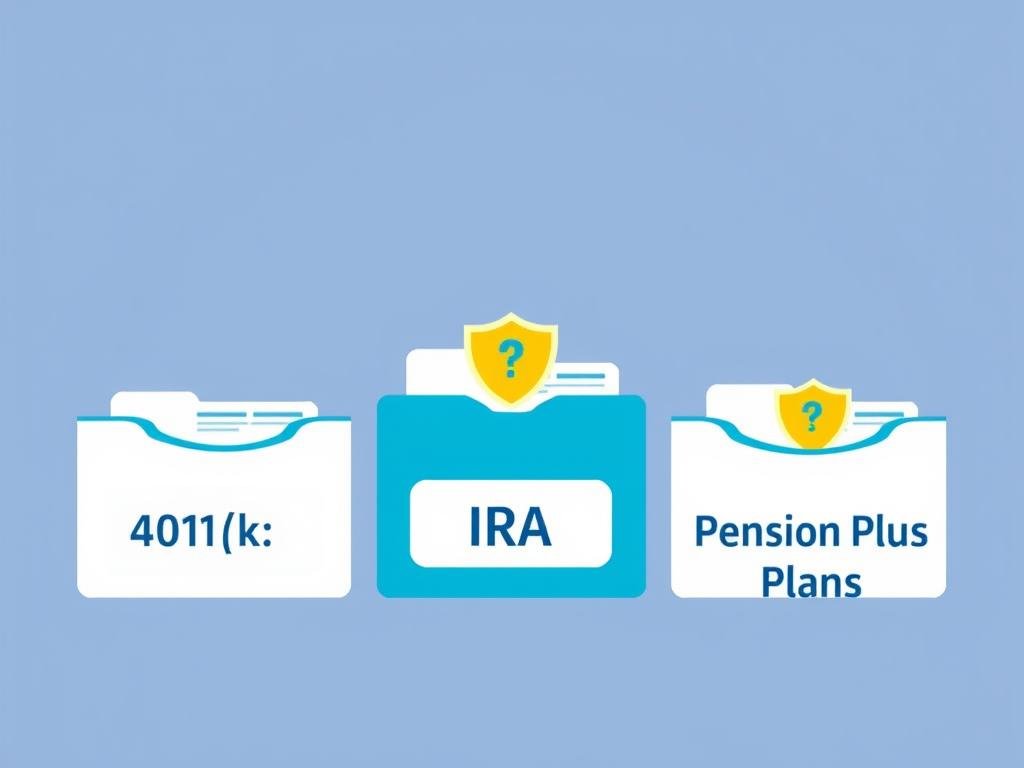
Employer-Sponsored Plans (401(k), 403(b), 457)
Employer-sponsored retirement plans like 401(k)s are generally well-protected during bank failures. These accounts are held in trust separate from your employer’s assets and the financial institution managing them. The Employee Retirement Income Security Act (ERISA) requires that retirement plans adequately fund promised benefits and keep retirement assets separate from company business assets.
Individual Retirement Accounts (Traditional and Roth IRAs)
IRAs are typically held at financial institutions like banks, brokerages, or mutual fund companies. The level of protection depends on where your IRA is held and what investments it contains. Cash portions may have FDIC protection, while securities have different safeguards through the Securities Investor Protection Corporation (SIPC).
Pension Plans
Traditional pension plans (defined benefit plans) are insured by the Pension Benefit Guaranty Corporation (PBGC), a federal agency created under ERISA. If your employer’s pension plan fails, the PBGC provides basic benefits up to a legal limit.
Account Type
Primary Protection
Coverage Limits
Vulnerability Level
401(k)/403(b)
ERISA separation requirements
No specific dollar limit
Low
Traditional/Roth IRA (Cash)
FDIC insurance
$250,000 per depositor per bank
Low
Traditional/Roth IRA (Securities)
SIPC coverage
$500,000 per customer ($250,000 cash)
Low-Medium
Pension Plans
PBGC insurance
Varies by plan type and age
Low
Legal Protections for Retirement Accounts During Bank Collapse
Several regulatory bodies and legal frameworks exist specifically to protect retirement savings when financial institutions fail. Understanding these protections can help ease concerns about bank collapses.
FDIC Insurance: What It Covers and Doesn’t
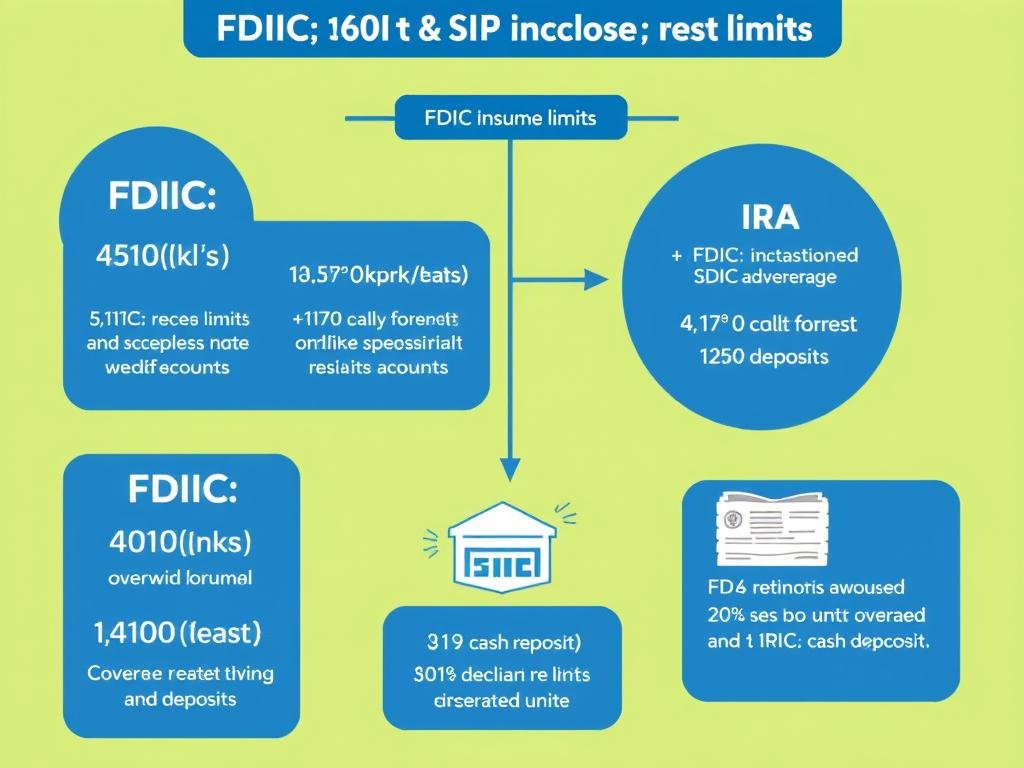
The Federal Deposit Insurance Corporation (FDIC) insures deposits up to $250,000 per depositor per bank. However, this protection only applies to certain types of accounts and investments:
FDIC-Insured
Checking accounts
Savings accounts
Money market deposit accounts
Certificates of deposit (CDs)
Cashier’s checks
Not FDIC-Insured
Stocks and bonds
Mutual funds
Annuities
Life insurance policies
Municipal securities
For retirement accounts specifically, FDIC insurance applies only to the cash portions held in insured deposit accounts, not to investments in securities.
SIPC Coverage for Investment Accounts
The Securities Investor Protection Corporation (SIPC) protects customers of SIPC-member brokerage firms if the firm fails. SIPC coverage includes:
Protection up to $500,000 per customer (including up to $250,000 in cash)
Coverage for stocks, bonds, mutual funds, and other registered securities
Protection against the failure of the brokerage firm, not against market losses
Important: SIPC does not protect against declining market value of your securities. It only protects the custody function of the broker dealer, ensuring you receive your securities back in case of broker failure.
ERISA Protections for Employer Plans
The Employee Retirement Income Security Act (ERISA) provides significant protections for employer-sponsored retirement plans:
Requires plan assets to be held in trust, separate from employer assets
Establishes fiduciary responsibilities for plan administrators
Protects retirement funds from employer creditors if the company goes bankrupt
Ensures plan participants can access information about their benefits
Concerned About Your Retirement Security?
Our retirement security specialists can review your accounts and ensure they have maximum protection against financial institution failures. Get personalized advice tailored to your specific retirement portfolio.
Real-World Examples: Bank Collapses and Retirement Accounts
Examining past bank failures provides valuable insights into how retirement accounts fare during financial crises. These historical examples demonstrate the effectiveness of existing protections.
2008 Financial Crisis
The 2008 financial crisis saw the collapse of major institutions like Lehman Brothers and Washington Mutual. Despite the severity of the crisis:
No retirement account holders lost their funds due to institutional failures
SIPC successfully transferred securities from failing brokerages to solvent firms
Washington Mutual’s failure (the largest in U.S. history) resulted in a smooth transition of accounts to JPMorgan Chase with no loss of customer funds
“The 2008 financial crisis demonstrated that while market values may fluctuate dramatically, the regulatory framework protecting retirement account ownership remained robust.”
Financial Industry Regulatory Authority
2023 Silicon Valley Bank and Signature Bank Failures
The recent failures of Silicon Valley Bank (SVB) and Signature Bank in 2023 raised fresh concerns about financial stability. Here’s what happened to retirement accounts:
No retirement account holders lost access to their funds
The Federal Reserve, Treasury Department, and FDIC acted quickly to ensure all depositors had access to their money
401(k) plans administered by these banks were transferred to new custodians
Market volatility temporarily affected account values but not ownership rights
Steps to Safeguard Your Retirement Accounts
While legal protections are robust, there are proactive steps you can take to further protect your retirement savings against bank instability and market volatility.
Diversification Strategies
Diversification remains one of the most effective ways to protect retirement savings:
Spread investments across different asset classes (stocks, bonds, cash, etc.)
Consider using multiple financial institutions for larger retirement portfolios
Avoid overconcentration in any single company or sector
Include some stable value or fixed income investments for balance
Understanding Insurance Limits
Knowing the limits of FDIC and SIPC protection can help you structure accounts appropriately:
FDIC insurance: $250,000 per depositor per bank for each account ownership category
SIPC coverage: $500,000 per customer (including up to $250,000 in cash)
For larger balances, consider using multiple institutions to stay within insurance limits
Remember that different account types (individual, joint, retirement) may have separate coverage
Regular Monitoring and Rebalancing
Active management of your retirement portfolio is essential:
Review your retirement account statements regularly
Rebalance your portfolio periodically to maintain your desired asset allocation
Stay informed about the financial health of institutions holding your accounts
Consider working with a financial advisor for personalized guidance
Warning: Don’t make hasty decisions during market volatility. Panic selling during downturns often leads to locking in losses rather than protecting assets.
Actionable Advice for Worried Retirement Savers
If you’re concerned about bank stability and its impact on your retirement accounts, consider these practical steps:
Immediate Actions
Verify your current account protections (FDIC, SIPC, ERISA)
Check if your balances exceed insurance limits at any institution
Review your asset allocation for appropriate diversification
Ensure your contact information is current with all financial institutions
Long-Term Strategy
Consider consulting with a financial advisor for personalized guidance
Develop a crisis action plan for market volatility
Maintain an emergency fund separate from retirement savings
Stay informed about regulatory changes affecting retirement protections
Frequently Asked Questions About Retirement Accounts During Bank Collapse
Will I lose my 401(k) if my bank collapses?
No, you will not lose your 401(k) if a bank collapses. Your 401(k) assets are held in trust separate from the bank’s assets. ERISA laws protect these funds from creditors, and your account would typically be transferred to a new custodian if your current one fails.
Are IRAs protected if a brokerage firm fails?
Yes, IRAs held at brokerage firms are protected by SIPC insurance up to 0,000 per customer (including up to 0,000 in cash). This protects against the brokerage firm’s failure, not market losses. Many brokerages also carry additional private insurance beyond SIPC limits.
What happens to my pension if my employer goes bankrupt?
If your employer goes bankrupt, your pension is protected by the Pension Benefit Guaranty Corporation (PBGC), which guarantees basic benefits up to legal limits. The PBGC will either continue paying benefits or transfer the pension to a new administrator.
Should I withdraw my retirement funds during banking instability?
Generally, no. Withdrawing retirement funds during banking instability is usually unnecessary due to existing protections and potentially harmful due to tax penalties, lost growth opportunity, and potential market timing mistakes. Consult with a financial advisor before making any significant changes to your retirement strategy.
Protecting Your Retirement Future
While bank collapses can be concerning, the U.S. financial system has robust protections in place specifically for retirement accounts. The combination of FDIC insurance, SIPC coverage, and ERISA protections creates multiple layers of security for your retirement savings. By understanding these protections, diversifying your investments, staying within insurance limits, and monitoring your accounts regularly, you can significantly reduce the risk to your retirement security even during financial instability.
Remember that while market volatility may temporarily affect account values, the ownership and legal protections of your retirement accounts remain secure during bank failures. With proper planning and informed decision-making, you can navigate financial uncertainty while keeping your retirement plans on track.
Stay Informed About Retirement Account Protection
Subscribe to our newsletter for the latest updates on retirement account protections, regulatory changes, and strategies to secure your financial future.
When planning for retirement, diversifying your portfolio beyond traditional stocks and bonds has become increasingly important. Precious metals IRAs—particularly gold and silver—have emerged as popular options for investors seeking protection against inflation, market volatility, and economic uncertainty. But which metal offers superior long-term protection for your retirement savings? This comprehensive comparison explores the unique benefits and considerations of both gold vs silver IRA options to help you make an informed decision for your financial future.
Understanding Precious Metals IRAs as Retirement Vehicles
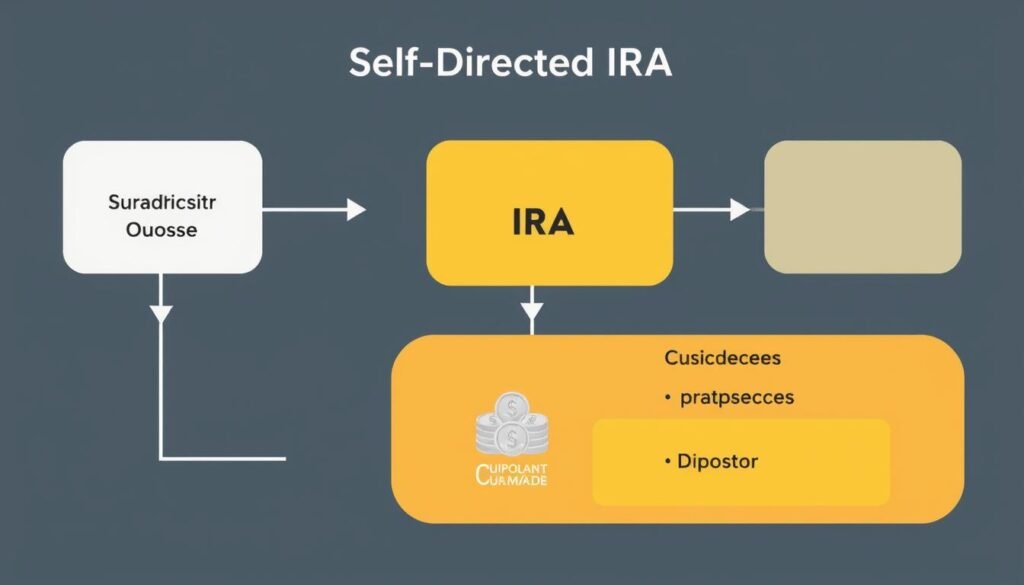
A precious metals IRA is a self-directed individual retirement account that allows you to hold physical gold, silver, platinum, and palladium as part of your retirement portfolio. Unlike conventional IRAs that typically consist of paper assets like stocks and bonds, precious metals IRAs give you the ability to own tangible assets with intrinsic value.
How Precious Metals IRAs Work
These specialized retirement accounts function similarly to traditional IRAs but with some key differences. The metals in your IRA must meet specific purity requirements established by the IRS and must be stored in an approved depository—not in your home. You can establish a precious metals IRA as either a Traditional IRA (tax-deductible contributions with taxed withdrawals) or a Roth IRA (after-tax contributions with tax-free withdrawals).
Key Takeaway: Precious metals IRAs allow you to diversify your retirement portfolio with physical assets that have historically served as hedges against inflation and economic uncertainty.
IRS Requirements for Eligible Precious Metals
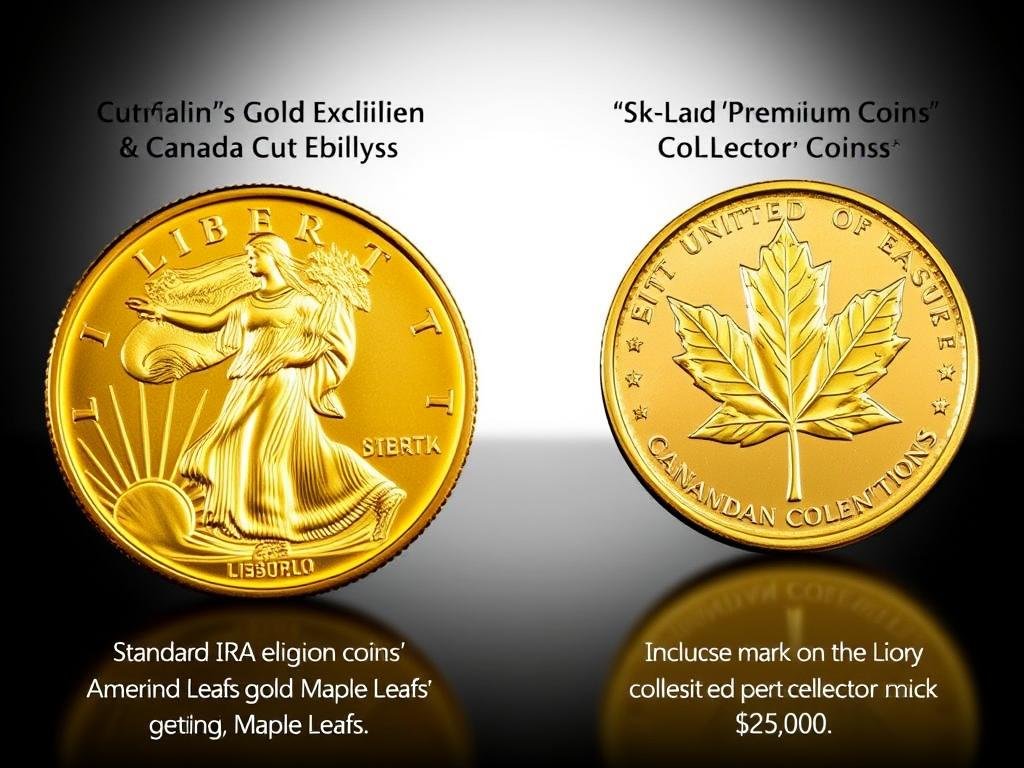
Not all gold and silver products qualify for inclusion in an IRA. The IRS mandates that gold must be 99.5% pure, while silver must be 99.9% pure. Eligible products typically include:
Eligible Gold Products
American Gold Eagle coins
Canadian Gold Maple Leaf coins
Australian Gold Kangaroo coins
American Gold Buffalo coins
Gold bars and rounds from approved refiners
Eligible Silver Products
American Silver Eagle coins
Canadian Silver Maple Leaf coins
Australian Silver Kookaburra coins
America the Beautiful silver coins
Silver bars and rounds from approved refiners
Get Your Free Precious Metals IRA Guide
Discover how to properly diversify your retirement portfolio with our comprehensive guide to precious metals investing.
Gold has been valued for thousands of years as a store of wealth and has maintained its purchasing power over long periods. This historical performance makes gold IRAs particularly attractive for retirement planning.
Advantages of Gold IRAs
Stability: Gold typically maintains value during economic downturns when paper assets often decline
Inflation hedge: Historically preserves purchasing power when inflation erodes the value of currency
Global recognition: Universally accepted and liquid in virtually any market
Limited supply: Cannot be printed like currency, maintaining scarcity value
Portfolio diversification: Often moves inversely to stock markets, providing balance
Disadvantages of Gold IRAs
Higher entry cost: Requires more capital to begin investing compared to silver
Storage costs: Higher value means potentially higher insurance and storage fees
No passive income: Doesn’t generate interest, dividends, or yields
Limited industrial demand: Less practical application than silver, affecting price drivers
Potential volatility: Can experience significant price swings, though typically less than silver
Historical Performance of Gold
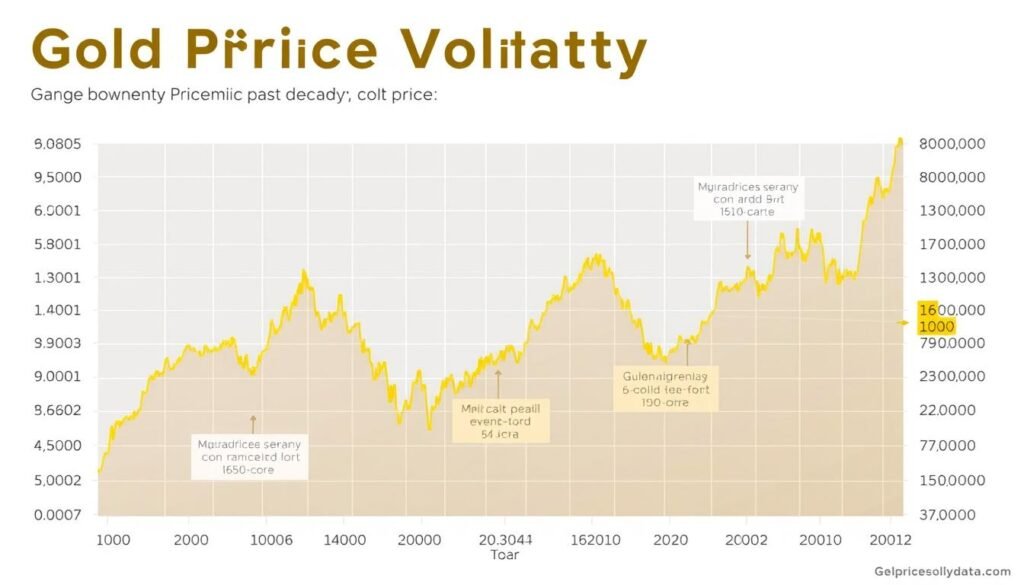
Over the past decade, gold has demonstrated remarkable resilience during economic crises. During the 2008 financial crisis, gold prices surged while stock markets plummeted. Similarly, gold saw significant gains during the COVID-19 pandemic when markets experienced extreme volatility. This counter-cyclical performance makes gold particularly valuable for retirement portfolios seeking stability during uncertain times.
“Gold has maintained its value over centuries, serving as a reliable store of wealth when paper currencies have failed. Its performance during recent economic crises reinforces its role as a safe-haven asset.”
— Financial Analyst and Precious Metals Expert
Key Takeaway: Gold IRAs excel in providing stability and protection during economic downturns, making them ideal for conservative investors prioritizing wealth preservation over aggressive growth.
Silver IRAs: Industrial Demand and Growth Potential
While gold is primarily valued for its monetary properties, silver offers a unique dual role as both a precious metal and an industrial commodity. This characteristic gives silver IRAs distinct advantages and considerations for retirement investors.
Advantages of Silver IRAs
Affordability: Lower entry point allows for easier portfolio diversification
Growth potential: Historically outperforms gold during bull markets
Industrial demand: Used in electronics, solar panels, medical applications, creating additional price drivers
Limited above-ground supply: Much silver is consumed in industrial processes and not recovered
Higher potential returns: Greater volatility can mean larger gains during favorable markets
Disadvantages of Silver IRAs
Higher volatility: Price fluctuations can be more extreme than gold
Storage considerations: Requires more physical space due to lower value-to-volume ratio
Industrial sensitivity: Price can be affected by economic slowdowns that reduce manufacturing
Less historical precedent: Doesn’t have gold’s long-standing reputation as a monetary metal
Market manipulation concerns: Smaller market size makes it potentially more vulnerable to price manipulation
Silver’s Industrial Applications
Silver’s value is significantly influenced by its industrial applications. It’s used in electronics, photovoltaic cells for solar energy, medical devices, water purification, and numerous other technologies. As these industries grow—particularly renewable energy and healthcare—demand for silver is expected to increase, potentially driving prices higher over the long term.
Key Takeaway: Silver IRAs offer greater growth potential and lower entry costs than gold, making them attractive for investors with longer time horizons who can tolerate higher volatility.
Speak With a Precious Metals IRA Specialist
Get personalized advice on whether gold or silver better aligns with your retirement goals and risk tolerance.
When evaluating gold vs silver IRA options for your retirement portfolio, several key factors should be considered. This direct comparison examines performance metrics, inflation hedging capabilities, and practical considerations to help you determine which precious metal better aligns with your retirement goals.
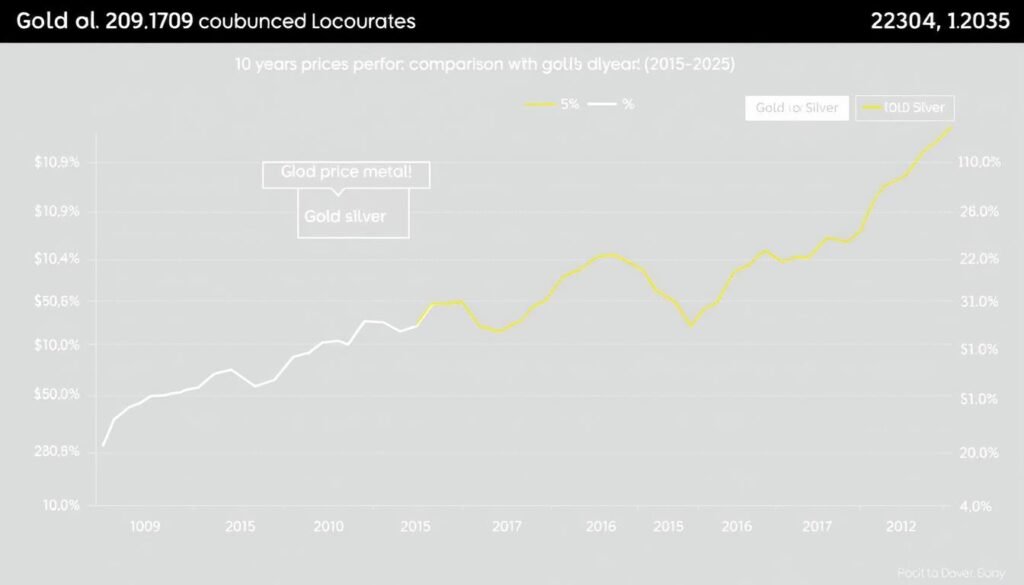
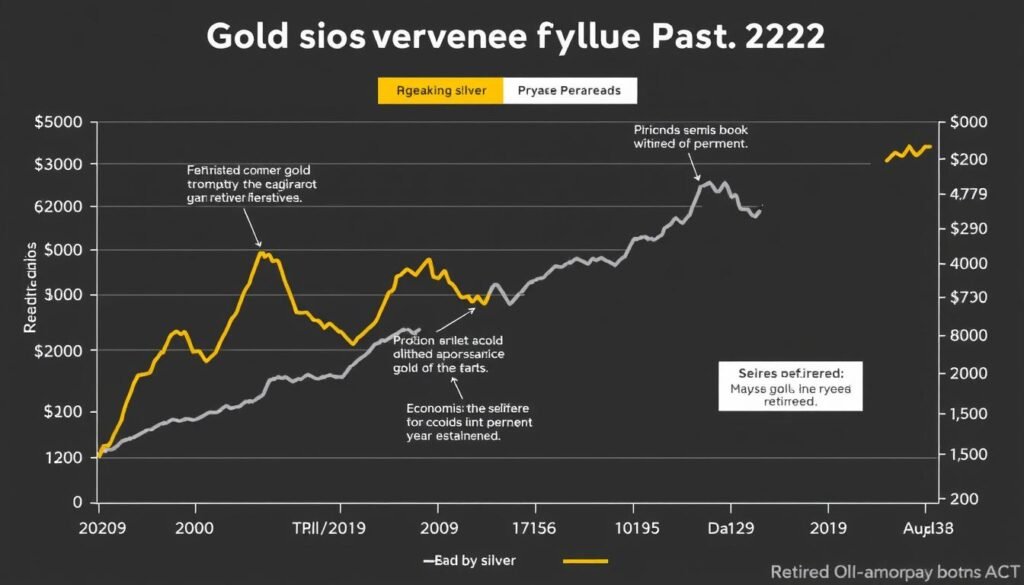
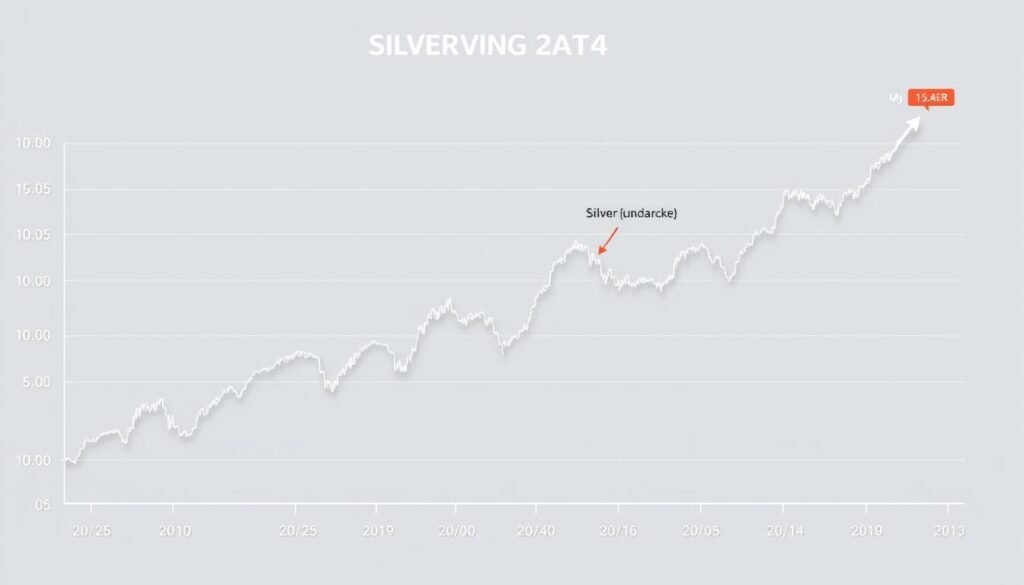
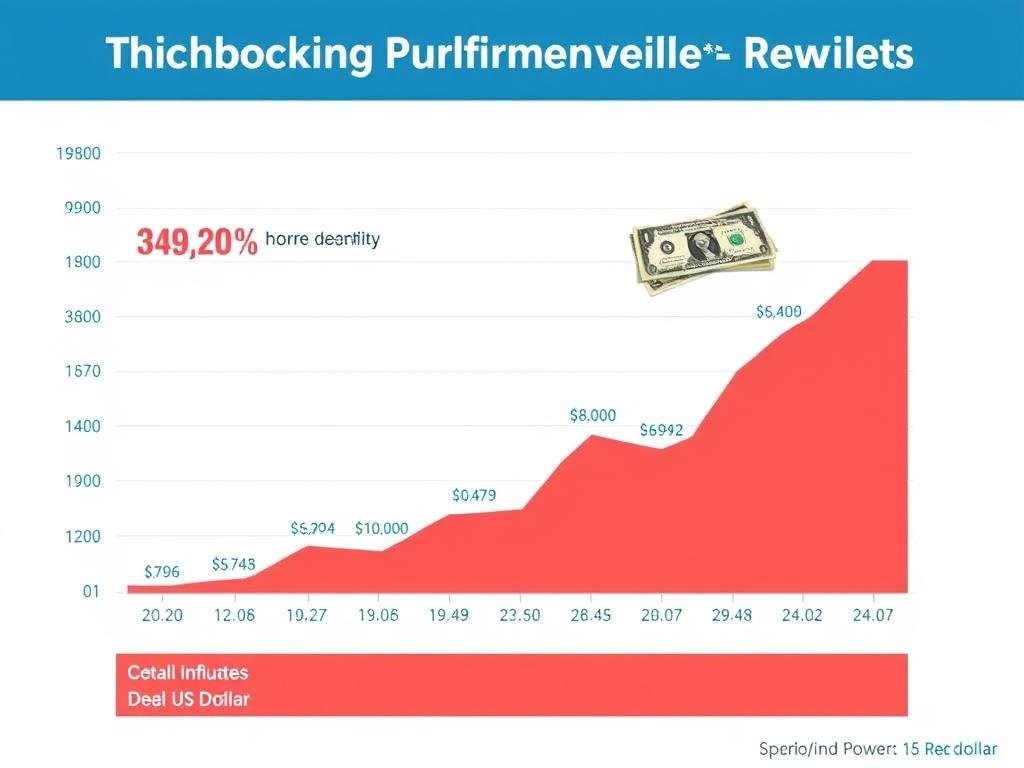
10-Year Price Performance Comparison
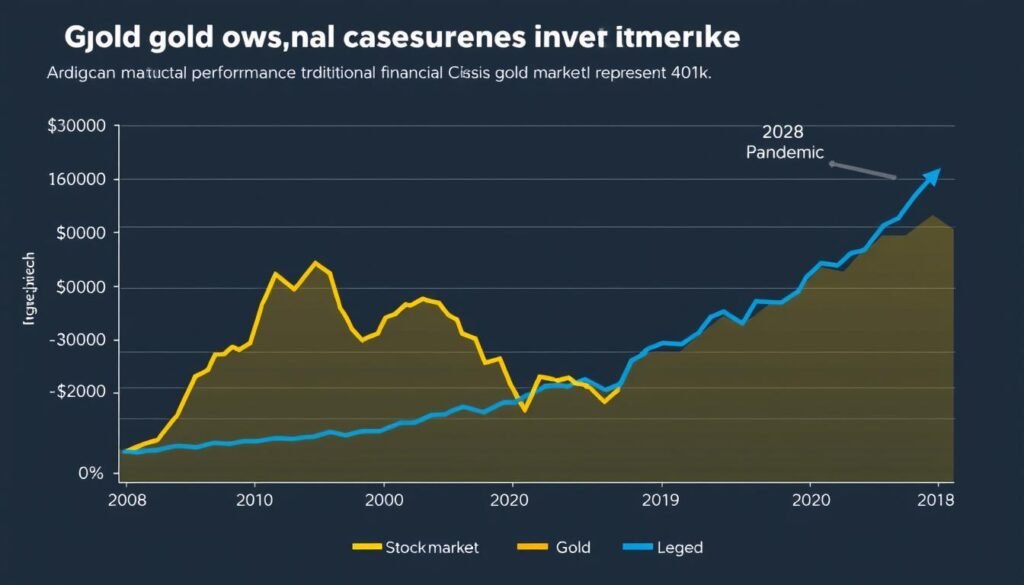
The chart above illustrates the price performance of gold and silver over the past decade. While both metals have shown overall growth, several patterns emerge:
Gold has demonstrated more consistent, steady growth with lower volatility
Silver has experienced more dramatic price swings, both up and down
During economic crises, both metals typically rise, but gold often rises more consistently
During strong economic growth periods, silver frequently outperforms gold
Inflation Hedge Effectiveness
Factor
Gold IRA
Silver IRA
Historical inflation protection
Excellent – Consistent performance during inflationary periods
Good – Generally rises with inflation but with more volatility
Performance during hyperinflation
Superior – Traditional safe haven during currency crises
Strong – Typically performs well but with more price swings
Purchasing power preservation
Excellent – Maintained value over centuries
Good – Generally maintains value but with more fluctuation
Performance during stagflation
Very strong – Historically excels in high-inflation, low-growth environments
Strong – Performs well but industrial demand may be affected by economic slowdown
Storage and Management Costs
The costs associated with maintaining a precious metals IRA can impact your overall returns. Here’s how gold and silver compare:
Cost Factor
Gold IRA
Silver IRA
Storage fees
Higher per dollar invested (typically 0.5-1% annually)
Lower per dollar invested but higher per ounce due to volume
Insurance costs
Higher due to greater value concentration
Lower per dollar value but higher relative to metal value
Physical storage requirements
Less space needed (higher value-to-volume ratio)
More space required (lower value-to-volume ratio)
Custodian fees
Similar (typically $200-300 annually)
Similar (typically $200-300 annually)
Key Takeaway: Gold offers superior stability and consistent inflation protection, while silver provides greater growth potential at a lower entry point but with increased volatility.
5 Key Factors for Choosing Between Gold and Silver IRAs
Your personal financial situation, retirement timeline, and risk tolerance should guide your decision between gold and silver IRAs. Consider these five critical factors when making your choice:
1. Risk Tolerance
Conservative investors: Gold’s stability makes it preferable for those with lower risk tolerance
Moderate risk-takers: A mix of gold and silver balances stability with growth potential
Aggressive investors: Silver’s higher volatility and growth potential may be more appealing
2. Investment Timeline
Short-term (1-5 years): Gold typically offers more predictable short-term performance
Mid-term (5-15 years): A balanced approach with both metals may be optimal
Long-term (15+ years): Silver’s growth potential may outweigh its volatility over longer periods
3. Portfolio Diversification
Already stock-heavy: Gold provides better counterbalance to equity-focused portfolios
Seeking growth: Silver complements a conservative portfolio needing growth potential
Optimal diversification: Consider allocating to both metals in proportions matching your goals
4. Economic Outlook
Recession concerns: Gold typically outperforms during economic contractions
Inflation expectations: Both metals perform well, but gold has more consistent results
Growth optimism: Silver often outperforms during periods of economic expansion
5. Investment Capital
Limited funds: Silver allows more substantial position building with less capital
Substantial capital: Gold’s value density makes it easier to manage larger investments
Regular contributions: Dollar-cost averaging into both metals can be an effective strategy
Key Takeaway: The ideal precious metals IRA allocation depends on your personal financial situation, risk tolerance, and retirement timeline. Many investors benefit from including both gold and silver in their portfolios.
Tax Implications for Gold and Silver IRAs
Understanding the tax treatment of precious metals IRAs is crucial for maximizing your retirement benefits. Both gold and silver IRAs follow the same tax rules, but there are important considerations to keep in mind.
Tax Treatment by IRA Type
Traditional Precious Metals IRA
Contributions may be tax-deductible in the year made
Metals grow tax-deferred until withdrawal
Withdrawals after age 59½ are taxed as ordinary income
Required Minimum Distributions (RMDs) begin at age 72
Early withdrawals before 59½ incur 10% penalty plus taxes
Roth Precious Metals IRA
Contributions made with after-tax dollars (no deduction)
Metals grow tax-free
Qualified withdrawals after age 59½ are completely tax-free
No Required Minimum Distributions during owner’s lifetime
Contributions (but not gains) can be withdrawn penalty-free
Special Tax Considerations
When dealing with precious metals IRAs, be aware of these specific tax implications:
Collectibles classification: The IRS generally considers precious metals as collectibles, which typically incur a higher 28% capital gains tax rate. However, IRA-approved precious metals held in approved depositories avoid this classification.
Taking physical possession: If you take physical possession of your IRA-held precious metals, it’s considered a distribution and subject to taxes and potential penalties.
In-kind distributions: You can take distributions from your precious metals IRA in the form of the physical metals themselves, but their fair market value will be taxed accordingly.
“The tax advantages of precious metals IRAs are identical whether you choose gold or silver. The key difference lies in how the metals themselves perform, not in their tax treatment.”
— Tax Specialist in Retirement Planning
Key Takeaway: Both gold and silver IRAs offer the same tax advantages. Your choice between Traditional and Roth IRA structure will have a greater impact on your tax situation than your choice of metal.
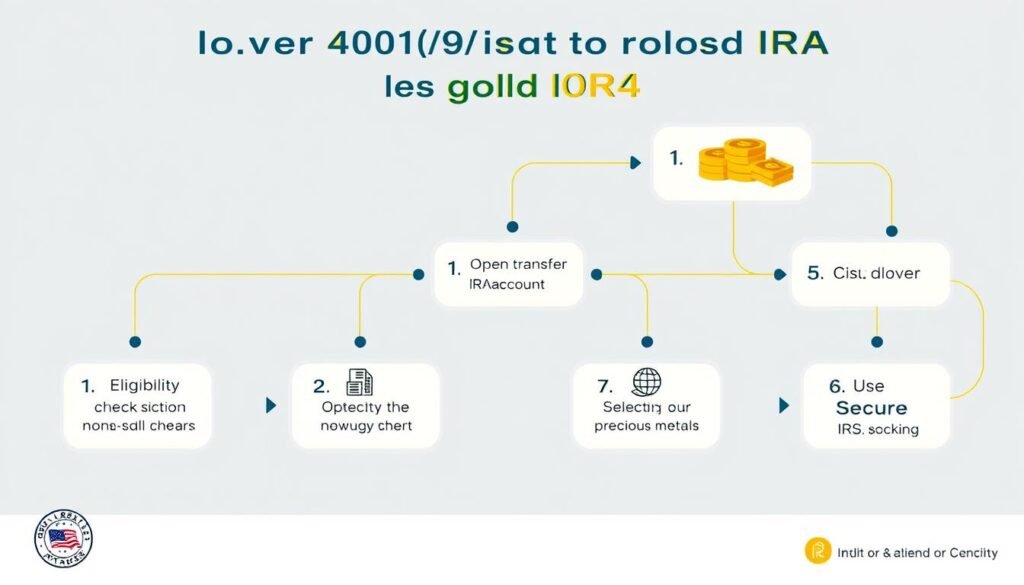
Step-by-Step Guide to Setting Up a Gold or Silver IRA
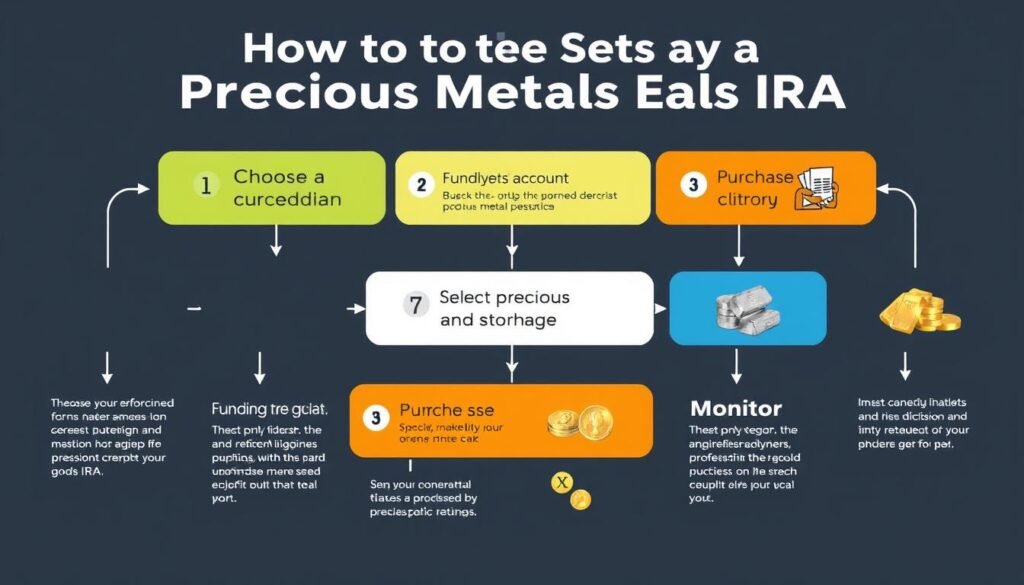
The process for establishing a precious metals IRA is identical whether you choose gold, silver, or a combination of both. Follow these steps to set up your account properly:
Choose a self-directed IRA custodian
Select a reputable custodian that specializes in precious metals IRAs. Look for experience, reasonable fees, and positive customer reviews. The custodian will handle the administrative aspects of your account and ensure IRS compliance.
Complete account setup paperwork
Fill out the necessary forms to establish your self-directed IRA. You’ll need to decide between a Traditional or Roth IRA structure based on your tax situation and retirement goals.
Fund your precious metals IRA
You can fund your new IRA through a direct contribution (subject to annual limits), a transfer from an existing IRA, or a rollover from a qualified retirement plan like a 401(k). Each method has specific rules and potential tax implications.
Select a precious metals dealer
Choose a reputable dealer that offers IRS-approved precious metals products. Many custodians have relationships with trusted dealers, or you can select your own. Ensure they have a strong reputation and competitive pricing.
Purchase your precious metals
Work with your dealer to select the specific gold or silver products for your IRA. Remember that all metals must meet IRS purity requirements (99.5% for gold, 99.9% for silver) and be on the approved list of products.
Arrange secure storage
Your precious metals must be stored in an IRS-approved depository. Your custodian will typically handle this arrangement. You’ll need to choose between segregated storage (your metals kept separate) or commingled storage (mixed with others but tracked).
Maintain and monitor your investment
Review your precious metals IRA regularly, just as you would any investment. Consider rebalancing periodically based on market conditions and your changing retirement needs.
Key Takeaway: The setup process is identical for both gold and silver IRAs. The key differences lie in your specific metal selection and the amount you can purchase with your available funds.
Ready to Start Your Precious Metals IRA?
Our step-by-step guide walks you through the entire process with expert tips to avoid common mistakes.
Real Investor Case Studies: Gold vs Silver IRA Strategies
Examining how real investors have implemented gold and silver IRA strategies can provide valuable insights for your own retirement planning. Here are three case studies showcasing different approaches and outcomes.
Case Study 1: Conservative Approach with Gold
Investors: Robert and Susan, 62 and 60
Strategy: Allocated 20% of retirement portfolio to a gold IRA as a hedge against market volatility
Implementation: Rolled over $100,000 from a traditional IRA into physical gold coins and bars in 2015
Results: During the 2020 market crash, their gold holdings appreciated 25% while their stock portfolio dropped 30%, providing crucial stability
Key Lesson: Gold’s counter-cyclical performance protected their overall retirement savings during a critical pre-retirement period
Case Study 2: Growth Focus with Silver
Investor: Michael, 45
Strategy: Allocated 15% of retirement assets to silver IRA for growth potential
Implementation: Invested $50,000 in silver coins and bars in 2018, adding $10,000 annually
Results: Silver position grew 78% over five years, outperforming his stock portfolio’s 45% growth during the same period
Key Lesson: Silver’s industrial demand and lower entry point allowed for significant accumulation and growth during a technology boom period
Case Study 3: Balanced Approach
Investor: Jennifer, 55
Strategy: Created a balanced precious metals IRA with 60% gold and 40% silver
Implementation: Converted $75,000 from an underperforming 401(k) in 2017, maintaining the 60/40 ratio through rebalancing
Results: Portfolio grew 52% over six years with significantly lower volatility than either metal alone
Key Lesson: Combining both metals provided growth from silver during bull markets while gold offered stability during corrections
Key Takeaway: These case studies demonstrate that successful precious metals IRA strategies often align with the investor’s age, risk tolerance, and overall financial goals. Many investors find that a combination of both metals provides optimal results.
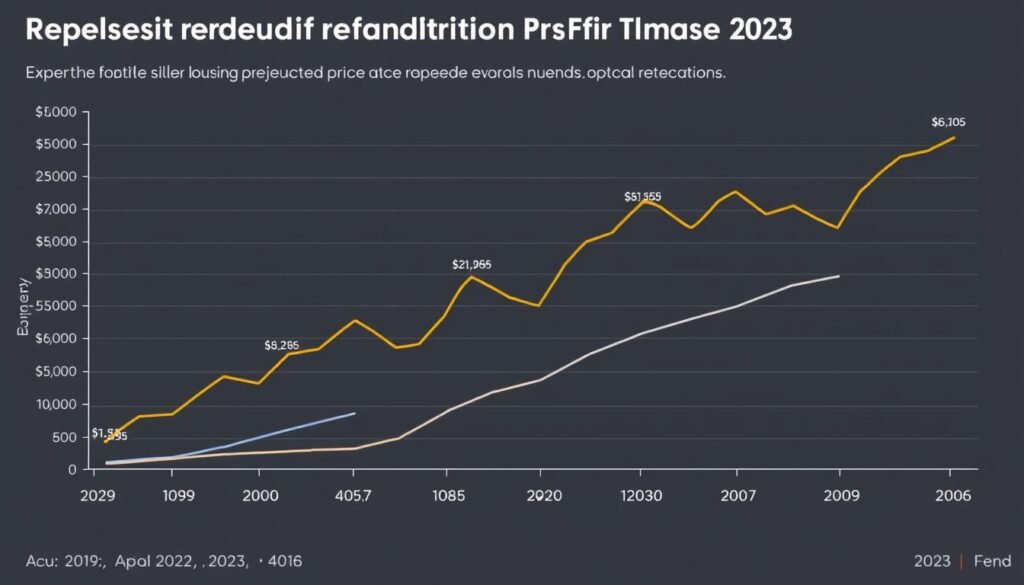
Expert Predictions for Precious Metals Markets (2025-2040)
Understanding potential future trends can help inform your precious metals IRA strategy. While no one can predict markets with certainty, here’s what leading experts are forecasting for gold and silver over the next 15-20 years.
Gold Market Outlook (2025-2040)
Central bank purchasing: Experts predict continued and potentially increased gold acquisition by central banks seeking to reduce dollar dependency
Digital currency impact: The rise of central bank digital currencies (CBDCs) may drive investors toward gold as a privacy-preserving alternative
Supply constraints: Peak gold production may have already occurred, with new discoveries becoming rarer and more expensive to develop
Price projections: Conservative estimates suggest gold could reach $3,000-5,000 per ounce by 2030, with potential for $7,000-10,000 by 2040 depending on monetary policy
Silver Market Outlook (2025-2040)
Industrial demand growth: Green energy transition (solar panels, electric vehicles) expected to significantly increase silver demand
Supply-demand imbalance: Above-ground silver supplies are diminishing while industrial consumption continues to rise
Gold-silver ratio: Many analysts predict the gold-silver ratio (currently around 80:1) could compress to historical norms of 40:1 or lower
Price projections: Estimates suggest silver could reach $50-75 per ounce by 2030, with potential for $100-150 by 2040 if industrial demand accelerates
“The next two decades may represent a perfect storm for precious metals, particularly silver. The combination of monetary debasement, industrial demand growth, and supply constraints could create unprecedented price appreciation.”
— Commodities Research Analyst
Key Takeaway: Both gold and silver have strong long-term outlooks, with silver potentially offering higher percentage gains due to its dual role as both a precious and industrial metal. However, gold is expected to maintain its status as the premier safe-haven asset.
Frequently Asked Questions About Gold vs Silver IRAs
Can I hold both gold and silver in one IRA?
Yes, you can absolutely hold both gold and silver (and even platinum and palladium) within a single precious metals IRA. Many investors choose this approach to maximize diversification benefits. You can determine your own allocation percentages based on your investment goals and market outlook. Your IRA custodian will track the specific metals you own and their respective values within your account.
How does silver’s industrial use affect its retirement value?
Silver’s industrial applications create a dual demand dynamic that can significantly impact its retirement value. On one hand, industrial demand provides a price floor and growth catalyst that gold doesn’t have, potentially leading to stronger long-term appreciation. On the other hand, economic downturns that reduce manufacturing can temporarily depress silver prices when industrial demand falls. For retirement investors with longer time horizons, this industrial component often enhances silver’s growth potential, particularly as technologies like solar energy, electric vehicles, and medical applications increase demand for silver’s unique properties.
What are the minimum investment requirements for gold vs silver IRAs?
Minimum investment requirements vary by custodian, but typically range from ,000 to ,000 for precious metals IRAs. Because silver is less expensive per ounce than gold, you can acquire more physical metal with the same investment amount. For example, a ,000 investment might purchase about 4-5 ounces of gold versus 300-400 ounces of silver at current prices. Some custodians offer lower minimums for silver IRAs specifically because of this price difference, making silver potentially more accessible for investors starting with limited capital.
How liquid are gold and silver IRAs if I need to take distributions?
Both gold and silver IRAs offer good liquidity when it comes time to take distributions. Gold generally has slightly better liquidity due to its higher value density and universal recognition. However, silver’s lower price point can sometimes make it easier to sell in smaller increments for partial distributions. When taking distributions, you typically have three options: 1) The metals can be sold and the cash distributed to you, 2) The physical metals can be shipped to you (counted as a distribution), or 3) You can take in-kind distributions of specific coins or bars. Most custodians can process distribution requests within 1-3 business days.
What percentage of my retirement portfolio should be in precious metals?
Financial advisors typically recommend allocating between 5-15% of your retirement portfolio to precious metals, though this can vary based on your age, risk tolerance, and economic outlook. Investors closer to retirement or those particularly concerned about economic instability might allocate toward the higher end of this range. Younger investors with longer time horizons might start with a smaller allocation. Within your precious metals allocation, the gold-to-silver ratio should reflect your goals: more gold for stability and wealth preservation, more silver for growth potential. Many experts suggest starting with a 70/30 gold-to-silver ratio for conservative investors, or 50/50 for a balanced approach.
Conclusion: Making the Right Choice for Your Retirement
When deciding between gold vs silver IRA options for long-term retirement protection, there is no one-size-fits-all answer. Both precious metals offer valuable benefits that can strengthen your retirement portfolio, but in different ways.
Gold provides superior stability, consistent inflation protection, and a proven track record as a safe-haven asset during economic turmoil. Its higher value density makes it easier to store and transport, though it comes with a higher entry cost and potentially lower growth ceiling.
Silver offers greater affordability, potentially higher growth due to industrial demand, and a lower entry point for investors with limited capital. However, it comes with increased volatility and less historical precedent as a monetary metal.
For many investors, the optimal strategy involves holding both metals in proportions that align with their specific retirement timeline, risk tolerance, and financial goals. This balanced approach captures the stability benefits of gold while also participating in silver’s growth potential.
Whichever direction you choose, precious metals IRAs represent a powerful tool for diversifying beyond traditional paper assets and protecting your retirement savings from inflation, currency devaluation, and market volatility.
Take the Next Step in Securing Your Retirement
Download our comprehensive guide to learn everything you need to know about protecting your retirement with precious metals.
Gold IRAs offer valuable portfolio diversification and inflation protection, but like traditional retirement accounts, they’re subject to Required Minimum Distributions (RMDs). Understanding these mandatory withdrawals is crucial for avoiding substantial penalties and optimizing your precious metals retirement strategy. This comprehensive guide explains everything you need to know about Gold IRA required minimum distributions, from calculation methods to distribution options and strategic planning.
What Are Required Minimum Distributions for Gold IRAs?
Required Minimum Distributions (RMDs) are mandatory withdrawals the IRS requires retirement account owners to take annually once they reach a certain age. These rules apply to traditional IRAs, including Self-Directed Gold IRAs that hold physical precious metals like gold, silver, platinum, and palladium.
The SECURE Act of 2019 and SECURE 2.0 Act of 2022 changed the RMD age requirements. As of 2023, RMDs must begin at age 73. This age will increase to 75 in 2033.
The purpose of RMDs is to ensure retirement accounts are used during your lifetime rather than solely as wealth transfer vehicles. The government wants to collect tax revenue from these tax-advantaged accounts, which is why they mandate these distributions.
For Gold IRA owners, RMDs present unique considerations because your retirement assets are held in physical precious metals rather than easily divisible paper assets like stocks or mutual funds.
Gold IRA Required Minimum Distribution Rules and Calculations
Age Requirements and Deadlines
Understanding when you must start taking RMDs is essential for proper retirement planning and avoiding penalties.
Birth Year
RMD Starting Age
First RMD Deadline
1950 or earlier
72
April 1 of the year after turning 72
1951-1959
73
April 1 of the year after turning 73
1960 or later
75 (effective 2033)
April 1 of the year after turning 75
For your first RMD, you have until April 1 of the year following the year you reach the required age. For all subsequent years, you must take RMDs by December 31. Be aware that if you delay your first RMD until April of the following year, you’ll need to take two distributions in that calendar year.
Calculating Your Gold IRA RMD Amount
The IRS provides a specific formula for calculating your required minimum distribution:
RMD = Account Balance (as of December 31 of previous year) ÷ Life Expectancy Factor
Life expectancy factors come from IRS Publication 590-B and are based on your age. Here’s a sample of the Uniform Lifetime Table for 2024:
Age
Life Expectancy Factor
Age
Life Expectancy Factor
73
26.5
80
20.2
75
24.6
85
16.0
78
22.0
90
12.2
Example: If you’re 75 years old with a Gold IRA valued at $250,000 on December 31 of last year, your RMD calculation would be: $250,000 ÷ 24.6 = $10,162.60
For Gold IRAs, determining the fair market value requires valuing your precious metals based on the spot price as of December 31. Your Gold IRA custodian will typically provide this valuation for you.
Gold IRA Distribution Options: Cash vs. In-Kind
When taking required minimum distributions from your Gold IRA, you have two primary options: cash distributions or in-kind distributions. Each has different implications for your retirement strategy.
Cash Distributions
With cash distributions, your Gold IRA custodian sells a portion of your precious metals at the current market value to generate the cash needed for your RMD. The cash is then distributed to you.
Provides immediate liquidity for expenses
No need to store or secure physical metals
Simplifies the distribution process
May require selling at unfavorable market prices
Potential transaction fees for selling metals
In-Kind Distributions
In-kind distributions allow you to take physical possession of the precious metals themselves. The fair market value of the distributed metals counts toward satisfying your RMD requirement.
Maintain ownership of physical precious metals
Avoid selling during market downturns
Continue to benefit from potential metal appreciation
Requires secure storage solutions
Shipping and insurance costs may apply
Important: Whether you choose cash or in-kind distributions, the fair market value of the distribution is considered taxable income. The distribution method doesn’t change your tax obligation.
Tax Implications and Penalties for Gold IRA RMDs
Tax Treatment of Distributions
Distributions from traditional Gold IRAs are generally taxed as ordinary income in the year you receive them. The tax rate depends on your total income and tax bracket for that year.
Unlike some other investments, there’s no special capital gains treatment for precious metals in an IRA. Even if your gold has appreciated significantly since purchase, distributions are taxed at your ordinary income rate.
Important Tax Consideration: If you take physical possession of precious metals through an in-kind distribution, you’ll owe taxes on the fair market value of those metals at the time of distribution, not on their original purchase price.
Penalties for Missed RMDs
Failing to take your required minimum distribution has serious consequences. The IRS penalty is substantial:
If you fail to take your RMD, the IRS can impose an excise tax of 25% on the amount not withdrawn. This penalty can be reduced to 10% if you correct the missed RMD in a timely manner.
For example, if your required distribution was $10,000 and you failed to take it, you could owe a penalty of $2,500. This is in addition to the regular income tax you’ll eventually pay on the distribution.
Avoid Costly RMD Mistakes
Don’t risk hefty penalties on your retirement savings. Our Gold IRA specialists can help ensure you’re meeting all IRS requirements while optimizing your precious metals strategy.
Strategic Planning for Gold IRA Required Minimum Distributions
Timing Your Distributions
Strategic timing of your RMDs can help optimize your tax situation and precious metals position:
Market Timing: Consider taking distributions when gold prices are high if choosing cash distributions
Tax Bracket Management: Time distributions to stay within desired tax brackets
First-Year Planning: Decide whether to take your first RMD in the year you reach the required age or delay until April 1 of the following year
Multiple IRA Consolidation Strategy
If you have multiple IRAs (including traditional IRAs and Gold IRAs), you have flexibility in how you satisfy your RMD requirements:
While you must calculate the RMD separately for each IRA, you can take the total RMD amount from any one IRA or a combination of IRAs. This allows you to leave your Gold IRA intact if you prefer, by taking distributions from other traditional IRAs instead.
This strategy can be particularly valuable if you want to maintain your precious metals position during market fluctuations or avoid the complexities of valuing and distributing physical assets.
Qualified Charitable Distributions (QCDs)
For philanthropically-minded investors, Qualified Charitable Distributions offer a tax-efficient way to satisfy RMD requirements:
Donate up to $100,000 annually directly from your IRA to qualified charities
The distribution counts toward your RMD requirement
The amount donated is excluded from your taxable income
While QCDs typically involve cash, you could sell a portion of your Gold IRA holdings and direct the proceeds to charity through this method.
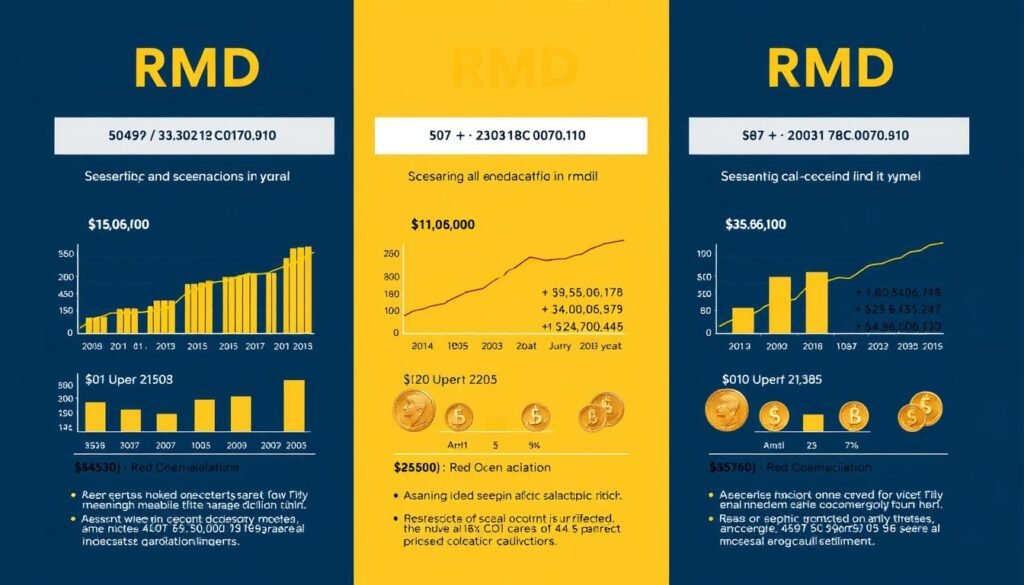
Gold IRA RMD Calculation Scenarios
Scenario 1: Basic RMD
Profile: John, age 74
Gold IRA Value: $200,000
Life Expectancy Factor: 25.5
RMD Calculation: $200,000 ÷ 25.5 = $7,843.14
John must withdraw at least $7,843.14 this year. He chooses a cash distribution, requiring his custodian to sell approximately 4 ounces of gold (assuming $1,950/oz) to satisfy the requirement.
Scenario 2: In-Kind Distribution
Profile: Maria, age 76
Gold IRA Value: $350,000
Life Expectancy Factor: 23.7
RMD Calculation: $350,000 ÷ 23.7 = $14,767.93
Maria prefers physical possession and takes an in-kind distribution of 7.5 ounces of gold coins (valued at $14,775). She’ll pay income tax on $14,775 but maintains ownership of the physical gold.
Scenario 3: Multiple IRA Strategy
Profile: Robert, age 80
Gold IRA Value: $150,000
Traditional IRA Value: $300,000
Life Expectancy Factor: 20.2
Total RMD: ($150,000 + $300,000) ÷ 20.2 = $22,277.23
Robert takes his entire RMD from his Traditional IRA, preserving his Gold IRA intact during a period of market volatility.
Frequently Asked Questions About Gold IRA Required Minimum Distributions
Are RMD percentages different for precious metals IRAs?
No, the RMD percentage calculation is the same for Gold IRAs as it is for traditional IRAs. The IRS uses the same Uniform Lifetime Table to determine the life expectancy factor regardless of what assets are held in the IRA. The difference lies in how the account value is determined (based on precious metals spot prices) and the distribution options available (cash vs. in-kind).
Can I reinvest my Gold IRA RMD into another account?
Yes, while you cannot roll over an RMD to another tax-advantaged retirement account, you can deposit the distribution into a taxable investment account after taking the distribution and paying the applicable taxes. This allows you to reinvest in precious metals or other assets outside of an IRA structure. Some investors choose to take cash distributions from their Gold IRA and then purchase precious metals in a personal account for continued exposure to the asset class.
Do Roth Gold IRAs have required minimum distributions?
No, Roth Gold IRAs are exempt from RMD requirements during the original owner’s lifetime. This makes Roth Gold IRAs an excellent vehicle for those who want to maintain their precious metals holdings without mandatory distributions. However, inherited Roth IRAs may be subject to distribution requirements for non-spouse beneficiaries under the SECURE Act’s 10-year rule.
How do I value my Gold IRA for RMD calculations?
Your Gold IRA custodian will provide a fair market value (FMV) statement at the end of each year based on the spot prices of your precious metals holdings as of December 31. This valuation is used to calculate your RMD for the following year. It’s important to review this valuation for accuracy, especially if you hold numismatic coins or other precious metals that might have values above their metal content.
Planning for Your Gold IRA Required Minimum Distributions
Understanding and properly planning for your Gold IRA required minimum distributions is essential for maximizing your retirement strategy and avoiding costly penalties. The unique nature of precious metals investments requires special consideration when approaching RMDs, whether you choose cash distributions, in-kind distributions, or a combination approach.
By staying informed about current RMD rules, working closely with knowledgeable advisors, and implementing strategic distribution plans, you can maintain the benefits of your precious metals investments while satisfying IRS requirements.
Get Expert Guidance on Your Gold IRA Required Minimum Distributions
Don’t navigate complex RMD rules alone. Our Gold IRA specialists can help you develop a personalized distribution strategy that protects your precious metals investment while ensuring full IRS compliance.
As economic uncertainty continues to challenge traditional retirement plans, many retirees are turning to precious metals IRAs as a way to protect their hard-earned savings. Both gold and silver offer unique advantages as retirement investments, but choosing between a gold IRA vs silver IRA for retirees requires careful consideration of several factors. This comprehensive guide will help you understand the key differences, evaluate which option aligns with your retirement goals, and provide actionable criteria to make an informed decision.
Understanding Precious Metals IRAs
A precious metals IRA is a self-directed individual retirement account that allows you to hold physical gold, silver, platinum, or palladium instead of traditional paper assets like stocks and bonds. These specialized retirement accounts provide tax advantages similar to conventional IRAs while offering protection against inflation and economic volatility.
What Makes Precious Metals IRAs Different?
Unlike standard retirement accounts, precious metals IRAs hold physical assets stored in IRS-approved depositories. The metals must meet specific purity requirements: gold must be 99.5% pure, silver 99.9% pure, and platinum and palladium 99.95% pure. These accounts require a custodian to manage the administrative aspects and a depository for secure storage of your precious metals.
Free Gold & Silver IRA Comparison Guide
Discover how to protect your retirement with the right precious metals strategy. Our comprehensive guide breaks down everything you need to know about gold and silver IRAs.
Gold has been valued for thousands of years as a store of wealth and continues to be sought after during times of economic uncertainty. A gold IRA allows retirees to hold physical gold in a tax-advantaged retirement account.
Gold IRA Advantages
Strong historical performance as a store of value
Lower volatility compared to silver
Effective hedge against inflation and currency devaluation
Global recognition and liquidity
Limited supply with steady demand from central banks
Better performance during economic crises
Gold IRA Limitations
Higher entry cost than silver
Potentially lower growth potential during economic expansion
Higher storage fees due to greater value density
Less industrial utility than silver
May underperform during strong economic growth periods
Limited quantity for the same investment amount
Who Should Consider a Gold IRA?
Gold IRAs are particularly well-suited for retirees who prioritize wealth preservation over growth potential. If you’re concerned about economic instability, currency devaluation, or stock market volatility, gold’s historical stability makes it an attractive option. Retirees with larger portfolios who can afford the higher minimum investment may find gold’s lower volatility preferable for retirement planning.
Silver IRA: Benefits and Considerations
Silver offers a more affordable entry point into precious metals IRAs while providing both investment and industrial value. A silver IRA allows retirees to hold physical silver that meets IRS purity standards in a tax-advantaged retirement account.
Silver IRA Advantages
Lower entry cost than gold
Higher growth potential during economic expansion
Dual demand: investment and industrial applications
Greater quantity of metal for the same investment
Growing industrial demand in technology and green energy
Historically outperforms gold during bull markets
Silver IRA Limitations
Higher volatility than gold
More susceptible to industrial demand fluctuations
Requires more storage space
Less historical precedent as a monetary metal
May underperform during severe economic downturns
More vulnerable to market manipulation
Who Should Consider a Silver IRA?
Silver IRAs are ideal for retirees with smaller investment budgets who still want exposure to precious metals. If you’re seeking higher growth potential and are comfortable with greater price volatility, silver offers an attractive option. Retirees who believe in the expanding industrial applications of silver, particularly in technology and renewable energy, may benefit from silver’s dual demand drivers.
To help you make an informed decision between gold and silver IRAs, we’ve created this comprehensive comparison table highlighting the key differences in investment requirements, costs, and potential returns.
Feature
Gold IRA
Silver IRA
Minimum Investment
$10,000-$25,000 typical
$5,000-$10,000 typical
Storage Fees (Annual)
$100-$300
$100-$300 (may be higher due to volume)
Custodian Fees (Annual)
$75-$300
$75-$300
Historical Volatility
Lower
Higher
Growth Potential
Moderate
Higher
Performance During Economic Crisis
Strong
Moderate
Performance During Economic Growth
Moderate
Strong
Gold-to-Silver Ratio (Historical)
1:60-1:80
N/A
Industrial Demand
Limited
Significant
Storage Space Required
Less
More
Real-World Scenarios: Which Metal Fits Your Retirement Strategy?
Understanding how different retirement situations might benefit from gold or silver IRAs can help you identify which option better aligns with your personal circumstances. Here are three common scenarios to consider:
Scenario 1: Conservative Retiree with Substantial Savings
Profile: John, 68, retired executive with $750,000 in retirement savings
Concerns: Preserving wealth, protecting against inflation, minimal volatility
Recommendation:Gold IRA (70-80% of precious metals allocation) with smaller silver position (20-30%). John’s substantial savings allow him to absorb the higher entry cost of gold, while his conservative approach benefits from gold’s lower volatility and stronger performance during economic uncertainty.
Scenario 2: Middle-Stage Retiree with Moderate Savings
Profile: Maria and Robert, early 60s, with $350,000 in retirement savings
Concerns: Balancing growth and security, moderate risk tolerance, 10+ year horizon
Recommendation:Balanced approach (50% gold, 50% silver). This couple benefits from silver’s growth potential while maintaining gold’s stability. Their moderate savings and longer time horizon allow them to weather silver’s volatility while capitalizing on potential higher returns.
Scenario 3: New Retiree with Limited Savings
Profile: David, 58, early retiree with $120,000 in retirement savings
Recommendation:Silver IRA (70-80% of precious metals allocation) with smaller gold position (20-30%). David’s limited savings benefit from silver’s lower entry point, allowing him to acquire more metal. His longer retirement horizon can withstand silver’s volatility while potentially benefiting from its higher growth trajectory.
Personalized Retirement Strategy Session
Not sure which scenario fits your situation? Our precious metals specialists can help you develop a customized strategy based on your unique retirement goals.
5 Critical Questions Retirees Must Ask Before Choosing Between Gold and Silver IRAs
Before making your decision between a gold IRA vs silver IRA for retirees, ask yourself these five essential questions to determine which option better aligns with your retirement goals:
1. What is your primary investment goal: wealth preservation or growth potential?
If your primary concern is protecting your existing wealth against inflation and economic uncertainty, gold’s historical stability makes it the preferred choice. If you’re seeking higher growth potential and can tolerate more volatility, silver offers greater upside, particularly during periods of economic expansion and increasing industrial demand.
2. What is your investment budget for precious metals?
Your available investment capital significantly impacts your decision. Gold requires a higher minimum investment to acquire meaningful quantities. With a limited budget, silver allows you to purchase more ounces of metal, potentially benefiting from greater diversification and liquidity. Consider how much of your retirement portfolio you’re comfortable allocating to precious metals.
3. What is your risk tolerance and time horizon?
Silver experiences greater price volatility than gold, which can be advantageous during bull markets but may cause steeper declines during market corrections. If you have a longer time horizon and higher risk tolerance, silver’s volatility may be acceptable. For those nearer to or in retirement with lower risk tolerance, gold’s stability may be preferable.
4. What is your outlook on the economy and industrial demand?
Silver has significant industrial applications in electronics, solar panels, medical devices, and other growing sectors. If you believe these industries will expand, silver may offer additional growth drivers beyond its investment value. Gold, with limited industrial use, is less affected by economic cycles but more influenced by investment demand and central bank policies.
5. How important is liquidity and ease of transactions?
Both metals offer good liquidity, but gold’s higher value-to-volume ratio makes it easier to store and transport. Silver’s lower price point allows for more flexible partial liquidations when smaller amounts of cash are needed. Consider how and when you might need to access your investment during retirement.
The Balanced Approach: Diversifying with Both Metals
While comparing gold IRA vs silver IRA for retirees is important, many financial advisors recommend a balanced approach that incorporates both metals. This strategy allows you to benefit from gold’s stability and silver’s growth potential while mitigating the risks associated with each.
Recommended Allocation Strategies Based on Retirement Stage
Retirement Stage
Gold Allocation
Silver Allocation
Rationale
Early Retirement (50-60)
40-50%
50-60%
Longer horizon allows for higher silver allocation to capture growth potential
Mid Retirement (60-70)
50-60%
40-50%
Balanced approach with slight preference for stability
Late Retirement (70+)
60-80%
20-40%
Emphasis on wealth preservation with smaller allocation to silver for growth
A diversified approach allows retirees to adjust their precious metals allocation based on changing economic conditions and personal circumstances. During periods of economic uncertainty, you might increase your gold allocation, while during economic expansion, you might favor silver for its growth potential.
Expert Tip: The Gold-to-Silver Ratio
Many precious metals investors monitor the gold-to-silver ratio (the number of ounces of silver it takes to purchase one ounce of gold) to optimize their allocation. When the ratio is historically high (above 80:1), silver may be undervalued relative to gold, suggesting a potential opportunity to increase silver holdings. When the ratio is low (below 50:1), gold may offer better value.
Getting Started with Precious Metals IRAs
Whether you choose a gold IRA, silver IRA, or a combination of both, the process for setting up your precious metals IRA follows these essential steps:
Choose a reputable custodian that specializes in precious metals IRAs and offers competitive fees, secure storage options, and excellent customer service.
Fund your account through a direct transfer from an existing IRA, a rollover from a 401(k) or other qualified retirement plan, or a new contribution (subject to annual limits).
Select your precious metals based on your investment strategy, ensuring they meet IRS purity requirements (99.5% for gold, 99.9% for silver).
Complete the purchase through your custodian, who will arrange for secure storage in an IRS-approved depository.
Monitor your investment regularly and adjust your allocation as needed based on market conditions and your changing retirement needs.
Ready to Protect Your Retirement with Precious Metals?
Our team of retirement specialists can help you navigate the process of setting up a gold or silver IRA that aligns with your financial goals.
Conclusion: Making the Right Choice for Your Retirement
When evaluating gold IRA vs silver IRA for retirees, there’s no one-size-fits-all answer. The right choice depends on your specific retirement goals, financial situation, risk tolerance, and economic outlook.
The ideal precious metals strategy for most retirees is not choosing between gold and silver, but rather determining the optimal allocation of both metals to achieve a balance of stability and growth potential.
Gold offers superior stability, wealth preservation, and protection during economic crises, making it ideal for conservative retirees prioritizing capital preservation. Silver provides greater affordability, growth potential, and exposure to industrial demand, making it suitable for retirees with longer time horizons seeking higher returns.
By carefully considering the factors outlined in this guide and potentially consulting with a financial advisor specializing in precious metals, you can develop a retirement strategy that effectively incorporates these valuable assets to help secure your financial future.
Take the Next Step in Securing Your Retirement
Download our comprehensive guide to learn more about how precious metals can protect and enhance your retirement savings.
For high-income earners, choosing between a Roth 401(k) and a traditional 401(k) can significantly impact your retirement savings and tax situation. While both plans offer valuable tax advantages, they work in fundamentally different ways—and the best choice depends on your specific financial circumstances, current tax bracket, and retirement expectations.
This comprehensive guide will help you understand the key differences between these retirement plans and provide strategies to optimize your retirement savings as a high-income earner. We’ll explore tax implications, contribution limits, and practical scenarios to help you make an informed decision.
Key Differences Between Roth 401(k) and Traditional 401(k)
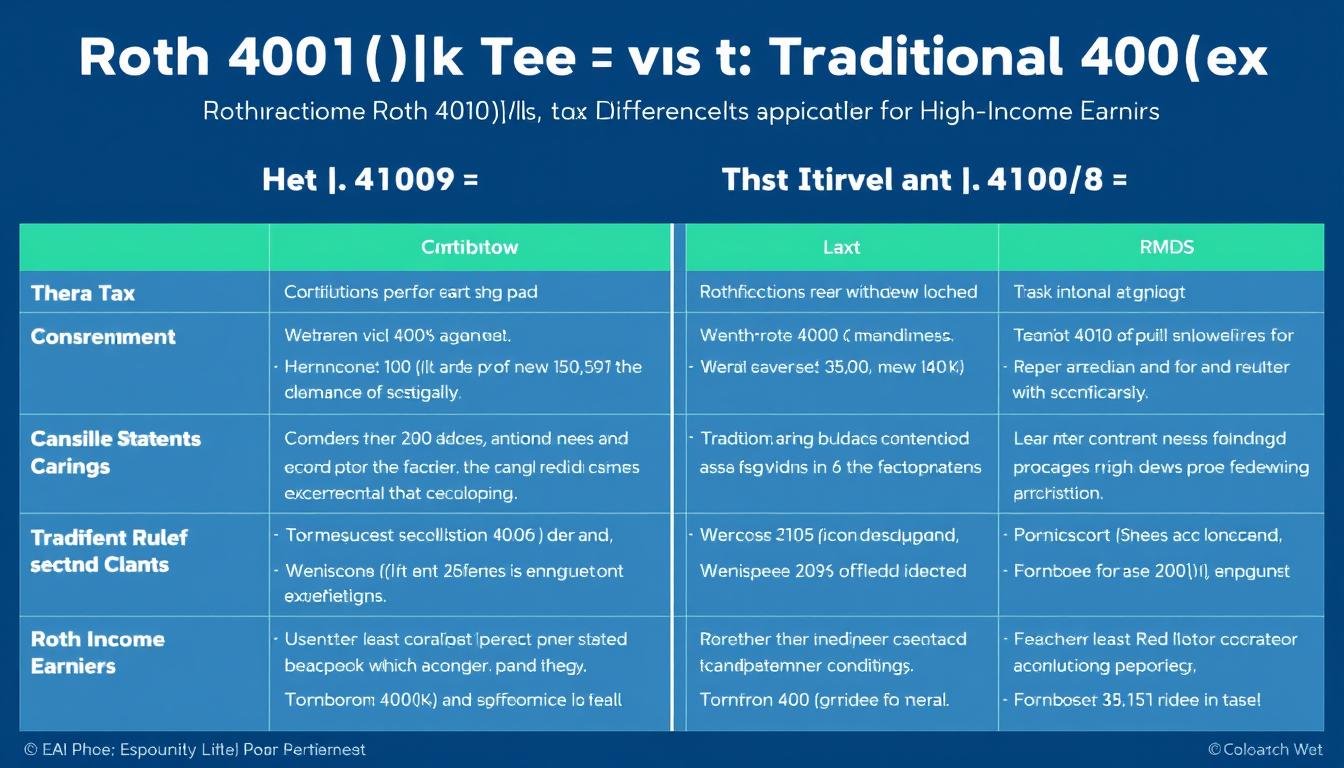
Tax Treatment: Pre-Tax vs. After-Tax Contributions
The fundamental difference between these retirement plans lies in when you pay taxes:
Traditional 401(k)
Contributions are made with pre-tax dollars, reducing your current taxable income. For example, if you earn $200,000 and contribute $23,500, you’ll only be taxed on $176,500 of income for that year.
However, you’ll pay ordinary income tax on both your contributions and earnings when you withdraw funds in retirement.
Roth 401(k)
Contributions are made with after-tax dollars, meaning you pay taxes on that money now. Your $23,500 contribution comes from income that’s already been taxed.
The significant advantage is that qualified withdrawals in retirement—including all earnings—are completely tax-free.
2025 Contribution Limits
Feature
Traditional 401(k)
Roth 401(k)
Basic Contribution Limit
$23,500
$23,500
Catch-up Contribution (Age 50-59)
$7,500
$7,500
Super Catch-up Contribution (Age 60-63)
$11,250
$11,250
Total Annual Limit (including employer contributions)
$70,000
$70,000
Both plans share the same contribution limits, allowing high-income earners to save substantial amounts for retirement regardless of which option they choose.
Income Limits for Eligibility
Unlike Roth IRAs, which have income limits that prevent high earners from contributing directly, Roth 401(k) plans have no income restrictions. This makes them particularly valuable for high-income professionals who want the benefits of tax-free growth but are ineligible for Roth IRAs.
Required Minimum Distributions (RMDs)
As of 2024, a significant change benefits Roth 401(k) holders:
Traditional 401(k): You must begin taking RMDs at age 73 (or age 75 starting in 2033), regardless of whether you need the money.
Roth 401(k): No RMDs are required during your lifetime, giving you greater flexibility in retirement planning and potential for continued tax-free growth.
This RMD difference can be particularly advantageous for high-income earners who may not need to draw from retirement accounts immediately and wish to maximize tax-free growth or leave tax-advantaged assets to heirs.
Special Considerations for High-Income Earners
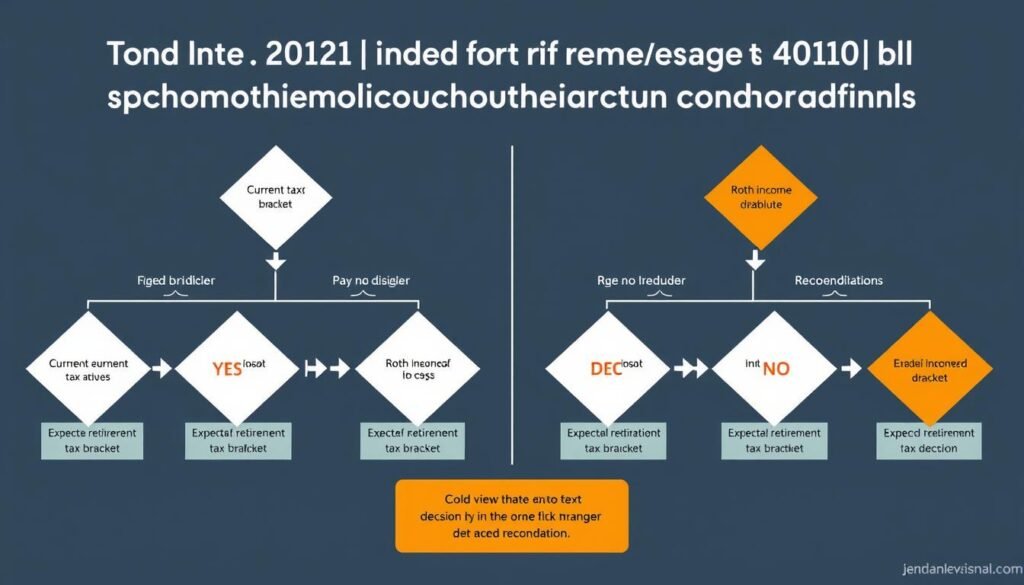
Current vs. Future Tax Brackets
The central question for high-income earners is whether your tax rate will be higher or lower in retirement compared to your working years.
When Traditional 401(k) May Be Better
You expect to be in a lower tax bracket during retirement
You’re currently in one of the highest tax brackets (35% or 37%)
You need to reduce your current taxable income
You want to maximize current tax deductions
When Roth 401(k) May Be Better
You expect to be in a higher tax bracket during retirement
You believe overall tax rates will increase in the future
You want to maximize tax-free income in retirement
You want to leave tax-free assets to heirs
For many high-income earners, current tax rates are at historic lows, and there’s concern that rates may increase in the future due to growing national debt and changing fiscal policies. This uncertainty makes Roth contributions appealing despite the higher current tax cost.
Employer Match Considerations
An important note for high-income earners: employer matching contributions always go into a traditional pre-tax account, even if you make Roth contributions. This creates automatic tax diversification in your retirement portfolio.
Example: If you contribute $20,000 to your Roth 401(k) and receive a $10,000 employer match, your retirement account will contain $20,000 in Roth funds and $10,000 in traditional pre-tax funds.
Backdoor Roth Strategies for Ultra-High Earners
For ultra-high-income earners who want to maximize tax-advantaged retirement savings, combining a Roth 401(k) with backdoor Roth IRA contributions can be powerful:
Contribute the maximum to your Roth 401(k) ($23,500 in 2025, plus catch-up contributions if eligible)
Make a non-deductible contribution to a traditional IRA ($7,000 in 2025, plus $1,000 catch-up if over 50)
Convert the traditional IRA to a Roth IRA (the “backdoor” method)
Result: Up to $31,500 in Roth contributions annually ($42,750 if age 60-63), plus employer match
This strategy works best for those without existing pre-tax IRA balances due to the pro-rata rule for conversions. Consult with a tax professional before implementing this approach.
Case Studies: Roth vs. Traditional for High-Income Scenarios
Case Study 1: $250,000 Earner in California
Profile: Sarah, 45, earns $250,000 as a technology executive in California. She’s in the 35% federal tax bracket plus 9.3% state tax.
Analysis:
Traditional 401(k): Saves approximately $10,400 in taxes this year on a $23,500 contribution
Roth 401(k): Costs $10,400 more in taxes this year but provides tax-free withdrawals in retirement
Recommendation:
A hybrid approach makes sense for Sarah. She should contribute enough to the traditional 401(k) to reduce her taxable income below the 35% federal bracket threshold, then direct remaining contributions to the Roth 401(k). This balances current tax savings with future tax-free growth.
Case Study 2: $500,000 Earner with Variable Income
Profile: Michael, 52, earns $500,000 annually as an investment banker, with significant variability in his bonus income. He’s in the 37% federal tax bracket.
Analysis:
Traditional 401(k): Provides substantial current tax savings at the 37% bracket
Roth 401(k): Higher current tax cost but creates tax diversification
Recommendation:
Michael should use a strategic timing approach. In years with exceptionally high bonuses, maximize traditional 401(k) contributions to reduce taxable income. In lower-income years, prioritize Roth 401(k) contributions when the tax impact is less severe. At age 52, he should also take advantage of the $7,500 catch-up contribution.
You’re early in your career with expectations of significantly higher future earnings
You have substantial taxable investment accounts and want to increase tax-free assets
You don’t need the current tax deduction to meet other financial goals
You want to hedge against future tax rate increases
You want to eliminate RMDs from your retirement planning concerns
You’re interested in estate planning and want to leave tax-free assets to heirs
When to Stick with Traditional 401(k) Contributions
Traditional 401(k) contributions may be more advantageous when:
You’re at your peak earning years and in the highest tax brackets
You need to reduce current taxable income to qualify for other tax benefits
You anticipate being in a significantly lower tax bracket in retirement
You’re nearing retirement with limited time for tax-free growth to offset the upfront tax cost
You plan to retire in a state with no income tax (from a high-tax state)
Hybrid Approaches for Tax Diversification
For many high-income earners, the optimal strategy involves tax diversification:
“Tax diversification is like investment diversification—it reduces risk by giving you options. Having retirement funds in different tax buckets allows you to optimize withdrawals based on your tax situation each year in retirement.”
Consider these hybrid approaches:
Split contributions: Divide your annual contributions between traditional and Roth accounts
Strategic timing: Use traditional contributions in high-income years and Roth in lower-income years
Bracket management: Use traditional contributions to reduce income to a lower tax bracket, then switch to Roth
Age-based shifting: Start with traditional early in your career, then gradually shift toward more Roth contributions as retirement approaches
Frequently Asked Questions
Can I contribute to both a Roth 401(k) and a traditional 401(k)?
Yes, you can split your contributions between both types of accounts as long as your total contributions don’t exceed the annual limit ($23,500 in 2025, plus catch-up contributions if eligible). This strategy creates tax diversification in your retirement portfolio.
What if I exceed IRS income limits for retirement contributions?
Unlike Roth IRAs, Roth 401(k) plans have no income limits, making them accessible to high-income earners regardless of compensation level. However, all 401(k) plans are subject to annual contribution limits and potential restrictions for highly compensated employees depending on your company’s plan structure.
How are employer matches treated in a Roth 401(k)?
Employer matching contributions always go into a traditional pre-tax account, even if you make Roth contributions. This means employer matches will be taxable upon withdrawal in retirement. This creates automatic tax diversification in your retirement savings.
Can I convert my existing traditional 401(k) to a Roth 401(k)?
Some employer plans allow in-plan Roth conversions, but this varies by plan. If permitted, you’ll pay ordinary income tax on the converted amount in the year of conversion. For high-income earners, this can result in a substantial tax bill, so careful planning is essential.
How does the Secure 2.0 Act affect Roth 401(k) planning?
The Secure 2.0 Act eliminated RMDs for Roth 401(k) accounts starting in 2024, making them even more attractive for high-income earners. The legislation also introduced higher catch-up contribution limits for those aged 60-63 beginning in 2025, allowing for increased Roth savings during pre-retirement years.
Conclusion: Making the Right Choice for Your Situation
The choice between a Roth 401(k) and a traditional 401(k) for high-income earners isn’t simply about math—it’s about creating flexibility and security in your retirement planning. While traditional 401(k)s offer immediate tax benefits, Roth 401(k)s provide tax-free growth and withdrawals that can be invaluable in retirement.
For most high-income earners, a strategic combination of both account types creates the optimal tax diversification strategy. This approach gives you flexibility to manage your tax situation throughout retirement and adapt to changing tax laws and personal circumstances.
Remember that retirement planning is highly personal, and the best strategy depends on your unique financial situation, career trajectory, and retirement goals. Consulting with a qualified financial advisor who specializes in retirement planning for high-income professionals can help you develop a customized approach that maximizes your retirement savings while minimizing your lifetime tax burden.
Get Personalized Retirement Planning Advice
Uncertain which retirement strategy is optimal for your high-income situation? Our team of financial advisors specializes in tax-efficient retirement planning for professionals earning $150,000+. Schedule a complimentary consultation to develop a customized strategy that maximizes your retirement savings.
Are you worried that your retirement plan might be missing crucial elements beyond just saving money? Traditional retirement planning often focuses narrowly on financial aspects, potentially leaving you unprepared for the multidimensional reality of your golden years. Holistic retirement planning offers a more comprehensive approach that integrates your finances, health, lifestyle preferences, emotional well-being, and legacy goals into one cohesive strategy.
This guide will walk you through the essential components of a truly comprehensive retirement plan, helping you create a roadmap that addresses not just how you’ll pay for retirement, but how you’ll actually live and thrive during this important life stage.
What Is Holistic Retirement Planning?
Holistic retirement planning is a comprehensive approach that considers all aspects of your life during retirement, not just your financial situation. While traditional retirement planning primarily focuses on accumulating sufficient wealth, holistic planning recognizes that a truly fulfilling retirement requires attention to multiple interconnected dimensions.
Traditional Retirement Planning
Holistic Retirement Planning
Focuses primarily on financial assets
Integrates finances, health, lifestyle, relationships, and purpose
Aims for specific savings target
Aligns financial resources with personal values and goals
Often treats retirement as an endpoint
Views retirement as a dynamic life stage with evolving needs
Limited consideration of healthcare costs
Comprehensive healthcare and long-term care planning
Minimal attention to psychological transition
Addresses emotional and identity adjustments
The Five Core Pillars of Holistic Retirement Planning
Financial Security
Creating sustainable income streams, tax-efficient withdrawal strategies, and protection against inflation and market volatility.
Physical & Mental Health
Planning for healthcare costs, insurance coverage, wellness activities, and potential long-term care needs.
Lifestyle & Housing
Determining where and how you’ll live, including housing options, location considerations, and daily activities.
Purpose & Social Connection
Maintaining meaningful relationships, pursuing passions, volunteering, part-time work, or other purposeful activities.
Legacy Planning
Estate planning, wealth transfer strategies, charitable giving, and documenting your wishes for future generations.
Emotional Well-being
Preparing for the psychological transition to retirement, maintaining identity, and finding fulfillment beyond work.
Ready to Create Your Holistic Retirement Plan?
Our team of certified financial planners specializes in comprehensive retirement strategies that address all aspects of your future well-being.
Integrating Non-Financial Aspects Into Your Retirement Plan
While financial planning forms the foundation of retirement preparation, a truly holistic approach requires thoughtful integration of non-financial elements. Here’s how to incorporate these crucial aspects into your comprehensive retirement strategy:
Healthcare Planning Beyond Medicare
Healthcare costs represent one of the largest expenses in retirement, yet many traditional plans underestimate their impact. A holistic approach includes:
Calculating projected healthcare costs based on your personal health history and family medical background
Exploring Health Savings Accounts (HSAs) as tax-advantaged vehicles for future medical expenses
Developing a long-term care strategy through insurance, self-funding, or hybrid approaches
Creating advance healthcare directives and appointing healthcare proxies
Social Connections and Community Engagement
Research consistently shows that strong social ties correlate with better health outcomes and greater happiness in retirement. Your holistic plan should address:
Building Your Social Network
Maintaining relationships with former colleagues
Strengthening family connections across generations
Developing new friendships through shared interests
Considering proximity to loved ones in housing decisions
Community Involvement
Exploring volunteer opportunities aligned with your values
Joining clubs, religious organizations, or interest groups
Participating in lifelong learning programs
Contributing skills through mentorship or consulting
Purpose-Driven Activities
Many retirees experience a sense of loss when leaving their careers behind. A holistic retirement plan helps you identify meaningful activities that provide structure, purpose, and fulfillment:
Work Transition
Consider phased retirement, consulting, mentoring, or starting a small business based on your expertise and interests.
Learning & Growth
Pursue educational opportunities, develop new skills, or explore subjects you’ve always been curious about but never had time to study.
Creative Expression
Engage in arts, crafts, writing, music, or other creative pursuits that provide personal satisfaction and potential social connections.
Case Study: The Johnsons’ Holistic Retirement Transformation
Robert and Susan Johnson, both 62, initially focused solely on reaching their financial “number” for retirement. Their traditional plan had them on track financially, but they hadn’t considered several crucial aspects of their retirement lifestyle.
Through holistic retirement planning, they discovered that their vision of traveling extensively would require not just financial resources but also:
A comprehensive healthcare strategy including international coverage
Housing flexibility that wouldn’t require constant maintenance
Technology skills to stay connected with family while traveling
Physical fitness preparation for active adventures
By addressing these non-financial elements, the Johnsons created a more realistic and satisfying retirement plan that aligned their resources with their true priorities.
Creating Your Personalized Holistic Retirement Plan
Developing a comprehensive retirement strategy requires thoughtful consideration across multiple dimensions. Follow these actionable steps to create a personalized holistic retirement plan:
Step 1: Define Your Retirement Vision
Create a detailed picture of your ideal retirement lifestyle
Identify your core values and priorities
Determine your preferred retirement timeline
Consider potential phases of retirement (active, moderate, limited activity)
Step 2: Assess Your Current Position
Inventory all financial assets and liabilities
Evaluate your health status and insurance coverage
Review your social connections and support network
Assess your housing situation and future needs
Step 3: Identify Gaps and Opportunities
Calculate your retirement income gap
Identify potential health and long-term care needs
Evaluate housing options and potential relocations
Consider skills or relationships to develop before retirement
Essential Documents for Your Holistic Retirement Plan
Financial Documents
Retirement income strategy with withdrawal plan
Social Security claiming strategy
Tax efficiency plan for distributions
Investment policy statement
Budget projections for different retirement phases
Legal & Healthcare Documents
Will and trust documents
Advance healthcare directive
Durable power of attorney
Long-term care strategy
Legacy letter or ethical will
Need Help Creating Your Comprehensive Plan?
Our holistic retirement planning experts can help you integrate all aspects of your retirement strategy into one cohesive plan.
Case Study: Balancing Travel Dreams with Family Care Responsibilities
Maria, a 58-year-old healthcare professional, dreamed of extensive international travel during retirement. However, she also anticipated caregiving responsibilities for her 85-year-old mother with early-stage dementia.
Through holistic retirement planning, Maria developed a strategy that balanced these competing priorities:
Created a financial plan that included both travel funds and potential caregiving costs
Researched respite care options to allow for shorter travel periods
Involved siblings in a shared family caregiving plan
Explored technology solutions for remote monitoring during absences
Adjusted her travel expectations to include more frequent, shorter trips rather than extended journeys
This integrated approach allowed Maria to honor both her personal aspirations and family responsibilities without sacrificing either completely.
Common Mistakes in Retirement Planning
Even well-intentioned retirement planning can fall short when it fails to take a holistic approach. Avoid these common pitfalls that can undermine your retirement security and satisfaction:
Holistic Planning Approach
Integrates financial and non-financial aspects
Accounts for inflation in healthcare costs
Plans for multiple phases of retirement
Considers emotional transition to retirement
Prepares for potential long-term care needs
Aligns financial decisions with personal values
Includes contingency plans for unexpected events
Common Planning Mistakes
Focusing exclusively on accumulating assets
Underestimating healthcare and long-term care costs
Failing to plan for different retirement phases
Neglecting the psychological aspects of retirement
Overlooking inflation’s impact on fixed income
Making housing decisions without considering aging needs
Delaying essential legal and estate planning documents
Case Study: Recovering from a One-Dimensional Retirement Plan
David, a 67-year-old former executive, had diligently saved for retirement and accumulated substantial wealth. However, within two years of retiring, he faced unexpected challenges:
Loss of identity and purpose after leaving his high-status position
Social isolation as work relationships faded
Unanticipated healthcare costs not fully covered by Medicare
Tension with his spouse over differing expectations about daily routines
By working with a holistic retirement planner, David was able to address these non-financial aspects. He developed new social connections through volunteering, created a part-time consulting practice to maintain professional engagement, and had important conversations with his spouse about shared retirement expectations.
This experience taught David that financial security alone couldn’t guarantee retirement satisfaction. The holistic adjustments he made significantly improved his retirement quality of life despite having to make these changes reactively.
Tools and Resources for Holistic Retirement Planning
Implementing a comprehensive retirement strategy requires the right tools and resources. Here are some valuable resources to help you develop and maintain your holistic retirement plan:
Financial Planning Tools
Retirement calculators that factor in healthcare costs
Social Security optimization tools
Tax-efficient withdrawal strategy calculators
Long-term care cost estimators
Estate planning document generators
Healthcare Resources
Medicare plan comparison tools
Healthcare cost projection calculators
Long-term care insurance evaluators
Advance directive templates
Wellness and preventive care guides
Lifestyle Planning Resources
Retirement vision workbooks
Relocation comparison tools
Volunteer matching services
Lifelong learning program directories
Retirement coaching services
5 Key Takeaways for Successful Holistic Retirement Planning
Integration is essential. Financial, health, lifestyle, and emotional aspects of retirement are interconnected and should be planned together.
Start early but adjust often. Begin holistic planning at least 5-10 years before retirement, but review and revise regularly as circumstances change.
Healthcare deserves special attention. Medical and long-term care costs are often underestimated and can significantly impact retirement security.
Purpose matters as much as finances. Psychological well-being in retirement depends on maintaining meaningful activities and social connections.
Professional guidance adds value. A financial advisor with expertise in holistic retirement planning can help integrate all aspects of your retirement strategy.
When should I start holistic retirement planning?
Ideally, holistic retirement planning should begin 10-15 years before your anticipated retirement date. This timeframe allows you to make meaningful adjustments to your financial strategy while also giving you adequate time to prepare for the non-financial aspects of retirement. However, it’s never too late to adopt a more comprehensive approach. Even if you’re already retired, holistic planning can help you optimize your current situation and address any gaps in your existing plan.
How do I find a financial advisor who specializes in holistic retirement planning?
Look for advisors with credentials such as Certified Financial Planner (CFP®) or Retirement Income Certified Professional (RICP®) who explicitly mention comprehensive or holistic planning in their service offerings. During initial consultations, ask specific questions about how they address non-financial aspects of retirement, their process for understanding your personal goals and values, and whether they work with other professionals (healthcare consultants, elder law attorneys, etc.) to provide truly comprehensive planning. Most importantly, ensure they’re fiduciaries who are legally obligated to act in your best interest.
How often should I review my holistic retirement plan?
Your holistic retirement plan should be reviewed annually at minimum, and more frequently when significant life events occur (health changes, family situations, major market movements). As you approach retirement, quarterly reviews may be appropriate to fine-tune your strategy. Once retired, regular reviews remain important as your needs and circumstances will continue to evolve through different phases of retirement. Each review should address all aspects of your plan—financial, health, housing, activities, and social connections—not just investment performance.
Embracing the Holistic Retirement Planning Revolution
Holistic retirement planning represents a paradigm shift from traditional approaches that focus exclusively on financial accumulation. By integrating all dimensions of well-being—financial security, physical and mental health, meaningful activities, social connections, and legacy considerations—you create a retirement strategy that supports true fulfillment and resilience.
The most successful retirees understand that the quality of their retirement years depends not just on how much they’ve saved, but on how thoughtfully they’ve prepared for all aspects of this significant life transition. By taking a comprehensive approach now, you position yourself for a retirement that aligns with your deepest values and aspirations.
Remember that holistic retirement planning is not a one-time event but an ongoing process that evolves as your circumstances and priorities change. With the right guidance and resources, you can create a retirement experience that’s not merely financially secure but truly rich in all the ways that matter most to you.
Ready to Transform Your Retirement Planning Approach?
Our team specializes in creating personalized, holistic retirement strategies that address every dimension of your future well-being.
As economic uncertainty grows, many retirees are turning to gold IRAs to diversify their retirement portfolios. Unfortunately, this trend has attracted numerous scammers targeting seniors with deceptive practices. Understanding these gold IRA scams is crucial for protecting your hard-earned retirement savings. This guide will help you identify common schemes, recognize warning signs, and implement practical strategies to avoid becoming a victim.
Understanding Legitimate Gold IRAs vs. Scams
Gold IRAs are legitimate investment vehicles that allow you to hold physical precious metals in a tax-advantaged retirement account. When managed properly through reputable gold IRA companies, they can serve as a hedge against inflation and market volatility.
However, the growing popularity of gold IRAs has created opportunities for scammers to exploit uninformed investors, particularly retirees. These scams often prey on fears about economic instability and use high-pressure tactics to push unnecessary or overpriced products.
Before we dive into specific scams, it’s important to understand that legitimate gold IRA investments require working with three separate entities: a custodian (approved by the IRS), a precious metals dealer, and a secure depository. Any company claiming to handle all aspects without these distinctions should raise immediate concerns.
7 Common Gold IRA Scams Targeting Retirees
The following scams represent the most prevalent deceptive practices in the gold IRA industry. Understanding these tactics is your first line of defense against potential fraud.
1. Bait-and-Switch Fee Structures
This common gold IRA scam begins with promises of “zero fees” or “fee-free” accounts that sound too good to be true—because they are. Scammers advertise no setup fees, no annual maintenance fees, or “free storage for life,” but these costs are simply hidden elsewhere.
Real-world example: In 2022, several investors reported that a Southern California gold dealer promised “zero fees for life” on their gold IRAs. After investing, they discovered they had paid 30-40% markups on their precious metals purchases, effectively covering those “free” services many times over.
To avoid this scam, always request a complete fee schedule in writing. Legitimate companies will transparently disclose all costs, including setup fees, annual maintenance fees, storage fees, and buy/sell spreads.
2. High-Pressure Sales Tactics
Scammers frequently use aggressive sales tactics to rush retirees into making immediate decisions without proper research. They create artificial urgency with claims about “limited-time offers” or impending economic collapse.
Real-world example: In May 2023, the Securities and Exchange Commission (SEC) charged Red Rock Secured for pressuring investors to liquidate their existing retirement accounts and buy gold, claiming it was the only way to protect their savings. The company representatives would call repeatedly, insisting decisions needed to be made immediately.
Legitimate gold IRA companies will never pressure you to make immediate decisions. They provide educational resources and give you time to research your options. If someone is rushing you, it’s a major red flag.
Protect Your Retirement Savings
Download our free “Gold IRA Red Flag Checklist” to help you identify and avoid common scams before they happen. This comprehensive guide includes warning signs, verification steps, and questions to ask potential gold IRA providers.
One of the most financially damaging gold IRA scams involves charging excessive markups on precious metals. While all dealers charge some premium over the spot price of gold, fraudulent companies often charge markups of 30% to over 100%.
Real-world example: The same SEC case against Red Rock Secured revealed the company was marking up gold products by as much as 130%. A study by Fisher Investments found that industry markups could go as high as 35% in most cases, though ethical dealers typically charge between 5-10%.
To protect yourself, always check the current spot price of gold before making any purchase. Request the specific premium or markup percentage in writing, and compare offers from multiple dealers.
4. “Exclusive” or “Premium” Coin Scams
Many gold IRA scams involve pushing “exclusive,” “limited edition,” or “premium” coins at vastly inflated prices. These coins are often marketed as rare collectibles with special investment potential, but they typically have little to no additional value over standard bullion coins.
Real-world example: One retiree reported purchasing what was described as “exclusive premium silver coins” for $85 each from a heavily advertised gold IRA company, only to discover later that their actual market value was approximately $30-35 per coin.
Remember that the IRS has specific requirements for gold and other precious metals held in IRAs. They must meet minimum fineness requirements, and most collectible coins are actually prohibited from IRAs. Stick with well-known bullion products like American Eagles, Canadian Maple Leafs, and standard gold bars.
5. Home Storage IRA Deception
Some companies promote “home storage” gold IRAs, claiming you can store IRA gold in your personal safe or safety deposit box. This is a dangerous misrepresentation of IRS regulations that can lead to severe tax penalties.
Real-world example: In a notable case, a couple followed advice to store their IRA gold at home and was later forced to pay over $300,000 in taxes and penalties when the IRS determined this violated regulations requiring IRA assets to be held by qualified custodians.
IRS rules clearly require that gold and other precious metals in an IRA must be held by an approved custodian in an IRS-approved depository. Any company suggesting otherwise is either uninformed or deliberately misleading you.
6. Fake Review and Affiliate Marketing Schemes
The internet is filled with seemingly independent “review” websites ranking the “best gold IRA companies.” However, many of these sites are actually paid affiliate marketers earning substantial commissions (sometimes 6% or more of your investment) for directing you to specific companies.
Real-world example: Investigation into several “top 10 gold IRA companies” websites revealed that rankings were based entirely on commission structures rather than actual company performance or customer satisfaction. Some of the highest-ranked companies had numerous complaints and even pending lawsuits.
Be skeptical of review sites, especially those with “best” rankings. Look for small disclosures about affiliate relationships, and conduct your own research through the Better Business Bureau, Business Consumer Alliance, and trusted financial publications.
7. Celebrity Endorsement Misdirection
Many gold IRA scams leverage conservative celebrities, former politicians, and media personalities to build trust with retirees. These endorsements come with hefty price tags that are ultimately paid by investors through higher fees and markups.
Real-world example: Several gold dealers with prominent conservative media personality endorsements have faced legal action from city attorneys and regulators for deceptive business practices, despite their “trusted” endorsers.
Remember that celebrities are paid for their endorsements and rarely have any actual expertise in precious metals or retirement planning. Their presence should never substitute for your own due diligence.
Red Flags: How to Spot Potential Gold IRA Scams
Marketing and Sales Red Flags
Unsolicited phone calls, emails, or text messages
Promises of “guaranteed” returns or no risk
High-pressure tactics urging immediate decisions
Claims about “secret” strategies or “exclusive” products
Excessive focus on fear (economic collapse, government confiscation)
Reluctance to provide written information
Offers that seem too good to be true (zero fees, free storage)
Company and Product Red Flags
No physical address or only a P.O. box listed
Recently established company with limited history
Unclear fee structures or resistance to discussing fees
Pushing “collectible” or “premium” coins at high markups
Suggestions about home storage of IRA assets
No clear separation between dealer, custodian, and depository
Poor ratings with BBB or Business Consumer Alliance
5 Essential Steps to Avoid Gold IRA Scams
1. Verify All Three Required Entities
A legitimate gold IRA requires three separate entities working together:
Custodian: Verify they’re on the IRS-approved list of non-bank trustees and custodians
Dealer: Check their reputation through BBB, Business Consumer Alliance, and customer reviews
Depository: Confirm they’re a recognized, insured facility like Brink’s, Delaware Depository, or International Depository Services
2. Get Everything in Writing
Before making any commitment:
Request a complete written disclosure of all fees and costs
Get the specific markup percentage over spot price in writing
Obtain detailed product specifications for any metals you’re purchasing
Review the contract carefully, especially regarding buyback policies
3. Research Independently
Don’t rely solely on the company’s claims:
Check current spot prices through independent sources like Kitco or APMEX
Verify company reputation through regulatory agencies and consumer protection organizations
Consult with an independent financial advisor who doesn’t sell gold products
Research typical fees and costs across multiple providers
Stay One Step Ahead of Scammers
Our comprehensive “Gold IRA Red Flag Checklist” contains verification steps, questions to ask, and resources to check before investing. Don’t make decisions without this essential tool.
Begin with a smaller investment to test the company’s service and transparency
Verify that your metals arrive at the depository within a reasonable timeframe (30 days maximum)
Request verification from the depository that your specific assets have been received
Test the company’s responsiveness to questions and concerns
5. Maintain Control of Your Account
Never surrender control of your investments:
Do not grant power of attorney or “designated representative” status to your gold dealer
Ensure all transactions require your explicit written approval
Regularly review statements from your custodian
Periodically verify your holdings directly with the depository
Frequently Asked Questions About Gold IRA Scams
Are Gold IRAs safe investments?
Gold IRAs can be safe when established through reputable companies that follow IRS regulations. The physical gold is stored in secure, insured depositories, and the accounts have the same tax advantages as traditional IRAs. However, like any investment, they carry market risk as gold prices fluctuate. The primary dangers come from fraudulent companies and scams rather than from the investment vehicle itself.
How do I report a gold IRA scam?
If you believe you’ve been victimized by a gold IRA scam, report it to multiple authorities:
File a report with your state’s attorney general’s office
Contact your local police department if significant funds were lost
What is a reasonable markup for gold IRA products?
Ethical dealers typically charge markups of 5-10% over the spot price for common gold bullion products like American Eagles or Canadian Maple Leafs. Anything significantly higher should raise concerns. Some specialty products may carry slightly higher premiums, but markups exceeding 15-20% are generally excessive and indicate potential predatory pricing.
Are free gold IRA kits legitimate?
Many gold IRA companies offer free information kits as marketing tools. These kits themselves aren’t scams, but they’re designed to generate leads and initiate sales contact. The information provided may be educational but is typically biased toward the company’s offerings. Use these kits as just one of many research sources, and be prepared for follow-up sales calls if you request one.
Can I store my gold IRA at home?
No. Despite what some companies claim, IRS regulations require that gold and other precious metals in an IRA must be held by an approved custodian in an IRS-approved depository. Attempting to store IRA gold at home constitutes a prohibited transaction that can result in your entire IRA being deemed distributed, triggering taxes and penalties. Companies promoting “home storage” gold IRAs are misrepresenting IRS rules.
Protecting Your Retirement from Gold IRA Scams
Gold IRAs can be valuable components of a diversified retirement strategy when approached with proper knowledge and caution. The key to avoiding gold IRA scams lies in thorough research, healthy skepticism, and a willingness to walk away from any opportunity that raises red flags.
Remember that legitimate gold IRA companies prioritize education over high-pressure sales, maintain transparent fee structures, and follow all IRS regulations. They work with established custodians and depositories, and they sell IRS-approved bullion products at reasonable markups.
By understanding common scams, recognizing warning signs, and implementing preventive measures, you can confidently explore gold IRA options while protecting your hard-earned retirement savings from fraudulent schemes.
Safeguard Your Gold IRA Investment
Download our comprehensive “Gold IRA Red Flag Checklist” to protect yourself from common scams and ensure you’re working with reputable companies. This free resource includes verification steps, questions to ask, and resources to check before investing.
Securing your financial future means exploring all available investment options. While traditional 401(k) plans typically focus on stocks, bonds, and mutual funds, many investors are asking whether they can add silver to their retirement portfolios. This comprehensive guide explains the rules, methods, and considerations for investing in silver through retirement accounts.
With economic uncertainty and inflation concerns on the rise, precious metals like silver have gained attention as potential hedges against market volatility. Understanding how to properly incorporate silver into your retirement strategy could provide valuable portfolio diversification and protection against economic downturns.
Can You Directly Hold Silver in a Standard 401(k)?
Physical silver and retirement planning documents
The short answer is no—most standard employer-sponsored 401(k) plans don’t allow for direct investment in physical silver or other precious metals. Traditional 401(k) plans typically limit investment options to a pre-selected menu of mutual funds, target-date funds, and sometimes company stock.
However, this doesn’t mean silver is completely off-limits for retirement investing. There are several legitimate ways to gain exposure to silver within retirement accounts, which we’ll explore throughout this guide.
Important: While direct physical silver ownership isn’t possible in most standard 401(k) plans, there are alternative methods to incorporate silver into your retirement strategy through rollovers, self-directed IRAs, and silver-related securities.
Silver Investment Options for Retirement Accounts
When it comes to adding silver exposure to retirement savings, investors have several options that vary in directness, complexity, and tax treatment.
Silver-Related Securities in 401(k)s
While physical silver isn’t typically available in standard 401(k) plans, some plans may offer these silver-related securities:
Silver ETFs (Exchange-Traded Funds)
Silver mining company stocks
Precious metals mutual funds
Silver futures-based funds
These options provide indirect exposure to silver prices while remaining within the confines of traditional 401(k) investment options.
Self-Directed IRAs for Physical Silver
For investors wanting to hold physical silver in a retirement account, a Self-Directed IRA (SDIRA) is the primary vehicle. Unlike standard IRAs or 401(k)s, SDIRAs allow alternative investments including precious metals that meet specific purity requirements.
The IRS requires that silver held in an SDIRA must be:
At least 99.9% pure silver
Stored in an IRS-approved depository (not at home)
In the form of approved coins or bullion
Approved silver products typically include:
American Silver Eagles
U.S. Mint-produced coins with 99.9% purity
Canadian Silver Maple Leafs
Royal Canadian Mint coins with 99.99% purity
Silver Bars from Approved Refiners
Bars from COMEX or NYMEX-approved refiners
How to Roll Over a 401(k) to a Silver IRA: Step-by-Step Process
If you’re interested in holding physical silver in a retirement account, you’ll need to roll over funds from your 401(k) to a Self-Directed IRA. Here’s how to do it properly:
Check eligibility: Verify that your 401(k) plan allows rollovers. Most plans permit rollovers when you leave an employer, while some allow in-service rollovers.
Select a reputable silver IRA company: Choose a company with experience in precious metals IRAs, transparent fee structures, and positive customer reviews.
Open a Self-Directed IRA: Complete the paperwork to establish your new account with an IRS-approved custodian that specializes in precious metals.
Initiate the rollover: Request a direct rollover from your 401(k) administrator to avoid tax withholding. The funds will transfer directly to your new SDIRA custodian.
Select your silver products: Choose IRS-approved silver coins or bars that meet purity requirements (99.9% pure).
Complete the purchase: Your custodian will use the funds to purchase the selected silver products.
Arrange secure storage: The silver will be stored in an IRS-approved depository under your account’s name.
Need Help With Your Silver IRA Rollover?
Our team of precious metals specialists can guide you through the entire process, ensuring compliance with all IRS regulations while maximizing your investment potential.
Tangible Asset: Physical silver provides a tangible store of value not dependent on any company’s performance.
Tax-Advantaged Growth: Gains from silver in an IRA grow tax-deferred or tax-free (in Roth accounts).
Disadvantages of Silver in Retirement Accounts
Higher Fees: Silver IRAs typically have higher fees than standard retirement accounts due to storage and insurance costs.
No Income Generation: Unlike dividend stocks or bonds, physical silver doesn’t produce income.
Price Volatility: Silver prices can be more volatile than gold or traditional investments.
Storage Requirements: IRS rules require approved depository storage, adding costs and preventing personal possession.
Liquidity Concerns: Converting physical silver to cash can take longer than selling traditional securities.
Tax Implications and IRS Regulations
Understanding the tax rules for silver in retirement accounts is crucial to avoid penalties and maximize benefits.
Key IRS Rules for Silver IRAs
Contribution Limits: Silver IRAs follow the same annual contribution limits as traditional IRAs ($6,500 for 2023, $7,500 if over 50).
Required Minimum Distributions (RMDs): Traditional Silver IRAs require distributions beginning at age 73 (as of 2023 rules).
Prohibited Transactions: You cannot use your IRA to purchase silver for personal use or storage.
Purity Requirements: Silver must be at least 99.9% pure to qualify for IRA investment.
“The IRS is very specific about what types of silver can be held in an IRA and how it must be stored. Failing to follow these regulations can result in significant tax penalties.”
– Tax Professional specializing in alternative investments
Tax Considerations for Different Account Types
Account Type
Contributions
Growth
Withdrawals
Traditional Silver IRA
Tax-deductible
Tax-deferred
Taxed as ordinary income
Roth Silver IRA
After-tax
Tax-free
Tax-free (if qualified)
SEP Silver IRA
Tax-deductible
Tax-deferred
Taxed as ordinary income
Warning: Taking physical possession of silver from your IRA is considered a distribution and may trigger taxes and penalties. Always consult with a tax professional before making decisions about your retirement accounts.
Real-World Silver Allocation Strategies
Different investors approach silver allocation in retirement accounts based on their age, risk tolerance, and financial goals. Here are some example strategies:
Strategy: Meaningful silver position to balance traditional investments and provide hedge against inflation.
Aggressive Approach
Allocation: 20-30% in silver
Investor Profile: Early career, higher risk tolerance
Strategy: Substantial silver position based on belief in long-term precious metals appreciation and concern about fiat currency stability.
“The ideal silver allocation depends on your overall financial situation, time horizon, and economic outlook. Most financial advisors recommend keeping precious metals to no more than 5-20% of your total retirement portfolio.”
Discover Your Ideal Silver Allocation Strategy
Our comprehensive guide includes allocation models for different investor profiles and detailed analysis of silver market trends.
Investing in companies that mine silver provides indirect exposure and potential dividend income.
Considerations: Company performance factors beyond silver prices affect returns
Precious Metals Mutual Funds
Funds that invest in a basket of precious metals companies offer diversified exposure.
Benefit: Professional management and broader diversification
Using a Brokerage Window
Some 401(k) plans offer a “brokerage window” or “self-directed option” that allows access to a wider range of investments, potentially including silver-related securities. Check if your plan offers this feature.
Tip: If your employer’s 401(k) plan doesn’t offer silver-related investment options, consider contributing enough to get the full employer match, then directing additional retirement savings to a self-directed IRA where you have more investment flexibility.
Risks of Precious Metals Investing in Retirement Accounts
While silver can be a valuable addition to retirement portfolios, investors should be aware of specific risks:
Market and Economic Risks
Price Volatility: Silver prices can experience significant short-term fluctuations.
Industrial Demand Fluctuations: Unlike gold, silver has substantial industrial uses, making it vulnerable to economic slowdowns.
Currency Strength: A strong U.S. dollar typically puts downward pressure on silver prices.
Practical and Administrative Risks
Higher Fees: Silver IRAs typically charge annual storage, insurance, and administrative fees that can erode returns.
Liquidity Challenges: Converting physical silver to cash can take longer than selling traditional securities.
Custodian Risk: The quality and reliability of your IRA custodian and storage facility matter.
Important Consideration: Required Minimum Distributions (RMDs) from traditional IRAs begin at age 73. With physical silver, you may need to sell some holdings to satisfy RMD requirements, potentially during unfavorable market conditions.
Conclusion: Is Silver Right for Your Retirement Portfolio?
Silver can serve as a valuable component in a diversified retirement strategy, particularly for investors concerned about inflation, currency devaluation, or economic instability. However, it’s not suitable as a primary retirement vehicle due to its volatility and lack of income generation.
The decision to include silver in your retirement accounts should be based on your:
Overall financial situation and goals
Time horizon until retirement
Risk tolerance
Existing portfolio diversification
Economic outlook
“Silver should be viewed as one component of a well-rounded retirement strategy, not as a standalone solution. Most financial professionals recommend limiting precious metals exposure to 5-20% of your total portfolio.”
Before making any decisions about adding silver to your retirement accounts, consult with a financial advisor who has experience with alternative investments and understands your complete financial picture.
Ready to Learn More About Silver in Retirement Accounts?
Our comprehensive guide covers everything you need to know about investing in silver through retirement accounts, including tax strategies, approved products, and step-by-step instructions.
Frequently Asked Questions About Silver in Retirement Accounts
Can I add silver to my existing 401(k)?
Most standard 401(k) plans don’t allow direct investment in physical silver. However, some plans may offer silver ETFs or precious metals mutual funds. To hold physical silver, you typically need to roll over funds to a Self-Directed IRA.
What types of silver can I hold in a retirement account?
The IRS requires silver in an IRA to be at least 99.9% pure. Approved products typically include American Silver Eagles, Canadian Silver Maple Leafs, and silver bars from approved refiners. Collectible coins and jewelry are not permitted.
Can I store IRA silver at home?
No. IRS regulations require that precious metals in an IRA must be stored in an approved depository. Taking physical possession of the silver would be considered a distribution, potentially triggering taxes and penalties.
What are the fees associated with a Silver IRA?
Silver IRAs typically involve several fees: one-time setup fees (-250), annual custodian fees (-300), storage and insurance fees (0-300 annually), and transaction fees when buying or selling silver. These are in addition to the premium over spot price when purchasing silver products.
How do I take distributions from a Silver IRA?
You have two options: 1) Take physical possession of the silver (counted as a distribution and subject to taxes), or 2) Have the custodian sell the silver and distribute the cash value. Required Minimum Distributions (RMDs) apply to traditional Silver IRAs starting at age 73.
Economic uncertainty has become a constant concern for retirement investors. Market volatility, inflation fears, and recession warnings have many Americans searching for safe havens to protect their hard-earned savings. Precious metals, particularly gold, have historically served as a refuge during economic downturns. But is a gold IRA truly safe during a recession?
This comprehensive guide examines how gold IRAs perform during economic turbulence, their advantages and limitations, and practical steps to determine if this investment strategy aligns with your retirement goals. Whether you’re concerned about the next recession or simply looking to diversify your retirement portfolio, understanding gold’s role as a potential safety net is essential in today’s uncertain economic landscape.
What Is a Gold IRA and How Does It Work?
A Gold IRA is a self-directed individual retirement account that allows you to hold physical precious metals like gold, silver, platinum, and palladium instead of traditional paper assets. Unlike conventional IRAs that typically invest in stocks, bonds, and mutual funds, a Gold IRA gives you the ability to own physical gold coins and bars within a tax-advantaged retirement account.
These specialized retirement accounts function under the same basic tax rules as traditional or Roth IRAs. The key difference is that instead of holding paper assets, your retirement funds are used to purchase IRS-approved precious metals that are then stored in a secure, IRS-compliant depository.
How Gold IRAs Work
Setting up a Gold IRA involves working with three key parties: a custodian, a precious metals dealer, and a depository. The custodian is an IRS-approved financial institution that administers your account. The dealer provides the actual gold products, and the depository securely stores your precious metals.
Most Gold IRAs are established through a rollover or transfer from an existing retirement account such as a 401(k), 403(b), or traditional IRA. This process allows you to move funds without triggering tax penalties when done correctly.
Protect Your Retirement From Economic Uncertainty
Learn how a Gold IRA can safeguard your savings during market volatility and recession.
Historical Performance of Gold During Past Recessions
Gold’s reputation as a safe haven during economic downturns is supported by its historical performance during past recessions. Understanding how gold has behaved during previous economic crises provides valuable insight into its potential as a protective asset during future downturns.
The 2008 Great Recession
During the 2008 financial crisis, when markets lost over 50% of their value, gold demonstrated its resilience by gaining approximately 25%. As stock markets plummeted and housing prices collapsed, gold prices climbed from around $800 per ounce in 2008 to over $1,900 by 2011, representing one of the most significant bull runs in gold’s modern history.
This performance illustrated gold’s negative correlation with traditional markets during severe economic stress. While banks failed and retirement accounts suffered devastating losses, gold investors saw their holdings increase in value, providing a crucial buffer against the broader market collapse.
The COVID-19 Recession (2020)
The pandemic-induced recession of 2020 again highlighted gold’s role as a crisis hedge. As global markets experienced unprecedented volatility in March 2020, gold initially dipped along with other assets but quickly recovered. From March to August 2020, gold prices surged from approximately $1,500 to a record high of over $2,000 per ounce – a 33% increase while many businesses were still struggling to recover.
This rapid price appreciation occurred while interest rates were slashed to near-zero and trillions in stimulus money entered the economy, conditions that historically benefit precious metals as inflation hedges.
Recession Period
S&P 500 Performance
Gold Performance
Bonds (10-Year Treasury) Performance
2001 Dot-com Bubble
-11.9%
+5.6%
+7.9%
2008 Great Recession
-56.8%
+25.5%
+20.1%
2020 COVID-19
-33.9% (initial drop)
+33.1% (March-August)
+9.3%
These historical patterns suggest that gold often moves independently of traditional financial markets during economic crises, potentially offering portfolio protection when it’s most needed. However, past performance doesn’t guarantee future results, and gold’s behavior can vary based on the specific nature of each economic downturn.
Key Safety Advantages of Gold IRAs During Market Downturns
Gold IRAs offer several distinct advantages that can help protect retirement savings during economic downturns. Understanding these benefits is crucial when evaluating whether a Gold IRA might be appropriate for your retirement strategy.
Advantages of Gold IRAs During Recessions
Portfolio Diversification – Gold typically has a low or negative correlation with stocks and bonds, potentially reducing overall portfolio volatility.
Inflation Protection – Gold has historically maintained purchasing power during inflationary periods that often accompany or follow recessions.
Currency Devaluation Hedge – When governments print money during economic crises, gold often appreciates as currency values decline.
Tangible Asset Ownership – Physical gold provides a real asset that exists outside the financial system, reducing counterparty risk.
Global Recognition – Gold maintains universal value regardless of any single country’s economic conditions.
Potential Drawbacks to Consider
Storage Fees – Required secure storage adds ongoing costs not present with paper assets.
No Income Generation – Unlike dividend stocks or bonds, gold doesn’t produce income or interest.
Price Volatility – While generally stable during crises, gold can experience short-term price fluctuations.
Liquidity Considerations – Converting physical gold to cash can take longer than selling stocks or bonds.
Protection Against Market Correlation
According to a study by the World Gold Council, gold has maintained a long-term correlation of just 0.01 with the S&P 500 index (where 1.0 would indicate perfect correlation). This statistical independence means that when stock markets plummet during recessions, gold often moves in the opposite direction or remains stable.
As J.P. Morgan Asset Management noted in their 2022 report: “Gold has proven its effectiveness as a portfolio diversifier during periods of financial stress, typically performing well when confidence in the financial system and paper currencies is declining.”
Discover How Gold Can Protect Your Retirement
Learn the strategies successful investors use to safeguard their savings with precious metals.
While Gold IRAs offer significant benefits during economic downturns, they also come with certain risks and limitations that investors should carefully consider before committing their retirement funds.
Price Volatility Despite Safe Haven Status
Although gold often performs well during recessions, it can experience significant short-term price fluctuations. During the initial shock of the COVID-19 pandemic in March 2020, gold prices temporarily dropped alongside stocks before rebounding strongly. This demonstrates that gold isn’t immune to market panic, particularly when investors need to liquidate assets quickly to cover losses elsewhere.
Costs Associated with Gold IRAs
Gold IRAs typically involve higher fees than traditional retirement accounts. These can include setup fees, annual administrative costs, storage fees for the physical gold, and insurance expenses. Additionally, when purchasing physical gold, investors pay a premium above the spot price, which can range from 5-10% depending on the product and dealer.
These costs can impact your overall returns, especially during periods when gold prices remain relatively stable. It’s important to calculate the total expense ratio of a Gold IRA and compare it to alternatives before investing.
Regulatory and Storage Requirements
The IRS has strict requirements regarding the types of gold that can be held in an IRA and how it must be stored. Not all gold products qualify for IRA investment, and those that do must be stored in an approved depository—not in your home or personal safe deposit box. Violating these rules can result in significant tax penalties and disqualification of your IRA status.
As with any investment strategy, diversification remains crucial. Financial advisors typically recommend limiting precious metals exposure to 5-15% of your overall retirement portfolio, depending on your age, risk tolerance, and financial goals.
Gold IRAs vs. Other Retirement Options During Recessions
Understanding how different retirement investment options perform during economic downturns can help you make more informed decisions about portfolio allocation. Here’s how Gold IRAs compare to other common retirement vehicles during recessions:
Feature
Gold IRA
Traditional IRA (Stocks/Bonds)
Roth IRA
Typical Recession Performance
Often appreciates or remains stable
Usually experiences significant losses
Depends on underlying investments
Inflation Protection
Strong historical protection
Limited unless holding TIPS
Tax-free withdrawals provide some protection
Income Generation
None
Dividends and interest possible
Dividends and interest possible
Tax Treatment
Traditional or Roth options available
Tax-deferred growth, taxable withdrawals
Tax-free growth and qualified withdrawals
Liquidity During Crisis
Moderate (requires physical sale)
High for most securities
High for most securities
Real Estate vs. Gold During Recessions
Real estate investments, including REITs (Real Estate Investment Trusts), often suffer during recessions as property values decline and rental income becomes less reliable. During the 2008 financial crisis, the real estate market collapsed, with the Case-Shiller Home Price Index dropping nearly 33% nationwide.
In contrast, gold appreciated significantly during this same period. However, real estate typically provides ongoing income through rents, while gold does not generate income. Both assets are tangible but have different liquidity profiles and capital requirements.
Cash and Treasury Bonds During Downturns
Cash and high-quality government bonds typically provide stability during recessions but may lose purchasing power to inflation. During the 2020 COVID-19 recession, the Federal Reserve cut interest rates to near zero, resulting in minimal returns for cash holdings while inflation began to rise.
Treasury Inflation-Protected Securities (TIPS) offer some inflation protection but generally provide lower returns than gold during high-inflation periods. During the 1970s stagflation era, gold vastly outperformed inflation-indexed bonds.
Expert Opinions on Gold IRAs During Economic Uncertainty
Financial experts offer varying perspectives on the role of gold in retirement portfolios during economic uncertainty. Understanding these expert viewpoints can provide valuable context for your own investment decisions.
“Gold should be viewed as an insurance policy rather than a growth investment. During periods of severe market stress, a 5-10% allocation to gold has historically improved portfolio resilience while reducing overall volatility.”
— Ray Dalio, Founder of Bridgewater Associates
Ray Dalio, founder of the world’s largest hedge fund, has long advocated for gold as part of a well-balanced portfolio. He suggests that a modest allocation to gold can provide crucial diversification during economic crises when traditional assets become highly correlated.
“While gold has served as a store of value for thousands of years, investors should be cautious about overallocating to any single asset class. Gold IRAs can play a defensive role in retirement planning, but they should complement rather than replace traditional retirement vehicles.”
— Suze Orman, Personal Finance Expert
Personal finance expert Suze Orman recommends considering gold as part of a diversified retirement strategy, particularly for those concerned about economic instability. However, she cautions against emotional decision-making during market panics and emphasizes the importance of maintaining a long-term perspective.
According to a 2022 survey by the World Gold Council, 67% of professional investment advisors believe that gold is an effective portfolio diversifier during economic downturns, while 55% specifically recommend it as a hedge against inflation—a common concern during and after recessions.
Expert Insights at Your Fingertips
Get professional advice on how to incorporate gold into your retirement strategy.
If you’ve decided that a Gold IRA might be appropriate for your retirement strategy, particularly as a hedge against recession, here’s a comprehensive guide to establishing your account:
1. Choose a Reputable Gold IRA Custodian
The first and most crucial step is selecting a trustworthy custodian that specializes in precious metals IRAs. Look for companies with:
A long track record in the industry (preferably 10+ years)
Strong ratings from the Better Business Bureau and Trustpilot
Transparent fee structures with no hidden costs
Educational resources rather than high-pressure sales tactics
Established relationships with reputable depositories
Leading custodians include Equity Trust, Kingdom Trust, and New Direction IRA, though many gold dealers work with preferred custodians and can facilitate the entire process.
2. Open and Fund Your Self-Directed IRA
Once you’ve selected a custodian, you’ll need to complete their application process to establish your self-directed IRA. This typically involves:
Completing account application forms
Choosing between a Traditional or Roth IRA structure
Funding your account through a rollover, transfer, or contribution
If you’re rolling over funds from an existing retirement account like a 401(k) or traditional IRA, your custodian will provide the necessary paperwork to initiate this process. Be careful to follow IRS guidelines for rollovers to avoid potential tax penalties.
3. Select Your Precious Metals
After your account is funded, you’ll work with a precious metals dealer to select IRS-approved gold products for your IRA. The IRS has specific requirements for gold held in IRAs:
Gold must be 99.5% pure (24 karat) with few exceptions
Approved coins include American Gold Eagles, Canadian Gold Maple Leafs, and Australian Gold Kangaroos
Gold bars and rounds must be produced by an accredited refiner/manufacturer
Rare or collectible coins are generally not permitted
Your dealer should be able to guide you through the selection process and recommend products that meet IRS requirements while aligning with your investment goals.
4. Complete the Purchase and Arrange Storage
Once you’ve selected your precious metals, your custodian will complete the purchase using funds from your IRA. The metals will then be shipped directly to an IRS-approved depository for secure storage. You cannot take personal possession of the gold without triggering a taxable distribution.
Reputable depositories include Delaware Depository, Brink’s Global Services, and International Depository Services. Your custodian will typically have established relationships with one or more of these facilities.
5. Maintain and Monitor Your Account
After your Gold IRA is established, you’ll receive regular account statements from your custodian. It’s important to:
Review statements for accuracy
Stay informed about gold market trends
Periodically reassess your allocation to ensure it aligns with your retirement goals
Understand the rules for required minimum distributions (RMDs) if applicable
Most custodians provide online account access that allows you to monitor your holdings and make adjustments as needed.
IRS Regulations and Storage Requirements for Gold IRAs
Understanding and adhering to IRS regulations is crucial for maintaining the tax-advantaged status of your Gold IRA. Failure to comply with these requirements can result in significant penalties and the disqualification of your retirement account.
Approved Precious Metals
The IRS has specific requirements regarding the types and purity of precious metals that can be held in an IRA:
Gold: Must be 99.5% pure (24 karat), with exceptions for certain coins like American Gold Eagles
Silver: Must be 99.9% pure
Platinum: Must be 99.95% pure
Palladium: Must be 99.95% pure
Collectible coins, rare coins, and certain bullion products that don’t meet these purity standards are not permitted in a Gold IRA.
Storage Requirements
Perhaps the most stringent IRS requirement concerns the storage of precious metals held in an IRA:
Metals must be stored in an IRS-approved depository
Personal possession of the metals is prohibited
Home storage or personal safe deposit boxes are not permitted
The depository must provide regular statements and valuations
Some companies market “home storage” Gold IRAs, but these arrangements typically violate IRS regulations and can result in the entire account being treated as a distribution, triggering taxes and penalties.
Contribution Limits and Required Minimum Distributions
Gold IRAs are subject to the same contribution limits as other IRAs: $6,500 for 2023 ($7,500 if you’re age 50 or older). Additionally, traditional Gold IRAs are subject to required minimum distributions (RMDs) beginning at age 73, which can complicate matters since physical gold must be valued and potentially liquidated to satisfy these requirements.
Roth Gold IRAs, however, are not subject to RMDs during the owner’s lifetime, which may make them more attractive for those concerned about having to liquidate gold holdings during unfavorable market conditions.
Important: Always consult with a tax professional before establishing a Gold IRA to ensure you understand all applicable regulations and potential tax implications. The rules governing these specialized retirement accounts can be complex and are subject to change.
Conclusion: Is a Gold IRA Right for Your Recession Strategy?
The question of whether a Gold IRA is safe during a recession doesn’t have a one-size-fits-all answer. Historical data suggests that gold often performs well during economic downturns, providing a potential hedge against market volatility and inflation. However, like any investment strategy, Gold IRAs come with both advantages and limitations that must be carefully weighed against your personal financial situation and retirement goals.
Key Takeaways
Gold has historically demonstrated value as a portfolio diversifier during economic crises, often moving independently of stocks and bonds.
A modest allocation to gold (typically 5-15% of your portfolio) may provide stability during market turbulence without overexposing you to a single asset class.
The costs associated with Gold IRAs—including storage fees, insurance, and purchase premiums—should be factored into your expected returns.
Strict IRS regulations govern Gold IRAs, particularly regarding approved metals and storage requirements.
Gold IRAs work best as part of a diversified retirement strategy rather than as a standalone solution.
For those concerned about economic uncertainty, inflation risks, or seeking greater portfolio diversification, a Gold IRA may be worth considering. However, it’s essential to approach this decision with a clear understanding of both the potential benefits and limitations.
Before making any investment decisions, consult with a qualified financial advisor who can help you evaluate how a Gold IRA might fit into your overall retirement strategy based on your age, risk tolerance, and financial goals. Remember that the most resilient retirement portfolios typically include a thoughtful mix of different asset classes designed to weather various economic conditions.
Protect Your Retirement From the Next Recession
Learn how to incorporate gold into your retirement strategy with our comprehensive guide.
Or speak with a precious metals specialist: 1-800-123-4567
Frequently Asked Questions
Can you lose money with a Gold IRA?
Yes, it is possible to lose money with a Gold IRA. While gold has historically maintained its value over the long term, it experiences price fluctuations in the short term that could result in losses if you need to sell during a down market. Additionally, the fees associated with Gold IRAs (setup fees, storage costs, insurance, and dealer premiums) can impact your overall returns.
However, many investors view gold less as a growth vehicle and more as a portfolio stabilizer and inflation hedge. When evaluating potential losses, it’s important to consider gold’s performance relative to other assets during economic downturns. Learn more about managing risk with our free guide.
How much gold should be in a retirement portfolio?
Financial experts typically recommend allocating between 5% and 15% of your retirement portfolio to gold and other precious metals. This range provides potential diversification benefits without overexposing your retirement savings to a single asset class.
The specific percentage that’s right for you depends on several factors:
Your age and time horizon until retirement
Your overall risk tolerance
Your concerns about inflation and currency devaluation
The composition of your existing portfolio
Your personal economic outlook
As you approach retirement, some advisors suggest increasing your allocation to gold slightly as a protective measure against market volatility that could affect your retirement timeline.
What happens to my Gold IRA during a severe recession?
During severe recessions, Gold IRAs have historically performed relatively well compared to traditional stock and bond investments. For example, during the 2008 financial crisis, gold prices increased by approximately 25% while the S&P 500 declined by more than 50%.
Your physical gold remains securely stored in an approved depository regardless of economic conditions. Unlike banks or investment firms that may face solvency issues during severe financial crises, depositories simply store your physical metals without taking ownership of them.
However, it’s important to note that each recession has unique characteristics that can affect gold prices differently. While gold has generally served as a safe haven during economic uncertainty, past performance doesn’t guarantee future results.
Can I take physical possession of gold in my IRA?
No, IRS regulations prohibit you from taking physical possession of gold or other precious metals held in your IRA. The metals must be stored in an IRS-approved depository to maintain the tax-advantaged status of your account.
If you take possession of the gold, the IRS considers it a distribution, which may be subject to income tax and, if you’re under age 59½, an additional 10% early withdrawal penalty.
If you want to own physical gold that you can personally possess, you would need to purchase it outside of an IRA with after-tax funds.
How liquid is a Gold IRA during economic crisis?
Gold IRAs are generally considered moderately liquid investments. During an economic crisis, the physical gold in your IRA can typically be sold relatively quickly, especially common bullion coins and bars from well-known mints and refiners.
However, the liquidation process involves more steps than selling stocks or bonds in a traditional IRA. Your custodian must coordinate with the depository and a precious metals dealer to complete the sale, which can take several days to a week under normal circumstances.
During severe market disruptions, this timeline could potentially extend, though gold dealers generally remain active even during financial crises. It’s also worth noting that while gold is globally traded and recognized, you may face slightly wider buy-sell spreads during periods of extreme market volatility.
Ready to Protect Your Retirement With Gold?
Get your comprehensive guide to Gold IRAs and learn how to safeguard your savings against economic uncertainty.
When market volatility strikes, your retirement savings shouldn’t be left exposed to the full force of economic uncertainty. That’s where strategic IRA diversification with safe haven assets comes into play. These protective investment vehicles can act as financial shock absorbers during turbulent times, preserving your hard-earned retirement funds when traditional investments falter.
In today’s unpredictable economic landscape, incorporating safe haven assets for IRA retirement diversification isn’t just prudent—it’s essential. This guide will walk you through the strategic implementation of these protective assets, helping you build a more resilient retirement portfolio designed to weather various market conditions.
What Are Safe Haven Assets?
Safe haven assets are investments that typically maintain or increase their value during periods of market turbulence and economic uncertainty. Unlike conventional investments that may experience significant volatility during downturns, these assets provide a measure of stability and protection when markets become chaotic.
These protective investments have historically demonstrated resilience during economic downturns, often moving independently or even inversely to broader market trends. This counter-cyclical behavior makes them valuable components in a diversified retirement strategy.
Key Characteristics of Safe Haven Assets
Tend to retain value during market downturns
Often have intrinsic value beyond market pricing
Generally less correlated with traditional stock markets
Provide portfolio stability during economic uncertainty
Act as a hedge against inflation in many cases
Historical Performance
During the 2008 financial crisis, gold prices surged nearly 25% while the S&P 500 plummeted by over 38%. Similarly, during the COVID-19 market crash of March 2020, U.S. Treasury bonds rallied as investors sought safety, demonstrating how these assets can provide crucial protection when traditional markets falter.
This historical pattern of performance during crises underscores why safe haven assets for IRA retirement diversification deserve serious consideration in your long-term planning strategy.
Why Include Safe Haven Assets in an IRA?
Individual Retirement Accounts (IRAs) offer significant tax advantages that make them ideal vehicles for holding safe haven assets. When combined with the stability these assets provide, IRAs create a powerful foundation for long-term retirement security.
Tax Advantages
IRAs provide tax-deferred or tax-free growth, allowing your safe haven assets to compound more efficiently over time. Traditional IRAs offer tax-deductible contributions, while Roth IRAs provide tax-free withdrawals in retirement—both enhancing the protective benefits of safe haven assets.
Inflation Protection
Many safe haven assets, particularly precious metals and TIPS, have historically served as effective hedges against inflation. This protection is crucial for retirement accounts, where preserving purchasing power over decades is essential to maintaining your standard of living.
Geopolitical Risk Buffer
Global tensions, trade disputes, and political instability can wreak havoc on traditional markets. Safe haven assets often strengthen during these periods of uncertainty, providing a buffer against geopolitical risks that might otherwise damage your retirement savings.
Protect Your Retirement from Market Uncertainty
Uncertain about how to properly diversify your IRA with safe haven assets? Our retirement specialists can help you create a personalized protection strategy tailored to your risk tolerance and retirement timeline.
Not all safe haven assets perform equally in different economic scenarios. Understanding the unique characteristics of each can help you build a more resilient IRA portfolio tailored to your specific retirement needs and risk tolerance.
Gold & Precious Metals
Gold has been a traditional store of value for thousands of years, often appreciating during periods of market stress, currency devaluation, and geopolitical tension. Within an IRA, investors can gain exposure to gold through specialized ETFs like IAU (iShares Gold Trust) or through a self-directed IRA that allows physical gold holdings.
Silver and other precious metals also provide similar protective benefits, though typically with more industrial demand influence and potentially higher volatility than gold.
Advantages
Strong historical performance during market crises
Effective hedge against currency devaluation
No counterparty risk with physical holdings
Limited supply enhances long-term value preservation
Limitations
No income generation (dividends or interest)
Storage costs for physical holdings
Can experience short-term volatility
May underperform during strong economic growth
Treasury Inflation-Protected Securities (TIPS)
TIPS are government bonds specifically designed to protect against inflation—a significant concern for retirement planning. Unlike standard Treasury bonds, TIPS adjust their principal value based on changes in the Consumer Price Index, ensuring that your investment maintains its purchasing power over time.
For IRA investors concerned about inflation eroding their retirement savings, TIPS provide a government-backed solution that combines safety with inflation protection.
4.2
Overall Protection Rating
Inflation Protection
4.5
Market Crash Protection
4.0
Liquidity
4.3
Defensive Stocks
Not all stocks are created equal when it comes to market downturns. Defensive stocks—typically found in sectors like consumer staples, utilities, and healthcare—provide essential products and services that remain in demand regardless of economic conditions.
Defensive Sector
Key Characteristics
Example Stocks/ETFs for IRAs
Historical Stability
Consumer Staples
Essential household products with consistent demand
XLP, PG, KO, PEP
High
Healthcare
Medical services and products with inelastic demand
XLV, JNJ, PFE, UNH
High
Utilities
Essential services with regulated returns
XLU, NEE, DUK, SO
Very High
Real Estate Investment Trusts (REITs)
Certain types of REITs, particularly those focused on essential properties like healthcare facilities, data centers, and storage units, can provide both stability and income during market turbulence. These specialized REITs often maintain steady cash flows and dividends even when broader markets decline.
Within an IRA, REITs offer the additional advantage of tax-efficient income, as their typically high dividend yields grow tax-deferred or tax-free depending on your IRA type.
Cryptocurrency Hedges
For investors comfortable with higher volatility and emerging asset classes, certain cryptocurrencies like Bitcoin have begun to show some safe haven characteristics, particularly as hedges against currency devaluation and monetary policy concerns.
Self-directed IRAs now allow for cryptocurrency investments, though these should generally represent a smaller allocation within a diversified safe haven strategy due to their still-evolving market behavior and higher volatility profile.
“While cryptocurrencies remain controversial as safe havens due to their volatility, Bitcoin’s limited supply and decentralized nature have increasingly attracted investors seeking protection from currency debasement and traditional financial system risks.”
— Financial Analyst perspective on emerging safe haven assets
How to Allocate Safe Haven Assets in Your IRA
Determining the right allocation of safe haven assets for IRA retirement diversification depends largely on your age, risk tolerance, and overall retirement strategy. The following frameworks provide starting points that you can adjust based on your personal circumstances.
Sample Allocation Frameworks
Risk Profile
Gold & Precious Metals
TIPS & Treasury Bonds
Defensive Stocks
REITs
Cash/Money Market
Crypto (Optional)
Conservative
10-15%
30-40%
20-25%
5-10%
15-20%
0-2%
Moderate
5-10%
20-30%
30-40%
10-15%
5-10%
0-5%
Aggressive
3-8%
10-20%
40-50%
15-20%
2-5%
0-10%
Rebalancing Strategies
Even the best-designed portfolio will drift from its target allocation over time as different assets perform differently. Implementing a disciplined rebalancing strategy helps maintain your desired risk level and ensures your safe haven assets continue to provide the protection you need.
Calendar Rebalancing
Set a regular schedule—typically annually or semi-annually—to review your IRA and adjust holdings back to your target allocation. This approach removes emotion from the process and creates a disciplined framework for maintaining your strategy.
Threshold Rebalancing
Establish percentage thresholds (e.g., ±5% from targets) that trigger rebalancing when exceeded. This approach is more responsive to market movements but requires more frequent monitoring of your portfolio.
Get Your Free Safe Haven Asset Guide
Understanding proper allocation is crucial for effective IRA protection. Download our comprehensive guide to safe haven asset allocation strategies tailored for different retirement timelines and risk profiles.
While safe haven assets provide valuable protection, they come with their own set of limitations and potential drawbacks that investors should carefully consider before implementation.
Growth Limitations
The very stability that makes safe haven assets attractive during downturns can limit their growth potential during bull markets. Overallocation to these protective assets may result in opportunity cost during strong economic expansions when growth-oriented investments typically outperform.
Liquidity Concerns
Some safe haven assets, particularly physical precious metals or certain real estate investments, may have reduced liquidity compared to traditional securities. This could potentially impact your ability to quickly adjust your portfolio or access funds in an emergency.
Timing Challenges
Attempting to time entry and exit points for safe haven assets based on market predictions often proves unsuccessful. A strategic, consistent allocation approach typically yields better results than reactive moves based on market forecasts.
Important Consideration: Safe Haven Performance Variability
Not all safe haven assets perform identically during every type of market stress. For example, during the initial COVID-19 market shock in March 2020, even gold temporarily declined alongside stocks before recovering and demonstrating its safe haven characteristics. Diversification across multiple safe haven asset types provides more comprehensive protection.
Conclusion: Building a Resilient Retirement Portfolio
Incorporating safe haven assets for IRA retirement diversification represents a prudent approach to protecting your financial future against market uncertainty. By strategically allocating a portion of your retirement portfolio to these protective investments, you create a more resilient foundation that can weather various economic conditions.
Remember that the optimal mix of safe haven assets will vary based on your personal circumstances, including your age, risk tolerance, and overall retirement timeline. As you approach retirement, gradually increasing your allocation to these protective assets can help shield your accumulated wealth from market volatility when you have less time to recover from potential downturns.
While no investment strategy can eliminate all risk, a thoughtfully diversified IRA that includes appropriate safe haven assets provides both growth potential and crucial protection—giving you greater confidence in your retirement security regardless of what the markets may bring.
Ensure Your Retirement Portfolio Is Properly Protected
Our retirement specialists can review your current IRA allocation and help you implement an appropriate safe haven strategy tailored to your specific needs and goals.
Frequently Asked Questions About Safe Haven Assets for IRAs
Can I hold physical gold in my IRA?
Yes, but only through a self-directed IRA with a custodian that specializes in precious metals. The gold must meet specific purity requirements (typically 99.5% pure) and must be stored in an IRS-approved depository, not personally held. Alternative options include gold ETFs and gold mining stocks, which can be held in conventional IRAs.
How much of my IRA should be in safe haven assets?
Financial experts typically recommend between 10-30% of your portfolio be allocated to safe haven assets, depending on your age, risk tolerance, and market conditions. As you approach retirement, this percentage often increases to provide greater protection for your accumulated wealth when you have less time to recover from market downturns.
Are cryptocurrencies truly safe haven assets for retirement?
Cryptocurrencies remain controversial as safe haven assets due to their relatively short history and high volatility. While Bitcoin has shown some safe haven characteristics during specific economic scenarios, particularly related to currency devaluation concerns, it generally exhibits more volatility than traditional safe havens. Most financial advisors recommend limiting cryptocurrency exposure to no more than 5-10% of your overall portfolio, particularly for retirement accounts.
Planning for retirement is one of the most critical financial decisions you’ll make. With market volatility, inflation concerns, and economic uncertainty becoming increasingly common, many Americans are exploring alternatives to traditional retirement accounts. Two popular options that often come up in this conversation are 401(k) plans and Gold IRAs. But which one is truly better for securing your financial future? This comprehensive guide will help you understand the key differences between Gold IRAs and 401(k)s, their respective benefits and drawbacks, and how to determine which option aligns best with your retirement goals.
Why Retirement Planning Matters Now More Than Ever
Effective retirement planning requires understanding all available options to secure your financial future.
With traditional pension plans becoming increasingly rare, the responsibility of saving for retirement has shifted almost entirely to individuals. Social Security benefits alone are rarely sufficient to maintain your standard of living in retirement, creating a critical need for additional retirement savings vehicles.
Recent economic events have highlighted the vulnerability of traditional market-based retirement accounts. The 2008 financial crisis and the market volatility during the COVID-19 pandemic demonstrated how quickly retirement savings can be impacted by broader economic forces. This has led many investors to seek diversification beyond stocks and bonds.
Additionally, with inflation concerns on the rise, protecting the purchasing power of your retirement savings has become a key consideration. This is where the debate between traditional retirement accounts like 401(k)s and alternative options like Gold IRAs becomes particularly relevant.
Understanding 401(k) Plans: The Traditional Approach
A 401(k) is an employer-sponsored retirement savings plan that allows employees to contribute a portion of their pre-tax salary to a tax-advantaged investment account. These plans have been the cornerstone of retirement planning for millions of Americans since their introduction in the 1980s.
Key Features of 401(k) Plans
Tax Advantages
One of the most significant benefits of a 401(k) plan is its tax treatment. Contributions are made with pre-tax dollars, reducing your taxable income for the year. The funds in your 401(k) grow tax-deferred, meaning you won’t pay taxes on any investment gains until you withdraw the money in retirement, when you may be in a lower tax bracket.
Employer Matching Contributions
Many employers offer matching contributions as part of their 401(k) plans. This is essentially free money – your employer contributes an additional amount to your retirement account based on your own contributions, typically up to a certain percentage of your salary. This can significantly accelerate your retirement savings growth.
Investment Options
401(k) plans typically offer a selection of investment options, primarily mutual funds that invest in stocks, bonds, and sometimes other securities. While these options provide diversification within traditional financial markets, they are generally limited to the choices pre-selected by the plan administrator.
Contribution Limits and Withdrawal Rules
For 2023, the IRS allows employees to contribute up to $22,500 to their 401(k) plans, with an additional $7,500 in catch-up contributions for those aged 50 and older. However, early withdrawals (before age 59½) typically incur a 10% penalty in addition to regular income taxes, though there are some exceptions for hardship withdrawals.
401(k) Advantages
Employer matching contributions boost savings
Higher contribution limits than IRAs
Automatic payroll deductions simplify saving
Tax-deferred growth potential
Loan provisions available in many plans
Protection from creditors under federal law
401(k) Limitations
Limited investment options
Vulnerable to stock market volatility
Required Minimum Distributions (RMDs) at age 73
Early withdrawal penalties
No protection against inflation
Management fees can reduce returns
Gold IRA: An Alternative Retirement Strategy
A Gold IRA is a self-directed individual retirement account that allows you to invest in physical precious metals like gold, silver, platinum, and palladium. Unlike traditional IRAs that typically hold paper assets, a Gold IRA holds physical bullion or coins that meet specific purity standards set by the IRS.
IRS-approved gold coins and bars that meet purity standards for Gold IRA investments.
How Gold IRAs Work
A Gold IRA functions similarly to traditional IRAs in terms of contribution limits, tax advantages, and withdrawal rules. However, it differs in the types of assets held and the requirements for storage and management. To establish a Gold IRA, you’ll need to work with a specialized custodian who handles the account administration and ensures compliance with IRS regulations.
Tax Benefits of Gold IRAs
Gold IRAs offer similar tax advantages to traditional IRAs. Depending on the type of Gold IRA you choose, contributions may be tax-deductible (Traditional Gold IRA) or withdrawals may be tax-free (Roth Gold IRA). In both cases, the growth of your investment is either tax-deferred or tax-free, providing significant long-term tax benefits.
Physical Gold Ownership Requirements
The IRS has strict requirements regarding the types of precious metals that can be held in a Gold IRA. Gold must be at least 99.5% pure, with the exception of American Gold Eagle coins. Additionally, the gold must be stored in an IRS-approved depository – you cannot take personal possession of the metals while they’re in your IRA.
Storage and Fees
Unlike 401(k)s, Gold IRAs involve additional costs for storage and insurance of the physical metals. These fees typically include a one-time setup fee, annual maintenance fees, storage fees, and insurance costs. While these fees are higher than those associated with traditional IRAs, they reflect the added security and specialized handling required for physical precious metals.
Gold IRA Advantages
Portfolio diversification beyond paper assets
Potential hedge against inflation
Protection during economic uncertainty
Tax-advantaged precious metals ownership
Tangible assets with intrinsic value
Historical store of value over centuries
Gold IRA Limitations
Higher fees than traditional IRAs
No income generation (dividends/interest)
Storage requirements and restrictions
Potential liquidity challenges
Price volatility in short-term periods
Complex setup process
Gold IRA vs 401(k): Head-to-Head Comparison
When deciding between a Gold IRA and a 401(k), it’s important to understand how they compare across various factors. The following table provides a comprehensive comparison to help you evaluate which option might better suit your retirement planning needs.
Feature
Gold IRA
401(k)
Tax Treatment
Traditional (tax-deferred) or Roth (tax-free withdrawals) options available
Traditional (tax-deferred) or Roth (tax-free withdrawals) options available
Investment Assets
Physical gold and other precious metals that meet IRS purity standards
Primarily stocks, bonds, and mutual funds selected by plan administrator
Contribution Limits (2023)
$6,500 ($7,500 if age 50+)
$22,500 ($30,000 if age 50+)
Employer Matching
Not available
Often available, varies by employer
Investment Flexibility
High – choice of various precious metals
Limited to plan’s pre-selected options
Risk Exposure
Primarily market price of precious metals; historically less correlated with stock market
Higher – includes setup, storage, insurance, and management fees
Lower – typically just management and administrative fees
Inflation Protection
Historically strong
Variable, depends on investment selection
Required Minimum Distributions
Required at age 73 (Traditional); not required for Roth
Required at age 73 (Traditional); not required for Roth
Historical performance comparison of gold versus traditional market investments during periods of economic uncertainty.
Key Factors to Consider When Choosing Between Gold IRA and 401(k)
Selecting the right retirement vehicle depends on your personal financial situation, goals, and risk tolerance. Here are the critical factors to consider when deciding between a Gold IRA and a 401(k).
Risk Tolerance and Market Outlook
Your comfort with investment risk plays a significant role in determining which retirement vehicle is more suitable. 401(k) plans typically invest in stocks and bonds, which can offer higher returns but come with greater market volatility. If you have a higher risk tolerance and a longer time horizon, the growth potential of a 401(k) might align with your goals.
Conversely, Gold IRAs tend to perform differently than traditional market investments. Gold has historically served as a hedge against inflation and often moves inversely to stock markets during periods of economic uncertainty. If you’re concerned about market volatility or economic instability, allocating a portion of your retirement savings to a Gold IRA might provide valuable diversification.
Retirement Timeline
Your proximity to retirement should influence your choice between these options. Younger investors with decades until retirement may benefit from the growth potential of market-based investments in a 401(k), as they have time to weather market fluctuations.
Those closer to retirement might consider adding a Gold IRA to their portfolio to provide stability and protection against potential market downturns that could significantly impact their retirement timeline. The historical stability of gold can help preserve wealth when you have less time to recover from market losses.
Diversification Goals
Portfolio diversification is a fundamental principle of sound investing. If your retirement savings are already heavily concentrated in stocks and bonds through a 401(k) or other accounts, adding a Gold IRA can provide meaningful diversification by including an asset class that often behaves differently than traditional financial markets.
The ideal approach for many investors is not choosing exclusively between a Gold IRA and a 401(k), but rather incorporating both into a comprehensive retirement strategy. This balanced approach can help mitigate various types of risk while capitalizing on the unique benefits of each investment vehicle.
Tax Implications
Both Gold IRAs and 401(k)s offer tax advantages, but they may impact your financial situation differently. If you have access to employer matching in a 401(k), this represents an immediate, guaranteed return on your investment that is difficult to match with any other retirement vehicle.
However, if you’re concerned about future tax rates or want to diversify your tax treatment in retirement, having both pre-tax (traditional) and post-tax (Roth) accounts across different asset classes can provide valuable flexibility in managing your tax burden during retirement.
Need Personalized Retirement Planning Guidance?
Our retirement specialists can help you determine the optimal balance between Gold IRAs and traditional retirement accounts based on your unique financial situation and goals.
Rolling Over a 401(k) to a Gold IRA: Is It Right for You?
If you’re considering diversifying your retirement portfolio with precious metals, you may be wondering about the process of rolling over existing retirement funds into a Gold IRA. This section explores the rollover process, eligibility, and important considerations.
The step-by-step process of rolling over a 401(k) to a Gold IRA while maintaining IRS compliance.
Eligibility for Rollover
You can generally roll over funds from a 401(k) to a Gold IRA if you’ve left your employer, reached age 59½, or if your current employer’s plan allows for in-service distributions. The rollover process must follow IRS guidelines to avoid taxes and penalties. A direct rollover, where funds move directly from one custodian to another, is typically the simplest approach.
Partial Rollover Considerations
You don’t need to choose between your 401(k) and a Gold IRA entirely. Many investors opt for a partial rollover, transferring a portion of their 401(k) funds to a Gold IRA while maintaining some assets in their traditional retirement accounts. This approach allows for diversification while preserving any benefits associated with your existing 401(k).
Steps to Complete a Gold IRA Rollover
Select a reputable Gold IRA custodian with experience in precious metals IRAs
Open a self-directed IRA account with the chosen custodian
Initiate a direct rollover from your 401(k) provider to the new custodian
Choose IRS-approved precious metals for your Gold IRA
Complete the purchase through your custodian
Verify proper storage in an IRS-approved depository
Important: The IRS has strict rules regarding the types of precious metals that can be held in a Gold IRA and how they must be stored. Working with an experienced custodian is essential to ensure compliance and avoid potential tax penalties.
Creating a Balanced Retirement Strategy: Combining 401(k)s and Gold IRAs
Rather than viewing Gold IRAs and 401(k)s as competing options, many financial advisors recommend incorporating both into a comprehensive retirement strategy. This balanced approach can provide the benefits of each while mitigating their respective limitations.
A balanced retirement portfolio might include both traditional investments and precious metals allocation.
Allocation Strategies
Financial experts often suggest allocating 5-15% of your retirement portfolio to precious metals as a diversification strategy. This allocation provides exposure to gold’s potential benefits while maintaining the growth opportunities of traditional investments. Your specific allocation should be based on your age, risk tolerance, and overall financial goals.
Maximizing Employer Benefits
If your employer offers a 401(k) match, consider contributing at least enough to capture the full matching amount before allocating additional retirement funds to a Gold IRA. Employer matching is essentially free money that provides an immediate return on your investment.
Tax Diversification
Having retirement assets across different types of accounts can provide valuable tax flexibility in retirement. Consider how traditional (tax-deferred) and Roth (tax-free withdrawal) options within both 401(k)s and Gold IRAs might fit into your overall tax strategy.
Recommended Portfolio Balance
4.5/5
Based on financial expert recommendations
Traditional 401(k) Investments
80%
Gold IRA Allocation
15%
Cash/Emergency Reserves
5%
Ready to Diversify Your Retirement Portfolio?
Speak with our retirement specialists to learn how a Gold IRA can complement your existing retirement strategy and help protect your financial future.
Common Mistakes to Avoid When Investing in Gold IRAs and 401(k)s
Making informed decisions about your retirement investments requires understanding potential pitfalls. Here are some common mistakes to avoid with both Gold IRAs and 401(k) plans.
Gold IRA Mistakes
Overlooking storage requirements: The IRS requires that precious metals in a Gold IRA be stored in an approved depository. Attempting to take personal possession of these assets can result in significant tax penalties.
Ignoring fees: Gold IRAs typically have higher fees than traditional IRAs due to storage, insurance, and custodial requirements. Failing to account for these costs can significantly impact your long-term returns.
Choosing the wrong metals: Not all gold and precious metal products meet IRS requirements for inclusion in a Gold IRA. Working with a knowledgeable custodian is essential to ensure compliance.
Overallocating to precious metals: While gold can provide valuable diversification, allocating too much of your retirement portfolio to precious metals may limit your overall growth potential.
401(k) Mistakes
Missing out on employer matching: Not contributing enough to receive the full employer match is essentially leaving free money on the table.
Neglecting diversification: Many 401(k) participants invest too heavily in a single fund or their employer’s stock, creating unnecessary concentration risk.
Frequent trading: Attempting to time the market by frequently changing your 401(k) investments often leads to poorer performance compared to a consistent, long-term strategy.
Taking early withdrawals: Withdrawing funds before retirement age can result in significant penalties and tax consequences, as well as derailing your long-term retirement goals.
Pro Tip: Review your retirement strategy annually or whenever you experience significant life changes. This regular assessment helps ensure your investment approach remains aligned with your evolving financial goals and circumstances.
Frequently Asked Questions About Gold IRAs and 401(k)s
Researching your retirement options thoroughly helps ensure you make informed decisions.
Can I roll over my 401(k) to a Gold IRA?
Yes, you can roll over funds from a 401(k) to a Gold IRA through a process called a 401(k) rollover. This is typically possible when you leave your employer, reach age 59½, or if your current employer’s plan allows for in-service distributions. To avoid taxes and penalties, it’s important to execute a direct rollover where the funds move directly from one custodian to another without you taking possession of the money.
Are Gold IRAs FDIC-insured?
No, Gold IRAs are not FDIC-insured. The Federal Deposit Insurance Corporation only insures certain bank deposits, not investment accounts or physical assets like gold. However, reputable Gold IRA custodians typically maintain insurance policies to protect against theft or damage to the precious metals held in their depositories. When selecting a Gold IRA custodian, it’s important to verify their insurance coverage and security measures.
How do fees compare between Gold IRAs and 401(k)s?
Gold IRAs typically have higher fees than 401(k) plans. Gold IRA fees often include setup fees ($50-$300), annual maintenance fees ($75-$300), storage and insurance fees (0.5%-1% of assets annually), and transaction fees when buying or selling metals. In contrast, 401(k) fees usually consist of plan administration fees and investment fund expense ratios, which combined typically range from 0.5% to 2% of assets annually. Employer-sponsored 401(k)s may have lower fees due to institutional pricing and employer subsidization of administrative costs.
What types of gold can I hold in a Gold IRA?
The IRS has specific requirements for precious metals held in a Gold IRA. Gold must be at least 99.5% pure (24 karat), with the exception of American Gold Eagle coins, which are allowed despite being 22 karat. Common IRS-approved gold products include American Gold Eagles, Canadian Gold Maple Leafs, Australian Gold Kangaroos, and gold bars or rounds produced by a NYMEX or COMEX approved refinery or national government mint that meet minimum fineness requirements.
Can I have both a Gold IRA and a 401(k)?
Yes, you can maintain both a Gold IRA and a 401(k) simultaneously. In fact, having both can provide valuable diversification across different asset classes. If you’re currently employed and have an active 401(k), you can still open a Gold IRA as a separate retirement account. However, contribution limits apply separately to each type of account, and you’ll need to ensure you meet eligibility requirements for both.
How does inflation affect Gold IRAs versus 401(k)s?
Gold has historically been considered a hedge against inflation, often maintaining or increasing its value during periods of rising prices. This makes Gold IRAs potentially valuable during inflationary periods. In contrast, traditional 401(k) investments like stocks and bonds can have mixed responses to inflation. Stocks may eventually adjust upward with inflation but can be volatile in the short term, while bonds typically perform poorly during inflationary periods due to rising interest rates. A balanced approach that includes both types of investments can help manage inflation risk.
Conclusion: Making the Right Choice for Your Retirement
Choosing between a Gold IRA and a 401(k) isn’t necessarily an either/or decision. The optimal approach for many investors is to incorporate both into a comprehensive retirement strategy that balances growth potential with risk management.
A balanced retirement strategy can help secure your financial future and provide peace of mind.
A 401(k) plan offers significant advantages for long-term retirement saving, particularly if your employer provides matching contributions. The higher contribution limits, automatic payroll deductions, and diverse investment options make it an excellent foundation for retirement planning. For many investors, maximizing employer matching in a 401(k) should be a priority before exploring alternative retirement vehicles.
A Gold IRA serves as a valuable complement to traditional retirement accounts by providing diversification into an asset class that often behaves differently than stocks and bonds. During periods of economic uncertainty, inflation, or market volatility, gold has historically provided a measure of stability and wealth preservation that can help protect your overall retirement portfolio.
Your optimal strategy will depend on your individual circumstances, including your age, risk tolerance, retirement timeline, and overall financial goals. Younger investors might lean more heavily toward growth-oriented 401(k) investments, while those approaching retirement might allocate a larger portion to wealth preservation vehicles like Gold IRAs.
“The purpose of diversification is not to boost performance—it won’t ensure gains or prevent losses. But it may help set the stage for a potentially smoother ride.”
— Financial industry wisdom
Whatever approach you choose, the most important step is to start planning and investing for retirement early and consistently. Regular contributions to well-diversified retirement accounts, whether they’re 401(k)s, Gold IRAs, or a combination of both, will help ensure you’re prepared for a financially secure retirement.
Take the Next Step in Securing Your Retirement
Our retirement specialists can help you evaluate your options and create a personalized strategy that may include both traditional retirement accounts and precious metals IRAs.
I remember the night I first worried about the future of my savings. Markets were noisy, headlines shouted about slow growth and rising prices, and I felt the urge to act rather than freeze.
So I started looking into a gold IRA as a practical way to protect my plan during uncertain time. I wanted something that complements my portfolio, not replaces it, and that keeps my money working under tax-advantaged rules.
I like that a Gold IRA holds physical metals in an IRS-approved depository—no home storage—and offers a tangible buffer when stagflation pressures push inflation higher. I also know there are real trade-offs: setup, custodian, storage, and insurance fees, and no dividends.
My approach is modest: a small allocation, common guidance suggests 5–10%, to balance growth and safety. This piece is my buyer’s guide to learn how a Gold IRA works, where it fits, and how to open and maintain one without hype.
Key Takeaways
Understand how a Gold IRA stores metals in IRS-approved depositories.
Consider a modest allocation (5–10%) to balance growth and protection.
Expect ongoing fees for setup, custody, storage, and insurance.
Gold can act as a safe-haven during stagflation and low real rates.
Use this guide to learn steps to open, fund, and maintain an account.
Why I’m Considering Gold Right Now: Stagflation Risks to My Retirement Income
I wake up some mornings worried that slow growth and steady price gains will shrink what my savings can buy. That worry is the reason I began mapping how persistent inflation plus weak growth hits my plan.
How stagflation erodes purchasing power and cash flow
Stagflation pairs higher consumer prices, a slowing economy, and rising unemployment. For people living on fixed or semi-fixed payouts, that trifecta reduces my purchasing power and forces larger withdrawals just to keep the same lifestyle.
The present landscape in the U.S.
Today I see sticky inflation, uneven growth signals, and market uncertainty that can whipsaw valuations. Tariffs and geopolitical tensions can push costs higher and strain supply chains, making everyday prices—at the pump and grocery—feel heavier on my budget.
When safe-haven demand tends to rise
Historically, demand for gold climbs when confidence fades and real rates fall. Central banks buying bullion and low or negative real yields lower the opportunity cost of holding non-yielding assets, so gold often looks more attractive in these times.
Gold IRA Basics: How a Self-Directed IRA Lets Me Own a Tangible Asset
I learned that a self-directed IRA lets me swap paper holdings for a tangible asset stored by professionals. A gold ira is a type of self-directed account that lets me hold physical bullion and other approved metals instead of stocks or mutual funds.
How it differs from a standard IRA
Unlike traditional brokerage IRAs, this account allows direct ownership of physical metals. My purchases, fees, and sales must flow through the ira so the tax status stays intact.
Tax treatment: Traditional vs. Roth
Traditional SDIRA gold holdings are tax-deferred; withdrawals are taxed as ordinary income and face a 10% penalty if taken before age 59½. Roth SDIRA qualified distributions are tax-free, which changes how I plan my withdrawals and long-term tax math. RMDs apply to Traditional accounts starting at age 73.
Storage and eligible bullion
The IRS requires storage in an approved depository—no home safes or bank boxes. Eligible gold must meet a 99.5% fineness standard; common choices include the Canadian Maple Leaf and the American Buffalo. Typical costs I budget for are setup ($50–$150), custodian fees ($100–$300/yr), and storage/insurance ($100–$150/yr).
Keep all money inside the SDIRA to avoid prohibited transactions.
Remember gold and similar assets don’t pay dividends; returns rely on price changes and diversification benefits.
hedging retirement income against stagflation with gold ira
I look for assets that behave differently from stocks so my plan doesn’t fall apart when markets turn. Adding a low-correlation holding can reduce the chance that everything falls together during a shock.
Why low correlation matters
When equities slide, a differently behaving asset can smooth my portfolio swings. Historical data shows this asset class often moves independently of stocks and bonds. That independence helps keep my balances steadier in turbulent times.
Preserving value as rates and the dollar shift
During periods of rising prices and weak growth, safe-haven demand can lift prices—especially when real rates are low. A softer dollar and central-bank buying can add to that support. I view this as a way to preserve value, not chase quick gains.
I aim for resilience, not perfect timing.
A compliant account provides physical exposure while custodians handle storage and insurance.
This complements my core holdings rather than replaces them.
Who a Gold IRA Fits (And Who It Doesn’t) for Long-Term Wealth Preservation
I ask whether stability or maximum growth matters more before I change my portfolio. A Gold IRA tends to suit investors who prioritize preservation and diversification over aggressive gains. It acts as a balancing asset that can hold value during market shocks.
If I prioritize stability over aggressive growth
Why it fits: I value stability and long-term wealth preservation. For investors seeking lower correlation to stocks, this option can reduce portfolio swings during crises.
Liquidity needs, income goals, and risk tolerance checks
Physical transactions take time and fees are higher than standard brokerage accounts. If I need quick cash or steady income, this choice may not suit my near-term goals.
I accept that stocks often outpace gold over long horizons, so I use this as a complement, not a replacement.
I test my risk tolerance: if a small allocation helps me sleep better during downturns, it can be worth the trade-off.
My checklist before I proceed: a cash reserve, clear income needs, allocation limits, and comfort with ongoing storage fees.
The Balanced View: Advantages and Trade-Offs I Need to Weigh
I want a clear-eyed view: what helps my plan in bad times and what could hold it back in good ones?
Advantages I Count On
Diversification matters. Adding an asset that behaves differently from my stocks and bonds can smooth swings when markets get choppy.
Value and tangible ownership give me comfort — a physical holding can act as a hedge during high inflation or stagflation. That characteristic often shines in crisis times.
Trade-offs and Ongoing Costs
I balance those benefits against clear trade-offs. There are setup, custodian, storage, and insurance costs. There are no dividends, and over the long run stocks often deliver stronger growth.
“I treat this as insurance for value, not a shortcut to beat equity returns.”
Rules That Affect My Plan
I also factor in early withdrawal penalties and required minimum distributions. Taking money before 59½ can trigger a 10% penalty plus taxes, and RMDs at age 73 can affect my liquidation timing.
I place this holding inside a wider mix of investments so I don’t crowd out productive growth.
I monitor real rates and price action, since those move the opportunity cost of holding non-yielding assets.
Step-by-Step: How I Open, Fund, and Buy IRS-Approved Gold in My SDIRA
The practical steps—custodian, funding, purchase, and storage—kept my plan focused and compliant.
I begin by shortlisting custodians that support precious-metal self-directed accounts and publish clear fee schedules. I look for transparent setup and annual custodian charges so I can compare total costs.
Then I open the ira account and fund it via a direct transfer, rollover, or new contribution. I insist on trustee-to-trustee moves to avoid triggering taxes or holding personal cash in the account.
I choose IRS-eligible gold that meets the 99.5% fineness rule, such as the Canadian Maple Leaf or American Buffalo. I weigh coins versus bars on premiums, liquidity, and storage fees.
I direct the custodian to execute the purchase so title and depository records list the account, not me.
I confirm storage at an IRS-approved depository and verify insurance and reporting.
I pay setup ($50–$150), custodian ($100–$300/yr), and storage/insurance ($100–$150/yr) from the IRA funds.
I keep proceeds and expenses inside the account, never mixing personal cash, and retain all confirmations for tax records.
I monitor prices, premiums, and allocation weight and plan liquidity for fees or future RMDs.
“I treat each transaction as an investment instruction documented and retained for compliance.”
Choosing a Gold IRA Company: My Due Diligence Checklist
I start by treating the selection process like due diligence on any serious investment partner. I want clear answers before I let anyone touch my money or move metals into an account.
Reputation signals
I scan BBB and Trustpilot reviews to see how companies handle complaints and claims. I read recent customer feedback to judge responsiveness and real problem solving.
Coordination and buyback clarity
I confirm the dealer works smoothly with my chosen custodian and an IRS-approved depository. I read buyback policies closely to understand price methodology, timelines, and any fees when I sell or meet RMDs.
Transparent fees and fair service
I insist on a written fee schedule so I can compare total costs. I favor teams that educate and offer no-pressure guidance on strategies and allocation.
Operational controls and support
I check segregation of duties, online reporting, and how easy the portal is to use. I test customer service with specific questions to see how they perform under uncertainty.
I shortlist contenders that balance low fees, strong service, and tight operational controls.
I pick the firm that gives clear answers, fair prices, and a documented path for account setup and future sales.
Costs, Risks, and What They Mean for My Net Returns
I count every annual fee because small expenses chip away at my net return over time.
Setup, custodian, storage, and insurance fees to budget for
I line-item typical expenses so I know the drag on returns. Setup often runs $50–$150, a custodian usually charges $100–$300 per year, and storage plus insurance can add $100–$150 annually.
I keep spare funds inside the account for those recurring charges so I don’t sell at a bad price or disrupt my plan.
Market risk, price volatility, and opportunity cost vs. stocks and bonds
Gold can swing widely; I set expectations for volatility and treat this holding as ballast, not a guaranteed gainer.
Because metals do not pay dividends, choosing them over dividend-paying stocks or interest-bearing bonds carries an opportunity cost in my income and total-return mix.
How rates, the dollar, and geopolitical tensions can move gold prices
Macro levers matter: falling real rates or central-bank purchases tend to lift prices, while a stronger dollar can pressure them.
Geopolitical shocks often spark safe-haven demand quickly, and stagflation or rising inflation can change correlations between asset classes.
I compare net performance to a blended benchmark of my stock and bond mix, not to metals alone.
I document an investment thesis and clear risk limits so I can act calmly when the market gets noisy.
I revisit costs each year and negotiate or switch providers if service or pricing worsens.
“Small annual fees compound; controlling them helps protect long-term net returns.”
Smart Allocation Strategies: Blending Gold with Stocks and Bonds in My Retirement Portfolio
A simple rule helps me decide how much of my nest egg sits outside stocks. I use a modest target range so diversification enhances resilience without sacrificing long-term growth.
Position sizing ideas
I usually size this exposure at about 5–10% of the total portfolio. That range aims to boost diversification while letting stocks drive growth over long periods.
When to rebalance
I set clear triggers: either annual reviews or percent bands (for example, ±2–3% from target). Rebalancing trims winners and tops up laggards, keeping my risk profile steady across different market periods.
I design a glidepath that leans into stocks early for growth and shifts slowly toward defense as time to drawdown shortens.
I blend bonds of varying durations alongside this allocation because changing rates and inflation can favor short or long bonds at different times.
I add investing gold exposure gradually to avoid timing risk and to match my comfort and market conditions.
“I focus on total-portfolio value preservation, not the standalone performance of any single holding.”
Staying Compliant: IRS Rules, Prohibited Transactions, and RMD Considerations
I keep compliance at the top of my checklist so tax rules don’t undo a good plan.
IRS rules ban self-dealing and personal use. Every purchase, fee, and sale must go through my account so personal cash never touches IRA funds.
Prohibited counterparties and assets to avoid
Avoid family members, personal companies, and any dealer that would route payment outside the account. Collectibles are disallowed unless bullion meets IRS fineness standards.
I confirm eligible coins meet the required purity and reject items that could be classified as collectibles.
Roth vs. Traditional rules, UBIT, and documentation
Traditional accounts face RMDs starting at age 73; Roth accounts follow different distribution rules that usually avoid RMDs during my lifetime.
If an investment uses debt or runs an active business, UBIT can apply. I check structure before I buy to prevent surprise taxes.
Compliance Area
What I Do
Why It Matters
Counterparties
Use only approved dealers and custodians
Prevents prohibited transactions
Storage
IRS-approved depository only
Maintains tax-advantaged status
Documentation
Keep trade confirmations and invoices
Proof if audited
Tax Triggers
Monitor UBIT and RMD dates
Avoid unexpected tax bills
My checklist is simple: route every instruction through the custodian, store all records, plan RMD liquidity for Traditional accounts at age 73, and review custodian policies and IRS updates periodically.
“I centralize trade confirmations, statements, and depository records so I can prove compliance quickly.”
Conclusion
I choose a measured path that blends protection and growth over many market cycles. I consider a gold ira to defend my purchasing power and to help shield my retirement from stagflation pressures.
Success comes from discipline, not timing. I focus on simple strategies over time, keep fees visible, and accept trade-offs like lower liquidity and no dividends.
I emphasize compliance: IRS-approved depository storage, eligible bullion, and clean documentation keep tax benefits intact. That discipline preserves long-term wealth and value.
I size exposure in the single digits so my portfolio keeps growth engines working. Other investors may choose different mixes based on liquidity needs, risk, and value goals.
Action list: shortlist providers, compare fees and money flows, confirm storage, and set a rebalancing timetable I will follow as the economy evolves.
FAQ
What exactly is a Gold IRA and how does it differ from my current IRA?
A Gold IRA is a self-directed retirement account that holds physical precious metals that meet IRS standards, rather than stocks, bonds, or mutual funds. I still get the same tax-deferred or tax-free benefits depending on whether I use a Traditional or Roth SDIRA, but custody, storage, and the asset types are different. Unlike a regular brokerage IRA, I cannot hold the metal at home and must use an IRS-approved depository. The account structure lets me add tangible assets to diversify my portfolio and help protect purchasing power during periods of inflation or market stress.
How does stagflation reduce my purchasing power and cash flow?
Stagflation combines rising prices with slow economic growth and often weak job markets. That mix erodes what my saved dollars can buy, while investment returns from stocks and bonds can stall. If wages and portfolio growth don’t keep up with inflation, my retirement cash flow can shrink. That’s why I’m considering tangible assets that historically maintain value better when the dollar weakens.
Can adding physical metal to my IRA stabilize my portfolio during volatile markets?
Yes. Gold and similar metals often have a low or negative correlation with stocks and bonds, so they can reduce overall portfolio swings. I don’t expect them to outperform equities in long bull markets, but they can preserve value when markets fall or when inflation rises unexpectedly.
What tax implications should I consider between a Traditional and Roth SDIRA holding metal?
With a Traditional SDIRA, contributions may be tax-deductible and withdrawals are taxed as ordinary income in retirement. With a Roth SDIRA, I fund the account with after-tax dollars and qualified withdrawals are tax-free. The metal itself doesn’t change tax rules, but I must follow distribution rules, required minimum distributions (for Traditional IRAs), and be careful with prohibited transactions to avoid penalties.
Are there specific purity standards and types of gold I can buy in an SDIRA?
Yes. The IRS requires certain minimum fineness—typically 99.5% for gold bullion. Accepted forms include specific coins and bars from approved refiners. I usually compare coins versus bars for liquidity, premiums, and storage implications before directing a purchase.
Where must the metal be stored and who handles that?
I cannot store IRA metals at home. The IRS requires storage in an approved depository or vault. The custodian I select coordinates with an approved depository for secure storage, insurance, and recordkeeping. That coordination is part of the fees I should expect.
What fees should I budget for when using a self-directed IRA for precious metals?
Typical costs include account setup, annual custodian fees, storage and insurance fees charged by the depository, and dealer premiums on the metal purchase. I also account for potential sale spreads and shipping. These reduce net returns, so I weigh them against the diversification benefits.
How liquid is metal held inside an IRA compared with stocks or bonds?
Liquidity tends to be lower. Selling bullion can take longer and may involve dealer bid/ask spreads and shipping logistics. That’s why I think about my short-term cash needs and avoid over-allocating if I expect near-term withdrawals.
What are the main risks and trade-offs I should know before adding metal to my SDIRA?
The big trade-offs are fees, no interest or dividends, and potentially lower long-term growth compared with equities. Price volatility and market timing also matter. I balance these against inflation protection, reduced correlation, and the tangible nature of the asset when considering my allocation.
How much of my portfolio should I consider allocating to precious metals?
Many financial planners suggest a modest allocation—commonly 5–10%—to gain diversification without sacrificing growth potential. My exact percentage depends on my time horizon, risk tolerance, and income needs. I rebalance periodically to maintain my target exposure.
How do I choose a reputable custodian, dealer, and depository?
I vet companies by checking Better Business Bureau ratings, Trustpilot reviews, clear pricing, transparent buyback policies, and their track record with SDIRAs. I prefer firms that explain fees upfront, coordinate smoothly among custodian, dealer, and depository, and offer responsive, no-pressure customer service.
Can I roll over an existing 401(k) or IRA into a self-directed account to buy metal?
Yes. I can move funds via direct rollover or trustee-to-trustee transfer into a self-directed IRA that allows precious metals. I avoid indirect rollovers to prevent tax issues and talk with the receiving custodian to ensure the transfer complies with IRS rules and avoids penalties.
What prohibited transactions and IRS traps should I avoid?
I avoid buying metal for personal possession, engaging in transactions with disqualified persons (family members or certain service providers), and using IRA assets as collateral. Violating these rules can trigger disqualification of the IRA and immediate taxation plus penalties.
How do market forces like interest rates and dollar strength affect metal prices?
Metal prices often move inversely to the dollar and can rise when real interest rates fall. Geopolitical tensions, inflation expectations, and central bank actions also influence demand. I watch macro drivers because they affect timing and potential price swings.
Will holding metal inside my SDIRA trigger unrelated business income tax (UBIT)?
Generally, owning physical bullion inside an IRA does not create UBIT. However, if the IRA engages in certain leveraged transactions or uses business operations, UBIT can apply. I consult a tax advisor to confirm for my specific strategy.
How do I handle ongoing management, like paying fees and reporting gains?
Fees are typically deducted from the IRA, not from my personal account. When I sell metal inside the SDIRA, gains stay within the account until I take distributions, at which point tax rules for Traditional or Roth accounts apply. I keep accurate records and coordinate with my custodian for reporting.
Are buyback guarantees important when selecting a dealer?
Yes. A clear buyback policy gives me confidence I can liquidate metal at a published spread. I compare dealer offers, premiums, and historical buyback behavior to avoid surprise costs when I need to sell.
I still remember the night I first checked my Gold IRA balance while the market roiled. I felt a knot in my stomach and a strange calm at the same time. Policy moves by the federal reserve and shifting interest rates were not abstract headlines for me—they were decisions that changed my retirement story.
Today, with policy rates higher than many expected and gold hitting record highs, I watch how inflation signs and balance-sheet moves shape prices. I explain how classic links between higher rates and opportunity cost work, yet why gold can still climb when geopolitics and central bank buying push demand.
In this short guide I will walk through how rate cuts, policy signals, and uncertainty in the market translate into price action and value for my own portfolio. My aim is practical: help you track signals, weigh risks, and act with a long-term, data-driven mindset.
Key Takeaways
Policy shifts by the federal reserve and changing interest rates affect gold and IRA planning.
Higher rates raise opportunity cost, but gold prices can still climb for other reasons.
Uncertainty and central bank buying often support defensive assets.
Quantitative tightening can pressure price trends, but structural demand may offset that.
This guide offers tools I use to monitor policy and respond with a long-term view.
Present-day Fed policy and why I’m watching it for my Gold IRA
I’m watching today’s policy path closely because small shifts in guidance can swing my precious metals exposure. The funds rate has sat at 4.25%–4.50% since December 2024 after earlier cuts from 5.25%–5.50%. That level and the expected path for interest rates matter to how I size my gold stake and manage risk across stocks and cash.
May 2025 FOMC language flagged rising uncertainty and twin risks to unemployment and inflation. Powell’s wait-and-see tone has become a market catalyst. At the same time, QT runoff limits ($25B Treasuries, $35B MBS) keep liquidity withdrawal in place, which affects the dollar and near-term price moves.
I treat data dependence and vague guidance as a cue to hedge with gold and miners rather than chase momentum.
I monitor money and liquidity indicators alongside inflation to decide whether to add exposure ahead of inflection points.
Key calendar items I watch: FOMC meetings, minutes, and the SEP for quick shifts in expectations.
Powell’s communications now set the tempo; I translate that tone into sizing rules for my IRA.
The impact of federal reserve rate cuts on gold ira returns
When policymakers pivot toward easier settings, my thinking shifts to how that may change precious metals over months, not minutes. I focus on real yields and the trade-off between interest-bearing assets and bullion.
Real interest rates and the opportunity cost of holding gold in my IRA
Gold’s correlation with real interest rates is roughly -0.82. That strong inverse relationship means falling real yields often lower the cost of holding gold and lift its value.
I watch real-time inflation and Treasury breakevens to judge whether a lower nominal rate will actually cut real yields. When that happens, I tend to raise my allocation.
Dollar moves, inflation expectations, and how rate cuts filter into gold prices
Soften the dollar and international demand usually rises, pushing up prices. I track inflation signals because they tell me whether cuts will act through real-rate channels or via currency shifts.
What past cycles suggest: 2008–2012 and 2025’s unique setup
In 2008 gold fell about 33% to near $692, then surged ~101% into 2012 as QE and inflation worries mounted. By contrast, 2025 saw a 27% YTD gain and a record high at $3,499.88 per ounce, despite high nominal rates.
Structural buying, policy uncertainty, and sentiment can override pure yield math. I also use silver as a higher-beta signal when gold silver trends accelerate.
Key signal: falling real yields usually boost bullion value over multi-month horizons.
Practical rule: diversify entry points and watch inflation and liquidity to time additions.
“I aim to capture the multi-month trend after dovish pivots, not guess the exact day a cut arrives.”
How Fed events and balance-sheet policy move gold: what I track before adjusting my IRA
I treat FOMC releases as speed tests for my thesis — they often reprice yields and set short-term direction. On statement days Treasury yields move about 0.065 percentage points on average, and minutes move roughly 0.05 points. Those swings usually show up in gold prices within hours.
FOMC statements, minutes, and Powell’s tone: I watch the text and press cues. Quick shifts in language shift market expectations and can jolt price action. I tighten stops or stage entries when tone turns dovish.
QE versus QT: liquidity swings that shape major cycles
QE injects money and often supports bullion — QE1 coincided with roughly +50.6% gains. QT, at current $25B Treasuries and $35B MBS runoffs, drains liquidity and can pressure prices unless physical demand or ETF flows offset it.
Case in point: March 2025 projections
In March 2025 the Fed held, cut 2025 GDP to 1.7% and raised core PCE to 2.8%. Markets priced higher stagflation odds and gold jumped to $3,051.99 per ounce. I treat that meeting as a template for how mixed growth and sticky inflation can lift bullion even without immediate cuts.
“Policy tone plus balance-sheet trajectory matter more than a single rate decision.”
I track yields, DXY, real-rate proxies, and options skews before acting.
I monitor physical demand and gold silver flows to confirm moves.
Pre-event planning keeps my IRA risk controls ready for fast reprices.
Inflation dynamics and central bank demand reshaping the traditional rate-gold relationship
Persistent price pressure and steady official buying have rewritten the old links between yields and bullion. Headline PCE hovered near 2.1% and core PCE sat around 2.5% in April 2025, above the Fed’s 2% goal. That keeps policy cautious and supports a hedge role for metals.
Tariff-driven, cost-push inflation and gold’s hedge appeal
Tariffs raise costs across supply chains and can create persistent inflation that traditional rate moves do not quickly erase. I treat such cost-push pressure as a reason to lift my hedge exposure.
When core readings stay above target, my allocation tilts toward bullion and silver since they trade as protection against eroding purchasing power.
Why record central bank buying can amplify future moves
Central banks have bought over 1,000 tonnes annually through 2024, and China kept adding into April 2025. That steady demand shifts the supply-demand balance.
I watch official purchases because they can set a higher price floor, making market moves after policy pivots stronger.
I monitor expectations, dollar trends, and flows. When those line up with sticky inflation and continued central-bank demand, I expect precious metals and gold prices to stay supported. For a deeper read on policy signals I follow, see my note on policy and prices.
My Gold IRA strategy playbook for a rate-cut cycle
I build a simple playbook that matches my risk appetite to likely policy paths and market signals.
Position sizing: I use three frameworks. Conservative: 5–7% via low-cost ETFs and a small physical holding. Moderate: 8–12% split between physical, GLD/IAU/GLDM and mining ETFs like GDX/GDXJ. Aggressive: 10–15% overweight with a satellite allocation to miners or leveraged options during uncertain stretches.
Choosing vehicles
I match vehicles to objectives. Core stability lives in spot-tracking ETFs or allocated bars. Satellite upside comes from miners for leverage. Physical coins give insurance and tax-sheltered storage within my IRA.
Timing signals I monitor
Real interest rates near zero or negative.
Dollar trending below key thresholds (DXY
Dovish policy language and rising EPU index.
Tech-enabled monitoring
I use policy trackers, AI sentiment parsing of Fed statements, and automated alerts to act faster. Staged entries, pre-set rules, and quarterly rebalances keep my emotions out of trades.
“Add on supportive dips, trim sharp spikes, and document every decision.”
Allocation Type
Core Vehicles
Satellite Vehicles
Typical Range
Conservative
GLD, IAU, allocated bars
Small physical coins
5–7%
Moderate
GLDM, physical bars
GDX, GDXJ
8–12%
Aggressive
Physical + ETFs
Miners, options, leveraged products
10–15%
Forward-looking scenarios I’m planning around as the Fed cuts
I prepare for three policy outcomes and set concrete triggers that tell me when to add, trim, or hold.
Base case — measured easing: I expect about 100 bps of cuts by end-2025. I’m modeling gold prices near $3,000–$3,200 per ounce with moderate dollar weakness and real yields still slightly positive.
In this path I scale exposure modestly. I add on confirmed inflation downtrends and dollar weakness. I keep silver small as an accelerator.
Aggressive easing: If growth deteriorates and cuts exceed 200 bps, I plan for $3,500–$4,000 gold prices in a 2008-like template with unemployment above 5%.
I would increase my allocation, use tighter stop rules on miners, and size silver tactically for upside while watching volatility controls.
Hawkish hold: Persistent tariff-driven inflation or tighter settings push rates higher. I’d expect support near $2,800–$2,900, with central bank buying limiting downside.
Here I trim exposure, favor core ETFs, and keep a small physical position as insurance.
Execution rules and cross-asset checks
I pre-program add/reduce levels tied to unemployment thresholds and inflation surprise indexes.
I use ounce-level bands and percentage ranges for disciplined entries, not exact ticks.
I watch stocks: risk-off rallies usually lift bullion; sharp equity rebounds may prompt trims.
Uncertainty gets handled by rules, not emotion—staged buys and clear stop-losses guide my moves.
“I focus on compounding gains over time, not guessing the peak in any single scenario.”
Conclusion
To finish, I translate likely monetary moves into simple rules I follow for buying, sizing, and protecting my nest egg. Major houses forecast higher targets — JPMorgan near $4,000/oz by Q2 2026 and Goldman Sachs around $3,700 by year‑end 2025 — which frames possible upside for bullion and mining names.
I treat this guide as a living strategy. Low correlations between metals and stocks help my portfolio weather policy shifts. Central banks’ steady buying also makes dips more attractive for disciplined adds. I use silver as a tactical complement to core gold holdings during easing cycles.
Markets will surprise, so I focus on signals, sizing, and periodic review rather than perfect timing. Align moves with your goals and risk tolerance, and build positions methodically.
FAQ
How do Fed rate cuts affect gold prices and my Gold IRA?
I watch cuts because they usually lower real yields and weaken the dollar, which can lift the price of gold. Lower real interest makes non-yielding assets like gold more attractive as a store of value. For my Gold IRA, that often means higher market value for physical ounces, ETFs that hold metal, and mining stocks—though timing and magnitude vary by cycle.
What role do real interest rates play in my decision to hold gold in an IRA?
I focus on real rates (nominal rates minus inflation). When real yields drop or turn negative, the opportunity cost of holding gold falls. That encourages demand and can push prices up. I use this metric to adjust allocation because it tells me whether bonds or cash are truly competing with precious metals.
Can a weaker dollar after cuts boost gold in my account?
Yes. A softer dollar makes gold cheaper for holders of other currencies, often increasing global demand and supporting price gains. I track dollar strength alongside Fed signals to gauge potential inflows into gold-related assets in my IRA.
Do past cycles reliably predict how gold will respond to rate reductions?
History helps but doesn’t guarantee outcomes. The 2008–2012 period shows gold rising with accommodative policy, but each cycle has unique drivers—like 2025’s mix of high inflation and heavy central bank buying. I treat past cycles as scenarios, not certainties.
Why did gold rally even with relatively high rates before recent cuts?
Market psychology and uncertainty mattered. Persistent inflation, geopolitical risks, and record central bank purchases kept demand high despite elevated rates. I consider sentiment and safe-haven flows as powerful multipliers beyond pure rate mechanics.
Which Fed communications should I monitor for near-term moves in gold?
I listen to FOMC statements, minutes, and Chair Jerome Powell’s tone. Hints of faster or slower easing, or changes in forward guidance, move expectations for real rates and liquidity—key short-term catalysts for gold positions in my IRA.
How do QE and QT alter the gold outlook for my retirement metals?
Quantitative easing injects liquidity, supporting risk assets and often lifting gold. Quantitative tightening drains liquidity and can pressure prices. I track balance-sheet policy because liquidity cycles can amplify or mute the effects of policy rate moves on the metals market.
Does central bank buying change the traditional relationship between rates and gold?
Absolutely. When central banks buy at scale, they create structural demand that can override rate signals. I factor in official sector purchases as a long-term upward force that can make gold less sensitive to short-term rate shifts.
How should I size gold within my IRA during a cut cycle?
My approach uses three buckets: conservative (5–10%), moderate (10–20%), and aggressive (20%+), depending on risk tolerance and goals. I rebalance based on signals like real rates, dollar trends, and central bank activity. This helps me capture upside while limiting overexposure.
Which vehicles do I prefer inside a Gold IRA?
I diversify: physical bullion for long-term core holdings, metal-backed ETFs for liquidity, and a selective allocation to miners for leverage. Each has different tax, storage, and volatility profiles, so I match them to my retirement horizon and risk appetite.
What timing signals trigger adjustments to my Gold IRA?
I watch three main signals: falling real yields, a weakening dollar, and dovish Fed pivots. When two or more align, I consider increasing exposure. I also monitor inflation prints and central bank buying as confirming evidence.
How can technology improve how I manage gold exposure during Fed cycles?
I use policy trackers, economic calendars, and sentiment tools powered by AI to aggregate signals quickly. Alerts for major Fed communication and automated dashboards help me act faster and avoid emotional mistakes in my IRA management.
What scenarios do I plan for as the Fed eases: mild, aggressive, or hold?
For mild easing, I expect gradual gold gains; I hold moderate allocations. For aggressive easing, I prepare for a sharper rally and may increase holdings toward an aggressive allocation. If the Fed holds hawkishly, I trim exposure and favor miners’ selective plays. I balance these moves with cash needs and long-term goals.
Can inflation spikes change how I use gold as a hedge in my IRA?
Yes. Cost-push inflation and tariff-driven price shocks increase gold’s appeal as an inflation hedge. I boost physical and ETF allocations when inflation risks rise and real yields fall, since gold historically preserves purchasing power in those environments.
How quickly do gold prices react after a Fed cut announcement?
Reactions vary. Sometimes markets price in expectations ahead of a cut, producing moves earlier. Other times, the immediate price response is muted until clarity on follow-up policy or balance-sheet action. I avoid knee-jerk trades and look for confirmation across multiple indicators.
I felt a chill when rising grocery bills first hit my budget. It made me rethink how I keep my savings safe and real. I turned to a tangible store of value that has helped many investors through hard times: gold.
History matters. In the 1970s and again in the 2000s, inflation coincided with sharp gains in gold prices, and more recently gold rose strongly through 2024-2025. These moves show how this precious metal can help preserve wealth when the dollar weakens.
In this guide I explain a practical, evidence-based path to maintain purchasing power with measured investment choices. I will cover how investors behaved in past periods, ways to allocate physical and paper exposure, and what recent market action implies for realistic expectations.
Key Takeaways
Gold can act as a store of value during inflationary periods.
Historical runs in gold proved useful for many investors’ wealth preservation.
I outline practical steps to combine physical and paper exposure for steady results.
Recent strong moves in gold prices inform—but don’t guarantee—future returns.
Why I’m Looking to Gold Right Now for Wealth Preservation
When headlines turn uncertain, I look for assets that steady my savings. I prioritize gold because my main goal is to preserve wealth as inflation and policy shifts change market prospects.
My buyer’s guide approach translates complex economic factors into clear steps I can act on. I track a short set of indicators—CPI trends, yields, and the U.S. dollar—so decisions reflect real conditions rather than noise.
I want exposure that can respond to economic uncertainty without forcing me to time every twist. That means weighing risk and goals up front, and setting allocation ranges that match my comfort with downside and my need for stability.
What you’ll learn: how inflation erodes returns, why this asset behaves differently than cash, and how to balance physical and paper exposure.
My promise: a practical checklist and a calm approach—patience over aggressive moves when conditions demand it.
For a clear buying framework and practical steps, see my guide on buy-and-hold methods.
Inflation, Currency Erosion, and Gold’s Safe-Haven Role
Rising store prices quietly shrink what my cash can buy each month. I watch the CPI because it shows how savings lose value. When prices climb, cash and fixed-income returns can be hit hard.
How inflation diminishes purchasing power in the real world
I notice inflation in everyday bills: groceries, fuel, and services. Each price rise means my dollar buys less. That erosion can quietly drain an unprotected nest egg.
Why tangible precious metal assets behave differently than paper currency
I favor a scarce, tangible asset that can’t be printed. Physical metal is finite, while currency supply can expand and boost depreciation risk.
Mechanics: rising CPI reduces real returns on cash and bonds.
Role: the metal often holds value when currency weakens, though correlation is imperfect.
Reality check: prices respond to rates, dollar strength, and demand — so this is a complement, not a cure-all.
What History Shows: Gold Prices in High-Inflation and Uncertain Periods
Looking back at key market episodes helps me separate noise from meaningful trends. I review past moves to see which factors pushed prices and when investors treated the metal as a refuge.
The 1970s surge and the early-2000s bull market
In the 1970s, U.S. inflation averaged about 7.4% and hit nearly 14% in 1980. That pressure sent the metal from roughly $35/oz to over $800/oz.
From 2001 to 2011, gold climbed from about $250/oz to above $1,900/oz while inflation stayed near 2.5%. That decade shows demand and safe-haven flows can lift prices even when inflation is mild.
Safe-haven dynamics in the 2008 crisis
During the 2008 financial shock, the metal passed $1,000/oz as liquidity stress and fear drove demand. Inflation was subdued, but systemic stress made the metal a refuge for many investors.
Present-day momentum: context for 2024-2025 market conditions
In 2024–2025, the metal rose from around $2,000/oz to near $2,950/oz, outpacing the S&P 500. Rate expectations, liquidity and currency shifts helped fuel that move.
“History offers scenarios, not guarantees.”
I use historical price ranges to set size and stay through drawdowns.
I watch a small dashboard of CPI, rates, and currency trends rather than chase headlines.
How Gold Helps Protect Purchasing Power Over the Long Term
I keep a steady allocation to help my portfolio stay closer to rising living costs. A measured share of metal tends to attract demand in periods of inflation and uncertainty, which can help preserve real value across cycles.
I accept that the inflation hedge is imperfect. The link between price moves and holdings isn’t one-to-one every year. Still, over stretches that include high-inflation waves, exposure has often helped keep purchasing power intact.
My approach is practical: I buy incrementally on weakness and rebalance to avoid emotional swings. That discipline smooths volatility and keeps my allocation as core ballast rather than a market bet.
Math mindset: I size positions so gains in bad inflation regimes can offset losses in disinflation phases.
Price context: I judge moves against rates, currency trends, and real yields.
Expectation: value preservation first; modest growth second.
I sleep better knowing part of my capital helps buffer shocks. This calm, rules-based plan keeps my focus on long term results, not headlines.
Choosing the Right Form: Physical Gold vs. Paper Gold
How I take exposure—by vault or by ticker—shapes the risks I face and the fees I pay.
Direct ownership: bars, coins, and storage considerations
I keep some bars and coins because they are a straightforward claim on the metal itself. Physical possession removes certain fund-level counterparty concerns.
That clarity comes with trade-offs: premiums on small coins, secure storage costs, and slower transactions when I need cash.
Paper exposure: ETFs, futures, and mining stocks
Paper instruments like SPDR Gold Shares (GLD), futures, and miners give fast execution and easy sizing for an investment thesis.
They can also add volatility and tracking error, and derivatives may introduce leverage that magnifies moves in prices.
Counterparty risk, volatility, and tracking differences
I balance forms to match purpose. Core holdings favor physical assets; tactical moves often suit paper for flexibility.
I cap sizes in high-volatility vehicles and avoid reliance on one product.
I evaluate spot, ETF, and futures curves so I know what I pay to hold exposure.
Physical holdings reduce fund-level risks, while paper offers liquidity and lower immediate custody chores.
“Choose the vehicle that fits your custody comfort, timing needs, and tolerance for tracking gaps.”
Aligning Strategy with Goals and Risk Tolerance
I start every plan by mapping what I need my money to do over the next few years. Writing down my goals makes choices clearer and easier to follow.
Define horizon and liquidity
Defining your time horizon, liquidity needs, and volatility comfort
I set a time frame for each sleeve of my portfolio. Core holdings are held for many cycles, while tactical positions have shorter timelines and tight controls.
I assess liquidity needs so I decide how much stays in tradable funds versus physical metal I plan to hold. That helps me avoid selling at the worst moment.
Be honest about risk and risk tolerance
I state how much drawdown I can handle. That keeps me from abandoning the plan when prices swing.
I document my goals and acceptable risks before I buy.
I size positions so routine drawdowns won’t derail my plan.
I rebalance on a schedule to remove emotion.
Consideration
Core Sleeve
Tactical Sleeve
Horizon
Multi-year
Months to a few years
Liquidity
Lower (secure storage)
High (ETFs, futures)
Risk
Moderate
Higher
Building a Balanced Portfolio Hedge with Precious Metals
My plan layers metals alongside stocks and bonds so each part has a clear job.
Allocations that complement stocks, bonds, and cash
I map allocations so gold hedges inflation and systemic stress, while my stock and bond sleeves target growth and income in steadier conditions.
I keep precious metal exposure in a band—often single-digit to low-teens percent of the portfolio—set to my risk tolerance. That lets the metal act as ballast without crowding out growth assets.
Diversifying across gold and silver for different market conditions
Silver can react differently than gold across cycles. It is more volatile and may amplify gains or drawdowns.
I include silver alongside gold to broaden the hedge and accept higher volatility.
I decide core versus tactical holdings: core sits in secure storage or ETFs; tactical uses liquid positions I can trim on strong moves.
I rebalance after big price moves or on a schedule so my hedge stays within its target band.
Role
Core Sleeve
Tactical Sleeve
Primary aim
Preserve value in stress
Capture opportunistic moves
Typical vehicles
Physical bullion, allocated vaults
ETFs, futures, miners
Volatility
Lower
Higher
“I track correlations so metals complement, not duplicate, other assets.”
Precious Metal IRAs: Long-Term vs. Short-Term Approaches
Holding physical metal inside an IRA changes how I think about fees, storage, and timelines. A precious metal IRA is a self-directed account that holds physical bullion like coins and bars within an IRA wrapper.
Eligibility, purity standards, and approved depositories
The IRS requires specific purity levels (for example, gold at 99.5% for many coins) and mandates storage at an approved depository. I pick custodians and vaults with clear records and insurance to reduce operational risks.
Wealth preservation over years vs. capturing shorter price moves
For long horizons I favor steady holdings for wealth preservation and a hedge against inflation. If I chase shorter moves, transaction costs and dealer spreads can eat returns.
Storage fees, transaction costs, and tax considerations inside IRAs
Fees include storage, custodian charges, and dealer spreads. Those costs compound over years and affect net returns. IRA tax rules govern distributions, so I plan withdrawals to avoid surprises.
Approach
Purpose
Trade-offs
Core IRA
Wealth preservation
Lower liquidity, steady custody fees
Tactical sleeve
Capture market moves
Higher costs, harder to trade inside IRA
Allocation fit
Match risk tolerance
Core in IRA, tactics in taxable accounts
“I treat the IRA as my core bullion home and keep nimble plays where I can move fast.”
Reading the Market: Economic Factors, Trends, and Timing
My process starts with a few clear data points rather than a flood of headlines. I focus on readings that explain most moves in precious metals and overall market behavior.
Inflation prints, interest rates, and dollar strength
I watch inflation releases and real interest rates closely because they set gold’s opportunity cost versus cash and bonds. A surprise CPI print or a shift in Fed guidance can change expectations fast.
Dollar moves matter too: a stronger currency often weighs on gold prices, while a softer currency usually helps them. I track these inputs to set realistic expectations.
Volatility spikes and periods of economic uncertainty
During volatility spikes and uncertainty, safe-haven demand can lift metal even when inflation is moderate. I treat those episodes as signals to review sizing and rebalance, not to chase price.
Timing is imperfect. My goal is to be roughly right with a repeatable process rather than precisely right with every trade.
I anchor decisions to CPI, real rates, and dollar trends.
I add gradually based on price levels and trend structure.
I map hot-inflation and disinflation scenarios so I can act within allocation bands.
Signal
Typical effect on prices
My action
Higher inflation
Tailwind for gold prices
Hold or add gradually
Rising real rates
Headwind for bullion
Trim tactical exposure
Softening dollar
Support for metal
Review sizing, consider rebalancing
“Focus on the few economic factors that move markets most, and let a clear process guide your actions.”
Long term purchasing power protection strategies using gold
A practical blend of vault-held coins and ETFs gives me stability and flexibility as conditions change.
Core holding of physical metal plus liquid paper instruments
I define my core as bullion I plan to keep through cycles. Physical coins and bars sit in allocated storage to preserve value and act as a hedge against inflation.
I complement that core with liquid paper exposure like GLD. ETFs let me scale positions fast and adjust to market moves without touching vault logistics.
Rebalancing rules and disciplined buying in varying market conditions
Discipline beats timing. I set both time-based reviews and threshold triggers. That means quarterly checks and rebalances when weights shift by a set percentage.
I buy in increments across prices to smooth entries and improve average cost.
I keep allocations inside a target band so a rally or drop won’t derail my portfolio.
My dashboard—CPI trend, real yields, and dollar moves—guides pacing but does not override rules.
Component
Role
Typical Vehicles
Core
Preserve value through cycles
Allocated bars, coins, vaulted storage
Liquid
Scale and respond to market
ETFs (GLD), futures, miners
Rules
Manage risk and harvesting gains
Time-based rebalance, threshold trims/adds
Conclusion
My final point is simple: prepare a repeatable process and follow it through uncertain times. Historically, gold helped protect real value in the 1970s, the 2008 crisis, and the 2024–2025 run, but performance shifts with rates, currency moves, and demand.
I build a balanced plan: a core of physical metal, selective paper exposure, and rules for rebalancing and incremental buys. This mix aims to preserve value across difficult periods while limiting portfolio whiplash.
Be honest about risk, fees, and volatility. Tailor allocations to your goals, savings, and time horizon. Measured decisions usually beat reactive ones, and steady discipline supports wealth preservation over years.
FAQ
Why am I considering gold now for wealth preservation?
I’m looking at precious metals because inflation, currency erosion, and geopolitical uncertainty have raised the odds that paper assets may lose real value. Gold and silver tend to behave differently than fiat currency and can act as a hedge when interest rates, the dollar, or markets move unpredictably.
How does inflation reduce purchasing power in everyday life?
Inflation raises the price of goods and services, so the same dollar buys less over time. I watch consumer price indexes, wage trends, and energy costs to see how quickly savings erode and whether hard assets like bullion might preserve value better than cash.
What evidence shows precious metals protect wealth during crises?
Historical episodes—like the 1970s commodity surge, the early-2000s bull market, and the 2008 financial crisis—show precious metals often gain when stocks fall or currencies weaken. I study price moves, volatility, and safe-haven flows to gauge how metals respond in stress.
Should I own physical bullion or paper exposure such as ETFs?
It depends on my goals. Physical bars and coins offer direct ownership and no counterparty risk but require secure storage and insurance. ETFs and futures offer liquidity and low transaction costs but carry tracking error and counterparty considerations. I often combine both to balance access and security.
How much of my portfolio should be in gold and silver?
Allocation depends on my time horizon, risk tolerance, and liquidity needs. Many investors hold a modest core allocation—often 5–15%—to hedge against inflation and market crashes. I adjust allocations when volatility spikes or my goals change.
How can I rebalance when metal prices swing sharply?
I set rules in advance: rebalance at defined thresholds (for example, every 6–12 months or when allocation drifts by 20%). I also use dollar-cost averaging to buy during dips and reduce timing risk during volatile periods.
What role does silver play compared to gold in a diversified hedge?
Silver often has greater industrial demand and higher volatility than gold. That means it can amplify gains in rallies but drop harder in downturns. I use silver to complement gold—adding potential upside while recognizing extra price swings.
Are Precious Metal IRAs a good way to hold bullion for retirement?
Precious metal IRAs can be useful if I want tax-advantaged exposure, but they require approved depositories, meet purity standards, and entail storage fees and transaction costs. I weigh long-term preservation benefits against those ongoing expenses and liquidity limits.
What economic indicators should I follow to time purchases?
I track inflation prints (CPI, PCE), real interest rates, Federal Reserve policy, and dollar strength. Sharp volatility spikes, rising geopolitical risk, or loose monetary policy often increase the appeal of metals as a hedge.
How do I manage counterparty risk with paper gold products?
I prefer ETFs with strong market makers and transparent holdings, and I verify custody arrangements. For futures and structured products, I check issuer creditworthiness and understand settlement mechanics to reduce exposure to counterparties.
Can precious metals match inflation over many years?
Over decades, bullion has preserved purchasing capability better than cash in many cases, though returns can vary. I consider a mix of physical holdings and liquid instruments to capture long-run value while managing short-run volatility.
What tax and cost factors should I consider when buying bullion?
Taxes vary by jurisdiction; in the U.S., collectibles rules can affect capital gains on physical coins and bars. I also account for dealer spreads, storage fees, and insurance. Consulting a tax advisor helps me optimize net outcomes.
How do I choose reputable dealers, vaults, or ETFs?
I look for established firms with clear pricing, strong reviews, and transparent custody practices. For ETFs, I check liquidity, expense ratios, and physical backing. For storage, I prefer insured, allocated vaults with audit trails.
What risks should I accept when adding metals to my portfolio?
I accept price volatility, potential storage costs, and opportunity cost versus other investments. I avoid overconcentration and maintain liquidity for emergencies so metals serve as preservation tools rather than speculative bets.
How often should I review and adjust my precious metals plan?
I review allocations at least annually and after major market or life events. I also monitor macro indicators regularly and rebalance when allocations drift beyond my set thresholds.
Can I use metals to hedge currency depreciation if I live outside the U.S.?
Yes. Precious metals are quoted in many currencies and often act as a global store of value. I compare local inflation, currency trends, and access to physical metal when deciding how much exposure to hold.
How do geopolitical events affect metal prices and strategy?
Geopolitical shocks can spark safe-haven flows, sending prices higher quickly. I keep a portion of my holdings in liquid instruments to act on sudden opportunities while the bulk remains in secure, long-term storage.
What are practical first steps to start building a metals hedge?
I start by defining goals and horizon, choose a target allocation, pick reputable dealers or ETFs, and decide on storage. I use dollar-cost averaging to build the position and set rebalancing rules to maintain discipline.
As inflation continues to erode the purchasing power of traditional retirement accounts, savvy investors are turning to alternative strategies to protect their hard-earned savings. A Gold IRA offers a powerful hedge against inflation, providing stability when markets fluctuate and currencies weaken. This comprehensive guide explores how physical gold and other precious metals can safeguard your retirement nest egg from the silent wealth destroyer that is inflation.
Physical gold in a retirement portfolio can provide protection against inflation and economic uncertainty
The Growing Inflation Threat to Traditional Retirement Accounts
Inflation represents one of the greatest long-term threats to retirement security. Even modest inflation rates can dramatically reduce your purchasing power over time, turning what seemed like adequate savings into insufficient funds for your golden years.
The declining purchasing power of the dollar over time due to inflation
How Inflation Erodes Traditional Retirement Accounts
Traditional retirement vehicles like 401(k)s and standard IRAs are primarily invested in stocks, bonds, and cash equivalents. While these assets may provide growth during stable economic periods, they often struggle during inflationary cycles. When inflation rises, the Federal Reserve typically responds by increasing interest rates, which can negatively impact both stock and bond values simultaneously.
Inflation Impact Example: A modest 3% annual inflation rate will cut your purchasing power in half over approximately 24 years. This means $500,000 in retirement savings would effectively be worth only $250,000 in real buying power.
Even Treasury Inflation-Protected Securities (TIPS), which are designed to adjust with inflation, often fail to keep pace with the real cost of living increases experienced by retirees, particularly in healthcare and housing expenses.
Concerned About Inflation Eating Away Your Retirement?
Download our free guide to learn how inflation impacts retirement accounts and what you can do to protect your savings.
A Gold IRA (Individual Retirement Account) is a specialized self-directed IRA that allows you to hold physical precious metals as part of your retirement portfolio. Unlike traditional IRAs that limit you to paper assets, a Gold IRA enables you to own tangible, physical gold and other precious metals while maintaining the tax advantages of a retirement account.
Performance comparison: Traditional IRAs vs. Gold IRAs during inflationary periods
What Qualifies for a Gold IRA?
The IRS has specific requirements for precious metals that can be included in a Gold IRA:
IRS-Approved Gold Products:
American Gold Eagle coins
Canadian Gold Maple Leaf coins
Australian Gold Kangaroo/Nugget coins
Gold bars and rounds from approved refiners (99.5% purity minimum)
Other Eligible Precious Metals:
American Silver Eagle coins
American Platinum Eagle coins
Canadian Palladium Maple Leaf coins
Silver, platinum, and palladium bars (99.9% purity minimum)
Historical Performance During Inflationary Periods
Gold has a proven track record as an inflation hedge. During the high inflation period of the 1970s, gold prices rose from $35 per ounce to over $850 by 1980, delivering returns that far outpaced inflation. More recently, during the 2008 financial crisis and subsequent quantitative easing, gold prices more than doubled while many traditional investments faltered.
Gold price performance during major inflationary periods (1970s-Present)
“Gold has maintained its value throughout thousands of years of human history, serving as a reliable store of wealth when paper currencies have failed.”
– Financial historian and precious metals expert
Step-by-Step Guide to Setting Up Your Inflation-Proof Gold IRA
Establishing a Gold IRA is a straightforward process when you understand the key steps involved. Here’s how to get started with your inflation-protected retirement account:
The Gold IRA setup process from start to finish
Step 1: Choose a Reputable Gold IRA Custodian
Selecting the right custodian is perhaps the most critical decision in establishing your Gold IRA. The custodian is the financial institution responsible for maintaining and protecting your retirement assets in compliance with IRS regulations.
What to Look for in a Gold IRA Custodian:
Experience and Reputation – Look for established companies with strong customer reviews and industry ratings
IRS Compliance – Ensure they’re fully compliant with all IRS regulations for precious metals IRAs
Storage Options – Verify they offer secure, IRS-approved storage facilities with proper insurance
Customer Service – Assess their responsiveness, knowledge, and willingness to answer questions
Step 2: Fund Your Gold IRA
Once you’ve selected a custodian, the next step is funding your account. There are three primary methods to fund your Gold IRA:
IRA Transfer
Move funds directly from an existing IRA to your new Gold IRA without tax penalties. This is a custodian-to-custodian transfer that doesn’t trigger IRS reporting.
401(k) Rollover
Roll over funds from an employer-sponsored retirement plan like a 401(k), especially if you’re changing jobs or retiring. Must follow IRS timing rules to avoid penalties.
Cash Contribution
Make a direct cash contribution to your Gold IRA, subject to annual IRA contribution limits ($7,000 for 2024; $8,000 if age 50+).
The three primary methods to fund your Inflation-Proof Gold IRA
Step 3: Select Your IRS-Approved Precious Metals
After funding your account, you’ll work with your custodian to purchase IRS-approved precious metals. Your custodian will execute the purchases on your behalf, ensuring all metals meet IRS requirements for purity and authenticity.
IRS-approved gold coins and bars eligible for Gold IRA investment
Important: The IRS requires precious metals in an IRA to meet minimum purity standards: 99.5% for gold, 99.9% for silver, and 99.95% for platinum and palladium.
Step 4: Arrange Secure Storage
IRS regulations prohibit personally holding the physical precious metals in your Gold IRA. Instead, they must be stored in an IRS-approved depository. Your custodian will arrange this storage on your behalf.
IRS-approved secure storage facility for Gold IRA assets
Reputable depositories offer segregated storage (your metals are stored separately from others) or allocated storage (your specific metals are identified and allocated to you but may be stored with others). Segregated storage typically costs more but provides additional security and peace of mind.
Step 5: Manage Your Gold IRA Investment
Once established, your Gold IRA requires periodic review and management. You can make additional contributions (within annual limits), adjust your precious metals holdings, or begin taking distributions when eligible.
Distribution Note: When taking distributions from your Gold IRA, you can either take physical possession of the metals (triggering taxes and potential penalties if under age 59½) or have the custodian sell the metals and distribute the cash value.
Gold IRAs vs. Other Inflation-Resistant Investment Options
While a Gold IRA offers excellent inflation protection, it’s important to understand how it compares to other inflation-resistant investment options. This comparison can help you determine the optimal allocation for your retirement portfolio.
Performance comparison of various inflation-resistant investment options
Investment Option
Inflation Protection
Growth Potential
Liquidity
Volatility
Tax Advantages
Gold IRA
Excellent
Moderate
Moderate
Moderate
High (IRA benefits)
TIPS (Treasury Inflation-Protected Securities)
Good
Low
High
Low
Moderate
Real Estate
Good
High
Low
Moderate
Moderate
Dividend Stocks
Moderate
High
High
High
Varies
Commodities (ex. Gold)
Good
Moderate
Moderate
High
Low
TIPS (Treasury Inflation-Protected Securities)
TIPS are government bonds designed to protect against inflation by adjusting their principal value based on changes in the Consumer Price Index (CPI). While they offer direct inflation protection, their returns are typically lower than those of physical gold during high inflation periods.
TIPS Advantages
Direct adjustment to official inflation rates
Government-backed security
High liquidity
Low volatility
TIPS Limitations
Based on CPI, which may understate real inflation
Lower returns during high inflation
Subject to interest rate risk
Taxable even on inflation adjustments
Real Estate
Real estate has traditionally been a strong inflation hedge, as property values and rental income tend to increase with inflation. However, real estate lacks the portability, divisibility, and liquidity of precious metals.
Real Estate Advantages
Potential for rental income
Property value appreciation
Tax benefits through depreciation
Leverage through mortgages
Real Estate Limitations
High entry costs
Property management responsibilities
Low liquidity
Location-dependent performance
Suggested asset allocation for optimal inflation protection
Understanding the Risks and Limitations of Gold IRAs
While Gold IRAs offer significant benefits for inflation protection, it’s important to understand their potential drawbacks and limitations to make an informed investment decision.
Risk assessment factors for Gold IRA investments
Storage and Insurance Costs
Unlike paper assets, physical gold requires secure storage and insurance, which incur ongoing fees. These costs typically range from 0.5% to 1% of your holdings annually, which can impact your overall returns, especially during periods of price stability.
Market Volatility
While gold tends to maintain its value over the long term, it can experience significant short-term price fluctuations. These price swings can be influenced by factors such as interest rates, currency values, and global economic conditions.
Gold price volatility over the past decade with key market events
Liquidity Considerations
While gold is generally considered a liquid asset, converting physical gold in an IRA to cash involves a multi-step process. Your custodian must arrange for the sale of the metals and then distribute the proceeds, which can take several days to complete.
No Income Generation
Unlike dividend stocks or interest-bearing bonds, physical gold does not generate income. Its value is based solely on price appreciation, which means it doesn’t provide cash flow during your retirement years.
4.2
Overall Rating
Inflation Protection
4.5/5
Long-term Growth
4.0/5
Liquidity
3.5/5
Cost Efficiency
3.5/5
Ease of Setup
4.5/5
Optimal Diversification Strategies with Gold IRAs
A well-balanced approach to retirement planning doesn’t rely solely on any single asset class. Instead, strategic diversification that includes gold and other precious metals can provide optimal inflation protection while managing overall portfolio risk.
Balanced retirement portfolio allocation including Gold IRA component
The 5-15% Gold Allocation Rule
Financial experts typically recommend allocating between 5% and 15% of your retirement portfolio to precious metals. This range provides meaningful inflation protection without overexposing your portfolio to a single asset class.
“Don’t put all your eggs in one basket, but make sure one of your baskets is lined with gold.”
– Common investment wisdom
Balancing Different Precious Metals
Within your precious metals allocation, consider diversifying across different metals to optimize your inflation protection:
Gold (60-70%)
The foundation of your precious metals portfolio, gold offers the most reliable inflation protection and global recognition as a store of value.
Silver (20-30%)
Often more volatile than gold but with greater industrial demand, silver can provide both inflation protection and growth potential.
Platinum/Palladium (5-10%)
These rarer metals have significant industrial applications and can provide additional diversification within your precious metals allocation.
Dollar-Cost Averaging into Gold
Rather than making a single large purchase, consider building your Gold IRA position gradually through dollar-cost averaging. This approach helps mitigate the impact of gold’s price volatility and potentially improves your average purchase price over time.
Dollar-cost averaging strategy for building a Gold IRA position
Ready to Diversify Your Retirement Portfolio?
Speak with a qualified financial advisor who specializes in precious metals IRAs to create a personalized inflation protection strategy.
Conclusion: Securing Your Retirement Against Inflation
In an era of unprecedented monetary expansion and growing inflation concerns, protecting your retirement savings has never been more critical. An Inflation-Proof Gold IRA offers a time-tested solution that has preserved wealth through centuries of economic uncertainty.
Securing retirement peace of mind through strategic inflation protection
By allocating a portion of your retirement portfolio to physical gold and other precious metals, you create a powerful hedge against inflation while maintaining the tax advantages of an IRA structure. While no investment strategy is without risk, the historical performance of gold during inflationary periods makes it a compelling component of a well-diversified retirement plan.
Remember that the optimal approach combines traditional retirement assets with alternative investments like a Gold IRA. Consult with a qualified financial advisor to determine the right allocation for your specific retirement goals, time horizon, and risk tolerance.
Key Takeaways:
Inflation poses a significant threat to traditional retirement accounts
For retirees concerned about economic uncertainty, a Gold IRA offers a tangible way to protect retirement savings from market volatility, inflation, and currency devaluation. Unlike traditional retirement accounts that rely solely on paper assets, a Gold IRA allows you to hold physical precious metals within a tax-advantaged structure, providing a sense of security during turbulent times. This comprehensive guide explores how Gold IRAs work, the specific fears they address, and the steps to establish your own precious metals retirement account.
What Is a Gold IRA and How Does It Differ from Traditional Retirement Accounts?
Physical gold in a Gold IRA provides tangible asset security unlike traditional paper-based retirement accounts
A Gold IRA (Individual Retirement Account) is a self-directed retirement account that allows investors to hold physical precious metals like gold, silver, platinum, and palladium instead of traditional paper assets like stocks and bonds. This specialized IRA follows the same tax rules as conventional retirement accounts but provides the unique benefit of holding tangible assets.
Key Differences Between Gold IRAs and Traditional Retirement Accounts
Like traditional IRAs, Gold IRAs come in several varieties: Traditional Gold IRAs (tax-deductible contributions with taxable withdrawals in retirement), Roth Gold IRAs (after-tax contributions with tax-free qualified withdrawals), and SEP Gold IRAs (for self-employed individuals and small business owners).
The primary appeal of a Gold IRA is that it combines the tax advantages of a retirement account with the security of physical precious metals, creating a powerful tool for portfolio diversification and wealth preservation.
Common Fears Threatening Retirement Security
Many retirees worry about economic factors that could erode their retirement savings
Today’s retirees face unprecedented economic challenges that threaten the security of their retirement savings. Understanding these concerns is the first step toward addressing them with appropriate investment strategies.
Inflation: The Silent Retirement Killer
Inflation represents one of the most significant threats to retirement security. Even modest inflation rates of 2-3% annually can dramatically reduce purchasing power over a 20-30 year retirement period. The U.S. inflation rate reached 9.1% in June 2022, the highest level in over 40 years, highlighting how quickly this threat can intensify.
“Many retirees underestimate inflation’s impact. At just 3% inflation, your purchasing power is cut in half after 24 years—well within the timeframe of most retirements.”
— Robert Johnson, Professor of Finance, Creighton University
Market Volatility and Sequence of Returns Risk
Market crashes and corrections pose a serious threat to retirement portfolios, especially for those who have recently retired or are about to retire. The sequence of returns risk—experiencing poor market performance in the early years of retirement—can devastate a portfolio even if long-term averages appear adequate.
Recent history has demonstrated this volatility: the 2008 financial crisis saw the S&P 500 drop by 38.5%, and the COVID-19 pandemic triggered a 34% market decline in just 33 days during 2020. For retirees withdrawing funds during these downturns, the impact can be devastating and permanent.
Currency Devaluation and Banking System Concerns
Government monetary policies, including unprecedented levels of quantitative easing and growing national debt (exceeding $34 trillion in 2023), have raised concerns about the long-term stability of the U.S. dollar. Many retirees worry that their dollar-denominated savings could lose significant value if confidence in the currency erodes.
Additionally, banking system failures, like those seen in 2023 with Silicon Valley Bank and Signature Bank, have renewed concerns about the safety of financial institutions where retirement funds are often held.
Protect Your Retirement from These Threats
Discover how a Gold IRA can help shield your retirement savings from inflation, market volatility, and currency devaluation. Our free guide explains everything you need to know.
How Physical Gold in an IRA Addresses Retirement Concerns
Gold has earned its reputation as a “safe haven” asset through centuries of maintaining value during economic turmoil. When incorporated into a retirement strategy through a Gold IRA, it offers specific protections against the concerns that keep many retirees awake at night.
Gold as an Inflation Hedge
Historical data supports gold’s role as an inflation hedge. During the high inflation period of 1973-1979, when inflation averaged 8.8% annually, gold delivered average annual returns of 35%. More recently, as inflation surged in 2021-2022, gold prices increased by over 15% while many traditional investments struggled.
Unlike paper currency, which can be printed in unlimited quantities, gold’s supply grows at only about 1.5% annually. This scarcity helps gold maintain purchasing power over time, making it an effective counterbalance to inflationary pressures.
Gold’s Performance During Market Downturns
Economic Crisis
S&P 500 Performance
Gold Performance
2008 Financial Crisis (Oct 2007-Mar 2009)
-56.8%
+25.5%
Dot-com Bubble (2000-2002)
-49.1%
+12.4%
Black Monday (1987)
-33.5%
+5.8%
COVID-19 Crash (Feb-Mar 2020)
-34.0%
+3.6%
Gold’s tendency to move independently—and often inversely—to stock markets makes it valuable for portfolio diversification. During the 2008 financial crisis, while the S&P 500 lost over 56% of its value, gold gained more than 25%. This pattern has repeated throughout history, demonstrating gold’s ability to provide stability when traditional investments falter.
Protection Against Currency Devaluation
As a global asset valued in all currencies, gold provides insulation against the devaluation of any single currency, including the U.S. dollar. When the dollar weakens, gold typically strengthens, helping preserve purchasing power for retirees.
From 2000 to 2020, as the U.S. dollar lost approximately 40% of its purchasing power, gold increased in value by over 500%, demonstrating its effectiveness as a hedge against currency devaluation.
“Gold has maintained its value throughout 5,000 years of recorded history. It has outlasted countless currencies, governments, and economic systems. That’s why it continues to play an important role in a well-diversified retirement portfolio.”
— Michael Maloney, Precious Metals Investment Strategist
Speak with a Gold IRA Specialist
Learn how to properly allocate precious metals in your retirement portfolio based on your specific situation and concerns.
Gold IRAs vs. Other “Safe Haven” Retirement Options
While gold offers unique benefits for retirement security, it’s important to understand how it compares to other assets commonly considered “safe havens” for retirement savings.
Gold IRA
Strong historical inflation hedge
Physical asset not dependent on any issuer’s promise
Typically moves inversely to stock market
Cannot be printed or created like currency
5,000+ year history as a store of value
No counterparty risk
Tax-advantaged in IRA structure
Treasury Bonds
Backed by “full faith and credit” of U.S. government
Provide regular interest income
Generally less volatile than stocks
TIPS offer some inflation protection
Highly liquid market
Subject to interest rate risk
Returns may not keep pace with inflation
Real Estate
Tangible asset with utility value
Can generate rental income
Potential tax advantages
Historical appreciation over time
Less liquid than financial assets
Requires active management
Subject to local market conditions
The Optimal Approach: Strategic Diversification
Financial experts generally recommend diversification across multiple asset classes rather than concentrating retirement savings in any single vehicle. A balanced approach might include traditional retirement accounts, a Gold IRA, real estate investments, and fixed-income securities.
“The ideal retirement portfolio includes a strategic allocation to gold and precious metals—typically 5-15% depending on your risk tolerance and time horizon. This provides insurance against systemic risks while allowing participation in traditional growth assets.”
By incorporating a Gold IRA alongside other retirement vehicles, you create a more resilient portfolio capable of weathering various economic scenarios, from inflation and market crashes to currency devaluation and geopolitical instability.
Step-by-Step Guide to Setting Up Your Gold IRA
Establishing a Gold IRA involves several specific steps to ensure compliance with IRS regulations while maximizing the benefits of precious metals ownership in a tax-advantaged structure.
Choose a Reputable Gold IRA Company
Select a company with strong credentials (A+ BBB rating, positive customer reviews), transparent fee structures, and educational resources. Top-rated companies include Augusta Precious Metals, Goldco, and Birch Gold Group.
Select a Self-Directed IRA Custodian
Your Gold IRA must be administered by an IRS-approved custodian specializing in precious metals. Leading custodians include Equity Trust Company, STRATA Trust Company, and Kingdom Trust.
Fund Your Gold IRA
You can fund your account through a direct transfer from an existing IRA, a rollover from a 401(k) or other qualified retirement plan, or a cash contribution (subject to annual IRA contribution limits).
Select IRS-Approved Precious Metals
The IRS has specific requirements for precious metals held in IRAs. Gold must be 99.5% pure (except for American Gold Eagles), silver must be 99.9% pure, and platinum and palladium must be 99.95% pure.
Arrange Secure Storage
IRS regulations require that precious metals in an IRA be stored in an approved depository. Home storage is not permitted. Reputable depositories include Delaware Depository, Brink’s Global Services, and IDS of Texas.
IRS-Approved Precious Metals for Gold IRAs
Metal
Approved Products
Purity Requirement
Gold
American Gold Eagle, Canadian Gold Maple Leaf, Australian Gold Kangaroo, Austrian Gold Philharmonic, Gold bars and rounds from approved refiners
99.5% (except American Gold Eagles)
Silver
American Silver Eagle, Canadian Silver Maple Leaf, Australian Silver Kookaburra, Mexican Silver Libertad, Silver bars and rounds from approved refiners
99.9%
Platinum
American Platinum Eagle, Canadian Platinum Maple Leaf, Australian Platinum Koala, Platinum bars and rounds from approved refiners
99.95%
Palladium
Canadian Palladium Maple Leaf, Palladium bars and rounds from approved refiners
99.95%
Understanding Gold IRA Fees
Gold IRAs typically involve several types of fees that should be considered when evaluating providers:
Setup fee: One-time charge for establishing your account ($50-$150)
Annual administration fee: For account maintenance and IRS reporting ($75-$300 annually)
Storage fee: For secure depository storage ($100-$300 annually)
Transaction fees: For buying or selling precious metals (varies by provider)
Seller’s premium: Markup over the spot price of metals (typically 3-5% for gold)
Many Gold IRA companies offer promotions that waive certain fees for qualifying accounts, such as fee waivers for the first year or reduced storage fees for larger accounts.
Important: The IRS prohibits “home storage” Gold IRAs. Despite some misleading advertisements, all precious metals in a Gold IRA must be stored in an IRS-approved depository to maintain tax-advantaged status.
Expert Insights on Portfolio Diversification with Gold
Financial experts widely recognize the importance of diversification in retirement planning, with precious metals playing a strategic role in creating resilient portfolios.
“The traditional 60/40 portfolio of stocks and bonds is increasingly vulnerable in today’s economic environment. Adding a Gold IRA component of 5-15% provides a counterbalance to paper assets and helps protect against systemic risks that could affect both stocks and bonds simultaneously.”
— Dr. David Eifrig, Retirement Specialist and Former Goldman Sachs Banker
“Gold serves as portfolio insurance. You hope you never need it, but you’ll be grateful to have it during times of severe market stress or currency devaluation. For retirees who can’t afford to rebuild their nest egg after a major downturn, this insurance aspect is particularly valuable.”
— Jim Rickards, Financial Threat Analyst and Author
“I recommend clients consider their age when determining gold allocation. Those closer to or in retirement might benefit from a larger allocation—perhaps 10-20%—while younger investors with longer time horizons might start with 5-10%. The key is having some exposure to this non-correlated asset class.”
— Pamela Yellen, Financial Security Expert and Best-Selling Author
The Psychology of Retirement Security
Beyond the financial benefits, many retirees report significant psychological advantages from owning physical gold in a retirement account. The tangible nature of precious metals provides peace of mind that purely digital assets cannot match, especially for those who have witnessed financial system failures or currency devaluations during their lifetime.
A 2022 Gallup survey found that 26% of Americans consider gold the best long-term investment—higher than real estate among those aged 65 and older. This perception often translates into greater confidence and reduced anxiety about retirement security.
Get Expert Guidance on Gold IRA Investing
Speak with a specialist who can help you determine the right precious metals allocation for your unique retirement situation.
Yes, Gold IRAs are considered safe investments when established with reputable companies and custodians. The physical precious metals are stored in IRS-approved depositories with full insurance coverage against theft or damage. These facilities maintain the highest security standards, including 24/7 monitoring, armed guards, and regular audits.
From a financial perspective, gold has maintained value for thousands of years and typically performs well during economic uncertainty. However, like all investments, gold prices can fluctuate in the short term. Gold IRAs are best viewed as a long-term wealth preservation strategy rather than a short-term investment vehicle.
Can I transfer my existing 401(k) to a Gold IRA?
Yes, you can transfer funds from an existing 401(k) to a Gold IRA through a process called a rollover. This is possible if you’re no longer employed by the company sponsoring the 401(k) or if your plan allows for in-service distributions. The process typically involves these steps:
Open a self-directed Gold IRA account with a qualified custodian
Request a direct rollover from your 401(k) administrator to your new Gold IRA custodian
Once funds are received, direct your Gold IRA custodian to purchase approved precious metals
A direct rollover (custodian-to-custodian) avoids tax withholding and potential penalties. Most reputable Gold IRA companies will guide you through this process to ensure compliance with IRS regulations.
Check if Your Retirement Account Qualifies
Find out if your existing retirement account is eligible for a tax-free rollover to a Gold IRA.
How much of my retirement portfolio should be in gold?
Financial advisors typically recommend allocating between 5% and 15% of a retirement portfolio to precious metals, including gold. However, the ideal percentage depends on several factors:
Your age and time horizon until retirement
Your overall risk tolerance
Your concerns about specific economic risks (inflation, market crashes, etc.)
Your existing portfolio composition
Those closer to or in retirement often benefit from a slightly higher allocation (10-15%) for greater stability, while younger investors might start with a smaller position (5-10%). It’s advisable to consult with a financial advisor to determine the appropriate allocation for your specific situation.
What are the tax implications of a Gold IRA?
Gold IRAs follow the same tax rules as traditional or Roth IRAs, depending on which type you choose:
Traditional Gold IRA: Contributions may be tax-deductible, and growth is tax-deferred. Withdrawals in retirement are taxed as ordinary income.
Roth Gold IRA: Contributions are made with after-tax dollars, but qualified withdrawals in retirement are completely tax-free, including any appreciation in the value of your precious metals.
Required Minimum Distributions (RMDs) apply to Traditional Gold IRAs beginning at age 72, but not to Roth Gold IRAs. Early withdrawals before age 59½ typically incur a 10% penalty plus applicable taxes, with certain exceptions.
Can I take physical possession of the gold in my Gold IRA?
While your Gold IRA holds physical precious metals, IRS regulations require that these assets be stored in an approved depository until you take a distribution. Taking physical possession of gold within your IRA would be considered a distribution, subject to taxes and potential penalties if you’re under age 59½.
However, when you reach retirement age and decide to take distributions, you can choose to:
Take physical possession of the metals (taxable event for Traditional IRAs)
Sell the metals and take the cash value
Continue holding the metals in the depository
Many retirees appreciate the option to eventually take physical possession of their gold, providing additional flexibility compared to traditional paper-based retirement accounts.
Securing Your Retirement with a Gold IRA
A Gold IRA offers worried retirees a powerful tool for preserving wealth and achieving peace of mind in uncertain economic times. By combining the tax advantages of a retirement account with the historical stability of physical precious metals, you create a more resilient financial foundation for your golden years.
The unique properties of gold—its ability to hedge against inflation, its tendency to perform well during market downturns, and its 5,000-year history as a store of value—make it a strategic complement to traditional retirement assets. For retirees concerned about economic instability, currency devaluation, or market volatility, a properly structured Gold IRA can provide both financial protection and psychological reassurance.
As with any investment decision, proper education and guidance are essential. Consider consulting with a financial advisor experienced in precious metals to determine the right allocation for your specific situation and goals.
Take the First Step Toward Retirement Security
Download our comprehensive guide to learn everything you need to know about protecting your retirement with a Gold IRA.
I still remember the night I watched markets tumble and felt that hollow worry every investor knows. I wanted answers about how a retirement holding might behave when fear grips the market and the economy shakes.
So I reviewed historical moves, focusing on sharp liquidity shocks like 2008 and the pandemic panic in 2020. Those episodes show that prices can plunge fast, then rebound, while physical coin and bar premiums spike.
My goal is to map how a Gold IRA could have moved around key inflection points and what that means for investors today. I explain why futures sometimes diverge from physicals and how policy actions changed outcomes in certain years.
For a deeper analysis and timeline, see this review of past cycles and price behavior that I used as background: analyzing past recessions and their influence on gold.
Key Takeaways
Short-term volatility can be severe, but longer recession windows often show resilience.
Paper futures and physical metal can diverge during stress; premiums matter for buyers.
2008 and 2020 highlight liquidity-driven sell-offs that later reversed.
Policy and central bank moves sometimes suppress price strength briefly.
A Gold IRA can act as portfolio insurance, but timing and product choice affect outcomes.
Why I Analyzed Gold IRAs Through Past Recessions
I wanted clear, data-driven answers about how a precious allocation behaved through major market shocks. My review looks beyond headlines to measure value and volatility across several downturns.
I found that metal gained in five of the last seven U.S. recessions, with 1981 and 1990 as notable exceptions due to aggressive rate policy and central bank selling. That pattern matters because official recession calls often arrive late, so proactive planning helps retirement investors protect a portfolio.
What I aimed to learn:
I moved past anecdotes and grounded decisions in historical data so investors can evaluate a metal allocation for long-term retirement planning.
Because recession declarations lag, I tracked months and years around each downturn to spot early signals and stress points.
Risk management came first: I tested whether a metal holding cushioned stocks and, at times, bonds during market turmoil.
I also checked execution factors like premiums and availability, since those details can change realized results during a tough year.
How I Built These Case Studies and What Data I Used
I started with raw market feeds and clear timing markers to keep the review practical for retirement investors. I pulled spot and futures series around major stress windows and matched them to official recession signals and LBMA phase notes.
Primary sources and definitions
Primary sources and definitions
I used NBER dates for recessions and LBMA’s four-phase framework to align run-up, official, and recovery quarters. I defined a bear market as a 20%+ decline in major equity benchmarks and tracked VIX readings as a stress proxy.
Key metrics I tracked
gold price paths and intraday volatility around $1,000 and the $692.50 low.
futures vs. physical premiums to capture execution realities for IRA-eligible assets.
stock market moves and correlations with metal during “everything sells” phases.
Metric
Why it matters
Sample anchor
Price path
Shows crisis drawdowns and recoveries
$1,000 / $692.50
Premiums
Impacts realized cost for investors
March 2020 surge
Volatility & VIX
Indicates liquidity stress
VIX >45 in 2008
I cross-checked findings with LBMA commentary and reputable economic sources, then summarized results into a reader-friendly table and notes to aid investment decision-making.
2008 Liquidity Shock: What Really Happened to Gold and Why It Matters for Gold IRAs
I remember watching the spring 2008 rally fade as panic moved through credit markets and liquidity vanished. That swing from optimism to fear defined the year for many investors.
From highs to the Lehman low: gold climbed above $1,000/oz in March 2008, then plunged to $692.50/oz after Lehman’s September 15 collapse. The VIX stayed above 45 for the final four months, signaling extreme stress as forced selling hit multiple asset types.
Why safe-haven status still came with short-term pain
During funding panics, sellers dump what is most liquid. That created steep, temporary losses even while the metal ultimately finished the year marginally higher.
The stock market collapse and credit freezes amplified volatility. Prices swung with liquidity rather than fundamentals for several intense weeks.
Practical moves I’d recommend for a retirement allocation
Set rebalancing bands so you add to holdings during severe drawdowns instead of selling into panic.
Keep a cash buffer outside retirement accounts to avoid forced withdrawals.
Maintain a steady contribution schedule to take advantage of tight premiums and availability when stress arrives.
Metric
2008 Signal
Investor takeaway
Peak price
$1,000+ (Mar)
Momentum can reverse fast
Trough
$692.50 (post-Lehman)
Liquidity can force deep, short losses
Volatility
VIX >45 (late 2008)
Expect whipsaws; stick to plan
2020-2024 Echoes of 2008: Paper vs. Physical, Volatility, and Recovery
I watched futures tumble in mid-March 2020 and saw a clear split between exchange quotes and retail supply. In two sessions that month, futures posted their largest single-day losses, briefly dipping below $1,500/oz and then bouncing to roughly $1,650/oz by month-end.
Back-to-back record losses and a quick rebound
March 2020 mirrored prior funding stress: traders sold the most liquid instruments first. The result was sharp, headline-making price moves followed by a rapid recovery as liquidity returned.
Premiums and scarcity: the paper–physical disconnect
While futures swung, retail coin and bar supply tightened. Premiums surged and many investors faced limited availability for physical gold.
That gap meant some buyers paid well above the quoted price, a crucial detail when selecting products for a retirement account.
Patience rewarded: highs after the crisis window
Like 2008, the peak gains arrived after the official stress period. Patient investors who maintained or added to allocations captured later upside.
I stagger purchases to avoid paying peak premiums when availability is thin.
I stick to allocation bands and maintain cash buffers to resist forced sales.
I use a rules-based plan so behavioral fear doesn’t derail long-term gains.
LBMA’s Four Phases of a Recession and How Gold Typically Responds
I map LBMA’s phase model to market moves so readers see why shifts often start before official signals.
Phase one — run-up:
Phase one run-up: why dips can precede the official downturn
During the run-up, prices can wobble as traders trim risk. These dips often happen months before a recession is declared.
Official recession phases: the tendency for strength during the formal downturn
Once the official period arrives, I often see resilience. In four of seven downturns between 1970 and 2009, the metal rose through the formal phase and recovery.
Exceptions that prove the rule: 1981 and 1990
There are clear exceptions. In 1981 aggressive interest rates weighed on value. In 1990 official sector selling also pushed price lower.
I map the four LBMA phases so you know when to lean into a retirement allocation.
I treat metal as a hedge inside a diversified plan, not a full portfolio bet.
Watching multi-year context helps time contributions and rebalancing calmly.
Phase
Typical price tendency
Investor takeaway
Run-up (Phase 1)
Often dips
Opportunity to add cautiously
Unofficial stress (Phase 2)
Mixed moves
Hold allocation bands
Official recession (Phase 3)
Often strengthens
Hedge role becomes clearer
Last quarter (Phase 4)
Recovery or volatility
Rebalance for longer horizon
Cross-Recession Performance Review: Seven U.S. Downturns Over 50 Years
I compared seven downturns across five decades to see which assets actually protected retirement balances.
Across the 1973–75, 1980, 1981–82, 1990–91, 2001, 2007–09, and 2020 windows, gold often outpaced stocks during tight markets. The standout was 1973–75, when metal returned roughly 87% amid stagflation while equities struggled.
Bonds did not always cushion portfolios. In cycles driven by rising rates, fixed income posted losses and offered limited relief. That breakdown made a dedicated diversifier valuable for retirement allocation decisions.
Silver sometimes outperformed on single-year rallies, but its swings were larger. For steady risk control inside a retirement account, I favor the steadier metal.
When gold outperformed stocks—and why bonds didn’t help in some cycles
I compare cumulative returns and found gold led overall across these seven recessions.
Rate-driven bond losses reduced traditional hedging benefits during some years.
Consistency across multiple windows helped portfolios that included a metal allocation recover better after drawdowns.
Recession years
Gold vs. stocks (cumulative)
Notable takeaway
1973–75
Gold +87% / Stocks large losses
Stagflation made metal a clear winner
1980, 1981–82
Mixed; metal often outpaced
High rates pressured bonds and stocks
1990–2020 (selected)
Gold generally led or held value
Helps hedge during market stress
What I take from this: adding a modest metal allocation can improve long-term portfolio outcomes when stocks and bonds both face stress. I’ll translate these findings into practical allocation guidance in the next section.
Gold IRA Mechanics: Tax Treatment, Account Rules, and Physical Metal Choices
Account mechanics matter as much as market moves. I walk through how tax rules, custody, and product choice shape a retirement allocation so you can act with confidence.
Traditional vs. Roth basics. With a Traditional account, contributions may be tax-deductible and withdrawals are taxed as income. With a Roth, contributions are after-tax and qualified distributions are tax-free. Early withdrawals before age 59½ can trigger taxes and penalties, so I treat these accounts as long-term retirement tools.
Which products and who holds them. The IRS requires specific bullion coins and bars that meet fineness standards. Custodians and approved depositories handle purchases and storage. Your choice affects convenience and fees.
Practical rules I follow
I plan purchases ahead because physical product availability tightens and premiums can spike during stress, which raises the effective price paid.
I use direct rollovers or trustee-to-trustee transfers to fund an account without triggering tax events.
I weigh segregated storage for peace of mind versus pooled holding for lower cost and often faster liquidity.
Where this fits in a portfolio. I treat this asset as a long-term diversifier, not a short-term trade. Product choice, storage, and timing influence the allocation’s value to your retirement plan.
Case Study Synthesis: Optimal Allocation, Risk Control, and Returns
I compared portfolios across seven downturns to find which mixes kept retirees safest. The analysis contrasts an Optimal Portfolio (highest return per unit risk) with a Minimum Variance Portfolio (lowest volatility).
What the data showed:
The optimal mix sometimes leaned heavily toward gold; the minimum-variance mix ranged from about 5% to 65% metal depending on the year.
A practical midpoint near 35% inside the equity sleeve reduced drawdowns in several cycles while preserving upside.
I translate those ranges into position sizing that fits inside retirement accounts. You can rebalance within an IRA to hit targets without selling outside assets or tapping emergency cash.
Simple rebalancing framework
Set bands: add to metal when allocation falls 5% below target and trim when it rises 5% above. This keeps asset exposure steady across years and regimes.
Approach
Typical Mix
Investor takeaway
Optimal
Varies (often high metal)
Higher return for risk-tolerant investors
Minimum variance
5%–65% metal
Lower volatility, tailored by cycle
Practical midpoint
~35% metal in stocks sleeve
Balances value and drawdown control
I also monitor value at risk in plain terms: how much a portfolio might lose in a stressed month. Metal reduced realized drawdowns while letting long-term investments keep working. Past results guide me, but they don’t guarantee future outcomes, so I pair targets with strict risk controls.
Timing and Tactics: When I’d Add Gold and How I’d Do It
I prefer a rules-driven entry that leans on signals like rate moves, the dollar, and volatility rather than guessing exact bottoms.
Market signals I watch
I track interest rates, dollar strength, and spikes in volatility. These three give context for when buying makes the most sense.
I also keep an eye on the stock market and flows out of risk assets. When those crosswinds rise, I tighten execution plans.
Dollar-cost averaging and allocation bands
I rely on a steady plan over trying to nail a single time buy. I set target bands and rebalance into weakness.
I add when the allocation drops 5% below target and trim when it climbs 5% above.
I split entries over weeks to avoid headline-driven lump sums and to average my basis.
I keep dry powder in cash outside retirement accounts so I don’t force a sale during stress.
Managing premiums and execution
When premiums spike, I pace purchases and compare eligible product types. Planning ahead helps avoid peak price hits.
“Patience—not perfect timing—has historically been the better tactic for precious metal buying.”
Signal
Action
Why it matters
Rising rates / interest rates
Hold or stagger buys
Can pressure short-term price moves
Dollar weakens
Increase contributions
Often supports higher prices
Volatility spike
Spread entries
Reduces execution risk and high premiums
My bottom line: I use today’s signals to act, but I prefer process over perfect timing. A disciplined plan and measured purchases beat frantic attempts to pick the exact time buy.
Portfolio Integration: Balancing Gold with Stocks, Cash, and Other Assets
I arrange holdings so each asset has a clear job inside the portfolio and no single position dominates returns.
Diversification guardrails
I set clear allocation bands so precious metal exposure stays within a tolerance relative to stocks and other assets. This avoids concentration risk and keeps the plan steady.
Rebalancing through the cycle
I plan rebalancing dates and thresholds to harvest gains after spikes and add on dips. Bonds have not always cushioned equity drawdowns, so using metal alongside stocks and other assets improves diversification.
I keep cash reserves outside my IRA so I never liquidate long-term holdings at poor prices.
I coordinate holdings across taxable and retirement accounts for tax efficiency.
I consider market liquidity, bid-ask spreads, and custodian processes to limit slippage.
“Discipline beats impulse; measured moves protect capital when markets turn violent.”
Guardrail
Target
Why
Allocation band
±5% from target
Limits concentration
Cash reserve
3–6 months expenses
Avoid forced sales
Rebalance cadence
quarterly or trigger-based
Harvest gains, add on dips
What Could Go Wrong: Risks, Liquidity Shocks, and Behavioral Pitfalls
Liquidity can vanish fast, and when it does, even safe havens can trade like any other liquid asset.
I saw this in 2008 and again in March 2020 when funding stress forced broad selling. Elevated volatility (VIX above 45 in late 2008) meant short-term losses hit holdings that many investors thought were stable.
Behavior is the second big risk. Anchoring to recent highs, panic selling at lows, and chasing winners worsen outcomes. I warn fellow investors: emotion often costs more than price moves.
Liquidity shocks: even gold can drop sharply when markets seize up.
Premiums & scarcity: buying during a downturn can mean paying far above quoted price.
Operational risk: settlement delays, custodian bottlenecks, and delivery windows matter.
Cash reserve: keep emergency cash outside retirement accounts to avoid forced sales and tax hits.
Risk
What happened
Investor action
Liquidity shock
Forced selling in 2008 & Mar 2020
Pre-fund and stagger buys
Behavioral errors
Panic selling at lows
Set rules, rebalance bands
Execution
Premiums and custody delays
Plan product and custodian choice
Policy surprise
Narrative and price shift
Position for ranges, not points
Bottom line: acknowledge these risks, commit rules ahead of a downturn, and keep cash outside your retirement account so operational shocks don’t force poor decisions.
Conclusion
When markets panic, liquidity rules price action—but the following months often favor patient holders.
My analysis shows that across many downturns the metal strengthened through full recession windows, though sharp drawdowns happen during panic days. Today I favor a steady plan: dollar-cost averaging within allocation bands and careful product choice to limit execution risk and high premiums.
I advise investors to fit this asset alongside stocks and other holdings, keep emergency cash outside a retirement account, and match allocation to goals and risk tolerance. Know your allocation, your products, and your process — then let time and discipline do the heavy lifting.
FAQ
What did I look at when reviewing recession-era precious metals within retirement accounts?
I focused on gold price moves, volatility, bid-ask premiums, correlations with the S&P 500, and real returns inside retirement wrappers. I also checked custody and storage rules, tax treatment for Traditional vs Roth, and how physical delivery or paper exposure behaved during stress.
Which sources and definitions guided my analysis of downturns and bear markets?
I used NBER recession dates for official windows, S&P 500 drawdowns for bear markets, LBMA price data for London fixing, COMEX spot records, Federal Reserve rate history, and Treasury yields to measure macro context and shocks.
How did gold react during the 2008 liquidity shock and what happened to bullion prices?
Initially bullion saw a steep dislocation as forced selling hit all liquid assets. Spot moved from near-record levels down to lows around the 2/oz area in late 2008, before recovering as central bank liquidity returned and perceived safe-haven demand resumed.
Why did physical coins and bars trade at higher premiums in 2020 compared with paper contracts?
When markets seized in March 2020, logistical strain and dealer inventory depletion created a paper-physical disconnect. Coins and bars required more time to source and ship, so retail premiums widened sharply over spot for days and weeks.
Can a Gold IRA protect retirement savings during a recession like past cycles showed?
A precious metals allocation can reduce portfolio drawdowns in many downturns, but protection varies by recession type. In stagflation-era shocks bullion outperformed; in sudden liquidity crises short-term losses occurred. Choice of physical vs paper exposure and allocation size matter.
What allocation range did I find effective across multiple recessions?
My review showed that allocations roughly between 5% and 65% produced differing trade-offs. Lower allocations helped dampen volatility while mid-range positions often improved worst-case drawdowns without dominating returns. The optimal slice depends on goals and time horizon.
How should I decide between Traditional and Roth precious metals IRAs?
Choose Traditional if you prefer current tax deferral and expect lower retirement rates, and Roth if you want tax-free withdrawals later and can accept after-tax contributions now. Both follow IRS rules on approved metals, custodians, and non-self storage.
When is the best time to add metal to a retirement account based on my signals?
I watch interest-rate shifts, dollar strength, and volatility spikes. I typically add during dislocations or when my allocation drifts below target, using dollar-cost averaging to avoid mistiming during premium surges.
What are the main risks and liquidity issues I should plan for?
Risks include dealer spreads and premium spikes, temporary illiquidity in severe stress, tax and custody missteps, and behavioral errors like panic selling. Keeping emergency cash separate and sizing positions by tolerance mitigates these.
How did bonds and stocks correlate with bullion across the seven downturns I reviewed?
Correlation varied. In many recessions bullion and stocks moved independently or inversely, making metal a diversifier. Bonds helped in some cycles, but during stagflation years Treasuries underperformed while bullion outperformed.
What practical steps do I recommend when premiums jump and supply tightens?
Pace purchases, favor high-liquidity product types (widely recognized coins and bars), consider staggered buying, and use custodians with proven logistics. Avoid overpaying for speculative items during spikes.
How did paper contracts behave versus physical holdings during stress events like 2008 and 2020?
Paper instruments sometimes signaled quicker price moves and higher intraday volatility, while physical holdings faced fulfillment delays and premium distortions. Each form has trade-offs in settlement speed and custody risk.
What portfolio rules did I apply for rebalancing through cycles?
I set tolerance bands around a target allocation, rebalanced when allocations drifted beyond those bands, and used contributions or partial sales to restore balance rather than full liquidation in stressed markets.
Are there historical exceptions where precious metals failed to hedge during a recession?
Yes. Some downturns—like parts of the 1981 and 1990 episodes—showed limited downside protection. These exceptions often involved unique monetary or fiscal contexts that favored cash or equities temporarily.
In an era of economic uncertainty, governments worldwide have increasingly recognized the value of diversified retirement portfolios. Gold Individual Retirement Accounts (Gold IRAs) have emerged as a government-supported strategy for long-term wealth preservation. This growing endorsement isn’t coincidental—it reflects deliberate policy decisions designed to strengthen retirement security for citizens while simultaneously supporting broader economic stability.
While traditional retirement accounts remain the foundation of retirement planning, the addition of precious metals through Gold IRAs represents an important complementary approach that receives tacit and sometimes explicit governmental support. This article examines the rationale behind this support and explores why governments view Gold IRAs as an important component of retirement security.
Understanding Gold IRAs: A Government-Backed Retirement Option
A Gold IRA is a self-directed individual retirement account that allows investors to hold physical precious metals like gold, silver, platinum, and palladium. Unlike traditional IRAs that typically contain stocks, bonds, and mutual funds, Gold IRAs provide direct ownership of physical assets that have maintained value throughout human history.
What many investors don’t realize is that Gold IRAs exist within a framework of government regulations that legitimize and support their operation. The IRS specifically permits certain precious metals in retirement accounts, provided they meet minimum purity standards (99.5% for gold) and are held by approved custodians in IRS-compliant depositories.
This regulatory framework isn’t merely permissive—it actively creates the conditions for Gold IRAs to function as legitimate retirement vehicles with significant tax advantages. The government’s willingness to extend tax benefits to precious metals investments signals its recognition of gold’s role in retirement security.
1. Economic Stability Through Diversification
Governments have a vested interest in maintaining economic stability, and diversified retirement portfolios contribute significantly to this goal. When retirement accounts are overly concentrated in traditional assets like stocks and bonds, market downturns can trigger panic selling and exacerbate economic crises.
By encouraging Gold IRAs, governments promote portfolio diversification that can help dampen market volatility. Gold often moves inversely to stock markets, providing a counterbalance during economic turbulence. This diversification effect was clearly demonstrated during the 2008 financial crisis when gold prices rose significantly while stock markets plummeted.
The Federal Reserve’s former Chairman Alan Greenspan explicitly acknowledged this stabilizing effect when he stated: “Gold still represents the ultimate form of payment in the world. Fiat money, in extremis, is accepted by nobody. Gold is always accepted.”
By supporting Gold IRAs, governments effectively distribute retirement risk across different asset classes, reducing systemic vulnerabilities in the financial system and promoting long-term economic stability.
Protect Your Retirement with Government-Approved Diversification
Learn how government policies support Gold IRAs as a key diversification strategy for retirement security. Our free guide explains everything you need to know.
Governments recognize that protecting citizens’ retirement savings from inflation is essential for maintaining social stability. Gold has historically served as an effective hedge against inflation and currency devaluation—a fact that hasn’t escaped policymakers’ attention.
During the 1970s stagflation period, when inflation reached double digits, gold prices increased from $35 per ounce to over $800. More recently, following the 2008 financial crisis and subsequent quantitative easing programs, gold again appreciated significantly as inflation concerns mounted.
The U.S. Government Accountability Office (GAO) has acknowledged this protective quality, noting in a report that “precious metals like gold have been used throughout history as a hedge against inflation and economic uncertainty.”
By allowing and regulating Gold IRAs, governments provide citizens with a mechanism to protect retirement savings from the erosion of purchasing power that occurs during inflationary periods. This inflation protection serves both individual retirees and broader governmental interests in maintaining retirement security.
3. Tax Advantages and Fiscal Policy Alignment
The tax benefits extended to Gold IRAs represent one of the clearest examples of government support for precious metals in retirement planning. The IRS allows Gold IRAs to enjoy the same tax advantages as traditional IRAs, including:
Tax-deferred growth (Traditional Gold IRA)
Tax-free growth and qualified withdrawals (Roth Gold IRA)
Potential tax deductions for contributions (Traditional Gold IRA)
Tax-free rollovers from existing retirement accounts
These tax incentives aren’t accidental—they reflect deliberate fiscal policy decisions. By extending preferential tax treatment to Gold IRAs, governments effectively subsidize this form of retirement saving, signaling their support for precious metals as a legitimate retirement asset.
The IRS has published specific guidelines (IRS Publication 590-A and 590-B) detailing how Gold IRAs operate within the tax code, further legitimizing these investment vehicles. These guidelines establish clear parameters for Gold IRA operations, including contribution limits, required minimum distributions, and approved precious metals.
4.8
Government Support Rating
Tax Advantages
4.8
Regulatory Framework
4.7
Inflation Protection
4.9
4. Historical Precedents and Government Gold Policies
Government support for gold as a financial asset has deep historical roots that continue to influence modern retirement policy. Throughout history, governments have maintained gold reserves as a foundation of monetary stability—a practice that continues today with central banks holding over 35,000 metric tons of gold worldwide.
The United States government maintains the world’s largest official gold reserves, approximately 8,133 metric tons stored primarily at Fort Knox. This substantial holding reflects the government’s enduring recognition of gold’s importance to financial stability.
This institutional confidence in gold extends to retirement policy. The Employee Retirement Income Security Act (ERISA) of 1974 established the framework for IRAs, and subsequent legislation in 1997 explicitly permitted certain precious metals in these accounts. These legislative actions demonstrate the government’s willingness to incorporate gold into official retirement security frameworks.
Former Congressman Ron Paul, a long-time advocate for gold in monetary policy, has noted: “Gold has worked in a free market as money for 6,000 years. The government should acknowledge this and allow gold to compete with the dollar as a medium of exchange and store of value.”
Secure Your Retirement with Historical Wisdom
Governments have trusted gold for centuries. Shouldn’t your retirement plan include this time-tested asset? Speak with a specialist about adding a Gold IRA to your retirement strategy.
Governments increasingly recognize that traditional pension systems and Social Security alone may be insufficient to meet future retirement needs. By supporting alternative retirement vehicles like Gold IRAs, governments encourage citizens to take greater personal responsibility for retirement security.
This emphasis on self-reliance aligns with broader governmental objectives to reduce long-term entitlement obligations while still ensuring citizens have access to effective retirement planning tools. Gold IRAs represent one such tool that empowers individuals to diversify beyond traditional government-sponsored retirement programs.
The U.S. Department of Labor has emphasized this approach, stating in retirement planning guidance that “diversification is a key to reducing risk,” and that “different types of investments may face different types of risk.” This guidance implicitly supports the inclusion of alternative assets like precious metals in retirement planning.
By creating a regulatory environment that accommodates Gold IRAs, governments effectively partner with citizens in building retirement security, sharing responsibility rather than bearing it entirely through public pension systems.
Criticisms and Responses: Addressing Concerns About Gold IRAs
Government Support Factors
Provides economic stability through diversification
Offers effective inflation hedging
Extends significant tax advantages
Builds on historical monetary precedents
Promotes self-reliance in retirement planning
Common Criticisms
Storage and custodial fees can be high
Limited liquidity compared to traditional assets
No income generation (dividends or interest)
Price volatility in short-term periods
Potential for misleading marketing by some providers
Addressing Storage and Fee Concerns
Critics often point to storage fees and custodial costs as drawbacks of Gold IRAs. While these fees do exist, they should be viewed as the cost of insurance against economic uncertainty. The IRS requirement for secure storage in approved depositories ensures the safety and authenticity of precious metals holdings—a protection that justifies the associated costs.
Furthermore, many Gold IRA providers offer competitive fee structures, and some waive certain fees for larger accounts. When evaluated against the potential protective benefits during economic downturns, these costs represent a reasonable premium for financial security.
Liquidity and Income Considerations
Another common criticism involves liquidity limitations and the lack of income generation from gold holdings. However, retirement accounts are inherently long-term investments where immediate liquidity is less critical. Additionally, while gold doesn’t produce dividends or interest, its historical appreciation has often outpaced inflation over extended periods.
Government policies recognize that retirement portfolios benefit from containing both income-producing assets and growth/protection assets like gold. This balanced approach aligns with official retirement planning guidance that emphasizes diversification across different asset types.
Real-World Examples of Government Support for Gold IRAs
Government Action
Year
Impact on Gold IRAs
Significance
Taxpayer Relief Act
1997
Explicitly permitted certain precious metals in IRAs
Foundational legislation that created the modern Gold IRA
IRS Notice 2014-21
2014
Clarified tax treatment of precious metals in retirement accounts
Provided regulatory certainty for Gold IRA investors
CARES Act
2020
Extended retirement account protections including Gold IRAs
Demonstrated continued government support during crisis
Federal Reserve Statements
2021
Acknowledged gold’s role in portfolio diversification
Official recognition of gold’s value in financial planning
SECURE 2.0 Act
2022
Maintained precious metals eligibility in expanded retirement frameworks
Continued support in latest retirement legislation
Beyond these specific actions, numerous government officials have made statements supporting gold’s role in financial security. Former Federal Reserve Chairman Ben Bernanke acknowledged that “gold is a protection against what we call tail risks: really, really bad outcomes.”
The U.S. Mint, a government agency, actively produces gold coins that qualify for inclusion in Gold IRAs, including American Eagle gold coins. This production represents tacit government endorsement of gold as a legitimate investment asset.
Additionally, the IRS publishes detailed guidelines on Gold IRAs in its official publications, providing clear parameters for their operation within the tax code. This regulatory clarity demonstrates the government’s acceptance and support of Gold IRAs as legitimate retirement vehicles.
Implementing Government-Backed Retirement Security with Gold IRAs
For individuals seeking to align their retirement strategy with government-supported approaches to financial security, implementing a Gold IRA involves several key steps:
Select a reputable Gold IRA provider with strong credentials, including Better Business Bureau accreditation and transparent fee structures.
Choose an IRS-approved custodian who specializes in self-directed IRAs and has experience with precious metals.
Fund your Gold IRA through a tax-free rollover from an existing retirement account or a direct contribution.
Select IRS-approved precious metals that meet purity requirements (99.5% for gold, 99.9% for silver).
Arrange secure storage at an IRS-approved depository that provides insurance and regular auditing.
When implementing a Gold IRA, it’s important to maintain compliance with all government regulations. This includes adhering to contribution limits ($7,000 for 2025, or $8,000 for those 50 and older), required minimum distributions beginning at age 72 for traditional Gold IRAs, and proper documentation for all transactions.
By following these guidelines, investors can confidently incorporate precious metals into their retirement strategy in a manner that aligns with government policies and maximizes available tax advantages.
Start Your Government-Compliant Gold IRA Today
Our specialists will guide you through the entire process of establishing a Gold IRA that meets all IRS requirements and maximizes your retirement security.
Conclusion: Gold IRAs as a Component of Government-Supported Retirement Security
The government’s support for Gold IRAs reflects a pragmatic approach to retirement security that acknowledges both historical precedent and modern economic realities. By creating and maintaining a regulatory framework that accommodates precious metals in retirement accounts, governments effectively endorse gold’s role in long-term wealth preservation.
This support manifests through tax advantages, clear regulatory guidelines, and the inclusion of Gold IRAs in broader retirement policy frameworks. While not explicitly promoting Gold IRAs above other retirement vehicles, governments have consistently created conditions that legitimize and facilitate precious metals ownership within retirement planning.
For individuals concerned about economic uncertainty, inflation, and market volatility, Gold IRAs offer a government-recognized approach to enhancing retirement security. By diversifying retirement holdings to include physical precious metals, investors align their personal financial strategy with centuries of governmental wisdom regarding gold’s enduring value.
As you consider your own retirement security, remember that Gold IRAs represent not just an alternative investment strategy but a government-supported approach to long-term financial stability in an uncertain world.
“Gold bears the confidence of governments and citizens alike because, unlike paper currency, its value is intrinsic rather than merely promised. This fundamental quality makes it an enduring component of sound retirement planning.”
— Former U.S. Treasury Secretary
Secure Your Retirement with Government-Backed Strategies
Learn how to implement a Gold IRA as part of your comprehensive retirement security plan. Our free guide explains everything you need to know about government policies, tax advantages, and implementation steps.
I started adding physical metals to my retirement because headlines kept me awake at night. I wanted real assets that sit outside corporate balance sheets and help cushion my portfolio during spikes in inflation and volatile markets.
My approach is practical: I use a silver ira within a broader mix of equities and bonds to balance growth and downside protection.
Owning tangible precious metals helps me sleep better—not by timing the market, but by holding assets with long-term purchasing power and unique industrial demand that can support price over cycles.
I follow IRS rules: a qualified custodian, approved depository, and bullion that meets purity standards. To learn more about eligible holdings and custody, see this guide on how such accounts work for IRAs holding precious metals.
Key Takeaways
Adding physical metals can diversify your retirement portfolio and hedge inflation.
A compliant account requires a qualified custodian and approved storage.
I balance metals with stocks and bonds—it’s an addition, not a replacement.
Industrial demand and market forces can support price over the long term.
Be mindful of fees, liquidity, and the logistics of buying and storing bullion.
What a Self-Directed Silver IRA Is and How It Works
Moving part of my savings into physical metal taught me the operational steps you won’t see in a brokerage statement.
I define a silver ira as an account that lets me hold 99.9% pure bullion and IRS-approved coins inside a tax-advantaged ira rather than only owning stocks and bonds in a brokerage-format account.
The big difference is choice and process. Traditional accounts offer instant trading of stocks bonds and funds. A metals setup requires me to coordinate with a custodian, a dealer, and an approved depository for storage.
IRS oversight, eligible assets, and logistics
The IRS limits eligible precious metals to specific purity levels and coins—American Silver Eagles qualify, but collectible coins do not. I never store holdings at home because the IRS requires approved depositories.
Operationally, I submit buy directions to my custodian. The dealer ships the metal to a depository, which credits the holdings to my account records. This flow protects compliance and avoids tax-triggered distributions.
“I value clear roles: the custodian handles paperwork, the dealer sources metal, and the depository secures storage.”
Custodians like Equity Trust, Strata Trust, and New Direction Trust simplify reporting.
Depositories such as Delaware Depository meet IRS storage rules.
Metals are less liquid than mutual funds, so planning matters.
Why Silver Belongs in My Retirement Portfolio Right Now
I add tangible metals to my savings because they change how I think about risk.
Diversification beyond stocks, bonds, and mutual funds
I put a portion of my portfolio into a silver ira to reduce correlation with stocks and bonds. That way one slump won’t define my retirement outcome.
Hedge against inflation and a weakening dollar
I use metal as a partial hedge when inflation climbs and the dollar falls. Historically, precious metals have helped preserve purchasing power during uncertain periods.
Industrial demand tailwinds from solar, electronics, and emerging tech
Real-world uses—solar panels, electronics, and new tech—support long-term demand. That industrial pull helps explain why the price topped $36 per ounce in June 2025.
Accessibility versus gold: price per ounce and growth potential
Silver is more volatile than gold, but it costs far less per ounce. For investors who want to build positions in smaller increments, that accessibility is a clear benefit.
“I balance silver with gold and my core index exposure so my precious metals sleeve is a complement, not a replacement.”
I accept higher volatility and manage size and time horizon.
I choose IRS-approved coins and bars to keep the account compliant.
I weigh diversification and inflation hedging against liquidity and storage trade-offs.
self directed ira silver: Rules, Eligibility, and IRS Compliance
To protect tax benefits, I stick to precise rules for eligible metals and storage.
Purity matters. The IRS requires 99.9% purity for IRA-eligible silver bullion and coins. I verify fineness on each product and confirm the mint or manufacturer is approved.
I avoid collectible and numismatic coins because regulations disallow them even when purity looks acceptable. I also insist on clear invoices and product specs so my custodian can document the purchase.
Custodian and depository roles
A qualified custodian must hold title and handle reporting. I work with custodians like Equity Trust or Strata Trust to keep records clean.
All metals must go to an approved depository. I never store holdings at home or in a bank safe-deposit box. Delaware Depository is a common choice for secure storage.
I confirm bars and bullion meet fineness standards before funding orders.
I send invoices, mint certificates, and custodian authorization with every purchase.
I pick storage (segregated or pooled) to match my need for specificity and cost control.
“Documentation, an approved depository, and a qualified custodian are non-negotiable for compliance.”
Step-by-Step: How I Open, Fund, and Buy Silver in a Precious Metals IRA
Clarity matters: I follow a repeatable process to open, fund, and buy bullion inside my tax account so nothing trips compliance.
Choosing the right account type
I pick among Traditional, Roth, or SEP based on current versus expected tax brackets. In 2025 the contribution limit is $7,000 under 50 and $8,000 if I’m 50 or older. I also check Roth income limits ($161,000 single; $240,000 joint) before deciding.
Selecting a custodian and storage
I shortlist custodians experienced with precious metals ira work, like Equity Trust or Strata, and compare fees and portals. Then I choose an IRS-approved depository, for example Delaware Depository, and pick segregated or pooled storage based on cost and tracking needs.
Funding and placing orders
I fund the account via contributions, an IRA-to-IRA transfer, or a rollover from a 401(k). I confirm funds are posted before I lock pricing with a dealer.
I buy eligible silver coins and bars only from reputable dealers and confirm purity and mint.
The dealer ships bullion directly to the approved depository; shipments to my home are not allowed.
I attach dealer invoices to my Direction of Investment so the custodian records the holdings.
“Account funded, DOI approved, depository confirmed, shipment tracked, and holdings reconciled.”
Smart Rollovers and Transfers from Existing Retirement Accounts
When I move retirement assets, I treat transfers as a carefully timed project. That mindset keeps my tax exposure low and the paperwork tidy.
IRA-to-IRA transfers are my default. I request custodian-to-custodian moves so funds never touch my hands. That avoids withholding and keeps the transfer tax-free.
Rolling over a 401(k) or 403(b)
I always contact the plan administrator first. They tell me eligible rollover options, required forms, and timing. A direct rollover to my new ira or a metals ira preserves tax status and avoids mandatory withholding.
Avoiding common pitfalls
I avoid indirect rollovers when possible because the one-rollover-per-12-months rule and potential 20% withholding create risk for investors. I also confirm beneficiary and titling details during every move.
I open the destination account, initiate the transfer, then confirm receipt of funds before buying metal.
I avoid liquidating my stocks bonds prematurely; I time sales to limit market exposure.
I keep copies of distributions, receipts, and trade confirmations for tax and compliance records.
“Direct custodian transfers and a tax pro’s review make the process smooth and protective of benefits.”
Finally, I check fees and processing times with both custodians and consult a tax professional to verify regulations and avoid surprises.
What I Actually Buy: IRA-Eligible Silver Coins, Bars, and Storage Choices
I choose pieces that meet IRS purity rules and sell easily when I need liquidity. I favor recognized coins like American Silver Eagles and bars from accredited mints because they clear custodian checks fast.
My mix balances premiums and resale value. Bars often carry lower premiums per ounce, while certain coins make transactions smoother with dealers and secondary buyers. I confirm each bullion item shows 99.9% fineness and the mint name so the custodian can approve the purchase without delays.
Storage and insurance choices
I always use an approved depository such as Delaware Depository. Custodians and dealers coordinate shipping so the depository verifies and records receipt.
For storage I weigh segregated versus non-segregated options. Segregation costs more, but it guarantees the exact items are mine. Pooled storage saves money but does not identify individual bars or coins.
I check depository insurance and reporting cadence before finalizing storage.
I sometimes add a small allocation to gold coins or bars for diversification within my metals sleeve.
I verify dealer buyback terms and keep an alternate product choice in each order to avoid stock delays.
“I prioritize recognized mints, clear fineness, and secure, IRS-approved storage so my account stays compliant and liquid.”
For further reading on downsides to precious metals allocations, see this detailed piece on the negatives of a gold IRA.
The Real Costs, Risks, and Ongoing Management of a Silver IRA
I track every fee and timing detail so costs don’t quietly erode my retirement plan.
Setup and recurring fees matter. I budget for account setup, annual administration, purchase and sale fees, and depository storage so surprises don’t eat returns.
I verify depositories’ insurance and statements each quarter. That confirms my assets match custodian records and that storage terms remain competitive.
Volatility, liquidity, and market timing
Metals are more volatile and can take days to sell. I size my position and keep cash for short-term needs instead of relying on these holdings as emergency funds.
Monitoring, rebalancing, and price awareness
I review performance quarterly, rebalance when allocations drift, and watch market drivers like industrial demand and dollar strength. I avoid overtrading and stick to a multi-year horizon.
RMDs, in-kind distributions, and taxes
RMDs begin at age 73. I may use in-kind distributions of coins or bars to meet withdrawals while keeping some exposure. I coordinate distributions and rebalances with my CPA to manage tax impact.
“Document costs, keep liquidity in mind, and make a simple IPS to guide ongoing decisions.”
Conclusion
, Finally, I underline the core decisions—account type, custodian, and storage—that shape a successful metals allocation.
I use a silver IRA to diversify my retirement savings and hedge inflation. The process is straightforward: choose the right account, pick experienced custodians, fund the account, buy eligible coins and bullion, and confirm storage at an approved depository.
Compliance matters. I check purity, keep documentation, and follow regulations so the tax benefits remain intact. I size allocations to complement my stocks and bonds, not replace them.
Work with a custodian and a tax pro when needed. If you value hands-on ownership of tangible assets, a precious metals allocation can fit your savings plan—when chosen and managed with discipline.
FAQ
What is a self-directed silver IRA and how does it differ from a traditional account holding stocks and bonds?
I call it a retirement account that lets me hold physical precious metals instead of mutual funds, stocks, or bonds. Unlike typical plans where a brokerage limits my choices, this structure gives me more asset flexibility. I still work with a qualified custodian who follows IRS rules, and the metals must meet purity and storage standards to remain tax-advantaged.
What IRS rules should I know about eligible assets, account management, and storage?
I must use an IRS-approved custodian, buy bullion or coins that meet minimum purity (generally 99.9%+), and store holdings at an approved depository. Personal possession is not allowed. Records, receipts, and documentation are required to prove compliance for tax purposes.
Why add physical silver to my retirement portfolio right now?
I view metal holdings as a diversification tool that can reduce reliance on stocks, bonds, and mutual funds. Silver can hedge against inflation and a weak dollar, and growing industrial demand from electronics and solar industries supports long-term prospects. Its lower price per ounce versus gold can make it more accessible for many investors.
How does silver help hedge inflation and currency risk?
Historically, precious metals hold intrinsic value when fiat currency declines. I use silver to protect purchasing power because it often moves differently than paper assets. That said, it’s volatile, so I balance allocation with other investments to manage risk.
What purity standards and coins or bars qualify for retirement accounts?
I only buy bullion and coins that meet IRA-eligible purity—usually 99.9% or higher for silver bars and rounds. Government-minted coins like American Silver Eagles typically qualify. I avoid collectibles and items that don’t meet IRS specifications.
Which mints and products are approved, and which items are prohibited?
Recognized mints such as the U.S. Mint produce acceptable coins like American Silver Eagles. I avoid rare or numismatic coins and any collectibles that the IRS considers noncompliant. My custodian or dealer can confirm approved products before purchase.
Why must I use an IRS-approved depository and a qualified custodian?
The IRS requires a qualified custodian to administrate the account and an approved depository to hold physical metal. This prevents personal possession, ensures proper insurance and security, and maintains the tax-advantaged status of the account.
How do I choose the right IRA type for tax strategy—Traditional, Roth, or SEP?
I assess my current tax bracket and retirement outlook. A Traditional account offers pre-tax contributions and tax-deferred growth. A Roth uses after-tax dollars for tax-free withdrawals later. A SEP fits small-business owners. I often consult a tax advisor to match the account type with my goals.
What should I look for when selecting a precious metals custodian?
I prioritize transparent fee schedules, clear account administration practices, third-party audits, and responsive customer service. Low fees matter, but reliability and compliance with IRS rules are essential. I check reviews and confirm they work with approved depositories.
How do I pick an approved depository and a storage method?
I compare depositories on security, insurance coverage, segregation options, and proximity. Segregated storage keeps my bars or coins separate and identifiable, while non-segregated storage pools assets. Segregation often costs more but offers clearer ownership tracking.
What funding options are available: contributions, transfers, and rollovers?
I can fund the account with new contributions (within IRS limits), transfer IRA-to-IRA, or roll over workplace plans like a 401(k). Direct trustee-to-trustee transfers avoid tax withholding and penalties. I follow IRS rules carefully to prevent disqualifying events.
How do I place compliant orders for coins and bars through reputable dealers?
I work with established dealers who supply IRA-eligible products and provide required documentation. Orders are placed through my custodian to ensure the metals go directly to the approved depository, maintaining compliance and proper chain of custody.
Can I transfer or rollover assets from an existing retirement account without tax penalties?
Yes, I can perform IRA-to-IRA transfers or direct rollovers from plans like 401(k)s if I follow IRS timing and procedural rules. Trustee-to-trustee transfers eliminate withholding. I avoid indirect rollovers unless I fully understand the one-rollover-per-year limitation.
What pitfalls should I avoid when rolling over a workplace plan?
I avoid cashing out, failing to complete rollovers within allowed timeframes, and allowing plan administrators to withhold taxes. I coordinate closely with plan managers and custodians to ensure funds move correctly and stay tax-deferred.
What actual products can I buy: American Silver Eagles, bars, or other options?
I typically choose American Silver Eagles, recognized bars from accredited refiners, and IRA-eligible rounds that meet purity standards. My custodian or dealer confirms eligibility before purchase to avoid noncompliant items.
What are the pros and cons of segregated versus non-segregated storage?
Segregated storage assigns specific bars or coins to my account, offering clearer ownership and lower counterparty risk. Non-segregated storage pools holdings and is usually cheaper. I weigh cost versus control when making a choice.
What setup, annual administration, and storage fees should I expect?
I budget for an account setup fee, annual custodian administration fees, and depository storage charges. Fees vary by provider and storage type. I compare fee schedules to ensure expenses don’t erode long-term returns.
How does volatility and liquidity compare to stocks and bonds?
Precious metals can be more volatile short term and may take longer to sell than some stocks and bonds. However, they can provide a defensive hedge. I maintain a balanced portfolio so liquidity needs are met through other assets.
How do I monitor performance, rebalance, and stay aware of price trends?
I track market prices, review portfolio allocation regularly, and rebalance to maintain my target mix. I use price alerts, periodic reviews, and professional advice to adapt to changing market conditions without making emotional trades.
What are required minimum distributions (RMDs), in-kind distributions, and tax considerations in retirement?
For Traditional accounts, RMDs apply starting at the IRS-mandated age; I must plan how to meet these requirements with cash or in-kind distributions. In-kind distributions of physical metals have tax implications and logistical considerations, so I coordinate with my custodian and tax advisor before taking withdrawals.
I started this journey because I wanted hard-asset exposure without letting tax drag my retirement down. I felt frustrated when I learned some account income stays tax-favored, while other streams can trigger a costly trust-level levy.
My goal is simple: keep income compounding inside my account by choosing the right assets and handling financing carefully. Interest, capital gains, and dividends from C‑Corps usually stay sheltered. But debt can change that and create unrelated debt-financed income taxed at high rates.
I follow clear rules: avoid leverage when possible, pay loans quickly, clear financing 12+ months before a sale, or use tools like a Solo 401(k) or a C‑Corp blocker. I also rely on my custodian to handle paperwork and Form 990‑T so I stay compliant and avoid penalties.
This approach balances risk, return, and the real tax stakes that affect my retirement account and future financial freedom.
Key Takeaways
Choose income types that remain tax-favored inside an IRA to protect compounding.
Debt can trigger UDFI and high trust-level tax rates; avoid or clear leverage early.
Consider a Solo 401(k) or a C‑Corp blocker as structural options.
Use a custodian and file Form 990‑T when needed to stay compliant.
Plan rules you can administer reliably to reduce surprises and penalties.
What I Mean by UBIT in a Self-Directed Gold IRA Today
Understanding when my account steps over the line into business activity is crucial to protecting tax-deferred growth.
I define unrelated business income as revenue that comes from an active, regularly carried-on trade or business that does not match the retirement account’s purpose.
Understanding my informational goal: tax-efficient hard asset exposure
My aim is to structure exposure so most receipts stay passive—interest, unleveraged rents, capital gains, royalties, and C‑Corp dividends—because those typically avoid immediate income tax inside IRAs and IRAs until distribution.
“If my account looks like an ongoing business, trust-level tax rates can apply and climb as high as 37%.”
I map each potential purchase to its UBIT risk and stop before activities that resemble routine business operations.
I treat the account as a retirement vehicle, not an operator, and prefer passive cash flows that compound tax-favored.
UBIT vs. UDFI: The rules, tax rates, and why gold investors should care
Knowing when my holdings behave like a business helps me predict tax outcomes.
Unrelated business income shows up when an IRA earns revenue from active trade or regularly run operations. That income can trigger trust-level tax treatment.
Unrelated business income and unrelated debt-financed income explained
I watch two triggers: active business receipts and debt-financed income. If I use nonrecourse debt, the portion of income tied to that debt becomes unrelated debt-financed income (UDFI).
For example, if my account buys an asset with $60,000 cash and $40,000 nonrecourse debt, 40% of the income may be subject to tax as UDFI. Custodians must be the obligor on nonrecourse loans; a personal guarantee would be a prohibited transaction.
Trust-level UBIT tax rate versus corporate tax rate
Trust rates can climb as high as 37% on unrelated business income. Using a C‑Corp blocker shifts the liability to the corporation, typically taxed at a 21% corporate rate.
“When leverage or active operations appear, taxable income can move from tax-favored growth to trust-level tax rates quickly.”
Scenario
Tax vehicle
Typical tax rate
Effect on income
Passive, no debt
IRA
0% (until distribution)
Income compounds tax-deferred
Active business receipts
IRA (trust)
Up to 37%
Business income taxed at trust rates
Leveraged asset (UDFI)
IRA with blocker
21% (C‑Corp)
Portion tied to debt taxed at corporate rate
I check K‑1s and deal docs so I know how businesses report income to my account.
I model after-tax returns to see whether a blocker or paydown makes sense for my investment.
Keeping my IRA’s gold strategy in UBIT-exempt lanes
I focus on income types that normally escape trust taxation when held inside retirement accounts. That focus guides which assets I buy and how I fund them.
Typical receipts I target are interest, royalties, capital gains, and dividends from C‑Corporations. These income streams are usually not subject ubit when the holdings remain passive and free of financing.
I prefer unleveraged assets because rental income and sale gains from property held without debt generally defer tax until distribution for traditional accounts. This keeps my after-tax growth cleaner and simpler to forecast.
When I evaluate an asset, I check for passive characteristics: no regular operating activity, clear accounting, and reporting that does not look like unrelated business. I also confirm how K‑1s or statements characterize receipts before I commit capital.
I compare net tax outcomes across asset types to see which preserves retirement compounding best.
I weigh the small chance of unrelated business treatment against expected gains and ongoing work required.
If an edge case appears, I document and consult my custodian or tax advisor before proceeding.
Financing rules that trigger taxes: nonrecourse loans, UDFI, and paydown strategies
A nonrecourse loan can flip a portion of my income from sheltered growth to taxable account income. The IRS requires nonrecourse financing for retirement accounts—no personal guarantees. If anyone guarantees the loan, the arrangement can become a prohibited transaction and cause serious penalties.
How nonrecourse debt converts receipts to unrelated debt-financed income: the financed share of receipts becomes UDFI and may be subject to UBIT. For example, if I buy property with 60% cash and 40% mortgage, roughly 40% of the income is treated as debt-financed income and can be taxed at trust rates.
That example helps me model taxable income before I borrow. I compare after-tax returns and decide whether the extra leverage is worth the tax drag.
My mitigation playbook: avoid debt when possible, use partner equity instead of borrowing, and accelerate principal payments to shrink the financed percentage. I also plan sales by clearing financing at least 12 months before disposition to reduce taxes on gains tied to recent debt.
Finally, I confirm the custodian signs loans and that all property expenses flow from the account. For certain leveraged real estate, I may use a Solo 401(k) to pursue opportunities without the same UDFI exposure.
Structuring to reduce exposure: C‑Corp blocker and Solo 401(k) options
My first step is to test whether a corporate wrapper or retirement plan can change the tax math for a particular asset. That helps me choose the least-taxed path before I commit funds.
Using a C‑Corp blocker: trading 37% UBIT for a 21% corporate tax
I often prefer a C‑Corp blocker when active business income would face trust-level tax rates. Shifting business income into a corporation can move a potential 37% trust burden to a 21% corporate tax rate.
Enhancing the blocker with an IRA loan to create interest deductions
I may pair equity with a loan from my account to the blocker so the company can deduct interest. This reduces business income tax at the corporate level and improves after-tax cash flow.
“A blocker plus a prudent loan can materially change the post-tax return, but it adds bookkeeping and compliance.
Why I might choose a Solo 401(k) for leveraged real estate exposure
I sometimes choose a Solo 401(k) when I want leverage without the same UDFI treatment that hits IRAs. It avoids certain debt-financed rules and can simplify tax outcomes for real estate deals.
I model cash flows after tax, fees, and admin costs before picking a structure.
I check prohibited transaction rules and confirm the custodian or trustee process when my account provides funds or a loan.
Operational tasks—separate books, state filings, and corporate formalities—must justify the added complexity.
Choosing my self-directed IRA custodian and staying compliant
Choosing the right custodian is the single best step I take to protect my retirement account and keep taxes predictable.
I confirm that my custodian is an IRS-approved nonbank trustee. I review total fees, experience, and whether they understand the assets I plan to hold.
Custodians don’t give investment advice. That means I do the due diligence on property, real estate partners, and income characterization. I also confirm they will handle required filings if unrelated business income arises.
Operational guardrails I follow
I avoid prohibited transactions with disqualified persons and keep estate and family matters clearly separated.
All expenses for property and real estate flows come from the account and all income returns to the account; I never mix personal funds.
The custodian must sign nonrecourse loans; I never provide a personal guarantee.
I ask about cybersecurity, secure portals, and encryption before moving funds or sensitive documents.
“A strong custodian and simple processes reduce tax surprises and keep my IRAs focused on retirement growth.”
avoiding ubit in self directed gold ira investments: my step-by-step game plan
I lay out a practical checklist I use before I lock capital into any purchase. This keeps my approach disciplined and lowers the chance that income becomes taxable at trust rates.
Define the investment: physical, funds, or operating business
I first classify whether I’m buying physical metal, pooled funds, real estate, or an operating business.
This matters because each path produces different income and tax signals that affect my account and reporting.
Select structures that keep income out of business treatment
I favor passive structures that generate interest, dividends, or capital gains rather than active operating receipts.
When an operating entity is required, I weigh a C‑Corp blocker or a Solo 401(k) wrapper to shift or reduce tax exposure.
Plan funding: prioritize cash and partnerships over debt
I try to use cash or partner equity first and avoid financing unless the math is clear.
If I must borrow, I model UDFI, insist on nonrecourse terms with the custodian as obligor, and plan quick paydown so less income becomes subject ubit.
Document administration: custodian processes, valuations, and records
I keep a written protocol for how expenses and income flow through my account, who signs loans, and when valuations occur.
I set reminders to file and to pay ubit if required so I avoid monthly penalties.
I track allowable deductions that can reduce any tax liability.
I align each investment with my broader allocation and risk tolerance.
“Clear steps, good paperwork, and conservative funding choices keep my retirement capital focused on growth rather than surprise tax bills.”
Reporting, forms, penalties, and deductions I track every year
I document filing deadlines and set reminders so tax obligations never mix with my personal accounts.
When a filing is needed: I check transactions for unrelated business taxable receipts each quarter. If my account has business taxable income, I prepare Form 990‑T and estimate payments from my ira funds so the plan pays its own taxes.
When I file Form 990‑T and make estimated tax payments from IRA funds
I file the form if the account shows unrelated business taxable income or UDFI. I make estimated payments directly from the plan, never from personal accounts.
Late payment penalties and audit risks to avoid
The IRS can be strict with self‑managed accounts. A missed payment can trigger a 5% monthly penalty up to 25% of the unpaid tax.
“Timely filing and payment keep audits and compounding penalties at bay.”
Allowable deductions that can offset UBIT and UDFI
I track deductions that reduce taxable income: net operating losses carried forward, qualified business deductions, and allowable expenses tied to the unrelated business.
Item
Action
Effect on taxable income
Form 990‑T
File when unrelated business taxable income exists
Reports business taxable income to IRS
Estimated payments
Pay ubit from ira funds on schedule
Prevents late penalties (5% monthly)
Allowable deductions
Document NOLs and qualified business deductions
Reduces taxable income and taxes due
I reconcile prior-year forms and records so my next return matches IRS filings.
I keep K‑1s, loan docs, and an example worksheet that shows how I computed UDFI.
I run rate and tax rate scenarios each year and set calendar reminders to avoid late payments.
Conclusion
,I close by prioritizing structures and procedures that protect compound growth and limit tax exposure.
I choose paths that keep income passive: interest, unleveraged rental receipts, capital gains, royalties, and C‑Corp dividends. That keeps most returns sheltered until distribution.
I treat debt cautiously. Nonrecourse loans can create unrelated debt‑financed income and trigger trust‑level tax rates, so I use nonrecourse financing only when needed and plan rapid paydown with a 12‑month buffer before any sale.
I rely on an IRS‑approved custodian to sign loan docs, handle funds, and file forms. I keep clear records, avoid prohibited transactions with disqualified persons, and run an annual checklist to verify custodian status, review loans and financing, assess tax rate exposure, and confirm deductions. This keeps my real estate, property, and other assets aligned with long‑term retirement goals for investors like me.
FAQ
What do I mean by UBIT in a self-directed gold IRA today?
I mean the tax rules that can apply when retirement accounts earn business-like income or use debt. My goal is to explain how to get tax-efficient exposure to hard assets like physical gold or precious-metal funds while minimizing taxable business income inside an IRA.
How do unrelated business income and unrelated debt-financed income differ?
Unrelated business income arises when a retirement account operates a trade or business. Unrelated debt-financed income happens when the account uses nonrecourse borrowing and part of the income is treated as debt-related. Both can trigger taxes, but they stem from different activities—one from active operations, the other from leverage.
What tax rates apply at the trust level versus corporate level?
Trust-level tax on unrelated business taxable income can reach higher brackets than corporate rates. Using a corporate blocker sometimes replaces trust tax rates with the flat corporate tax, which may be lower depending on circumstances.
When does “business income” exist inside my IRA and how is it taxed?
Business income exists when the account engages in regular commercial activity, such as operating a company or providing services. The account must file tax forms for that income and pay tax on the net unrelated business taxable income after allowable deductions.
Which income types are generally not subject to tax inside my retirement account?
Interest, most capital gains, royalties, and qualified C‑corporation dividends typically avoid unrelated business taxation. Those passive income streams are usually safe so long as they aren’t tied to active business operations or debt financing.
Why do unleveraged assets and passive income streams matter for IRAs?
They matter because they reduce the chance of triggering taxable business or debt-financed income. Holding cash-funded bullion or exchange-traded funds that generate passive returns keeps the account in tax-exempt territory more reliably.
How does nonrecourse debt turn income into unrelated debt-financed income?
When an IRA uses a nonrecourse loan to buy an asset, a portion of the income or gain is treated as debt-financed. That portion becomes taxable unrelated debt-financed income and requires filing and payment of tax from account funds.
Can you give a simple proportionate UDFI example and its effect?
If 40% of an asset’s purchase was financed with nonrecourse debt, roughly 40% of the income tied to that asset may be treated as debt-financed and taxed. The IRA must compute the taxable share, report it, and pay tax from the account.
What mitigation moves do I use to reduce tax exposure?
I avoid leverage when possible, prefer partner equity over loans, and pay down financing quickly. Those steps shrink the debt portion and lower unrelated debt-financed income that would otherwise be taxable.
How should I plan a sale to reduce taxes related to prior financing?
Clearing nonrecourse debt at least 12 months before disposition can reduce UDFI consequences. Selling after the loan is paid down or removed helps keep more of the proceeds free from unrelated debt-financed tax.
What is a C‑Corp blocker and when do I use it?
A C‑Corp blocker is a company placed between the retirement account and an operating business. It converts trust-level unrelated business tax exposure into corporate tax liability, which can be advantageous when the corporate rate is lower.
How can an IRA loan to the blocker enhance tax outcomes?
An IRA loan to the blocker may create deductible interest at the corporate level, lowering taxable profits inside the C‑Corp and indirectly reducing the tax burden on the retirement account’s investment returns.
Why might I choose a Solo 401(k) for leveraged real estate exposure?
A Solo 401(k) can often hold leveraged real estate without triggering the same unrelated tax rules that affect IRAs. I might pick that structure when I need borrowing flexibility and want to avoid separate trust-level tax filings.
How do I vet custodians and trustees for precious-metal and real asset custody?
I look for approved nonbank trustees with transparent fee schedules, strong asset-class experience, and clear operational processes. References, regulatory standing, and experience with bullion custody matter most to me.
What prohibited transactions and disqualified person rules should I avoid?
I avoid any deal that benefits me personally, family members, or other disqualified parties—such as selling property to or buying from a disqualified person. Those actions can cause penalties and disqualification of the account’s tax-advantaged status.
Who pays expenses, signs loan documents, and handles cybersecurity for these accounts?
Custodial agreements spell out who pays which expenses and who executes documents. I ensure the custodian or trustee clearly separates account authority and follows strong cybersecurity and fraud-prevention practices.
How should I define the investment when choosing between physical gold, funds, or operating businesses?
I define the objective first: preservation, income, or business exposure. Physical bullion and regulated funds are typically passive. Operating businesses introduce active income and tax complexity, so I choose structures based on that distinction.
What structures keep income out of “business” treatment?
Simple custodial ownership, passive fund investments, and properly formed blocker corporations or partnerships can help. The objective is to maintain passive characteristics and avoid activities that resemble running a business.
How should I plan funding to prioritize cash and partnership equity over debt?
I fund purchases with available cash in the account or use partnership arrangements that contribute equity. That reduces reliance on nonrecourse loans and lowers the chance of unrelated debt-financed tax.
What administration and documentation must I maintain with a custodian?
I keep purchase receipts, valuations, custodian statements, loan documents, and communication records. Accurate, timely records help support tax filings and demonstrate compliance during audits.
When must I file Form 990‑T and make estimated tax payments from the account?
If the account generates unrelated business taxable income or debt-financed income, I file Form 990‑T for the tax year and make estimated payments on the schedule required by the IRS, using account funds to pay taxes.
What are common late payment penalties and audit risks I should avoid?
Missing estimated payments or failing to file forms can trigger penalties and interest. I avoid those risks by monitoring taxable events, filing on time, and working with tax counsel when complex transactions occur.
What deductions can offset unrelated business taxable income or debt-financed income?
Allowable deductions include expenses directly connected to producing the unrelated income—operational costs, fees, and interest allocable to the taxable portion. Proper allocation and documentation are essential to claim them.
What step-by-step game plan do I follow to keep tax exposure low?
I define the asset type, select structures that preserve passive treatment, fund with cash or equity, avoid or minimize leverage, use blockers when appropriate, and maintain strict documentation and custodian processes.
How do I choose keywords and report language for advisors and custodians?
I use clear, specific terms like nonrecourse loan, unrelated debt-financed income, Form 990‑T, blocker corporation, and custodian agreement. That precision helps advisors and custodians assess risk and compliance accurately.