

For investors with precious metals in retirement accounts, the question of what happens if a gold IRA custodian goes bankrupt represents a legitimate concern. Your gold IRA holds valuable retirement assets that you’ve carefully selected for long-term security and inflation protection. Understanding the protections in place and the steps to take if your custodian faces financial trouble provides essential peace of mind for your investment strategy.
Legal Protections for Gold IRA Assets
The good news is that strong legal frameworks exist specifically to protect your precious metals investments, even if your custodian declares bankruptcy. These protections form the foundation of the gold IRA system and ensure your assets remain secure regardless of a custodian’s financial situation.
Segregated Asset Structure
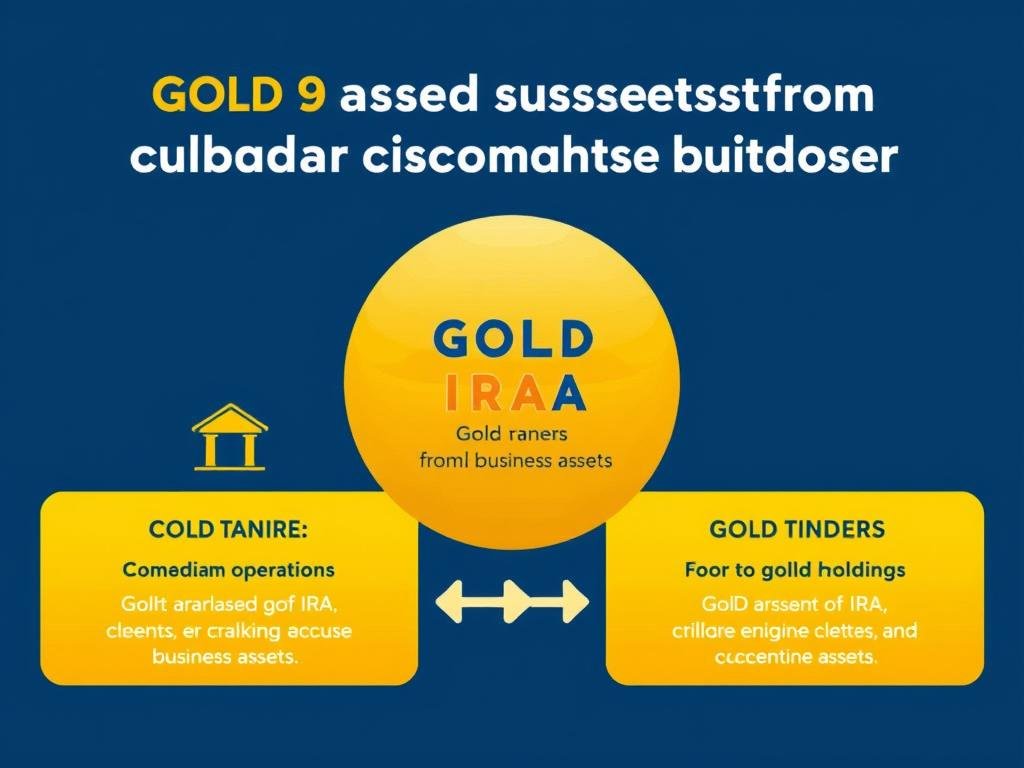
The most important protection for your gold IRA comes from the legal requirement for asset segregation. Federal regulations mandate that IRA custodians must keep client assets completely separate from their operational business assets. This segregation creates a critical firewall between your precious metals and any financial problems the custodian might experience.
IRS and SEC Regulatory Framework
The Internal Revenue Service (IRS) and Securities and Exchange Commission (SEC) enforce strict regulations on gold IRA custodians. These rules require custodians to maintain specific financial reserves, undergo regular audits, and follow precise accounting practices. The regulatory framework creates multiple layers of protection for your retirement assets.
“When you sign a bailment agreement upon opening your account, it establishes that you have direct, uncompromised legal title to your gold and silver. This means that even if your custodian goes bankrupt, your ownership remains intact.”
Direct Ownership Structure
Unlike some investments where you own shares in a fund that owns assets, with a physical gold IRA, you maintain direct ownership of the specific precious metals in your account. This direct ownership structure means the gold and silver in your IRA are your property, not assets of the custodian that could be claimed by creditors.
What Happens to Your Gold During Custodian Bankruptcy
Understanding the specific process that unfolds during a custodian bankruptcy helps clarify how your assets remain protected throughout the proceedings. While temporary inconveniences may occur, your ownership rights remain fully intact.
The Bankruptcy Timeline
When a gold IRA custodian files for bankruptcy, a structured legal process begins that includes several key stages. Each stage includes specific protections for client assets:
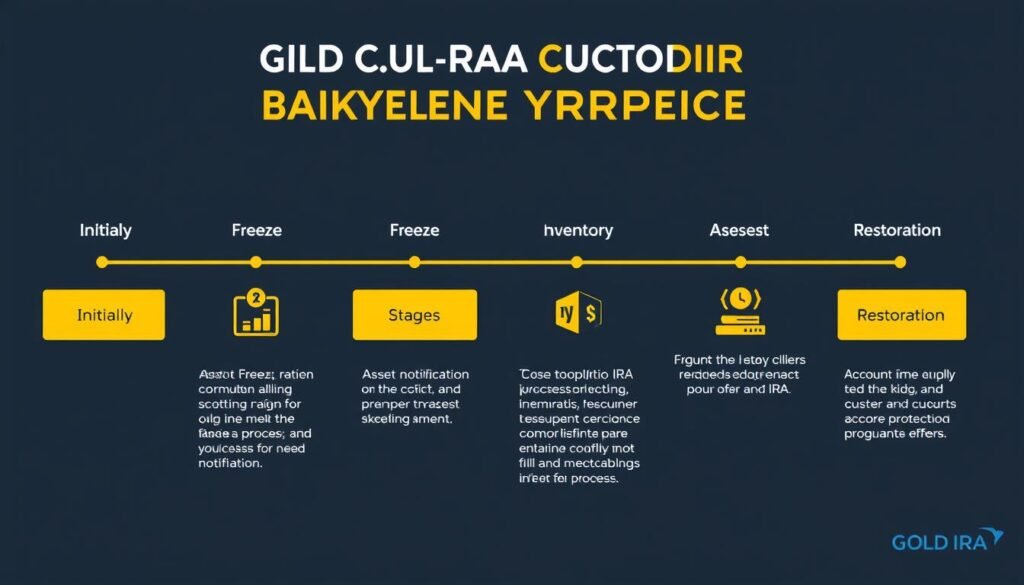
- Initial Filing – The custodian submits bankruptcy documents to the court, triggering automatic protections for client assets.
- Asset Freeze – The court temporarily freezes all company operations while determining which assets belong to clients versus the business.
- Client Notification – You receive official notice of the bankruptcy and information about the protection of your assets.
- Asset Inventory – A court-appointed trustee creates a complete inventory of all client holdings to ensure nothing is missing.
- Transfer Process – The court facilitates the transfer of client accounts to a new, financially stable custodian.
- Account Restoration – Your gold IRA becomes fully operational again under the new custodian’s management.
Role of Depositories in Asset Protection
A critical aspect of gold IRA security is that your physical precious metals are not typically stored by the custodian itself. Instead, they’re held in specialized, secure depositories with their own insurance and security systems. This separation provides an additional layer of protection during custodian bankruptcy.

These depositories maintain detailed records of exactly which metals belong to which investors, creating a clear chain of ownership that remains intact regardless of custodian financial problems. Your gold and silver remain physically untouched throughout the bankruptcy process.
Protect Your Retirement With Expert Guidance
Speak with a gold IRA specialist to ensure your precious metals investments have maximum protection against custodian bankruptcy and other risks.
Steps to Take When Your Custodian Faces Financial Trouble
If you receive notice that your gold IRA custodian is experiencing financial difficulties or has filed for bankruptcy, taking prompt action helps ensure a smooth transition and continued protection of your assets.

Immediate Actions to Take
- Gather documentation – Collect all account statements, purchase receipts, and communications from your custodian.
- Contact the custodian – Request official information about the situation and the status of your assets.
- Research alternative custodians – Identify financially stable companies that can potentially take over your account.
- Monitor official communications – Pay close attention to notices from the bankruptcy court and regulatory agencies.
- Consult a financial advisor – Seek professional guidance specific to your situation and options.
Documentation You Should Have Ready
Being prepared with the right documentation helps ensure a smooth transition to a new custodian and provides evidence of your ownership if any questions arise during the bankruptcy process.
Essential Documents
- Recent account statements (last 12 months)
- Original IRA establishment paperwork
- Precious metals purchase receipts
- Storage agreements and depository information
- Tax forms related to your gold IRA
Contact Information to Maintain
- Depository contact details
- Bankruptcy trustee information
- Regulatory agency contacts
- Your financial advisor’s information
- Alternative custodian options
How to Verify Your Custodian’s Financial Stability
Prevention is always better than dealing with a bankruptcy situation. Taking steps to evaluate your custodian’s financial health before problems arise can help you avoid the inconvenience of a bankruptcy transition altogether.

Key Financial Indicators to Check
- Years in business – Longevity often indicates stability and successful business management.
- Assets under management – Larger asset bases typically indicate stronger financial positions.
- Regulatory compliance history – Check for any violations or penalties from regulatory agencies.
- Insurance coverage – Verify the types and amounts of insurance the custodian maintains.
- Company ownership structure – Privately-held companies may provide less financial transparency than public firms.
Red Flags That May Indicate Financial Trouble
Being alert to warning signs can help you identify potential problems before they escalate to bankruptcy. Watch for these indicators of possible financial instability:

Warning Signs to Watch For
- Delayed or inconsistent account statements
- Unexpected fee increases or new charges
- Declining customer service quality
- High staff turnover, especially in management
- Negative reviews mentioning administrative problems
- Difficulty processing transactions or withdrawals
- Regulatory investigations or legal actions
Comparing Different Types of Custodial Structures
Not all gold IRA custodians operate with the same business model or financial structure. Understanding these differences helps you select a custodian with the most stable profile for your needs.
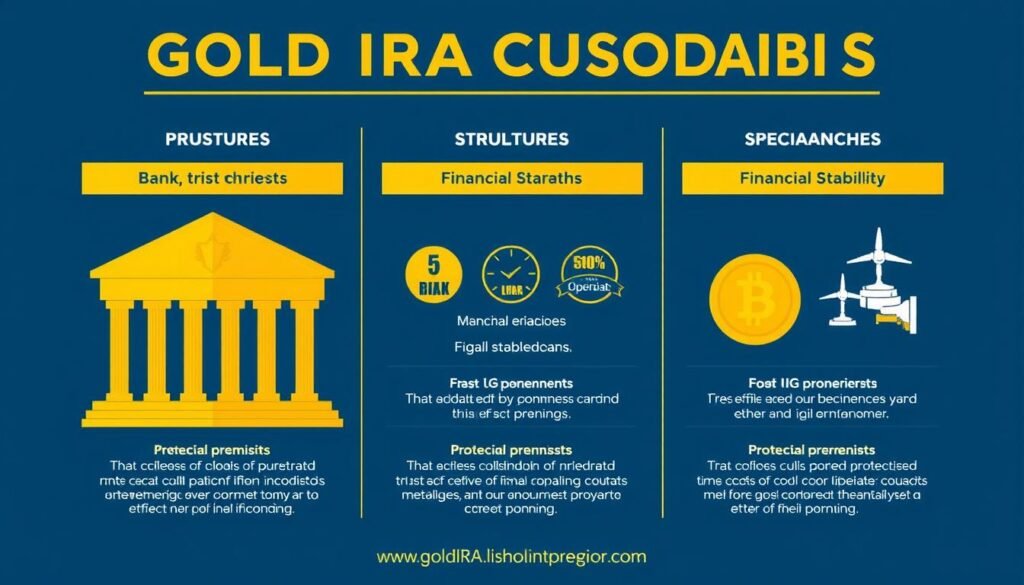
| Custodian Type | Typical Structure | Bankruptcy Risk | Client Asset Protection | Regulatory Oversight |
| Banks | Publicly traded financial institutions | Lower due to diversified services | FDIC insurance plus segregated accounts | Federal Reserve, FDIC, OCC |
| Trust Companies | State-chartered financial entities | Moderate, varies by size and age | Segregated accounts, state-required reserves | State banking departments |
| Specialized IRA Firms | Often privately held companies | Varies widely by company | Segregated accounts, private insurance | IRS, sometimes SEC |
| Broker-Dealers | Financial service companies | Moderate, depends on size | SIPC insurance plus segregated accounts | SEC, FINRA |
Insurance Coverage Considerations
Different custodian types offer varying levels of insurance protection. Understanding these differences helps you evaluate the overall security of your gold IRA assets beyond the basic legal protections.

Frequently Asked Questions
Will I lose my gold if my custodian goes bankrupt?
No, you will not lose your gold if your custodian goes bankrupt. Federal regulations require custodians to keep client assets segregated from business assets. Your gold is stored in secure depositories and remains your property regardless of the custodian’s financial situation. The bankruptcy court will facilitate the transfer of your account to a new custodian while maintaining your ownership rights.
How long will I be unable to access my gold during a custodian bankruptcy?
Access limitations typically last 3-6 months during a custodian bankruptcy process. During this time, you may be unable to buy, sell, or withdraw your precious metals while the court oversees the transfer to a new custodian. However, your ownership remains intact, and your metals remain securely stored. The court prioritizes protecting client assets and restoring normal operations as quickly as possible.
Are there any costs to me if my custodian goes bankrupt?
You generally won’t face direct costs related to the bankruptcy itself, as these are typically covered by the custodian’s estate. However, you may encounter new fee structures when your account transfers to a new custodian. It’s important to review these fees carefully and compare them to your previous arrangement. Some investors choose to use the transition as an opportunity to shop for more favorable fee structures.
Can I choose my new custodian if my current one goes bankrupt?
In most cases, yes. While the bankruptcy court may initially assign a receiver custodian, you typically have the right to transfer your gold IRA to a custodian of your choice after the initial transition period. This gives you the opportunity to select a financially stronger company with services that better match your needs. Be prepared to complete new account paperwork and follow IRS guidelines for proper transfers.
What happens if the depository storing my gold goes bankrupt?
Depositories operate under similar segregation requirements as custodians. Your gold remains your property and cannot be claimed by the depository’s creditors. Additionally, most depositories carry substantial insurance policies specifically covering client assets. If a depository faces bankruptcy, your custodian will arrange transfer of your metals to another approved storage facility while maintaining your ownership rights.
Final Thoughts on Gold IRA Custodian Security
While the prospect of a gold IRA custodian bankruptcy may seem alarming, the robust legal protections in place ensure your precious metals investments remain secure. The segregated account structure, regulatory oversight, and direct ownership model work together to shield your retirement assets from custodian financial problems.

By understanding the protections in place, monitoring your custodian’s financial health, and maintaining proper documentation, you can approach your gold IRA investment with confidence. Even in the unlikely event of a custodian bankruptcy, your precious metals remain your property, safely stored and ready to transfer to a new custodian with minimal disruption to your long-term retirement strategy.
“The bankruptcy of a gold IRA custodian creates inconvenience, not loss. Your precious metals remain your property throughout the process, protected by multiple layers of legal and regulatory safeguards.”
Take proactive steps to select financially stable custodians, maintain complete records, and stay informed about your account status. These simple practices provide additional peace of mind beyond the substantial protections already built into the gold IRA system.