
Tag: Retirement portfolio diversification

  • 7 Gold IRA Misconceptions Debunked: The Truth About Precious Metals Retirement Accounts

    7 Gold IRA Misconceptions Debunked: The Truth About Precious Metals Retirement Accounts

    Many investors shy away from Gold IRAs because of persistent misconceptions about how they work. Some believe these accounts are only for the wealthy, while others worry about excessive fees or question their legitimacy. These gold IRA misconceptions can prevent you from exploring a potentially valuable addition to your retirement strategy.

    This guide cuts through the confusion to reveal the truth about Gold IRAs. We’ll examine seven common myths and provide factual information to help you make an informed decision about whether precious metals belong in your retirement portfolio.

    Understanding Gold IRAs: The Basics

    A Gold IRA (Individual Retirement Account) is a self-directed retirement account that allows you to hold physical precious metals instead of traditional paper assets like stocks and bonds. These accounts follow the same basic tax rules as conventional IRAs but with the added benefit of holding tangible assets.

    What Exactly Is a Gold IRA?

    A Gold IRA is a specialized type of self-directed IRA that holds physical precious metals rather than paper investments. It operates under the same IRS regulations as traditional or Roth IRAs, offering similar tax advantages while allowing you to diversify with physical gold, silver, platinum, and palladium.

    These accounts require a qualified custodian to manage the account and ensure compliance with IRS regulations. The precious metals must be stored in an approved depository—not in your home—to maintain their tax-advantaged status.

    IRS-Approved Precious Metals

    The IRS has strict requirements about which metals qualify for inclusion in a precious metals IRA:

    • Gold must be at least 99.5% pure
    • Silver must be at least 99.9% pure
    • Platinum and palladium must be at least 99.95% pure

    Eligible products include certain government-minted coins like American Gold Eagles and Canadian Maple Leafs, as well as approved bars and rounds from accredited refiners. Collectible coins and jewelry do not qualify for inclusion in a Gold IRA.

    Myth 1: Gold IRAs Are Only for the Wealthy

    Average investor reviewing Gold IRA documents, dispelling gold IRA misconceptions

    One of the most persistent gold IRA misconceptions is that these accounts are exclusively for high-net-worth individuals. This myth likely stems from the perception that investing in precious metals requires substantial capital.

    In reality, many reputable Gold IRA companies offer reasonable minimum investment requirements that make these accounts accessible to average investors. While some providers may have higher minimums, others allow you to start with as little as $5,000-$10,000, which is comparable to many traditional retirement account minimums.

    Additionally, you can fund a Gold IRA through a rollover from an existing retirement account, making it easier to get started without finding new investment capital. This approach allows investors with modest retirement savings to diversify into precious metals.

    Ready to learn if a Gold IRA is right for you?

    Download our free guide to discover how Gold IRAs work and whether they fit your retirement strategy.

    Get Your Free Gold IRA Guide

    Myth 2: Gold IRAs Offer No Tax Benefits
    Tax documents next to Gold IRA paperwork showing tax benefits

    Another common misconception is that Gold IRAs don’t provide the same tax advantages as traditional retirement accounts. This is simply not true. Gold IRAs follow the same tax rules as conventional IRAs, with options for both Traditional and Roth structures.

    Traditional Gold IRA

    • Contributions may be tax-deductible
    • Investments grow tax-deferred
    • Taxes paid upon withdrawal

    Roth Gold IRA

    • Contributions made with after-tax dollars
    • Investments grow tax-free
    • Qualified withdrawals are tax-free

    The IRS treats precious metals in these accounts just like any other approved asset. As long as the metals meet purity standards and are held by an approved custodian, you receive the same tax benefits you would with stocks or bonds in a retirement account.

    Myth 3: You Can Store IRA Metals at Home

    Secure depository storage facility for Gold IRA metals

    One dangerous gold IRA misconception is that you can keep your IRA-held precious metals at home. This is categorically false and could lead to serious tax consequences if attempted.

    IRS regulations explicitly require that precious metals in an IRA must be stored in an approved depository. Taking physical possession of the metals would be considered a distribution, potentially triggering taxes and penalties if you’re under 59½ years old.

    Warning: Beware of companies promoting “home storage” Gold IRAs. These schemes often mislead investors about IRS requirements and could result in disqualification of your entire IRA, immediate taxation, and penalties.

    Approved depositories offer several important benefits:

    • Professional security systems and protocols
    • Insurance coverage for your metals
    • Regular audits and verification
    • Proper documentation for IRS compliance

    While you can’t store the metals at home while they’re in your IRA, you can take physical possession when you take a distribution from your account, though this may have tax implications.

    Myth 4: Gold IRAs Are Risk-Free Investments
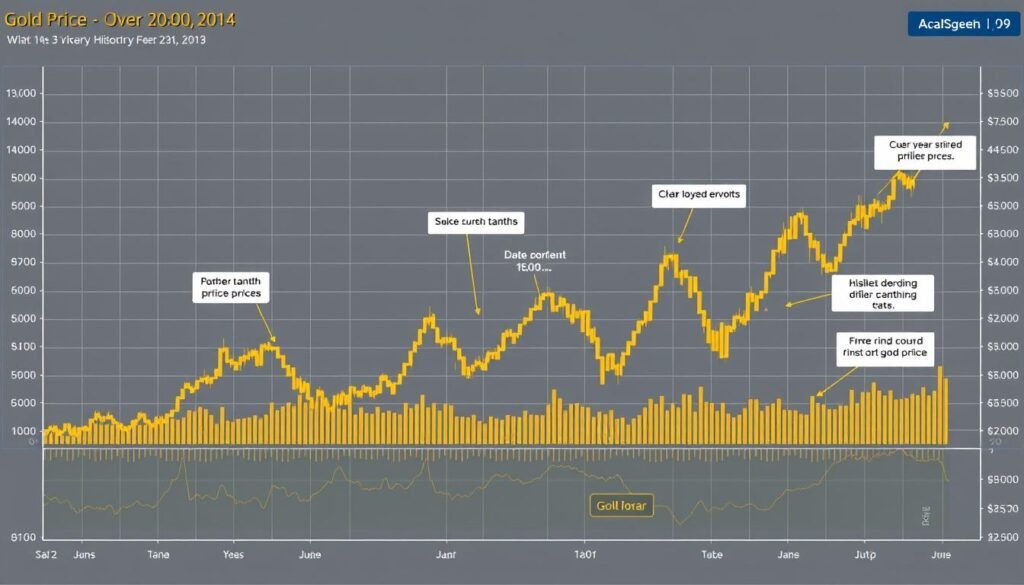
    Gold price chart showing historical volatility

    While gold has historically maintained value over the long term, the notion that Gold IRAs are completely risk-free is a misconception. Like all investments, precious metals come with their own set of risks and considerations.

    Understanding Gold’s Price Volatility

    Gold prices can fluctuate significantly based on various factors:

    • Economic conditions and interest rates
    • Currency strength, particularly the U.S. dollar
    • Global political events and crises
    • Market sentiment and investor behavior

    Unlike stocks or bonds, physical gold doesn’t generate income through dividends or interest. Your returns depend entirely on price appreciation, which isn’t guaranteed in any specific timeframe.

    “Gold should be viewed as an insurance policy against economic uncertainty, not as a growth investment. Its primary value is in portfolio diversification and wealth preservation.”

    — Financial Advisor with 20+ years experience

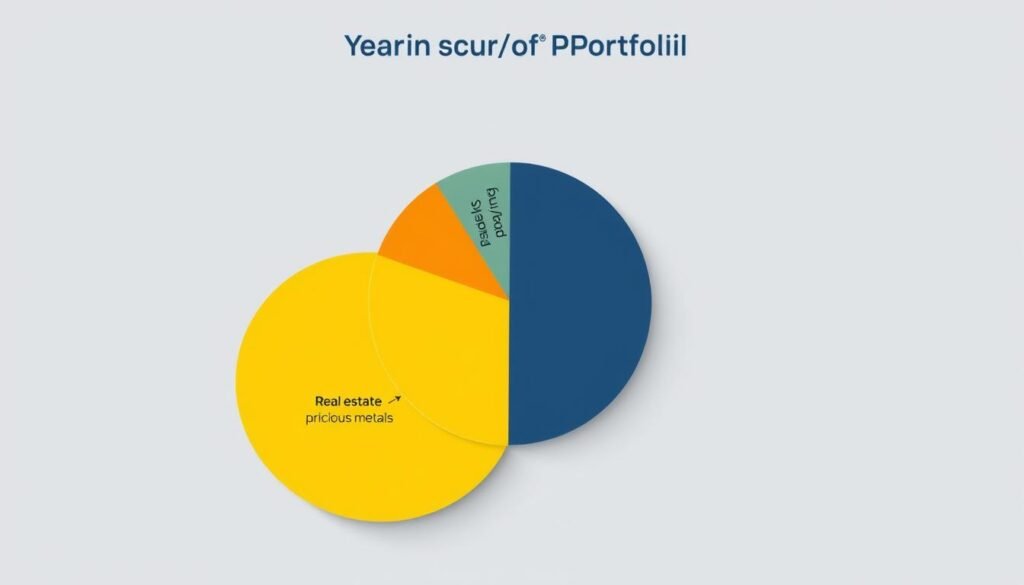
    Most financial experts recommend allocating only a portion of your retirement portfolio to precious metals—typically 5-15%—as part of a diversified investment strategy.

    Stay informed about precious metals markets

    Subscribe to our newsletter for regular updates on gold prices, market trends, and retirement strategies.

    Myth 5: Setting Up a Gold IRA Is Too Complicated
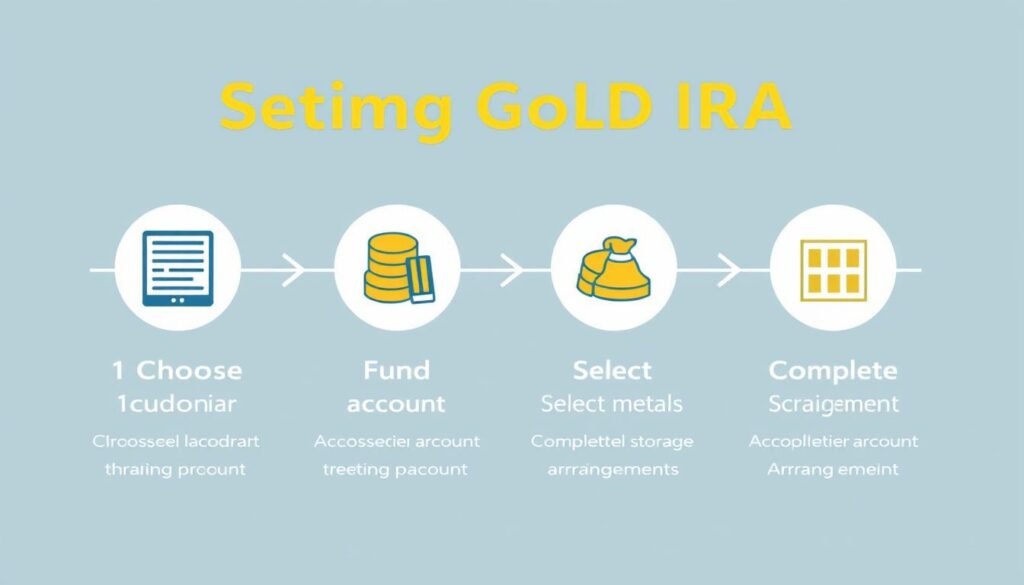
    Simple step-by-step Gold IRA setup process

    Many potential investors avoid Gold IRAs because they believe the setup process is overly complex. While a Gold IRA does involve a few more steps than a standard IRA, reputable companies have streamlined the process to make it straightforward.

    The Gold IRA Setup Process

    1. Choose a reputable custodian that specializes in self-directed IRAs and precious metals.
    2. Complete the account application with your custodian, similar to opening any financial account.
    3. Fund your account through a contribution, transfer, or rollover from an existing retirement account.
    4. Select your precious metals from IRS-approved options with guidance from your dealer.
    5. Finalize storage arrangements with an approved depository through your custodian.

    Most Gold IRA companies provide dedicated account representatives who guide you through each step, handle the paperwork, and coordinate between the custodian, metals dealer, and depository. This hands-on assistance makes the process much simpler than many expect.

    Rollovers from existing retirement accounts can typically be completed with minimal effort on your part, often requiring just a few signatures on pre-prepared forms.

    Myth 6: Gold IRA Fees Make Them Prohibitively Expensive
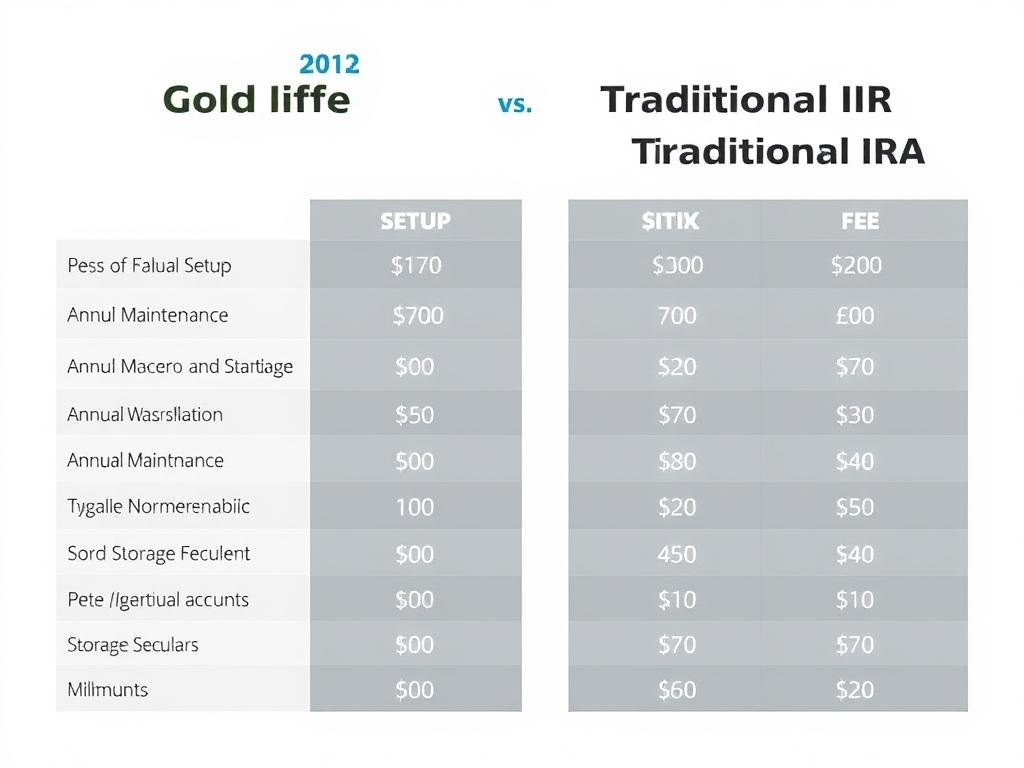
    Comparison of Gold IRA fees vs traditional IRA fees

    Concerns about high fees are common among those considering Gold IRAs. While it’s true that Gold IRAs typically have additional costs compared to standard IRAs, these fees are often reasonable and transparent when working with reputable providers.

    Understanding Gold IRA Fee Structure

    Fee Type Typical Range Description
    Setup Fee $50-$150 One-time fee to establish the account
    Annual Maintenance $75-$300 Yearly fee for account administration
    Storage Fee $100-$300 Annual cost for secure depository storage
    Transaction Fees Varies Costs associated with buying/selling metals

    When evaluating Gold IRA providers, look for transparent fee structures with no hidden costs. Some companies offer scaled fees based on account value, while others provide flat-fee options that can be more economical for larger accounts.

    While fees are an important consideration, they should be viewed in the context of the potential benefits of portfolio diversification and inflation protection that precious metals can provide.

    Myth 7: All Gold IRA Companies Provide the Same Service
    Different Gold IRA companies offering varying services

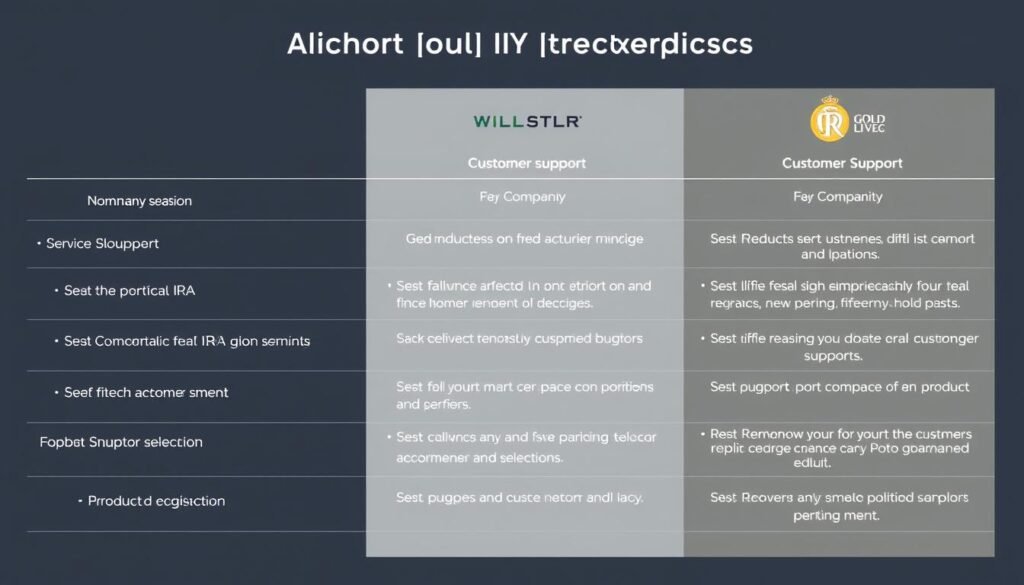
    Perhaps one of the most dangerous gold IRA misconceptions is that all providers offer equivalent services and reliability. In reality, there are significant differences in expertise, pricing, customer service, and product selection among Gold IRA companies.

    Key Differentiators Among Gold IRA Companies

    What to Look For

    • Transparent fee structure with no hidden costs
    • Educational resources and market insights
    • Strong industry reputation and reviews
    • Reasonable buyback programs
    • Dedicated customer support
    • Industry credentials and partnerships

    Red Flags to Avoid

    • High-pressure sales tactics
    • Promises of guaranteed returns
    • “Home storage” IRA promotions
    • Excessive fees or unclear pricing
    • Limited or no buyback options
    • Poor reviews or regulatory issues

    Take time to research potential providers thoroughly. Check customer reviews, Better Business Bureau ratings, and any regulatory actions. Reputable companies will focus on education rather than aggressive sales tactics and will be transparent about all costs involved.

    The quality of your Gold IRA experience depends significantly on choosing the right company to work with, making this an essential step in the process.

    Benefits of Including Precious Metals in Your Retirement Portfolio
    Diversified retirement portfolio including precious metals

    While it’s important to understand the misconceptions surrounding Gold IRAs, it’s equally valuable to recognize the potential benefits they can offer as part of a diversified retirement strategy.

    Portfolio Diversification

    One of the primary advantages of precious metals is their historically low correlation with traditional assets like stocks and bonds. This means that when stock markets experience volatility, gold often moves independently or even in the opposite direction, potentially helping to stabilize your overall portfolio returns.

    Inflation Protection

    Precious metals, particularly gold, have historically maintained purchasing power over long periods. Unlike paper currency, which can be devalued through inflation and monetary policy, gold’s inherent scarcity helps it retain value even as the cost of living increases.

    Currency Devaluation Hedge

    During periods of currency devaluation or monetary instability, precious metals often serve as a store of value. This can be particularly important for retirees who need to preserve their purchasing power through economic uncertainties.

    Did You Know? During the 2008-2009 financial crisis, while the S&P 500 fell by over 50% from its peak, gold prices increased by approximately 25%. This illustrates how precious metals can sometimes move counter to traditional markets during periods of economic stress.

    Frequently Asked Questions About Gold IRAs

    Person researching answers to Gold IRA questions

    Can I add gold I already own to my Gold IRA?

    No, you cannot add gold you already personally own to your Gold IRA. IRS regulations require that precious metals for an IRA must be purchased through the IRA itself and stored directly in an approved depository. This ensures the metals meet purity standards and maintains the tax-advantaged status of the account.

    What happens when I want to take distributions from my Gold IRA?

    When taking distributions from a Gold IRA, you have two options: you can take physical possession of the metals (which counts as a distribution and may be taxable), or you can have the metals sold and receive cash. Required Minimum Distributions (RMDs) apply to Traditional Gold IRAs just like conventional IRAs once you reach age 72 (or 73 for those born after 1950).

    How much of my retirement portfolio should be in precious metals?

    Most financial advisors recommend allocating between 5% and 15% of your retirement portfolio to precious metals. The exact percentage depends on your age, risk tolerance, overall financial situation, and retirement goals. Precious metals should be viewed as one component of a diversified portfolio, not the primary investment vehicle.

    Are there contribution limits for Gold IRAs?

    Yes, Gold IRAs are subject to the same contribution limits as traditional and Roth IRAs. For 2023, the contribution limit is ,500 per year, with an additional

    Frequently Asked Questions About Gold IRAs

    Person researching answers to Gold IRA questions

    Can I add gold I already own to my Gold IRA?

    No, you cannot add gold you already personally own to your Gold IRA. IRS regulations require that precious metals for an IRA must be purchased through the IRA itself and stored directly in an approved depository. This ensures the metals meet purity standards and maintains the tax-advantaged status of the account.

    What happens when I want to take distributions from my Gold IRA?

    When taking distributions from a Gold IRA, you have two options: you can take physical possession of the metals (which counts as a distribution and may be taxable), or you can have the metals sold and receive cash. Required Minimum Distributions (RMDs) apply to Traditional Gold IRAs just like conventional IRAs once you reach age 72 (or 73 for those born after 1950).

    How much of my retirement portfolio should be in precious metals?

    Most financial advisors recommend allocating between 5% and 15% of your retirement portfolio to precious metals. The exact percentage depends on your age, risk tolerance, overall financial situation, and retirement goals. Precious metals should be viewed as one component of a diversified portfolio, not the primary investment vehicle.

    Are there contribution limits for Gold IRAs?

    Yes, Gold IRAs are subject to the same contribution limits as traditional and Roth IRAs. For 2023, the contribution limit is $6,500 per year, with an additional $1,000 catch-up contribution allowed for those 50 and older. However, there are no limits on how much you can roll over from another qualified retirement account.

    ,000 catch-up contribution allowed for those 50 and older. However, there are no limits on how much you can roll over from another qualified retirement account.

    Making an Informed Decision About Gold IRAs

    Person making informed decision about Gold IRA investment

    Understanding the truth behind common gold IRA misconceptions is essential for making an informed decision about whether precious metals belong in your retirement strategy. While Gold IRAs aren’t right for everyone, they can offer valuable portfolio diversification and potential protection against certain economic risks when properly implemented.

    Remember that precious metals should typically represent only a portion of your overall retirement portfolio, complementing traditional investments rather than replacing them entirely. The key is to work with reputable providers who offer transparency, education, and fair pricing.

    By separating fact from fiction regarding Gold IRAs, you can better evaluate whether this investment option aligns with your long-term financial goals and risk tolerance.

    Ready to explore if a Gold IRA is right for you?

    Download our comprehensive guide to learn everything you need to know about Gold IRAs, including setup process, costs, and strategies for maximizing your precious metals investment.


    We respect your privacy. Your information will never be shared or sold.

  • Where to Hold Gold vs Stocks for Tax Efficiency

    Where to Hold Gold vs Stocks for Tax Efficiency

    Surprising fact: nearly 40% of retirees wish they had placed different holdings in other accounts to avoid extra tax over decades.

    This guide shows why where you keep holdings matters for long-term results. A self-directed account can hold approved precious metals alongside paper funds. That opens a pathway to diversification beyond stocks and standard retirement savings.

    Think in terms of lifetime outcomes rather than short-term trading. Choosing a qualified custodian and an IRS-approved depository matters. Approved metals must meet fineness rules and cannot be stored at home.

    We’ll explain how a gold ira works versus a typical retirement account, the tax basics, direct rollovers from 401(k)s, fee trade-offs, and practical steps to coordinate your portfolio for better after-tax returns.

    Key Takeaways

    • Placement affects after-tax returns more than changing your overall mix.
    • A self-directed account with a qualified custodian holds IRS-approved precious metals.
    • Direct trustee-to-trustee rollovers avoid 20% withholding and the 60-day risk.
    • Use approved metals, meet purity rules, and store in a regulated depository.
    • Compare setup, annual, transaction, and storage fees across providers.

    What “Asset Location” Means for Precious Metals and Stocks

    Where you hold holdings can shape long-term after-tax results more than small differences in annual performance. Think of two choices: what you own versus which account you use. Both matter for investors planning retirement.

    Asset allocation is the mix of stocks, funds, and precious metals in a portfolio. Asset location is about placing each holding in the most tax-efficient account.

    Practical contrasts

    Place tax-inefficient holdings, like some physical precious metals and actively distributed funds, inside tax-advantaged accounts such as an ira to defer yearly taxes. Keep tax-friendly broad-market stocks and mutual funds in taxable accounts to benefit from qualified dividends and possible step-up in basis.

    Why taxes matter over years

    A small tax drag each year compounds. Repeated taxes can erase a performance edge over decades. Shelter growth when possible and use taxable accounts for holdings that already receive favorable treatment.

    • Tip: balance liquidity and paperwork with tax gains.
    • Include silver and other metals in the same thinking — rules apply across precious metals.
    • Create a plan that fits your goals, timeline, and comfort with rules.

    Tax Treatment 101: Gold, Precious Metals, Mutual Funds, and Stocks

    Understanding tax timing and rates helps you decide where holdings should live. Below we sketch the rules for pre-tax and after-tax retirement accounts versus taxable brokerage accounts.

    How physical metal in a self-directed IRA is taxed (Traditional vs. Roth)

    Traditional: contributions are pre-tax and growth is tax-deferred. When you take distributions, withdrawals are taxed as ordinary income.

    Roth: contributions are after-tax and qualified withdrawals are tax-free. Holding physical metal in a Roth lets gains exit tax-free if rules are met.

    The key benefit of a self-directed account is that holding metals inside it avoids annual taxable events while they stay sheltered. Taxes apply at distribution, not each sale inside the account.

    Taxation in taxable accounts: collectibles, PFICs, and capital gains

    In a taxable brokerage, certain metal gains can be treated as collectibles and face higher rates than long-term stock gains. Foreign-domiciled funds may trigger PFIC rules that complicate tax reporting and raise effective tax costs.

    For a concise primer on special rules for physical holdings, see taxation of physical metals.

    Dividends and capital gains for stocks and mutual funds

    Broad-market funds and many stocks deliver qualified dividends and long-term capital gains treatment in taxable accounts. That often produces lower tax bills than collectible treatment on metals.

    • Shelter tax-inefficient items: consider holding physical bars or rounds in tax-advantaged accounts.
    • Keep tax-efficient equities in taxable accounts to take advantage of qualified dividend and step-up rules.

    Finally, understand your marginal bracket and time horizon. The best choice depends on household taxes, years to retirement, and compliance with custodial and storage requirements for approved metals held in retirement accounts.

    Retirement Account Types You Can Use for Gold and Stocks

    Choosing the right retirement account affects which holdings grow tax-efficiently over decades.

    Traditional and Gold IRAs

    Traditional plans use pre-tax contributions and tax-deferred growth. Withdrawals are taxed as ordinary income, which can suit holdings that otherwise generate higher yearly taxes.

    Roth and Roth Gold IRAs

    Roth accounts use after-tax dollars. Qualified withdrawals are tax-free, making this type useful for holdings expected to grow a lot before retirement.

    SEP and Self-Directed Formats

    SEP plans give higher pre-tax contribution room for self-employed savers and can hold the same metals and securities.

    Self-directed formats widen the menu of permitted investments but add paperwork and compliance duties. Every format needs an IRS-aware custodian to process trades and arrange depository storage.

    Account type Tax treatment Best for
    Traditional Pre-tax, deferred Tax-inefficient holdings
    Roth After-tax, tax-free withdrawals High-growth holdings
    SEP Pre-tax, higher limits Self-employed savers
    Self-directed Any of the above (wider choices) Experienced investors wanting nonstandard holdings

    Note: custody and storage rules differ for metals versus paper funds; plan for liquidity and compliance.

    Gold IRA asset location: Where Does Gold Fit Best vs. Stocks?

    Think tax drag first. Shelter tax-inefficient physical holdings inside a retirement account to avoid yearly taxable events that compound over the years.

    Placing tax-inefficient holdings in retirement accounts

    Physical gold and other precious metals often face higher tax treatment in a brokerage. Holding them inside an ira defers taxes until distribution and keeps annual paperwork simpler.

    Keep broad-market funds in taxable accounts

    Index funds and many stocks deliver qualified dividends and long-term gains. Those benefits often beat taxable treatment for metals, and heirs may get a step-up in basis.

    When a Roth can make sense

    If you expect metals to act as an inflation hedge and to outgrow other holdings, a Roth lets qualified withdrawals pass tax-free. That can be attractive for high-growth metal exposure.

    Practical frictions and balance

    Remember RMDs from traditional accounts, depository rules, and slower sale processes for bullion. Keep some liquidity in brokerage accounts for rebalancing or emergencies.

    Bottom line: blend locations — some metals sheltered in retirement accounts, equities in taxable — and review your plan as taxes and life change. For more on trade-offs, see exploring the negatives of a gold.

    Opening or Rolling Over: How to Move from a 401(k) to a Gold IRA

    A smooth transfer hinges on picking a seasoned custodian and following a trustee-to-trustee path when possible. Start by checking plan rules and whether you qualify for an in-service rollover or must wait until you separate from your employer.

    Choose a reputable custodian

    Look for experience, clear fees, and responsive support. A reliable ira custodian will explain setup, storage, and approved products. Ask about trade execution, spreads, and how orders are filled.

    Funding and setup steps

    Use a direct trustee-to-trustee transfer to avoid 20% withholding and the 60‑day redeposit deadline. Open the account, complete rollover paperwork, and coordinate the incoming funds with your plan administrator.

    • Confirm eligibility with plan rules and timing.
    • Pick IRS-approved products at purchase to stay compliant.
    • Ensure metals ship only to an approved depository arranged by your custodian.
    • Document every step and keep confirmations.

    For a detailed how-to on moving workplace savings, see this rolling over a 401(k) guide. If something seems off, read about common pitfalls and scams at gold IRA scams.

    Direct Rollover vs. Indirect Rollover: Avoiding Tax Traps

    When moving retirement funds, the method you pick can save you taxes or trigger surprise bills. A direct rollover moves money from a 401(k) straight to a custodian for a gold ira without taxes or penalties. It keeps your funds intact and avoids the common pitfalls of handling a check yourself.

    A meticulously detailed illustration of a gold individual retirement account (IRA) rollover process. In the foreground, a hand is carefully transferring gold coins from one account to another, conveyed through a sleek and minimalist design. The middle ground showcases financial documents and paperwork, highlighting the administrative aspects of the rollover. The background features a subtle, warm-toned gradient, evoking a sense of security and stability. The lighting is soft and directional, casting gentle shadows and highlighting the textures of the gold. The overall composition is balanced and visually appealing, reflecting the importance and complexity of the IRA rollover process.

    Why a direct rollover is cleaner

    Custodian-to-custodian transfers eliminate the 20% withholding and remove the 60‑day clock. That means no sudden cash shortfall and no race to redeposit funds.

    Risks of an indirect rollover

    An indirect rollover sends a check to you with 20% withheld for taxes. You must replace the withheld amount within 60 days to avoid income tax and possible penalties. Missing that deadline can undo your tax plan for the year and create tricky reporting.

    • If you can avoid touching the money, do so.
    • Coordinate timelines with both providers before you start.
    • Get written confirmations from custodians and keep all paperwork.

    Tip: peace of mind is worth choosing direct — it preserves value and reduces headaches.

    IRS-Approved Precious Metals, Purity Rules, and Secure Storage

    Not every coin or bar qualifies for a tax‑preferred account. The IRS requires specific fineness and approved mints or refiners. Meeting those standards preserves the account’s tax benefits.

    Eligible metals and typical fineness

    Four metal categories meet IRS standards:

    • Gold — commonly 99.5% or higher (note statutory exceptions for some U.S. coins).
    • Silver — typically 99.9% purity.
    • Platinum — high‑purity bars and coins from accredited sources.
    • Palladium — refined to meet recognized fineness thresholds.

    Approved forms and provenance

    Only coins and bars from sovereign mints or accredited refiners qualify. Examples include American Gold Eagle, American Gold Buffalo, Canadian Maple Leaf, and well‑known refinery bars such as Credit Suisse.

    Type Typical fineness Examples
    Gold coins 99.5%+ (some statutory allowances) American Gold Eagle, Canadian Maple Leaf
    Silver coins 99.9% American Silver Eagle, Canadian Silver Maple Leaf
    Refinery bars 99.5%–99.99% Credit Suisse bars, LBMA‑listed refiners
    Platinum & palladium High‑purity (>99%) Sovereign coins and accredited bars

    Storage, custody, and why provenance matters

    Home or personal safes are not permitted. IRS rules demand third‑party custody in an approved depository. That secures insurance, auditing, and chain‑of‑custody records.

    Tip: custodians arrange shipping, receipt, and periodic audits with the depository to keep documentation clean for future distributions.

    Ask whether storage is segregated or pooled. Fees and access differ between the two. Record lot numbers and custodial statements to simplify audits and transfers.

    Verify product eligibility before buying. For details on approved items and practical steps, see this approved list and an overview of how a gold retirement account works at RetireSafe Wealth.

    Contribution Limits, RMDs, and Withdrawals for Gold IRAs

    Contribution rules and withdrawal mechanics shape how physical holdings fit into a retirement plan. Self-directed accounts follow the same annual limits and catch-up rules as any other retirement account. Confirm current IRS contribution limits each year; recent examples show $7,000 with a $1,000 catch-up in some years.

    Annual caps and early withdrawals

    Metal-holding IRAs accept the same contributions and catch-ups as standard plans. Early withdrawals from a traditional account can trigger ordinary income tax plus penalties if you are under age thresholds.

    RMD logistics: sell or take in-kind

    Required minimum distributions still apply to traditional accounts. You can satisfy RMDs by liquidating holdings and withdrawing cash, or by taking an in-kind distribution of specific coins or bars.

    Note: in-kind distributions shift custody, create valuation needs, and may change your storage plan.

    Coordinate timing with your custodian and depository, keep a small cash buffer for fees, and track lot numbers and basis for any metals moved out. Good recordkeeping simplifies tax reporting and helps avoid last-minute sales in later years.

    Choosing the Right Gold IRA Custodian

    A seasoned custodian can save you time, fees, and compliance headaches when opening a metals-backed retirement account. Look for firms with years in business, clean regulatory records, and strong client reviews. Experienced teams know IRS rules and how to keep purchases compliant.

    Ask for a clear, written fee schedule that separates setup, annual, transaction, and storage costs. Confirm which depository partners they use, what insurance covers holdings, and how often audits occur.

    Service and execution

    Evaluate customer support: dedicated reps, response times, and rollover help. Probe trade execution — pricing sources, spreads, and how approved coins or metals are sourced.

    • Verify years in business and regulatory track record.
    • Request sample agreements and storage terms to compare providers.
    • Ensure reporting clearly shows holdings, locations, and valuations.
    • Confirm hands-on rollover support to avoid 60‑day or withholding traps.

    Tip: favor custodians who explain IRS rules in plain English and stay proactive through setup and ongoing storage management.

    Total Cost of Ownership: Fees, Spreads, and Storage

    Total lifetime costs matter as much as initial purchase price when evaluating metals in retirement accounts. Look beyond the buy price. Recurring charges and spreads shape net returns over years.

    Setup, annual, transaction, storage, and buy/sell costs to expect

    Typical line items include one-time setup, annual custodial/admin fees, purchase and sale spreads, shipping and insurance, and storage at approved facilities.

    Spreads on coins and bars differ: fractional coins and small bars carry higher premiums. Choosing product types changes your effective cost per ounce.

    Comparing custodians and depositories for long-term cost efficiency

    Ask for written, itemized quotes. Compare segregated vs pooled storage — segregated often costs more but offers distinct lot tracing and peace of mind.

    Large accounts may earn tiered pricing. Trading frequency and product choice also affect lifetime expenses. Frequent trades multiply transaction fees and widen spreads.

    Tip: request breakpoints for fee discounts and a sample annual statement to compare true costs across providers.

    Fee type Typical range Impact on returns What to ask
    One-time setup $0–$250 Small but immediate Is it waived with rollovers?
    Annual custodial/storage $50–$300+ Compounds over years Is storage segregated or pooled?
    Purchase/sale spreads 0.5%–10%+ Directly reduces realized gains Show recent bid/ask on coins and bars
    Shipping/insurance/transfer $25–$200 per move Affects trades and distributions Who pays; flat or itemized?

    Do this: get written, itemized quotes and compare expected behavior. Factor in illiquidity or wider spreads as an opportunity cost.

    Finally, review providers annually. Simpler reporting and fewer intermediaries often save time and money for long-term investors. For a deeper look at hidden charges and examples, read this cost breakdown.

    Common Pitfalls and How to Avoid Them

    Small errors in transfers or storage can trigger big tax and compliance headaches. Read this short checklist to avoid common traps that cost time and money.

    Unapproved products and noncompliant storage

    Buying unapproved coins or keeping holdings at home can disqualify the whole account. Always confirm product eligibility and use an approved depository for storage. Ask your custodian for written confirmation before purchase.

    Rollover timing and withholding

    Indirect rollovers often trigger 20% withholding and a strict 60-day redeposit deadline. Missing that window creates taxable income and penalties. Opt for custodian-to-custodian transfers whenever possible.

    Practical rules for sensible investing

    Don’t let taxes drive poor investment choices. Miners and speculative funds behave like operating businesses. They carry different risks than bullion or coins. Focus on investment quality first, then tax efficiency.

    Tip: keep receipts, transfer forms, storage confirmations, and valuation reports. Review compliance with your custodian annually and write a simple investment policy to avoid emotional moves during market swings.

    Advanced Asset Location Tactics for U.S. Investors

    Smart pairing of fund structures and accounts helps U.S. investors reduce recurring tax friction. Use product form and account type together to limit yearly reporting and higher collectible rates. These tactics focus on practical trade-offs, not speculation.

    A golden individual retirement account (IRA) gleams in the foreground, its lustrous facade reflecting the warm lighting and elegant surroundings. In the middle ground, a stack of coins and bars of pure gold shimmer, symbolizing the wealth and financial security that a gold-backed IRA can provide. The background is a tranquil scene, with a serene landscape and a clear blue sky, conveying a sense of stability and long-term investment. The overall composition is balanced and visually striking, capturing the essence of advanced asset location tactics for U.S. investors seeking tax-efficient ways to hold their gold.

    Taxable alternatives: GLD/IAU vs Sprott PHYS/PSLV/CEF and Form 8621

    In taxable accounts, some investors favor Sprott PHYS/PSLV/CEF because filing Form 8621 can avoid U.S. collectible treatment that may hit GLD/IAU holdings. That choice can change long‑run tax bills, but it adds PFIC paperwork each year.

    Trade-offs: PFIC filings are complex and structures can change. Do diligence and weigh real investment quality first. Miners and CEF wrappers carry different risks than owning coins or silver directly.

    When to prefer Roth for higher-expected growth or inflation hedges

    Use Roth space for holdings you expect to outgrow the market or to act as an inflation hedge. Tax-free withdrawals can magnify the benefit of high growth, especially for nondividend-bearing exposures.

    Coordinating metals, stocks, and bonds across accounts

    Layer metals inside retirement accounts for tax deferral while keeping broad equity index exposure in taxable accounts to capture qualified dividend and step-up benefits.

    • Keep bonds in tax-advantaged accounts if their interest would raise current taxable income.
    • Preserve liquidity in brokerage accounts for rebalancing and emergency needs.
    • Track custody and storage differences between physical and fund-based exposure.

    Practical note: advanced tactics can lower lifetime tax bills, but only when paperwork and monitoring remain manageable. Review fund structures and tax rules annually to keep strategies current.

    Conclusion

    Smart account choices can boost your after‑tax returns without changing your portfolio mix. Place tax‑inefficient metals into a qualified retirement account when it makes sense, and keep broad equities in taxable brokerage accounts to capture favorable dividends and step‑up benefits.

    Compliance matters: use IRS‑approved products, approved storage, clear paperwork, and documented processes to protect tax advantages and simplify withdrawals.

    Prioritize direct transfers to avoid 20% withholding and the 60‑day trap. Compare custodians on reputation, fees, service, and depository partners before you move funds.

    Review your plan every few years. Put a practical, documented plan in place now to balance returns, simplicity, and peace of mind as tax rules and personal goals change over time.

    FAQ

    What does “asset location” mean for precious metals and stocks?

    Asset location is the practice of placing different investments into the account types where they face the most favorable tax rules. For metals, collectors’ taxes and specialty rules can make tax-advantaged accounts attractive. For broad-market stocks and index funds, taxable accounts may work well because of lower long-term capital gains rates, qualified dividends, and step-up in basis at death.

    How do asset location and asset allocation differ, and why do both matter?

    Asset allocation sets the mix of stocks, bonds, and commodities for risk and return. Asset location decides which account — taxable, traditional retirement, or Roth — should hold each piece of that mix to reduce taxes and boost after-tax returns. Combining both improves retirement income efficiency and overall portfolio outcomes.

    How do taxes shape returns over time in retirement accounts versus taxable accounts?

    Tax-deferred accounts delay taxes until withdrawal, which helps if you expect a lower tax rate in retirement. Taxable accounts allow capital gains treatment and loss harvesting now. The cumulative tax drag on high-turnover or tax-inefficient holdings can make placing those investments in retirement accounts preferable.

    When can tax efficiency outweigh small performance differences between holdings?

    If two investments offer similar expected returns, the one with better tax treatment in its account can deliver higher after-tax returns. This matters most for high-yield, high-turnover, or specialty holdings where taxable consequences are larger.

    How is physical bullion in a self-directed retirement account taxed for Traditional versus Roth accounts?

    In a Traditional plan, pre-tax contributions grow tax-deferred and withdrawals count as ordinary income. In a Roth, contributions are after-tax and qualified withdrawals are tax-free. The metal itself doesn’t change tax character — the account type does.

    What taxes apply to metals and funds held in taxable accounts?

    Physical precious metals can be treated like collectibles, subject to different capital gains rates. ETFs or foreign funds may trigger PFIC rules and Form 8621 reporting. Mutual funds and stocks generally follow capital gains and qualified dividend rules.

    How do dividends and capital gains differ across account types?

    Taxable accounts tax qualified dividends and long-term capital gains at favorable rates. In tax-deferred accounts, dividends and gains grow without immediate tax but are taxed on withdrawal (Traditional) or not taxed if withdrawn qualified (Roth).

    Which retirement account types can hold precious metals and stocks?

    Traditional IRAs, Roth IRAs, SEP IRAs and self-directed IRAs can hold eligible metals and many kinds of securities. Self-directed custodians let you include physical metals, subject to IRS rules and approved depositories.

    What are the differences between Traditional and Roth for holding metals?

    Traditional accounts provide tax deferral on pre-tax contributions; withdrawals are taxable. Roth accounts use after-tax money and offer tax-free qualified withdrawals, which can be advantageous for long-term growth or inflation hedges.

    What are the benefits and responsibilities of SEP and self-directed accounts?

    SEP plans allow higher contribution limits for small-business owners. Self-directed accounts offer more investment choices, including physical metals, but require you to choose compliant custodians and follow storage and reporting rules.

    Why place tax-inefficient holdings like physical bullion in retirement accounts?

    Putting tax-inefficient holdings in tax-advantaged accounts avoids immediate taxable events and can defer or eliminate tax on gains, improving after-tax returns compared with holding them in taxable accounts.

    Should broad-market index funds stay in taxable accounts?

    Often yes — index funds generate qualified dividends and benefit from favorable capital gains treatment and step-up in basis, making taxable accounts a tax-efficient home for these holdings.

    When might a Roth account be ideal for higher-growth or inflation-hedge metals?

    If you expect significant appreciation or want tax-free withdrawals, a Roth can be attractive. It shields future gains from taxation, which helps if metals outperform or inflation rises.

    How do liquidity, required minimum distributions (RMDs), and storage rules affect placement decisions?

    Physical metals in retirement plans require IRS-approved storage and may be less liquid, complicating RMDs that could require liquidation. Balance ease of access, RMD timing, and storage constraints when deciding where to hold each investment.

    How do I move funds from a 401(k) to a self-directed metals account?

    First confirm eligibility and pick a reputable custodian with approved depository partners. Use a direct transfer or trustee-to-trustee rollover to avoid withholding and preserve tax status, then fund the new account and arrange metals purchases through the custodian.

    What are the differences between direct and indirect rollovers?

    Direct rollovers move assets trustee-to-trustee without tax withholding and avoid the 60-day clock. Indirect rollovers involve receiving funds yourself, risking 20% withholding and a 60-day deadline to redeposit or face taxes and penalties.

    Which precious metals meet IRS approval and what purity rules apply?

    The IRS permits certain gold, silver, platinum, and palladium coins and bars that meet minimum fineness requirements. Acceptable forms typically come from recognized mints and refiners and meet statutory purity thresholds.

    What forms of metals are approved for retirement accounts?

    Approved forms include specific coins and bullion bars from recognized mints and refiners. Numismatic or collectible pieces often fail the standard and may be disallowed by custodians.

    Where must physical metals be stored for retirement accounts?

    The IRS requires holdings be kept in approved depositories or vaults; home storage is prohibited for retirement plans. Use custodians with secure depository relationships to maintain compliance.

    What are current contribution limits and catch-up rules for individual retirement accounts?

    Contribution limits change over time and depend on account type and age. Catch-up contributions apply for those over a certain age. Check IRS guidance or your custodian for the most recent limits before funding a metals account.

    How do RMDs work for accounts holding physical metals?

    RMD rules still apply for Traditional accounts. Custodians may require in-kind distributions or force liquidation to meet RMDs, so plan ahead to manage taxes and logistics.

    What should I look for when choosing a custodian for a metals retirement account?

    Prioritize reputation, IRS compliance experience, clear fee schedules, and relationships with secure depositories. Responsive support during setup, rollovers, and storage matters for a smooth experience.

    What fees should I expect with a self-directed metals account?

    Expect setup fees, annual custodial fees, transaction fees, storage and insurance charges, and dealer spreads. Compare total cost of ownership across custodians and depositories for long-term efficiency.

    How can I avoid common pitfalls with precious metals retirement accounts?

    Avoid using unapproved metals or home storage, and follow rollover rules to dodge 60-day or withholding traps. Don’t let tax concerns alone dictate investment choices; consider overall portfolio strategy.

    What are taxable alternatives to holding physical bullion?

    Exchange-traded funds like GLD or IAU and physical-backed funds from reputable providers offer exposure without custody issues, but some funds may trigger Form 8621 or PFIC rules. Evaluate reporting burdens and tax treatment before choosing.

    When is it better to prefer Roth for higher-expected-growth or inflation hedges?

    Choose Roth when you expect substantial appreciation or want to avoid future tax on distributions. If you plan for long-term growth or anticipate higher tax rates in retirement, Roth can be the better home for those holdings.

    How do I coordinate metals, stocks, and bonds across accounts for lifetime tax efficiency?

    Map each holding’s tax profile and place tax-inefficient investments in tax-advantaged accounts while keeping tax-efficient, income-generating holdings in taxable accounts. Regularly rebalance and review as tax laws and personal situations change.

  • Gold IRA Coins vs Bars: Which Is Smarter?

    Gold IRA Coins vs Bars: Which Is Smarter?

    Surprising fact: more than one in ten self-directed individual retirement accounts now hold physical bullion, shifting how Americans think about retirement security.

    A self-directed individual retirement account lets you hold approved precious metals in coin or bar form instead of paper assets. Rules require that a qualified custodian store items at an approved depository, not at home, so storage and trust matter as much as the metal itself.

    Popular, government-backed examples include the American Gold Eagle and the Canadian Gold Maple. These pieces from a national government mint often meet IRS standards and inspire buyer confidence.

    Choosing between bars and coins affects liquidity, premiums above spot, and resale paths. Bars may offer lower per-ounce premiums but can be harder to sell or authenticate. Coins often trade more easily but can carry higher markups.

    Key Takeaways

    • Self-directed IRAs hold approved bullion and must use a custodian and depository.
    • American Gold Eagle and Canadian Gold Maple are widely accepted, government-minted options.
    • Coins usually sell faster; bars can cost less per ounce but bring different risks.
    • Check authentication, transport, and insurance before you buy.
    • Choose based on time horizon, resale plans, and the types of bullion you prefer to hold.

    Build a Smarter Precious Metals IRA Strategy for Your Retirement

    Start by defining what role precious metals should play in your retirement plan. Use metals as a hedge and a diversification tool, not as the whole strategy.

    Target allocation: Many advisors suggest 5–10% of a portfolio in bullion and silver to dampen inflation risk while keeping growth assets intact.

    Remember that a metals ira functions like other individual retirement accounts but holds approved precious metals. Costs matter: setup, storage, insurance, and custodian fees can erode returns.

    • Map goals: retirement income, purchasing-power protection, and liquidity needs across silver, platinum, and palladium.
    • Right-size allocation: cap your exposure so volatility won’t derail withdrawals.
    • Pick formats: coins offer smaller sale units; bars can lower per-ounce premiums when they meet approved precious metal standards.
    • Factor ongoing costs into projections and confirm every purchase meets rules for an individual retirement account.

    For a step-by-step guide on holding physical metal within your account, see our piece on buy physical gold in your IRA.

    IRS Rules That Shape Your Choice: Eligibility, Fineness, and Storage

    Not every bar or round meets IRS rules; purity, producer accreditation, and approved storage all matter.

    Minimum fineness requirements set the baseline: gold must be at least .995, silver .999, and both platinum and palladium .9995. These fineness requirements determine whether a piece can sit inside an individual retirement account.

    A detailed technical illustration depicting the minimum fineness requirements for gold IRA coins. The foreground shows a polished gold coin with clear visible markings indicating its purity and fineness, surrounded by a clean, minimalist background. The lighting is bright and even, emphasizing the metallic luster and precise details of the coin. The composition is centered and symmetrical, creating a sense of balance and formality befitting the financial and regulatory context. The overall mood is one of clarity, precision, and adherence to established standards, complementing the "IRS Rules That Shape Your Choice" section title.

    Approved forms and producers

    Allowed product types include bullion bars, bullion coins, select proof issues in original mint packaging with a certificate, and rounds made by a national government mint or accredited refiner/assayer.

    Examples of accepted producers include national program coins such as American Gold Eagle and Canadian Gold Maple Leaf, and bars from PAMP Suisse, Credit Suisse, Royal Canadian Mint, and Perth Mint.

    Custody and storage

    The IRS requires custody by a qualified trustee or custodian and storage at an IRS-approved depository. Home storage or “checkbook LLC” setups risk disqualification.

    Disallowed items

    Collectibles, graded or certified coins, and certain historic pieces—like pre-2013 gold britannia issues and some older sovereigns—are not permitted.

    Requirement Threshold / Rule Accepted Examples Common Rejection
    Gold fineness .995 (99.5%) American Gold Eagle, Canadian Gold Maple Leaf Pre-2013 Britannia
    Silver fineness .999 (99.9%) Maple Leaf, Austrian Philharmonic Circulated or damaged coin
    Platinum / Palladium .9995 (99.95%) Selected national mint bars/coins Unaccredited refiner rounds
    Storage Custodian-held at approved depository Bank vaults, LBMA-approved depositories Home storage / checkbook LLC

    Practical tip: keep purchase records that list producer, fineness, and certificate numbers. For details on holding physical metal inside your account, see this guide on having precious metals in an IRA.

    Gold IRA coins vs bars: the practical differences that affect returns

    Small denominations often beat bulk weight when speed matters. Small pieces tend to trade faster in retail channels, while large bars can create friction during resale and transport.

    Liquidity realities

    Wider demand: american gold eagle and gold maple leaf pieces usually sell quickly thanks to global recognition.

    Large bars can demand assays and buyer verification, which slows transactions and raises costs.

    Premiums over spot

    Typically, bullion bars carry lower premiums per ounce than bullion coins. Proof and branded mint gold pieces command higher markups for presentation and collectibility.

    Counterfeiting and assay

    Bars may require serial checks or assay cards. Choosing suisse gold brands like PAMP Suisse or Credit Suisse helps, but verification still takes time.

    Delivery, weight, and security

    Big bars lower per-unit cost but complicate transport and insurance. Coins let you sell in smaller, sellable lots to match cash needs.

    Real-world examples and when each shines

    • Use american gold eagle or a canadian gold maple for liquidity and recognition.
    • Consider RCM or Suisse branded bars to reduce premiums when building larger positions.

    For a detailed market comparison, see a focused gold bars vs gold coins guide, and review cautions in the negatives of a gold IRA.

    Gold IRA coins: aligning product selection with your IRA account goals

    Choose bullion formats with an eye on when you’ll need cash from the account.

    Start by setting a clear time horizon. If distributions are years away, you can blend larger bars to lower cost per ounce with recognized coins for liquidity.

    Near-term needs favor small, saleable pieces so you can meet specific cash demands without selling the whole holding.

    A pristine golden IRA coin rests on a sleek black pedestal, its lustrous surface catching the warm glow of soft studio lighting. In the background, a muted metallic gradient evokes the secure, timeless allure of precious metals. The coin is framed by a clean, minimalist composition, emphasizing its importance as a key component of a well-balanced retirement portfolio. The overall scene conveys a sense of sophistication, stability, and the confidence that comes with aligning one's investment choices with long-term financial goals.

    Matching time horizon, diversification, and distribution plans

    Long horizons tolerate a heavier tilt toward bars and bullion to reduce premiums. Short horizons need more flexible units.

    Include silver, platinum, and palladium for diversification, while keeping a core position in trusted issues to ease resale.

    Balancing bullion coins with bullion bars for cost and flexibility

    Use bars to lower your average cost and add select gold coins for quick liquidation. Choose recognized pieces like an american gold eagle or a canadian gold maple as sale-friendly anchors.

    • Plan distributions by denomination to avoid over-selling.
    • Budget storage, insurance, and custodian fees into total cost projections.
    • Keep purchase records proving fineness and producer to prevent compliance issues with your precious metals ira.
    • Rebalance periodically to keep your target split between bullion and coins.
    Goal Recommended mix Benefit
    Long-term growth Bars 60%, recognized coins 40% Lower premiums, steady scale
    Near-term distributions Coins 70%, small bars 30% Ease of partial sales
    Diversification Gold 50%, silver 30%, platinum/palladium 20% Reduce metal-specific risk

    From setup to stewardship: how to invest in approved precious metals today

    Getting the paperwork and storage right is as important as picking products. Start by selecting a custodian with proven experience handling metals accounts and access to IRS-approved depositories.

    Selecting an IRS-approved custodian and depository

    Choose a qualified trustee — banks, federally insured credit unions, or IRS-approved nonbank custodians can hold individual retirement assets. Confirm the depository options they use and ask for insurance limits and audit reports.

    Verify product eligibility before buying. For example, an american gold eagle qualifies under the special rules, and a canadian mint maple leaf meets high purity standards for many accounts.

    Understanding account costs: setup, storage, insurance, and maintenance fees

    Expect setup fees, annual maintenance, shipping, and storage tiers that scale with value. Insurance and assay costs can add to selling expenses. Add these to your plan so your individual retirement account budget stays realistic.

    • Coordinate rollovers or transfers carefully to avoid taxes or withholding.
    • Maintain chain-of-custody documentation for each bar or coin added to custody.
    • Avoid “checkbook LLC” or home storage strategies that may risk disqualification.
    • Stage purchases to dollar-cost average and review allocations across silver, platinum, and palladium yearly.

    Need a step-by-step primer? See our guide on understanding how a gold ira works when you for practical next steps and checklist items.

    Conclusion

    Balance liquidity, cost, and custody when you finish building a metals IRA plan.

    If ease of sale matters, favor recognizable coins such as the American Eagle and Canadian Maple Leaf for quick partial sales.

    If you want lower per-ounce pricing, add bars to reduce premiums. Keep reputable producers like PAMP Suisse to ease authentication.

    Always hold eligible bullion in custodian storage at approved depositories and track fineness and purchase records so your IRA stays compliant.

    Actionable checklist: mix coins and bars for flexibility, factor in storage and insurance, and review allocations with your custodian before distributions.

    FAQ

    What is the difference between bullion coins and bullion bars for a precious metals individual retirement account?

    Bullion coins tend to carry higher market demand and smaller denominations, which helps with liquidity and easier partial sales. Bullion bars usually have lower premiums per ounce, making them cost-efficient for large allocations, but they can be harder to sell in small amounts and may face more scrutiny on authenticity.

    Which pieces meet IRS minimum fineness requirements for inclusion in a retirement account?

    The IRS accepts metals that meet specific fineness standards: most government-issued gold coins like the American Gold Eagle and Canadian Maple Leaf and approved bullion bars from accredited refiners meet these thresholds. Silver, platinum, and palladium must also meet their respective purity levels. Always confirm the exact fineness with your custodian and the mint or refiner.

    Are proof coins allowed in an approved precious metals IRA?

    Select proof coins can qualify if they meet the IRS’s purity and government-issue criteria, but many proof or collectible issues are excluded because the IRS disallows collectibles. Check with your custodian before purchase to ensure the specific proof edition is acceptable for custody in an account held by an approved depository.

    Can I hold pre-2013 Gold Britannia coins in my retirement account?

    Pre-2013 Gold Britannias often fall short of the IRS’s minimum fineness requirement, so they are typically not allowed. Modern Britannias that meet current purity standards and are government-minted may be acceptable; verify dates and specifications with your custodian first.

    How do storage and custodian rules affect my choice between coins and bars?

    IRS rules require custodial storage at an approved depository. Some depositories handle small coins more flexibly, while others prefer bars in sealed lots. Storage fees, insurance costs, and handling procedures can vary by product size and packaging, so factor these into total cost and convenience when choosing coins versus bars.

    What are the liquidity differences I should expect between American Gold Eagle, Canadian Gold Maple Leaf, and large refinery bars?

    Government-minted pieces like the American Gold Eagle and Canadian Maple Leaf are widely recognized and trade easily, which boosts liquidity. Large refinery bars sell at tighter spreads per ounce but may attract fewer buyers for partial lots, so liquidation can take longer and require finding a specialized dealer.

    How do premiums over spot differ among bullion coins, proof coins, and bullion bars?

    Bullion coins generally carry moderate premiums due to minting and demand. Proof coins command higher premiums because of finish and collectibility. Bullion bars typically offer the lowest premium per ounce, especially in larger sizes. Consider your time horizon and resale needs when weighing these costs.

    What counterfeit or assay risks should I consider with bars versus coins?

    Bars can be easier to counterfeit or tamper with, especially if unmarked or sold without proper assay certificates. Coins from national mints include security features that reduce counterfeiting risk. When buying bars, prioritize accredited refiners and verifiable assay documentation to minimize risk.

    Are graded or slabbed pieces allowed in a retirement account?

    The IRS generally excludes collectibles, and some graded or slabbed coins—especially those valued for numismatic grade rather than metal content—may not qualify. If a graded piece is government-minted and meets purity rules, it might be accepted, but confirm with your custodian and the depository before purchase.

    When does it make sense to include small government-minted coins versus large bars in an account allocation?

    Choose small government-minted coins if you value flexibility, easier partial sales, and strong market recognition. Choose large bars if you aim to minimize per-ounce costs and plan long-term holdings with infrequent sales. A blended approach often balances liquidity and cost-efficiency.

    How do delivery, weight, and transport considerations affect setup and ongoing stewardship?

    Custodial IRAs typically require direct transfer of physical metals to an approved depository; direct delivery to your home is usually not allowed. Weight and packaging influence handling fees and insurance during transport. Work with your custodian and a reputable shipper to ensure compliant, insured delivery to the chosen depository.

    What should I look for when selecting an IRS-approved custodian and depository?

    Choose a custodian experienced with precious metal IRAs, transparent about fees (setup, storage, insurance, maintenance), and partnered with reputable, insured depositories. Confirm depository accreditation, security protocols, and the types of government-minted products they accept to ensure your preferred pieces are eligible.

    How do account costs typically break down for a precious metals retirement account?

    Expect a combination of fees: a one-time setup or account opening fee, annual custodial maintenance, storage and insurance charged monthly or annually, and possible transaction fees on buys and sells. Larger or heavier bars can sometimes lower per-ounce storage costs, but always tally all fees to understand net cost.

    Are rounds or privately minted items allowed in an approved metals IRA?

    The IRS prefers government-minted items and bullion from accredited refiners. Privately minted rounds usually do not meet the government-issue requirement and are often excluded. If considering rounds, verify the refiner’s accreditation and custodian acceptance before purchasing.

    How can I align product selection with my distribution plans and retirement timeline?

    Match product liquidity to your timeline: choose widely traded government-minted pieces if you expect early or staged distributions. For long-term growth and lower per-ounce costs, choose larger bars. Diversify across metal types—silver, platinum, and palladium as well as gold—based on risk tolerance and income needs at distribution.

  • Gold IRA vs Silver IRA: Which Is Better for Retirees?

    Gold IRA vs Silver IRA: Which Is Better for Retirees?

    As economic uncertainty continues to challenge traditional retirement plans, many retirees are turning to precious metals IRAs as a way to protect their hard-earned savings. Both gold and silver offer unique advantages as retirement investments, but choosing between a gold IRA vs silver IRA for retirees requires careful consideration of several factors. This comprehensive guide will help you understand the key differences, evaluate which option aligns with your retirement goals, and provide actionable criteria to make an informed decision.

    Understanding Precious Metals IRAs

    A precious metals IRA is a self-directed individual retirement account that allows you to hold physical gold, silver, platinum, or palladium instead of traditional paper assets like stocks and bonds. These specialized retirement accounts provide tax advantages similar to conventional IRAs while offering protection against inflation and economic volatility.

    What Makes Precious Metals IRAs Different?

    Unlike standard retirement accounts, precious metals IRAs hold physical assets stored in IRS-approved depositories. The metals must meet specific purity requirements: gold must be 99.5% pure, silver 99.9% pure, and platinum and palladium 99.95% pure. These accounts require a custodian to manage the administrative aspects and a depository for secure storage of your precious metals.

    Free Gold & Silver IRA Comparison Guide

    Discover how to protect your retirement with the right precious metals strategy. Our comprehensive guide breaks down everything you need to know about gold and silver IRAs.

    Download Free Guide

    Gold IRA: Benefits and Considerations

    Gold has been valued for thousands of years as a store of wealth and continues to be sought after during times of economic uncertainty. A gold IRA allows retirees to hold physical gold in a tax-advantaged retirement account.

    Senior couple reviewing gold IRA investment documents with gold coins displayed, showing gold IRA vs silver IRA for retirees consideration

    Gold IRA Advantages

    • Strong historical performance as a store of value
    • Lower volatility compared to silver
    • Effective hedge against inflation and currency devaluation
    • Global recognition and liquidity
    • Limited supply with steady demand from central banks
    • Better performance during economic crises

    Gold IRA Limitations

    • Higher entry cost than silver
    • Potentially lower growth potential during economic expansion
    • Higher storage fees due to greater value density
    • Less industrial utility than silver
    • May underperform during strong economic growth periods
    • Limited quantity for the same investment amount

    Who Should Consider a Gold IRA?

    Gold IRAs are particularly well-suited for retirees who prioritize wealth preservation over growth potential. If you’re concerned about economic instability, currency devaluation, or stock market volatility, gold’s historical stability makes it an attractive option. Retirees with larger portfolios who can afford the higher minimum investment may find gold’s lower volatility preferable for retirement planning.

    Silver IRA: Benefits and Considerations

    Silver offers a more affordable entry point into precious metals IRAs while providing both investment and industrial value. A silver IRA allows retirees to hold physical silver that meets IRS purity standards in a tax-advantaged retirement account.

    Silver coins and bars with retirement planning documents, illustrating silver IRA investment options for retirees comparing gold IRA vs silver IRA

    Silver IRA Advantages

    • Lower entry cost than gold
    • Higher growth potential during economic expansion
    • Dual demand: investment and industrial applications
    • Greater quantity of metal for the same investment
    • Growing industrial demand in technology and green energy
    • Historically outperforms gold during bull markets

    Silver IRA Limitations

    • Higher volatility than gold
    • More susceptible to industrial demand fluctuations
    • Requires more storage space
    • Less historical precedent as a monetary metal
    • May underperform during severe economic downturns
    • More vulnerable to market manipulation

    Who Should Consider a Silver IRA?

    Silver IRAs are ideal for retirees with smaller investment budgets who still want exposure to precious metals. If you’re seeking higher growth potential and are comfortable with greater price volatility, silver offers an attractive option. Retirees who believe in the expanding industrial applications of silver, particularly in technology and renewable energy, may benefit from silver’s dual demand drivers.

    Gold IRA vs Silver IRA: Side-by-Side Comparison

    To help you make an informed decision between gold and silver IRAs, we’ve created this comprehensive comparison table highlighting the key differences in investment requirements, costs, and potential returns.

    Feature Gold IRA Silver IRA
    Minimum Investment $10,000-$25,000 typical $5,000-$10,000 typical
    Storage Fees (Annual) $100-$300 $100-$300 (may be higher due to volume)
    Custodian Fees (Annual) $75-$300 $75-$300
    Historical Volatility Lower Higher
    Growth Potential Moderate Higher
    Performance During Economic Crisis Strong Moderate
    Performance During Economic Growth Moderate Strong
    Gold-to-Silver Ratio (Historical) 1:60-1:80 N/A
    Industrial Demand Limited Significant
    Storage Space Required Less More
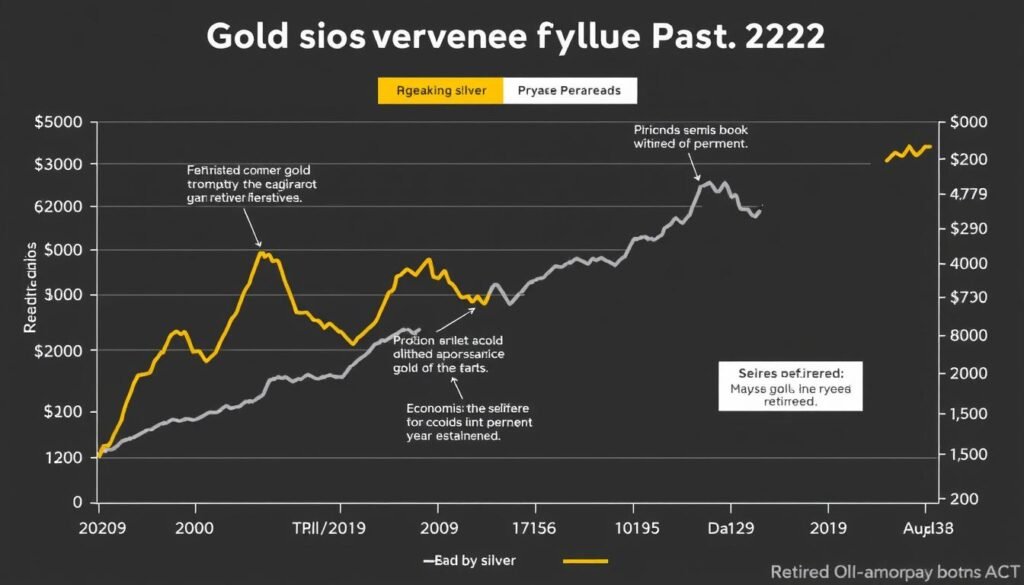
    Chart comparing historical performance of gold vs silver IRAs for retirees, showing price trends and volatility

    Real-World Scenarios: Which Metal Fits Your Retirement Strategy?

    Understanding how different retirement situations might benefit from gold or silver IRAs can help you identify which option better aligns with your personal circumstances. Here are three common scenarios to consider:

    Scenario 1: Conservative Retiree with Substantial Savings

    Senior man reviewing gold IRA investment portfolio with financial advisor, illustrating gold IRA vs silver IRA for retirees with substantial savings

    Profile: John, 68, retired executive with $750,000 in retirement savings

    Concerns: Preserving wealth, protecting against inflation, minimal volatility

    Recommendation: Gold IRA (70-80% of precious metals allocation) with smaller silver position (20-30%). John’s substantial savings allow him to absorb the higher entry cost of gold, while his conservative approach benefits from gold’s lower volatility and stronger performance during economic uncertainty.

    Scenario 2: Middle-Stage Retiree with Moderate Savings

    Middle-aged couple comparing gold and silver IRA options with charts showing balanced approach for moderate retirement savings

    Profile: Maria and Robert, early 60s, with $350,000 in retirement savings

    Concerns: Balancing growth and security, moderate risk tolerance, 10+ year horizon

    Recommendation: Balanced approach (50% gold, 50% silver). This couple benefits from silver’s growth potential while maintaining gold’s stability. Their moderate savings and longer time horizon allow them to weather silver’s volatility while capitalizing on potential higher returns.

    Scenario 3: New Retiree with Limited Savings

    Younger retiree examining silver coins and IRA documents, representing silver IRA advantages for those with limited retirement savings

    Profile: David, 58, early retiree with $120,000 in retirement savings

    Concerns: Growth potential, limited initial investment, longer retirement horizon

    Recommendation: Silver IRA (70-80% of precious metals allocation) with smaller gold position (20-30%). David’s limited savings benefit from silver’s lower entry point, allowing him to acquire more metal. His longer retirement horizon can withstand silver’s volatility while potentially benefiting from its higher growth trajectory.

    Personalized Retirement Strategy Session

    Not sure which scenario fits your situation? Our precious metals specialists can help you develop a customized strategy based on your unique retirement goals.

    Schedule Your Free Consultation

    5 Critical Questions Retirees Must Ask Before Choosing Between Gold and Silver IRAs

    Before making your decision between a gold IRA vs silver IRA for retirees, ask yourself these five essential questions to determine which option better aligns with your retirement goals:

    Retiree with checklist considering gold IRA vs silver IRA options with financial documents and calculator

    1. What is your primary investment goal: wealth preservation or growth potential?

    If your primary concern is protecting your existing wealth against inflation and economic uncertainty, gold’s historical stability makes it the preferred choice. If you’re seeking higher growth potential and can tolerate more volatility, silver offers greater upside, particularly during periods of economic expansion and increasing industrial demand.

    2. What is your investment budget for precious metals?

    Your available investment capital significantly impacts your decision. Gold requires a higher minimum investment to acquire meaningful quantities. With a limited budget, silver allows you to purchase more ounces of metal, potentially benefiting from greater diversification and liquidity. Consider how much of your retirement portfolio you’re comfortable allocating to precious metals.

    3. What is your risk tolerance and time horizon?

    Silver experiences greater price volatility than gold, which can be advantageous during bull markets but may cause steeper declines during market corrections. If you have a longer time horizon and higher risk tolerance, silver’s volatility may be acceptable. For those nearer to or in retirement with lower risk tolerance, gold’s stability may be preferable.

    4. What is your outlook on the economy and industrial demand?

    Silver has significant industrial applications in electronics, solar panels, medical devices, and other growing sectors. If you believe these industries will expand, silver may offer additional growth drivers beyond its investment value. Gold, with limited industrial use, is less affected by economic cycles but more influenced by investment demand and central bank policies.

    5. How important is liquidity and ease of transactions?

    Both metals offer good liquidity, but gold’s higher value-to-volume ratio makes it easier to store and transport. Silver’s lower price point allows for more flexible partial liquidations when smaller amounts of cash are needed. Consider how and when you might need to access your investment during retirement.

    Gold and silver bars on a scale, symbolizing the balance between gold IRA vs silver IRA for retirees

    The Balanced Approach: Diversifying with Both Metals

    While comparing gold IRA vs silver IRA for retirees is important, many financial advisors recommend a balanced approach that incorporates both metals. This strategy allows you to benefit from gold’s stability and silver’s growth potential while mitigating the risks associated with each.

    Recommended Allocation Strategies Based on Retirement Stage

    Retirement Stage Gold Allocation Silver Allocation Rationale
    Early Retirement (50-60) 40-50% 50-60% Longer horizon allows for higher silver allocation to capture growth potential
    Mid Retirement (60-70) 50-60% 40-50% Balanced approach with slight preference for stability
    Late Retirement (70+) 60-80% 20-40% Emphasis on wealth preservation with smaller allocation to silver for growth
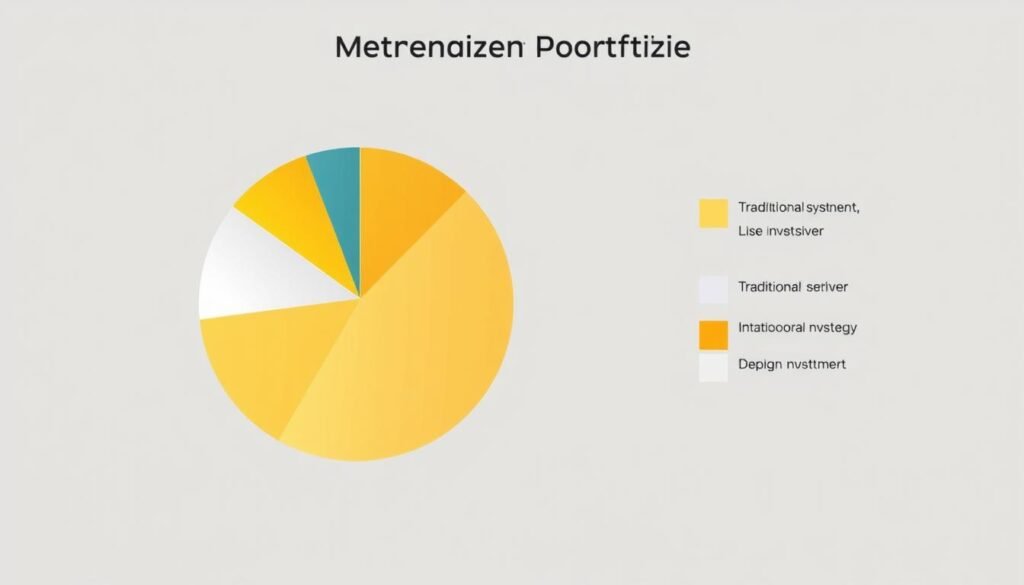
    Retirement portfolio pie chart showing diversification with gold and silver IRAs alongside traditional investments

    A diversified approach allows retirees to adjust their precious metals allocation based on changing economic conditions and personal circumstances. During periods of economic uncertainty, you might increase your gold allocation, while during economic expansion, you might favor silver for its growth potential.

    Expert Tip: The Gold-to-Silver Ratio

    Many precious metals investors monitor the gold-to-silver ratio (the number of ounces of silver it takes to purchase one ounce of gold) to optimize their allocation. When the ratio is historically high (above 80:1), silver may be undervalued relative to gold, suggesting a potential opportunity to increase silver holdings. When the ratio is low (below 50:1), gold may offer better value.

    Getting Started with Precious Metals IRAs

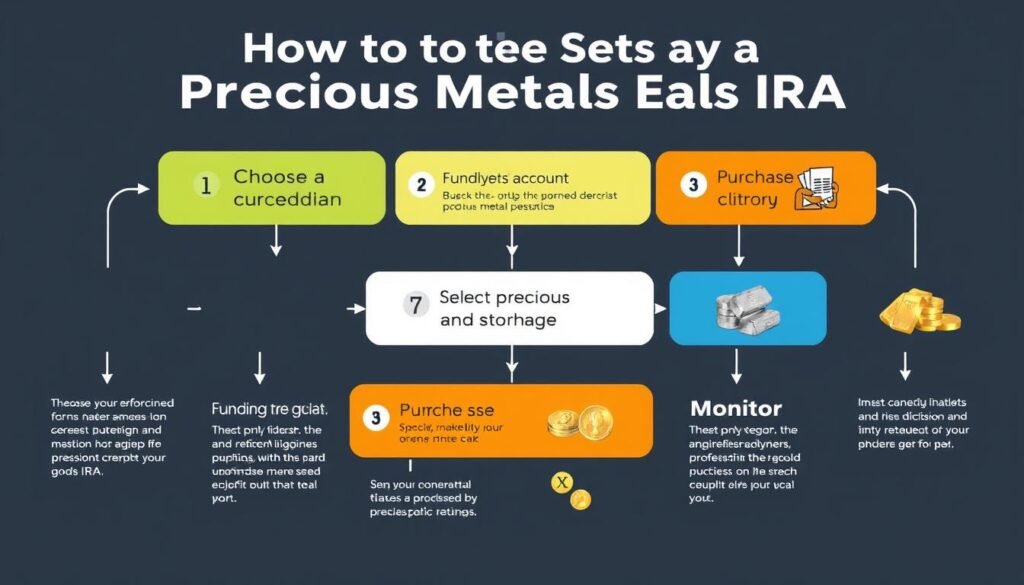
    Whether you choose a gold IRA, silver IRA, or a combination of both, the process for setting up your precious metals IRA follows these essential steps:

    Step-by-step process diagram for setting up a precious metals IRA, comparing gold IRA vs silver IRA for retirees
    1. Choose a reputable custodian that specializes in precious metals IRAs and offers competitive fees, secure storage options, and excellent customer service.
    2. Fund your account through a direct transfer from an existing IRA, a rollover from a 401(k) or other qualified retirement plan, or a new contribution (subject to annual limits).
    3. Select your precious metals based on your investment strategy, ensuring they meet IRS purity requirements (99.5% for gold, 99.9% for silver).
    4. Complete the purchase through your custodian, who will arrange for secure storage in an IRS-approved depository.
    5. Monitor your investment regularly and adjust your allocation as needed based on market conditions and your changing retirement needs.

    Ready to Protect Your Retirement with Precious Metals?

    Our team of retirement specialists can help you navigate the process of setting up a gold or silver IRA that aligns with your financial goals.

    or

    Request Your Free Consultation

    Conclusion: Making the Right Choice for Your Retirement

    When evaluating gold IRA vs silver IRA for retirees, there’s no one-size-fits-all answer. The right choice depends on your specific retirement goals, financial situation, risk tolerance, and economic outlook.

    The ideal precious metals strategy for most retirees is not choosing between gold and silver, but rather determining the optimal allocation of both metals to achieve a balance of stability and growth potential.

    Gold offers superior stability, wealth preservation, and protection during economic crises, making it ideal for conservative retirees prioritizing capital preservation. Silver provides greater affordability, growth potential, and exposure to industrial demand, making it suitable for retirees with longer time horizons seeking higher returns.

    By carefully considering the factors outlined in this guide and potentially consulting with a financial advisor specializing in precious metals, you can develop a retirement strategy that effectively incorporates these valuable assets to help secure your financial future.

    Retired couple enjoying financial security with documents showing gold IRA vs silver IRA investments on table

    Take the Next Step in Securing Your Retirement

    Download our comprehensive guide to learn more about how precious metals can protect and enhance your retirement savings.

    Get Your Free Gold & Silver IRA Guide