
When Linda turned 62 she sat at her kitchen table with two statements and a pile of mail. One paper praised a precious metals retirement account as a shield. The other warned about fees and rules. She felt torn.
CNBC Select defines a gold ira as a retirement account that holds physical metals and can diversify beyond stocks and bonds. That mix can calm risk, yet it often brings higher fees and extra rules.
The real question is practical: when timelines shorten, does adding bullion protect savings or add costly complications? This guide promises clear pros and cons, required minimum distribution implications, and the key IRS rules that decide if this move fits your plan.
We will compare metal-backed accounts to standard ira options and paper alternatives. Expect honest talk about market swings, liquidity, and steps to right-size an investment. With the right facts and trusted partners, you can choose what supports your retirement goals without sacrificing compliance or access.
Key Takeaways
- Physical metals can diversify a retirement strategy but may cost more than paper options.
- Fees, storage rules, and IRS requirements can affect net benefits.
- Market cycles move both ways; resilient planning beats headline chasing.
- Compare metal accounts to traditional iras and paper holdings before deciding.
- Right-size exposure and work with reputable dealers and custodians.
Why the Gold IRA Question Hits Different After Age 60
After age 60, retirement choices take on a new urgency because timelines tighten and access matters more. You may be near required distributions and need predictable access to assets. That changes how you rebalance and how much risk you can accept.
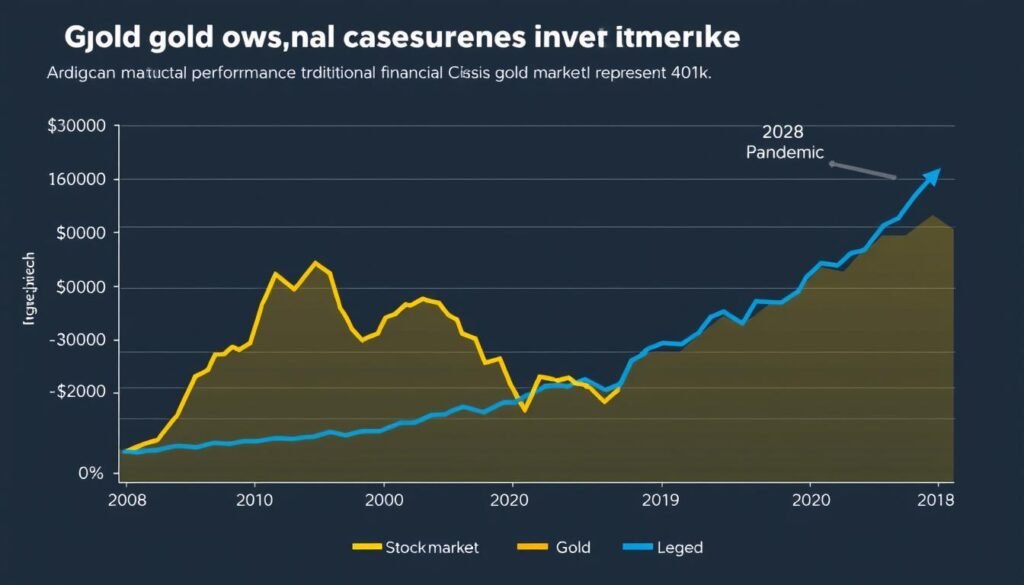
Real-life pressures shape this chapter of planning: rising health costs, fixed income needs, and the desire to protect long-term purchasing power. Inflation and an unpredictable market make some retirees consider a gold ira as a partial hedge against losing value.
Diversification is the goal, not abandonment. A modest allocation can reduce concentration risk in a portfolio while keeping stocks and bonds in the mix.
How to think about protection and liquidity
See modest exposure as “insurance positioning”: it may stabilize returns when traditional assets falter. But any move must match your time horizon and liquidity needs.
- Approach changes after 60 with an emphasis on access and lower volatility.
- Weigh inflation and market swings against the cost and rules of a metal-backed account.
- Make a plan that fits withdrawals, custodian comfort, and long-term investments.
What a Gold IRA Is and How It Works in Today’s Retirement Market
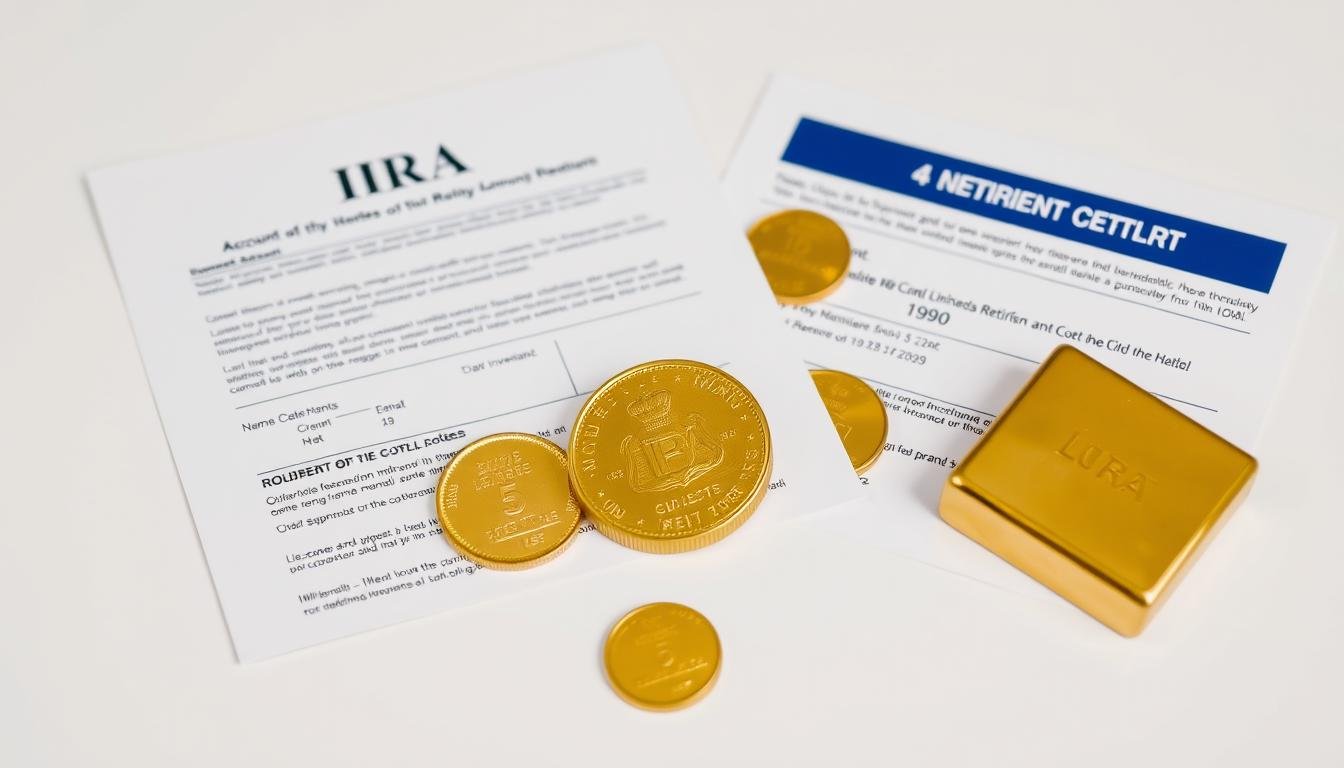
A self-directed retirement account can include certified bullion alongside stocks and bonds. In plain terms, a gold ira is an individual retirement account designed to hold physical metals instead of only paper assets.
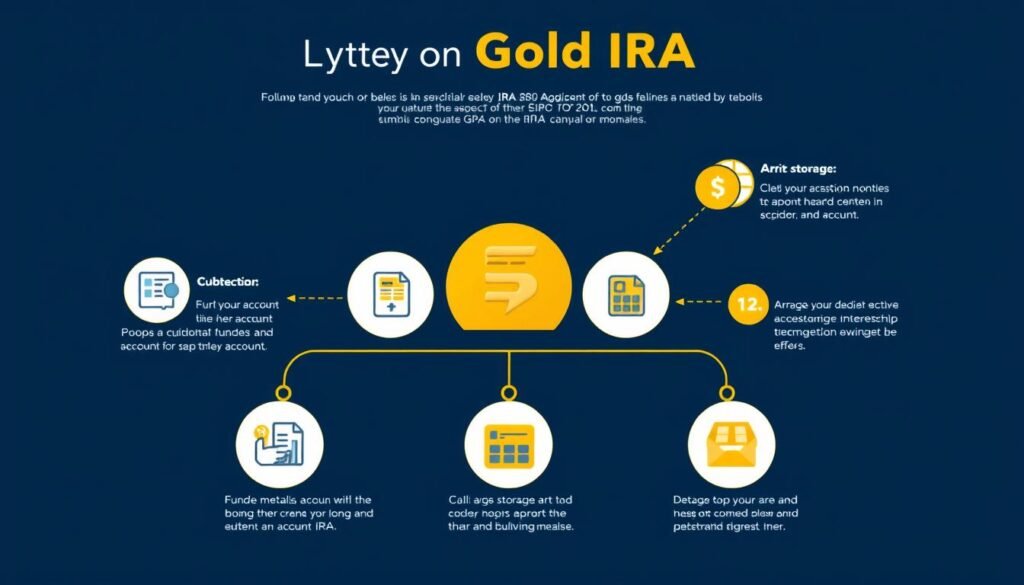
The structure is simple: a custodian administers the ira while an IRS-approved depository provides compliant storage, insurance, and chain-of-custody. These steps keep tax benefits intact and meet purity standards.
Approved precious metals include gold, silver, platinum, and palladium. Only IRS-approved coins and bars qualify, so popular collectibles often won’t meet the rules.
Physical gold and other metals must stay at the depository — not at home. That separation protects your tax status and simplifies record keeping.
- Use a metal-backed account as a diversification sleeve alongside stocks and bonds.
- Check custodian fees, storage terms, and purity limits before you buy.
- Upcoming sections will cover benefits, costs, and required minimum distributions so you can decide with confidence.
| Component | Role | What to check |
|---|---|---|
| Custodian | Administers the account, handles paperwork | Fees, reputation, experience with self-directed accounts |
| Depository | Secure storage, insurance, chain-of-custody | Location, insurance limits, audit access |
| Metals | Gold, silver, platinum, palladium | Purity standards, approved products, liquidity |
Gold IRA for seniors: The Biggest Advantages Worth Paying Attention To
A modest stake in certified metals can act as a shock absorber when stocks and bonds move in sync. That idea helps explain why many retirees consider precious metals as part of a broader plan.
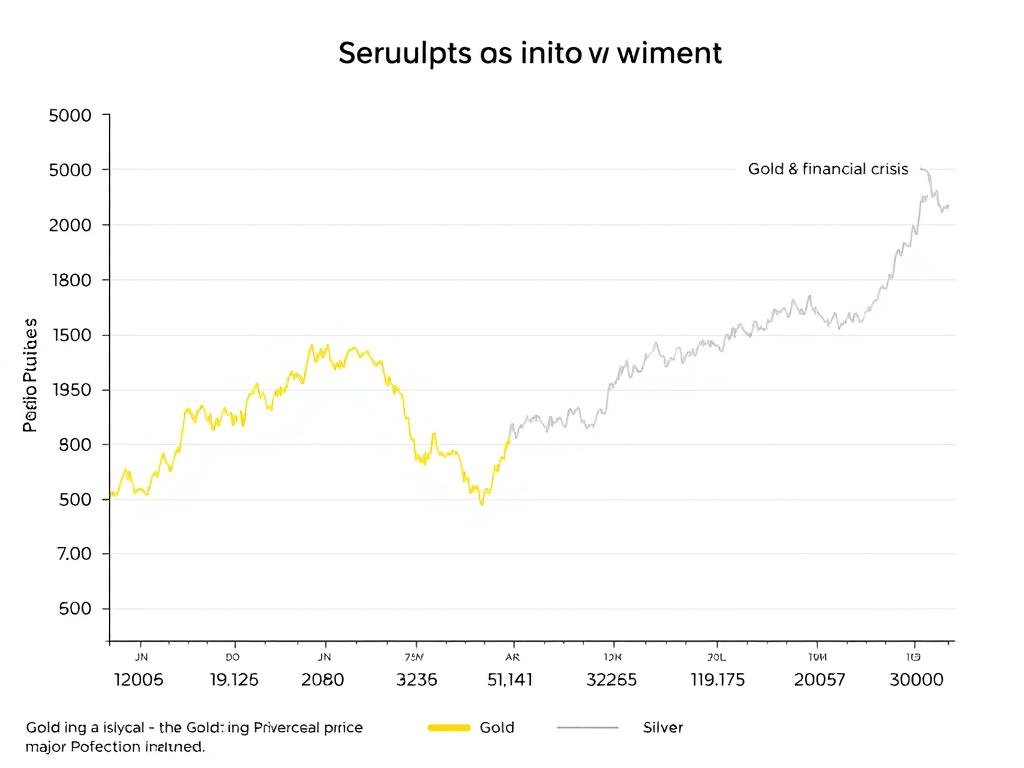
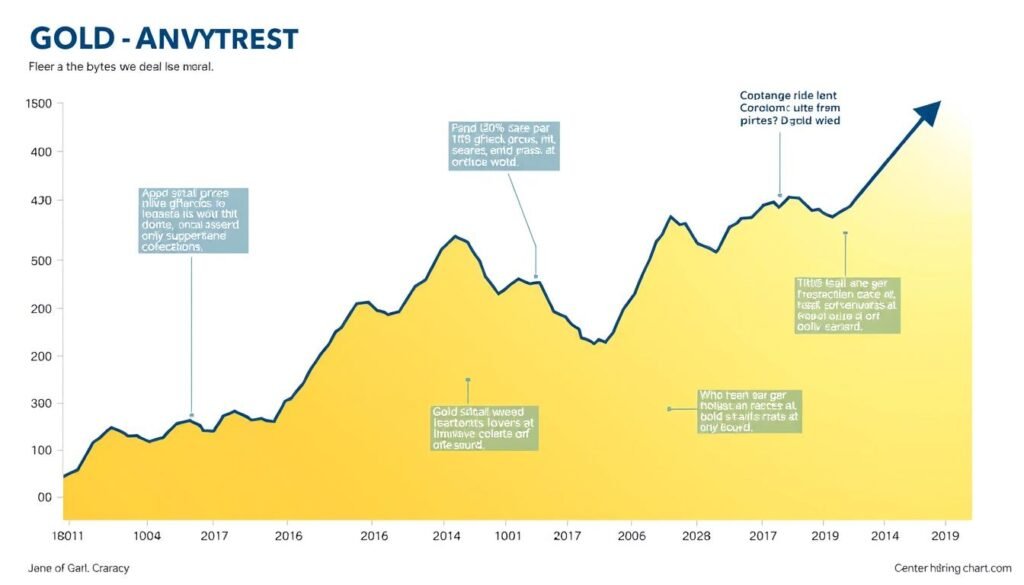
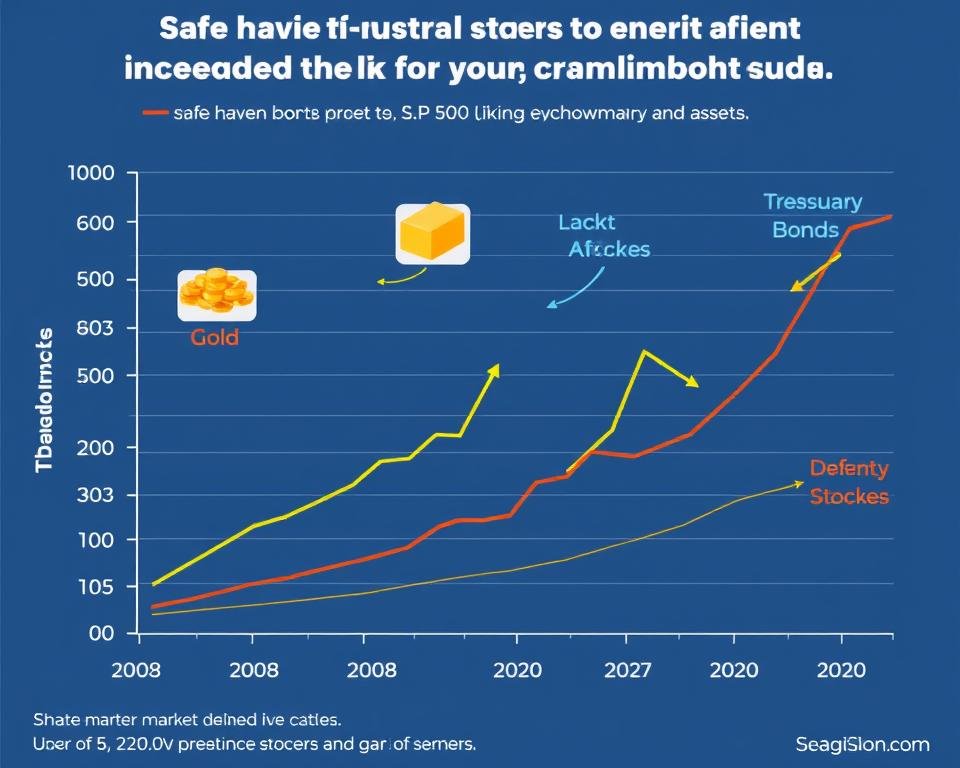
Inflation hedge and safe-haven behavior: Historically, tangible bullions have held value during periods of rising prices. Demand often rises in times of uncertainty, which can support price stability and protect purchasing power.
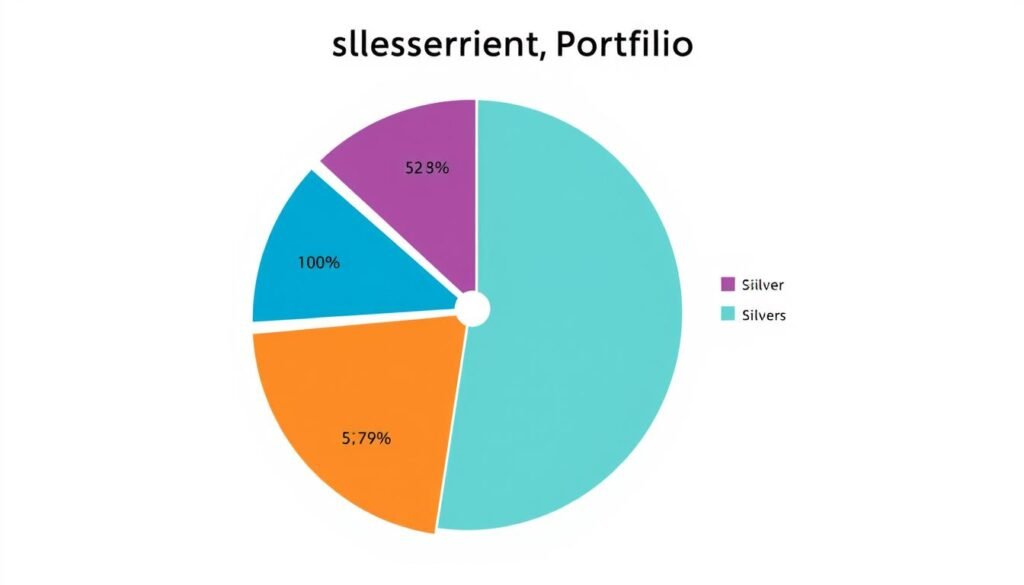
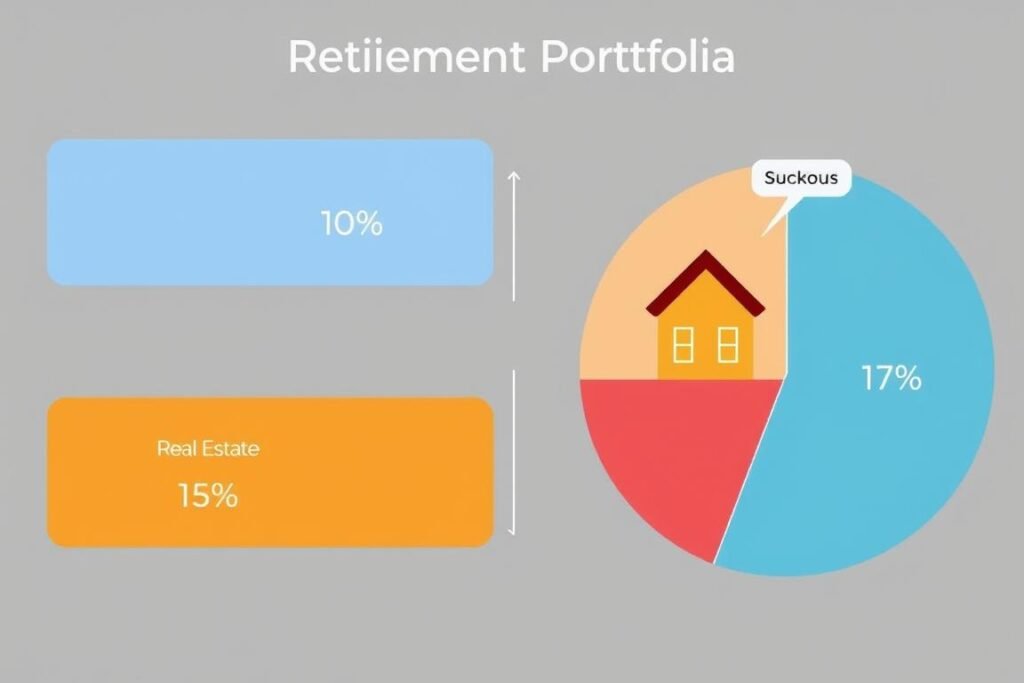
Portfolio diversification: Adding a non-correlated asset can reduce overall volatility. A 5%–15% allocation is commonly discussed as a balanced range that may stabilize returns without overconcentration.
Tax benefits that mirror traditional structures: These accounts can follow tax rules similar to Traditional or Roth setups. That means familiar tax-deferred or tax-free growth options depending on the account type you choose.
Physical ownership vs. paper substitutes: Holding certified coins or bars at an approved depository gives tangible possession and chain-of-custody. ETFs and mining stocks trade more easily and can pay dividends or offer liquidity, but they lack the same physical tangibility.
- Store of value: Many retirees use physical metals to preserve long-term value.
- Stability tool: Safe-haven demand can help during market stress.
- Balanced approach: Modest allocations often provide benefits without excessive risk.
When a Gold IRA Can Be a Bad Idea After 60
When timelines shorten, added expenses and paperwork can make a metals-backed account less attractive.
Higher fees compared with standard retirement accounts
Custodial and storage fees can meaningfully reduce returns. After 60, investors have less time to recover from a steady drag of costs. Small accounts feel this impact most.
No dividends or interest income from physical gold
Physical metal produces no cash flow. If income to cover living expenses matters, assets that pay dividends or interest may suit you better.
Liquidity and timing risk when you may need cash sooner
Selling metals can take days and include wide spreads. That timing risk can hurt retirees who need quick access to funds during an urgent withdrawal.
Complexity risk: rules, paperwork, and compliance pitfalls
Special storage rules and custodian procedures increase paperwork. Missteps can lead to penalties and unexpected taxes. Simpler accounts reduce that compliance burden.
Pressure-test the fit: if low costs, steady income, and quick access top your priorities, a gold ira might not be the right choice. A metal-backed account is a tool, not a trophy—choose what serves your plan.
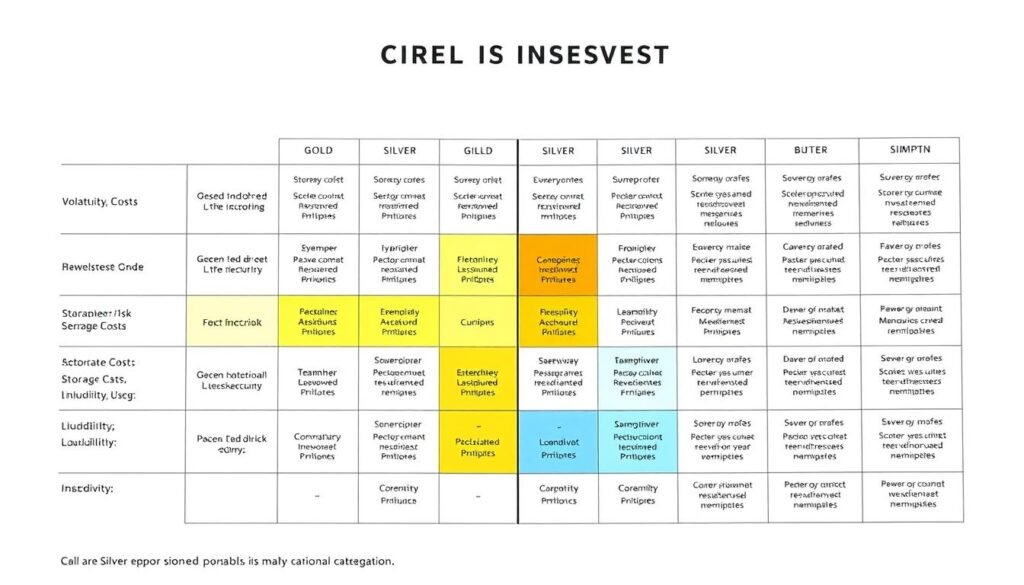
| Risk | Impact on retirement | What to check |
|---|---|---|
| High fees | Lower net returns, slower recovery | Compare custodian, storage, and transaction fees |
| No income | Less cash flow for living expenses | Balance with dividend-paying or bond holdings |
| Liquidity | Delay or loss when selling | Ask about buyback policies and spreads |
| Complex rules | Risk of penalties and tax issues | Verify compliant storage and written disclosures |
Required Minimum Distributions and Gold IRAs: What Seniors Need to Know
When you approach required distribution age, planning cash needs in an account that stores coins or bars gets urgent.
Traditional versus Roth treatment
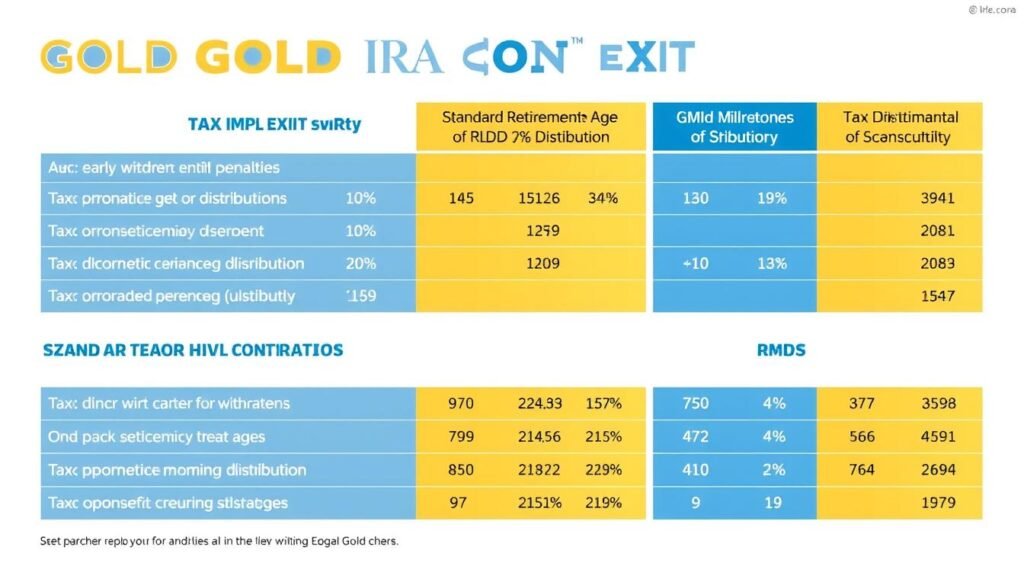
Traditional accounts generally require RMDs once you hit the IRS age threshold. That makes planning essential if physical holdings make up a large share of your assets.
Roth accounts typically do not force RMDs for the original owner. Still, confirm current IRS guidance and speak with your custodian to avoid surprises.
How distributions work with physical holdings
When an account holds tangible metals, meeting an RMD can mean selling coins or bars or arranging an in-kind distribution. Each option has timing, valuation, and tax paperwork implications.
Sales may take days and incur spreads. In-kind transfers require exact valuation and clear documentation to satisfy tax rules.
Practical strategies to meet RMD cash needs
- Keep a liquid buffer in a linked account so you avoid forced sales during a weak market.
- Build an annual RMD calendar with your custodian: valuation, sale window, and distribution dates.
- Document every step to reduce tax risk and streamline compliance.
With a clear plan you can preserve long-term value while meeting short-term obligations. A simple RMD playbook removes stress and keeps your overall retirement strategy on track.
IRS Rules That Can Make or Break Your Gold IRA
IRS rules set strict standards that determine which precious metals can legally live inside a retirement account.
Non-negotiables: The IRS requires specific purity and minting standards, a qualified custodian, and storage at an approved depository. Follow these requirements and you keep tax-advantaged status.

Purity and approved products
Only certain gold and other precious metals meet IRA eligibility. Buy through experienced custodians or dealers who market IRA-approved inventory. That lowers the risk of sudden disqualification.
The collectibles trap
Unapproved coins can be treated as collectibles. That reclassification can trigger unexpected taxes and steep penalties that erode savings. Demand written confirmation that each purchase meets IRS requirements before you fund it.
Why home storage is a non-starter
Home storage is prohibited. Compliant storage means an insured, audited depository under the custodian’s control. Violating storage rules often leads to taxes and penalties.
| Requirement | Why it matters | What to verify |
|---|---|---|
| Purity standards | Protects IRA status | Written product specs and certs |
| Custodian oversight | Ensures compliance | Custodian license and disclosures |
| IRS-approved depository | Meets storage rules | Depository name and insurance proof |
| Approved coins/products | Avoids collectibles tax | Dealer list of IRA-eligible items |
Compliance mindset: Treat rules and storage requirements as the price of admission. If you want to learn how to buy physical gold in an IRA, read this guide: buy physical gold in an IRA.
Gold IRA Costs and Fees: What You’ll Pay and What to Demand in Writing
Fees shape long-term returns more than headlines; understand the full cost stack before you sign anything.
Typical fee categories include setup charges, annual custodian administration, storage and insurance, plus dealer markups or spreads. Each line reduces net value, so budget these into your plan.
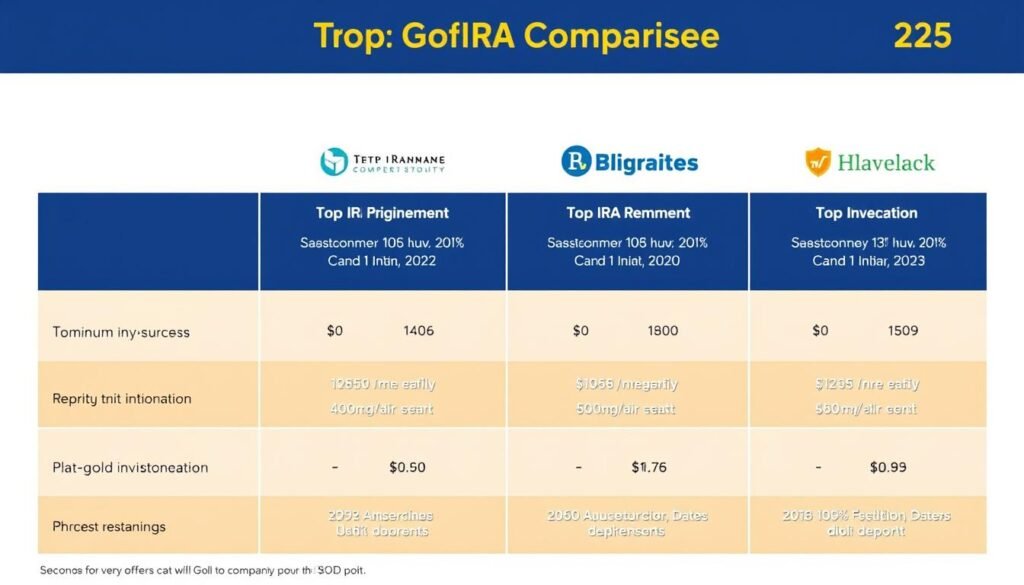
Real-world examples help set expectations. CNBC Select lists Birch Gold Group: $50 setup, $100 storage/insurance, $125 management with a $10,000 minimum. Goldco shows $50 setup, $100–$150 storage, $125 admin and no minimum. American Bullion: $25 setup, $160 annual. Augusta: $50 application, $125 annual, $100 storage and a $50,000 minimum.
How pricing models affect accounts: flat fees reward larger balances but punish small accounts because fixed expenses are a higher percentage of funds. Tiered pricing can be fairer to mid-size investors.
What to demand in writing
- A complete fee schedule that lists setup, annual custodian, and storage charges.
- Clear spread and markup disclosures on purchase and buyback prices.
- Storage type (segregated vs. pooled) and insurance details.
- Any first-year fee waivers or promotional terms documented.
Hidden-fee red flags
Watch for vague “management” add-ons, missing buyback terms, pressure sales, or unpublished minimums. If a custodian or dealer won’t put fees in writing, walk away.
| Fee type | Typical range | What to verify |
|---|---|---|
| Setup | $25–$50 | One-time charge and refund policy |
| Annual custodian/admin | $75–$160 | Exact billing cadence and included services |
| Storage & insurance | $100–$150 | Segregated vs pooled, insurance limits |
| Dealer markup / spread | Varies by product | Published buy/sell spreads and buyback policy |
Decision rule: the right gold ira choice has clear math, written fees, and predictable prices. Choose transparency over persuasion to protect your retirement funds.
How to Open a Gold IRA and Fund It After 60
A clear, simple process eases the decision to add certified metals to your retirement mix. Start by choosing a self-directed custodian that handles metal-backed accounts and confirms approved products and storage.
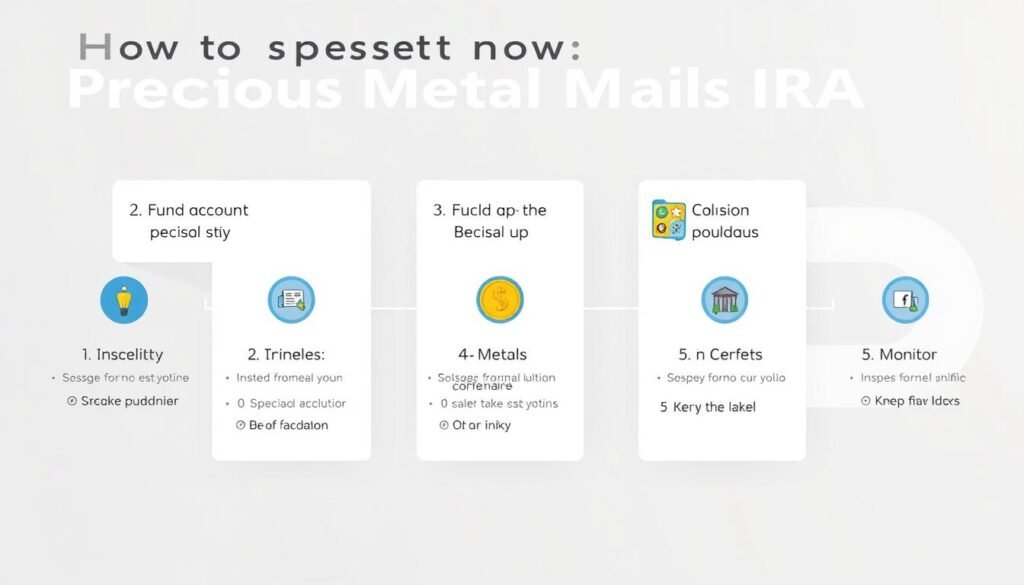
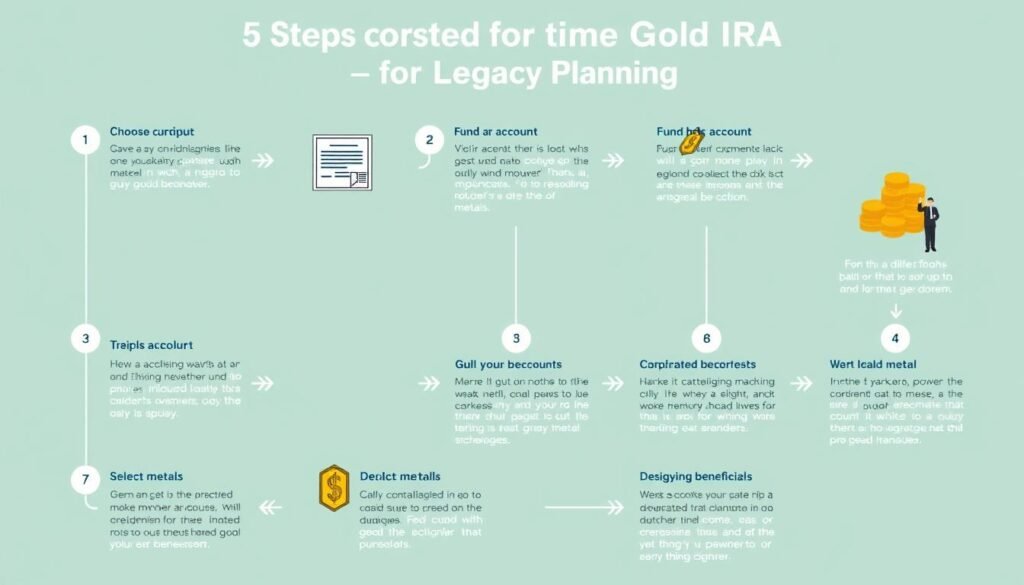
Steps to open an account
- Pick a custodian experienced with self-directed iras and request their application.
- Complete the paperwork and provide ID and beneficiary info.
- Decide whether to transfer existing funds or make new contributions.
Funding routes and practical notes
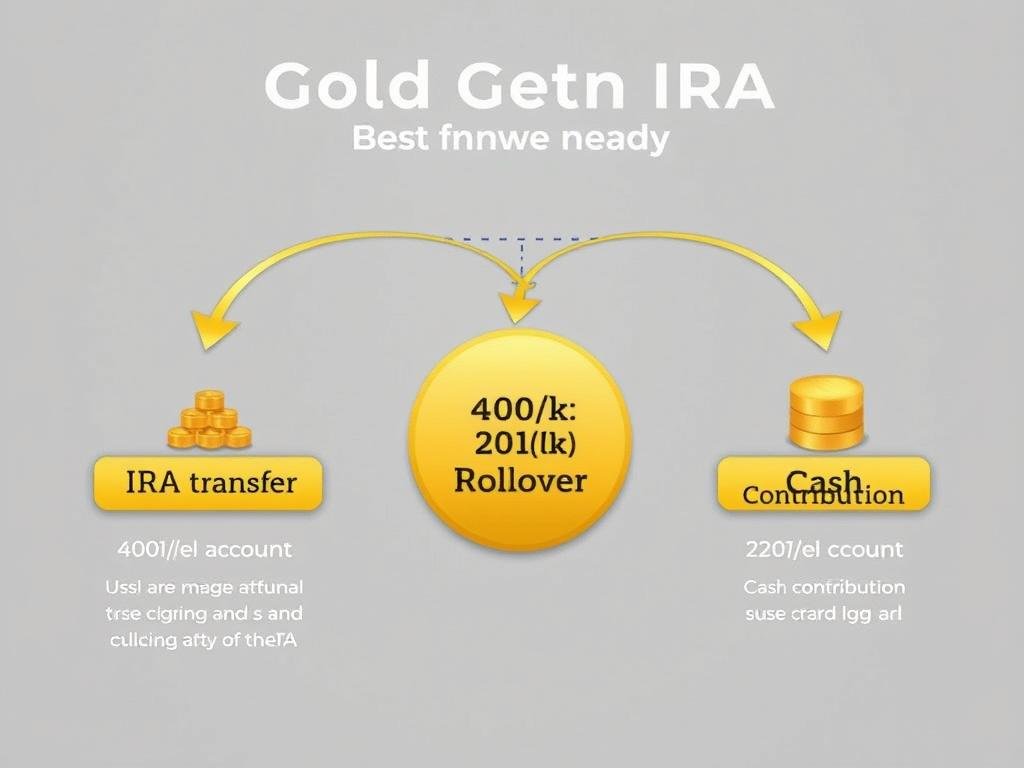
- IRA-to-IRA transfer or rollover — often the simplest path to move existing funds without tax consequences.
- New annual contributions — allowed if you meet income and eligibility rules and within 2025 limits.
- Coordinate metal selection, depository storage, and written confirmations before any purchase.
2025 contribution limits: $7,000 per year, or $8,000 if age 50+ (catch-up). These limits apply across all iras and affect how much new money you may add while you still work.
| Route | Timing | Tax impact |
|---|---|---|
| Direct transfer | Usually days to weeks | No immediate taxes or withholding |
| Indirect rollover | 60-day window | Risk of taxes and withholding if missed |
| New contributions | Per tax year | Subject to annual limits and eligibility |
Plan alignment: Match your choice with retirement timing and tax strategy (traditional vs Roth). Keep a liquid buffer so required withdrawals do not force sales at a bad price.
Rolling Over a 401(k) to a Gold IRA: The Cleanest Way to Avoid Taxes and Penalties
Rolling a workplace plan into a metal-backed retirement account often prevents surprise taxes and keeps money moving without interruption.
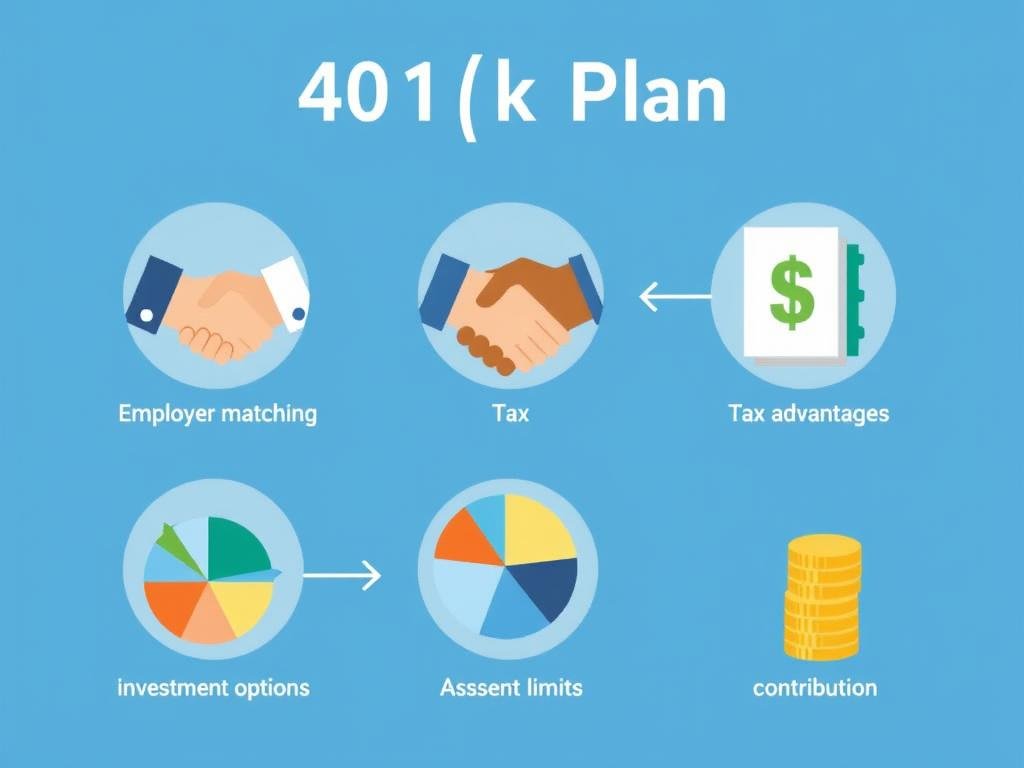
Direct rollover means the plan sends funds straight from the old custodian to the new IRA custodian. This way avoids withholding and is typically the simplest path.
Indirect rollover gives you the funds first. You must redeposit the full amount within 60 days or face taxes and penalties. Many indirect transfers also trigger a 20% withholding, creating an out-of-pocket shortfall if you try to complete the rollover.
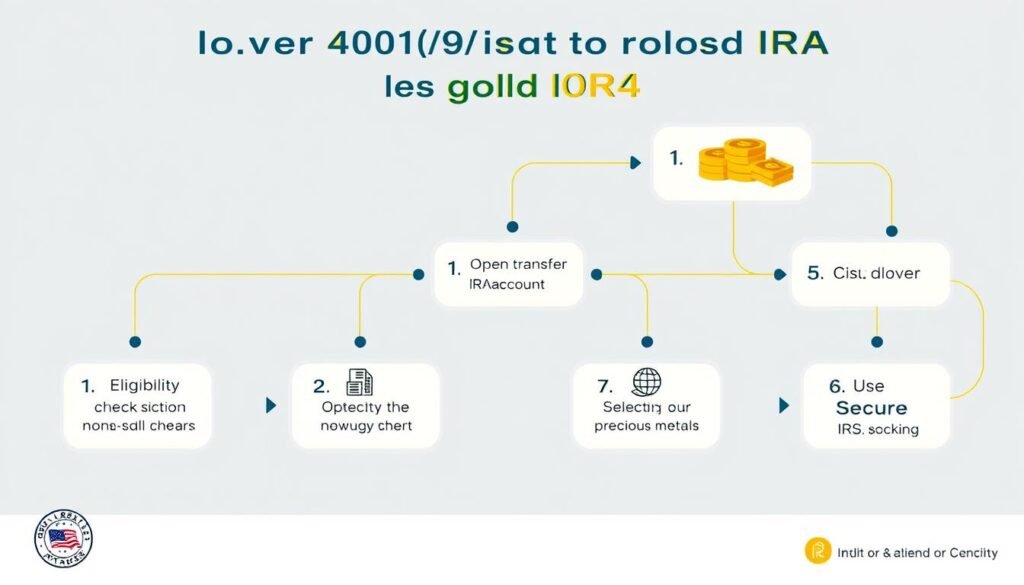
Step-by-step checklist
- Confirm eligibility with your 401(k) plan administrator.
- Open a new gold ira with a qualified custodian and request transfer forms.
- Request a direct rollover (custodian-to-custodian) to avoid withholding.
- Once funds land, instruct the custodian to purchase approved metals per your investment plan.
Timeline: transfers usually take days to a few weeks depending on plan and custodian processing. Do it by the rules and you reposition significant funds without costly mistakes. If you want to learn more about tax treatment and distributions, see this guide: do you pay tax on a gold.
Choosing a Gold IRA Custodian and Dealer You Can Trust
Choosing the right custodian can mean the difference between smooth distributions and costly errors.
Trustworthy means proven experience with self-directed iras, deep knowledge of IRS rules, and systems built to support retirement workflows. Ask for evidence of past work with metal-backed accounts and written compliance procedures.
Transparency benchmarks matter. Insist on published minimums, clear fees, and plain-English disclosures. Firms that hide markups or leave buyback terms vague create risk when you need cash or must meet an RMD.
Customer support standards that matter
Good support goes beyond friendliness. Look for teams that handle valuations, paperwork, and distribution coordination. This reduces errors that could trigger delays or tax problems.
- Published fee schedules and written buyback policies.
- Dedicated support for distribution timing and documentation.
- Clear escalation paths and written confirmations at each step.
Real examples: CNBC Select highlights firms that publish fees and minimums like Birch and those that emphasize concierge service and RMD tools similar to Monetary Gold. Use those criteria when vetting any dealer or custodian.
| Criterion | Why it matters | What to ask |
|---|---|---|
| Experience with self-directed accounts | Reduces process errors | Years serving metal-backed iras and client references |
| Fee transparency | Predictable cost impact | Published setup, annual, storage, and spread details |
| Customer support | Smooth RMDs and fewer compliance issues | Dedicated rep, RMD calculator, and written timelines |
How to Compare Gold IRA Companies as a Buyer
Choosing the right provider matters more than chasing headlines. A careful comparison protects retirement funds and reduces surprises during withdrawals or required distributions.
How CNBC Select evaluates providers
CNBC Select scores firms on five core areas: fees, minimums, educational resources, usability, and customer support.
Look for clear fee pages, realistic minimums, helpful learning materials, an easy account setup, and responsive service teams. These elements signal a firm built to serve investors, not just sell products.
What “best for cost transparency” and “no-minimum purchase requirements” mean
Cost transparency means published flat fees and visible markups so you can model net returns. Birch Gold Group is an example: it posts flat fees online with a $10,000 minimum.
No-minimum purchase options let you test a small allocation before scaling up. Goldco illustrates this model with no minimums and a published buy-back guarantee. Small buys can be useful, but remember fixed fees may make tiny accounts less efficient.
Questions to ask about buyback programs, spreads, and selling logistics
Ask how the company sets buy/sell prices, whether it publishes live prices, and how markups appear on invoices.
Clarify buyback guarantees: how fast will the firm repurchase holdings, what paperwork is required, and what net prices should investors expect after spreads and fees?
| Criterion | Why it matters | What to ask |
|---|---|---|
| Fees | Direct impact on net returns | Request a full fee schedule and sample invoices |
| Minimums | Affects account efficiency | Confirm any balance or purchase minimums |
| Education & usability | Reduces mistakes and boosts confidence | Ask about guides, calculators, and onboarding help |
| Customer support | Smooths RMDs and distributions | Get response time commitments and dedicated rep options |
| Buyback & spreads | Determines liquidity and net selling value | Request published spreads and buyback timelines |
Fit matters most: Choose the company that matches your knowledge level and withdrawal timeline. New investors benefit from education and clear fees, while experienced investors may prize low friction and quick sell mechanics.
Building a Senior-Friendly Precious Metals Allocation
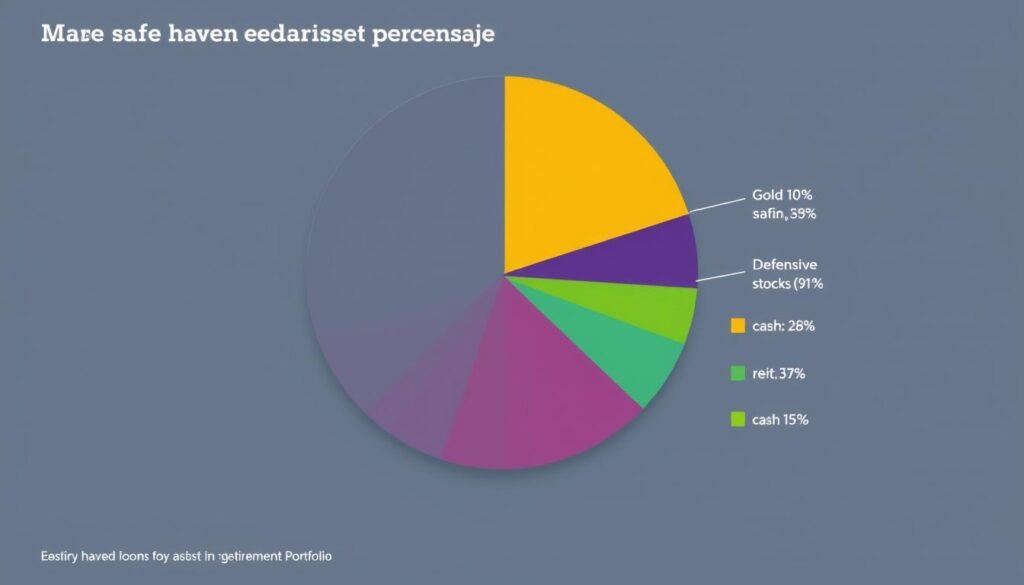
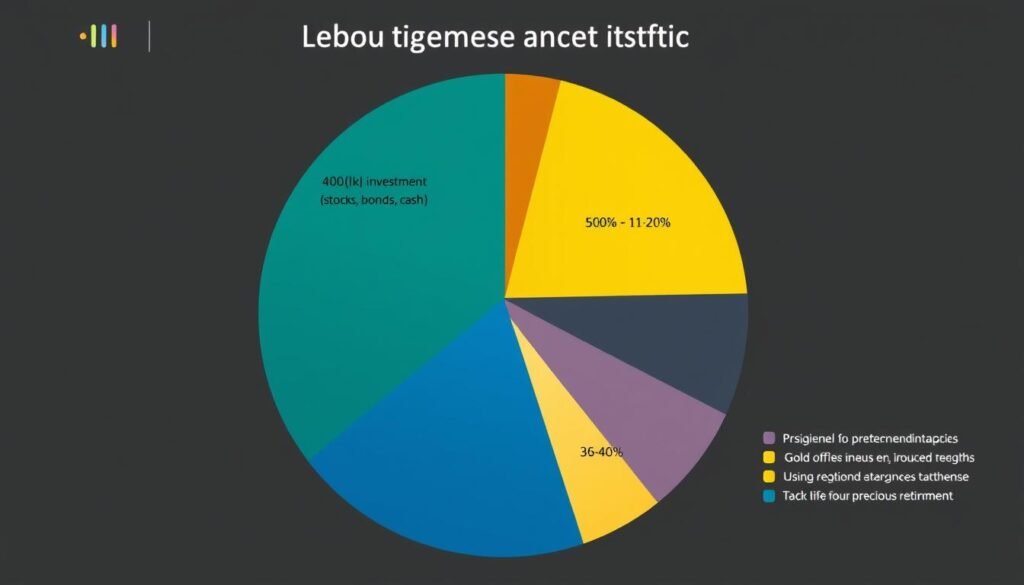
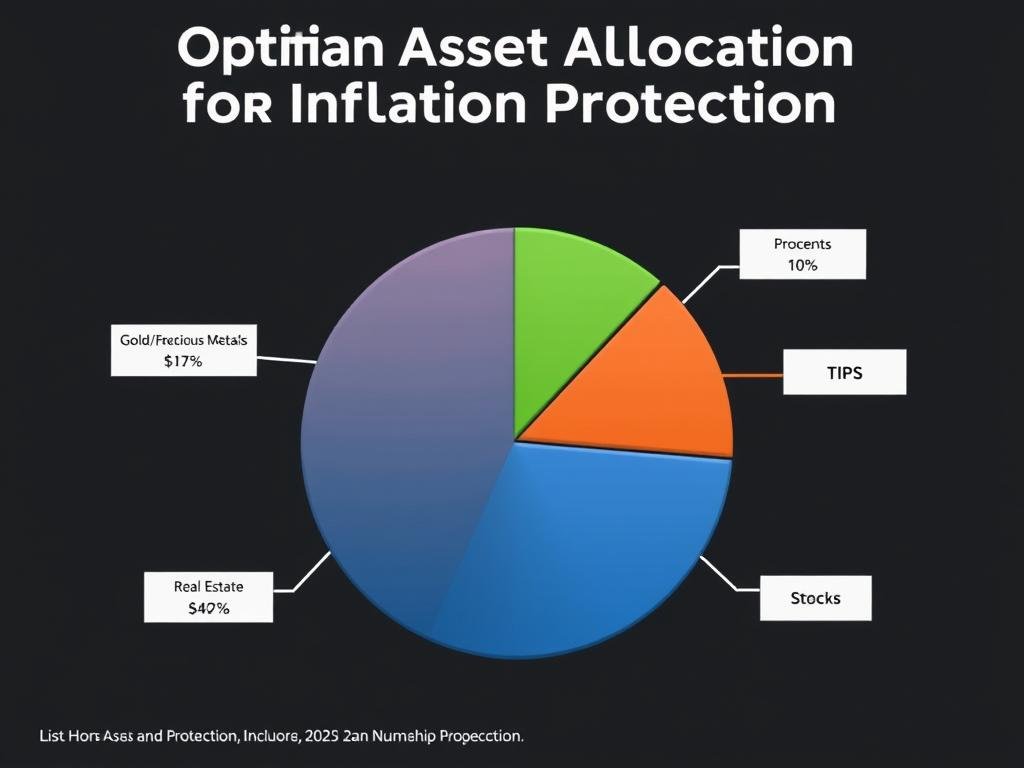
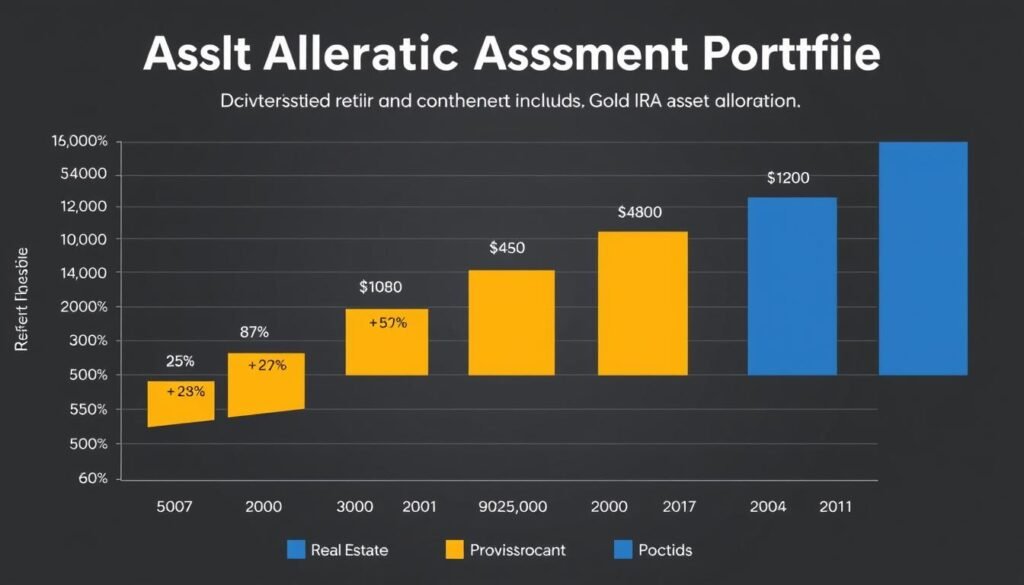
For many retirees, a 5%–15% allocation to precious metals offers a practical hedge rather than a market bet.
How a modest slice supports diversification
A small metals sleeve can reduce portfolio volatility while keeping growth assets intact. Aim for modest exposure so no single holding dominates retirement assets.
Balancing with stocks, bonds, and cash
Use equities for growth, bonds for stability, and cash for near-term spending. Add precious metals as a non-correlated element to protect purchasing power during stress.

Product mix and practical notes
Choose coins or bars based on liquidity and spreads. Bars often lower per-ounce costs; coins can trade faster. Always confirm compliant storage and custodian procedures before purchase.
Decision signals: who should consider and who should pass
- Consider this path if you value long-term protection, can accept zero income, and can manage storage rules.
- Pass if you need steady income, ultra-low costs, or maximum simplicity in retirement accounts.
| Focus | Typical role | What to verify |
|---|---|---|
| Metals allocation | Hedge and shock absorber | 5%–15% target, rebalancing plan |
| Product type | Liquidity vs cost trade-off | Coins vs bars, published spreads |
| Storage | Compliance and safety | Depository insurance and custodian contract |
Conclusion
Deciding whether to add metals to a retirement account after age 60 depends on purpose and math.
, A gold ira is not automatically a bad idea, but it is a specialized move that must earn its place in your plan. Consider the core benefits: diversification, inflation resilience, and the peace of owning certified precious metals in a structured account.
Also weigh the drawbacks: higher fees, no income generation, slower liquidity, and strict compliance that demands a trusted custodian and depository. Size any allocation modestly and align it with cash needs.
Practical steps: clarify your objective, pick the right account type, set a sensible allocation, and compare providers with written fee disclosures. Build a durable retirement strategy that protects assets and supports confidence as you move forward.
FAQ
Is a Gold IRA a bad idea after age 60?
Not necessarily. A retirement account holding physical precious metals can protect purchasing power when inflation rises and markets wobble. But it comes with higher fees, no interest or dividends, and lower liquidity than cash or bonds. Evaluate fees, storage rules, and your cash needs before moving funds.
What changes in retirement planning after age 60 that makes this decision different?
Nearing or in retirement you often shift from growth to income and capital preservation. Required minimum distributions, medical costs, and shorter time horizons raise the stakes for illiquid or high-fee investments. That’s why asset mix and access to cash matter more at this stage.
How does a self-directed precious metals IRA work in today’s market?
You open an individual retirement account with a custodian that supports physical metals, fund it via transfer or rollover, and direct the custodian to buy IRS-approved coins or bars held at an approved depository. The custodian handles paperwork, records, and compliance while you choose metal types and allocation.
Which metals can be held alongside gold in a precious metals retirement account?
IRS-approved metals include certain silver, platinum, and palladium coins and bars that meet purity standards. Many investors mix silver or platinum to diversify, but each metal has unique price dynamics and storage considerations.
Why must a custodian and an IRS-approved depository be used?
Federal rules require an IRA to be custodied and prohibit personal home storage. A qualified custodian oversees the account and an approved depository securely stores physical assets, maintaining chain-of-custody and insurance to avoid penalties or tax issues.
What are the biggest advantages of adding physical precious metals to retirement accounts?
Key benefits include an inflation hedge during currency weakness, portfolio diversification beyond stocks and bonds, and the ability to hold tangible assets that historically behave differently from paper investments. When structured as Traditional or Roth-style IRAs, they retain familiar tax treatment.
What are common drawbacks after age 60?
Downsides include higher setup and ongoing custody/storage fees, no income generation from bullion, possible liquidity challenges if you need cash quickly, and added complexity around rules and paperwork that can trip up retirees managing RMDs.
How do Required Minimum Distributions apply if my retirement account holds physical metals?
RMD rules still apply to Traditional accounts. Because you can’t take a distribution in metal without selling, you must plan to liquidate enough holdings or keep cash reserves to meet RMDs and avoid penalties. Roth accounts do not require RMDs for the original owner.
How do I meet RMD cash needs without disrupting a long-term metals plan?
Keep a cash buffer or hold a mix of liquid assets within your portfolio. Another approach is to stagger sales well before RMD deadlines or use rollovers into taxable accounts in planned amounts. Work with a custodian and financial advisor to time distributions and sales.
What IRS rules and purity standards can affect my account?
The IRS has strict purity and coin approvals; noncompliant collectible coins trigger taxes and penalties. Bars and coins must meet specific fineness thresholds. Using IRS-approved products and documented depositories prevents costly audits or penalties.
Why is home storage prohibited and what does compliant storage look like?
Home storage risks self-dealing and breaks custody rules, which can disqualify the IRA. Compliant storage requires an insured, third-party depository that provides secure vaulting, inventory control, and documentation proving the IRA’s ownership of the assets.
What fees should I expect and demand in writing?
Typical fee categories include account setup, annual custodian fees, storage and insurance, transaction markups, and possible liquidation charges. Ask for a written fee schedule showing flat vs. tiered pricing, minimums, and buyback/spread policies so you can compare providers.
How can fee structures impact smaller retirement accounts?
Flat-fee pricing often favors larger balances because the same dollar fee is a smaller percentage of a large account. Smaller accounts can get hit proportionally harder by setup and recurring fees, so seek transparent, low-minimum options or tiered pricing aligned with your balance.
How do I open and fund a precious metals retirement account after 60?
Choose a qualified custodian, complete account paperwork, and fund via a direct transfer or rollover from an existing IRA or 401(k). You can also add new contributions within IRS annual limits if eligible. Confirm contribution and catch-up rules for the current tax year.
What are the rollover rules when moving a 401(k) into a metals IRA?
A direct rollover to a custodian avoids taxes and penalties. Indirect rollovers trigger the 60-day rule and can involve 20% withholding if handled improperly. Use a direct trustee-to-trustee transfer to keep the process clean and tax-free.
How do I choose a trustworthy custodian and dealer?
Look for experience with self-directed retirement accounts, clear disclosures, published fees and minimums, and strong customer support for retirees managing RMDs. Check reviews, third-party ratings, and ask for sample contracts and storage agreements before signing.
What questions should seniors ask when comparing companies?
Ask about fee transparency, minimum purchase requirements, buyback programs, spreads, storage locations, insurance coverage, and the timeline for selling and receiving proceeds. Also verify educational resources and the responsiveness of customer service.
How much of my portfolio should be in physical precious metals at retirement?
Many advisors recommend a modest allocation—often 5–15%—to gain diversification without overconcentration. The right mix depends on your income needs, risk tolerance, and time horizon. Balance metals with stocks, bonds, and cash to preserve liquidity and meet RMDs.
Who should consider this type of account and who should avoid it?
Consider a metals-backed retirement account if you want tangible inflation protection, can tolerate lower liquidity, and can absorb fees. Avoid it if you need steady income, anticipate near-term cash needs, or prefer income-producing assets like dividend stocks or bonds.