Tag: Gold IRA investment

  • Understanding the Impact of Inflation on Your Gold IRA Portfolio

    Understanding the Impact of Inflation on Your Gold IRA Portfolio

    Inflation silently erodes the purchasing power of your retirement savings, threatening the financial security you’ve worked so hard to build. As the dollar weakens, many investors turn to precious metals as a potential safeguard. Gold IRAs have emerged as a popular vehicle for those seeking to protect their wealth from the devastating effects of rising prices.

    But how exactly does inflation impact your Gold IRA, and is this investment truly the inflation hedge many claim it to be? This comprehensive guide explores the complex relationship between inflation and gold investments, providing you with actionable strategies to optimize your retirement portfolio during inflationary periods.

    The Relationship Between Inflation and Precious Metals

    Inflation and gold have maintained a fascinating relationship throughout economic history. As a physical precious metal with limited supply, gold offers unique properties that make it particularly responsive to inflationary pressures.

    Why Gold Responds to Inflation

    Gold’s appeal during inflation stems from its status as a real asset with intrinsic value. Unlike fiat currencies that can be printed in unlimited quantities, the gold supply increases by only about 1.5% annually through mining. This scarcity helps gold maintain purchasing power when paper money weakens.

    When central banks increase the money supply to stimulate economic growth, each existing dollar becomes less valuable. Investors often respond by seeking assets that can’t be diluted through monetary policy—gold being a prime example.

    Gold as a Store of Value

    Throughout history, gold has served as a reliable store of value across civilizations and economic systems. An ounce of gold today buys approximately the same amount of goods as it did decades or even centuries ago, demonstrating its ability to preserve purchasing power over time.

    This characteristic becomes particularly valuable during inflationary periods when traditional savings accounts and fixed-income investments struggle to maintain real returns. Physical precious metals in a Gold IRA provide tangible assets that exist outside the conventional financial system.

    Historical Performance of Gold During Inflationary Periods

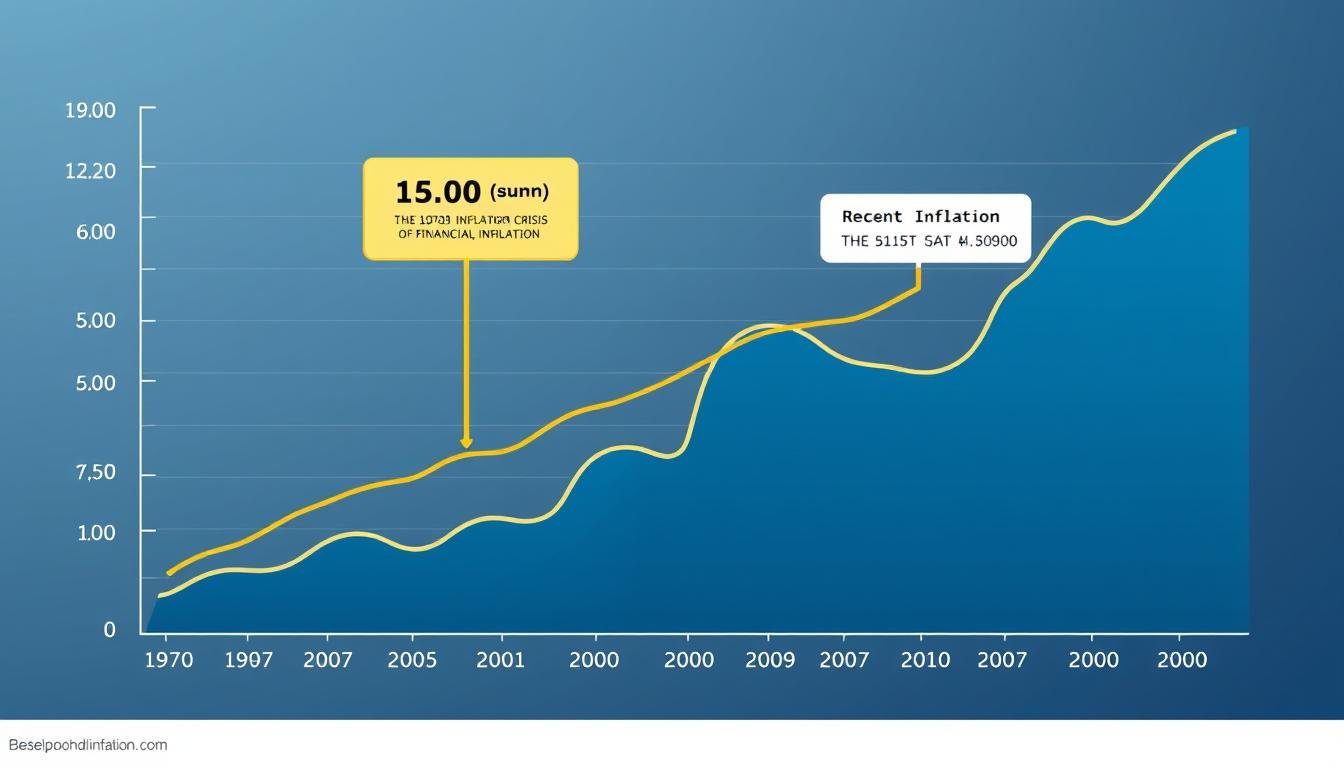
    Gold coins and bars with inflation impact on gold IRA chart in background

    The 1970s Inflation Crisis

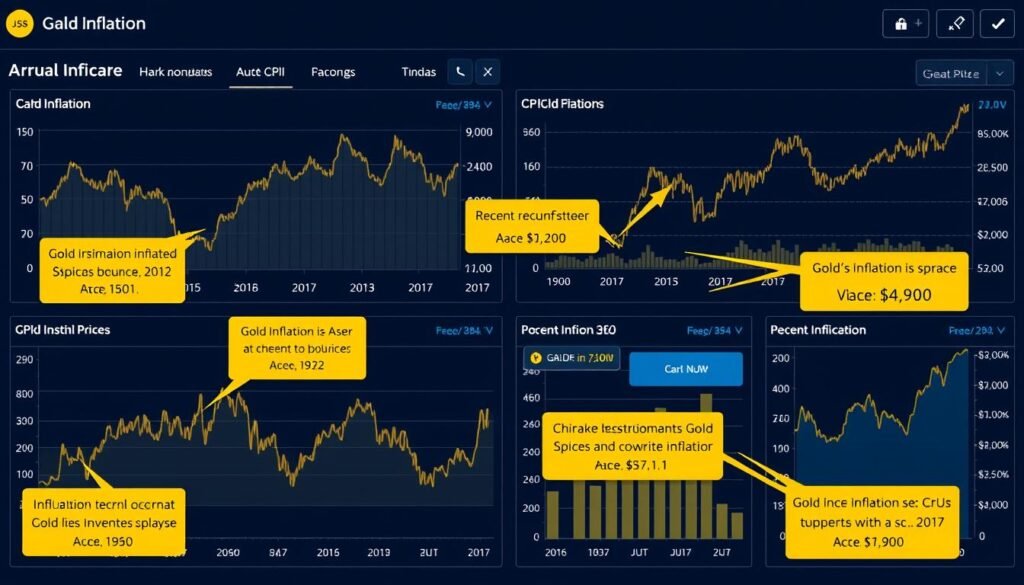
    The most dramatic example of gold’s inflation-fighting potential occurred during the 1970s stagflation era. As inflation soared to double-digit levels, gold prices skyrocketed from $35 per ounce in 1971 to over $850 by January 1980—a staggering 2,300% increase.

    During this same period, the purchasing power of the dollar declined significantly, and traditional investments struggled to keep pace with rising prices. Gold not only preserved wealth but substantially increased it, outpacing inflation by a considerable margin.

    Recent Inflationary Episodes

    More recent history also demonstrates gold’s response to inflation concerns. During the 2008 financial crisis and subsequent quantitative easing programs, gold prices climbed from around $700 to over $1,900 per ounce by 2011 as investors worried about potential inflation from expansionary monetary policies.

    Similarly, in 2020-2021, as governments worldwide implemented unprecedented stimulus measures to combat the economic effects of the pandemic, gold reached new all-time highs above $2,000 per ounce, reflecting concerns about future inflation.

    Inflationary Period Average Inflation Rate Gold Price Change S&P 500 Performance
    1973-1980 9.2% +1,700% +5.5%
    2007-2011 2.3% +170% -0.9%
    2020-2022 5.4% +25% +40%

    While gold doesn’t always move in perfect correlation with inflation rates in the short term, the historical data demonstrates its tendency to perform well during extended periods of currency devaluation and economic uncertainty.

    How Inflation Impacts Gold IRAs vs. Traditional IRAs
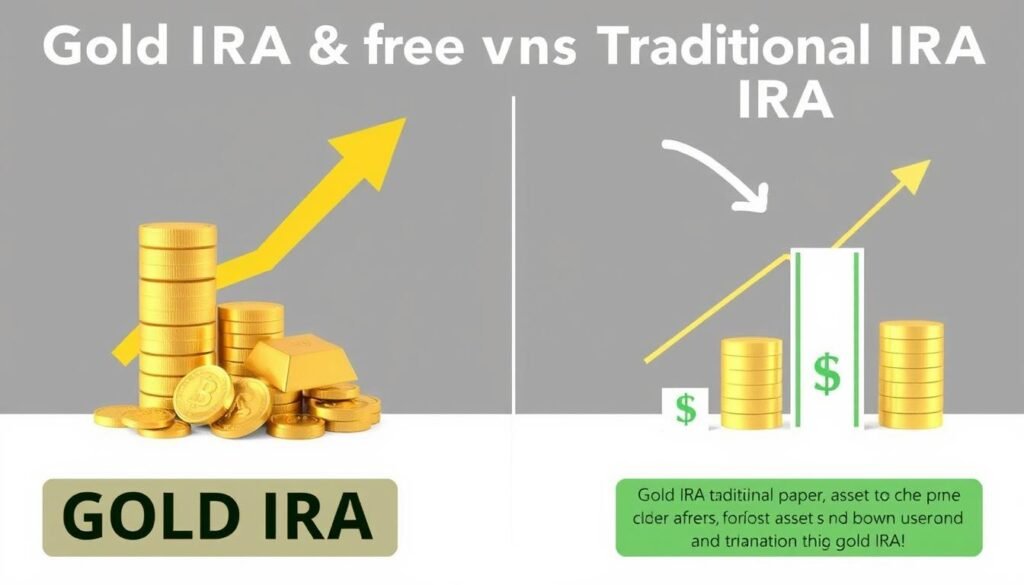
    Comparison of Gold IRA and Traditional IRA performance during inflation

    Different Asset Responses to Inflation

    Traditional IRAs typically hold paper assets like stocks, bonds, and mutual funds, each responding differently to inflation. Stocks may provide some inflation protection through company growth and price adjustments, but often experience volatility during inflationary periods. Bonds, particularly those with fixed rates, tend to lose value as inflation and interest rates rise.

    Gold IRAs, by contrast, hold physical precious metals that have historically maintained or increased in value during inflationary periods. The tangible nature of gold provides a direct hedge against currency devaluation, unlike paper assets that represent claims on future cash flows.

    Traditional IRA Inflation Challenges

    • Fixed-income investments lose purchasing power
    • Bond values decline as interest rates rise to combat inflation
    • Cash holdings rapidly erode in value
    • Stock market volatility increases during inflation uncertainty
    • Dividend yields may not keep pace with rising prices

    Gold IRA Inflation Advantages

    • Physical gold tends to appreciate during currency devaluation
    • Precious metals maintain intrinsic value regardless of monetary policy
    • Portfolio diversification reduces overall inflation risk
    • Protection from systemic financial risks during high inflation
    • Historical track record of preserving purchasing power

    Tax Considerations During Inflation

    Inflation creates “phantom gains” in traditional investments, where nominal returns may appear positive while real returns (adjusted for inflation) are negative. These phantom gains are still taxable in regular accounts, effectively increasing your tax burden while your purchasing power decreases.

    Both traditional and Gold IRAs offer tax-advantaged growth that helps combat this issue. However, Gold IRAs provide the additional benefit of holding assets that historically appreciate during inflation, potentially generating stronger real returns in inflationary environments.

    Concerned About Inflation’s Impact on Your Retirement?

    Speak with a precious metals specialist to receive a personalized analysis of how your current retirement portfolio might perform during sustained inflation. Our experts can help you determine if a Gold IRA is right for your financial situation.

    Request Your Free Portfolio Analysis

    Strategies for Optimizing Gold IRA Allocation During High Inflation

    Financial advisor helping client optimize Gold IRA portfolio for inflation protection

    Determining the Optimal Allocation

    Financial experts typically recommend allocating between 5-15% of your retirement portfolio to precious metals, with the specific percentage depending on your age, risk tolerance, and inflation outlook. During periods of high inflation or economic uncertainty, increasing this allocation toward the upper end of the range may provide additional protection.

    However, it’s crucial to maintain a balanced approach. While gold offers inflation protection, it doesn’t generate income like dividend stocks or interest-bearing investments. Your overall retirement strategy should include a mix of growth, income, and preservation assets.

    Diversifying Within Your Gold IRA

    A well-structured Gold IRA doesn’t have to contain only gold. IRS regulations allow for several types of precious metals, including silver, platinum, and palladium, each with unique properties and price movements.

    Precious Metal Inflation Response Volatility Recommended Allocation
    Gold Strong positive Moderate 60-70% of metals portfolio
    Silver Positive High 20-30% of metals portfolio
    Platinum Moderate positive High 5-10% of metals portfolio
    Palladium Variable Very high 0-5% of metals portfolio

    Timing Strategies During Inflationary Periods

    While trying to time any market perfectly is challenging, certain strategies can help optimize your Gold IRA during inflation:

    • Dollar-cost averaging: Rather than making a single large purchase, consider regularly adding to your Gold IRA over time to smooth out price volatility.
    • Inflation indicator monitoring: Watch key inflation metrics like the Consumer Price Index (CPI), Producer Price Index (PPI), and money supply growth to inform your allocation decisions.
    • Rebalancing: As gold prices rise during inflation, your allocation may become overweighted. Periodic rebalancing helps maintain your desired risk profile.
    • Product selection: During high inflation, focus on investment-grade bullion like American Eagles or Canadian Maple Leafs rather than numismatic or collector coins, which may not track inflation as effectively.
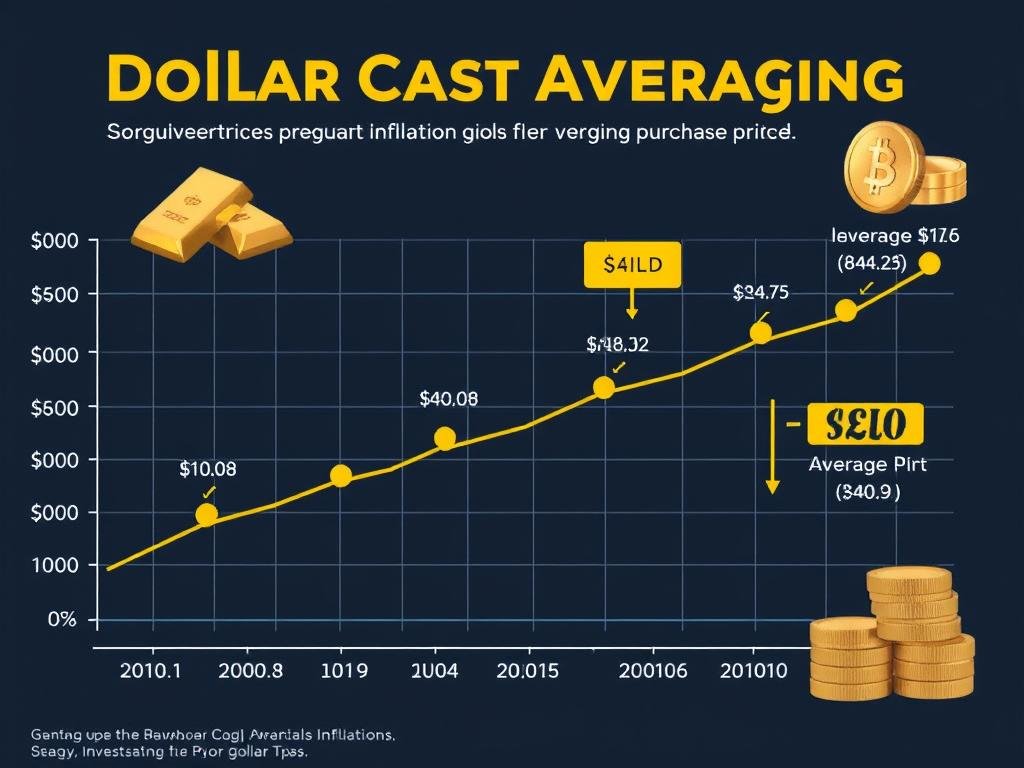
    Chart showing dollar-cost averaging strategy for Gold IRA investments during inflation

    Risks and Considerations When Using Gold as an Inflation Hedge

    Advantages of Gold During Inflation

    • Historical track record of preserving purchasing power
    • Physical asset not dependent on issuer promises
    • Limited supply that can’t be artificially expanded
    • Global demand independent of any single economy
    • Portfolio diversification benefits

    Challenges of Gold During Inflation

    • Price volatility in short-term periods
    • Storage and insurance costs reduce net returns
    • No income generation (dividends or interest)
    • Potential liquidity constraints
    • Higher fees compared to traditional investments

    Short-Term Volatility vs. Long-Term Preservation

    While gold has proven effective against inflation over long periods, its price can be volatile in the short term. Factors like interest rate changes, currency fluctuations, and market sentiment can cause significant price swings that don’t necessarily correlate with inflation data.

    Investors should view their Gold IRA as a long-term strategic holding rather than a tactical inflation response. The historical data shows that gold’s inflation-hedging properties become more reliable over extended timeframes of 5+ years.

    The Impact of Interest Rates

    The relationship between gold, inflation, and interest rates is complex. While inflation typically supports gold prices, rising interest rates to combat inflation can create headwinds for gold performance.

    Higher interest rates increase the opportunity cost of holding non-yielding assets like gold. When real interest rates (nominal rates minus inflation) turn positive, gold may underperform despite ongoing inflation. This dynamic creates situations where gold might lag during the early stages of inflation as central banks raise rates aggressively.
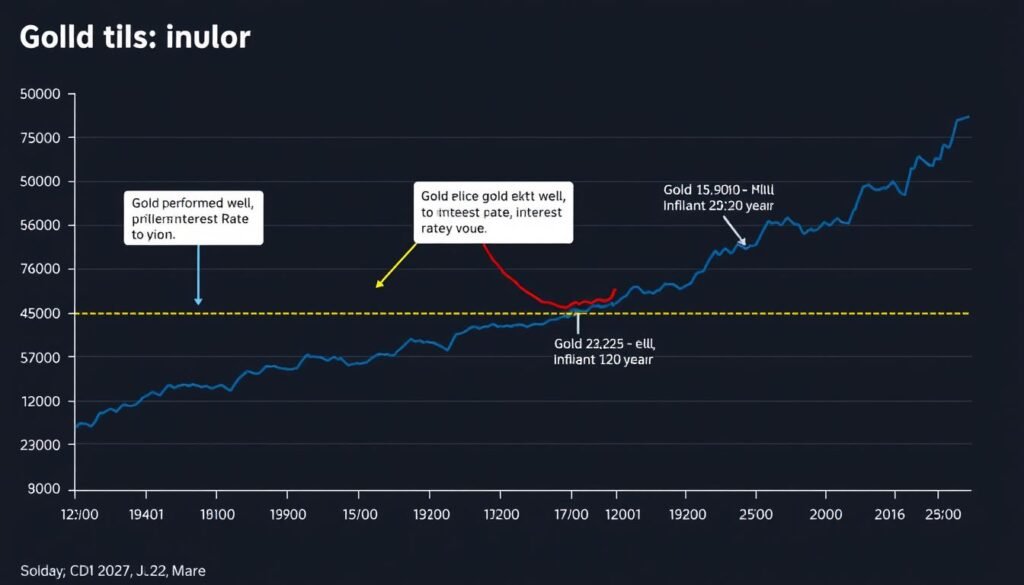
    Chart showing relationship between gold prices, inflation rates, and interest rates

    Custodial and Storage Considerations

    Gold IRAs require specialized custodians and secure storage solutions, which introduce additional costs and considerations not present with traditional IRAs. Annual fees typically include:

    • Custodian administration fees ($75-300 annually)
    • Storage fees ($100-300 annually, depending on holdings)
    • Insurance costs (often bundled with storage)
    • Transaction fees when buying or selling metals

    These ongoing expenses can reduce your effective returns, especially for smaller accounts. When evaluating a Gold IRA as an inflation hedge, factor these costs into your expected performance calculations.

    Practical Steps to Protect Your Retirement Savings

    Investor reviewing Gold IRA portfolio documents with financial advisor

    Evaluating Your Current Inflation Exposure

    Before making changes to your retirement strategy, assess your current portfolio’s inflation vulnerability:

    1. Review your asset allocation across all retirement accounts
    2. Identify fixed-income investments with set interest rates
    3. Calculate your exposure to inflation-sensitive sectors
    4. Determine your current precious metals allocation, if any
    5. Estimate your retirement timeframe and income needs

    This evaluation provides a baseline for understanding how inflation might affect your specific situation and helps determine the appropriate level of inflation protection needed.

    Setting Up or Converting to a Gold IRA

    If you decide a Gold IRA makes sense for your inflation protection strategy, you have several options:

    • New account setup: Establish a self-directed IRA with a custodian that specializes in precious metals
    • Partial rollover: Transfer a portion of an existing IRA or 401(k) to a Gold IRA
    • Full rollover: Convert an entire retirement account to a Gold IRA
    • Annual contributions: Make new contributions to an existing Gold IRA up to annual limits

    The rollover process typically involves selecting a custodian, completing transfer paperwork, choosing your precious metals, and arranging for secure storage. Most reputable Gold IRA companies will guide you through this process step by step.

    Selecting the Right Precious Metals Products

    Not all gold and silver products qualify for IRA inclusion. The IRS maintains specific requirements for purity and authenticity:

    Metal Purity Requirement Common Eligible Products
    Gold 99.5% pure (except American Eagles) American Eagles, Canadian Maple Leafs, Australian Kangaroos, Credit Suisse bars
    Silver 99.9% pure American Silver Eagles, Canadian Maple Leafs, Australian Kookaburras
    Platinum 99.95% pure American Platinum Eagles, Canadian Maple Leafs, Australian Platypus
    Palladium 99.95% pure Canadian Maple Leafs, PAMP Suisse bars

    Focus on widely recognized bullion products from reputable mints and refiners. These offer the best liquidity and most reliable tracking of precious metals prices, maximizing your inflation protection.

    Ongoing Management and Rebalancing

    Once established, your Gold IRA requires periodic review and management:

    • Monitor the percentage allocation of precious metals in your overall portfolio
    • Rebalance when allocations drift significantly from targets
    • Review storage and custodian fees annually to ensure competitive rates
    • Adjust your strategy as you approach retirement
    • Stay informed about inflation trends and monetary policy changes

    Remember that a Gold IRA works best as part of a comprehensive retirement strategy. Regular consultation with a financial advisor who understands both precious metals and retirement planning can help ensure your inflation protection strategy remains aligned with your overall financial goals.
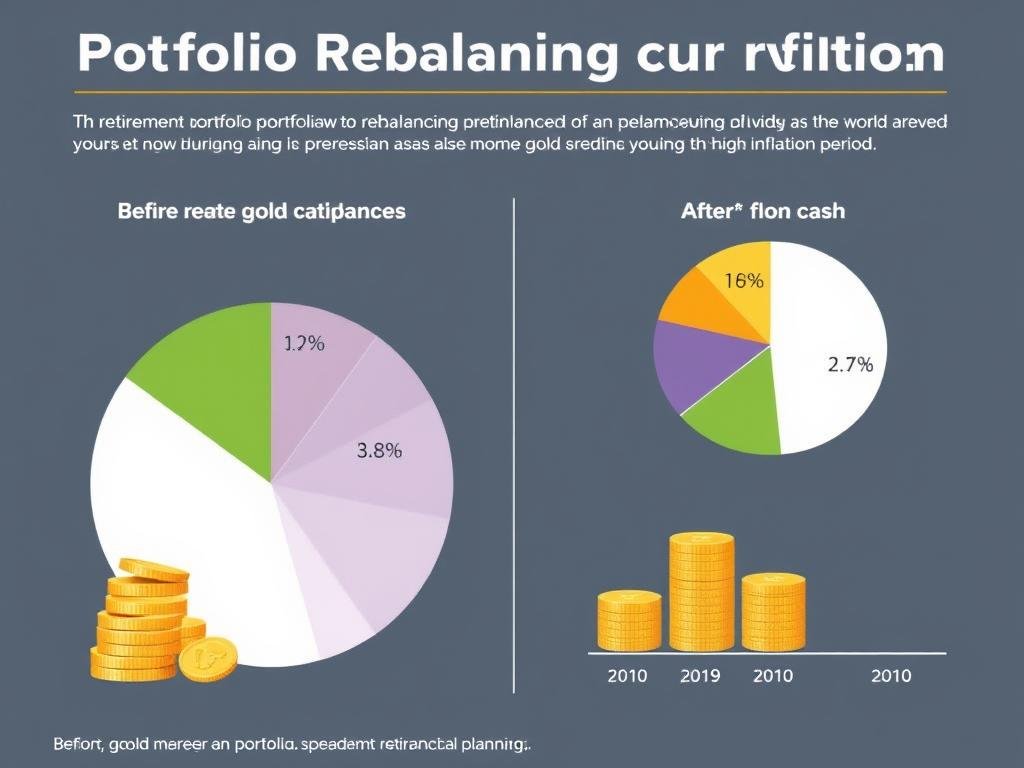
    Retirement portfolio rebalancing chart showing optimal Gold IRA allocation during inflation

    Conclusion: Balancing Inflation Protection with Overall Retirement Goals

    Inflation presents a genuine threat to retirement security, eroding purchasing power and undermining fixed-income investments. Gold IRAs offer a time-tested approach to combating this threat, providing both historical precedent and practical advantages for today’s retirement investors.

    However, effective inflation protection requires balance. While gold has proven its worth during inflationary periods, it performs best as part of a diversified strategy rather than a standalone solution. The optimal approach combines precious metals with other inflation-resistant assets like certain equities, TIPS, and real estate investments.

    As you consider how inflation might impact your retirement portfolio, remember that gold’s greatest strength lies in its long-term preservation of purchasing power. Short-term price movements may not always correlate with inflation data, but the historical record demonstrates gold’s ability to maintain real value across decades and economic cycles.

    By understanding both the potential and limitations of Gold IRAs as inflation hedges, you can make informed decisions that protect your retirement savings while still pursuing your broader financial goals.

    Protect Your Retirement From Inflation

    Download our comprehensive “2025 Inflation Protection Guide for Gold IRA Investors” to learn advanced strategies for safeguarding your retirement savings. This free resource includes portfolio allocation models, tax optimization techniques, and expert insights on timing your precious metals investments.


    We respect your privacy. Your information will never be shared or sold.

    Frequently Asked Questions About Inflation and Gold IRAs

    How effective is gold at protecting against inflation?

    Gold has demonstrated strong inflation-hedging properties over long time periods, particularly during sustained high inflation. During the 1970s inflation crisis, gold prices increased by over 1,700% while inflation averaged 9.2%. However, gold’s effectiveness can vary in shorter timeframes and is influenced by factors like interest rates, currency movements, and market sentiment.

    For retirement planning purposes, gold’s long-term track record of preserving purchasing power makes it a valuable component of an inflation protection strategy, though it works best as part of a diversified approach rather than a sole solution.

    What percentage of my retirement portfolio should be in a Gold IRA?

    Financial advisors typically recommend allocating between 5-15% of your retirement portfolio to precious metals, including gold. The specific percentage depends on factors like your age, risk tolerance, investment timeline, and inflation outlook.

    Investors closer to retirement or those particularly concerned about inflation might consider allocations toward the higher end of this range. However, because gold doesn’t generate income like dividends or interest, maintaining a balanced portfolio remains important for meeting retirement income needs.

    Can I hold both a traditional IRA and a Gold IRA simultaneously?

    Yes, you can maintain both traditional IRAs and Gold IRAs simultaneously. In fact, this approach often provides better diversification than converting all retirement assets to precious metals. You can also establish a single self-directed IRA that holds both conventional investments and precious metals if your custodian offers this option.

    Annual contribution limits apply across all your IRA accounts combined, not to each account individually. For 2023, the total contribution limit is ,500 (,500 if you’re 50 or older).

    How does the inflation impact on Gold IRAs compare to other inflation hedges?

    Gold IRAs offer several advantages compared to other inflation hedges. Unlike TIPS (Treasury Inflation-Protected Securities), gold isn’t directly tied to government inflation calculations, which some investors believe understate actual inflation. Gold also provides protection against currency devaluation that real estate and certain stocks may not offer during severe economic disruptions.

    However, gold lacks the income generation of dividend stocks or rental real estate. A comprehensive inflation protection strategy might include a mix of these assets, with gold serving as the “insurance policy” component that tends to perform best during serious economic dislocations.

    What are the tax implications of a Gold IRA during inflationary periods?

    Gold IRAs offer the same tax advantages as traditional or Roth IRAs, depending on which type you choose. With a Traditional Gold IRA, contributions may be tax-deductible, and growth is tax-deferred until withdrawal. With a Roth Gold IRA, contributions are made with after-tax dollars, but qualified withdrawals are tax-free.

    During inflation, these tax benefits become particularly valuable. Traditional investments in taxable accounts face “phantom gains” taxation, where nominal gains are taxed even if real returns (adjusted for inflation) are negative. The tax-advantaged structure of IRAs helps mitigate this issue, allowing your precious metals to serve as more effective inflation hedges.

    Additional Resources

    Understanding Gold IRA Rules

    Learn about IRS regulations, contribution limits, and required minimum distributions for Gold IRAs.

    Gold vs. Silver in Your IRA

    Compare the inflation-hedging properties of different precious metals for your retirement portfolio.

    Tax Strategies for Precious Metals

    Discover tax-efficient approaches to managing your precious metals investments during inflation.

  • How to Choose the Right Gold IRA Custodian for Your Budget

    How to Choose the Right Gold IRA Custodian for Your Budget

    Selecting the right Gold IRA custodian is a critical decision that directly impacts your retirement security and investment returns. While many investors focus solely on gold prices and investment potential, the custodian you choose can significantly affect your costs, service quality, and peace of mind. This comprehensive guide will help you navigate the process of finding a Gold IRA custodian that aligns with your financial constraints while still providing the essential services you need for a secure precious metals retirement investment.

    Why Your Gold IRA Custodian Choice Matters for Your Budget

    A Gold IRA custodian is a financial institution that oversees the assets in your precious metals IRA account. Unlike traditional IRAs that hold paper assets, Gold IRAs require specialized custodians approved by the IRS to handle physical precious metals. Your custodian will be responsible for IRS reporting, administering transactions and withdrawals, and managing depository paperwork.

    The custodian you select will directly impact your investment in several ways:

    • The fees you’ll pay annually and over the lifetime of your investment
    • The minimum investment required to open your account
    • The quality and security of the storage facilities used
    • The level of customer service and educational resources available
    • The transparency of pricing and fee structures

    Budget-conscious investors need to carefully balance cost considerations with service quality. The lowest-cost option isn’t always the best value if it comes with security risks or poor customer service. Conversely, the most expensive custodian doesn’t necessarily provide superior protection for your precious metals.

    Understanding Gold IRA Custodian Fee Structures

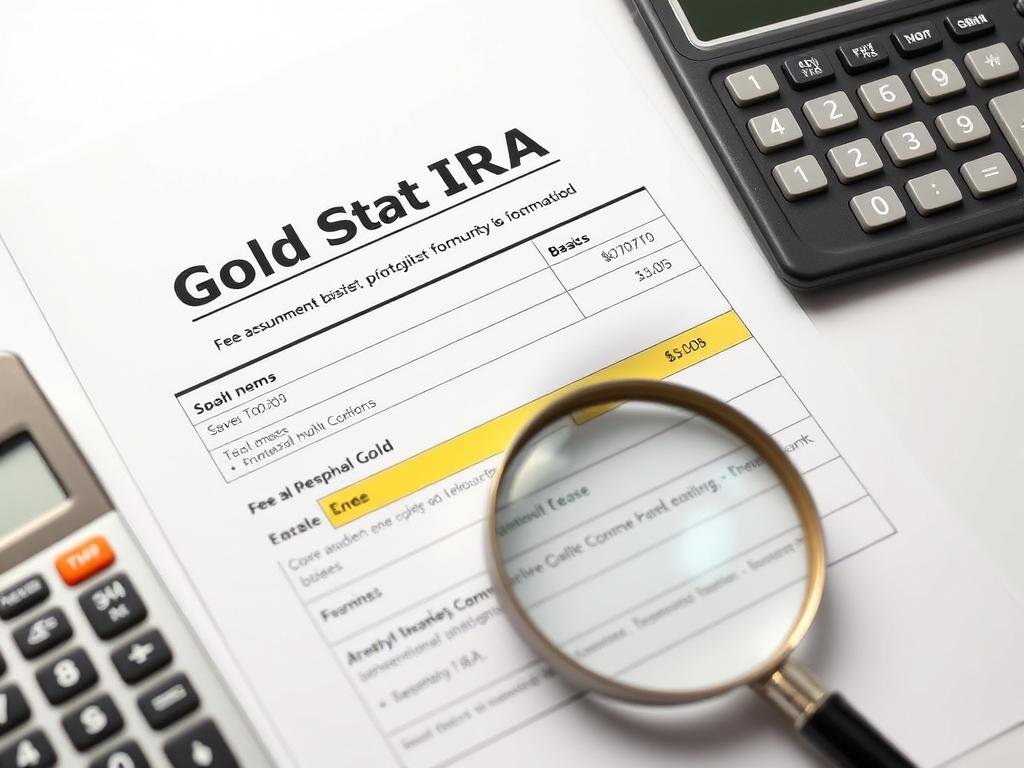
    Detailed fee structure document for Gold IRA with calculator and magnifying glass

    Before comparing custodians, you need to understand the typical fee categories that will impact your budget:

    Common Gold IRA Fees to Consider

    Fee Type Typical Range Payment Frequency Budget Impact
    Account Setup Fee $50-$300 One-time Low (one-time cost)
    Annual Maintenance Fee $75-$300 Annual High (recurring)
    Storage Fee $100-$300 Annual High (recurring)
    Transaction Fees $25-$50 per transaction Per transaction Medium (depends on activity)
    Wire Transfer Fee $20-$50 Per transfer Low (occasional)
    Early Withdrawal Penalty 10% of withdrawal amount Per early withdrawal High (if applicable)

    Fee Structure Types

    Flat Fee Structure

    Some custodians charge the same annual fees regardless of account size. This structure typically benefits investors with larger accounts, as the fee represents a smaller percentage of their total investment.

    Example: A $150 annual fee on a $50,000 investment equals 0.3% of assets annually, but the same fee on a $10,000 investment equals 1.5% of assets.

    Scaled Fee Structure

    Other custodians use a percentage-based fee that scales with your account value. This approach often benefits smaller investors initially but can become more expensive as your account grows.

    Example: A 0.5% annual fee on a $10,000 investment equals $50, but the same percentage on a $100,000 investment would be $500.

    Budget Tip: When comparing custodians, calculate the total fees you’ll pay over 5, 10, and 20 years based on your expected investment amount. This long-term perspective often reveals significant cost differences that aren’t apparent when looking at individual fees.

    Minimum Investment Requirements and Budget Constraints

    Person reviewing Gold IRA investment minimums on different brochures

    Gold IRA custodians vary significantly in their minimum investment requirements, which is a critical consideration for budget-conscious investors:

    Typical Minimum Investment Tiers

    Entry-Level

    $5,000-$10,000

    Most accessible for new investors with budget constraints. May have higher percentage-based fees or fewer services.

    Mid-Range

    $10,000-$25,000

    Balance of accessibility and service quality. Often the sweet spot for value-conscious investors.

    Premium

    $25,000-$50,000+

    Higher minimums but may waive certain fees or offer enhanced services and dedicated representatives.

    Budget Considerations for Minimum Requirements

    When evaluating minimum investment requirements, consider these budget-related factors:

    • Fee waiver thresholds: Some custodians waive first-year fees for accounts above certain thresholds (typically $25,000-$50,000).
    • Rollover vs. new contribution: If you’re rolling over an existing retirement account, you may already meet higher minimums that provide better fee structures.
    • Growth plans: If you plan to make regular contributions, starting with a custodian that accommodates smaller initial investments but offers competitive fees for larger accounts may be advantageous.

    “The right minimum investment level for your Gold IRA should align with both your current budget constraints and your long-term retirement goals. Don’t overextend yourself financially just to meet a higher minimum, but also consider the long-term cost implications of your choice.”

    – Retirement Planning Expert

    Balancing Cost with Essential Services

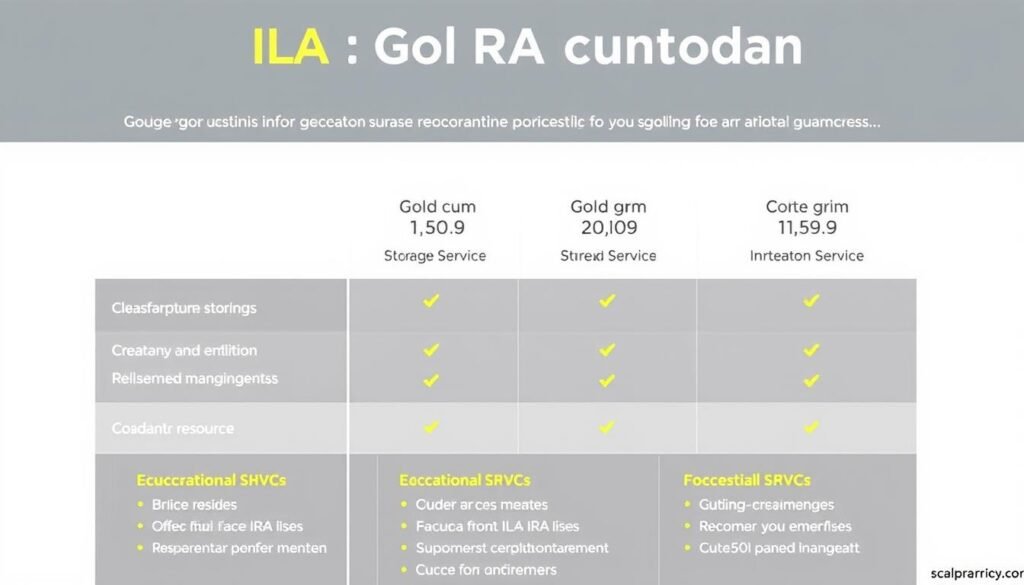
    Comparison of Gold IRA custodian services with price tags

    Finding the right Gold IRA custodian for your budget isn’t just about identifying the lowest fees—it’s about maximizing value. Here’s how to evaluate what services are essential versus optional based on your specific needs:

    Essential Services Worth Paying For

    Worth the Investment

    • Secure storage: Never compromise on the security of your physical gold storage. IRS-approved depositories with full insurance are essential.
    • Transparent fee structure: Clear, upfront pricing without hidden fees protects your budget long-term.
    • IRS compliance expertise: Proper tax reporting and compliance prevent costly penalties.
    • Basic customer support: Access to knowledgeable representatives when you have questions or need to make transactions.
    • Buyback program: The ability to sell your metals back to the company at competitive rates when needed.

    Potential Cost-Saving Areas

    • Premium customer service: While responsive service is important, dedicated account managers may be an unnecessary expense for some investors.
    • Advanced online dashboards: Basic account access may suffice if you’re not an active trader.
    • Segregated storage: While offering additional peace of mind, non-segregated storage in the same secure facility is often significantly less expensive.
    • Extensive educational resources: These can be valuable but are often available for free from other sources.
    • Brand premium: Some well-known custodians charge higher fees primarily for their name recognition.

    Service Evaluation Framework

    Use this framework to evaluate whether a custodian’s services justify their fees for your specific situation:

    Service Feature Questions to Ask Budget Impact
    Storage Options Is segregated storage offered? What security measures are in place? Is full insurance included? High – Never compromise on security, but consider whether segregated storage is necessary for your needs.
    Customer Support What are the support hours? Is there a dedicated representative? What’s the typical response time? Medium – Basic responsive support is essential, but premium service may be optional.
    Educational Resources Are market updates provided? Are there guides for tax implications? Is there retirement planning assistance? Low – Valuable but often available from free sources.
    Transaction Process How easy is it to buy/sell metals? What are the transaction fees? How long do transactions take? Medium – Efficiency matters, but frequency of transactions affects overall importance.
    Buyback Program Is there a guaranteed buyback? What are the terms? How do prices compare to market rates? High – Essential for liquidity and potentially significant financial impact when selling.

    Identifying Red Flags and Hidden Costs

    Warning signs and red flags in Gold IRA custodian contracts

    Budget-conscious investors need to be particularly vigilant about identifying potential red flags and hidden costs when selecting a Gold IRA custodian. Here are key warning signs to watch for:

    Common Red Flags in Fee Structures

    • Vague fee descriptions: Terms like “administrative fees” or “service charges” without specific amounts or clear explanations.
    • Escalating fee schedules: Fees that increase significantly after an introductory period.
    • Unusually low advertised fees: If it seems too good to be true, it often is—look for hidden charges elsewhere.
    • High-pressure sales tactics: Reputable custodians don’t rush your decision or use aggressive sales techniques.
    • Lack of fee transparency on websites: Having to call to get basic fee information is often a warning sign.

    Hidden Costs to Investigate

    Magnifying glass revealing hidden fees in Gold IRA contract fine print

    Beyond the obvious fees, investigate these potential hidden costs before committing:

    Transaction Spread Markups

    Some custodians make significant profit on the spread between buying and selling prices of precious metals. Request information about their pricing compared to spot prices.

    Insurance Limitations

    Verify exactly what is covered by included insurance and whether there are additional costs for full coverage of your specific holdings.

    Account Closure Fees

    Some custodians charge substantial fees ($150-$500) to close your account or transfer assets to another custodian.

    Inactivity Fees

    Fees charged if you don’t make transactions within a certain period, which can silently erode your investment.

    Warning: Always request a complete fee schedule in writing before opening an account. Ask specifically about any fees not listed in marketing materials, including potential future fee increases.

    Strategies for Comparing Gold IRA Custodians

    Person comparing multiple Gold IRA custodian options on computer and documents

    Use these practical strategies to effectively compare Gold IRA custodians while keeping your budget in mind:

    Create a Standardized Comparison Framework

    Develop a consistent method to compare custodians across the same criteria:

    Comparison Category What to Document
    Total First-Year Costs Setup fee + Annual maintenance fee + Storage fee + Estimated transaction fees
    Ongoing Annual Costs Annual maintenance fee + Storage fee + Typical transaction fees
    Minimum Requirements Initial investment minimum + Any ongoing balance requirements
    Storage Options Segregated vs. non-segregated costs + Location options + Security features
    Exit Costs Account closure fees + Metal liquidation terms + Transfer fees

    Effective Research Techniques

    Person researching Gold IRA custodian reviews and ratings online
    • Request written quotes: Get detailed fee schedules in writing from each custodian you’re considering.
    • Calculate long-term costs: Project total costs over 5, 10, and 20 years based on your expected investment amount.
    • Check regulatory standing: Verify the custodian is IRS-approved and in good standing with regulatory bodies.
    • Review independent ratings: Check Better Business Bureau ratings and reviews from independent financial sites.
    • Ask about fee waiver thresholds: Many custodians waive certain fees for larger accounts or offer promotions for new accounts.

    Pro Tip: Create a simple spreadsheet to track all fees and services across different custodians. Include columns for one-time fees, annual fees, and special circumstances like account closure costs.

    Assessing Your Budget and Investment Goals

    Person calculating retirement budget and Gold IRA investment goals

    Before selecting a Gold IRA custodian, take time to clearly define your budget constraints and investment goals:

    Budget Assessment Questions

    What is your initial investment capacity?
    Determine the maximum amount you can comfortably invest initially without compromising other financial needs. This will help you identify custodians with appropriate minimum requirements.

    What percentage of your retirement portfolio will be in precious metals?
    Financial advisors typically recommend allocating 5-15% of your retirement portfolio to precious metals. This allocation helps determine whether a Gold IRA should be your primary retirement vehicle or a diversification strategy.

    What is your timeline for this investment?
    Longer investment horizons may justify higher initial setup costs if ongoing fees are lower. Short-term investments may prioritize liquidity and lower exit fees.

    How actively will you manage your Gold IRA?
    If you plan frequent transactions, prioritize custodians with lower transaction fees. If you’ll primarily “buy and hold,” annual maintenance fees become more important than transaction costs.

    Aligning Budget with Investment Goals

    For Smaller Initial Investments ($5,000-$15,000)

    • Prioritize custodians with lower minimum requirements
    • Look for percentage-based fees rather than flat fees
    • Consider custodians that offer fee waivers for automatic contributions
    • Focus on essential services and forgo premium features

    For Larger Initial Investments ($25,000+)

    • Prioritize custodians with flat fee structures
    • Look for fee waivers available at higher account values
    • Consider custodians that offer premium services like segregated storage
    • Negotiate fee reductions for larger accounts (many custodians will accommodate)

    Step-by-Step Action Plan for Choosing Your Gold IRA Custodian

    Organized step-by-step checklist for selecting a Gold IRA custodian

    Follow this systematic approach to find the right Gold IRA custodian for your budget:

    1. Define your investment parameters

      Determine your initial investment amount, timeline, and the percentage of your portfolio you’ll allocate to precious metals.

    2. Research potential custodians

      Create a list of 5-7 custodians that appear to match your budget requirements based on initial research.

    3. Request detailed fee information

      Contact each custodian to request a complete fee schedule in writing, including all potential charges.

    4. Create a comparison spreadsheet

      Document all fees, services, and requirements in a standardized format for easy comparison.

    5. Calculate long-term costs

      Project the total cost of each custodian over 5, 10, and 20 years based on your expected investment amount.

    6. Verify credentials and reputation

      Check Better Business Bureau ratings, regulatory standing, and independent reviews for each finalist.

    7. Ask specific questions

      Contact your top 2-3 choices with specific questions about their services, storage options, and any potential fee waivers.

    8. Make your selection

      Choose the custodian that offers the best balance of cost, service, and security for your specific needs.

    Person finalizing Gold IRA custodian selection with documents and calculator

    Budget-Friendly Tip: Many Gold IRA custodians offer promotional deals for new accounts, including waived first-year fees or reduced minimum investments. Ask specifically about current promotions when contacting potential custodians.

    Making Your Final Decision: Balancing Cost and Value

    Choosing the right Gold IRA custodian for your budget requires balancing immediate cost concerns with long-term value. Remember that the lowest-cost option isn’t always the best choice if it compromises security or service quality. Similarly, the most expensive option may include premium services you’ll never use.

    The ideal custodian for your budget will offer transparent fees, appropriate minimum investment requirements, essential security measures, and responsive customer service—all at a cost that allows your precious metals investment to grow effectively over time.

    By following the strategies outlined in this guide and conducting thorough research, you can find a Gold IRA custodian that aligns with both your financial constraints and your retirement goals. This careful selection process is an investment in itself—one that can save you thousands of dollars over the life of your Gold IRA while ensuring your precious metals are secure and properly managed.

    Ready to Find Your Perfect Gold IRA Custodian?

    Our team of precious metals specialists can help you identify Gold IRA custodians that match your budget requirements and investment goals. Request our free Gold IRA Information Kit to learn more about custodian options, fee comparisons, and strategies for maximizing your precious metals investment.

    Request Free Gold IRA Guide

    Or speak with a Gold IRA specialist today:

    (800) 123-4567

  • Is a Gold IRA Safe During a Recession? A Comprehensive Guide

    Is a Gold IRA Safe During a Recession? A Comprehensive Guide

    Economic uncertainty has become a constant concern for retirement investors. Market volatility, inflation fears, and recession warnings have many Americans searching for safe havens to protect their hard-earned savings. Precious metals, particularly gold, have historically served as a refuge during economic downturns. But is a gold IRA truly safe during a recession?

    This comprehensive guide examines how gold IRAs perform during economic turbulence, their advantages and limitations, and practical steps to determine if this investment strategy aligns with your retirement goals. Whether you’re concerned about the next recession or simply looking to diversify your retirement portfolio, understanding gold’s role as a potential safety net is essential in today’s uncertain economic landscape.

    What Is a Gold IRA and How Does It Work?

    A Gold IRA is a self-directed individual retirement account that allows you to hold physical precious metals like gold, silver, platinum, and palladium instead of traditional paper assets. Unlike conventional IRAs that typically invest in stocks, bonds, and mutual funds, a Gold IRA gives you the ability to own physical gold coins and bars within a tax-advantaged retirement account.

    These specialized retirement accounts function under the same basic tax rules as traditional or Roth IRAs. The key difference is that instead of holding paper assets, your retirement funds are used to purchase IRS-approved precious metals that are then stored in a secure, IRS-compliant depository.

    How Gold IRAs Work

    Setting up a Gold IRA involves working with three key parties: a custodian, a precious metals dealer, and a depository. The custodian is an IRS-approved financial institution that administers your account. The dealer provides the actual gold products, and the depository securely stores your precious metals.

    Most Gold IRAs are established through a rollover or transfer from an existing retirement account such as a 401(k), 403(b), or traditional IRA. This process allows you to move funds without triggering tax penalties when done correctly.

    Protect Your Retirement From Economic Uncertainty

    Learn how a Gold IRA can safeguard your savings during market volatility and recession.

    Download Free Gold IRA Guide

    Historical Performance of Gold During Past Recessions

    Gold’s reputation as a safe haven during economic downturns is supported by its historical performance during past recessions. Understanding how gold has behaved during previous economic crises provides valuable insight into its potential as a protective asset during future downturns.

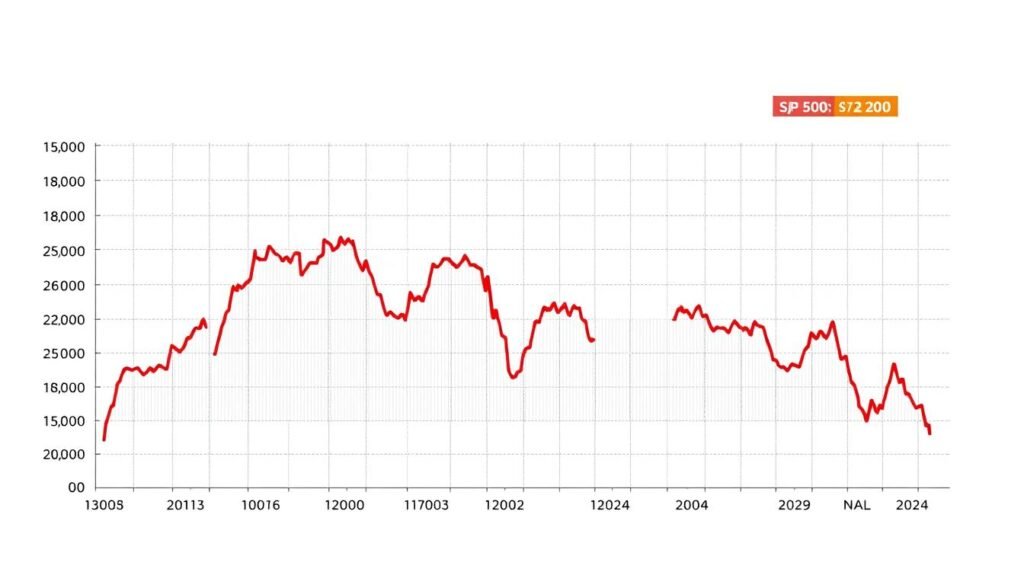
    Chart showing gold price performance during the 2008 and 2020 recessions compared to stock market indices

    The 2008 Great Recession

    During the 2008 financial crisis, when markets lost over 50% of their value, gold demonstrated its resilience by gaining approximately 25%. As stock markets plummeted and housing prices collapsed, gold prices climbed from around $800 per ounce in 2008 to over $1,900 by 2011, representing one of the most significant bull runs in gold’s modern history.

    This performance illustrated gold’s negative correlation with traditional markets during severe economic stress. While banks failed and retirement accounts suffered devastating losses, gold investors saw their holdings increase in value, providing a crucial buffer against the broader market collapse.

    The COVID-19 Recession (2020)

    The pandemic-induced recession of 2020 again highlighted gold’s role as a crisis hedge. As global markets experienced unprecedented volatility in March 2020, gold initially dipped along with other assets but quickly recovered. From March to August 2020, gold prices surged from approximately $1,500 to a record high of over $2,000 per ounce – a 33% increase while many businesses were still struggling to recover.

    This rapid price appreciation occurred while interest rates were slashed to near-zero and trillions in stimulus money entered the economy, conditions that historically benefit precious metals as inflation hedges.

    Recession Period S&P 500 Performance Gold Performance Bonds (10-Year Treasury) Performance
    2001 Dot-com Bubble -11.9% +5.6% +7.9%
    2008 Great Recession -56.8% +25.5% +20.1%
    2020 COVID-19 -33.9% (initial drop) +33.1% (March-August) +9.3%

    These historical patterns suggest that gold often moves independently of traditional financial markets during economic crises, potentially offering portfolio protection when it’s most needed. However, past performance doesn’t guarantee future results, and gold’s behavior can vary based on the specific nature of each economic downturn.

    Key Safety Advantages of Gold IRAs During Market Downturns

    Investor reviewing gold IRA portfolio during market volatility, showing gold's stability during recession

    Gold IRAs offer several distinct advantages that can help protect retirement savings during economic downturns. Understanding these benefits is crucial when evaluating whether a Gold IRA might be appropriate for your retirement strategy.

    Advantages of Gold IRAs During Recessions

    • Portfolio Diversification – Gold typically has a low or negative correlation with stocks and bonds, potentially reducing overall portfolio volatility.
    • Inflation Protection – Gold has historically maintained purchasing power during inflationary periods that often accompany or follow recessions.
    • Currency Devaluation Hedge – When governments print money during economic crises, gold often appreciates as currency values decline.
    • Tangible Asset Ownership – Physical gold provides a real asset that exists outside the financial system, reducing counterparty risk.
    • Global Recognition – Gold maintains universal value regardless of any single country’s economic conditions.

    Potential Drawbacks to Consider

    • Storage Fees – Required secure storage adds ongoing costs not present with paper assets.
    • No Income Generation – Unlike dividend stocks or bonds, gold doesn’t produce income or interest.
    • Price Volatility – While generally stable during crises, gold can experience short-term price fluctuations.
    • Premium Costs – Purchasing physical gold involves dealer premiums above spot price.
    • Liquidity Considerations – Converting physical gold to cash can take longer than selling stocks or bonds.

    Protection Against Market Correlation

    According to a study by the World Gold Council, gold has maintained a long-term correlation of just 0.01 with the S&P 500 index (where 1.0 would indicate perfect correlation). This statistical independence means that when stock markets plummet during recessions, gold often moves in the opposite direction or remains stable.

    As J.P. Morgan Asset Management noted in their 2022 report: “Gold has proven its effectiveness as a portfolio diversifier during periods of financial stress, typically performing well when confidence in the financial system and paper currencies is declining.”

    Discover How Gold Can Protect Your Retirement

    Learn the strategies successful investors use to safeguard their savings with precious metals.

    Get Your Free Gold IRA Guide

    Potential Risks and Limitations to Consider

    Investor weighing gold coins against financial documents, symbolizing the risks and rewards of Gold IRAs during recession

    While Gold IRAs offer significant benefits during economic downturns, they also come with certain risks and limitations that investors should carefully consider before committing their retirement funds.

    Price Volatility Despite Safe Haven Status

    Although gold often performs well during recessions, it can experience significant short-term price fluctuations. During the initial shock of the COVID-19 pandemic in March 2020, gold prices temporarily dropped alongside stocks before rebounding strongly. This demonstrates that gold isn’t immune to market panic, particularly when investors need to liquidate assets quickly to cover losses elsewhere.

    Costs Associated with Gold IRAs

    Gold IRAs typically involve higher fees than traditional retirement accounts. These can include setup fees, annual administrative costs, storage fees for the physical gold, and insurance expenses. Additionally, when purchasing physical gold, investors pay a premium above the spot price, which can range from 5-10% depending on the product and dealer.

    These costs can impact your overall returns, especially during periods when gold prices remain relatively stable. It’s important to calculate the total expense ratio of a Gold IRA and compare it to alternatives before investing.

    Regulatory and Storage Requirements

    The IRS has strict requirements regarding the types of gold that can be held in an IRA and how it must be stored. Not all gold products qualify for IRA investment, and those that do must be stored in an approved depository—not in your home or personal safe deposit box. Violating these rules can result in significant tax penalties and disqualification of your IRA status.

    As with any investment strategy, diversification remains crucial. Financial advisors typically recommend limiting precious metals exposure to 5-15% of your overall retirement portfolio, depending on your age, risk tolerance, and financial goals.

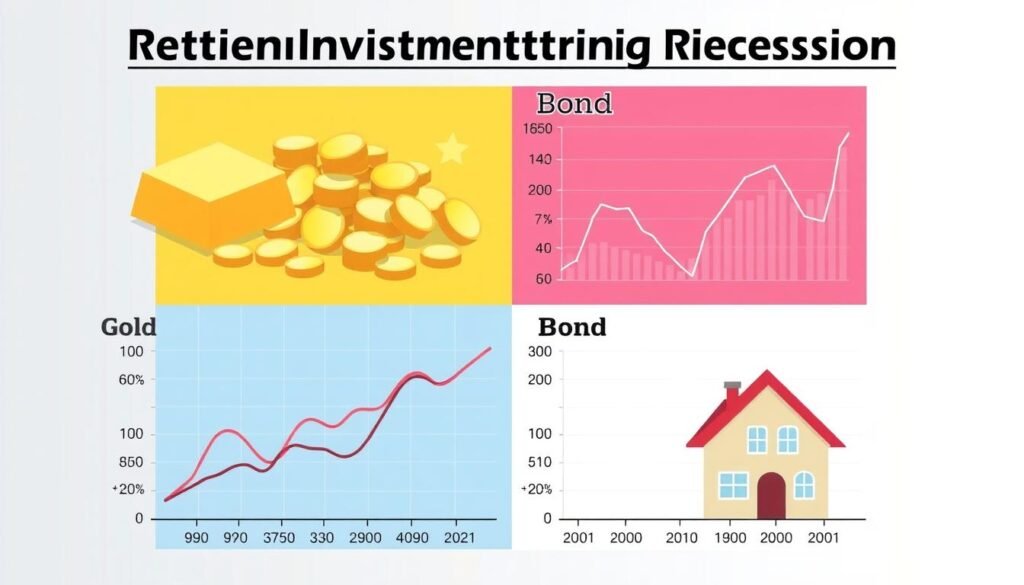
    Gold IRAs vs. Other Retirement Options During Recessions

    Comparison of different retirement investments during recession showing gold, stocks, bonds, and real estate performance

    Understanding how different retirement investment options perform during economic downturns can help you make more informed decisions about portfolio allocation. Here’s how Gold IRAs compare to other common retirement vehicles during recessions:

    Feature Gold IRA Traditional IRA (Stocks/Bonds) Roth IRA
    Typical Recession Performance Often appreciates or remains stable Usually experiences significant losses Depends on underlying investments
    Inflation Protection Strong historical protection Limited unless holding TIPS Tax-free withdrawals provide some protection
    Income Generation None Dividends and interest possible Dividends and interest possible
    Tax Treatment Traditional or Roth options available Tax-deferred growth, taxable withdrawals Tax-free growth and qualified withdrawals
    Liquidity During Crisis Moderate (requires physical sale) High for most securities High for most securities

    Real Estate vs. Gold During Recessions

    Real estate investments, including REITs (Real Estate Investment Trusts), often suffer during recessions as property values decline and rental income becomes less reliable. During the 2008 financial crisis, the real estate market collapsed, with the Case-Shiller Home Price Index dropping nearly 33% nationwide.

    In contrast, gold appreciated significantly during this same period. However, real estate typically provides ongoing income through rents, while gold does not generate income. Both assets are tangible but have different liquidity profiles and capital requirements.

    Cash and Treasury Bonds During Downturns

    Cash and high-quality government bonds typically provide stability during recessions but may lose purchasing power to inflation. During the 2020 COVID-19 recession, the Federal Reserve cut interest rates to near zero, resulting in minimal returns for cash holdings while inflation began to rise.

    Treasury Inflation-Protected Securities (TIPS) offer some inflation protection but generally provide lower returns than gold during high-inflation periods. During the 1970s stagflation era, gold vastly outperformed inflation-indexed bonds.

    Expert Opinions on Gold IRAs During Economic Uncertainty

    Financial experts discussing gold investment strategies during recession at a conference panel

    Financial experts offer varying perspectives on the role of gold in retirement portfolios during economic uncertainty. Understanding these expert viewpoints can provide valuable context for your own investment decisions.

    “Gold should be viewed as an insurance policy rather than a growth investment. During periods of severe market stress, a 5-10% allocation to gold has historically improved portfolio resilience while reducing overall volatility.”

    — Ray Dalio, Founder of Bridgewater Associates

    Ray Dalio, founder of the world’s largest hedge fund, has long advocated for gold as part of a well-balanced portfolio. He suggests that a modest allocation to gold can provide crucial diversification during economic crises when traditional assets become highly correlated.

    “While gold has served as a store of value for thousands of years, investors should be cautious about overallocating to any single asset class. Gold IRAs can play a defensive role in retirement planning, but they should complement rather than replace traditional retirement vehicles.”

    — Suze Orman, Personal Finance Expert

    Personal finance expert Suze Orman recommends considering gold as part of a diversified retirement strategy, particularly for those concerned about economic instability. However, she cautions against emotional decision-making during market panics and emphasizes the importance of maintaining a long-term perspective.

    According to a 2022 survey by the World Gold Council, 67% of professional investment advisors believe that gold is an effective portfolio diversifier during economic downturns, while 55% specifically recommend it as a hedge against inflation—a common concern during and after recessions.

    Expert Insights at Your Fingertips

    Get professional advice on how to incorporate gold into your retirement strategy.

    Download Free Gold IRA Guide

    Step-by-Step Guide to Setting Up a Gold IRA

    Step-by-step process of setting up a Gold IRA with documents, gold coins, and a digital application

    If you’ve decided that a Gold IRA might be appropriate for your retirement strategy, particularly as a hedge against recession, here’s a comprehensive guide to establishing your account:

    1. Choose a Reputable Gold IRA Custodian

    The first and most crucial step is selecting a trustworthy custodian that specializes in precious metals IRAs. Look for companies with:

    • A long track record in the industry (preferably 10+ years)
    • Strong ratings from the Better Business Bureau and Trustpilot
    • Transparent fee structures with no hidden costs
    • Educational resources rather than high-pressure sales tactics
    • Established relationships with reputable depositories

    Leading custodians include Equity Trust, Kingdom Trust, and New Direction IRA, though many gold dealers work with preferred custodians and can facilitate the entire process.

    2. Open and Fund Your Self-Directed IRA

    Once you’ve selected a custodian, you’ll need to complete their application process to establish your self-directed IRA. This typically involves:

    • Completing account application forms
    • Choosing between a Traditional or Roth IRA structure
    • Funding your account through a rollover, transfer, or contribution

    If you’re rolling over funds from an existing retirement account like a 401(k) or traditional IRA, your custodian will provide the necessary paperwork to initiate this process. Be careful to follow IRS guidelines for rollovers to avoid potential tax penalties.

    3. Select Your Precious Metals

    After your account is funded, you’ll work with a precious metals dealer to select IRS-approved gold products for your IRA. The IRS has specific requirements for gold held in IRAs:

    • Gold must be 99.5% pure (24 karat) with few exceptions
    • Approved coins include American Gold Eagles, Canadian Gold Maple Leafs, and Australian Gold Kangaroos
    • Gold bars and rounds must be produced by an accredited refiner/manufacturer
    • Rare or collectible coins are generally not permitted

    Your dealer should be able to guide you through the selection process and recommend products that meet IRS requirements while aligning with your investment goals.

    4. Complete the Purchase and Arrange Storage

    Once you’ve selected your precious metals, your custodian will complete the purchase using funds from your IRA. The metals will then be shipped directly to an IRS-approved depository for secure storage. You cannot take personal possession of the gold without triggering a taxable distribution.

    Reputable depositories include Delaware Depository, Brink’s Global Services, and International Depository Services. Your custodian will typically have established relationships with one or more of these facilities.

    Secure gold storage facility showing vault and security measures for Gold IRA assets during recession

    5. Maintain and Monitor Your Account

    After your Gold IRA is established, you’ll receive regular account statements from your custodian. It’s important to:

    • Review statements for accuracy
    • Stay informed about gold market trends
    • Periodically reassess your allocation to ensure it aligns with your retirement goals
    • Understand the rules for required minimum distributions (RMDs) if applicable

    Most custodians provide online account access that allows you to monitor your holdings and make adjustments as needed.

    IRS Regulations and Storage Requirements for Gold IRAs

    IRS regulations document next to properly stored gold coins in an approved depository for Gold IRAs

    Understanding and adhering to IRS regulations is crucial for maintaining the tax-advantaged status of your Gold IRA. Failure to comply with these requirements can result in significant penalties and the disqualification of your retirement account.

    Approved Precious Metals

    The IRS has specific requirements regarding the types and purity of precious metals that can be held in an IRA:

    • Gold: Must be 99.5% pure (24 karat), with exceptions for certain coins like American Gold Eagles
    • Silver: Must be 99.9% pure
    • Platinum: Must be 99.95% pure
    • Palladium: Must be 99.95% pure

    Collectible coins, rare coins, and certain bullion products that don’t meet these purity standards are not permitted in a Gold IRA.

    Storage Requirements

    Perhaps the most stringent IRS requirement concerns the storage of precious metals held in an IRA:

    • Metals must be stored in an IRS-approved depository
    • Personal possession of the metals is prohibited
    • Home storage or personal safe deposit boxes are not permitted
    • The depository must provide regular statements and valuations

    Some companies market “home storage” Gold IRAs, but these arrangements typically violate IRS regulations and can result in the entire account being treated as a distribution, triggering taxes and penalties.

    Contribution Limits and Required Minimum Distributions

    Gold IRAs are subject to the same contribution limits as other IRAs: $6,500 for 2023 ($7,500 if you’re age 50 or older). Additionally, traditional Gold IRAs are subject to required minimum distributions (RMDs) beginning at age 73, which can complicate matters since physical gold must be valued and potentially liquidated to satisfy these requirements.

    Roth Gold IRAs, however, are not subject to RMDs during the owner’s lifetime, which may make them more attractive for those concerned about having to liquidate gold holdings during unfavorable market conditions.

    Important: Always consult with a tax professional before establishing a Gold IRA to ensure you understand all applicable regulations and potential tax implications. The rules governing these specialized retirement accounts can be complex and are subject to change.

    Conclusion: Is a Gold IRA Right for Your Recession Strategy?

    Investor confidently reviewing diversified portfolio with gold investments during economic uncertainty

    The question of whether a Gold IRA is safe during a recession doesn’t have a one-size-fits-all answer. Historical data suggests that gold often performs well during economic downturns, providing a potential hedge against market volatility and inflation. However, like any investment strategy, Gold IRAs come with both advantages and limitations that must be carefully weighed against your personal financial situation and retirement goals.

    Key Takeaways

    • Gold has historically demonstrated value as a portfolio diversifier during economic crises, often moving independently of stocks and bonds.
    • A modest allocation to gold (typically 5-15% of your portfolio) may provide stability during market turbulence without overexposing you to a single asset class.
    • The costs associated with Gold IRAs—including storage fees, insurance, and purchase premiums—should be factored into your expected returns.
    • Strict IRS regulations govern Gold IRAs, particularly regarding approved metals and storage requirements.
    • Gold IRAs work best as part of a diversified retirement strategy rather than as a standalone solution.

    For those concerned about economic uncertainty, inflation risks, or seeking greater portfolio diversification, a Gold IRA may be worth considering. However, it’s essential to approach this decision with a clear understanding of both the potential benefits and limitations.

    Before making any investment decisions, consult with a qualified financial advisor who can help you evaluate how a Gold IRA might fit into your overall retirement strategy based on your age, risk tolerance, and financial goals. Remember that the most resilient retirement portfolios typically include a thoughtful mix of different asset classes designed to weather various economic conditions.

    Protect Your Retirement From the Next Recession

    Learn how to incorporate gold into your retirement strategy with our comprehensive guide.

    Download Your Free Gold IRA Guide

    Or speak with a precious metals specialist: 1-800-123-4567

    Frequently Asked Questions

    Can you lose money with a Gold IRA?

    Yes, it is possible to lose money with a Gold IRA. While gold has historically maintained its value over the long term, it experiences price fluctuations in the short term that could result in losses if you need to sell during a down market. Additionally, the fees associated with Gold IRAs (setup fees, storage costs, insurance, and dealer premiums) can impact your overall returns.

    However, many investors view gold less as a growth vehicle and more as a portfolio stabilizer and inflation hedge. When evaluating potential losses, it’s important to consider gold’s performance relative to other assets during economic downturns. Learn more about managing risk with our free guide.

    How much gold should be in a retirement portfolio?

    Financial experts typically recommend allocating between 5% and 15% of your retirement portfolio to gold and other precious metals. This range provides potential diversification benefits without overexposing your retirement savings to a single asset class.

    The specific percentage that’s right for you depends on several factors:

    • Your age and time horizon until retirement
    • Your overall risk tolerance
    • Your concerns about inflation and currency devaluation
    • The composition of your existing portfolio
    • Your personal economic outlook

    As you approach retirement, some advisors suggest increasing your allocation to gold slightly as a protective measure against market volatility that could affect your retirement timeline.

    What happens to my Gold IRA during a severe recession?

    During severe recessions, Gold IRAs have historically performed relatively well compared to traditional stock and bond investments. For example, during the 2008 financial crisis, gold prices increased by approximately 25% while the S&P 500 declined by more than 50%.

    Your physical gold remains securely stored in an approved depository regardless of economic conditions. Unlike banks or investment firms that may face solvency issues during severe financial crises, depositories simply store your physical metals without taking ownership of them.

    However, it’s important to note that each recession has unique characteristics that can affect gold prices differently. While gold has generally served as a safe haven during economic uncertainty, past performance doesn’t guarantee future results.

    Can I take physical possession of gold in my IRA?

    No, IRS regulations prohibit you from taking physical possession of gold or other precious metals held in your IRA. The metals must be stored in an IRS-approved depository to maintain the tax-advantaged status of your account.

    If you take possession of the gold, the IRS considers it a distribution, which may be subject to income tax and, if you’re under age 59½, an additional 10% early withdrawal penalty.

    If you want to own physical gold that you can personally possess, you would need to purchase it outside of an IRA with after-tax funds.

    How liquid is a Gold IRA during economic crisis?

    Gold IRAs are generally considered moderately liquid investments. During an economic crisis, the physical gold in your IRA can typically be sold relatively quickly, especially common bullion coins and bars from well-known mints and refiners.

    However, the liquidation process involves more steps than selling stocks or bonds in a traditional IRA. Your custodian must coordinate with the depository and a precious metals dealer to complete the sale, which can take several days to a week under normal circumstances.

    During severe market disruptions, this timeline could potentially extend, though gold dealers generally remain active even during financial crises. It’s also worth noting that while gold is globally traded and recognized, you may face slightly wider buy-sell spreads during periods of extreme market volatility.

    Ready to Protect Your Retirement With Gold?

    Get your comprehensive guide to Gold IRAs and learn how to safeguard your savings against economic uncertainty.

    Download Your FREE Gold IRA Guide Now

    Our guide includes expert insights, tax considerations, and step-by-step instructions for setting up your Gold IRA.