Many investors shy away from Gold IRAs because of persistent misconceptions about how they work. Some believe these accounts are only for the wealthy, while others worry about excessive fees or question their legitimacy. These gold IRA misconceptions can prevent you from exploring a potentially valuable addition to your retirement strategy.
This guide cuts through the confusion to reveal the truth about Gold IRAs. We’ll examine seven common myths and provide factual information to help you make an informed decision about whether precious metals belong in your retirement portfolio.
Understanding Gold IRAs: The Basics
A Gold IRA (Individual Retirement Account) is a self-directed retirement account that allows you to hold physical precious metals instead of traditional paper assets like stocks and bonds. These accounts follow the same basic tax rules as conventional IRAs but with the added benefit of holding tangible assets.
What Exactly Is a Gold IRA?
A Gold IRA is a specialized type of self-directed IRA that holds physical precious metals rather than paper investments. It operates under the same IRS regulations as traditional or Roth IRAs, offering similar tax advantages while allowing you to diversify with physical gold, silver, platinum, and palladium.
These accounts require a qualified custodian to manage the account and ensure compliance with IRS regulations. The precious metals must be stored in an approved depository—not in your home—to maintain their tax-advantaged status.
IRS-Approved Precious Metals
The IRS has strict requirements about which metals qualify for inclusion in a precious metals IRA:
Gold must be at least 99.5% pure
Silver must be at least 99.9% pure
Platinum and palladium must be at least 99.95% pure
Eligible products include certain government-minted coins like American Gold Eagles and Canadian Maple Leafs, as well as approved bars and rounds from accredited refiners. Collectible coins and jewelry do not qualify for inclusion in a Gold IRA.
Myth 1: Gold IRAs Are Only for the Wealthy
One of the most persistent gold IRA misconceptions is that these accounts are exclusively for high-net-worth individuals. This myth likely stems from the perception that investing in precious metals requires substantial capital.
In reality, many reputable Gold IRA companies offer reasonable minimum investment requirements that make these accounts accessible to average investors. While some providers may have higher minimums, others allow you to start with as little as $5,000-$10,000, which is comparable to many traditional retirement account minimums.
Additionally, you can fund a Gold IRA through a rollover from an existing retirement account, making it easier to get started without finding new investment capital. This approach allows investors with modest retirement savings to diversify into precious metals.
Ready to learn if a Gold IRA is right for you?
Download our free guide to discover how Gold IRAs work and whether they fit your retirement strategy.
Another common misconception is that Gold IRAs don’t provide the same tax advantages as traditional retirement accounts. This is simply not true. Gold IRAs follow the same tax rules as conventional IRAs, with options for both Traditional and Roth structures.
Traditional Gold IRA
Contributions may be tax-deductible
Investments grow tax-deferred
Taxes paid upon withdrawal
Roth Gold IRA
Contributions made with after-tax dollars
Investments grow tax-free
Qualified withdrawals are tax-free
The IRS treats precious metals in these accounts just like any other approved asset. As long as the metals meet purity standards and are held by an approved custodian, you receive the same tax benefits you would with stocks or bonds in a retirement account.
Myth 3: You Can Store IRA Metals at Home
One dangerous gold IRA misconception is that you can keep your IRA-held precious metals at home. This is categorically false and could lead to serious tax consequences if attempted.
IRS regulations explicitly require that precious metals in an IRA must be stored in an approved depository. Taking physical possession of the metals would be considered a distribution, potentially triggering taxes and penalties if you’re under 59½ years old.
Warning: Beware of companies promoting “home storage” Gold IRAs. These schemes often mislead investors about IRS requirements and could result in disqualification of your entire IRA, immediate taxation, and penalties.
Approved depositories offer several important benefits:
Professional security systems and protocols
Insurance coverage for your metals
Regular audits and verification
Proper documentation for IRS compliance
While you can’t store the metals at home while they’re in your IRA, you can take physical possession when you take a distribution from your account, though this may have tax implications.
Myth 4: Gold IRAs Are Risk-Free Investments
While gold has historically maintained value over the long term, the notion that Gold IRAs are completely risk-free is a misconception. Like all investments, precious metals come with their own set of risks and considerations.
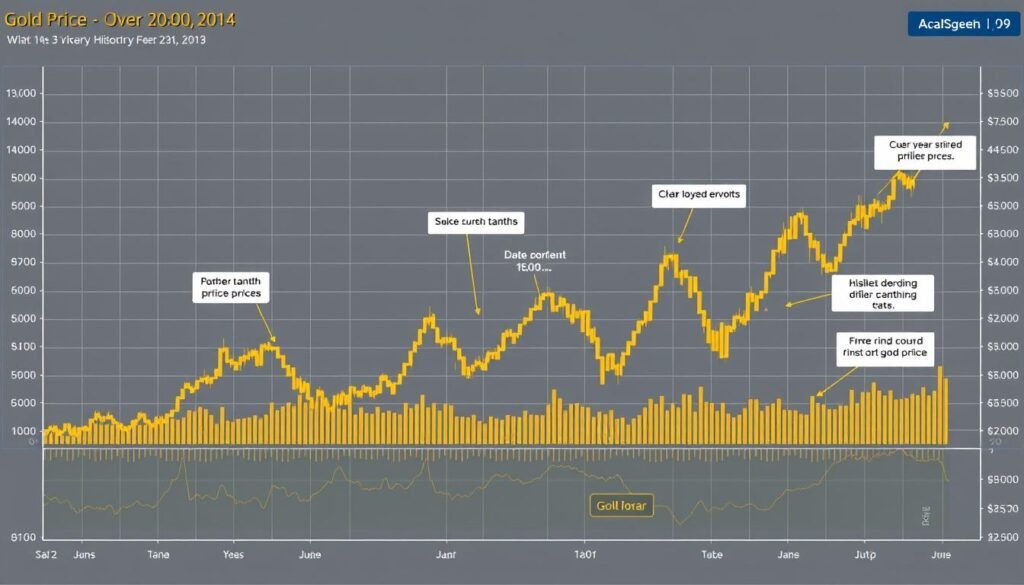
Understanding Gold’s Price Volatility
Gold prices can fluctuate significantly based on various factors:
Economic conditions and interest rates
Currency strength, particularly the U.S. dollar
Global political events and crises
Market sentiment and investor behavior
Unlike stocks or bonds, physical gold doesn’t generate income through dividends or interest. Your returns depend entirely on price appreciation, which isn’t guaranteed in any specific timeframe.
“Gold should be viewed as an insurance policy against economic uncertainty, not as a growth investment. Its primary value is in portfolio diversification and wealth preservation.”
— Financial Advisor with 20+ years experience
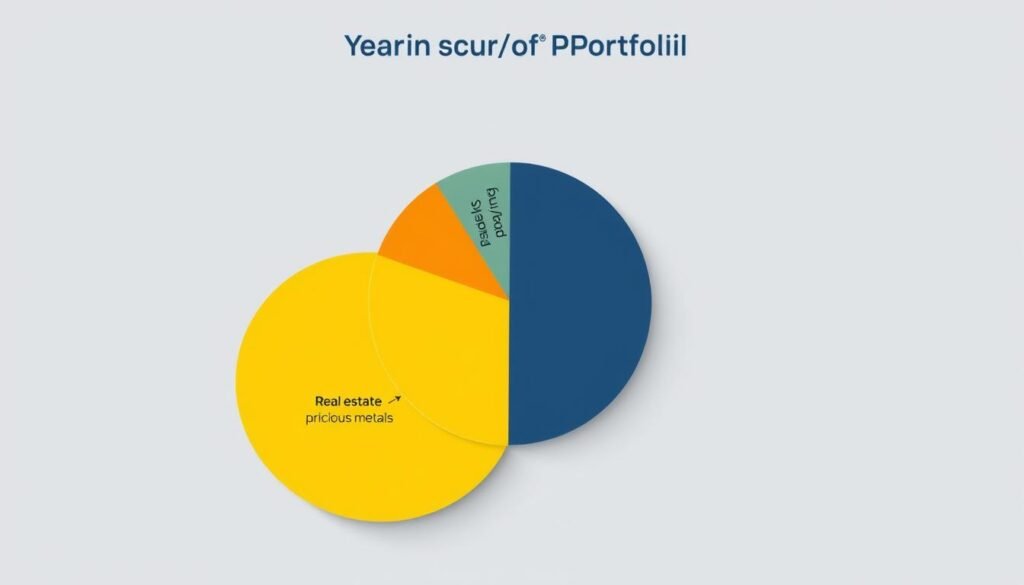
Most financial experts recommend allocating only a portion of your retirement portfolio to precious metals—typically 5-15%—as part of a diversified investment strategy.
Stay informed about precious metals markets
Subscribe to our newsletter for regular updates on gold prices, market trends, and retirement strategies.
Myth 5: Setting Up a Gold IRA Is Too Complicated
Many potential investors avoid Gold IRAs because they believe the setup process is overly complex. While a Gold IRA does involve a few more steps than a standard IRA, reputable companies have streamlined the process to make it straightforward.
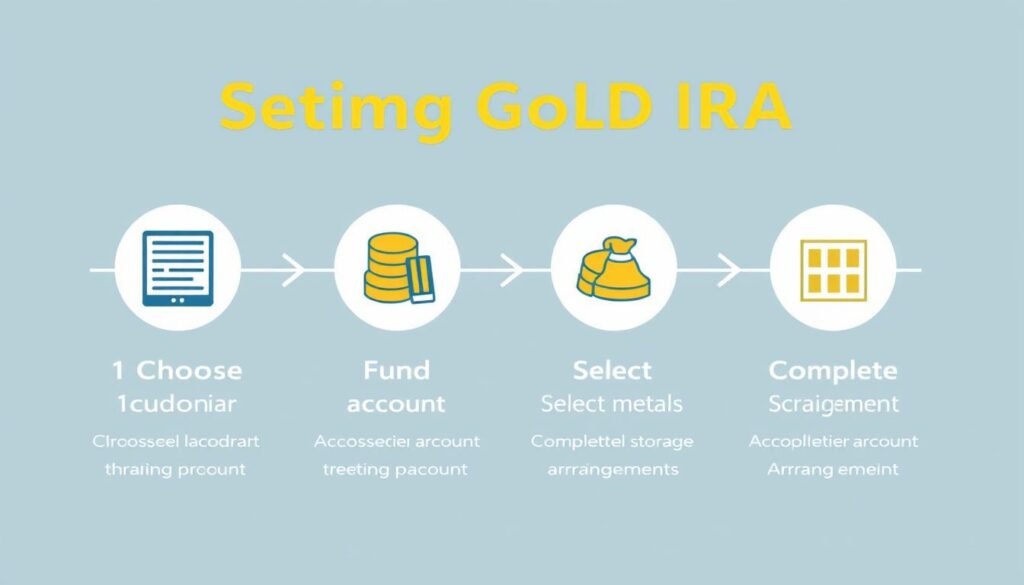
The Gold IRA Setup Process
Choose a reputable custodian that specializes in self-directed IRAs and precious metals.
Complete the account application with your custodian, similar to opening any financial account.
Fund your account through a contribution, transfer, or rollover from an existing retirement account.
Select your precious metals from IRS-approved options with guidance from your dealer.
Finalize storage arrangements with an approved depository through your custodian.
Most Gold IRA companies provide dedicated account representatives who guide you through each step, handle the paperwork, and coordinate between the custodian, metals dealer, and depository. This hands-on assistance makes the process much simpler than many expect.
Rollovers from existing retirement accounts can typically be completed with minimal effort on your part, often requiring just a few signatures on pre-prepared forms.
Myth 6: Gold IRA Fees Make Them Prohibitively Expensive
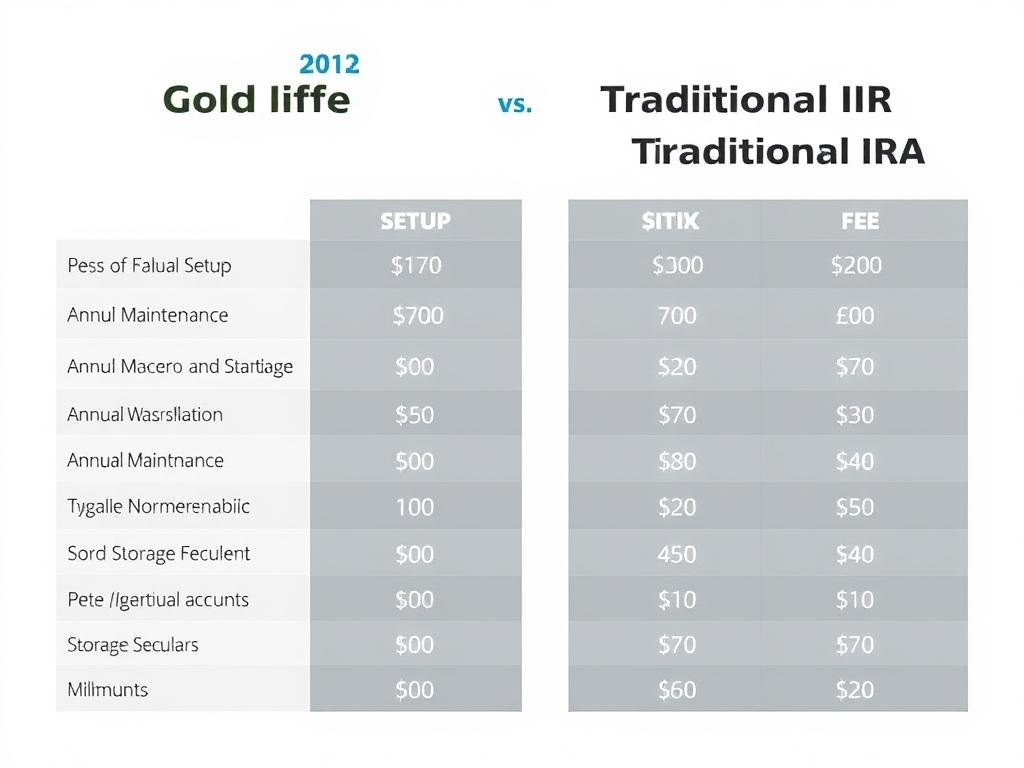
Concerns about high fees are common among those considering Gold IRAs. While it’s true that Gold IRAs typically have additional costs compared to standard IRAs, these fees are often reasonable and transparent when working with reputable providers.
Understanding Gold IRA Fee Structure
Fee Type
Typical Range
Description
Setup Fee
$50-$150
One-time fee to establish the account
Annual Maintenance
$75-$300
Yearly fee for account administration
Storage Fee
$100-$300
Annual cost for secure depository storage
Transaction Fees
Varies
Costs associated with buying/selling metals
When evaluating Gold IRA providers, look for transparent fee structures with no hidden costs. Some companies offer scaled fees based on account value, while others provide flat-fee options that can be more economical for larger accounts.
While fees are an important consideration, they should be viewed in the context of the potential benefits of portfolio diversification and inflation protection that precious metals can provide.
Myth 7: All Gold IRA Companies Provide the Same Service
Perhaps one of the most dangerous gold IRA misconceptions is that all providers offer equivalent services and reliability. In reality, there are significant differences in expertise, pricing, customer service, and product selection among Gold IRA companies.
Key Differentiators Among Gold IRA Companies
What to Look For
Transparent fee structure with no hidden costs
Educational resources and market insights
Strong industry reputation and reviews
Reasonable buyback programs
Dedicated customer support
Industry credentials and partnerships
Red Flags to Avoid
High-pressure sales tactics
Promises of guaranteed returns
“Home storage” IRA promotions
Excessive fees or unclear pricing
Limited or no buyback options
Poor reviews or regulatory issues
Take time to research potential providers thoroughly. Check customer reviews, Better Business Bureau ratings, and any regulatory actions. Reputable companies will focus on education rather than aggressive sales tactics and will be transparent about all costs involved.
The quality of your Gold IRA experience depends significantly on choosing the right company to work with, making this an essential step in the process.
Benefits of Including Precious Metals in Your Retirement Portfolio
While it’s important to understand the misconceptions surrounding Gold IRAs, it’s equally valuable to recognize the potential benefits they can offer as part of a diversified retirement strategy.
Portfolio Diversification
One of the primary advantages of precious metals is their historically low correlation with traditional assets like stocks and bonds. This means that when stock markets experience volatility, gold often moves independently or even in the opposite direction, potentially helping to stabilize your overall portfolio returns.
Inflation Protection
Precious metals, particularly gold, have historically maintained purchasing power over long periods. Unlike paper currency, which can be devalued through inflation and monetary policy, gold’s inherent scarcity helps it retain value even as the cost of living increases.
Currency Devaluation Hedge
During periods of currency devaluation or monetary instability, precious metals often serve as a store of value. This can be particularly important for retirees who need to preserve their purchasing power through economic uncertainties.
Did You Know? During the 2008-2009 financial crisis, while the S&P 500 fell by over 50% from its peak, gold prices increased by approximately 25%. This illustrates how precious metals can sometimes move counter to traditional markets during periods of economic stress.
Frequently Asked Questions About Gold IRAs
Can I add gold I already own to my Gold IRA?
No, you cannot add gold you already personally own to your Gold IRA. IRS regulations require that precious metals for an IRA must be purchased through the IRA itself and stored directly in an approved depository. This ensures the metals meet purity standards and maintains the tax-advantaged status of the account.
What happens when I want to take distributions from my Gold IRA?
When taking distributions from a Gold IRA, you have two options: you can take physical possession of the metals (which counts as a distribution and may be taxable), or you can have the metals sold and receive cash. Required Minimum Distributions (RMDs) apply to Traditional Gold IRAs just like conventional IRAs once you reach age 72 (or 73 for those born after 1950).
How much of my retirement portfolio should be in precious metals?
Most financial advisors recommend allocating between 5% and 15% of your retirement portfolio to precious metals. The exact percentage depends on your age, risk tolerance, overall financial situation, and retirement goals. Precious metals should be viewed as one component of a diversified portfolio, not the primary investment vehicle.
Are there contribution limits for Gold IRAs?
Yes, Gold IRAs are subject to the same contribution limits as traditional and Roth IRAs. For 2023, the contribution limit is ,500 per year, with an additional
Frequently Asked Questions About Gold IRAs
Can I add gold I already own to my Gold IRA?
No, you cannot add gold you already personally own to your Gold IRA. IRS regulations require that precious metals for an IRA must be purchased through the IRA itself and stored directly in an approved depository. This ensures the metals meet purity standards and maintains the tax-advantaged status of the account.
What happens when I want to take distributions from my Gold IRA?
When taking distributions from a Gold IRA, you have two options: you can take physical possession of the metals (which counts as a distribution and may be taxable), or you can have the metals sold and receive cash. Required Minimum Distributions (RMDs) apply to Traditional Gold IRAs just like conventional IRAs once you reach age 72 (or 73 for those born after 1950).
How much of my retirement portfolio should be in precious metals?
Most financial advisors recommend allocating between 5% and 15% of your retirement portfolio to precious metals. The exact percentage depends on your age, risk tolerance, overall financial situation, and retirement goals. Precious metals should be viewed as one component of a diversified portfolio, not the primary investment vehicle.
Are there contribution limits for Gold IRAs?
Yes, Gold IRAs are subject to the same contribution limits as traditional and Roth IRAs. For 2023, the contribution limit is $6,500 per year, with an additional $1,000 catch-up contribution allowed for those 50 and older. However, there are no limits on how much you can roll over from another qualified retirement account.
,000 catch-up contribution allowed for those 50 and older. However, there are no limits on how much you can roll over from another qualified retirement account.
Making an Informed Decision About Gold IRAs
Understanding the truth behind common gold IRA misconceptions is essential for making an informed decision about whether precious metals belong in your retirement strategy. While Gold IRAs aren’t right for everyone, they can offer valuable portfolio diversification and potential protection against certain economic risks when properly implemented.
Remember that precious metals should typically represent only a portion of your overall retirement portfolio, complementing traditional investments rather than replacing them entirely. The key is to work with reputable providers who offer transparency, education, and fair pricing.
By separating fact from fiction regarding Gold IRAs, you can better evaluate whether this investment option aligns with your long-term financial goals and risk tolerance.
Ready to explore if a Gold IRA is right for you?
Download our comprehensive guide to learn everything you need to know about Gold IRAs, including setup process, costs, and strategies for maximizing your precious metals investment.
Diversifying your retirement portfolio with precious metals can provide a hedge against inflation and market volatility. If you’re self-employed or a small business owner with a SEP IRA or SIMPLE IRA, you might be wondering if you can use these retirement accounts to invest in gold. The short answer is yes – but there are specific rules and processes you need to follow. This comprehensive guide will walk you through everything you need to know about using SEP and SIMPLE IRAs to invest in gold and other precious metals.
Understanding SEP IRAs, SIMPLE IRAs, and Gold IRAs
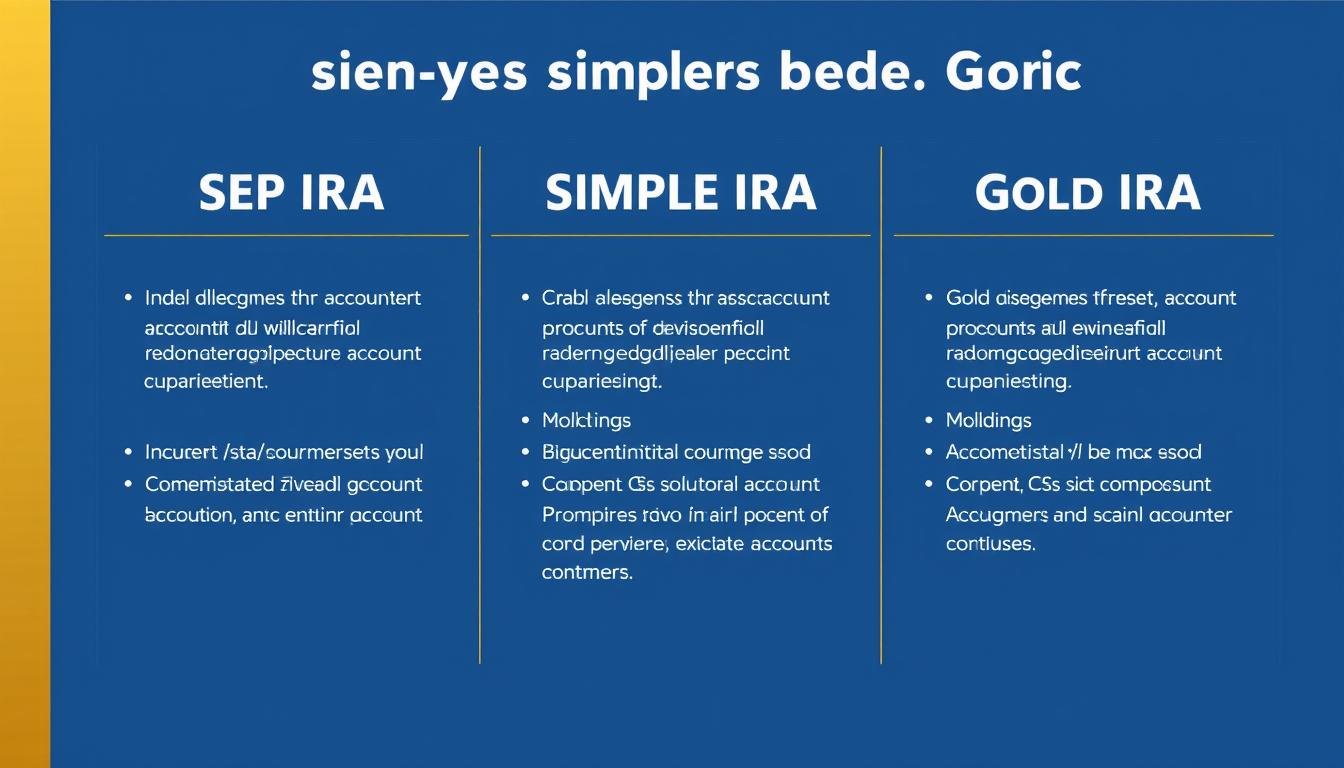
Different retirement account types and their key features
What is a SEP IRA?
A SEP (Simplified Employee Pension) IRA is designed for self-employed individuals and small business owners. It allows for higher contribution limits compared to traditional IRAs – up to 25% of your annual income or $70,000 for 2024, whichever is less. SEP IRAs are relatively easy to set up and maintain, making them popular among freelancers and entrepreneurs who want to maximize their retirement savings.
What is a SIMPLE IRA?
A SIMPLE (Savings Incentive Match Plan for Employees) IRA is another retirement option for small businesses with 100 or fewer employees. For 2024, employees can contribute up to $16,000 annually, with an additional $3,500 catch-up contribution for those 50 and older. Employers are required to make either matching contributions of up to 3% of employee compensation or a 2% fixed contribution for all eligible employees.
What is a Gold IRA?
A Gold IRA is a self-directed individual retirement account that allows you to hold physical precious metals like gold, silver, platinum, and palladium instead of traditional paper assets like stocks and bonds. These accounts follow the same tax rules as conventional IRAs but require a specialized custodian who can handle physical precious metals investments. Gold IRAs are not a separate type of retirement account but rather a way of diversifying the holdings within a self-directed IRA.
Free Gold IRA Investment Guide
Discover how to properly diversify your retirement portfolio with precious metals. Our comprehensive guide explains IRS rules, eligible metals, and step-by-step instructions for using your SEP or SIMPLE IRA to invest in gold.
IRS Rules for Investing in Gold with Retirement Funds
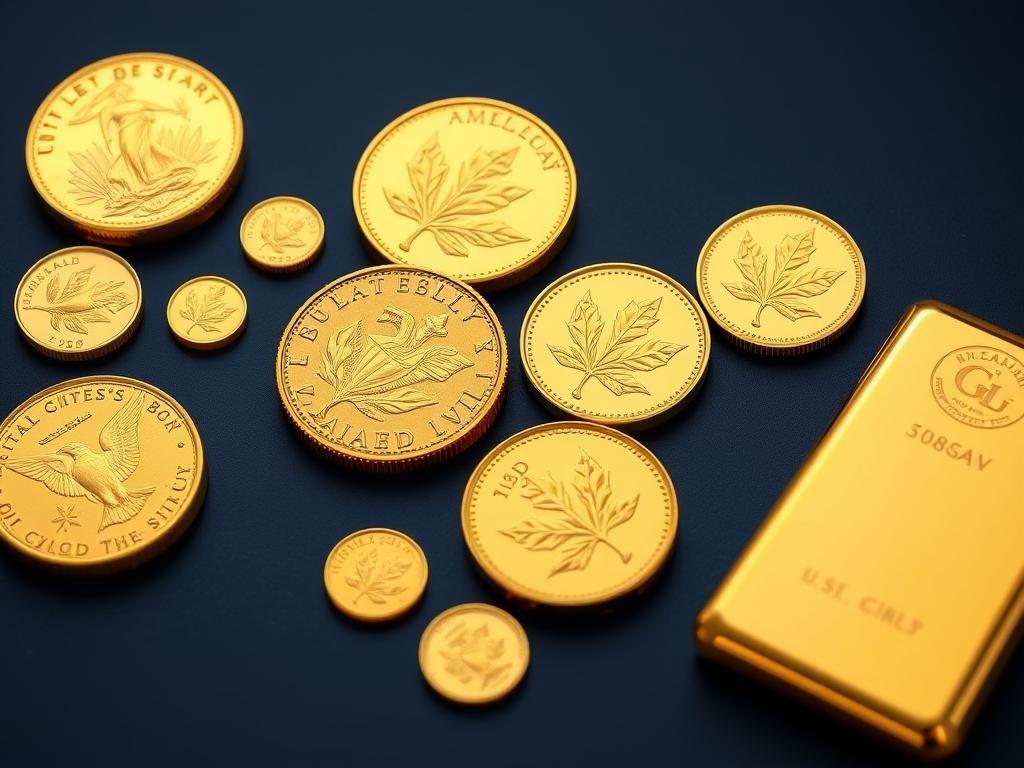
IRS-approved gold coins and bars that qualify for Gold IRA investments
The IRS has specific regulations governing precious metals investments within retirement accounts. Understanding these rules is crucial to avoid penalties and ensure your investment remains tax-advantaged.
Approved Precious Metals
Not all gold and precious metals qualify for IRA investment. The IRS requires that precious metals meet specific purity standards:
Gold must be at least 99.5% pure (24 karat)
Silver must be at least 99.9% pure
Platinum must be at least 99.95% pure
Palladium must be at least 99.95% pure
Eligible Gold Products
The following gold products typically qualify for Gold IRA investments:
Gold Coins
American Gold Eagle (bullion and proof)
Canadian Gold Maple Leaf
Austrian Philharmonic
Australian Kangaroo/Nugget
American Buffalo (uncirculated)
Gold Bullion
Gold bars produced by NYMEX or COMEX approved refiners
Gold bars from national government mints
Gold bars from IRS-approved refiners
Gold bars meeting minimum fineness requirements
Storage Requirements
The IRS prohibits IRA owners from personally possessing the physical gold in their retirement accounts. All precious metals must be stored in an IRS-approved depository under the name of the IRA. This ensures proper security, insurance, and regulatory compliance. Taking physical possession of the metals would be considered a distribution and could trigger taxes and penalties.
IRS-approved depository storing precious metals for retirement accounts
Prohibited Transactions
The IRS has strict rules about prohibited transactions with IRA assets. You cannot:
Purchase collectible coins or jewelry for your IRA
Store IRA gold at home or in a personal safe
Use IRA funds to purchase precious metals for personal use
Sell personally owned precious metals to your IRA
Violating IRS rules regarding Gold IRAs can result in your entire IRA being considered distributed, potentially triggering significant tax liabilities and penalties. Always consult with a financial advisor or tax professional before making investment decisions.
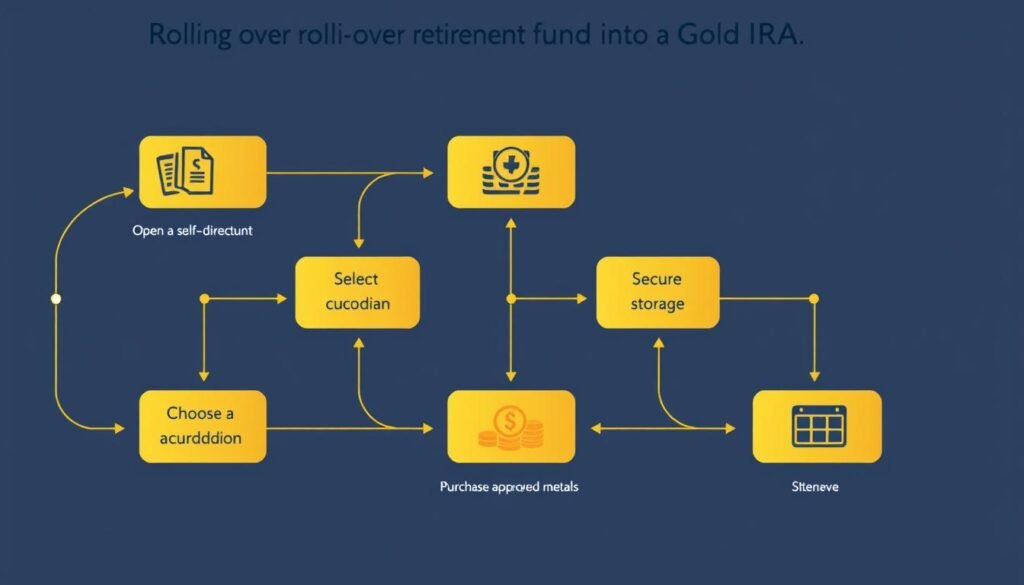
Step-by-Step Process: Rolling Over SEP or SIMPLE IRA Funds into a Gold IRA
The rollover process from a SEP/SIMPLE IRA to a Gold IRA
Converting your SEP or SIMPLE IRA into a Gold IRA involves several key steps. Here’s a detailed breakdown of the process:
Open a Self-Directed IRA First, you’ll need to establish a self-directed IRA with a custodian that allows precious metals investments. Not all custodians offer this option, so research is essential.
Choose a Reputable Custodian Select a custodian with experience handling precious metals IRAs. Look for companies with strong reputations, transparent fee structures, and excellent customer service.
Fund Your Self-Directed IRA You can fund your new self-directed IRA through a direct transfer or rollover from your existing SEP or SIMPLE IRA. There are two main methods:
Direct Transfer: Funds move directly from one custodian to another without you taking possession. This method avoids potential tax issues.
60-Day Rollover: You receive the funds and then deposit them into the new account within 60 days. This method carries more risk of penalties if not done correctly.
Select Your Precious Metals Work with your custodian or a precious metals dealer to select IRS-approved gold, silver, platinum, or palladium products for your IRA.
Complete the Purchase Your custodian will handle the purchase transaction and ensure all paperwork is properly completed.
Arrange for Secure Storage Your precious metals will be transferred to an IRS-approved depository for secure storage. Your custodian will handle this arrangement.
“The most important step in the rollover process is selecting a reputable custodian who specializes in precious metals IRAs. This ensures compliance with IRS regulations and a smooth transition of your retirement assets.”
— Retirement Planning Expert
SIMPLE IRA Special Considerations
If you have a SIMPLE IRA, be aware of the two-year rule: You cannot roll over funds from a SIMPLE IRA to another type of retirement account within the first two years of participation. Doing so would trigger a 25% early withdrawal penalty instead of the standard 10%. After the two-year period, you can roll over SIMPLE IRA funds to other retirement accounts following the normal rules.
Speak with our Gold IRA specialists for personalized guidance
Tax Implications and Potential Penalties
Understanding the tax implications of Gold IRA investments
Converting your SEP or SIMPLE IRA to a Gold IRA has specific tax implications you should understand before proceeding.
Tax-Advantaged Status
When done correctly, rolling over funds from a SEP or SIMPLE IRA to a Gold IRA maintains the tax-advantaged status of your retirement savings. This means:
No immediate tax consequences for the rollover itself
Continued tax-deferred growth on your investments
Same distribution rules as your original retirement account
Potential Penalties to Avoid
Several missteps can trigger penalties when converting to a Gold IRA:
Potential Issue
Penalty
How to Avoid
Exceeding 60-day rollover window
Taxes + 10% early withdrawal penalty if under 59½
Use direct custodian-to-custodian transfers
SIMPLE IRA rollover within first 2 years
25% early withdrawal penalty
Wait until after 2-year period to roll over
Purchasing non-IRS approved metals
Transaction treated as distribution
Only purchase IRS-approved precious metals
Taking personal possession of metals
Entire IRA potentially disqualified
Use IRS-approved depositories only
Missing Required Minimum Distributions
50% of required amount not withdrawn
Track RMD requirements carefully
Required Minimum Distributions (RMDs)
Gold IRAs converted from traditional SEP or SIMPLE IRAs are subject to Required Minimum Distributions (RMDs) starting at age 73. This means you must begin taking distributions from your account, which can be complicated with physical gold assets. Your custodian can help you navigate this process, which may involve liquidating a portion of your metals or taking an in-kind distribution.
If you’re concerned about future RMDs, consider converting to a Roth Gold IRA. While this would trigger immediate taxation on the converted amount, it would eliminate future RMDs and provide tax-free growth and withdrawals in retirement.
SEP IRA vs. SIMPLE IRA for Gold Investments: Which is Better?
Comparing SEP and SIMPLE IRAs for precious metals investments
Both SEP IRAs and SIMPLE IRAs can be used for gold investments, but they have different features that may make one more suitable than the other depending on your situation.
SEP IRA Advantages
Higher contribution limits (up to $70,000 in 2024)
Flexible annual contributions (can vary year to year)
Ideal for self-employed individuals with no employees
Simpler administration if you’re the only participant
No mandatory employer contributions if you have no employees
Can be established up until the tax filing deadline
SIMPLE IRA Advantages
Lower employer contribution requirements
Employee salary deferral options
Better for businesses with multiple employees
Catch-up contributions for those over 50
Employees can contribute their own funds
Less paperwork than a 401(k) plan
Eligibility and Contribution Limits Comparison
Feature
SEP IRA
SIMPLE IRA
2024 Contribution Limit
25% of compensation or $70,000, whichever is less
Employee: $16,000 ($19,500 if over 50) Employer: Up to 3% match or 2% nonelective
Who Can Contribute
Employer only
Both employer and employee
Ideal Business Size
Self-employed or very small businesses
Small businesses with up to 100 employees
Mandatory Contributions
No, but must be equal percentage for all employees
Yes, employer must contribute
Establishment Deadline
Tax filing deadline (including extensions)
October 1 of the calendar year
Early Withdrawal Penalty
10% if under age 59½
25% within first 2 years, then 10%
Which is Better for Gold Investments?
For solo entrepreneurs or self-employed individuals with no employees, a SEP IRA often provides the best option for gold investments due to the higher contribution limits and flexibility. For small business owners with employees, a SIMPLE IRA might be more cost-effective due to the lower mandatory employer contribution requirements.
Need Help Deciding Between SEP and SIMPLE IRAs?
Our Gold IRA specialists can help you determine which retirement account is best for your specific situation and guide you through the process of investing in precious metals.
Top Gold IRA Companies That Accept SEP and SIMPLE IRA Rollovers
Leading Gold IRA companies with experience handling retirement account rollovers
When converting your SEP or SIMPLE IRA to a Gold IRA, working with a reputable company is crucial. Here are some top-rated gold IRA companies that specialize in handling retirement account rollovers:
Augusta Precious Metals
4.9
Excellent
Customer Service
4.9
Transparency
4.8
Fees
4.7
Highlights:
Specialized in SEP and SIMPLE IRA rollovers
Excellent educational resources
Transparent fee structure
Lifetime customer support
Goldco
4.8
Excellent
Customer Service
4.8
Transparency
4.7
Fees
4.6
Highlights:
Low minimum investment requirement
Streamlined rollover process
Excellent buyback program
Strong customer reviews
Birch Gold Group
4.7
Excellent
Customer Service
4.7
Transparency
4.6
Fees
4.5
Highlights:
Specialized in small business retirement accounts
Comprehensive educational resources
Experienced precious metals specialists
Multiple depository options
What to Look for in a Gold IRA Company
When selecting a company to help with your SEP or SIMPLE IRA to Gold IRA conversion, consider these important factors:
Experience with retirement account rollovers: Choose companies with specific experience handling SEP and SIMPLE IRA rollovers.
Transparent fee structure: Look for clear information about setup fees, annual maintenance fees, storage fees, and transaction costs.
Educational resources: The best companies provide comprehensive educational materials to help you understand the process.
Customer service: Responsive, knowledgeable customer service is essential when navigating complex retirement account transactions.
Storage options: Ensure the company works with reputable, IRS-approved depositories for secure storage of your precious metals.
Buyback program: A good buyback program makes it easier to liquidate your metals when needed.
Working with a Gold IRA specialist to complete your rollover paperwork
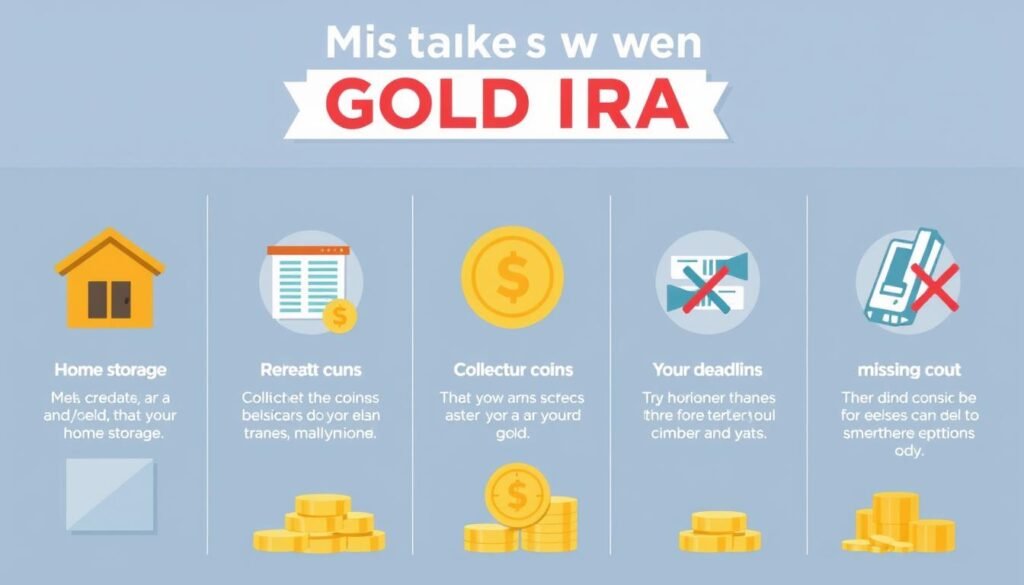
Common Mistakes to Avoid When Converting to a Gold IRA
Common pitfalls to avoid when converting retirement funds to a Gold IRA
Even with the best intentions, investors can make costly mistakes when converting their SEP or SIMPLE IRAs to Gold IRAs. Here are the most common pitfalls to avoid:
1. Attempting Home Storage
Despite what some misleading advertisements might suggest, you cannot legally store Gold IRA assets at home. All precious metals in an IRA must be held in an IRS-approved depository. Attempting to store them yourself will disqualify your IRA and potentially trigger taxes and penalties on the entire account value.
2. Purchasing Non-Qualifying Precious Metals
Not all gold and silver products qualify for IRA investment. Collectible coins, jewelry, and metals that don’t meet minimum purity requirements are prohibited. Always verify that your chosen products meet IRS standards before purchasing.
3. Missing the 60-Day Rollover Window
If you choose the 60-day rollover method instead of a direct transfer, you must complete the process within 60 days of receiving the funds. Missing this deadline means the entire amount becomes taxable, plus a 10% early withdrawal penalty if you’re under 59½.
4. Ignoring the SIMPLE IRA Two-Year Rule
SIMPLE IRA funds cannot be rolled over to a non-SIMPLE retirement account within the first two years of participation. Doing so triggers a 25% early withdrawal penalty instead of the standard 10%.
5. Overlooking Fees and Costs
Gold IRAs typically have higher fees than traditional retirement accounts. These may include setup fees, annual maintenance fees, storage fees, insurance costs, and transaction fees. Failing to account for these expenses can significantly impact your investment returns.
6. Choosing the Wrong Custodian
Not all IRA custodians handle precious metals, and not all precious metals dealers understand the complexities of retirement accounts. Working with inexperienced providers can lead to compliance issues and potential tax problems.
Real-World Example: John, a self-employed consultant with a SEP IRA, decided to diversify into gold. After researching online, he found a dealer offering “home storage Gold IRAs” at lower fees. John purchased gold coins and stored them in his home safe, believing his investment was IRA-compliant. During an IRS audit three years later, the entire transaction was deemed a distribution, resulting in back taxes, penalties, and interest totaling over $30,000. Working with a reputable custodian would have prevented this costly mistake.
Alternatives to Gold IRAs for Precious Metals Exposure
Alternative ways to gain precious metals exposure in retirement accounts
While physical gold in a self-directed IRA offers certain advantages, it’s not the only way to gain exposure to precious metals in your retirement portfolio. Here are some alternatives to consider:
Precious Metals ETFs
Exchange-Traded Funds (ETFs) that track gold and other precious metals prices can be held in traditional SEP and SIMPLE IRAs without the need for a specialized custodian. These offer:
Lower fees than physical gold IRAs
Greater liquidity for buying and selling
No storage concerns or depository fees
Diversification across multiple metals in a single investment
Popular options include SPDR Gold Shares (GLD), iShares Gold Trust (IAU), and Aberdeen Standard Physical Precious Metals Basket Shares ETF (GLTR).
Mining Company Stocks
Investing in gold and silver mining companies through your existing retirement account can provide leveraged exposure to precious metals prices. When gold prices rise, mining company profits often increase at a faster rate. Consider:
Major mining companies with established operations
Junior miners for higher risk/reward potential
Mining ETFs for diversified exposure across the sector
Precious Metals Mutual Funds
Mutual funds focused on precious metals offer professionally managed exposure to the sector. These funds typically invest in a combination of mining stocks, ETFs, and sometimes futures contracts. Benefits include:
Professional management
Diversification across multiple companies
Easier to hold in traditional retirement accounts
Comparison of Physical Gold vs. Paper Gold Investments
Feature
Physical Gold IRA
Gold ETFs/Stocks
Direct Ownership
Yes, you own actual gold
No, paper claims on gold
Storage Requirements
Must use approved depository
No storage needed
Fees
Higher (setup, storage, insurance)
Lower (management fees only)
Liquidity
Lower, may take days to sell
Higher, can sell instantly
Counterparty Risk
Minimal
Higher
Protection in Financial Crisis
Stronger
Potentially weaker
A balanced retirement portfolio with appropriate precious metals allocation
Frequently Asked Questions About Using SEP and SIMPLE IRAs for Gold Investments
Common questions about investing in gold with retirement accounts
Can I use my existing SEP IRA to buy physical gold?
Most standard SEP IRA custodians don’t allow physical gold investments. To invest in physical gold, you’ll need to transfer your SEP IRA funds to a self-directed IRA with a custodian that specializes in precious metals. This process is tax-free when done correctly as a direct transfer between custodians.
How much of my retirement portfolio should I allocate to gold?
Financial advisors typically recommend allocating between 5-15% of your retirement portfolio to precious metals, including gold. The exact percentage depends on your age, risk tolerance, and overall investment strategy. Gold serves primarily as a diversification tool and hedge against inflation rather than the core growth component of your portfolio.
Can I roll over my SIMPLE IRA to a Gold IRA at any time?
No. SIMPLE IRA funds cannot be rolled over to a non-SIMPLE retirement account (including a self-directed Gold IRA) within the first two years of your participation in the SIMPLE IRA plan. Doing so would trigger a 25% early withdrawal penalty instead of the standard 10%. After the two-year period, you can roll over your SIMPLE IRA to a Gold IRA following the normal process.
What happens to my Gold IRA when I reach retirement age?
When you reach retirement age (59½ or older), you have several options for your Gold IRA:
Take distributions in cash (the custodian sells the gold and sends you the proceeds)
Take in-kind distributions (receive the physical gold, which becomes a taxable distribution)
Continue holding the gold in your IRA (until RMDs begin at age 73)
Each option has different tax implications, so consult with a tax professional to determine the best strategy for your situation.
Are there annual contribution limits for Gold IRAs?
Gold IRAs follow the same contribution limits as the underlying IRA type. For 2024:
SEP IRA: Up to 25% of compensation or ,000, whichever is less
SIMPLE IRA: ,000 (,500 if over 50)
These limits apply to all contributions to that type of IRA, whether in gold or other investments.
Can I use a SEP IRA or SIMPLE IRA to invest in a Gold IRA if I’m still employed?
Yes, you can use a SEP IRA or SIMPLE IRA to invest in gold while still employed. However, if you’re participating in an employer-sponsored SIMPLE IRA plan, you generally cannot roll those funds over until you leave that employer or the plan terminates. With a SEP IRA that you established as a self-employed individual, you have more flexibility to transfer funds to a self-directed Gold IRA while still working.
Final Thoughts: Is a Gold IRA Right for Your SEP or SIMPLE IRA Funds?
Building a secure retirement with diversified investments including precious metals
Converting your SEP or SIMPLE IRA to a Gold IRA can be a strategic move to diversify your retirement portfolio and protect against inflation and market volatility. However, it’s not the right choice for everyone. Consider your overall investment strategy, time horizon, and risk tolerance before making this decision.
The process of using SEP or SIMPLE IRA funds to invest in gold requires careful attention to IRS rules and regulations. Working with experienced professionals—including a knowledgeable custodian and reputable precious metals dealer—can help ensure a smooth transition and compliance with all requirements.
Remember that precious metals should typically represent only a portion of your overall retirement strategy. Most financial advisors recommend limiting gold and other precious metals to 5-15% of your portfolio to maintain proper diversification while still benefiting from gold’s unique properties as a store of value.
By understanding the rules, avoiding common pitfalls, and working with trusted partners, you can successfully use your SEP or SIMPLE IRA to invest in a Gold IRA and potentially enhance the long-term security of your retirement savings.
Ready to Diversify Your Retirement Portfolio with Gold?
Take the first step toward securing your financial future with precious metals. Our comprehensive Gold IRA guide explains everything you need to know about using your SEP or SIMPLE IRA to invest in gold.
Surprising fact: nearly 30% of new precious metals investors underestimate ongoing fees and storage rules, which can cut returns far more than price swings.
Many U.S. investors add physical precious metals to diversify a retirement portfolio after market turbulence. A self-directed retirement account can hold gold, silver, platinum, and palladium with tax advantages, but it is not the same as buying bullion for a safe at home.
The account custodian owns the metals on behalf of the plan, and strict IRS purity and custody standards apply. Compare setup, administrative, storage, transaction, and possible termination fees up front to avoid surprises. Planning also helps with required minimum distributions at age 72, since bars and coins are non-divisible and can complicate withdrawals.
To learn practical precautions and clear steps for first-time buyers, see tips for first-time gold buyers and guidance on buying physical gold in an IRA. A cautious, comparison-driven approach lets investors weigh the benefits against costs and rules.
Key Takeaways
Understand that a retirement account owns the metals, not you personally.
Compare setup, admin, storage, transaction, and termination fees across custodians.
Confirm IRS purity rules and avoid prohibited collectibles to prevent penalties.
Plan for RMDs at 72; non-divisible assets can make distributions tricky.
Consider direct rollovers from a 401(k) to avoid withholding and timing risks.
Watch dealer spreads, premiums, and liquidity; dollar-cost averaging can help.
Why first-time investors choose a Gold IRA—and where mistakes start
Many first‑time buyers favor a physical metals allocation to hedge inflation and add a tangible layer to retirement holdings. A metals allocation can complement stocks and bonds and offer perceived stability during market stress.
Options include holding approved bullion and coins in an IRS‑approved depository or taking paper exposure through funds. Physical custody rules mean you cannot keep bars at home if you want tax‑advantaged status.
“Choosing the right rollover method and custodian is as important as selecting the product.”
Common early pitfalls start with misunderstanding account structure, underestimating ongoing fees, or assuming home storage is allowed. First‑time investors also tend to overweight a single metal instead of diversifying across precious metals like silver and platinum.
Compare types and custody: physical gold and approved coins vs. paper products; depository storage is required.
Watch rollover methods: indirect rollovers can trigger 20% withholding and a 60‑day redeposit deadline.
Verify eligibility: not every product qualifies—confirm permitted types before you buy.
Set a clear strategy and define how precious metals fit in your long‑term portfolio. Compare custodians on service, transparency, and total cost before you fund an account. For trusted reviews and to compare providers, see best companies and investing advice.
Underestimating fees that eat returns in a precious metals IRA
Layered custody and service charges can quietly shave returns from a precious metals allocation. Read the fee schedule carefully before you fund an account.
Typical charges include one-time setup, annual admin, depository storage, buy/sell transaction fees, and possible termination charges. Storage and insurance for physical holdings commonly run near 1% per year. That steady cost reduces net returns versus many traditional IRAs that have lower custody expenses.
Spreads and dealer premiums add to the break‑even timeline. When prices pause for several years, fees and premiums can outpace gains and delay recovery.
Ask for an itemized schedule from each metals ira custodian: wires, shipping, segregated vs. commingled storage, and any minimum annual fees.
Compare at least three providers for transparent pricing, posted rates, and fast responses.
Align investment size with fee structure — small accounts often suffer from flat minimums.
Fee Type
Custodian A
Custodian B
Typical Range
Setup (one‑time)
$50
$125
$50–$200
Annual admin
$75
$150
$50–$300
Storage & insurance
0.6% of holdings
1.2% of holdings
0.5%–1.5%
Transaction / trading
$20 per trade
1.0% spread
$10–1.5% of trade
Tip: a 0.5% vs 1.0% annual storage gap compounds over years and can cut a long‑term return materially. Request full disclosures and run the math before you buy.
Not following IRS rules and regulations for a Gold IRA
Custody and fineness requirements are not optional — they determine whether an asset keeps its tax-advantaged status.
The IRS sets firm rules on what counts as eligible precious metals inside an account. Metals must meet specific purity and manufacturing standards. Only certain types of coins and bullion qualify.
Purity and manufacturing standards you must meet
Approved items include U.S. Mint coins or coins from approved foreign government mints. Bullion must meet strict fineness thresholds to qualify.
Prohibited collectibles and the penalties they trigger
Collectibles and novelty pieces are not allowed. Buying a prohibited item can be treated as a distribution and create taxes and penalties that erode retirement savings.
Why home storage disqualifies your IRA under IRS guidelines
Do not store holdings at home or in a personal safe-deposit box. The IRS requires custody at an approved depository tied to the ira custodian. Failing to follow custody guidelines can disqualify the account and trigger tax consequences.
Verify mint, purity, and issuance before purchase.
Work with an experienced custodian to pre-approve items and keep records.
Schedule periodic compliance reviews after purchases or transfers.
For a deeper look at potential downsides and how to stay compliant, see exploring the negatives of a gold.
Selecting unapproved metals and coins that jeopardize your account
Picking the wrong bullion or coin can turn a compliant retirement holding into a taxable distribution.
Only IRS‑approved precious metals qualify. Eligible items must meet published purity and manufacturing standards and carry documentation from recognized mints. Verify each item’s specs before you buy.
What’s eligible: bullion and coins that meet IRS standards
Most gold bars and coins must be at least 99.5% fine. Exceptions exist for certain government issues.
American Gold Eagles vs. other bullion: purity nuances
American Gold Eagles remain allowed even though they are 91.67% pure. That nuance matters when you mix products in a gold ira or an ira that holds silver and other metals.
Common approved examples include American Gold Eagles and Canadian Maple Leafs. Still, confirm each SKU with your custodian.
Validate eligibility and keep purchase records.
Pre‑approve SKUs with the custodian to avoid surprises.
Consider liquidity and premiums — resale demand varies by type.
“Choosing widely recognized products simplifies verification and future liquidation.”
Remember: an unapproved purchase can be treated as a distribution, triggering taxes and penalties. Stay inside the qualified custody chain and start with familiar products to reduce risk.
Thinking you own the metals personally and mishandling storage
Many investors assume physical possession equals ownership, but retirement accounts hold legal title to the metals. In a gold ira, the ira is the owner and you own an interest in the account, not the bullion itself.
Removing items from qualified custody before a distribution violates federal regulations and can trigger taxes and penalties. Do not keep bars in a home safe or a personal safe‑deposit box.
Secure, IRS‑approved depository storage and insurance basics
Reputable custodians coordinate transfers from dealers to approved depositories and arrange standard insurance and security. Confirm facility name, insurance limits, auditing cadence, and reporting in writing.
Storage choices affect annual costs and ease of liquidation. Commingled storage often costs less but mixes inventory. Segregated storage keeps specific items separate and may cost more but simplifies in‑kind distributions.
Storage Type
Typical Cost
Security / Insurance
Best for
Commingled
Lower annual fee
Standard pooled insurance
Cost-conscious accounts
Segregated
Higher annual fee
Item-level insurance and tracking
Collectors or specific coin SKUs
Third‑party bonded vault
Variable, premium
Enhanced security & audits
Large holdings and ease of liquidation
Tip: Verify your depository address is the record, not your residence, and review storage statements and insurance certificates annually.
Overconcentrating in gold instead of diversifying across precious metals
Relying only on one metal can leave a retirement portfolio exposed when market drivers shift. A gold ira can also include silver, platinum, and palladium, and mixing approved metals often improves resilience.
Silver, platinum, and palladium have industrial uses that respond differently than gold. That means their price cycles can offset one another and reduce single‑metal swings.
Adding silver, platinum, or palladium for broader portfolio resilience
Think about a balanced strategy that aligns with your risk tolerance and long‑term portfolio goals. Approved metals can be blended inside the same account to smooth volatility and improve liquidity options.
Mix metals to spread demand drivers across investment, industrial, and monetary uses.
Mind premiums—silver may carry different acquisition and resale costs than gold precious metals.
Set target allocations and rebalance periodically to maintain the intended risk profile.
Finally, confirm each purchase meets eligibility and custody rules so diversification remains compliant and effective.
Overlooking required minimum distributions, taxes, and liquidation logistics
Required minimum distributions create timing and liquidity needs that many precious‑metal investors overlook. RMDs for traditional-style iras begin at age 72. The custodian values the account yearly and sets the withdrawal amount based on IRS tables.
RMD timing, valuation, and planning for non-divisible assets
Bars and large coins are non-divisible, so satisfying an RMD often means selling metal to raise cash or taking an in‑kind distribution and paying taxes.
Tax considerations when taking in-kind vs. cash distributions
Cash distributions require a sale, which incurs dealer spreads and fees. In‑kind transfers move physical pieces to you, but they count as taxable distributions at fair market value. Either route has tax consequences; document each step carefully.
Keep metals in approved storage until distribution to comply with rules.
Plan annual liquidations in advance to avoid forced sales at poor prices.
Mixing coins and silver with bars gives flexibility to sell smaller lots.
Coordinate RMDs across multiple iras and keep records of tax treatment.
Tip: set aside some cash or choose divisible coins to simplify RMDs and reduce last‑minute liquidation risk.
Direct rollover vs. indirect rollover: where investors make the biggest errors
Choosing the right transfer method can make the difference between a smooth rollover and an unexpected tax bill. The transfer route affects withholding, time limits, and whether a movement stays tax‑favored.
Trustee‑to‑trustee moves are the safest default for a gold ira because they send funds directly from the old plan to the new account. That path avoids automatic withholding and the 60‑day clock that applies when you receive funds personally.
How a direct rollover helps avoid withholding and 60‑day risks
Direct rollovers route funds straight from a 401(k) or similar plan into a gold ira account. The plan trustee wires the money to the custodian or issues a check made out to the new account.
This method removes the transactional risk that comes with taking possession. It also keeps the transfer non‑taxable and preserves retirement tax treatment.
The 60-day rule, 20% withholding, and penalties in indirect rollovers
An indirect rollover pays you first. The payer must withhold 20% for federal taxes.
You then have 60 days to redeposit the full gross amount. If you miss the window or fail to replace withheld funds, the distribution becomes subject to taxes and possible penalties.
“Missing the 60‑day deadline can convert a rollover into a taxable distribution.”
Coordinating with a reputable custodian to streamline transfers
Clear written guidelines to the plan administrator reduce errors. Ask your custodian to provide step‑by‑step instructions and a timeline for each transaction.
Work with a custodian experienced in metals ira setups to limit delays, unexpected fees, and standing up the depository link. Keep copies of forms, wire confirmations, and any correspondence to document tax‑favored treatment.
Type
How it works
Main risk
Direct rollover
Trustee‑to‑trustee transfer
Avoids withholding and 60‑day clock
Indirect rollover
Funds paid to you, then redeposited
20% withholding; miss 60 days = taxable
Coordination
Custodian + plan admin pre‑arranged
Reduces delays, transaction errors
Tell your plan administrator to send funds to the new custodian directly.
Confirm timelines so you can plan purchases after funding.
Keep written records to support compliance with irs rules.
mistakes gold IRA buyers make with dealers, novelty coins, and authenticity
Not all sellers play fair — vetting who you buy from is as important as choosing what to buy. Dealer quality varies widely, and failing to research exposes investors to counterfeits and aggressive sales tactics.
Vetting dealers to avoid scams and hard‑sell tactics
Do your homework. Check reviews, accreditation, and transparent pricing. Ask for mint documentation and sample invoices.
Compare multiple quotes for the same item to see how dealer spreads and fees affect exit price.
Why novelty coins often underperform bullion
Novelty pieces usually carry higher premiums above melt value and sell slower than well‑known bullion coins like American Gold Eagles or Canadian Maple Leafs.
Make sure purchases match your investment goals, not a dealer’s commission plan.
Verify authenticity and standards with paperwork from recognized mints.
Ask about buy‑back policies and typical bid‑ask spreads before you buy.
Remember silver and gold have different premiums and market depth; choose accordingly.
When possible, use your custodian’s approved dealer network to reduce operational risk.
Ignoring liquidity, market timing, and real-world pricing dynamics
Exit value depends on more than market quotes; it is driven by who buys, what you own, and how you sell it.
Buy‑back policies, spreads, and premiums set the cash you receive. Dealers buy at lower bids than spot and add spreads to cover risk.
Novelty coins and specialty items often carry higher premiums and sell slower than mainstream bullion coins or well‑known gold bars.
Compare buy‑back offers and ask about typical spreads before you buy.
Make sure to factor in storage, shipping, and transaction fees when estimating net proceeds.
Document SKUs and invoices to speed authentication and improve bids at resale.
Why dollar‑cost averaging works: timing the market is risky. Regular buys smooth entry points and reduce regret during volatile price moves.
Keep some cash in the ira to avoid forced sales during a downturn. When selling, solicit multiple bids—market depth for popular bullion often yields faster, higher offers.
“A steady buying and selling approach usually beats headline‑driven trades.”
How to avoid the top mistakes: a practical checklist for U.S. investors
Don’t fund an account until you’ve mapped eligibility, storage, fees, and rollover logistics in writing. That one step cuts the most common risks and keeps tax advantages intact.
Confirm eligible metals, depository storage, and custodian reputation
Verify product approval — purity, mint, and IRS standards — before you place orders; American Gold Eagles, for example, remain permitted despite lower fineness.
Ask for written confirmation of approved depository details, insurance limits, and audit cadence.
Map fees, rollover method, and IRS compliance before you fund
List setup, admin, storage, and transaction fees so total cost is clear. Prefer a direct rollover to avoid 20% withholding and the 60‑day clock.
Document irs rules checkpoints, keep invoices, and save custodian instructions.
Set objectives for diversification, RMD planning, and long-term strategy
Define allocation targets across bullion, gold coins, and silver, and keep cash in the account for fees and RMDs.
Make sure eligible products are selected and pre‑approved.
Choose a custodian with transparent fees and written storage terms.
Plan RMD logistics and prefer divisible assets when possible.
Review allocations and providers annually.
“A written checklist reduces emotion and keeps retirement goals front and center.”
Ultimately, a disciplined process turns an attractive metals allocation into a reliable component of retirement planning.
Diversifying retirement savings with a gold allocation can add a tangible hedge and complement stocks and bonds. Success depends on following IRS rules, choosing a direct rollover, understanding fees, and prioritizing liquidity.
Confirm product eligibility and use approved custody at a reputable depository. Keep clear documentation of purchases, storage, and reporting to protect tax advantages.
Buy liquid products, know typical spreads, and plan exit strategies before you need cash. Favor steady accumulation over timing the market and review costs with your custodian regularly.
Define objectives, build a checklist, and proceed methodically. When integrated into a broader portfolio, disciplined execution turns an appealing idea into lasting benefits for long‑term investors.
FAQ
What are common pitfalls first-time precious metals IRA buyers face?
New investors often overlook fees, custody rules, and eligible metal standards. They may pick dealers with high premiums, assume they can store coins at home, or fail to confirm purity and mint provenance. Always verify custodian terms, storage requirements, and IRS-acceptable bullion or coins before funding an account.
Why do people choose a precious metals retirement account, and where do errors usually start?
Many pick this option for portfolio diversification and inflation protection. Errors typically begin when buyers chase short-term price moves, ignore fee structures, or misunderstand IRS rules about ownership and storage. Clear goals and a trusted custodian reduce these risks.
What fees should I expect in a precious metals retirement account?
Expect setup and annual administration charges, storage or depository fees, transaction premiums, and possible termination costs. Compare custodians for transparent pricing and factor total annual costs into your return projections to avoid unexpected drag on performance.
How does fee stacking affect long-term returns compared to a traditional retirement account?
Multiple small fees compound over time and can significantly reduce real returns. Even modest custody and storage fees can erode gains that would otherwise compound tax-deferred in other account types. Run scenarios that include all fees when comparing options.
What IRS rules about precious metals must I follow for my account to remain qualified?
Metals must meet specific purity and manufacturing standards and be held by an IRS-approved custodian or depository. Collectibles and certain numismatic items are prohibited. Failing to follow these rules can trigger taxes and penalties.
Which types of coins and bars are allowed, and which are not?
The IRS allows bullion and certain coins that meet fineness standards, such as many government-minted products. Novelty items, many rare collectables, and pieces that don’t meet purity thresholds are disallowed. Check custodian lists and IRS guidance before purchase.
Can I store my metals at home or in a personal safe?
No. Home storage typically disqualifies the tax-advantaged status. Metals in such accounts must be held at an approved depository or by an authorized custodian to comply with IRS rules and maintain account protections.
Who legally owns the metals in a retirement precious metals account?
The retirement account holds title to the assets, not you personally. You are the account owner and beneficiary, but a custodian or approved depository stores the physical items under the plan’s ownership structure. That distinction matters for distributions and compliance.
How should I insure and secure stored metals?
Use an approved depository that provides insured storage and clear chain-of-custody records. Confirm coverage limits, the insurer’s reputation, and procedures for loss or damage claims before committing funds.
Is it wise to put all retirement metals into one type, like bullion only?
Concentrating in a single metal increases risk. Diversifying across silver, platinum, or palladium can improve resilience. Balance allocation according to goals, time horizon, and market outlook rather than chasing a single commodity.
How do required minimum distributions affect accounts holding physical bars and coins?
RMDs must be taken in the year you reach the required age. Valuation of non-divisible assets requires up-to-date market pricing. Plan for potential sales or partial liquidations to satisfy distributions without incurring steep premiums or losses.
What tax issues arise when taking an in-kind distribution versus cash?
In-kind distributions transfer physical metals to you and may create taxable events based on fair market value. Cash distributions are taxed as ordinary income. Coordinate with tax advisors and your custodian to minimize surprises and document values properly.
What’s the difference between a direct rollover and an indirect rollover, and why does it matter?
A direct rollover moves funds straight from one custodian to another, avoiding withholding and the 60-day risk. An indirect rollover gives you the money first and requires redeposit within 60 days; failure can trigger taxes and penalties, and there’s typically 20% withholding.
How can I avoid problems when transferring an existing retirement account into a precious metals plan?
Choose a reputable custodian and request a direct rollover. Confirm transfer timelines, paperwork requirements, and that the receiving custodian accepts the specific assets. Clear communication reduces the chance of missed deadlines or tax events.
How do I vet dealers to avoid counterfeits and high premiums?
Look for established dealers with transparent pricing, third-party reviews, Industry councils like the Professional Numismatists Guild endorsements, and clear buyback policies. Ask for assay documentation and avoid high-pressure sales or novelty products with large markups.
Why do novelty or collectible coins often cost more and sell for less later?
Collectible pieces carry higher premiums due to rarity and numismatic value, which narrows resale markets and reduces liquidity. Bullion typically has tighter spreads and easier buyback options, making it preferable for many retirement-focused buyers.
How do buy-back policies, spreads, and premiums affect my exit value?
Wide spreads and high premiums increase your effective purchase price and reduce proceeds at sale. Favor dealers and custodians with fair buyback terms and transparent pricing to protect long-term value when you liquidate.
Is timing the market a good strategy for purchasing physical metals?
Attempting to time prices is risky. Dollar-cost averaging—regular purchases over time—reduces timing risk and smooths entry costs. This approach often outperforms attempts to buy at perceived lows in volatile markets.
What checklist should I use to avoid the most common errors when setting up a U.S. precious metals account?
Confirm eligible metals, verify depository and insurance, compare custodian fees, choose a direct rollover if moving funds, and document IRS compliance. Set allocation targets for diversification, plan for RMDs, and work with reputable dealers to confirm purity and provenance.
Nearly one in three threads on r/PersonalFinance that ask about metals-based retirement accounts raise red flags about cost and complexity.
Reddit users often point to higher all-in expenses, extra paperwork, and strict storage rules as reasons to think twice. A self-directed account that holds physical bullion needs an IRS-approved depository and a specialty custodian. Contribution limits are $7,000 for 2024 and 2025 ($8,000 if 50+).
That setup can help hedge inflation or crisis risk, but it usually means added storage, insurance, and admin fees that cut into returns. Over long periods, broad stock market returns have tended to outperform physical metals, so sizing matters.
This guide will translate Reddit’s warnings into practical takeaways for investors. Expect a balanced, friendly roundup that compares providers on transparency, costs, and service. We’ll also list the key questions to answer before opening an account so you avoid common pitfalls and understand tax advantages and limits.
Key Takeaways
Costs matter: factor in spreads, storage, and admin fees, not just account minimums.
Process is strict: approved metals and IRS-approved storage are mandatory to avoid penalties.
Physical exposure can hedge risk but often underperforms diversified equities over time.
Decide purpose, liquidity needs, and whether physical holdings are necessary before acting.
We compare providers so you can shortlist reputable firms and understand true total costs.
Reddit’s r/PersonalFinance Perspective: Why Gold IRAs Raise Red Flags
Many r/PersonalFinance threads warn that physical-metals retirement plans often carry hidden costs and logistical headaches.
Common themes include higher fees, complex storage rules, and pushy sales tactics that pressure people to act fast.
Common themes: higher fees, storage hurdles, and sales tactics
Users note setup fees, annual admin charges, and recurring storage and insurance at IRS-approved depositories. These add up and often make total costs higher than mainstream retirement accounts.
Specialty custodians are required, so traditional brokers usually can’t help. That need for niche providers makes comparison shopping harder for investors.
How community advice differs from company marketing
Marketing highlights hedging and crisis performance. Community posts stress liquidity limits, long-term trade-offs, and reading the fine print.
“Read the custodial agreement and ask for a written fee schedule before you transfer assets.”
Practical steps:
Verify a provider’s complaint history and customer responsiveness.
Get fee details in writing — spreads, shipping, and insurance matter.
Avoid pressure sales, free kit gimmicks, and confusing promos.
Issue
Community concern
Company pitch
Action
Costs
Higher fees over time
Hedging benefit emphasized
Request full fee schedule
Storage
IRS depository requirements
Safe storage claims
Confirm depository and insurance
Custodian
Harder to compare
Specialty service promised
Check customer reviews
Sales
Urgency and kits
Limited-time offers
Document questions; refuse pressure
Community threads often recommend starting with simpler, low-cost accounts for newer investors. Prepare a short list of questions to keep provider calls focused on service, not sales.
Gold IRA Basics: How a Precious Metals IRA Works
Holding physical bullion inside a retirement vehicle requires extra rules, a specialty custodian, and approved storage.
Self-directed accounts, approved metals, and storage
A precious metals ira is a self-directed retirement account that holds physical coins or bars. It runs through a specialty custodian, not a typical brokerage, because the custodian handles purchases, storage, and IRS reporting.
IRS requirements force specific approved products and purity levels (for example, gold at about 99.5%). Metals must sit in IRS-approved depositories; keeping them at home will trigger taxes and penalties.
Account structures and tax basics
Traditional accounts offer pre-tax contributions and tax-deferred growth. Roth accounts use after-tax money and allow tax-free qualified withdrawals.
Self-employed owners can use a SEP with higher contribution mechanics (2024 limit noted for planning). Timelines for transfers and purchases vary; confirm that chosen mints and products are explicitly approved before ordering.
Precious holdings can include silver, platinum, and palladium, but availability differs by provider. For a clear primer on how these rules affect retirement planning, see this guide: understanding how a gold IRA works.
Contribution Limits, Withdrawals, and Tax Rules to Know
Start with the basics: the annual contribution limits for traditional retirement accounts are $7,000 for 2024 and 2025. If you are 50 or older, the catch-up raises that cap to $8,000.
How limits apply: those contribution limits apply the same way to self-directed accounts that hold physical assets as they do to standard traditional iras and roth accounts. Rollovers and trustee-to-trustee transfers do not count toward the annual cap when done correctly.
Withdrawals, penalties, and RMDs
Withdrawals before age 59½ generally trigger a 10% penalty plus income taxes for traditional structures. Roth distributions can be tax-free if they meet the five-year rule and other qualifications.
Taking physical possession of metals is treated as a distribution and can create immediate taxable events and penalties if rules aren’t followed. Some custodians can assist with in-kind distributions, but plan ahead.
Practical tax steps
Keep purchase receipts, storage reports, and cost-basis records for accurate reporting.
Remember required minimum distributions apply to traditional accounts; you may need to liquidate holdings or arrange in-kind transfers to satisfy RMDs.
Coordinate distribution timing with a tax professional to minimize taxes and penalties and to check roth ira eligibility and income caps each year.
“Document every transfer and request a written fee and distribution policy from your custodian.”
The Core Risks That Concern Investors
Before committing dollars to a metals-based retirement account, know the practical risks that can quietly erode returns.
Fee drag vs. expected market returns
Ongoing custody, storage, and insurance add up. Those charges can create a steady fee drag that lowers long-term value compared with low-cost equity index exposure.
Liquidity, purity and storage requirements
Selling physical metal through a custodian is slower and often costlier than liquidating funds inside standard iras. Purity and approved-storage requirements are non-negotiable and can surprise first-time buyers.
Volatility, sideways stretches, and opportunity cost
Precious metals can swing wildly and endure multi-year sideways runs. That volatility can create real opportunity cost if capital sits idle while broader market gains compound.
Spreads on buy/sell add to visible annual fees and reduce net returns.
Home storage is prohibited — taking possession can trigger taxes and penalties under the rules.
Gold can hedge risk, but sizing must be conservative to protect long-run growth.
“Run fee-adjusted scenarios and keep allocations modest so hedging doesn’t undermine retirement goals.”
Fees and Custodians: The Hidden Price of Holding Physical Gold
Before you fund an account, get a full written fee schedule and a clear explanation of who handles each step. Costs are layered: setup, annual admin, depository storage, and insurance all add up. These charges can reduce long-term growth if you don’t compare quotes.
Typical ranges seen across providers: setup fees around $50, annual administration $80–$125, and storage/insurance $100–$150 per year. Ask whether fees are flat or scale with account size.
Why specialty custodians are required
Traditional brokerage platforms rarely support physical holdings inside retirement accounts. A specialty custodian coordinates purchases, shipments, and storage with IRS-approved depositories to meet strict legal requirements.
How to vet a custodian
Check SEC and FINRA registrations and search complaint records.
Read BBB or BCA ratings and sample customer reviews for service quality.
Confirm whether storage is commingled or segregated and what insurance covers.
Fee category
Typical range
Why it matters
Setup
$25–$75 one-time
Initial admin and account opening costs
Annual administration
$80–$125
Custodial reporting and account upkeep
Depository storage
$100–$200
Secure vaulting; affects liquidity and cost
Insurance & handling
$50–$150
Protects asset value; check policy limits
Ask direct questions: request spread and buyback policies, shipping charges, and whether fees change with balance. If a provider resists transparency, walk away. You can often negotiate first-year waivers when you fund above a threshold.
Product Roundup: Best Gold IRA Companies and Who They Fit
This roundup sorts top providers by clear fees, reliable service, and the investor profile they suit best.
We prioritize objective criteria: BBB/BCA ratings, fee disclosure, account minimums, and educational resources. These factors show how trustworthy a partner will be over many years.
Why they matter: clear pricing and strong reviews reduce surprises. Good education helps new investors. Fast customer buyback and transparent spreads matter for liquidity.
Birch Gold Group: best for cost transparency.
Goldco: best for no-minimum purchase.
American Hartford Gold: best for experienced investors.
American Bullion: best for educational resources.
Monetary Gold: best for customer service.
Augusta Precious Metals: best for large deposits.
Quick tips: match your needs — small starter accounts versus concierge support for big deposits. Ask for written quotes that show all-in costs and buyback terms.
“Collect multiple written quotes so you can compare apples to apples on total cost.”
Provider
Strength
Best for
Birch Gold Group
Fee clarity
Transparency seekers
Goldco
No minimums
Small starters
Augusta Precious Metals
Concierge service
Large deposits
Birch Gold Group — Best for Cost Transparency
Birch Gold Group stands out for making its pricing simple to find and easy to understand. That clarity helps investors model true ownership costs before they commit funds to an account.
Fee structure and minimums: the minimum initial purchase is $10,000. Typical charges include a $50 setup fee, about $100 for storage and insurance, and $125 in annual management fees. Birch also waives first-year fees for new accounts funded above $50,000.
Trust signals: A+ BBB and AAA BCA ratings show consistent customer service and complaints handling.
Funding: transfers from Traditional IRA, Roth IRA, and eligible 401(k) plans are supported to simplify consolidation.
Products & resources: offers a range of precious metals and educational materials to guide investments.
What to ask: request a written itemization of fees and spreads, confirm whether storage is segregated or commingled, and verify insurance limits. Compare Birch’s total cost of ownership against two or three competitors and confirm current promotions and transfer timelines before you proceed.
Feature
Typical charge
Why it matters
Minimum purchase
$10,000
Sets initial capital needed
Setup fee
$50
One-time admin cost
Storage & insurance
$100
Ongoing holding cost
Annual management
$125
Custodial and reporting fees
Goldco — Best for No Minimum Purchase Requirements
For investors who want a low-cost entry point, Goldco accepts purchases of any amount, opening access to metals for smaller accounts.
Flat fees, buy-back policy, and investor fit
No minimums make Goldco easy for smaller savers and for those who want to test metals exposure without a large commitment.
Fee snapshot: $50 setup, $80 annual admin, and storage that ranges from $100 to $150 depending on vault choice. These flat charges make cost modeling straightforward.
Predictable liquidity: a highest buy-back price guarantee aims to simplify exit planning and reduce uncertainty when you sell back holdings.
Customer support: live chat and a free Wealth Protection Kit speed setup and answer basic questions during funding.
Focus: the company centers on gold and silver, with promos that return up to 5–10% in free silver on qualifying purchases—factor that into effective pricing.
Ask for written buyback procedures, timing, and conditions before you transfer assets. Compare how these flat fees scale against tiered pricing at other companies to find the best fit.
American Hartford Gold — Best for Experienced Investors
American Hartford Gold targets seasoned savers who prioritize clear execution and modest, tiered pricing.
Tiered annual fees: accounts up to $100,000 carry a $75 IRA charge; balances above that move to $125. Storage is typically a flat $100 per year. There is no initial setup fee, so first-year outlay is mainly storage plus the annual charge.
Why investors like it: the platform focuses on efficient execution rather than heavy hand-holding. That streamlined approach suits experienced buyers who want predictable costs and fast rollovers from existing iras without tax triggers.
Minimum purchase: $10,000.
Free Gold & Silver Information Guide is available, but the site is not tutorial-heavy.
Check whether storage is segregated and confirm insurer limits with support.
Before you commit: compare total cost of ownership against flat-fee companies for your balance range. Verify rollover timelines to avoid market downtime, and ask about buyback terms and payout speed.
“Confirm fee thresholds, storage type, and insurer details before transferring assets.”
Also confirm third-party ratings (A+ BBB; AAA BCA) as part of routine due diligence for your retirement planning.
American Bullion — Best for Educational Resources
If you value learning before buying, American Bullion makes education central to the customer experience.
Strong learning tools: the firm offers free investment guides, retirement calculators, and step-by-step walkthroughs that help first-timers model outcomes and avoid common setup mistakes.
Costs and promos: minimum purchase is $10,000, a $25 setup fee, and a $160 annual account fee. Accounts funded at $50,000 or more often get first-year free storage and no custodian account fees, which lowers initial costs.
Security: storage is at the Delaware Depository with 24/7 monitoring. Confirm whether your holdings are segregated or commingled, since that affects insurance and potential fees.
“Request a full fee and spread disclosure in writing before you fund an account.”
Check A+ BBB and AAA BCA ratings as quality signals.
Compare promo terms across providers to match your planned deposit size.
Ask about typical transfer turnaround and how responsive customer service is during rollovers.
Feature
Typical charge or note
Why it matters
Minimum purchase
$10,000
Sets entry point for the account
Setup fee
$25
One-time admin cost
Annual account fee
$160 (standard)
Ongoing custodial and reporting cost
First-year promo
Free storage & no custodian fees on ≥$50,000
Lowers early holding costs; compare terms
Bottom line: American Bullion suits investors who want solid educational support alongside custody. Newcomers should review how-it-works material and get written fee and spread details before funding an account to ensure transparency.
Monetary Gold — Best for Customer Service
For clients who value immediate access, 24/7 support is a practical differentiator that reduces stress during transfers. Monetary Gold markets a concierge-style approach with around-the-clock chat and client assistance.
24/7 assistance, rising fees with account size, and who benefits
Standout feature: live chat and 24/7 help make this company ideal for investors who want fast answers on trades, transfers, and distributions.
Fee structure: minimums depend on the chosen custodian ($5,000–$10,000). Storage and insurance run about $100 per year up to $100,000 in gold, then $1 per $1,000 above that. That scaling means costs rise with larger balances.
Educational materials are limited, so Monetary Gold suits customers who already understand the process. Confirm custodian-specific minimums before opening an account.
Ask about typical response times for trades and distributions.
Compare total cost at your target balance to see if the service premium is worthwhile.
Document fee tiers, buyback procedures, and any discounts in writing.
Use the chat channel to quickly verify specifics before funding an account.
Feature
Typical terms
Why it matters
Minimum purchase
$5,000–$10,000 (custodian-dependent)
Sets entry point for new accounts
Storage & insurance
$100/yr up to $100,000; then $1 per $1,000
Costs scale with balance; impacts long-term fees
Support
24/7 chat and client assistance
Faster answers for transfers and trade issues
Reputation
A+ BBB; AAA BCA
Signals strong long-term customer relations
Augusta Precious Metals — Best for Large Deposits
If you’re funding with six figures or nearing it, Augusta’s flat-fee structure can simplify multi-year cost planning. The firm is built for high-balance investors who value ongoing guidance and predictable charges.
High minimums, flat fees, and lifetime support
Fit: Augusta requires a $50,000 minimum and uses flat-rate billing that often favors larger balances over tiered competitors. That makes it a logical choice for investors who want predictable long-term pricing.
Fee breakdown: one-time custodian application $50, annual custodian $125, and storage about $100 per year. These clear line items help you model multi-year costs and compare total ownership expenses at $50k+ balances.
Customer support: lifetime account service with phone-based ordering and ongoing reviews to help with RMDs and distribution planning.
Education: materials developed with a Harvard-trained economist guide allocation choices and include planning tools for larger portfolios.
Ratings: A+ BBB and AAA BCA signal strong consumer service and complaint handling.
Practical notes: ask about storage options (segregated vs. commingled), insurance limits, and scalability for larger holdings. Confirm funding timelines and expect phone-first workflow rather than an online checkout.
“Clarify how lifetime support works — periodic reviews, RMD help, and distribution planning — before you fund an account.”
Feature
Typical term
Why it matters
Minimum purchase
$50,000
Suits high-balance investors
Custodian application
$50 one-time
Initial admin cost
Annual custodian fee
$125
Ongoing account charge
Storage
$100/yr
Vaulting and insurance
Gold IRA finance: How to Decide If It Fits Your Retirement Plan
Your choice between physical metal and financial products should match your goals, time horizon, and willingness to pay ongoing costs.
When to consider physical bullion vs. ETFs and mining funds
Physical holdings can offer psychological comfort and a direct hedge in crises. They require specialty custodians, approved storage, and insurance, which raises annual costs.
ETFs and funds provide easier liquidity, lower expense ratios, and fast trading inside standard retirement accounts. Mining stocks add leverage but carry company-specific risk.
Portfolio role, allocation, and tax notes
Treat metal exposure as a hedging slice, not a return engine. Many planners suggest modest allocations — often 3%–10% — depending on goals.
Tax advantages are similar at the account level, but mechanics differ: physical holdings add storage and withdrawal logistics that affect distributions and RMD planning.
“Start small, keep broad equity and bond exposure, and rebalance with discipline.”
Practical step: compare custodians and total cost of ownership before choosing physical metal; otherwise, consider etfs or funds for simplicity.
What You Can Hold: Metals, Purity Standards, and Approved Products
Not every coin or bar qualifies for retirement accounts — strict mint and fineness rules decide eligibility.
Purity and why it matters
Fineness standards protect buyers and meet IRS requirements. For example, gold must reach about 99.5% purity. Silver, platinum, and palladium also have minimum fineness levels set by regulators.
Common approved products and packaging
Typical approved items include American Eagle bullion, Canadian Maple Leaf, and Australian Koala coins. Bars from approved refiners are accepted when accompanied by assays and original packaging.
Documentation: keep invoices and certificates to prove chain of custody.
Custodian title: the account trustee holds legal title and places assets in an approved depository — home storage is prohibited.
Ineligible items: collectible coins or altered bars can trigger distributions and taxes.
Storage choice: ask whether holdings are commingled or segregated; that affects insurance and access.
Requirement
Example
Why it matters
Fineness
Gold ~99.5%
Meets IRS purity rules for acceptance
Mint/refiner
US Mint, Royal Canadian Mint, LBMA refiners
Ensures recognized provenance
Packaging & docs
Original assay & invoice
Protects chain of custody and audits
Practical tip: double-check an asset’s eligibility list with your custodian before you buy to avoid surprises and potential tax events.
How to Open and Fund a Gold IRA Account
A smooth setup depends on an experienced custodian and clear steps for funding and compliance.
Start by verifying registrations: confirm the custodian is SEC/FINRA-registered and ask for depository partnerships in writing.
Choose a specialty custodian and request registration docs and fee schedules.
Decide funding: new contributions, a direct transfer, or a rollover of retirement funds.
Complete the custodian’s account paperwork and authorize trustee-to-trustee moves from your brokerage or plan administrator.
Custodian places the order for approved metals and routes shipment to an IRS-approved depository for storage.
Receive confirmation, storage receipts, and regular statements showing holdings.
Compliance checklist: use only approved products, follow IRS rules, and never take home possession. Keep invoices, shipping records, and custody reports for taxes.
Common pitfalls to avoid:
Buying ineligible coins or ignoring buyback policies.
Skipping verification of depository relationships.
Failing to coordinate with your existing brokerage or plan administrator — that can delay transfers.
“Ask for a written fee and buyback policy before you fund the account.”
Finally, set alerts and schedule regular reviews of statements and storage reports. Accurate records make future distributions and audits much easier for you and the companies that handle custody.
Comparing Total Cost of Ownership Across Providers
Total cost of ownership means more than the headline setup fee; it’s the sum of spreads, setup, admin, storage, insurance, and shipping. Modeling TCO shows how small charges erode long-term value and change which company is best for you.
All-in annualized costs: fees, spreads, and storage
Define TCO: include one-time setup (~$50), annual admin ($80–$125), storage ($100–$150), plus spreads and shipping. Some firms waive first-year charges at deposit thresholds, which lowers early-year TCO.
Sample view: at $10,000, fixed charges can equal 1%–2% of balance. At $50,000, those same charges fall below 0.5% and flat-fee models often win.
Flat vs. tiered: flat fees favor large balances; tiered pricing can help smaller accounts.
Spreads matter: on small, frequent buys the spread can dominate costs more than annual storage.
Promos: first-year waivers reduce multi-year averages but read the fine print.
Balance
Example annualized cost
Why it matters
$10,000
~1%–2%
Smaller balances feel fee drag fastest
$50,000
~0.3%–0.8%
Flat fees become more efficient
$100,000+
Negotiation and flat models lower TCO
Practical steps: request itemized written quotes, model costs over 3–5 years, and compare 2–3 companies using an identical basket to isolate spread differences. If your money is better placed in lower-cost investments, factor that trade-off into your decision.
Performance Context: Hedge Value vs. Market Returns
Short-term rallies in precious metal prices often provide a visible hedge during inflation spikes and financial shocks. These moves can protect portfolio value when volatility runs high.
Inflation hedging and long-run trade-offs
Historical context: metals did well in certain crisis windows but had long flat stretches—example: roughly 1980–2006—while broad equity indices often outpaced them over decades.
Practical takeaway: treat metal exposure as insurance, not a replacement for growth holdings in the market.
Size allocations to match risk tolerance and retirement goals; many planners suggest a modest slice rather than a core holding.
Consider etfs and funds for lower carrying costs and faster liquidity compared with holding physical metal inside iras.
Use disciplined rebalancing: realize gains during price spikes to avoid overconcentration.
Run scenario tests for inflation, recession, and recovery so expectations stay realistic.
“Costs and discipline often determine net outcomes more than timing guesses.”
Alternatives for Investors: Exposure Without Storing Physical Metals
If you want metal exposure without vault hassles, financial instruments inside standard retirement accounts offer a simpler route.
ETFs and mutual funds let you track bullion prices or mining companies inside traditional iras and other tax-advantaged accounts. They trade on exchanges and remove the need for depositories, shipping, or specialty custodians.
How these options differ
Bullion-backed funds aim to mirror the metal price and typically carry low expense ratios. Mining funds and individual miners’ stocks offer leveraged exposure but add company and sector risk.
Fees: expense ratios and trading commissions usually run far lower than storage plus custody fees.
Liquidity: intraday pricing lets you rebalance quickly inside a brokerage account.
Risks: tracking error, counterparty risk, and miners’ operational issues can diverge returns from physical holdings.
Blend strategy: many investors hold a small physical slice for peace of mind and use funds or etfs for most exposure to keep costs down and preserve liquidity.
Quick steps to get started
Log into your brokerage or traditional iras account and search for suitable ETFs or mutual funds.
Compare expense ratios, holdings, and prospectuses to understand index methodology and tracking approach.
Buy through your account lineup or request a rollover if the fund lives in a 401(k) plan.
Monitor tracking error and rebalance as part of your regular review process.
Option
Typical cost
Main benefit
Main risk
Bullion ETFs
Low expense ratio (0.2%–0.6%)
Direct price exposure, high liquidity
Counterparty & tracking error
Mining funds / stocks
Moderate to high (0.5%–1.5%+)
Potential upside from production leverage
Company and sector volatility
Mutual funds
Variable fees
Active management and diversification
Manager performance and higher expenses
“Use tax-advantaged accounts to hold higher-taxed or volatile exposures, and always read fund prospectuses before you invest.”
Buyer’s Checklist: Rules, Requirements, and Red Flags
Before you sign, run a short due-diligence checklist so surprises don’t derail your plan. Confirm registrations, inspect documentation, and test customer responsiveness.
Verify providers and paperwork
Check registrations: confirm the custodian is listed with SEC and FINRA and that any brokerage relationships are documented.
Confirm metal eligibility and paperwork: ensure assets meet IRS fineness standards and come from approved refiners. Keep invoices and assays for records.
Depository, insurance, and service checks
Verify the depository’s accreditation, audit reports, and insurance limits.
Sample customer service via call and email to judge responsiveness before funding.
Request written fee schedules, spreads, and buyback timelines from each company.
Red flag
What it means
Action
Vague pricing
Hidden fees likely
Walk away or demand itemized quote
Guaranteed returns
Unrealistic promises
Reject the pitch
Aggressive upsells
Sales over service
Test support with neutral questions
“Improper custody or early possession can trigger taxes and penalties.”
Final readiness check: confirm goals, allocation size, time horizon, and liquidity needs before committing.
Who Should Avoid Gold IRAs
Not every investor benefits from adding physical metals to a retirement account. Before you commit, check whether the product fits your goals, timeline, and willingness to pay ongoing costs.
Fee-sensitive or small-balance investors
If fees matter to you, low-cost index funds in standard IRAs usually beat metal ownership on total cost. Fixed setup and annual charges can be a larger share of a small account and erode returns.
People who need ready access or steady income
Physical metal pays no dividends or interest. If you need periodic income, dividend-paying stocks or bond funds are better fits.
Selling bullion inside a self-directed account requires custodian coordination, can incur spreads, and often takes days to settle. That friction makes these accounts poor choices for near-term cash needs.
Newer investors and low-risk-tolerance savers
Complex paperwork, storage rules, and administrative steps demand time and patience. Newer investors should master basic asset allocation first.
Keep an emergency fund outside retirement accounts so you won’t be forced to sell during a market dip or a price lull.
Practical checks before you decide
Compare total cost of ownership for your balance — fixed fees hit small accounts hardest.
Ask how buybacks, spreads, and settlement times affect liquidity.
Align choices with time horizon and risk capacity, not fear-driven narratives.
“If you need income or quick access to money, consider dividend equities or bond funds instead.”
Who Might Benefit from a Metals IRA
Those comfortable vetting specialty custodians and tracking true costs may gain selective value by adding a measured metals allocation to a broader retirement plan.
Experienced investors prioritizing diversification and inflation hedges
Profile: seasoned investors with long horizons, steady contributions, and a willingness to manage extra paperwork tend to benefit most.
How it helps: physical holdings can lower correlation during crises and offer an inflation hedge when cash and equities fall together.
Keep allocations modest — often 3%–10% of total assets to capture hedge value without sacrificing growth.
Control costs by comparing spreads, storage, and admin fees across providers.
Combine physical holdings with etfs or funds for liquidity and flexibility.
Investor type
Suggested allocation
Key actions
Long-term diversifier
3%–7%
Vet custodians; document thesis; set rebalance rules
Inflation hedge seeker
5%–10%
Mix gold and other approved metals; monitor cost drag
Liquidity-conscious investor
1%–3%
Use funds for most exposure; keep physical small
“Document your investment rules and review allocations periodically to ensure the metals slice still serves portfolio goals.”
Conclusion
A measured metals allocation can add downside protection, but only when you account for custody, spreads, and ongoing charges.
Reddit’s warnings about higher fees and logistics are valid, yet physical holdings can still offer hedge benefits for some investors.
Verify eligibility, storage, and provider credentials before you fund any account. Request multiple written quotes to compare spreads and total annual costs.
Remember contribution limits and distribution/tax rules mirror standard iras. Consider ETFs or funds as lower-friction complements if liquidity or cost is a priority.
Align any allocation with your risk tolerance and time horizon, keep costs under control, and use the roundup here to shortlist providers that match your needs.
If unsure, consult a trusted advisor for personalized guidance on metals allocations and retirement planning.
FAQ
Why does Reddit’s r/PersonalFinance often warn against gold IRAs?
Many community members point to higher fees, limited liquidity, and sales tactics that can push investors toward physical precious metals. They prefer low-cost diversified funds that avoid storage, custodian, and insurance expenses, and they often see metals as a niche hedge rather than a core retirement holding.
What common themes come up on r/PersonalFinance about precious metals IRAs?
Threads frequently mention steep setup and ongoing costs, the need for IRS-approved storage, conflicts of interest from sales reps, and long bid-ask spreads. Users also highlight the opportunity cost compared with stock and bond returns and suggest careful vetting of custodians and depositories.
How does community advice differ from company marketing for metals IRAs?
Marketing focuses on inflation protection and fear-based appeals, while community advice stresses fees, tax rules, and realistic performance comparisons. Redditors usually push for transparent fee breakdowns and evidence-based allocation limits instead of emotional selling points.
What is a self-directed IRA that holds physical metals?
A self-directed account lets you hold IRS-approved physical metals through a custodian that supports alternative assets. The custodian oversees transactions, ensures compliance, and uses an approved depository for storage rather than allowing home possession.
Which account types can hold precious metals: Traditional, Roth, or SEP?
All three structures can hold approved metals if set up with a compatible custodian. Traditional accounts offer pre-tax contributions, Roths use after-tax money with tax-free qualified withdrawals, and SEPs serve self-employed plans with higher contribution limits.
What are the current contribution limits and catch-up rules in the United States?
Contribution limits follow IRS rules for IRAs and SEP plans. Limits and catch-up amounts change periodically, so check the latest IRS guidance. Rollovers and transfers into a metals account follow standard IRA rollover rules but cannot exceed annual contribution caps for new contributions.
How do withdrawals, early penalties, and RMDs work for precious metals accounts?
Distribution rules mirror the underlying IRA type: early withdrawals before age 59½ may incur taxes and a 10% penalty unless an exception applies. Required minimum distributions apply to Traditional accounts starting at the IRS-specified age. Roth IRAs have different qualified withdrawal rules.
How do fees affect expected returns compared with stock market indices?
Higher setup, custody, storage, and insurance fees can significantly reduce net returns over time. Compared with low-cost index funds, fee drag often makes it harder for physical metals holdings to match long-term stock market performance.
What liquidity and purity issues should investors know about?
Not all coins or bars meet IRS purity and fineness standards. Dealers charge spreads when buying and selling, and liquidating physical metals can take longer than selling securities. Prohibited home storage adds another logistical step that can delay access to cash.
How volatile are precious metals and what’s the opportunity cost?
Prices can swing widely and may underperform during long bull market runs for equities. Holding a large allocation to metals may miss compounded gains from stocks, so many advisors recommend modest allocations for diversification or crisis hedging rather than core exposure.
What fees should I expect when holding physical metals through a custodian?
Typical costs include setup and account fees, annual custodial administration fees, depository storage fees, insurance, and transaction or dealer markups. Compare all components to calculate an all-in annualized cost before committing.
Why do specialty custodians matter and how do I vet them?
Custodians experienced with physical metals handle IRS rules, select approved depositories, and document ownership properly. Vet them by checking registration, reading fee schedules, reviewing customer service reviews, and confirming depository insurance and security measures.
How do companies like Birch Gold Group, Goldco, and American Hartford differ?
Firms vary by transparency, fee structures, minimums, buyback policies, and investor education. For example, some advertise low minimum purchases or strong buy-back programs, while others focus on clear fee disclosure or services for larger deposits. Compare offerings and read independent reviews.
Which providers stand out for education, customer service, or low minimums?
Some firms prioritize investor education and learning tools; others offer 24/7 customer support or no minimum purchase requirements. Match provider strengths to your needs—whether you want guidance, responsive service, or flexibility for small accounts.
When should I consider physical metals versus ETFs or mining stocks?
Physical metals suit investors seeking a tangible inflation hedge or crisis insurance and willing to accept higher costs and lower liquidity. ETFs and mining stocks offer easier trading, lower storage concerns, and inclusion in standard brokerage IRAs, often with lower fees.
What can I legally hold in a metals account and what purity standards apply?
IRS rules allow certain bullion coins and bars that meet minimum fineness standards for gold, silver, platinum, and palladium. Packaging and provenance can matter, so confirm acceptable products with your custodian before purchase.
How do I open and fund a metals account?
Choose a custodian that supports precious metals, open the account, and fund via a rollover, transfer, or new contribution. The custodian coordinates purchases and delivery to an approved depository to maintain tax-advantaged status.
How should I compare total cost of ownership across providers?
Add setup fees, annual custodial charges, storage and insurance, dealer markups/spreads, and any liquidation or transfer fees. Convert these into an annualized percentage to compare with alternative assets like ETFs or mutual funds.
Do metals provide reliable hedge value against inflation and crises?
Metals can outperform during certain inflationary or crisis periods, but they don’t consistently beat equities long term. Use them as a complementary hedge, not a replacement for diversified equity and bond exposure.
What alternatives let me gain exposure without storing physical bars or coins?
Consider ETFs that track bullion prices, mutual funds, or mining stock positions held within standard brokerage or retirement accounts. These avoid storage and custodial requirements while giving exposure to metals or companies that produce them.
What red flags should I watch for when choosing a provider?
Beware of vague fee disclosures, pressure to buy immediately, promises of guaranteed buybacks at premium prices, lack of depository details, and poor or no independent reviews. Verify SEC/FINRA checks where applicable and confirm metals eligibility and storage arrangements.
Who should avoid holding physical metals in a retirement account?
Investors who are fee-sensitive, need ready liquidity, or depend on income-producing assets should generally avoid physical holdings. The higher costs and lack of dividends make metals less suitable for income-focused or short-term liquidity needs.
Who might benefit from a metals retirement account?
Experienced investors who want a modest allocation for diversification, inflation protection, or crisis hedging—and who understand the costs, storage rules, and tax implications—may find value. Keep allocations modest and document the role metals play in your overall plan.
Surprising fact: over the last 50 years, broad equities have outpaced precious metals in long-term average returns, yet nearly one in ten retirement accounts holds physical metals for protection.
Today’s investors must weigh growth versus safety. Some favor stocks for compound gains. Others add physical holdings to diversify and hedge inflation.
A self-directed gold ira lets owners hold physical gold, silver, platinum, and palladium in IRS-approved custody. Those metals must sit in an approved depository, and fees for purchase, storage, and insurance are higher than usual brokerage costs.
Stocks fit easily into standard brokerage iras and taxable accounts, offering low friction and lower holding costs. This guide will compare fees, tax treatment, and where each asset works best for retirement planning.
For a clear comparison of self-directed metals accounts vs holding physical bullion, see this detailed breakdown at gold vs physical metals.
Key Takeaways
Stocks typically drive higher long-term growth; metals offer diversification and inflation hedging.
A self-directed gold ira allows physical metals but adds custody and storage fees.
Choose taxable or retirement accounts based on tax treatment and liquidity needs.
Compare purchase spreads, storage costs, and service fees before deciding.
Blending both assets can balance risk and reward in a retirement plan.
Understanding Today’s Investor Intent: Hedge, Growth, and Taxes
Most modern investors decide by asking which role an asset will play: protect capital, drive long-term growth, or improve after-tax returns.
Hedging: Many add gold and other precious metals to damp portfolio volatility during inflation or market stress. These holdings act as a shock absorber and can diversify retirement accounts against currency or policy risk.
Growth: Other investors favor broad equities inside iras to maximize tax-deferred or tax-free compounding. Stocks historically produce higher long-run returns, so growth-seekers often keep equities in retirement or taxable accounts for harvesting gains.
Taxes and placement: Where you hold an asset matters. Capital gains in taxable accounts face different rates than ordinary income on ira distributions. That tax contrast helps determine whether an asset belongs in an IRA or a taxable account.
Precious metals have added requirements: IRS-approved items must meet purity rules and be held in approved custody. Stocks face fewer logistical hurdles across account types.
Align each account with the asset’s core job—hedge, growth, or income—to improve net, after-tax results. Many investors blend both approaches and spread assets across iras and taxable accounts for cycle-proof diversification.
For a primer on how taxes apply to physical holdings, see tax rules for physical metals. Deeper sections below cover fees, storage, and custodian selection that shape real-world outcomes.
Gold IRA
For investors seeking tangible diversification, a specialized retirement account can hold approved bullion. This option lets you add metals to a portfolio that otherwise focuses on paper assets.
What it holds:
Physical metals: certified gold, silver, platinum, and palladium that meet IRS fineness requirements.
Forms: coins and bars are common, with availability varying by dealer and depository.
Paper alternatives: some plans permit ETFs or miner stocks, but the signature feature is IRS-approved bullion.
How the structure works
The account is self-directed and must use a specialty custodian to set up and report the holdings. Approved coins and bars must meet purity thresholds (for gold typically .995 or higher).
You never take personal possession of the physical gold. Instead, the custodian handles purchase, shipping, and vaulting at an IRS-approved depository. Home storage is not allowed.
Tip: Choose a custodian with clear fees, transparent depository options, and strong compliance processes to avoid surprises.
How a Gold IRA Account Works Right Now
Operational steps for holding physical metal in retirement accounts are straightforward but strictly regulated. A specialty custodian sets up the account, places purchase orders, coordinates shipping, and confirms storage at IRS-approved facilities.
Custodian and storage requirements
Mandatory custodian: The custodian handles all transactions and liaises with an approved depository. Your metals must remain in that facility; home possession counts as a distribution and can trigger taxes and penalties.
Contributions, distributions, and penalties
For 2024 the contribution limit is $7,000, plus a $1,000 catch-up if you are 50 or older. Penalty-free withdrawals generally begin at age 59½.
Note: Early withdrawals before 59½ usually face a 10% penalty plus ordinary taxes on distributions.
Account types and funding
Accounts can be Traditional, Roth, or SEP. Traditional contributions are pretax with required minimum distributions later. Roth contributions use after-tax dollars and offer tax-free qualified withdrawals. SEP plans suit self-employed savers and can allow contributions up to roughly $69,000 for 2024, subject to limits.
Feature
Role
Typical Cost
Custodian
Account setup, purchases, reporting
Setup/admin fees
Depository storage
Secure vaulting and insurance
Annual storage/insurance fees
Funding
Transfers, rollovers, cash
No tax if within limits
All purchases must meet IRS purity and product requirements, and the custodian confirms compliance. For a detailed primer on account rules, see how these accounts work.
Gold in an IRA vs Gold in a Taxable Account
Deciding whether to hold bullion inside a retirement wrapper or in a regular taxable account shapes taxes, access, and storage rules.
Tax advantages and storage compliance in IRAs
Tax treatment: Holding gold in an ira can deliver tax-deferred growth for Traditional or tax-free gains for Roth, depending on account type. Distributions follow the usual rules for each account and may be taxed or penalty‑free if qualified.
Storage rules: Metals held inside retirement accounts must sit in an IRS-approved depository. You cannot keep physical gold at home, and custodians handle purchases, shipping, and vaulting to meet compliance.
Liquidity, control, and security trade-offs in taxable accounts
Control and access: In a taxable account, investors keep physical gold directly. This gives quick access and more negotiating flexibility when selling coins or bars.
Liquidity: Selling through a custodian can slow execution and add costs. Selling personally held metal is often faster but requires finding a buyer and accepting market price spreads.
Security and cost: Custodial storage typically includes third‑party insurance and secure vaulting. Personal storage demands private safes, insurance, and vigilance, and both structures face higher carrying costs than equities.
Tip: Some investors split holdings—part inside a tax-advantaged account for efficiency and part in taxable form for access and flexibility.
Stocks in an IRA vs Stocks in a Taxable Account
Where you park your stocks—inside a retirement account or a taxable account—shapes their tax treatment and your planning options.
Retirement accounts shelter dividends and gains from immediate taxation. That makes them ideal for high-growth investments that compound over decades.
Roth IRA stands out when you expect big equity gains. Qualified withdrawals are tax-free, so reinvested dividends and growth never trigger future tax bills.
Traditional ira lets you defer taxes now and pay later. That can help if you expect a lower tax bracket in retirement and want to shield aggressive equity returns today.
Taxable accounts offer flexibility. You can use capital gains rates, harvest losses to offset gains, and benefit from a step-up in basis at death.
Many investors put growth stocks in retirement wrappers and keep tax-efficient index funds in taxable accounts. This mix often lifts after-tax returns.
Feature
Retirement Account
Taxable Account
Tax treatment
Tax-deferred or tax-free
Capital gains and qualified dividend rates
Flexibility
Limited withdrawals, penalties possible
Immediate access, tax-loss harvesting
Best use
High-growth, long horizon investments
Tax-efficient funds, trading flexibility
Tip: Align asset location with your holding period, expected income, and tax profile to optimize net returns.
Risk and Return: Precious Metals vs Broad Equities
Over long horizons, growth assets and defensive commodities follow very different roadmaps.
Historical performance: Broad equities have delivered superior compounded returns over decades. From 1980–2006, stocks outpaced many commodities while certain metals traded sideways. That history favors equities for long-term growth in retirement and taxable portfolios.
Defensive role: Precious metals often rally in inflationary spells and market stress. They do not produce income, but they can reduce portfolio drawdowns when risk appetite falls and real interest rates rise.
Income vs no income: Equities pay dividends and reinvested gains compound over years. That reinvestment is a clear benefit compared with holding non‑yielding metal.
Feature
Precious Metals
Broad Equities
Typical driver
Real rates, macro stress
Earnings growth, risk appetite
Income
No
Dividends and capital gains
Best role
Diversifier, crisis hedge
Long-term growth engine
Practical takeaway: Blend both inside iras and taxable accounts to smooth returns. Rebalance when metals spike or stocks rally and pick the vehicle (physical, ETF, or miners) that matches your cost, liquidity, and tracking needs.
Note: The net benefits depend on your time horizon and risk tolerance, not just recent price moves.
Fees, Spreads, and Storage: The Real Cost of Holding Metals
Keeping physical metal in retirement accounts brings real carrying costs that cut into returns. These costs include one-time setup charges plus recurring admin and vaulting fees. Compare total expense, not just spot price, before you purchase.
Account setup, administration, and annual storage/insurance
Typical one-time setup can be modest (around $50). Annual administration usually runs $80–$160. Storage and insurance add roughly $100–$150 per year, sometimes tiered by balance.
Tip: Many providers waive first-year fees or reduce charges for larger accounts. Ask for full fee schedules in writing.
Dealer markups and COMEX spot price spreads
Dealer markups are measured versus the COMEX spot price. Spreads vary by product: generic bars usually trade closer to spot while popular coins like American Eagles carry wider premiums.
Smaller bars have higher per-ounce premiums. Larger bars lower the premium but can be harder to sell quickly.
Rule of thumb: Add purchase spreads, shipping, and insurance into your all‑in cost basis to estimate breakeven timelines.
Custodian and depository choice changes annual fees and service levels.
Segregated storage often costs more but improves liquidity and ownership clarity.
Non-segregated (pooled) storage is cheaper but can complicate specific coin or bar claims.
Fee Type
Typical Range (USD)
Impact
Setup
$25–$100
One-time; affects initial cost basis
Annual administration
$80–$160
Recurring drag on returns
Storage & insurance
$100–$150+
Depends on segregated vs pooled storage
Dealer markup / spread
Varies by product
Affects purchase price vs spot; coins wider than bars
Bottom line: Higher fees and custody requirements make physical holdings more expensive than many stock-only accounts. Shop multiple quotes, compare custodian transparency, and model how fees change your net return before you commit.
Choosing the Right Custodian and Depository
Choosing a custodian determines how smoothly your purchases are executed, where your holdings sit, and how reporting works for tax‑advantaged accounts. A custodian coordinates trades, arranges approved vault storage, and files required paperwork.
What to vet: look for clear fee schedules, multiple depository partners, and transparent service SLAs. Major depositories such as Delaware Depository or IDS of Texas differ by insurance coverage, auditing practices, and speed of release.
Check company ratings (BBB or BCA), years in business, and real customer reviews to spot service gaps. Reliable firms publish fee sheets and offer choice between segregated and pooled storage.
Tip: Ensure the custodian enforces product purity and approved items so your holdings meet IRS requirements and keep tax benefits intact.
Also review account workflows: funding methods, trade authorization steps, shipping logistics, and confirmation timelines. Fast response, online access, and a clear escalation path are essential service features.
Factor
Why it matters
What to ask
Fee transparency
Affects all-in cost
Ask for full written schedule
Depository options
Insurance & liquidity
Which vaults and storage types are offered?
Reputation
Service reliability
Check BBB/BCA scores and tenure
Best Gold IRA Companies: Top Picks to Consider
Picking the right custodian and dealer matters as much as the product you buy. Below are vetted companies with clear ratings, fee structures, and client support so you can match an offer to your priorities.
Birch Gold Group — cost transparency and education
Ratings & fees: A+ BBB, AAA BCA; $50 setup, $100 storage, $125 management. Birch often covers first‑year fees on deposits over $50,000.
Goldco — no minimum purchase and buyback guarantees
Why it stands out: A+ BBB, AAA BCA; no minimum purchase, flat storage/admin fees, and a highest buyback price guarantee with live chat for quick questions.
American Hartford Gold — tiered fees for experienced investors
Structure: A+ BBB, AAA BCA; $75 annual fee for accounts up to $100k, $125 if over $100k. Free shipping and a focus on streamlined rollovers.
American Bullion — educational resources for newcomers
Offer: A+ BBB, AAA BCA; $25 setup and a $160 annual account fee. Free first‑year storage when you meet the $50k threshold and strong learning materials.
Monetary Gold — 24/7 client assistance focus
Service model: A+ BBB; minimums vary by custodian ($5k–$10k). Storage runs about $100 annually up to $100k and round‑the‑clock client support.
Augusta Precious Metals — suited for large deposits
Best for big accounts: A+ BBB, AAA BCA; $50 application, $125 annual custodian, $100 storage, and a $50,000 minimum. Offers lifetime support and extensive education.
Quick tip: Compare fees, offers, buyback policies, and client service before you open an account. Confirm product availability and shipping timelines at setup.
Company
Setup / Min
Annual Storage / Notes
Birch Gold Group
$50 / no public min
$100 storage; first-year fees on >$50k
Goldco
No minimum
Flat storage/admin; buyback guarantee
Augusta Precious Metals
$50 / $50,000 min
$100 storage; lifetime support
These companies serve different investors and budgets. Match priorities — transparent fees, buyback terms, or 24/7 support — to the provider you choose.
Methodology to Compare Gold IRAs Like a Pro
Start by scoring providers on long-term reliability and published customer feedback. Use independent ratings (BBB and BCA), years in business, and aggregate sentiment to measure trust and service consistency.
Next, check account minimums and transparent fee schedules. Lower minimums and clearly posted fees reduce surprises and help compare true all-in cost.
Evaluate custodian options closely. More custodian partners usually mean better choice of depositories, storage types, and competitive pricing.
Product and pricing checks
Survey coin and bar availability. Limited catalogs can slow purchases or force wider spreads. Compare dealer premiums on American Eagles versus large bars against COMEX spot price to estimate markup and breakeven.
Operations and offers
Confirm processing times for transfers and rollovers, clarity of trade confirmations, and any promotional offers like first-year fee waivers or buyback guarantees.
Pro tip: Build a simple scoring sheet that weights reputation, fees, product breadth, and price consistency to rank companies side-by-side.
Factor
Why it matters
What to check
Ratings & tenure
Reliability
BBB/BCA, years operating, reviews
Fees & minimums
All-in cost
Setup, annual, storage
Product & pricing
Availability and cost
Coin list, bar sizes, spreads vs COMEX
Step-by-Step: How to Open and Fund an IRA Backed by Gold
Start simply: choose a custodian with strong BBB/BCA ratings, clear fees, and multiple depository options. That reduces friction when you fund and direct purchases.
Transfers, rollovers, and cash contributions
Open the ira account with your chosen provider and finish identity and compliance forms the custodian requires.
Fund by trustee-to-trustee transfer, a rollover from a qualified plan (for example, a 401(k)), or a cash contribution within annual IRS contribution limits. Confirm timing so transfers settle before you authorize any purchase.
Selecting IRS-approved coins and bars
Review the provider’s approved product list and pick items that meet IRS fineness requirements (gold is typically .995+). Balance premiums, liquidity, and personal preference when choosing bars or coins.
Authorize the custodian to execute the purchase and confirm quoted pricing.
Have the custodian arrange insured shipping directly to an IRS-approved depository such as Delaware Depository or IDS of Texas.
Verify storage type (segregated vs non-segregated), insurance coverage, and online access to view holdings.
Keep trade confirmations, depository receipts, and annual fee statements for tax reporting and records.
Set reminders for periodic rebalancing, RMDs if applicable, and fee reviews.
For a practical primer on how these accounts work and to help with steps above, see this short guide on opening and funding a gold-backed retirement account: how a gold IRA works when you.
Portfolio Fit: How Much Gold to Hold in Retirement Accounts
Many advisors suggest keeping only a small gold sleeve inside retirement accounts to protect purchasing power without sacrificing long‑term growth.
Allocation frameworks typically set precious metals at 3–10% of overall retirement savings. This range complements equity and bond exposure while limiting the drag from non‑yielding assets.
Size your position by time to retirement and risk tolerance. Younger investors with long horizons can lean toward the low end. Near‑retirement savers may accept slightly higher weights to reduce volatility.
Income needs: If you need cash flow, favor income-producing assets over bullion.
Behavioral benefit: A small metals sleeve can reduce panic selling and offer clear rebalancing rules.
Decide whether to place holdings in iras or taxable retirement accounts by weighing fees, liquidity, and personal security. Put targets in a written investment policy to guide rebalancing and keep allocations disciplined.
Roth IRA vs Traditional IRA for Gold and Stocks
Which tax wrapper you pick can shape retirement outcomes, especially when combining growth stocks with physical holdings. Choose based on when you want to pay tax and how you expect income to evolve in retirement.
Roth accounts use after-tax contributions. Qualified withdrawals are tax-free. There are no required minimum distributions during the owner’s lifetime. This makes Roth appealing for holdings expected to grow a lot over time.
Traditional accounts accept pretax contributions if eligible. Growth is tax-deferred, but withdrawals are taxed as ordinary income and RMDs apply. That treatment is identical whether the account holds metals or equities.
Current bracket vs future expectations and RMDs
If you expect a higher tax bracket later, a Roth can be better for high-growth stocks because future withdrawals are tax-free. Put growth equity where tax-free compounding matters most.
Conversely, if you expect lower taxes in retirement, a Traditional route can save tax now. But remember RMDs can force sales of less liquid holdings like physical metals to meet required withdrawals.
Practical logistics: Selling coins or bars to satisfy an RMD can take time and add costs. Where possible, hold more liquid assets in accounts subject to RMDs to ease cash-flow needs.
Tip: Use both account types to create tax diversification. That gives you flexibility to draw from the most tax-efficient source each year.
Work with a financial or tax professional to tailor allocations. Rules and personal tax situations vary, and early withdrawals and penalties apply the same way across asset types and accounts.
Feature
Roth
Traditional
Contributions
After-tax
Pretax (if eligible)
Withdrawals
Qualified tax-free
Taxed as ordinary income
RMDs
No lifetime RMDs
RMDs apply
Best use
High-growth stocks for tax-free compounding
Tax deferral; can hold hedges like metals
Alternatives to Physical Gold in Retirement Accounts
If you want metal exposure but dislike custody hassles, ETFs and miner equities are a practical choice.
Paper-based options let investors hold gold exposure inside traditional or Roth accounts without vault fees, shipping, or insurance. ETFs such as SPDR Gold Shares (GLD) track bullion, while miner stocks offer operating leverage to price moves.
Tracking and risk differ sharply. Bullion-backed ETFs tend to follow spot prices closely. Miner equities add company-level risk and can amplify gains or losses.
Fees and liquidity also vary. Brokerage commissions and expense ratios usually cost less than physical custody. ETFs trade intraday, making them more liquid than bars stored in a depository.
Self-directed individual retirement accounts can hold other alternatives too. Real estate, private debt, and certain cryptocurrencies are common choices for wider diversification.
Note: Companies differ in product menus, research tools, and execution. Review fund structure, custody of underlying assets, and expense ratios before buying.
Combining approaches can balance goals. Use bullion ETFs for tight tracking, miners for growth tilt, and small physical positions for crisis hedge if desired.
Option
Primary benefit
Primary risk
Bullion ETFs (e.g., GLD)
Close spot tracking, high liquidity
Fund fees, counterparty custody risk
Mining stocks
Potential higher returns, dividends
Operational and equity market risk
Self-directed alternatives
Diversification beyond metals
Complexity, custody and regulatory issues
Compliance Essentials: IRS Requirements, Storage, and Distributions
IRS rules set clear standards for purity and custody when you add bullion to retirement accounts. Metals must meet fineness thresholds (for example, gold .995+), and only approved bars and certain coins qualify.
Storage matters: physical gold cannot sit at home. An approved custodian must place holdings in an IRS-approved depository and control shipping, vaulting, and insurance.
The custodian handles purchase authorization, insured transport, storage agreements, and annual reporting to keep accounts compliant. Personal possession is treated as a taxable distribution.
Quote: “Confirm depository segregation, insurance limits, and how the custodian documents every transaction.”
Distributions before age 59½ usually trigger a 10% penalty plus ordinary income tax for Traditional accounts. Required minimum distributions apply to Traditional plans; Roth structures have no lifetime RMDs for the original owner, though nonqualified withdrawals can still cost you.
Keep confirmations, storage receipts, and annual statements for records.
Verify insurance coverage, segregation status, and depository audits.
Perform a compliance review when changing custodians or depositories.
Putting It Together: Gold vs Stocks by Account Type
Your choice of account should hinge on fees, access needs, and expected after‑tax returns. Use those three filters to place metals and equities where they keep the most value.
When custody beats control
Consider a gold IRA when tax advantages and professional storage outweigh the desire for personal possession. Custodial accounts reduce audit risk and preserve tax treatment but add annual fees and vault costs.
If quick access, private sale flexibility, or low carrying expenses matter more, a taxable account is the better option.
Where equities fit best
Roth is ideal for high expected growth because withdrawals can be tax-free. Traditional suits those who expect lower tax rates in retirement and prefer tax deferral now.
Taxable accounts shine for tax-loss harvesting, gifting, and stepped-up basis planning.
Blend both: small metals sleeve in tax-advantaged accounts for diversification and some in taxable for liquidity.
Favor equities in retirement wrappers when your horizon is long.
Let provider offers (buyback guarantees or first-year fee waivers) tilt the final choice.
Action: Put decisions in writing, review fees and offers annually, and rebalance as tax rules or goals shift.
Conclusion
strong, Your retirement plan benefits when you place assets where they can work best.
Practical takeaway: Use tax-advantaged accounts for long-term growth and consider a gold ira for IRS-approved precious metals if the benefits of insured custody outweigh higher fees.
Precious metals serve as a hedge and diversifier, while equities drive compounding returns in most portfolios. Review spreads, storage, and custodian capabilities before you commit.
Top provider types include transparent shops, no-minimum dealers, educators, concierge services, and firms aimed at large deposits—Birch Gold Group, Goldco, American Hartford Gold, American Bullion, Monetary Gold, and Augusta Precious Metals fit those roles.
Prefer lower-cost exposure? Consider ETFs or miner stocks inside Traditional or Roth accounts. Then shortlist providers, compare exact fee schedules and product availability, and align choices with your retirement goals.
FAQ
What’s the difference between holding bullion in a retirement account versus a taxable account?
Holding bullion inside a retirement vehicle gives tax-deferred or tax-free growth depending on the account type and meets IRS storage rules. A taxable account offers more direct control, immediate liquidity, and simpler access but creates taxable events on sales and may require private storage or third‑party vaulting.
Which account type is better for growth assets like stocks — retirement or taxable?
Growth assets often benefit from tax-advantaged accounts when you seek long-term compounding without annual capital gains taxes. Taxable accounts work well when you want flexibility, tax‑loss harvesting, or to avoid withdrawal rules tied to retirement accounts.
What metals can be held in a self-directed retirement account and what purity rules apply?
IRS-approved holdings include certain coins and bullion in gold, silver, platinum, and palladium that meet specific purity standards. Your custodian will confirm acceptable coins and bar types that comply with federal rules.
How does a self-directed retirement account work now when purchasing physical bullion?
You open the account with a qualified custodian, direct funds or roll over assets, instruct the custodian to purchase approved coins or bars, and have the metals stored at an IRS-approved depository with required insurance and security.
Do I need a custodian and approved depository for metals held in a retirement account?
Yes. IRS rules require a custodian to maintain the account and an approved depository for physical storage. Personal possession of metals held in these accounts is not permitted without triggering penalties.
What are the contribution limits and penalties for early withdrawals?
Contribution limits follow IRS annual caps for traditional and Roth accounts, and early withdrawals before age 59½ typically incur income tax plus a 10% penalty unless an exception applies. Required minimum distributions apply to traditional accounts starting at the age set by current IRS rules.
How do traditional and Roth retirement vehicles differ for holding precious metals?
Traditional accounts give tax-deferred growth with taxes on distributions, while Roth accounts offer tax-free qualified withdrawals. Choice depends on your current tax bracket, expectations for future rates, and whether you want to avoid future RMDs in a Roth.
What tax advantages exist when holding metals inside a retirement vehicle?
Tax-deferred accounts delay taxes until withdrawal; Roth accounts provide tax-free withdrawals if rules are met. These structures can shield gains from annual capital gains taxes and help with long-term retirement planning.
How does liquidity compare between holding metals in a retirement account and a taxable account?
Metals in taxable accounts are easier to sell directly and access proceeds quickly. Metals in retirement accounts require custodian‑handled transactions, possible fees, and compliance with distribution rules, which can slow access.
What are the main fees associated with holding physical metals in an IRA-style account?
Expect setup fees, annual administration charges, depository storage and insurance fees, plus dealer markups on purchases. Spreads between dealer prices and spot market quotes can also affect total cost.
How do dealer markups and market spreads impact my purchase price?
Dealers add a premium to cover sourcing, minting, and overhead. Spreads between dealer price and COMEX spot or spot price can vary by product and market conditions, so compare offers and ask for itemized pricing.
What should I look for when choosing a custodian and depository?
Prioritize experience with self-directed accounts, transparent fee schedules, independent ratings, insured storage options, and easy procedures for transfers and rollovers. Check reviews and BBB ratings where available.
Which companies are commonly recommended for retirement accounts backed by physical metals?
Reputable firms often noted for service and transparency include Birch Gold Group, Goldco, American Hartford Gold, American Bullion, Monetary Gold, and Augusta Precious Metals. Compare fees, buyback policies, and educational support before deciding.
How do reviewers and experts compare providers professionally?
Pro comparisons use BBB and industry ratings, years in business, customer feedback, fee transparency, account minimums, custodian partnerships, and availability of specific coins and bars when assessing providers.
How do I open and fund a retirement account to hold physical metals?
Open the account with a qualified custodian, choose transfer, rollover, or cash contribution per IRS rules, select approved coins or bars, and instruct the custodian to place purchases into an insured, approved depository.
What factors determine how much bullion to include in a retirement portfolio?
Consider risk tolerance, time horizon, diversification goals, expected inflation and market volatility, and guidance from a financial advisor. Many investors allocate a modest percentage to precious metals as a hedge.
Are ETFs or mining stocks good alternatives to holding physical bullion in retirement accounts?
ETFs and mining equities offer liquidity and lower storage needs. ETFs track price movements without physical custody, while miners add operational and leverage risks. Both can fit into traditional or Roth accounts if they suit your strategy.
What are the IRS compliance essentials for holding physical metals in a retirement account?
Follow rules on approved coin and bar types, use a qualified custodian, store metals in an approved depository, observe contribution limits, and meet distribution and reporting requirements to avoid penalties.
When is it better to hold bullion in an IRA-style account versus a taxable account?
Use an IRA-style account when taxes on long-term appreciation are a concern or when you want retirement-focused protection and storage compliance. Choose taxable accounts when you prioritize immediate liquidity, control, or simpler tax reporting.
When should equities be placed in Roth versus traditional retirement accounts?
Place high-growth equities in Roth accounts if you expect higher future tax rates, since qualified withdrawals are tax-free. Traditional accounts may suit those seeking current tax deductions and who expect lower rates in retirement.
Surprising fact: precious metal prices opened at $3,194.20 and saw intraday spikes near $3,244, with year-to-date gains close to 38%.
That kind of movement can feel like a signal to act. A weaker U.S. dollar, tariff uncertainty, and rising safe-haven demand pushed prices up. Some spot quotes have been reported above $3,600 an ounce as analysts watch Fed rate-cut talks and inflation trends.
This short guide explains how record levels intersect with retirement planning. It will show why metals are rallying, what it means for investors thinking about precious metals inside an ira, and how to weigh potential value against higher premiums.
Expect practical checks: how to size a long-term allocation, ways to hold bullion or paper exposure, IRS rules on approved coins and bars, and the setup and storage costs that affect total ownership when premiums are elevated.
Key Takeaways
Record prices reflect dollar weakness, tariff risk, and safe-haven demand.
High spot quotes don’t automatically rule out adding metals to retirement portfolios.
Focus on allocation and cost of ownership rather than perfect market timing.
Learn custody, IRS rules, and storage fees before you buy physical bullion.
Compare paper and physical routes to match risk tolerance and timeline.
Why Gold Is Hitting Records Right Now
Macro stress and policy risk have combined to push safe-haven demand higher. Prices opened at $3,194.20 and spiked near $3,244 as bearish equity sentiment surged and trade tensions added uncertainty.
Safe-haven demand amid stock market turbulence and policy risks
When stocks corrected sharply—wiping roughly $6.6 trillion in market value in a week—investors rotated into metals to protect capital.
“Risk aversion and tariff uncertainty have amplified demand for tangible stores of wealth.”
Weaker dollar, inflation trends, and potential Fed rate cuts
The U.S. dollar has eased about 8.39% since Inauguration Day, which helps explain stronger overseas buying and price support.
Inflation slowed to 2.4% YoY in March, and expected Fed rate cuts could lower real yields on bonds and CDs. Lower real yields reduce the opportunity cost of holding gold, boosting demand even at elevated prices.
Silver has risen roughly 13.2% YTD, signaling broader precious metal interest.
Analysts project a 2025 range near $3,500–$4,000, noting that policy shifts could sustain growth.
Long-term investors should weigh macro drivers over short-term spikes when planning exposure.
Gold IRA Basics: How Precious Metals IRAs Work
Before you move retirement money, learn how a self-directed account, custodian, and storage rules fit together.
A gold ira is a self-directed retirement account that holds IRS-approved gold, silver, platinum, or palladium. Contribution limits match other iras: $7,000 for 2025, or $8,000 if you’re 50 or older.
To stay compliant, the account must use an approved custodian. The custodian handles administration, reporting, and transfers while you choose eligible products that meet fineness rules. Approved refineries and proper packaging matter.
Purity, storage, and penalty rules
IRS rules require minimum metal purity (for example, gold .995) and specify which coins and bars qualify. Physical gold and other metals must be held at an approved depository — home storage is discouraged and can invalidate tax benefits.
Fees typically include a one-time setup, ongoing administration, and storage/insurance charges. Those costs can erode returns, so factor them into any allocation decision.
“Think in years, not months — retirement assets need a long-term plan.”
A gold ira gives you control of alternative assets while a custodian handles paperwork.
Eligible iras follow contribution caps but add strict metal and storage rules.
Early withdrawals before age 59½ generally trigger a 10% penalty plus taxes.
Product Roundup: Best Gold IRA Companies to Consider Today
This section reviews top providers by fees, minimums, and ratings so you can compare options quickly.
Quick company snapshots
Birch Gold Group: $10,000 minimum, $50 setup, $100 storage, $125 management; A+ BBB and AAA BCA; first-year fees waived on $50,000+ deposits. See a detailed review here.
Goldco: No minimum purchases, $50 setup, $100–$150 storage, $80 admin; A+ BBB and AAA BCA; strong buy-back guarantee and live chat/email support.
American Hartford Gold: $10,000 minimum, tiered annual fee ($75 ≤$100K; $125 >$100K), ~$100 storage; A+ BBB and AAA BCA; free shipping and simple rollovers.
American Bullion: $10,000 minimum, $25 setup, $160 annual account; first-year storage waived for $50,000+; solid education resources.
Monetary Gold: $5,000–$10,000 minimum (depends on custodian), $100 storage up to $100K then $1 per $1,000; 24/7 concierge support and retirement calculator.
Augusta Precious Metals: $50,000 minimum, $50 custodian app, $125 annual custodian fee, $100 storage; flat fees and lifetime support with extensive education.
Company
Minimum Deposit
Key Fees
Ratings / Perks
Birch Gold Group
$10,000
Setup $50; Storage $100; Management $125; First-year waived on $50K+
A+ BBB; AAA BCA; clear fee schedules
Goldco
No minimum
Setup $50; Storage $100–$150; Admin $80
A+ BBB; AAA BCA; highest buy-back guarantee
American Hartford Gold
$10,000
Annual $75–$125; Storage ~$100; Free shipping
A+ BBB; AAA BCA; easy rollovers
American Bullion
$10,000
Setup $25; Annual $160; First-year storage for $50K+
How to use this list: compare total fees, minimums, and support. If you want a quick vendor guide, check our curated rankings or the best company comparisons on lenders’ sites like this roundup.
Gold IRA All Time Highs: Should You Buy Now or Wait?
Elevated market levels force a fresh look at how metals fit into a retirement plan. Spot prices are near record levels, with YTD gains approaching 38% and recent quotes above $3,600 per ounce. Experts project a 2025 range near $3,500–$4,000 as real yields and policy moves evolve.
Pros: diversification and downside protection
Diversification: A modest allocation can reduce volatility tied to stocks and bonds. Precious metals have historically hedged inflation and served as a buffer during policy or geopolitical shocks.
Cons: fees, storage, and timing risk
Higher fees: Holding physical metal in a retirement account brings setup, storage, and insurance costs that cut into returns. Those costs matter more at elevated entry prices.
High prices don’t erase long-term value if macro drivers persist — soft real yields and policy risk can support gains.
Buying now raises timing risk; consider position sizing, phased entries, and a multiyear horizon rather than guessing short-term moves.
For cautious investors, a rules-based wait for a pullback can work, but set clear targets to avoid missing strategic allocation goals.
“Balance conviction in precious metals with fee awareness and a plan for volatility.”
Ultimately, the decision should focus on portfolio fit and cost discipline, not the hope of perfect timing.
Market Snapshot for Investors (Present)
Investors are watching metals closely after sharp equity losses and a softer dollar reshaped near-term demand.
Quick facts: spot gold opened at $3,194.20 and hit $3,244 intraday, with later quotes topping $3,600. The U.S. dollar has weakened about 8.39% since Inauguration Day. Equity markets saw roughly $6.6 trillion erased in a sudden correction, and the S&P 500 sits about 10.39% lower in 2025.
Record spot prices, rising silver, and shifting risk appetite
Silver is up near 13.2% year-to-date, showing that metals strength is broadening beyond a single metal.
Short-dated Treasury bills yield roughly 4.35%, while some longer bonds approach or exceed 5%. Yet widely anticipated rate cuts could compress real yields, which tends to support bullion demand.
“The present market shows metals strength paired with equity uncertainty.”
Gold sits near record territory and is dominating the news cycle as a risk barometer.
A softer dollar and slower inflation (CPI 2.4% YoY) underpin demand as investors weigh policy shifts.
Sharp, multi-day equity drawdowns have pushed defensive allocations higher, favoring measured exposure to metals.
Broad metal interest — not just one metal driving flows.
Dollar & CPI
Dollar -8.39%; CPI 2.4% YoY
Softer currency and moderate inflation favor stores of purchasing power.
Bond yields
Short ~4.35%; Long ≥5%
Paper yields attractive now but policy shifts could change real returns.
For a deeper look at how these trends affect retirement allocations, see our market trends guide.
Smart Ways to Invest at Elevated Prices
If you want exposure now, use methods that reduce timing risk and keep costs predictable.
Dollar-cost averaging smooths entry by spreading purchases over months. This reduces pressure to pick a low point and helps you build a position even when markets are pricey.
Fractional coins and ETFs let you start small. Fractional 1/10 oz coins or paper ETFs offer liquidity and lower minimum purchases. For those who prefer tangible holdings, a gold ira with approved depository storage gives tax-advantaged ownership of physical metal.
Balancing with stocks and bonds
Treat metals as a complement to stocks and bonds, not a replacement. A modest percentage can improve diversification and lower portfolio volatility over time.
Rollover strategy
Many custodians accept rollovers from Traditional or Roth iras and eligible 401(k) plans into an account that holds metals. Compare fees, service, and storage rules before you move money so costs don’t erode returns.
“Decide between paper exposure and bullion by weighing convenience and liquidity against the tangibility and control of depository-held assets.”
Mind minimum purchases: ETFs and fractional products fit smaller balances.
Large balances may justify depository storage despite higher setup and storage costs.
Write down your allocation, funding schedule, and rebalancing plan to stay disciplined.
Option
Pros
Typical starting size
Fractional coins / vaulted digital
Low minimums, tangible or digital ownership, flexible purchases
$100–$1,000
ETFs / paper exposure
High liquidity, low transaction costs, easy to trade in brokerage account
$100–$500
Physical in tax-advantaged account
Direct ownership, tax benefits when held in a compliant account
$5,000–$10,000 (depends on custodian)
For practical steps and more buying guidance, see this short guide on how to invest in record prices: how to invest in record prices.
Costs, Custodians, and Fine Print That Impact Returns
Costs and service terms can change the math on any retirement metals allocation. Compare full account costs, not just spot premiums, before you commit funds.
Account setup, storage/insurance, and administration fees
Three buckets drive most account costs: setup, ongoing administration, and storage/insurance.
Typical ranges: setup fees often run $25–$50, annual admin from about $80–$160 (some use a $125 management line), and storage/insurance near $100–$150 or scaled to holdings.
Minimum purchase requirements and small investors
Minimums shape outcomes. Some providers accept no minimums, while many require $5,000–$10,000 and premium firms may ask $50,000.
Small balances can face disproportionate account fees, so check whether first-year waivers or scaled schedules apply.
Ratings, service quality, and transparency checks
Look for clear fee tables and quick responses on the company site. Independent credibility markers like A+ BBB and AAA BCA ratings are helpful screening tools.
“Request written fee confirmations and confirm how any fee scales with account size.”
Account fees come from setup, admin, and storage—add them to projected returns.
Verify eligible products, shipping or handling charges, and insurance terms up front.
Ask the custodian to put all costs in writing before you move iras or rollovers.
Cost item
Typical range
Why it matters
Setup
$25–$50
One-time charge that affects small accounts most
Administration
$80–$160 (or $125 line)
Annual drag on returns; compare account fees
Storage / Insurance
$100–$150 (or scaled)
Ongoing custody cost; can rise with higher vault values
Conclusion
Choose process over panic: set allocation rules, vet providers, and stick to funding targets so your money works on a clear schedule.
Start with a short list of firms that publish transparent fees, hold strong ratings, and offer clear storage terms. Compare the best gold ira options by reading fresh reviews and confirming Better Business credentials before you transfer funds.
Align precious metal allocations with your goals, budget, and time horizon. Consider whether physical gold in depository storage or paper exposure fits your needs, and remember early withdrawals usually trigger penalties and taxes.
Next steps: save this list, request written quotes by email, then pick the company that makes complex information simple so your investments and core assets like stocks and bonds remain balanced and resilient.
FAQ
Should I buy gold at all-time highs for my IRA?
Buying physical gold for a retirement account at elevated prices can make sense for diversification and inflation protection, but it’s not automatic. Consider your time horizon, current allocation to stocks and bonds, and whether you can tolerate short-term volatility. Many investors choose gradual purchases instead of a lump sum to reduce timing risk.
Why are precious metals hitting record levels right now?
Metals often rally when investors seek safety amid stock market turbulence and geopolitical uncertainty. A softer dollar, persistent inflation trends, and expectations of potential Federal Reserve rate cuts also push demand higher. These forces together can support higher spot prices for gold and silver.
How do precious metals IRAs work?
A self-directed retirement account holds IRS-approved coins and bars through a qualified custodian. You can roll over funds from a Traditional IRA, Roth IRA, or 401(k). The custodian handles paperwork while an approved depository stores the physical metal, meeting IRS rules for custody and recordkeeping.
What purity and storage rules should I know about?
The IRS requires specific fineness for acceptable coins and bars—check current guidance before purchase. Metals must be held by an approved depository, not in your home. Early withdrawals before retirement age may trigger taxes and penalties, so plan with a tax advisor.
Which companies are worth considering for a precious metals IRA?
Reputable providers include Birch Gold Group (strong transparency and BBB A+), Goldco (no minimum purchases, strong buy-back program), American Hartford Gold (solid ratings and tiered fees), American Bullion (education-first), Monetary Gold (concierge support), and Augusta Precious Metals (flat fees and lifetime service). Compare fees, storage options, and customer reviews before deciding.
What are the pros of buying at elevated prices?
Benefits include portfolio diversification, a potential hedge against inflation, and protection from policy or geopolitical shocks. Physical metals can serve as a non-correlated asset alongside stocks and bonds, helping smooth returns over time.
What are the cons of buying when prices are high?
Downsides include higher entry costs, ongoing storage and insurance fees, potential markups from dealers, and the risk of price declines. Elevated prices can reduce near-term upside compared with buying during dips.
What’s the current market snapshot investors should note?
Spot prices for gold and silver have been firm, with investors rotating toward precious metals amid shifting risk appetite. Rising silver and record spot levels reflect safe-haven flows and inflation concerns. Monitor macro signals like interest rates and dollar strength closely.
How can I invest smartly at elevated prices?
Use dollar-cost averaging to spread purchases over time, consider fractional-size bullion or metal-backed ETFs for liquidity, and balance metal exposure against stocks and bonds. Match your allocation to goals and re-evaluate periodically.
How do I roll over a Traditional or Roth account into a precious metals IRA?
Initiate a trustee-to-trustee rollover with a qualified custodian that offers self-directed precious metals IRAs. The custodian will guide paperwork, arrange purchases, and transfer funds to the approved depository. Follow IRS rules to avoid taxes or penalties.
What fees should I watch that affect net returns?
Key costs include account setup and administration fees, annual custodial charges, storage and insurance fees, and dealer markups on purchases and sales. Some firms also have minimum purchase requirements that matter for smaller accounts.
How do minimum purchases impact small investors?
High minimums can lock out smaller savers or force concentrated buys that reduce flexibility. Look for companies with reasonable minimums or fractional products to avoid over-concentrating your portfolio or paying disproportionate fees.
How important are ratings like BBB and business certifications?
Third-party ratings and accreditation provide useful signals about service quality, complaint handling, and transparency. Review Better Business Bureau ratings, business certifications, and independent reviews to compare providers objectively.
Is buying ETFs a better alternative to holding physical metal in an IRA?
ETFs offer liquidity and lower storage complexity but don’t provide the same physical ownership. For tax-advantaged accounts, ETFs that track precious metals can be simpler and cheaper, while physical holdings suit investors prioritizing tangible assets and long-term preservation.
How do buy-back guarantees work and should I rely on them?
Buy-back guarantees commit a dealer to repurchase items at or near market value, often subject to terms. They can ease liquidity concerns, but read the fine print about acceptable coins, time windows, and pricing formulas before relying on a guarantee.
Where can I find unbiased reviews and ratings for companies?
Use independent sites, Better Business Bureau profiles, and established financial publications for balanced analysis. Cross-check company claims against user reviews and third-party ratings from organizations like the Business Consumer Alliance.
Surprising fact: nearly one in ten U.S. savers who added a bullion option paid double the ongoing fees compared with a standard brokerage account.
This guide helps investors weigh physical bullion held in a self-directed gold ira versus ETF exposure inside a Roth account. You’ll see how custody, storage rules, and fee schedules change the total cost of ownership.
A physical precious metals plan can add diversification and an inflation hedge. But it brings extra steps: an approved custodian, IRS-approved storage, and higher annual fees for depository, insurance, and admin.
By contrast, ETFs such as SPDR Gold Shares give metal price exposure without storage headaches. That often means lower account-level costs and simpler tax compliance in a Roth.
Key Takeaways
Compare costs: physical setups usually have higher storage and admin fees than ETFs.
Roth treatment still follows contribution limits and distribution rules.
Physical metals must be in an IRS-approved depository—home storage is not allowed.
Provider choice affects minimums, buyback policies, and service quality.
ETFs avoid custody and storage logistics while tracking metal prices.
Use clear documentation and an approved custodian to keep tax advantages.
Quick Take: Roth IRA Gold Exposure Without Surprises
Choosing how to add metal exposure to a Roth IRA is mainly a choice between ease and ownership.
Two main paths: buy metal-tracking ETFs or mining stocks at a standard brokerage for simple, low‑maintenance exposure. Or open a self-directed gold ira to hold coins and bars, which adds custodian, storage, and admin steps.
The biggest gotcha is storage. Physical bullion must sit with an IRS-approved depository. Home safes trigger a distribution, which can bring taxes and penalties if rules aren’t met.
Total cost matters: expect setup plus storage/insurance (~$100–$150/yr) and admin charges. Watch spreads versus spot — they affect the all-in price.
Roth benefits remain: qualified distributions are tax-free after age 59½ and the five-year rule.
ETFs fit cost-sensitive investors seeking liquidity; physical holdings suit those targeting direct ownership despite higher fees and slower liquidity.
Feature
ETF/miners
Self-directed physical
Best for
Liquidity
Intraday, tight spreads
Dealer/custodian processing, wider spreads
Active traders vs long-term collectors
Ongoing costs
Lower platform fees
Setup + storage/insurance + admin
Low-cost investors vs direct-ownership seekers
Compliance
Standard brokerage rules
Requires specialty custodian and IRS depository
Those who accept added paperwork
Next step: scan provider comparisons and fee schedules before you commit. That preserves tax benefits and avoids surprises.
Understanding a Gold IRA inside today’s retirement landscape
Before you commit retirement dollars, know what a self-directed metals account actually stores and who manages it. The structure affects costs, reporting, and how the assets are accessed.
What a precious metals self-directed IRA really holds
Scope: These accounts can own IRS-approved bullion coins and bars across precious metals, not only gold. Items must meet IRS fineness standards and stay in approved facilities.
Custody and separation: Unlike brokerage accounts that hold mutual funds, ETFs, and stocks, self-directed accounts need specialty custodians. The custodian arranges depository storage and handles reporting.
How tax advantages compare to traditional IRAs
The contribution caps and withdrawal rules mirror traditional individual retirement accounts: 2024 limits apply and early withdrawals before 59½ can trigger penalties. The main difference is asset class and custody, not the underlying tax treatment.
Common holdings: American Gold Eagles, Canadian Maple Leafs, and approved bars meeting fineness standards.
Paperwork: custodians manage audits, reporting, and depository relationships; investors cannot take personal possession without tax consequences.
Funding paths: transfers, rollovers, or cash contributions within IRS limits.
Feature
Self-directed metals
Brokerage IRAs
Custody
Specialty custodian + depository
Broker holds securities
Typical products
IRS-approved coins & bars
Funds, stocks, ETFs
Ongoing costs
Setup + storage + insurance + admin
Platform fees, fund expense ratios
Compliance risk
High if rules ignored
Standard brokerage regulation
Bottom line: Physical metals can diversify retirement allocations, but expect extra setup, ongoing storage, and admin fees. For a concise pros-and-cons overview, see this pros and cons summary.
Gold IRA vs. Gold ETFs in a Roth IRA: Which path fits your goals?
Deciding between physical bullion and an ETF inside a Roth comes down to how much hands-on custody and cost you’ll accept.
Physical holdings and storage vs. ETF simplicity
Physical gold held in a specialty account requires an approved custodian and IRS-approved depository. That adds setup steps, annual admin, and storage/insurance charges.
By contrast, ETFs such as SPDR Gold Shares (GLD) give price exposure inside a standard Roth IRA without any vault logistics.
Liquidity, fees, and tracking that matter
Liquidity: ETFs trade intraday with tight bid-ask spreads. Selling bullion needs custodian coordination and may take days.
Fees & cost stack: Physical ownership carries dealer markups, storage fees, and annual admin. ETFs usually charge one expense ratio plus trading costs.
“Compare ETF expense ratios and spreads versus dealer markups and annual fees before you decide.”
Holdings: physical bars/coins vs. fund shares that track spot price minus expenses.
Suitability: choose physical for tangible diversification; choose ETFs for lower ongoing costs and faster rebalancing.
Roth fit: both can live in a Roth IRA, but only a self-directed gold account requires depository storage and extra oversight.
Decision lens: weigh your tolerance for complexity, liquidity needs, and how much value you place on direct metal ownership before selecting an option.
Key gotchas when holding physical gold in retirement accounts
Putting bars and coins into a retirement vehicle changes how you buy, store, and document those assets.
Storage is non-negotiable: IRS rules require approved depositories only. Home safes or personal possession count as a distribution. That can trigger ordinary income tax and, if under age 59½, a 10% early penalty.
Purity and approved products
Eligible bullion must meet strict purity standards. For gold, that generally means .995 fineness or better. Confirm each coin or bar is on your custodian’s approved list before purchase.
What counts as a distribution
Any personal receipt of metals from the account is treated as a withdrawal. Transfers, shipments, and sales must flow through the custodian to keep tax-advantaged status intact.
Avoid collectibles: Numismatic coins are usually prohibited; stick to IRA-eligible bullion.
Watch fees: Storage, insurance, and admin charges recur annually and can erode returns on small allocations.
Keep records: Save invoices, product specs, and custodian statements to prove compliance.
Plan liquidity: Selling physical metal needs custodian coordination; allow days for settlement and expect spreads versus spot.
Vet providers: Choose a custodian and depository experienced with gold iras and IRS rules to avoid costly mistakes.
Risk
What to check
Mitigation
Unauthorized possession
Home storage or direct shipments
Use an IRS-approved depository via custodian
Product ineligibility
Purity and listing
Buy only items on custodian’s approved list (.995+ for gold)
Unexpected costs
Storage, insurance, admin fees
Compare fee schedules and factor into allocation size
Best Gold IRA companies: Top picks by investor need
Choosing a provider shapes fees, service levels, and the ease of handling precious metals inside your retirement account.
Below are vetted firms organized by common investor priorities. Each firm carries strong consumer ratings and clear fee notes to help you compare apples to apples.
Birch posts fees and waives first-year charges on accounts over $50,000, which helps cost‑focused investors.
No-minimum purchases: Goldco
Setup: $50. Storage: $100–$150. Admin: $80.
Goldco accepts small, phased allocations and offers a strong buyback guarantee for new account holders.
For experienced investors: American Hartford Gold
Minimums start at $10,000. Annual IRA fees are $75 (≤$100k) or $125 (> $100k). Storage runs about $100 and rollovers are straightforward.
Educational resources: American Bullion
Low $25 setup and a $160 annual account fee. First-year storage or custodian fees are often waived on larger deposits.
Best for newcomers who want calculators and guides before committing funds.
Customer service focus: Monetary Gold
Minimums vary by custodian ($5k–$10k). Storage is $100 up to $100k, then $1 per $1,000. They offer 24/7 client assistance.
Large deposits and lifelong support: Augusta Precious Metals
$50 application, $125 annual custodian fee, and $100 storage. The $50,000 minimum suits high-balance investors seeking long-term support.
Provider
Setup
Storage
Notes
Birch Gold Group
$50
~$100
First-year waivers on $50k+
Goldco
$50
$100–$150
No minimum; buyback guarantee
American Hartford Gold
$10,000 min
~$100
Tiered annual fee; free shipping
Bottom line: Match a company to your goals. Check setup, ongoing custodian and storage charges, and product lists for approved coins and bars. Do due diligence so your retirement account experience fits your plan.
How to choose a Gold IRA provider with confidence
Find a partner that simplifies custody, pricing, and paperwork. A clear process helps you set up an account, compare fees, and move funds without surprises.
Custodian options and fee transparency
Prioritize providers that work with multiple custodians. More partners mean different platforms, fee schedules, and storage models to match your needs.
Demand transparent fees: check setup, annual admin, storage/insurance, and shipping. Avoid firms that hide add‑ons or fail to post a fee schedule.
Price spreads, markups, and product availability
Measure dealer markups by comparing listed prices to current COMEX spot for popular coins and bars. That reveals true cost beyond headline fees.
Confirm availability of approved products such as American Eagle and Canadian Maple Leaf in the sizes you want. Also verify silver options if you plan to diversify metals.
User experience, support, and reputation
Test the website, call support, and read verified reviews. Favor companies with strong BBB ratings and positive BCA feedback for dispute resolution.
Assess buy/sell workflows: look for posted timelines on purchases and liquidations, clear settlement steps, and timely reporting.
What to check
Why it matters
Concrete sign
Action
Custodian breadth
More options = better fee & storage fit
Multiple custodian partners listed
Choose provider with 2–3 custodian choices
Transparent fees
Prevents surprise costs
Posted setup, storage, and admin fees
Compare totals for your intended allocation
Spreads vs COMEX
Shows true purchase price
Dealer price sheets tied to spot daily
Check markup % on coins and bars
Reputation & support
Ease of problem resolution
High BBB/BCA ratings and verified reviews
Call support and review dispute history
Final checklist: confirm custodian partners, total fees, product lists, storage depositories, and service ratings before you commit funds. A measured selection reduces friction and protects your investments.
Gold IRA costs and fees you should expect
Fees and markups often shape returns more than market moves when you hold bullion inside a tax-advantaged account.
Account setup, storage/insurance, and administration
Plan for a one-time setup fee of about $25–$50. Annual admin runs roughly $75–$160. Storage and insurance typically add $100–$150 a year, and some custodians scale those charges by vault value.
Flat fees vs. scaled fees for larger accounts
Flat pricing helps larger balances: a single annual fee can lower per-dollar cost. Scaled fees or tiered storage often favor smaller accounts with low minimums.
Hidden costs: transaction spreads and shipping
Dealer markups versus COMEX spot and shipping can be the biggest cost drivers. Compare listed prices and ask whether shipping, handling, or liquidation charges are extra.
Check for first-year fee waivers on higher deposits.
Combine spreads, recurring fees, and sell charges to estimate multi-year breakeven.
Consider ETF alternatives if you want lower ongoing fees and no storage.
Opening and funding: Step-by-step to your precious metals IRA
Getting metals exposure in a retirement account is mostly an administrative process if you pick the right partner. Start by selecting a firm with solid BBB and BCA ratings and a custodian network that meets your needs.
Transfers, rollovers, and cash contributions
Fund the new account via trustee-to-trustee transfer, a 60-day rollover, or a cash contribution within IRS limits. Many providers help move funds from IRAs, 401(k)s, 403(b)s, 457(b)s, and pensions.
Selecting approved metals and completing the purchase
Direct your custodian to make the purchase. Specify products, quantities, and whether you want bars or coins that meet IRS requirements (99.5%+ for eligible products).
Allocating between gold and silver based on goals
Decide your mix by risk tolerance and liquidity needs. A balanced gold ira allocation can reduce volatility, while silver adds price leverage and trading flexibility.
Start with application: pick a provider and name your custodian/depository.
Plan funding: choose transfer, rollover, or contribution methods.
Confirm purchase details: product, purity, and settlement instructions.
Arrange storage: select segregated or pooled vaulting at an approved depository and verify insurance.
Keep records: retain invoices and confirmations for compliance and future audits.
Gold IRA contribution limits and distribution rules at present
Knowing the annual caps and withdrawal thresholds keeps your retirement plan on track and avoids surprise taxes.
2024 contribution cap: You may contribute up to $7,000 per year. If you are age 50 or older, you can add a $1,000 catch-up, for a total of $8,000.
Parity: These contribution limits apply the same way whether you hold cash, funds, or precious metal holdings inside your individual retirement accounts.
Annual contribution caps and catch-up provisions
Contributions across all iras are aggregated. You cannot exceed the $7,000 limit combined across accounts.
Penalty-free withdrawals age thresholds
Traditional accounts face a 10% early withdrawal penalty for distributions before age 59½, plus ordinary tax. Roth accounts require both age 59½ and the five-year holding rule for qualified, tax-free distributions.
Required minimum distributions apply to traditional structures; Roth owners do not face RMDs for their original accounts.
Spousal contributions are allowed to separate accounts, subject to eligibility and limits.
Use trustee-to-trustee transfers to avoid accidental distributions and excess-contribution excise taxes.
Keep clear records of contributions and rollovers to support compliance and tax reporting.
Rule
2024 Detail
Action
Annual contribution
$7,000 (plus $1,000 catch-up age 50+)
Track combined contributions across all iras
Early withdrawal
10% penalty before age 59½ (traditional); Roth ordering rules apply
Required for traditional; none for Roth original owner
Plan distributions and conversions with tax strategy
Transfers
Trustee-to-trustee avoids taxable distribution
Use direct transfers for rollovers and funding
Storage and security: How your physical gold is safeguarded
A clear chain of custody protects your holdings and the tax status of your retirement account.
Custodians coordinate shipment, tracking, and placement at vetted, insured depositories like Delaware Depository and IDS of Texas. Every movement is logged so your assets stay traceable.
IRS-approved depositories and insurance coverage
Approved vaults offer tight audit controls and blanket insurance that covers theft or loss while items are in custody. Ask the custodian for the actual policy details and coverage limits before you fund the account.
Segregated vs. non-segregated storage considerations
Segregated storage keeps your specific bars and coins separate. It costs more but preserves item-level provenance and resale condition.
Non-segregated (pooled) storage lowers ongoing fees by commingling holdings across clients. That can be fine for many investors but means you don’t hold identified pieces.
Documentation: keep receipts, vault statements, and audit reports for records.
Access: viewings or audits are arranged through the custodian under strict protocols.
Logistics: inbound/outbound moves are handled by the depository to protect eligibility and compliance.
Feature
Segregated
Non-segregated
Cost
Higher
Lower
Provenance
Item-specific
Pooled holdings
Liquidity impact
Less
More
Bottom line: use IRS-approved storage and clear paperwork to keep precious metals held in iras compliant, insured, and ready for liquidation when needed. Carefully weigh fees and control when you choose a model.
Gold IRA requirements: Eligibility, purity, and approved products
Not all bars or coins qualify for a tax-advantaged retirement account—rules matter.
Purity standards are strict. Eligible gold generally must be 99.5% pure or higher. Confirm fineness for each bar or coin with your custodian before purchase.
Common accepted items include American Gold Eagles and Canadian Maple Leafs. Certain bars from approved refiners also meet requirements. Silver, platinum, and palladium can qualify if they meet their own purity thresholds and packaging rules.
Do every purchase through the custodian. Vendor invoices, product specs, and shipping must match the account paperwork to avoid a taxable distribution.
Keep original, tamper-evident packaging to preserve eligibility and resale value.
Avoid collectible or numismatic pieces; they often fail eligibility tests.
Work with dealers vetted by your custodian to reduce settlement errors.
Maintain invoices, custodian confirmations, and storage statements for audits.
Requirement
Typical standard
Action
Gold purity
99.5% (or .995+)
Verify refiner specs and custodian list
Other metals
Silver/platinum/palladium meet similar rules
Check each metal’s fineness and packaging
Purchasing flow
Custodian-directed only
Route orders and invoices through custodian
Alternatives inside a Roth IRA: Gold ETFs, miners, and funds
Paper approaches let you add metal exposure to a Roth without vaults, special custodians, or depository rules.
ETFs that track bullion prices without storage hassles
ETF option: Funds like SPDR Gold Shares (GLD) offer bullion-price tracking in a single, tradeable share. They remove storage logistics and keep holdings inside a standard brokerage account.
Mining stocks and precious metals mutual funds
Miners: Individual mining companies provide leverage to metal price moves but add company-specific risk. Expect higher volatility and operational risk versus funds.
Mutual funds: Precious metals funds spread exposure across miners and issuers, and sometimes across silver and other metals to reduce single-stock swings.
Simplicity: Brokerage-held positions use normal statements and avoid custodian-only flows.
Cost: ETF expense ratios often beat the combined spreads plus storage and admin fees of physical holdings.
Liquidity & rebalancing: ETFs and funds trade daily, which helps tactical shifts in a retirement account.
Diversification: Combining ETFs with select miners spreads return drivers inside your Roth.
“ETFs approximate spot price minus fees; miners may diverge based on costs and management decisions.”
Bottom line: Use these vehicles when you want gold exposure benefits and minimal operational friction, and size miner positions to reflect their higher volatility in long‑term portfolios.
Market context: Gold’s role through inflation and volatility
When markets wobble, some assets move in ways that help portfolios breathe. Tracking how price reacts to shocks helps investors decide size and placement of exposure in retirement plans.
Patterns: The metal often rises during inflation spikes or financial stress, offering portfolio resilience. For example, spot moved above $2,000/oz in crisis years and stayed elevated into January 2024.
Contrast with equities: Broad stocks like the S&P 500 have outperformed over long horizons. That argues for modest allocations to protect gains, not replace growth.
Low correlation: Non-correlated holdings can dampen volatility when risk assets fall.
Regime drivers: Real rates, dollar strength, and geopolitics shift behavior across cycles.
Sizing: Keep allocations prudent to balance hedging benefits with opportunity cost.
Practical tip: Decide whether to hold exposure inside tax-advantaged iras or taxable accounts based on liquidity and rebalance needs, and revisit allocations as macro conditions change.
Pros and cons of gold exposure for retirement accounts
Metal exposure can steady a portfolio during market stress, yet it also carries extra costs and rules.
Key benefits: Adding metals brings clear diversification and can act as an inflation hedge. Inside a gold IRA, gains enjoy the same tax advantages as other retirement assets when rules are met.
Diversification: Lowers portfolio volatility when combined with stocks and bonds.
Inflation hedge: Helps preserve purchasing power in high-inflation periods.
Tax benefit: Gains grow tax-deferred or tax-free depending on account type.
No yield: Bullion produces no interest or dividends, slowing compounding versus income assets.
Spreads & liquidity: Dealer markups and slower settlement can reduce effective returns.
Operational complexity: Compliant storage and paperwork increase management work.
Aspect
Why it matters
Practical takeaway
Diversification
Lowers correlation with equities
Use a modest allocation
Costs
Storage, insurance, and admin
Compare total fees before buying
Liquidity
ETFs trade easily; physical takes longer
Consider ETF as a simpler option
Tip: Tailor any metal allocation to your time horizon and risk tolerance, and periodically monitor fees, storage terms, and provider service quality to keep the exposure efficient for retirement investors.
Gold IRA
For some savers, direct ownership of bullion answers a need for tangible assets; for others, paper exposure is simpler and cheaper.
Who this option fits: A gold ira is best for experienced investors who want item-level control, can manage specialty custodians, and accept annual fees and storage rules.
When it makes sense: Larger account balances often justify fixed custodian and vault costs. Providers that offer lifetime service and education can ease long-term administration.
Who should consider ETFs instead
Choose traded funds inside a standard retirement account if you prefer low ongoing fees, fast liquidity, and simple recordkeeping.
Ideal fit: investors who value direct ownership and specific precious metals products.
Cost cue: if recurring fees overwhelm your allocation, ETFs may be the better option.
Convenience: ETFs simplify rebalancing and statements within a brokerage account.
Control vs. liquidity: physical holdings give control; fund shares give intraday liquidity.
Service & compliance: pick firms with solid support if you choose physical metals; follow storage and paperwork to stay compliant.
Start small: try a modest allocation and scale after you test the operational experience.
How we evaluate Gold IRAs for this roundup
We apply a consistent, data-driven review process so you can compare real costs and operational risk across providers.
Core factors we weigh
Trust signals: BBB and BCA ratings, plus verified customer feedback inform our baseline credibility check.
Fees & transparency: posted setup, storage, admin, and ancillary fees are required to make our shortlist.
Minimums and accessibility: account minimums affect who can participate; lower minimums improve accessibility.
Spreads and price execution: we measure markups to COMEX spot on common bars and American Eagles to estimate true transaction cost.
Custodian breadth: multiple custodian partners give investors choice on platforms and fee models.
Product depth & requirements: availability of IRA‑eligible coins and bars and compliance workflows are checked.
Customer Sentiment and service
We combine response times, educational resources, and reliability into a Customer Sentiment Index. That index captures service, interface, dispute history, and fee satisfaction.
Metric
What we measure
Why it matters
Fees
Setup, admin, storage, and extras
Determines long‑term cost to the account
Spreads
Markup vs COMEX for bars & coins
Shows real buy/sell price impact
Custodian options
Number and type of partners
Gives flexibility in storage and fee structures
Customer Sentiment
Support, education, reliability
Predicts ongoing service quality
Note: We update methodology regularly to reflect changing price dynamics and service models. For broader provider lists and comparisons, see our roundup of best gold ira companies and a resource on common gold ira scams.
Conclusion
Start by asking whether you want tangible ownership or a low‑maintenance, paper alternative.
Recap: choose a gold IRA for direct precious metals custody and approved depository storage, or use ETFs and miners in a Roth for simplicity and faster liquidity.
The chief benefits are diversification and an inflation hedge, but this is not a substitute for long‑term equity growth.
Be cost conscious: factor setup, storage, admin, spreads, and ongoing fees. Small allocations often favor the lower‑cost option.
Stay compliant: use IRS‑approved products, custodians, and depositories, keep clear records, and watch contribution limits and withdrawal rules.
Do vendor diligence: compare companies on fee transparency, custodian choices, service, and how compensation or markups affect pricing. Pick the option that fits your goals, then follow the step‑by‑step funding process to proceed confidently.
FAQ
What are the main differences between holding physical bullion in a self-directed retirement account and buying bullion-backed ETFs inside a Roth?
Holding physical bullion requires an IRS-approved custodian and secure storage, plus higher custody and insurance costs. ETFs trade like stocks, give exposure to metal prices without storage or custody, and typically have lower ongoing fees. ETFs are more liquid and easier to buy and sell within a Roth, while physical holdings provide possession-based diversification and tangible assets.
Can I add bullion-backed ETFs to my Roth without triggering tax issues or prohibited transactions?
Yes. Buying publicly traded ETFs inside a Roth is treated like any other security purchase and does not violate prohibited transaction rules. Just avoid buying physical metal for personal possession from the same account holder and ensure your broker supports ETF trades within Roth accounts.
What are IRS storage rules for physical bars and coins held inside a retirement account?
The IRS requires approved depositories for retirement account metal holdings—home storage is not allowed. Custodians must use secure, insured facilities. Ensure the provider lists their depository partners and insurance limits before you fund the account.
What purity requirements apply to bars and coins for retirement accounts?
The IRS accepts certain coins and bars that meet minimum fineness standards—typically .995 or higher for certain precious metal bars, and government-minted coins like American Eagle and Canadian Maple Leaf are eligible. Confirm approved items with your custodian to avoid disallowed purchases.
How do fees compare between physical metal IRAs and ETF exposure inside a Roth?
Physical holdings usually incur setup fees, annual custody and insurance, and dealer markups on purchases. ETFs charge expense ratios and brokerage commissions. For smaller balances, custody fees can make physical holdings relatively expensive; ETFs often win on cost and simplicity.
Are there early withdrawal penalties or special distribution rules for physical metal held in a retirement account?
Distribution rules follow standard retirement-account law. Withdrawals before qualifying age may incur taxes and penalties unless exceptions apply. If you take physical metal out, the custodian may liquidate holdings first or arrange delivery under taxable distribution rules.
Which companies are reputable for setting up a precious metals IRA and what strengths do they offer?
Reputable firms include Birch Gold Group for cost transparency, Goldco for low or no minimum purchases, American Hartford Gold for experienced investors, American Bullion for education, Monetary Gold for customer service focus, and Augusta Precious Metals for handling large deposits and long-term support. Check fee schedules and third-party reviews before choosing.
How should I evaluate custodians and dealers when choosing a provider?
Review custodian options, fee schedules, and dealer markups versus COMEX spot prices. Confirm product availability—coins, bars, and silver options—and check user experience, customer support, and reputation through BBB and other third-party sources.
What hidden costs should I watch for when buying physical bullion through an IRA?
Watch for transaction spreads, shipping, insurance, storage setup fees, and admin charges. Some firms charge flat annual fees; others scale fees with account size. Ask for a full fee disclosure in writing before funding the account.
How do transfers and rollovers work when moving funds into a precious metals retirement account?
You can roll over from traditional IRAs, 401(k)s, or transfer cash contributions. Work with your custodian to execute direct rollovers to avoid taxable distributions. After funding, the custodian coordinates purchases of approved metals and places them in an approved depository.
Can I split allocations between bullion and silver in a self-directed account?
Yes. Many investors allocate between different metals and vehicles. Consider your risk tolerance, time horizon, and diversification goals. Your custodian will help execute purchases of IRS-approved coins and bars and record allocations properly.
What are current annual contribution limits and catch-up rules for Roth accounts holding metal exposure?
Contribution limits and catch-up provisions follow Roth IRA rules set by the IRS—these limits apply regardless of whether you hold ETFs or physical metal. Check the current IRS limits and income thresholds each year to plan contributions.
Are segregated and non-segregated storage options different in terms of safety and cost?
Segregated storage keeps your specific bars or coins separate and identifiable, often at higher cost. Non-segregated (commingled) storage pools assets, lowering fees but reducing unique-asset traceability. Choose based on security preferences and cost sensitivity.
What documentation and recordkeeping does a custodian provide for approved metals?
Custodians supply purchase receipts, storage agreements, and annual account statements documenting holdings, purity, and depository details. Keep these records for tax reporting and future distributions.
What alternatives exist inside a Roth besides physical holdings and ETFs?
Alternatives include mining stocks, precious metals mutual funds, and futures-based funds. These can offer leverage to commodity prices or dividend income but carry company and market risk distinct from bullion price tracking.
How does holding bullion help during inflation and market volatility?
Precious metals can act as an inflation hedge and a portfolio diversifier during equity downturns. They often move differently from stocks and bonds, supporting risk management, though they don’t guarantee long-term outperformance versus equities.
Who should consider a self-directed physical metal account versus sticking with ETFs?
Consider physical holdings if you want tangible diversification, can absorb higher fees, and accept lower liquidity. ETFs suit investors seeking lower costs, ease of trading, and no storage headaches. Match the choice to your timeline and retirement objectives.
What factors do reviewers use to rate providers in this space?
Evaluators weigh fees, minimums, bid-ask spreads, custodian breadth, product selection, transparency, and customer sentiment from reviews and complaint databases. Look for clear fee disclosures and solid third-party ratings.
Surprising fact: more than one in ten self-directed individual retirement accounts now hold physical bullion, shifting how Americans think about retirement security.
A self-directed individual retirement account lets you hold approved precious metals in coin or bar form instead of paper assets. Rules require that a qualified custodian store items at an approved depository, not at home, so storage and trust matter as much as the metal itself.
Popular, government-backed examples include the American Gold Eagle and the Canadian Gold Maple. These pieces from a national government mint often meet IRS standards and inspire buyer confidence.
Choosing between bars and coins affects liquidity, premiums above spot, and resale paths. Bars may offer lower per-ounce premiums but can be harder to sell or authenticate. Coins often trade more easily but can carry higher markups.
Key Takeaways
Self-directed IRAs hold approved bullion and must use a custodian and depository.
American Gold Eagle and Canadian Gold Maple are widely accepted, government-minted options.
Coins usually sell faster; bars can cost less per ounce but bring different risks.
Check authentication, transport, and insurance before you buy.
Choose based on time horizon, resale plans, and the types of bullion you prefer to hold.
Build a Smarter Precious Metals IRA Strategy for Your Retirement
Start by defining what role precious metals should play in your retirement plan. Use metals as a hedge and a diversification tool, not as the whole strategy.
Target allocation: Many advisors suggest 5–10% of a portfolio in bullion and silver to dampen inflation risk while keeping growth assets intact.
Remember that a metals ira functions like other individual retirement accounts but holds approved precious metals. Costs matter: setup, storage, insurance, and custodian fees can erode returns.
Map goals: retirement income, purchasing-power protection, and liquidity needs across silver, platinum, and palladium.
Right-size allocation: cap your exposure so volatility won’t derail withdrawals.
Pick formats: coins offer smaller sale units; bars can lower per-ounce premiums when they meet approved precious metal standards.
Factor ongoing costs into projections and confirm every purchase meets rules for an individual retirement account.
For a step-by-step guide on holding physical metal within your account, see our piece on buy physical gold in your IRA.
IRS Rules That Shape Your Choice: Eligibility, Fineness, and Storage
Not every bar or round meets IRS rules; purity, producer accreditation, and approved storage all matter.
Minimum fineness requirements set the baseline: gold must be at least .995, silver .999, and both platinum and palladium .9995. These fineness requirements determine whether a piece can sit inside an individual retirement account.
Approved forms and producers
Allowed product types include bullion bars, bullion coins, select proof issues in original mint packaging with a certificate, and rounds made by a national government mint or accredited refiner/assayer.
Examples of accepted producers include national program coins such as American Gold Eagle and Canadian Gold Maple Leaf, and bars from PAMP Suisse, Credit Suisse, Royal Canadian Mint, and Perth Mint.
Custody and storage
The IRS requires custody by a qualified trustee or custodian and storage at an IRS-approved depository. Home storage or “checkbook LLC” setups risk disqualification.
Disallowed items
Collectibles, graded or certified coins, and certain historic pieces—like pre-2013 gold britannia issues and some older sovereigns—are not permitted.
Requirement
Threshold / Rule
Accepted Examples
Common Rejection
Gold fineness
.995 (99.5%)
American Gold Eagle, Canadian Gold Maple Leaf
Pre-2013 Britannia
Silver fineness
.999 (99.9%)
Maple Leaf, Austrian Philharmonic
Circulated or damaged coin
Platinum / Palladium
.9995 (99.95%)
Selected national mint bars/coins
Unaccredited refiner rounds
Storage
Custodian-held at approved depository
Bank vaults, LBMA-approved depositories
Home storage / checkbook LLC
Practical tip: keep purchase records that list producer, fineness, and certificate numbers. For details on holding physical metal inside your account, see this guide on having precious metals in an IRA.
Gold IRA coins vs bars: the practical differences that affect returns
Small denominations often beat bulk weight when speed matters. Small pieces tend to trade faster in retail channels, while large bars can create friction during resale and transport.
Liquidity realities
Wider demand: american gold eagle and gold maple leaf pieces usually sell quickly thanks to global recognition.
Large bars can demand assays and buyer verification, which slows transactions and raises costs.
Premiums over spot
Typically, bullion bars carry lower premiums per ounce than bullion coins. Proof and branded mint gold pieces command higher markups for presentation and collectibility.
Counterfeiting and assay
Bars may require serial checks or assay cards. Choosing suisse gold brands like PAMP Suisse or Credit Suisse helps, but verification still takes time.
Delivery, weight, and security
Big bars lower per-unit cost but complicate transport and insurance. Coins let you sell in smaller, sellable lots to match cash needs.
Real-world examples and when each shines
Use american gold eagle or a canadian gold maple for liquidity and recognition.
Consider RCM or Suisse branded bars to reduce premiums when building larger positions.
Gold IRA coins: aligning product selection with your IRA account goals
Choose bullion formats with an eye on when you’ll need cash from the account.
Start by setting a clear time horizon. If distributions are years away, you can blend larger bars to lower cost per ounce with recognized coins for liquidity.
Near-term needs favor small, saleable pieces so you can meet specific cash demands without selling the whole holding.
Matching time horizon, diversification, and distribution plans
Long horizons tolerate a heavier tilt toward bars and bullion to reduce premiums. Short horizons need more flexible units.
Include silver, platinum, and palladium for diversification, while keeping a core position in trusted issues to ease resale.
Balancing bullion coins with bullion bars for cost and flexibility
Use bars to lower your average cost and add select gold coins for quick liquidation. Choose recognized pieces like an american gold eagle or a canadian gold maple as sale-friendly anchors.
Plan distributions by denomination to avoid over-selling.
Budget storage, insurance, and custodian fees into total cost projections.
Keep purchase records proving fineness and producer to prevent compliance issues with your precious metals ira.
Rebalance periodically to keep your target split between bullion and coins.
Goal
Recommended mix
Benefit
Long-term growth
Bars 60%, recognized coins 40%
Lower premiums, steady scale
Near-term distributions
Coins 70%, small bars 30%
Ease of partial sales
Diversification
Gold 50%, silver 30%, platinum/palladium 20%
Reduce metal-specific risk
From setup to stewardship: how to invest in approved precious metals today
Getting the paperwork and storage right is as important as picking products. Start by selecting a custodian with proven experience handling metals accounts and access to IRS-approved depositories.
Selecting an IRS-approved custodian and depository
Choose a qualified trustee — banks, federally insured credit unions, or IRS-approved nonbank custodians can hold individual retirement assets. Confirm the depository options they use and ask for insurance limits and audit reports.
Verify product eligibility before buying. For example, an american gold eagle qualifies under the special rules, and a canadian mint maple leaf meets high purity standards for many accounts.
Understanding account costs: setup, storage, insurance, and maintenance fees
Expect setup fees, annual maintenance, shipping, and storage tiers that scale with value. Insurance and assay costs can add to selling expenses. Add these to your plan so your individual retirement account budget stays realistic.
Coordinate rollovers or transfers carefully to avoid taxes or withholding.
Maintain chain-of-custody documentation for each bar or coin added to custody.
Avoid “checkbook LLC” or home storage strategies that may risk disqualification.
Stage purchases to dollar-cost average and review allocations across silver, platinum, and palladium yearly.
Need a step-by-step primer? See our guide on understanding how a gold ira works when you for practical next steps and checklist items.
Conclusion
Balance liquidity, cost, and custody when you finish building a metals IRA plan.
If ease of sale matters, favor recognizable coins such as the American Eagle and Canadian Maple Leaf for quick partial sales.
If you want lower per-ounce pricing, add bars to reduce premiums. Keep reputable producers like PAMP Suisse to ease authentication.
Always hold eligible bullion in custodian storage at approved depositories and track fineness and purchase records so your IRA stays compliant.
Actionable checklist: mix coins and bars for flexibility, factor in storage and insurance, and review allocations with your custodian before distributions.
FAQ
What is the difference between bullion coins and bullion bars for a precious metals individual retirement account?
Bullion coins tend to carry higher market demand and smaller denominations, which helps with liquidity and easier partial sales. Bullion bars usually have lower premiums per ounce, making them cost-efficient for large allocations, but they can be harder to sell in small amounts and may face more scrutiny on authenticity.
Which pieces meet IRS minimum fineness requirements for inclusion in a retirement account?
The IRS accepts metals that meet specific fineness standards: most government-issued gold coins like the American Gold Eagle and Canadian Maple Leaf and approved bullion bars from accredited refiners meet these thresholds. Silver, platinum, and palladium must also meet their respective purity levels. Always confirm the exact fineness with your custodian and the mint or refiner.
Are proof coins allowed in an approved precious metals IRA?
Select proof coins can qualify if they meet the IRS’s purity and government-issue criteria, but many proof or collectible issues are excluded because the IRS disallows collectibles. Check with your custodian before purchase to ensure the specific proof edition is acceptable for custody in an account held by an approved depository.
Can I hold pre-2013 Gold Britannia coins in my retirement account?
Pre-2013 Gold Britannias often fall short of the IRS’s minimum fineness requirement, so they are typically not allowed. Modern Britannias that meet current purity standards and are government-minted may be acceptable; verify dates and specifications with your custodian first.
How do storage and custodian rules affect my choice between coins and bars?
IRS rules require custodial storage at an approved depository. Some depositories handle small coins more flexibly, while others prefer bars in sealed lots. Storage fees, insurance costs, and handling procedures can vary by product size and packaging, so factor these into total cost and convenience when choosing coins versus bars.
What are the liquidity differences I should expect between American Gold Eagle, Canadian Gold Maple Leaf, and large refinery bars?
Government-minted pieces like the American Gold Eagle and Canadian Maple Leaf are widely recognized and trade easily, which boosts liquidity. Large refinery bars sell at tighter spreads per ounce but may attract fewer buyers for partial lots, so liquidation can take longer and require finding a specialized dealer.
How do premiums over spot differ among bullion coins, proof coins, and bullion bars?
Bullion coins generally carry moderate premiums due to minting and demand. Proof coins command higher premiums because of finish and collectibility. Bullion bars typically offer the lowest premium per ounce, especially in larger sizes. Consider your time horizon and resale needs when weighing these costs.
What counterfeit or assay risks should I consider with bars versus coins?
Bars can be easier to counterfeit or tamper with, especially if unmarked or sold without proper assay certificates. Coins from national mints include security features that reduce counterfeiting risk. When buying bars, prioritize accredited refiners and verifiable assay documentation to minimize risk.
Are graded or slabbed pieces allowed in a retirement account?
The IRS generally excludes collectibles, and some graded or slabbed coins—especially those valued for numismatic grade rather than metal content—may not qualify. If a graded piece is government-minted and meets purity rules, it might be accepted, but confirm with your custodian and the depository before purchase.
When does it make sense to include small government-minted coins versus large bars in an account allocation?
Choose small government-minted coins if you value flexibility, easier partial sales, and strong market recognition. Choose large bars if you aim to minimize per-ounce costs and plan long-term holdings with infrequent sales. A blended approach often balances liquidity and cost-efficiency.
How do delivery, weight, and transport considerations affect setup and ongoing stewardship?
Custodial IRAs typically require direct transfer of physical metals to an approved depository; direct delivery to your home is usually not allowed. Weight and packaging influence handling fees and insurance during transport. Work with your custodian and a reputable shipper to ensure compliant, insured delivery to the chosen depository.
What should I look for when selecting an IRS-approved custodian and depository?
Choose a custodian experienced with precious metal IRAs, transparent about fees (setup, storage, insurance, maintenance), and partnered with reputable, insured depositories. Confirm depository accreditation, security protocols, and the types of government-minted products they accept to ensure your preferred pieces are eligible.
How do account costs typically break down for a precious metals retirement account?
Expect a combination of fees: a one-time setup or account opening fee, annual custodial maintenance, storage and insurance charged monthly or annually, and possible transaction fees on buys and sells. Larger or heavier bars can sometimes lower per-ounce storage costs, but always tally all fees to understand net cost.
Are rounds or privately minted items allowed in an approved metals IRA?
The IRS prefers government-minted items and bullion from accredited refiners. Privately minted rounds usually do not meet the government-issue requirement and are often excluded. If considering rounds, verify the refiner’s accreditation and custodian acceptance before purchasing.
How can I align product selection with my distribution plans and retirement timeline?
Match product liquidity to your timeline: choose widely traded government-minted pieces if you expect early or staged distributions. For long-term growth and lower per-ounce costs, choose larger bars. Diversify across metal types—silver, platinum, and palladium as well as gold—based on risk tolerance and income needs at distribution.
When planning for retirement, diversifying your portfolio beyond traditional stocks and bonds has become increasingly important. Precious metals IRAs—particularly gold and silver—have emerged as popular options for investors seeking protection against inflation, market volatility, and economic uncertainty. But which metal offers superior long-term protection for your retirement savings? This comprehensive comparison explores the unique benefits and considerations of both gold vs silver IRA options to help you make an informed decision for your financial future.
Understanding Precious Metals IRAs as Retirement Vehicles
A precious metals IRA is a self-directed individual retirement account that allows you to hold physical gold, silver, platinum, and palladium as part of your retirement portfolio. Unlike conventional IRAs that typically consist of paper assets like stocks and bonds, precious metals IRAs give you the ability to own tangible assets with intrinsic value.
How Precious Metals IRAs Work
These specialized retirement accounts function similarly to traditional IRAs but with some key differences. The metals in your IRA must meet specific purity requirements established by the IRS and must be stored in an approved depository—not in your home. You can establish a precious metals IRA as either a Traditional IRA (tax-deductible contributions with taxed withdrawals) or a Roth IRA (after-tax contributions with tax-free withdrawals).
Key Takeaway: Precious metals IRAs allow you to diversify your retirement portfolio with physical assets that have historically served as hedges against inflation and economic uncertainty.
IRS Requirements for Eligible Precious Metals
Not all gold and silver products qualify for inclusion in an IRA. The IRS mandates that gold must be 99.5% pure, while silver must be 99.9% pure. Eligible products typically include:
Eligible Gold Products
American Gold Eagle coins
Canadian Gold Maple Leaf coins
Australian Gold Kangaroo coins
American Gold Buffalo coins
Gold bars and rounds from approved refiners
Eligible Silver Products
American Silver Eagle coins
Canadian Silver Maple Leaf coins
Australian Silver Kookaburra coins
America the Beautiful silver coins
Silver bars and rounds from approved refiners
Get Your Free Precious Metals IRA Guide
Discover how to properly diversify your retirement portfolio with our comprehensive guide to precious metals investing.
Gold has been valued for thousands of years as a store of wealth and has maintained its purchasing power over long periods. This historical performance makes gold IRAs particularly attractive for retirement planning.
Advantages of Gold IRAs
Stability: Gold typically maintains value during economic downturns when paper assets often decline
Inflation hedge: Historically preserves purchasing power when inflation erodes the value of currency
Global recognition: Universally accepted and liquid in virtually any market
Limited supply: Cannot be printed like currency, maintaining scarcity value
Portfolio diversification: Often moves inversely to stock markets, providing balance
Disadvantages of Gold IRAs
Higher entry cost: Requires more capital to begin investing compared to silver
Storage costs: Higher value means potentially higher insurance and storage fees
No passive income: Doesn’t generate interest, dividends, or yields
Limited industrial demand: Less practical application than silver, affecting price drivers
Potential volatility: Can experience significant price swings, though typically less than silver
Historical Performance of Gold
Over the past decade, gold has demonstrated remarkable resilience during economic crises. During the 2008 financial crisis, gold prices surged while stock markets plummeted. Similarly, gold saw significant gains during the COVID-19 pandemic when markets experienced extreme volatility. This counter-cyclical performance makes gold particularly valuable for retirement portfolios seeking stability during uncertain times.
“Gold has maintained its value over centuries, serving as a reliable store of wealth when paper currencies have failed. Its performance during recent economic crises reinforces its role as a safe-haven asset.”
— Financial Analyst and Precious Metals Expert
Key Takeaway: Gold IRAs excel in providing stability and protection during economic downturns, making them ideal for conservative investors prioritizing wealth preservation over aggressive growth.
Silver IRAs: Industrial Demand and Growth Potential
While gold is primarily valued for its monetary properties, silver offers a unique dual role as both a precious metal and an industrial commodity. This characteristic gives silver IRAs distinct advantages and considerations for retirement investors.
Advantages of Silver IRAs
Affordability: Lower entry point allows for easier portfolio diversification
Growth potential: Historically outperforms gold during bull markets
Industrial demand: Used in electronics, solar panels, medical applications, creating additional price drivers
Limited above-ground supply: Much silver is consumed in industrial processes and not recovered
Higher potential returns: Greater volatility can mean larger gains during favorable markets
Disadvantages of Silver IRAs
Higher volatility: Price fluctuations can be more extreme than gold
Storage considerations: Requires more physical space due to lower value-to-volume ratio
Industrial sensitivity: Price can be affected by economic slowdowns that reduce manufacturing
Less historical precedent: Doesn’t have gold’s long-standing reputation as a monetary metal
Market manipulation concerns: Smaller market size makes it potentially more vulnerable to price manipulation
Silver’s Industrial Applications
Silver’s value is significantly influenced by its industrial applications. It’s used in electronics, photovoltaic cells for solar energy, medical devices, water purification, and numerous other technologies. As these industries grow—particularly renewable energy and healthcare—demand for silver is expected to increase, potentially driving prices higher over the long term.
Key Takeaway: Silver IRAs offer greater growth potential and lower entry costs than gold, making them attractive for investors with longer time horizons who can tolerate higher volatility.
Speak With a Precious Metals IRA Specialist
Get personalized advice on whether gold or silver better aligns with your retirement goals and risk tolerance.
When evaluating gold vs silver IRA options for your retirement portfolio, several key factors should be considered. This direct comparison examines performance metrics, inflation hedging capabilities, and practical considerations to help you determine which precious metal better aligns with your retirement goals.
10-Year Price Performance Comparison
The chart above illustrates the price performance of gold and silver over the past decade. While both metals have shown overall growth, several patterns emerge:
Gold has demonstrated more consistent, steady growth with lower volatility
Silver has experienced more dramatic price swings, both up and down
During economic crises, both metals typically rise, but gold often rises more consistently
During strong economic growth periods, silver frequently outperforms gold
Inflation Hedge Effectiveness
Factor
Gold IRA
Silver IRA
Historical inflation protection
Excellent – Consistent performance during inflationary periods
Good – Generally rises with inflation but with more volatility
Performance during hyperinflation
Superior – Traditional safe haven during currency crises
Strong – Typically performs well but with more price swings
Purchasing power preservation
Excellent – Maintained value over centuries
Good – Generally maintains value but with more fluctuation
Performance during stagflation
Very strong – Historically excels in high-inflation, low-growth environments
Strong – Performs well but industrial demand may be affected by economic slowdown
Storage and Management Costs
The costs associated with maintaining a precious metals IRA can impact your overall returns. Here’s how gold and silver compare:
Cost Factor
Gold IRA
Silver IRA
Storage fees
Higher per dollar invested (typically 0.5-1% annually)
Lower per dollar invested but higher per ounce due to volume
Insurance costs
Higher due to greater value concentration
Lower per dollar value but higher relative to metal value
Physical storage requirements
Less space needed (higher value-to-volume ratio)
More space required (lower value-to-volume ratio)
Custodian fees
Similar (typically $200-300 annually)
Similar (typically $200-300 annually)
Key Takeaway: Gold offers superior stability and consistent inflation protection, while silver provides greater growth potential at a lower entry point but with increased volatility.
5 Key Factors for Choosing Between Gold and Silver IRAs
Your personal financial situation, retirement timeline, and risk tolerance should guide your decision between gold and silver IRAs. Consider these five critical factors when making your choice:
1. Risk Tolerance
Conservative investors: Gold’s stability makes it preferable for those with lower risk tolerance
Moderate risk-takers: A mix of gold and silver balances stability with growth potential
Aggressive investors: Silver’s higher volatility and growth potential may be more appealing
2. Investment Timeline
Short-term (1-5 years): Gold typically offers more predictable short-term performance
Mid-term (5-15 years): A balanced approach with both metals may be optimal
Long-term (15+ years): Silver’s growth potential may outweigh its volatility over longer periods
3. Portfolio Diversification
Already stock-heavy: Gold provides better counterbalance to equity-focused portfolios
Seeking growth: Silver complements a conservative portfolio needing growth potential
Optimal diversification: Consider allocating to both metals in proportions matching your goals
4. Economic Outlook
Recession concerns: Gold typically outperforms during economic contractions
Inflation expectations: Both metals perform well, but gold has more consistent results
Growth optimism: Silver often outperforms during periods of economic expansion
5. Investment Capital
Limited funds: Silver allows more substantial position building with less capital
Substantial capital: Gold’s value density makes it easier to manage larger investments
Regular contributions: Dollar-cost averaging into both metals can be an effective strategy
Key Takeaway: The ideal precious metals IRA allocation depends on your personal financial situation, risk tolerance, and retirement timeline. Many investors benefit from including both gold and silver in their portfolios.
Tax Implications for Gold and Silver IRAs
Understanding the tax treatment of precious metals IRAs is crucial for maximizing your retirement benefits. Both gold and silver IRAs follow the same tax rules, but there are important considerations to keep in mind.
Tax Treatment by IRA Type
Traditional Precious Metals IRA
Contributions may be tax-deductible in the year made
Metals grow tax-deferred until withdrawal
Withdrawals after age 59½ are taxed as ordinary income
Required Minimum Distributions (RMDs) begin at age 72
Early withdrawals before 59½ incur 10% penalty plus taxes
Roth Precious Metals IRA
Contributions made with after-tax dollars (no deduction)
Metals grow tax-free
Qualified withdrawals after age 59½ are completely tax-free
No Required Minimum Distributions during owner’s lifetime
Contributions (but not gains) can be withdrawn penalty-free
Special Tax Considerations
When dealing with precious metals IRAs, be aware of these specific tax implications:
Collectibles classification: The IRS generally considers precious metals as collectibles, which typically incur a higher 28% capital gains tax rate. However, IRA-approved precious metals held in approved depositories avoid this classification.
Taking physical possession: If you take physical possession of your IRA-held precious metals, it’s considered a distribution and subject to taxes and potential penalties.
In-kind distributions: You can take distributions from your precious metals IRA in the form of the physical metals themselves, but their fair market value will be taxed accordingly.
“The tax advantages of precious metals IRAs are identical whether you choose gold or silver. The key difference lies in how the metals themselves perform, not in their tax treatment.”
— Tax Specialist in Retirement Planning
Key Takeaway: Both gold and silver IRAs offer the same tax advantages. Your choice between Traditional and Roth IRA structure will have a greater impact on your tax situation than your choice of metal.
Step-by-Step Guide to Setting Up a Gold or Silver IRA
The process for establishing a precious metals IRA is identical whether you choose gold, silver, or a combination of both. Follow these steps to set up your account properly:
Choose a self-directed IRA custodian
Select a reputable custodian that specializes in precious metals IRAs. Look for experience, reasonable fees, and positive customer reviews. The custodian will handle the administrative aspects of your account and ensure IRS compliance.
Complete account setup paperwork
Fill out the necessary forms to establish your self-directed IRA. You’ll need to decide between a Traditional or Roth IRA structure based on your tax situation and retirement goals.
Fund your precious metals IRA
You can fund your new IRA through a direct contribution (subject to annual limits), a transfer from an existing IRA, or a rollover from a qualified retirement plan like a 401(k). Each method has specific rules and potential tax implications.
Select a precious metals dealer
Choose a reputable dealer that offers IRS-approved precious metals products. Many custodians have relationships with trusted dealers, or you can select your own. Ensure they have a strong reputation and competitive pricing.
Purchase your precious metals
Work with your dealer to select the specific gold or silver products for your IRA. Remember that all metals must meet IRS purity requirements (99.5% for gold, 99.9% for silver) and be on the approved list of products.
Arrange secure storage
Your precious metals must be stored in an IRS-approved depository. Your custodian will typically handle this arrangement. You’ll need to choose between segregated storage (your metals kept separate) or commingled storage (mixed with others but tracked).
Maintain and monitor your investment
Review your precious metals IRA regularly, just as you would any investment. Consider rebalancing periodically based on market conditions and your changing retirement needs.
Key Takeaway: The setup process is identical for both gold and silver IRAs. The key differences lie in your specific metal selection and the amount you can purchase with your available funds.
Ready to Start Your Precious Metals IRA?
Our step-by-step guide walks you through the entire process with expert tips to avoid common mistakes.
Real Investor Case Studies: Gold vs Silver IRA Strategies
Examining how real investors have implemented gold and silver IRA strategies can provide valuable insights for your own retirement planning. Here are three case studies showcasing different approaches and outcomes.
Case Study 1: Conservative Approach with Gold
Investors: Robert and Susan, 62 and 60
Strategy: Allocated 20% of retirement portfolio to a gold IRA as a hedge against market volatility
Implementation: Rolled over $100,000 from a traditional IRA into physical gold coins and bars in 2015
Results: During the 2020 market crash, their gold holdings appreciated 25% while their stock portfolio dropped 30%, providing crucial stability
Key Lesson: Gold’s counter-cyclical performance protected their overall retirement savings during a critical pre-retirement period
Case Study 2: Growth Focus with Silver
Investor: Michael, 45
Strategy: Allocated 15% of retirement assets to silver IRA for growth potential
Implementation: Invested $50,000 in silver coins and bars in 2018, adding $10,000 annually
Results: Silver position grew 78% over five years, outperforming his stock portfolio’s 45% growth during the same period
Key Lesson: Silver’s industrial demand and lower entry point allowed for significant accumulation and growth during a technology boom period
Case Study 3: Balanced Approach
Investor: Jennifer, 55
Strategy: Created a balanced precious metals IRA with 60% gold and 40% silver
Implementation: Converted $75,000 from an underperforming 401(k) in 2017, maintaining the 60/40 ratio through rebalancing
Results: Portfolio grew 52% over six years with significantly lower volatility than either metal alone
Key Lesson: Combining both metals provided growth from silver during bull markets while gold offered stability during corrections
Key Takeaway: These case studies demonstrate that successful precious metals IRA strategies often align with the investor’s age, risk tolerance, and overall financial goals. Many investors find that a combination of both metals provides optimal results.
Expert Predictions for Precious Metals Markets (2025-2040)
Understanding potential future trends can help inform your precious metals IRA strategy. While no one can predict markets with certainty, here’s what leading experts are forecasting for gold and silver over the next 15-20 years.
Gold Market Outlook (2025-2040)
Central bank purchasing: Experts predict continued and potentially increased gold acquisition by central banks seeking to reduce dollar dependency
Digital currency impact: The rise of central bank digital currencies (CBDCs) may drive investors toward gold as a privacy-preserving alternative
Supply constraints: Peak gold production may have already occurred, with new discoveries becoming rarer and more expensive to develop
Price projections: Conservative estimates suggest gold could reach $3,000-5,000 per ounce by 2030, with potential for $7,000-10,000 by 2040 depending on monetary policy
Silver Market Outlook (2025-2040)
Industrial demand growth: Green energy transition (solar panels, electric vehicles) expected to significantly increase silver demand
Supply-demand imbalance: Above-ground silver supplies are diminishing while industrial consumption continues to rise
Gold-silver ratio: Many analysts predict the gold-silver ratio (currently around 80:1) could compress to historical norms of 40:1 or lower
Price projections: Estimates suggest silver could reach $50-75 per ounce by 2030, with potential for $100-150 by 2040 if industrial demand accelerates
“The next two decades may represent a perfect storm for precious metals, particularly silver. The combination of monetary debasement, industrial demand growth, and supply constraints could create unprecedented price appreciation.”
— Commodities Research Analyst
Key Takeaway: Both gold and silver have strong long-term outlooks, with silver potentially offering higher percentage gains due to its dual role as both a precious and industrial metal. However, gold is expected to maintain its status as the premier safe-haven asset.
Frequently Asked Questions About Gold vs Silver IRAs
Can I hold both gold and silver in one IRA?
Yes, you can absolutely hold both gold and silver (and even platinum and palladium) within a single precious metals IRA. Many investors choose this approach to maximize diversification benefits. You can determine your own allocation percentages based on your investment goals and market outlook. Your IRA custodian will track the specific metals you own and their respective values within your account.
How does silver’s industrial use affect its retirement value?
Silver’s industrial applications create a dual demand dynamic that can significantly impact its retirement value. On one hand, industrial demand provides a price floor and growth catalyst that gold doesn’t have, potentially leading to stronger long-term appreciation. On the other hand, economic downturns that reduce manufacturing can temporarily depress silver prices when industrial demand falls. For retirement investors with longer time horizons, this industrial component often enhances silver’s growth potential, particularly as technologies like solar energy, electric vehicles, and medical applications increase demand for silver’s unique properties.
What are the minimum investment requirements for gold vs silver IRAs?
Minimum investment requirements vary by custodian, but typically range from ,000 to ,000 for precious metals IRAs. Because silver is less expensive per ounce than gold, you can acquire more physical metal with the same investment amount. For example, a ,000 investment might purchase about 4-5 ounces of gold versus 300-400 ounces of silver at current prices. Some custodians offer lower minimums for silver IRAs specifically because of this price difference, making silver potentially more accessible for investors starting with limited capital.
How liquid are gold and silver IRAs if I need to take distributions?
Both gold and silver IRAs offer good liquidity when it comes time to take distributions. Gold generally has slightly better liquidity due to its higher value density and universal recognition. However, silver’s lower price point can sometimes make it easier to sell in smaller increments for partial distributions. When taking distributions, you typically have three options: 1) The metals can be sold and the cash distributed to you, 2) The physical metals can be shipped to you (counted as a distribution), or 3) You can take in-kind distributions of specific coins or bars. Most custodians can process distribution requests within 1-3 business days.
What percentage of my retirement portfolio should be in precious metals?
Financial advisors typically recommend allocating between 5-15% of your retirement portfolio to precious metals, though this can vary based on your age, risk tolerance, and economic outlook. Investors closer to retirement or those particularly concerned about economic instability might allocate toward the higher end of this range. Younger investors with longer time horizons might start with a smaller allocation. Within your precious metals allocation, the gold-to-silver ratio should reflect your goals: more gold for stability and wealth preservation, more silver for growth potential. Many experts suggest starting with a 70/30 gold-to-silver ratio for conservative investors, or 50/50 for a balanced approach.
Conclusion: Making the Right Choice for Your Retirement
When deciding between gold vs silver IRA options for long-term retirement protection, there is no one-size-fits-all answer. Both precious metals offer valuable benefits that can strengthen your retirement portfolio, but in different ways.
Gold provides superior stability, consistent inflation protection, and a proven track record as a safe-haven asset during economic turmoil. Its higher value density makes it easier to store and transport, though it comes with a higher entry cost and potentially lower growth ceiling.
Silver offers greater affordability, potentially higher growth due to industrial demand, and a lower entry point for investors with limited capital. However, it comes with increased volatility and less historical precedent as a monetary metal.
For many investors, the optimal strategy involves holding both metals in proportions that align with their specific retirement timeline, risk tolerance, and financial goals. This balanced approach captures the stability benefits of gold while also participating in silver’s growth potential.
Whichever direction you choose, precious metals IRAs represent a powerful tool for diversifying beyond traditional paper assets and protecting your retirement savings from inflation, currency devaluation, and market volatility.
Take the Next Step in Securing Your Retirement
Download our comprehensive guide to learn everything you need to know about protecting your retirement with precious metals.