
Tag: Gold IRA benefits

  • Stagflation is Here: Why Gold IRAs Outperform During Economic Stagnation

    Stagflation is Here: Why Gold IRAs Outperform During Economic Stagnation

    When prices climb but paychecks do not, many of us notice first at the grocery store. I remember a neighbor who fixed a leaky roof for months because he feared selling assets during a shaky market. He ended up losing buying power while waiting for clear signals.

    The present challenge is simple and urgent: persistent high inflation, slow growth, and weak demand can quietly erode savings. This guide promises a clear plan for U.S. readers — not to predict every turn, but to help protect purchasing power and keep a long-term strategy intact.

    We will define the warning signs to watch now, show why traditional portfolios can struggle when inflation rises and growth stalls, and outline how a Gold IRA may play a role as part of thoughtful diversification. No single asset is perfect, but careful risk management can strengthen resilience through difficult years.

    Key Takeaways

    • Protect purchasing power: focus on assets that can guard against rising inflation.
    • Watch indicators like CPI, unemployment, and GDP for early signals.
    • Traditional portfolios may suffer when growth stalls and prices rise.
    • Gold often acts as a store of value when market confidence weakens.
    • Use diversification and a disciplined plan rather than panic moves.

    Stagflation in the United States Today: What It Is and Why It Hits Your Purchasing Power

    Many households feel a silent squeeze when prices climb but paychecks don’t keep pace. This section explains the problem in plain terms and what it means for your budget.

    The three-part squeeze: high inflation, rising unemployment, and stagnant economic growth

    Think of it this way: rent, groceries, and energy costs rise while hiring slows and demand weakens.

    That mix—higher costs with fewer jobs and little growth—reduces real wages and curbs spending power.

    Why it can be tougher than a recession for everyday Americans

    In a typical recession, prices often fall. Here they keep rising, so relief is limited.

    Policy makers face a bind: raising the central bank rate can cool inflation but may raise unemployment. Cutting rates to boost growth can fuel even more inflation.

    Practical takeaway: recognize the signs early, avoid chasing risky growth, and favor resilient planning that preserves purchasing power and real cash flow.

    How to Spot Stagflation Before It Shows Up in Your Budget

    You can spot trouble by watching a few recurring economic signals over time.

    CPI trends — headline inflation that hits your wallet. Follow monthly CPI releases and look for consistent direction, not one surprise number. When headline inflation stays elevated across several months, it squeezes purchasing power for goods and services.

    PPI as an early-warning gauge. Rising producer selling prices often precede consumer price moves. Watch supplier and input-cost shifts; companies tend to pass those higher costs on to consumers later in the period.

    Labor-market stress and demand

    Rising unemployment reduces demand even as prices stay high. That odd mix can mean weaker hiring and flat wages while costs for goods and services remain stubborn.

    Stagnation signals: GDP and productivity

    Slowing GDP growth and declining productivity point to an economy that loses momentum. Over years, that trend can cap earnings and make it harder for real wages to recover.

    • Watch the pattern: combine CPI, PPI, unemployment, and GDP updates into a simple dashboard.
    • Track rate moves: sudden changes in interest rates alter borrowing costs and market reactions.
    • Stay prepared: naming the signals helps you plan calmly instead of reacting to one headline.

    Why Traditional Portfolios Struggle When Inflation Rises and Growth Stalls

    A steady rise in prices paired with sluggish growth can expose hidden weaknesses in classic portfolios.

    How higher interest rates can pressure growth stocks and company valuations

    When central banks keep interest rates high to fight inflation, discount rates used to value future cash flows rise. That lowers the present value of long-term earnings. Growth companies with far-off payoffs see sharper valuation compression.

    Why long-duration bonds can lose value as rates rise

    Long-duration bonds are very sensitive to changes in rates. When yields climb, existing bond prices fall. Expected steady returns can turn into losses, especially for holders who need cash before maturity.

    What happens to “60/40” when both stocks and bonds face headwinds

    A classic 60/40 mix assumes one side cushions the other. That breaks down when inflation stays high and policymakers keep interest rates elevated. Both stocks and bonds can weaken at the same time, shrinking portfolio protection.

    • Core stress test: high prices plus elevated rates can dent equity valuations and bond values together.
    • Investor behavior: emotional reactions often lead to poor timing. Discipline matters most during market pressure.

    Rather than panic, consider diversifying into assets less tied to rate sensitivity and seek strategies that preserve purchasing power. For practical retirement planning ideas, explore approaches to living off interest and reducing rate risk.

    Stagflation investment Playbook: Assets That Historically Hold Value

    Resilience comes from blending assets that react well to price shocks and limited growth. This playbook outlines practical options that can preserve value and steady returns when inflation stays high but growth lags.

    A sophisticated investment concept illustrating stagflation. In the foreground, a polished wooden table displays a variety of historically valuable assets: gold coins, silver bars, and a well-organized stack of investment documents, all under soft, warm lighting. In the middle ground, a professional businesswoman in a sharp suit analyzes charts on a laptop, her expression focused and thoughtful. Behind her, a blurred city skyline reflects a sense of economic stagnation, with dimmed lights and overcast skies creating a moody atmosphere. The angle is slightly above eye level, capturing both the subject and the investment elements dynamically. The overall mood conveys seriousness and determination, highlighting the importance of wise investment strategies during uncertain economic times.

    Commodities and hard assets

    Commodities such as oil, industrial metals, and agriculture often rise with broad price pressure. They act as inputs whose value can track inflation.

    Remember: weaker demand can hurt some industrial metals, so size exposure carefully.

    Inflation-protected securities

    TIPS adjust principal based on consumer price measures. They are designed to preserve purchasing power and add stability when cash real returns erode.

    Defensive dividend-paying stocks

    Companies selling essential goods and services — consumer staples, utilities, and health care — tend to keep cash flow steadier. Dividends can provide income when capital gains are muted.

    Real estate and REITs

    Rental income and property values often track inflation, offering another hedge. Watch local fundamentals to avoid paying too much in overheated markets.

    Funds and ETFs

    Mutual funds and ETFs give diversified exposure across commodities, TIPS, real estate, and defensive equities. They simplify rebalancing and access for U.S. investors.

    Asset Primary benefit Key risk Best use
    Commodities (oil, metals, ag) Inflation linkage Demand sensitivity Targeted exposure via ETFs
    TIPS Purchasing power protection Lower yields if inflation falls Core bond sleeve
    Defensive dividends Steady income Sector-specific risk Income and stability
    Real estate/REITs Rental inflation hedge Local bubble risk Geographically diversified funds

    Practical note: view precious metals like gold as one part of this mix—not a cure-all. A balanced allocation reduces fragility while keeping long-term goals on track.

    Why Gold IRAs Can Outperform During Economic Stagnation

    When confidence in markets and policy wavers, assets less tied to growth expectations can become more attractive.

    Gold as a store of value when inflation erodes cash returns

    Gold often behaves as a reserve of purchasing power when inflation rises and cash yields fall. It is not a promise of steady returns, but it can defend real value over time.

    Why precious metals can shine when confidence weakens

    In a stagflation backdrop, both stocks and bonds may struggle together. That makes inflation-resistant assets, like gold, more useful for smoothing portfolio swings.

    Where gold fits alongside stocks, bonds, and other assets

    A Gold IRA is a retirement account that holds physical precious metals under IRS rules via a custodian and approved storage. It is a diversification tool, not a cure-all.

    • Use gold to complement stocks and bonds and reduce correlated shocks.
    • Be honest about risk: prices can swing and past performance is no guarantee.

    For investors considering a move, the next step is matching account type, costs, and position size to your time horizon and investment strategy.

    Buyer’s Guide: Choosing the Right Gold IRA Strategy for Your Time Horizon

    Start your Gold IRA plan by deciding what role precious metals should play in your retirement mix. Match your desired time frame and liquidity needs to a clear strategy so you avoid reactive moves during market stress.

    A professional setting showcasing a strategic meeting on Gold IRA investments. In the foreground, a diverse group of two business professionals, a man and a woman, dressed in business attire, are engaged in discussion while examining a detailed chart depicting gold prices and economic trends. In the middle, a sleek wooden desk is adorned with gold coins, bars, and financial documents outlining a Gold IRA strategy. The background features a large window with a city skyline, suggesting an atmosphere of calm and focus amidst economic uncertainty. Soft, natural lighting filters through the glass, casting gentle shadows, while a clean and modern aesthetic enhances the professionalism of the scene. The mood conveys determination and strategic planning.

    Account types and rollover basics

    Consider traditional vs. Roth IRAs and how rollovers affect taxes and timing. Rollovers can align retirement accounts, but missed steps may trigger taxes or penalties.

    Tip: work with a custodian to confirm paperwork and transfer windows before initiating a rollover.

    Cost checklist

    Track setup fees, annual custodial charges, secure storage fees, and dealer markups. Small recurring costs compound over years and reduce net returns.

    Ask for: a clear fee schedule and examples of total annual cost as a dollar amount.

    Risk management and liquidity

    Gold can show sharp price swings. Size positions to reflect your personal risk tolerance, not headlines.

    Plan for liquidity: selling physical metals takes time and may involve spreads. Keep cash reserves for near-term needs.

    Quality signals to look for

    • Transparent pricing and written fee lists.
    • Reputable custodians and approved secure storage.
    • Responsive customer services that provide fast documentation.

    “The right strategy is one you can hold through volatility.”

    Example: A 60-year-old nearing retirement may favor a smaller gold allocation for inflation hedging and stability. A 30-year-old might accept larger swings and a longer time to recover.

    For more on durable hedges and practical choices, read a short guide on what is the most inflation-proof investment.

    Portfolio Moves to Make During Stagflation Without Panic-Selling

    Calm, small adjustments to portfolios cut risk more than dramatic moves. When price levels rise while growth stalls, emotion can push poor choices. A steady plan helps preserve purchasing power and long-term goals.

    Reduce interest-rate sensitivity

    Limit long-duration bonds and favor short-term bonds, floating-rate funds, and inflation-linked options. These choices lower sensitivity to rising rates and help protect capital when yields climb.

    Stay disciplined with dollar-cost averaging and rebalancing

    Dollar-cost averaging smooths buys over time and reduces the pressure to time the market. Pair DCA with scheduled rebalancing to sell portions that run up and add to assets that fall.

    Keep cash reserves for flexibility

    Maintain liquid cash to avoid forced selling when volatility spikes. Cash gives you the option to act when price levels rise or attractive funds appear.

    “Small, repeatable steps protect capital far better than reactionary selling.”

    Action Why it helps Practical example Primary risk
    Short-term bonds Less sensitivity to rate moves Buy 1–3 year bond funds Lower nominal returns if inflation falls
    Floating-rate funds Coupon resets as rates rise Use bank loan ETFs Credit risk in low-liquidity periods
    Dollar-cost averaging Reduces timing risk Auto monthly contributions May buy into prolonged downtrends
    Cash reserves Prevents forced selling 3–12 months of expenses Inflation erodes real value

    Bottom line: diversify across asset classes, control rate exposure, rebalance on a schedule, and keep liquidity. These steps reduce risk and help you stay focused on long-term returns rather than short-term noise.

    Conclusion

    Protecting purchasing power starts with simple, repeatable actions. Stagflation is the uncomfortable mix of rising prices, weak growth, and labor stress that can quietly erode savings if you wait for a perfect signal.

    Track the right signals first: CPI/PPI reports, unemployment trends, and GDP/productivity updates. These indicators give a clearer read on the economy than a single headline.

    When both stocks and bonds face headwinds, diversify beyond a classic mix. Add commodities, selective real estate exposure, TIPS, and defensive cash positions to reduce correlated risk and defend value.

    Act this week: set calendar reminders for CPI/PPI releases and run a quick portfolio stress check for rate sensitivity and cash needs. If metals fit your plan, use them as a purposeful hedge—not a panic move; see a recent silver demand report for context.

    Stay disciplined: review allocations, rebalance on schedule, manage rate exposure, and preserve liquidity. With planning and consistency, you can protect purchasing power and keep building toward long-term goals over the coming years.

    FAQ

    What is the difference between stagflation and a typical recession?

    Stagflation combines rising prices with stagnant economic growth and often higher unemployment. In a recession, growth falls and jobs decline but inflation usually eases. The three-part squeeze of high inflation, weak GDP, and labor-market stress makes preserving purchasing power more challenging for savers and retirees.

    How can I spot early signals of rising inflation that could lead to stagflation?

    Watch headline CPI trends, producer prices (PPI), commodity price moves, and supply-chain disruptions. Rising input costs at the producer level often precede consumer-price jumps. Also monitor hourly wage growth and employment data for signs that demand and costs are diverging.

    Why do growth stocks and long-duration bonds struggle when inflation rises?

    Higher inflation typically forces central banks to raise interest rates. That increases discount rates used to value future earnings, hurting growth stocks with long-term cash flows. Long-duration bonds lose value because their fixed payments become less attractive versus newer, higher-yielding issues.

    Are gold and other precious metals a reliable hedge during periods of weak growth and rising prices?

    Gold has historically preserved value when fiat currency purchasing power falls and when confidence in markets weakens. It can provide diversification alongside equities and bonds, though it carries price volatility and offers no yield, so position size and time horizon matter.

    How do TIPS help protect purchasing power in inflationary environments?

    Treasury Inflation-Protected Securities (TIPS) adjust principal with CPI changes, so interest payments rise with inflation. They directly link returns to measured inflation and can reduce erosion of real returns compared with nominal bonds during price rises.

    Should I consider real estate or REITs during a stagflationary period?

    Real estate can offer rental income that often rises with inflation, but local market cycles and interest-rate sensitivity matter. REITs provide exposure to property types with dividends, yet they may suffer when financing costs climb. Focus on quality assets and geographic diversification.

    What role do commodities like oil and industrial metals play in a defensive portfolio?

    Commodities can act as direct hedges against rising goods prices since they represent inputs in the economy. Energy and industrial metals often appreciate with higher inflation, helping offset losses in cash and fixed-income holdings, but they can be volatile and tied to demand cycles.

    How much of my retirement account should be in a gold IRA or other hard assets?

    Allocation depends on risk tolerance and horizon. Many advisors recommend a modest allocation—often single digits to low double digits—to hard assets as a diversification and purchasing-power hedge. Consider liquidity needs, fees, and tax implications before committing funds to a gold IRA.

    What fees and service issues should I evaluate when choosing a precious-metals custodian?

    Compare setup and custody fees, storage insurance, shipping costs, and rollover support. Look for transparent pricing, segregated storage options, audited vaults, and custodians with established compliance and customer-service records to reduce hidden expenses and operational risk.

    How can I reduce portfolio sensitivity to rising interest rates without panic-selling?

    Shift toward shorter-duration bonds or floating-rate notes, increase allocation to inflation-linked securities, and use dollar-cost averaging when adding defensive assets. Keep cash reserves for opportunities and rebalance periodically to maintain target risk levels.

    Are dividend-paying companies a safe haven when growth stalls?

    Defensive, dividend-paying companies in sectors like consumer staples, utilities, and health care often offer steady cash flows and relative stability during weak growth. They can cushion total returns, but evaluate payout sustainability and balance-sheet strength before investing.

    Can funds and ETFs simplify diversification during a stagflationary period?

    Yes. Funds and ETFs offer efficient exposure to commodities, TIPS, real estate, and defensive equity sectors. They reduce single-asset risk and aid liquidity, but pay attention to expense ratios, tracking error, and underlying holdings to ensure they match your strategy.

    How do rolling over retirement accounts into a gold IRA work and what should I watch for?

    Rollovers typically move funds from a traditional IRA or 401(k) into a self-directed gold IRA custodian. Watch for tax consequences, required minimum distributions, and custodian rules on acceptable metals. Use custodians familiar with IRS rules to avoid penalties.

    What risk-management steps protect a portfolio during prolonged low growth and high prices?

    Diversify across asset types—hard assets, inflation-linked bonds, defensive equities, and select commodities. Limit concentrated positions, size gold and commodity holdings prudently, and maintain liquidity for opportunistic moves. Regular rebalancing keeps risk aligned with goals.

    How should I think about time horizon when adding precious metals or alternative assets?

    Precious metals and commodities often suit medium to long-term horizons because they can be volatile short term. Align allocations with retirement timing so you avoid selling during price drawdowns. For shorter horizons, prioritize liquid, lower-volatility options like short-term TIPS or cash equivalents.

  • 7 Gold IRA Misconceptions Debunked: The Truth About Precious Metals Retirement Accounts

    7 Gold IRA Misconceptions Debunked: The Truth About Precious Metals Retirement Accounts

    Many investors shy away from Gold IRAs because of persistent misconceptions about how they work. Some believe these accounts are only for the wealthy, while others worry about excessive fees or question their legitimacy. These gold IRA misconceptions can prevent you from exploring a potentially valuable addition to your retirement strategy.

    This guide cuts through the confusion to reveal the truth about Gold IRAs. We’ll examine seven common myths and provide factual information to help you make an informed decision about whether precious metals belong in your retirement portfolio.

    Understanding Gold IRAs: The Basics

    A Gold IRA (Individual Retirement Account) is a self-directed retirement account that allows you to hold physical precious metals instead of traditional paper assets like stocks and bonds. These accounts follow the same basic tax rules as conventional IRAs but with the added benefit of holding tangible assets.

    What Exactly Is a Gold IRA?

    A Gold IRA is a specialized type of self-directed IRA that holds physical precious metals rather than paper investments. It operates under the same IRS regulations as traditional or Roth IRAs, offering similar tax advantages while allowing you to diversify with physical gold, silver, platinum, and palladium.

    These accounts require a qualified custodian to manage the account and ensure compliance with IRS regulations. The precious metals must be stored in an approved depository—not in your home—to maintain their tax-advantaged status.

    IRS-Approved Precious Metals

    The IRS has strict requirements about which metals qualify for inclusion in a precious metals IRA:

    • Gold must be at least 99.5% pure
    • Silver must be at least 99.9% pure
    • Platinum and palladium must be at least 99.95% pure

    Eligible products include certain government-minted coins like American Gold Eagles and Canadian Maple Leafs, as well as approved bars and rounds from accredited refiners. Collectible coins and jewelry do not qualify for inclusion in a Gold IRA.

    Myth 1: Gold IRAs Are Only for the Wealthy

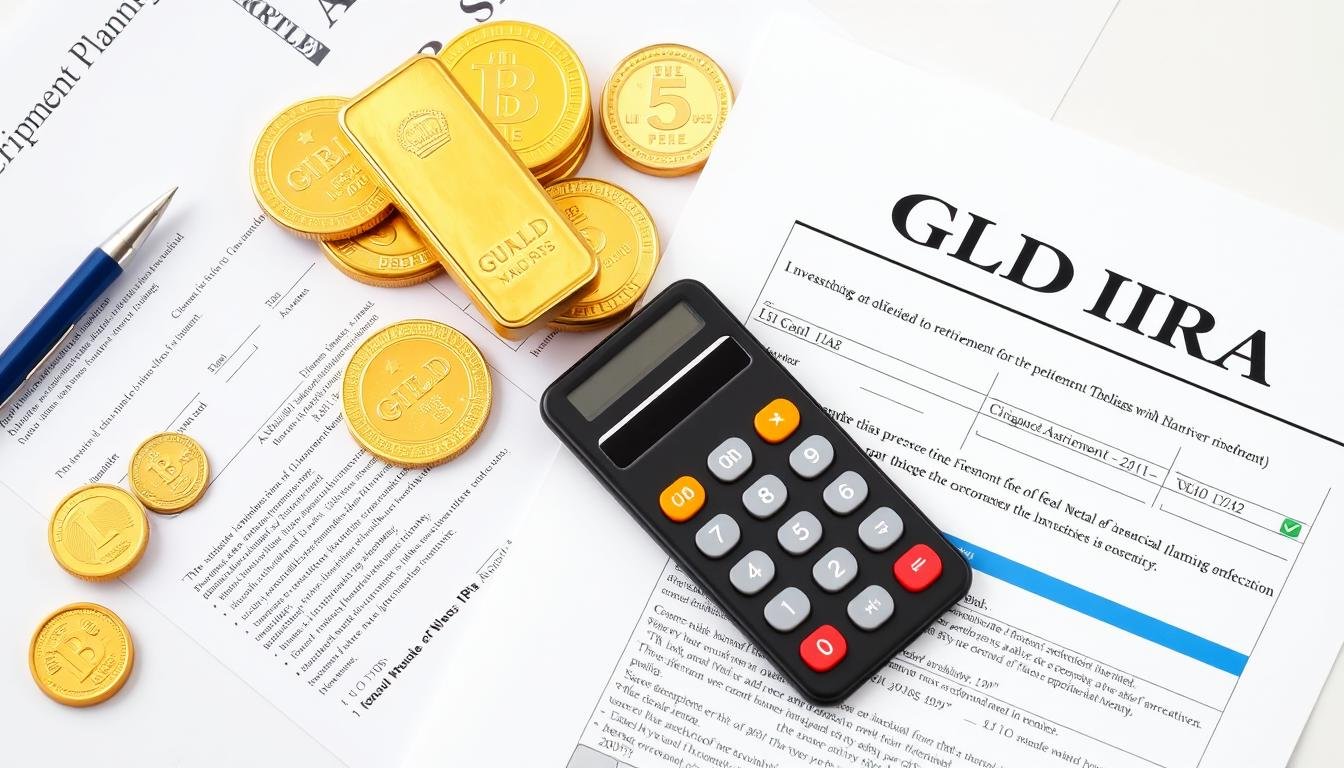
    Average investor reviewing Gold IRA documents, dispelling gold IRA misconceptions

    One of the most persistent gold IRA misconceptions is that these accounts are exclusively for high-net-worth individuals. This myth likely stems from the perception that investing in precious metals requires substantial capital.

    In reality, many reputable Gold IRA companies offer reasonable minimum investment requirements that make these accounts accessible to average investors. While some providers may have higher minimums, others allow you to start with as little as $5,000-$10,000, which is comparable to many traditional retirement account minimums.

    Additionally, you can fund a Gold IRA through a rollover from an existing retirement account, making it easier to get started without finding new investment capital. This approach allows investors with modest retirement savings to diversify into precious metals.

    Ready to learn if a Gold IRA is right for you?

    Download our free guide to discover how Gold IRAs work and whether they fit your retirement strategy.

    Get Your Free Gold IRA Guide

    Myth 2: Gold IRAs Offer No Tax Benefits

    Tax documents next to Gold IRA paperwork showing tax benefits

    Another common misconception is that Gold IRAs don’t provide the same tax advantages as traditional retirement accounts. This is simply not true. Gold IRAs follow the same tax rules as conventional IRAs, with options for both Traditional and Roth structures.

    Traditional Gold IRA

    • Contributions may be tax-deductible
    • Investments grow tax-deferred
    • Taxes paid upon withdrawal

    Roth Gold IRA

    • Contributions made with after-tax dollars
    • Investments grow tax-free
    • Qualified withdrawals are tax-free

    The IRS treats precious metals in these accounts just like any other approved asset. As long as the metals meet purity standards and are held by an approved custodian, you receive the same tax benefits you would with stocks or bonds in a retirement account.

    Myth 3: You Can Store IRA Metals at Home

    Secure depository storage facility for Gold IRA metals

    One dangerous gold IRA misconception is that you can keep your IRA-held precious metals at home. This is categorically false and could lead to serious tax consequences if attempted.

    IRS regulations explicitly require that precious metals in an IRA must be stored in an approved depository. Taking physical possession of the metals would be considered a distribution, potentially triggering taxes and penalties if you’re under 59½ years old.

    Warning: Beware of companies promoting “home storage” Gold IRAs. These schemes often mislead investors about IRS requirements and could result in disqualification of your entire IRA, immediate taxation, and penalties.

    Approved depositories offer several important benefits:

    • Professional security systems and protocols
    • Insurance coverage for your metals
    • Regular audits and verification
    • Proper documentation for IRS compliance

    While you can’t store the metals at home while they’re in your IRA, you can take physical possession when you take a distribution from your account, though this may have tax implications.

    Myth 4: Gold IRAs Are Risk-Free Investments

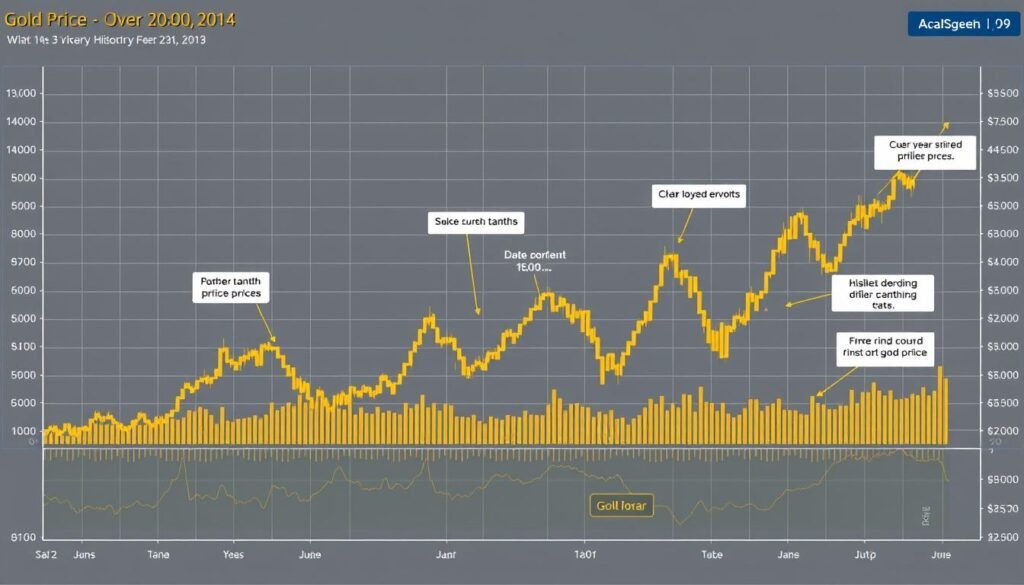
    Gold price chart showing historical volatility

    While gold has historically maintained value over the long term, the notion that Gold IRAs are completely risk-free is a misconception. Like all investments, precious metals come with their own set of risks and considerations.

    Understanding Gold’s Price Volatility

    Gold prices can fluctuate significantly based on various factors:

    • Economic conditions and interest rates
    • Currency strength, particularly the U.S. dollar
    • Global political events and crises
    • Market sentiment and investor behavior

    Unlike stocks or bonds, physical gold doesn’t generate income through dividends or interest. Your returns depend entirely on price appreciation, which isn’t guaranteed in any specific timeframe.

    “Gold should be viewed as an insurance policy against economic uncertainty, not as a growth investment. Its primary value is in portfolio diversification and wealth preservation.”

    — Financial Advisor with 20+ years experience

    Most financial experts recommend allocating only a portion of your retirement portfolio to precious metals—typically 5-15%—as part of a diversified investment strategy.

    Stay informed about precious metals markets

    Subscribe to our newsletter for regular updates on gold prices, market trends, and retirement strategies.

    Myth 5: Setting Up a Gold IRA Is Too Complicated

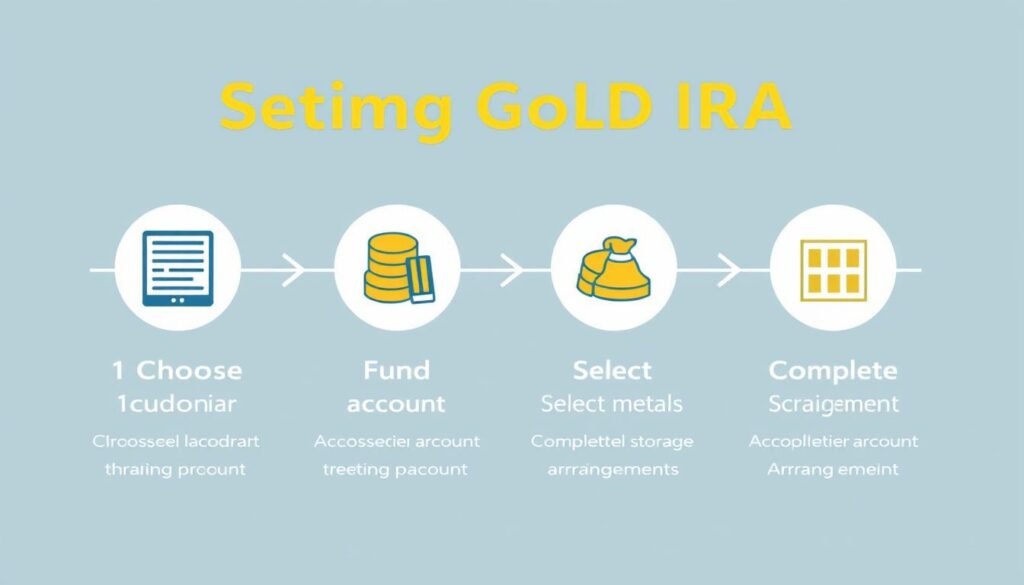
    Simple step-by-step Gold IRA setup process

    Many potential investors avoid Gold IRAs because they believe the setup process is overly complex. While a Gold IRA does involve a few more steps than a standard IRA, reputable companies have streamlined the process to make it straightforward.

    The Gold IRA Setup Process

    1. Choose a reputable custodian that specializes in self-directed IRAs and precious metals.
    2. Complete the account application with your custodian, similar to opening any financial account.
    3. Fund your account through a contribution, transfer, or rollover from an existing retirement account.
    4. Select your precious metals from IRS-approved options with guidance from your dealer.
    5. Finalize storage arrangements with an approved depository through your custodian.

    Most Gold IRA companies provide dedicated account representatives who guide you through each step, handle the paperwork, and coordinate between the custodian, metals dealer, and depository. This hands-on assistance makes the process much simpler than many expect.

    Rollovers from existing retirement accounts can typically be completed with minimal effort on your part, often requiring just a few signatures on pre-prepared forms.

    Myth 6: Gold IRA Fees Make Them Prohibitively Expensive

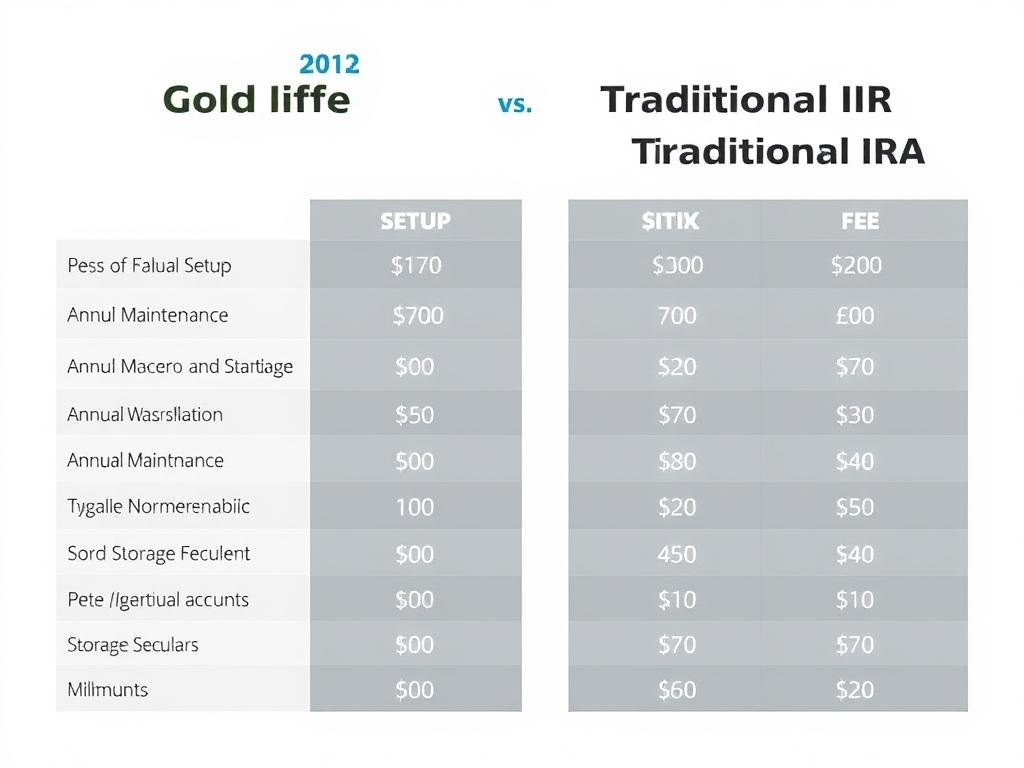
    Comparison of Gold IRA fees vs traditional IRA fees

    Concerns about high fees are common among those considering Gold IRAs. While it’s true that Gold IRAs typically have additional costs compared to standard IRAs, these fees are often reasonable and transparent when working with reputable providers.

    Understanding Gold IRA Fee Structure

    Fee Type Typical Range Description
    Setup Fee $50-$150 One-time fee to establish the account
    Annual Maintenance $75-$300 Yearly fee for account administration
    Storage Fee $100-$300 Annual cost for secure depository storage
    Transaction Fees Varies Costs associated with buying/selling metals

    When evaluating Gold IRA providers, look for transparent fee structures with no hidden costs. Some companies offer scaled fees based on account value, while others provide flat-fee options that can be more economical for larger accounts.

    While fees are an important consideration, they should be viewed in the context of the potential benefits of portfolio diversification and inflation protection that precious metals can provide.

    Myth 7: All Gold IRA Companies Provide the Same Service

    Different Gold IRA companies offering varying services

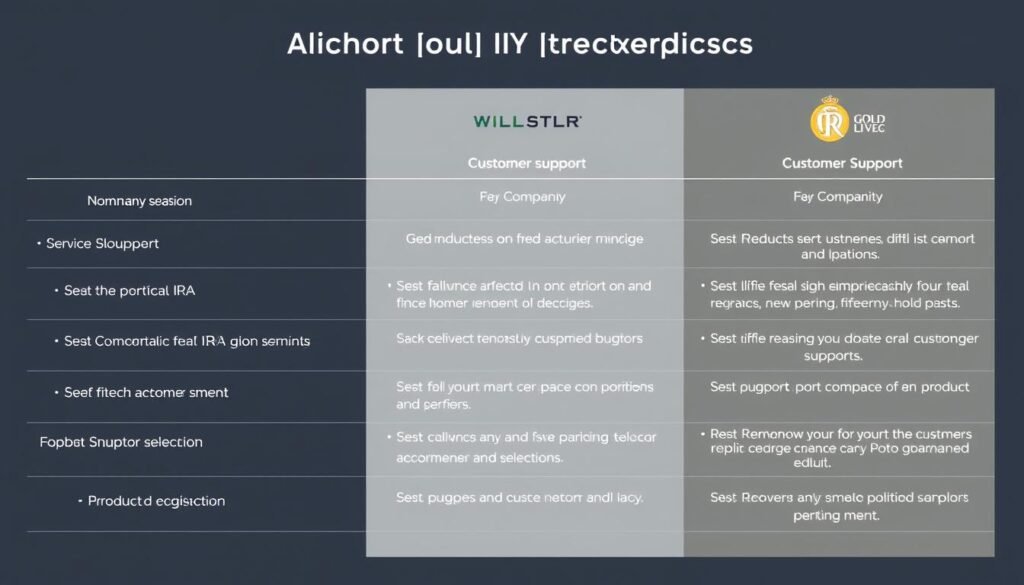
    Perhaps one of the most dangerous gold IRA misconceptions is that all providers offer equivalent services and reliability. In reality, there are significant differences in expertise, pricing, customer service, and product selection among Gold IRA companies.

    Key Differentiators Among Gold IRA Companies

    What to Look For

    • Transparent fee structure with no hidden costs
    • Educational resources and market insights
    • Strong industry reputation and reviews
    • Reasonable buyback programs
    • Dedicated customer support
    • Industry credentials and partnerships

    Red Flags to Avoid

    • High-pressure sales tactics
    • Promises of guaranteed returns
    • “Home storage” IRA promotions
    • Excessive fees or unclear pricing
    • Limited or no buyback options
    • Poor reviews or regulatory issues

    Take time to research potential providers thoroughly. Check customer reviews, Better Business Bureau ratings, and any regulatory actions. Reputable companies will focus on education rather than aggressive sales tactics and will be transparent about all costs involved.

    The quality of your Gold IRA experience depends significantly on choosing the right company to work with, making this an essential step in the process.

    Benefits of Including Precious Metals in Your Retirement Portfolio

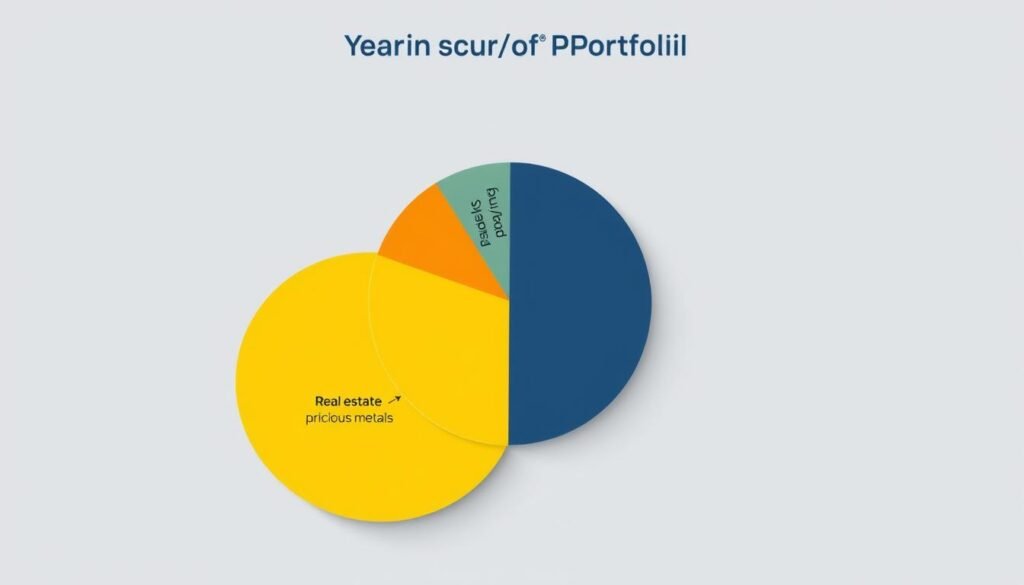
    Diversified retirement portfolio including precious metals

    While it’s important to understand the misconceptions surrounding Gold IRAs, it’s equally valuable to recognize the potential benefits they can offer as part of a diversified retirement strategy.

    Portfolio Diversification

    One of the primary advantages of precious metals is their historically low correlation with traditional assets like stocks and bonds. This means that when stock markets experience volatility, gold often moves independently or even in the opposite direction, potentially helping to stabilize your overall portfolio returns.

    Inflation Protection

    Precious metals, particularly gold, have historically maintained purchasing power over long periods. Unlike paper currency, which can be devalued through inflation and monetary policy, gold’s inherent scarcity helps it retain value even as the cost of living increases.

    Currency Devaluation Hedge

    During periods of currency devaluation or monetary instability, precious metals often serve as a store of value. This can be particularly important for retirees who need to preserve their purchasing power through economic uncertainties.

    Did You Know? During the 2008-2009 financial crisis, while the S&P 500 fell by over 50% from its peak, gold prices increased by approximately 25%. This illustrates how precious metals can sometimes move counter to traditional markets during periods of economic stress.

    Frequently Asked Questions About Gold IRAs

    Person researching answers to Gold IRA questions

    Can I add gold I already own to my Gold IRA?

    No, you cannot add gold you already personally own to your Gold IRA. IRS regulations require that precious metals for an IRA must be purchased through the IRA itself and stored directly in an approved depository. This ensures the metals meet purity standards and maintains the tax-advantaged status of the account.

    What happens when I want to take distributions from my Gold IRA?

    When taking distributions from a Gold IRA, you have two options: you can take physical possession of the metals (which counts as a distribution and may be taxable), or you can have the metals sold and receive cash. Required Minimum Distributions (RMDs) apply to Traditional Gold IRAs just like conventional IRAs once you reach age 72 (or 73 for those born after 1950).

    How much of my retirement portfolio should be in precious metals?

    Most financial advisors recommend allocating between 5% and 15% of your retirement portfolio to precious metals. The exact percentage depends on your age, risk tolerance, overall financial situation, and retirement goals. Precious metals should be viewed as one component of a diversified portfolio, not the primary investment vehicle.

    Are there contribution limits for Gold IRAs?

    Yes, Gold IRAs are subject to the same contribution limits as traditional and Roth IRAs. For 2023, the contribution limit is ,500 per year, with an additional

    Frequently Asked Questions About Gold IRAs

    Person researching answers to Gold IRA questions

    Can I add gold I already own to my Gold IRA?

    No, you cannot add gold you already personally own to your Gold IRA. IRS regulations require that precious metals for an IRA must be purchased through the IRA itself and stored directly in an approved depository. This ensures the metals meet purity standards and maintains the tax-advantaged status of the account.

    What happens when I want to take distributions from my Gold IRA?

    When taking distributions from a Gold IRA, you have two options: you can take physical possession of the metals (which counts as a distribution and may be taxable), or you can have the metals sold and receive cash. Required Minimum Distributions (RMDs) apply to Traditional Gold IRAs just like conventional IRAs once you reach age 72 (or 73 for those born after 1950).

    How much of my retirement portfolio should be in precious metals?

    Most financial advisors recommend allocating between 5% and 15% of your retirement portfolio to precious metals. The exact percentage depends on your age, risk tolerance, overall financial situation, and retirement goals. Precious metals should be viewed as one component of a diversified portfolio, not the primary investment vehicle.

    Are there contribution limits for Gold IRAs?

    Yes, Gold IRAs are subject to the same contribution limits as traditional and Roth IRAs. For 2023, the contribution limit is $6,500 per year, with an additional $1,000 catch-up contribution allowed for those 50 and older. However, there are no limits on how much you can roll over from another qualified retirement account.

    ,000 catch-up contribution allowed for those 50 and older. However, there are no limits on how much you can roll over from another qualified retirement account.

    Making an Informed Decision About Gold IRAs

    Person making informed decision about Gold IRA investment

    Understanding the truth behind common gold IRA misconceptions is essential for making an informed decision about whether precious metals belong in your retirement strategy. While Gold IRAs aren’t right for everyone, they can offer valuable portfolio diversification and potential protection against certain economic risks when properly implemented.

    Remember that precious metals should typically represent only a portion of your overall retirement portfolio, complementing traditional investments rather than replacing them entirely. The key is to work with reputable providers who offer transparency, education, and fair pricing.

    By separating fact from fiction regarding Gold IRAs, you can better evaluate whether this investment option aligns with your long-term financial goals and risk tolerance.

    Ready to explore if a Gold IRA is right for you?

    Download our comprehensive guide to learn everything you need to know about Gold IRAs, including setup process, costs, and strategies for maximizing your precious metals investment.

    We respect your privacy. Your information will never be shared or sold.