Picture this: a small group of friends met after a long year of market noise and stories of big gains. One held a bar of precious metal, another an index fund statement, and both were surprised to find they felt equally nervous about the next storm.
Late 2025 left both assets near record highs. That moment forced a simple question for U.S. investors: which asset will better protect purchasing power and limit severe drawdowns as we head into a new year?
In this piece we define “wealth protection” as resilience against big losses, a hedge for inflation and currency shocks, and preserving optionality during volatile markets. You’ll get a clear comparison: a hard-asset hedge with no yield but safe-haven demand, and the S&P 500 as a growth engine sensitive to valuations and earnings.
We preview the decision framework: macro drivers (rates, inflation, dollar), structural demand (central banks, ETF flows), and equity fundamentals (earnings, AI expectations). Expect practical advice on access (ETFs, index funds, futures), risks to respect, and how time horizon changes the better fit.
For more on practical retirement-safe options and straightforward comparisons, see this guide on retirement resources at retirement investing resources.
Key Takeaways
- Wealth protection means limiting drawdowns and preserving purchasing power, not just chasing gains.
- Compare macro drivers, structural demand, and equity fundamentals when allocating between assets.
- Hard assets can hedge shocks; the S&P 500 offers earnings-driven growth but is valuation-sensitive.
- Access options matter: ETFs, index funds, and futures carry different costs and risks.
- Your time horizon and risk tolerance will determine which asset fits your portfolio best.
What 2025 Revealed About Wealth Protection in Gold and Stocks
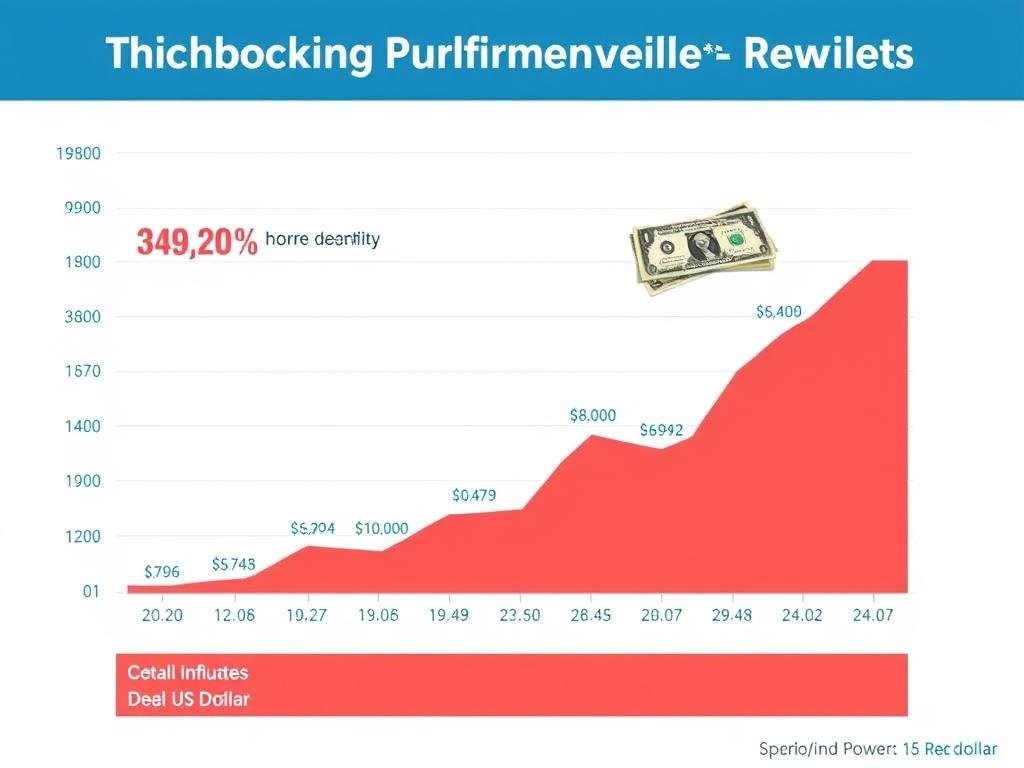
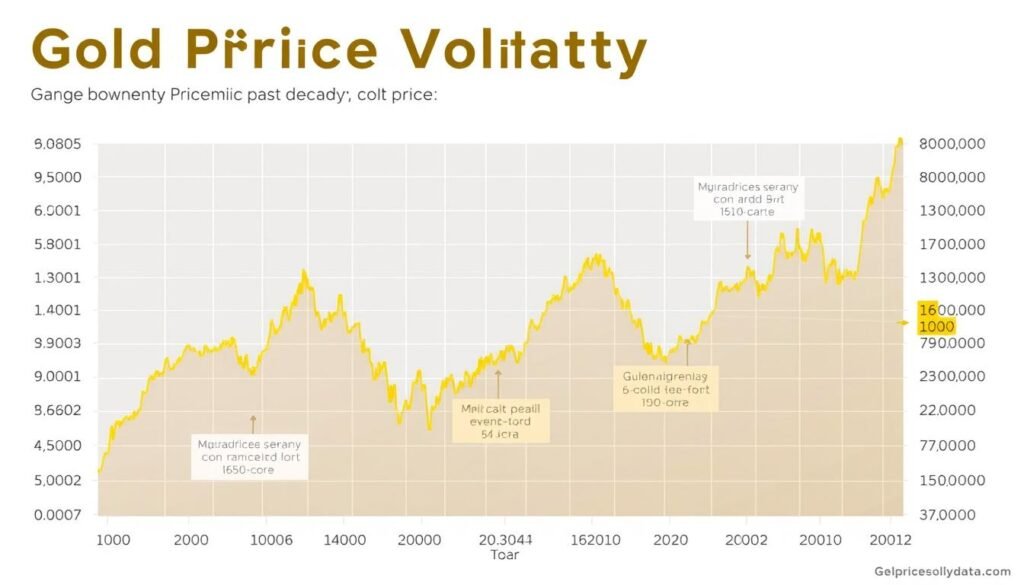
Last year’s charts told two parallel stories: one of rising safe-haven demand and one of stretched equity optimism. Spot metals climbed to a record near $4,560/oz before slipping to about $4,400 after a >4% pullback tied to margin hikes and profit-taking.
That rally signaled uncertainty: geopolitics, tariff worries, inflation anxiety and slower confidence all drove persistent demand. Gold ETFs added assets for six straight months, pushing global ETF holdings past ~$0.5T and showing allocation shifts matter for price moves.
The dollar fell roughly 10% against major currencies in 2025, and Fed rate cuts made non-yielding metal more attractive versus yielding alternatives. Still, the pullback shows risk: margins and trader behavior can cause sharp drops even in bull phases.
The S&P 500 ended the year near record levels, led by heavy AI spending narratives. Strong gains coexisted with rising valuation questions. Remember: protecting wealth is not the same as maximizing returns—an all-growth portfolio can shine in calm rallies but fail when markets stress.
- 2025 was a stress test: assets that respond to fear diverge from those that respond to growth.
- Diversification matters: allocation, not headlines, often determines protection during shocks.
Gold vs Stocks 2026: Drivers That Could Decide the Winner
Several clear drivers — from rate moves to central-bank buying — will set the tone for returns and protection.
Interest rates and Fed policy
Why rate cuts can favor a non-yielding asset
When interest rates fall, the “opportunity cost” of holding a non-yielding asset shrinks. That makes it easier for investors to prefer a store of value over low-yield cash or some bonds.
Fed easing in late 2025 already boosted appeal. Lower yields often reduce real rates, which can lift demand and help price support.

How inflation and currency moves change allocation
Persistent inflation or tariff shocks push investors to hedge purchasing power. If real rates fall and the dollar weakens, global buyers may increase allocation.
Remember: a weaker dollar can mechanically lift dollar-denominated values and reinforce buying momentum abroad.
Structural demand and flows
Reserve buying, ETFs, and concentrated demand
Central banks are a steady force: a WGC survey found 95% expect to add reserves. That creates ongoing structural demand and a price floor.
Large ETF inflows — including record quarterly inflows in 2025 — concentrate buying into liquid wrappers and can push targets cited by analysts.
Risk, margin moves, and sudden pullbacks
Geopolitics, profit-taking, and margin shocks
During uncertainty, safe-haven bids often compete with an equity risk premium. But margin hikes or profit-taking can cause sharp, short dips even inside an uptrend.
“CME margin increases in 2025 triggered a quick selloff before prices snapped back,”
Watch the dashboard: rates, inflation, dollar value, central-bank action, and ETF flows together determine which asset has the edge.
The S&P 500 Outlook for 2026: Growth Potential, Valuation Risk, and Volatility
After a strong run, the S&P 500 faces a year where profits must do the heavy lifting for returns. A reasonable planning baseline is about 7% annual return, according to market research, if earnings expansion holds.
Reasonable return expectations
Ayako Yoshioka cites an average near 7% for the index. For that to happen, earnings need to grow more than 12% and margins must stay resilient.
That means steady revenue, controlled costs, and benign macro conditions so profits compound without a valuation reset.
AI infrastructure and elevated multiples
AI spending supports the narrative but raises risk. If capex doesn’t translate to durable profits, high multiples can compress quickly.
“Experts warn volatility as the AI theme is debated.”
Broader equity opportunities and sector themes
Small- and mid-cap firms could catch up if rates stabilize and M&A returns. Financials may see net interest margin gains from a steeper yield curve, helping earnings even in slower growth.
International equities as a diversifier
Developed international markets offer lower valuations, higher dividends, and possible currency tailwinds. That can reduce reliance on U.S. megacaps and smooth portfolio outcome.
For a concise read on wider market signals and positioning, consider this note on stock market trends.
Which Asset Better Protects Wealth in 2026? Use-Cases, Risks, and Portfolio Fit
Protection depends less on hero assets and more on which macro script actually plays out next year. Choose based on likely scenarios, not wishful thinking.
When a defensive metal makes sense: slowdown, geopolitical stress, falling real rates, dollar weakness, and steady central bank buying all boost the case for gold. Many analysts set gold 2026 targets in a $4,000–$5,000 range, with some forecasts near $4,900 and upside toward $5,000 if reallocations persist.
When stocks protect better: steady growth, controlled inflation, and supportive monetary policy let earnings do the heavy lifting. If companies deliver 12%+ profit growth, the S&P 500 can offer sensible returns and rebuild wealth over time.

“Significant upside is possible if investors shift equity and bond exposure into metal ETFs.”
| Scenario | Best fit | Main risks | How to access |
|---|---|---|---|
| Slowdown, weak dollar | Gold shelter | Rising rates, demand cooling | ETFs, futures |
| Steady growth, stable inflation | S&P 500 and broad equity | Valuation shock, AI disappointment | Index funds, ETFs |
| Mixed/uncertain | Blend of both | Volatility, liquidity needs | Rebalance, set time horizon |
Match allocation to your time horizon and liquidity needs. Keep rebalancing discipline and use products—ETFs, futures, index funds—that fit your risk tolerance. That way you reduce regret and keep upside potential while guarding against sharp drawdowns.
Conclusion
Your protection plan hinges on whether growth or shock drives markets in the months ahead.
Gold vs Stocks 2026 boils down to engines of protection: one rests on hard-asset demand and structural reserve buying, the other on business earnings and durable growth. Both can preserve wealth, but they respond to different forces.
Watch the hinge factors: interest rates, Fed policy, inflation and tariff spillovers, the dollar, and whether uncertainty stays high or fades. Research and data point to solid structural support for gold and a cautious outlook for the s&p 500 that needs strong earnings to justify current prices.
Pick an allocation range that matches your time horizon, commit to rebalancing, and act with discipline. Winners depend on scenarios, so build resilience across years and keep your plan ready to adapt.
FAQ
How did 2025 change the conversation about protecting wealth with gold compared to equities?
The surprise rally in precious metals during 2025 highlighted rising uncertainty—central bank buying and ETF demand pushed prices higher, while the S&P 500’s gains raised valuation questions. That year showed protecting capital can mean different things: stability and liquidity versus long-term growth and income from stocks.
If the Fed cuts rates in 2026, which asset typically benefits more?
Lower policy rates usually reduce the real yield on cash and bonds, making non-yielding assets more attractive. In that environment, bullion often gains because opportunity cost falls, while equities can also rally—especially rate-sensitive sectors—but they depend on earnings momentum.
What role do central banks play in supporting bullion prices next year?
Central banks continue diversifying reserves away from a single currency. Ongoing official purchases provide structural demand and a price floor, particularly if geopolitical uncertainty or distrust of fiat currencies increases.
Can ETF flows swing market leadership between precious metals and the S&P 500?
Yes. Large inflows into metal-backed ETFs amplify buying pressure and can accelerate rallies. Conversely, heavy equity inflows, especially into large-cap index funds and AI-related themes, can drive the S&P 500 higher and attract capital away from safe havens.
What are realistic return expectations for U.S. large-cap stocks in 2026?
A reasonable, conservative target is roughly mid-single-digit to low double-digit nominal returns. Analysts often cite around 7% as a base case if earnings grow about 10–12% and valuations remain stable, but outcomes depend on inflation and profit execution.
Which macro scenario gives the biggest upside to bullion?
A growth slowdown combined with persistent inflation or renewed currency weakness benefits precious metals most. In that case, continued central bank buying and safe-haven flows could push prices toward much higher targets over time.
What are the main risks for metal investors in 2026?
The big risks are rising real interest rates, a stronger U.S. dollar, and a drop in demand from ETFs or official buyers. Rapid profit-taking or changes in margin requirements for futures can also create sharp short-term pullbacks.
What are the main risks for equity investors next year?
Key threats include valuation compression if earnings disappoint, higher-than-expected inflation that forces tighter policy, and an AI cycle that fails to deliver broad productivity gains. These factors can increase volatility and lower near-term returns.
How should an investor split allocation between bullion exposure and S&P 500 funds?
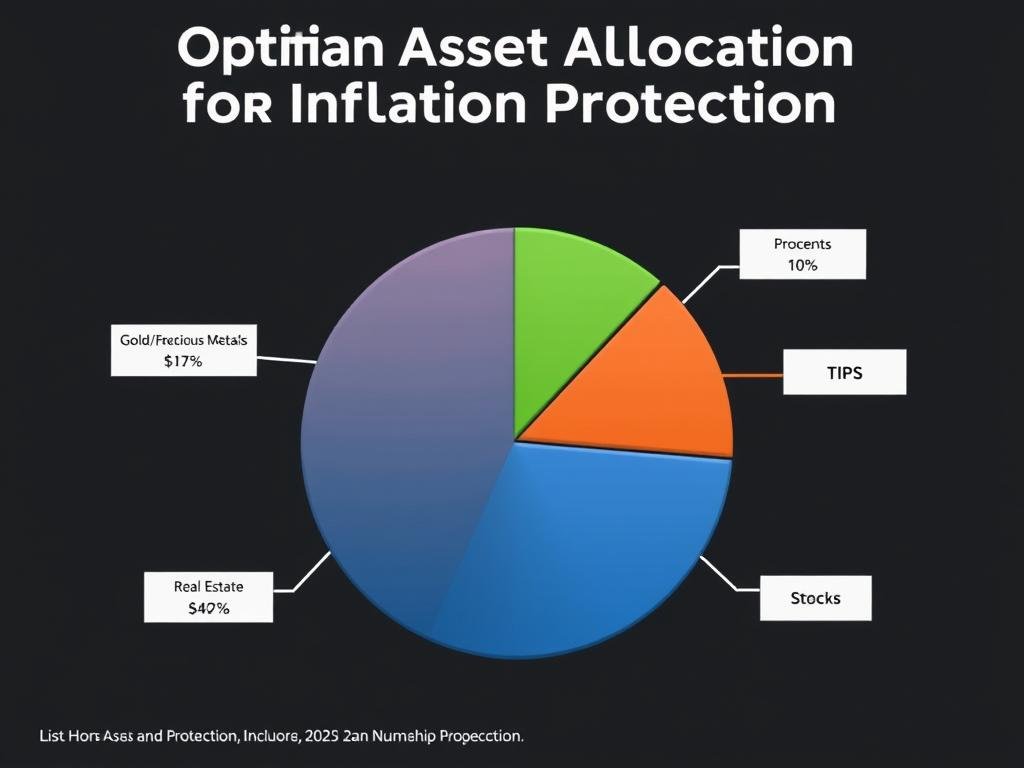
There’s no one-size-fits-all answer. A balanced approach ties allocation to goals and horizon: shorter horizons and capital preservation favor higher metal exposure, while longer horizons and growth objectives favor larger equity weightings. Many advisors suggest a modest allocation to precious metals as portfolio insurance.
What investment vehicles are easiest for U.S. investors to gain exposure to each asset?
For metals, the simplest options are bullion ETFs and allocated storage; futures offer leverage but higher complexity. For equities, low-cost S&P 500 index funds and diversified ETFs provide broad exposure with low fees and easy rebalancing.
How do inflation and tariffs influence asset selection between bullion and stocks?
Rising inflation and trade friction often favor bullion because it preserves purchasing power and acts as a hedge against currency pressure. Equities can do well if companies pass costs to consumers, but margins and growth can suffer under sustained inflation and higher tariffs.
Should international equities be part of a diversification plan in 2026?
Yes. International stocks can offer lower valuations, higher dividend yields, and currency diversification. They can reduce portfolio concentration risk and provide alternative growth drivers if U.S. large caps face valuation headwinds.
How quickly can allocation flows reverse in these markets?
Very quickly. Market sentiment, policy surprises, or geopolitical shocks can shift flows in days or weeks. That’s why liquidity, clear investment rules, and disciplined rebalancing matter for long-term investors.
What signals should investors watch to decide whether to favor metals or equities during 2026?
Key signals include real interest rates, dollar strength, central bank buying, ETF flow data, corporate earnings trends, and macro growth indicators. Monitoring these helps align allocation with changing risk and return prospects.
Can small- and mid-cap stocks outperform large caps amid this backdrop?
Yes. If economic growth stabilizes and funding conditions remain supportive, smaller companies with leverage to domestic recovery and cyclical sectors can catch up, offering diversification and potential alpha relative to mega-cap indices.